This beautiful space in the
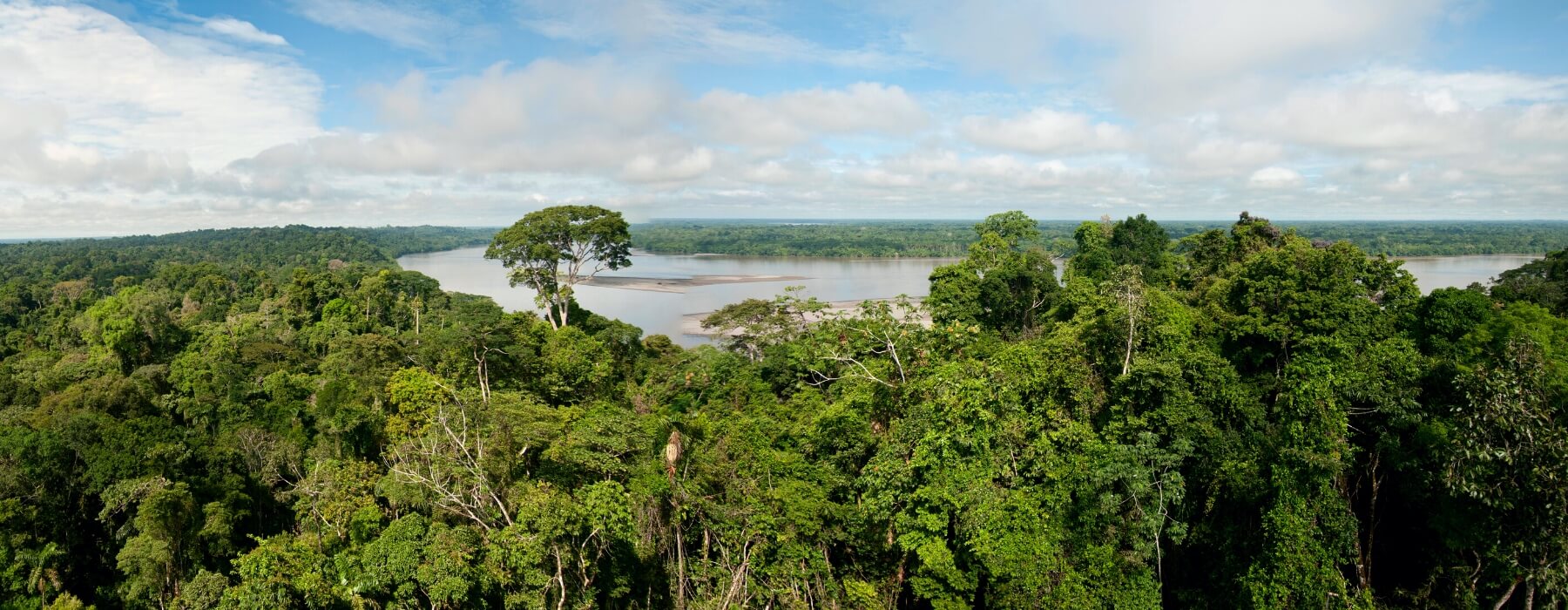
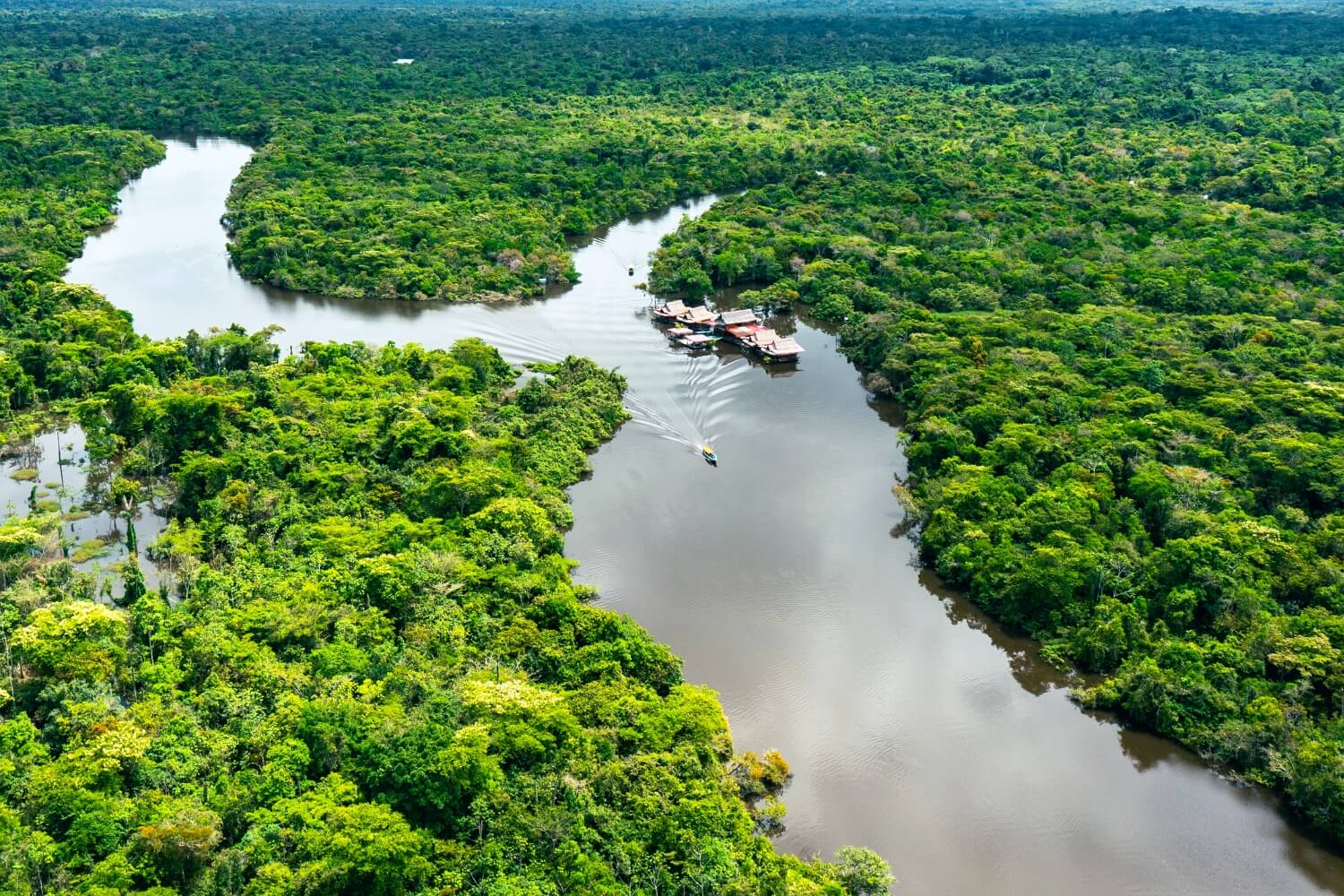
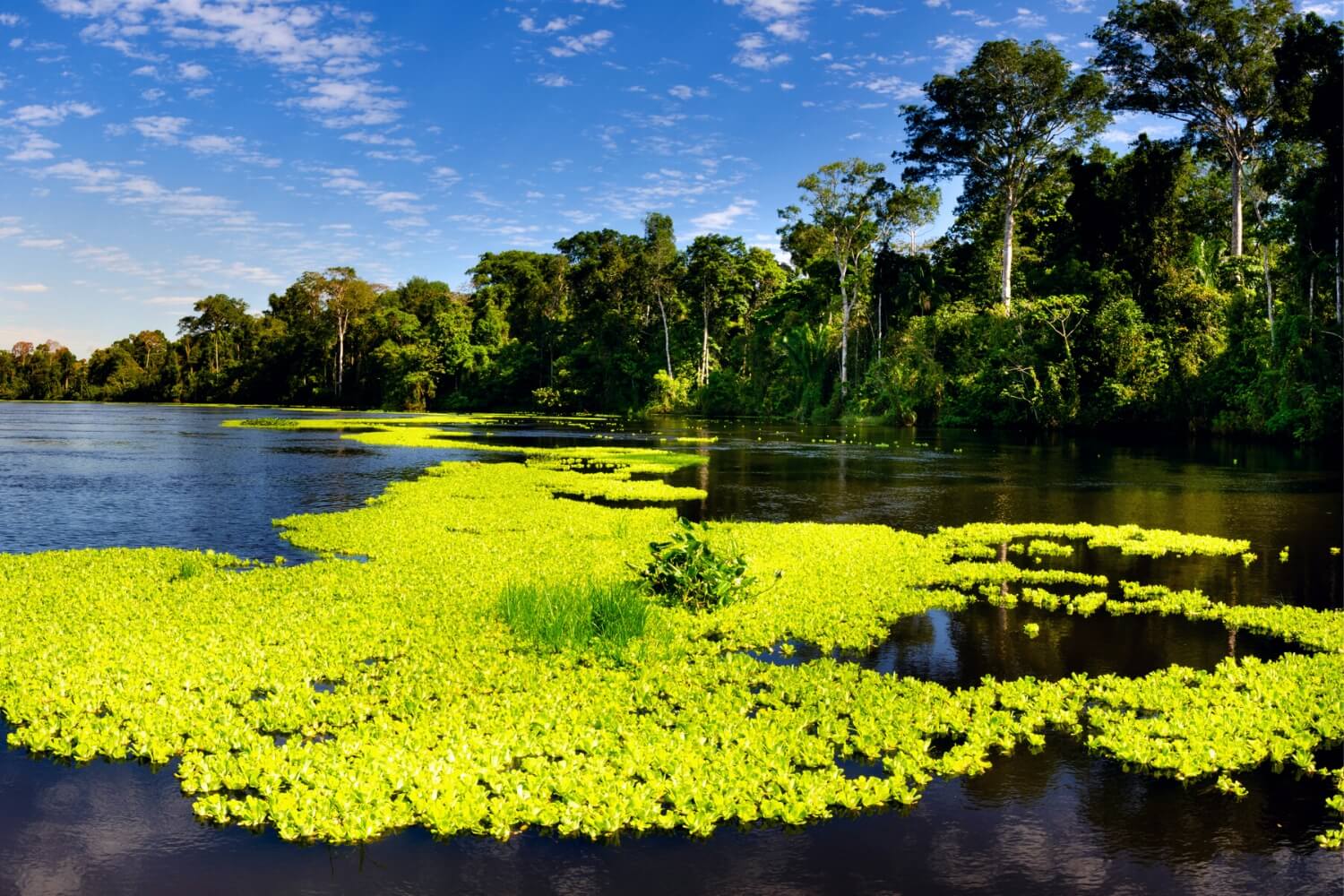
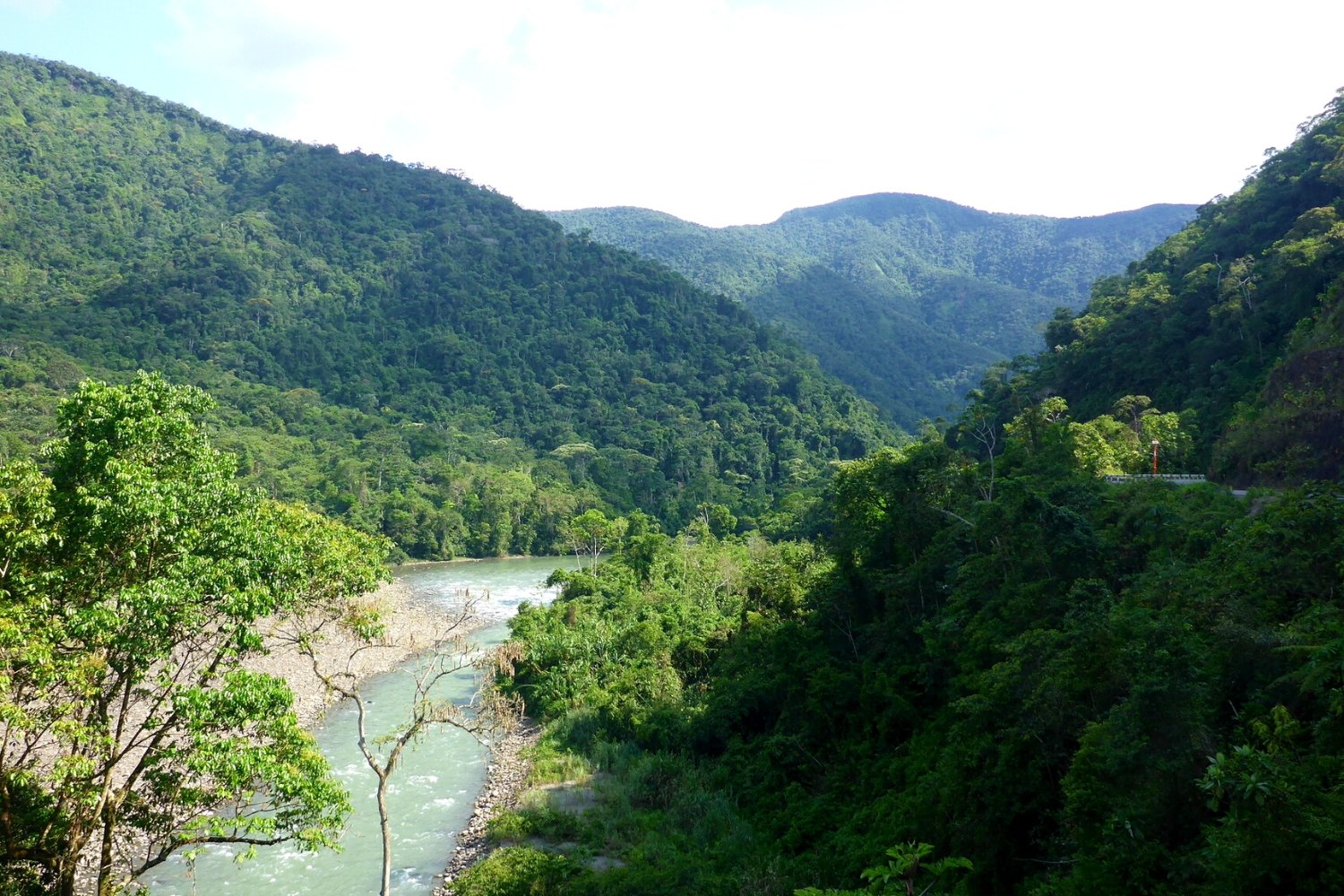
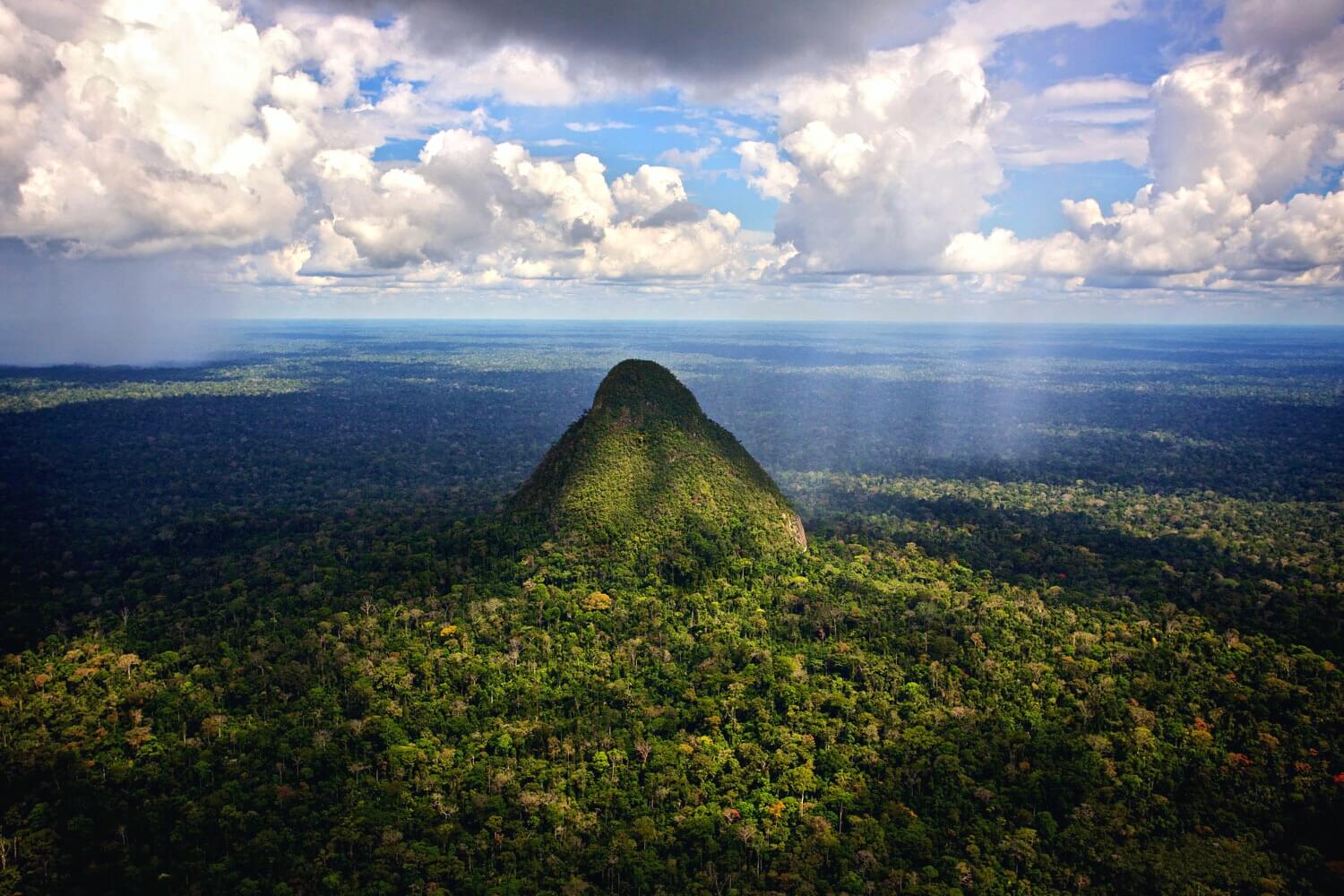
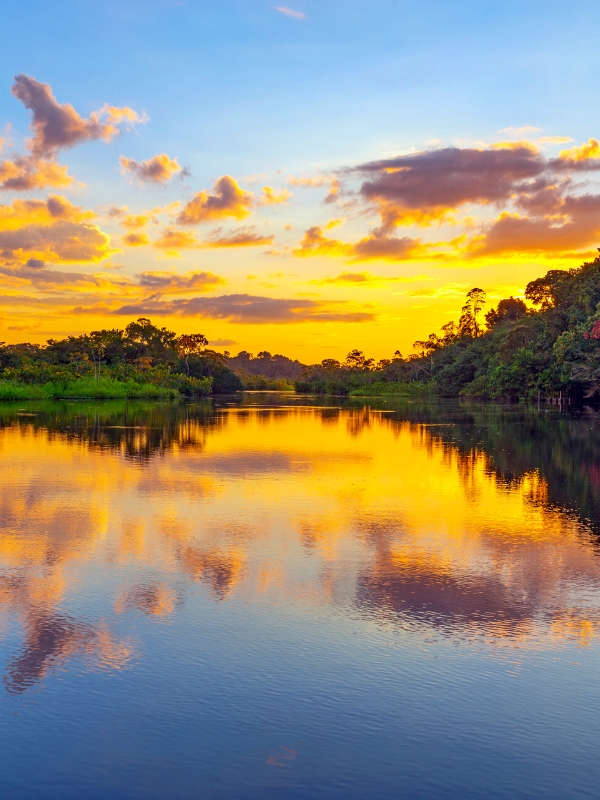
Amazon jungle of Peru is located on the border with Brazil. The Sierra del Divisor National Park protects the mountain range located in the Amazonian plain. These mountains have a great slope and originate a watershed at more than 900 meters above sea level. The complex of cones and hills of volcanic origin, constitutes the origin of countless small basins that drain their waters towards the Ucayali river in Peru and the Yuruá in Brazil. In that country there is a complex of protected natural areas adjacent to the park, which form a biological corridor of more than three million hectares.
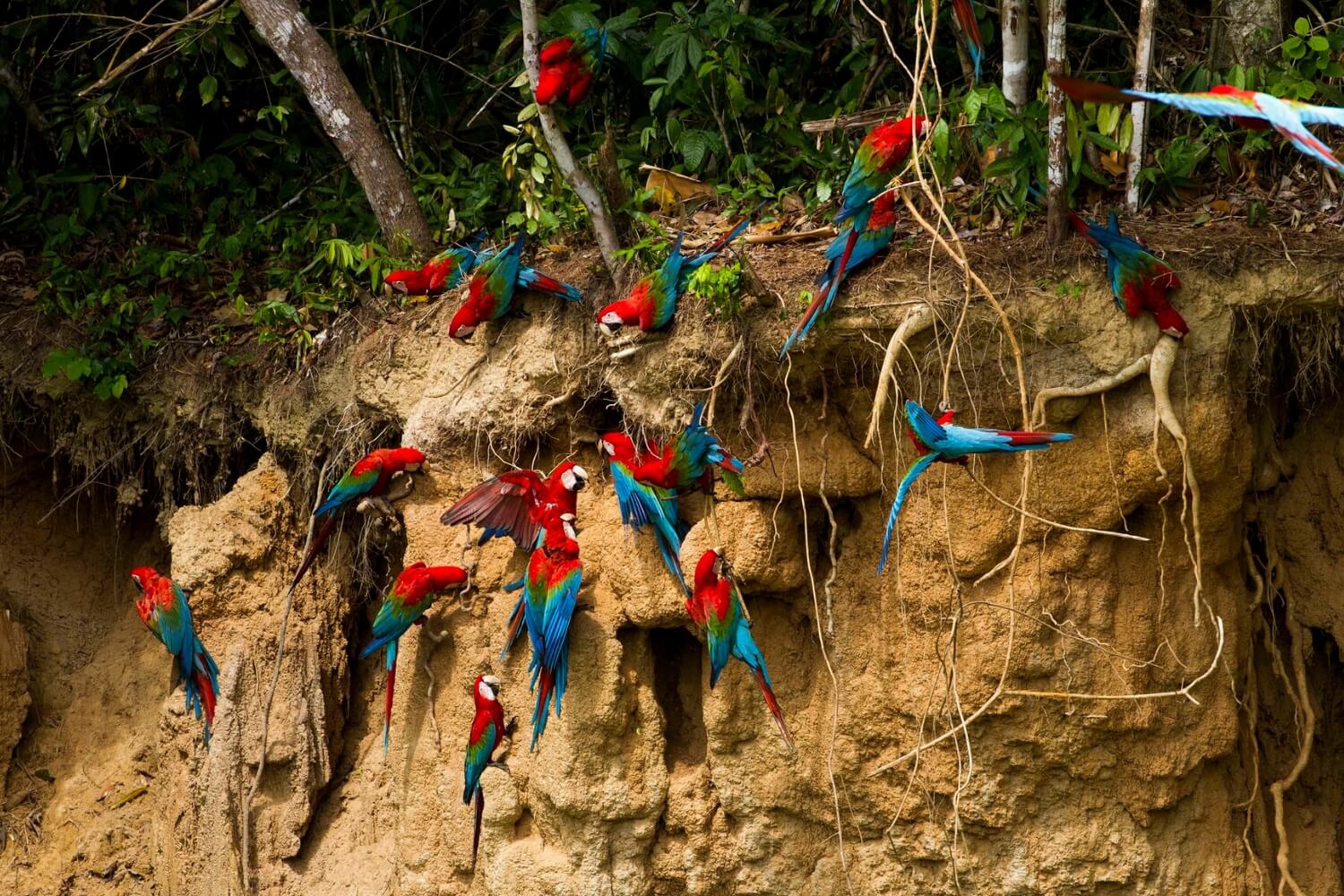
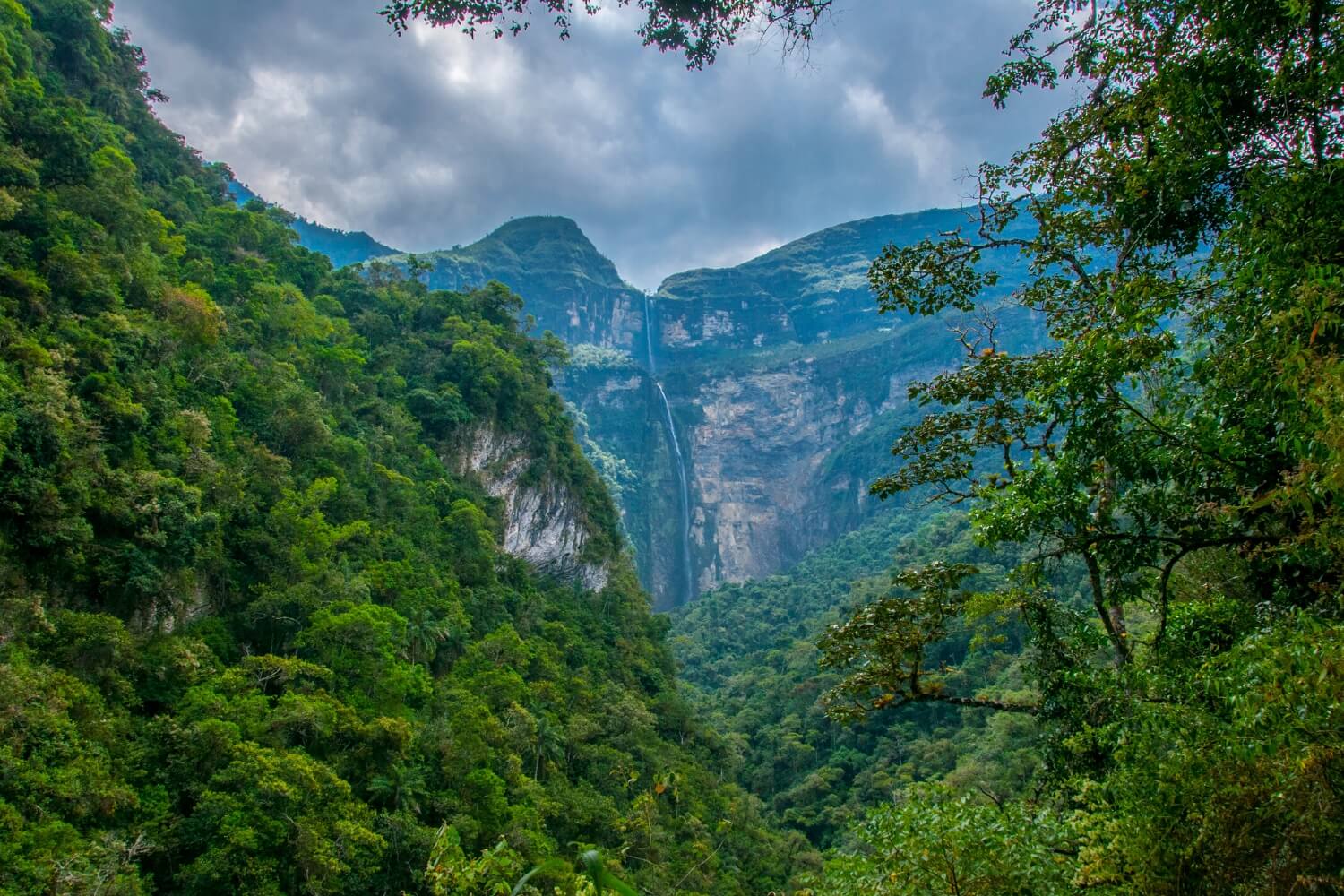
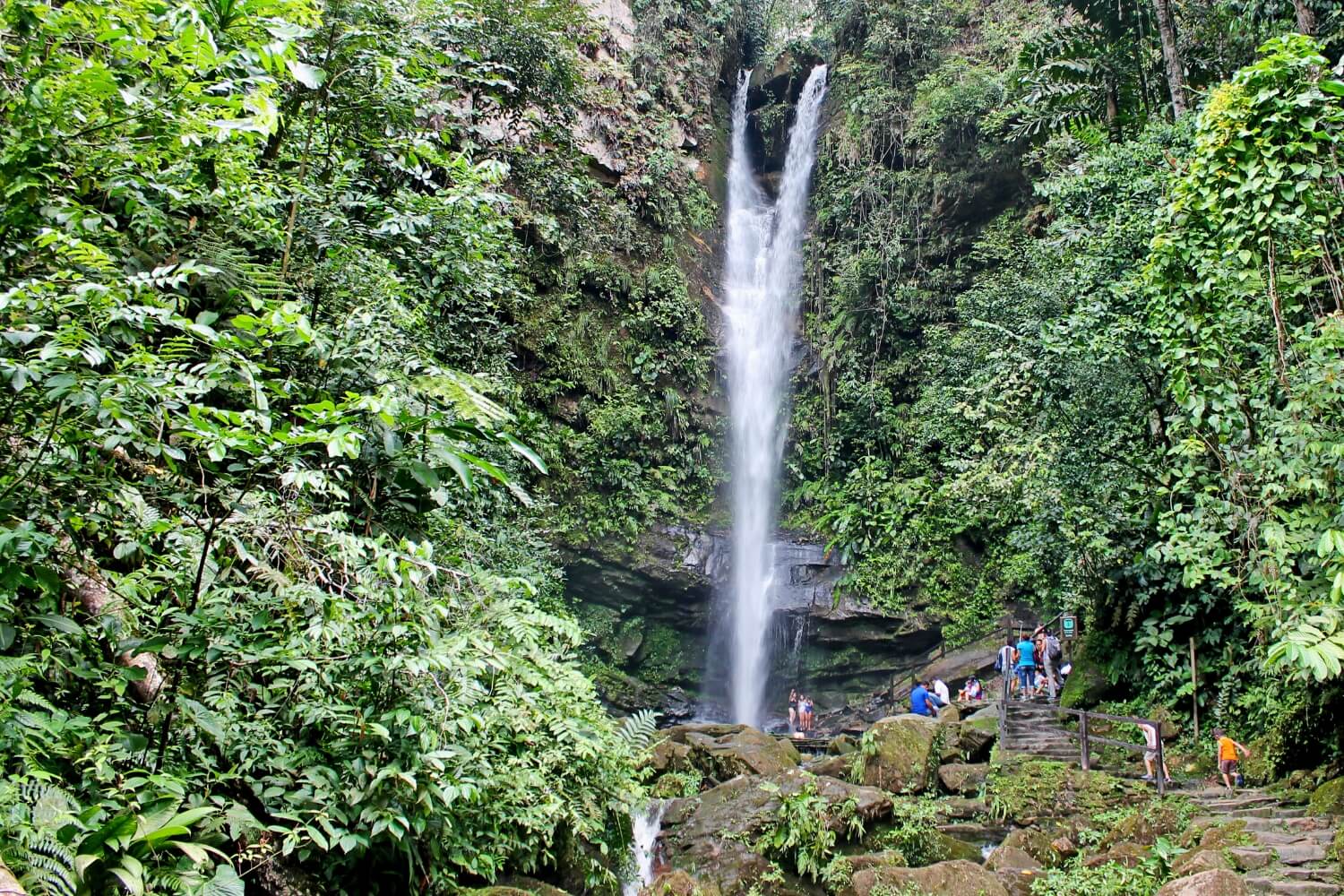
Geologically speaking, it constitutes one of the oldest areas of the Amazon and has spectacular and inaccessible landscapes, in turn, the Sierra del Divisor National Park presents little intervened areas with a high degree of conservation that encompass ecosystems and biological communities of flora and fauna species. endemic and with a restricted distribution, which makes it an area of great importance. likewise, it has numerous waterfalls, hot springs and macaw clay licks, of great beauty and attractiveness.
The singular geographical situation of the Sierra del Divisor National Park with its isolated mountains has generated many endemic species, that is to say, in the area there are species that only exist in that place, such as the "diviorius bird" (thamnophilus divisorius), also known as acre anteater, in reference to the neighboring Brazilian region where it was recorded for the first time in 2004, later this bird was found in Peru.
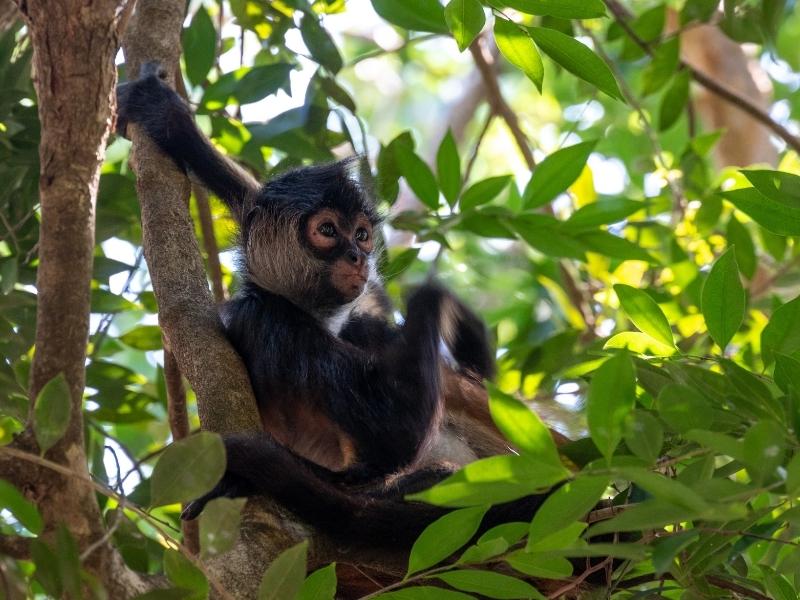
In the Sierra del Divisor National Park there is the largest number of primate species in Peru (16 species), if both sides of the border are taken into account, that is, also the Brazilian side, the number of primates rises to 18, which represents one of the highest records in the world.
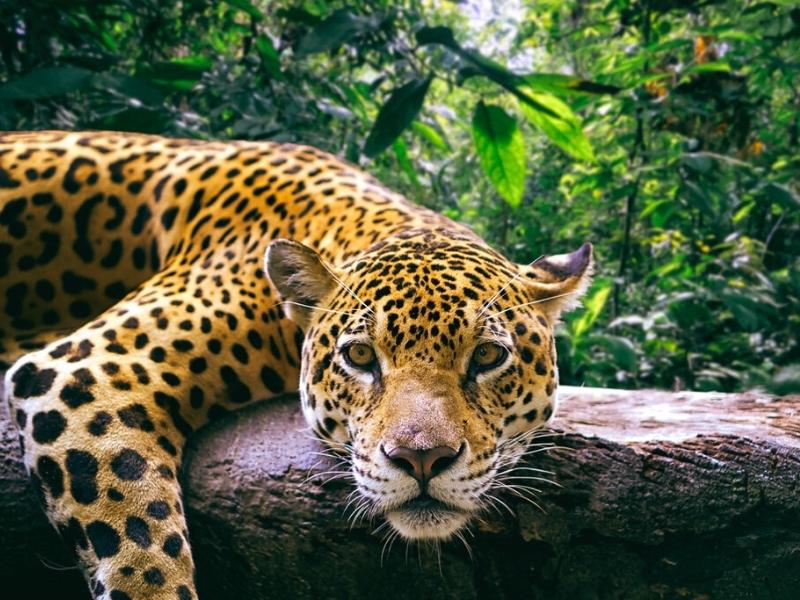
The presence of other mammals has also been recorded, such as the sachavaca , the peccary , the peccary, the giant anteater, the giant armadillo, as well as carnivores such as the otorongo , the mountain dog , the river otter and the short-eared fox .
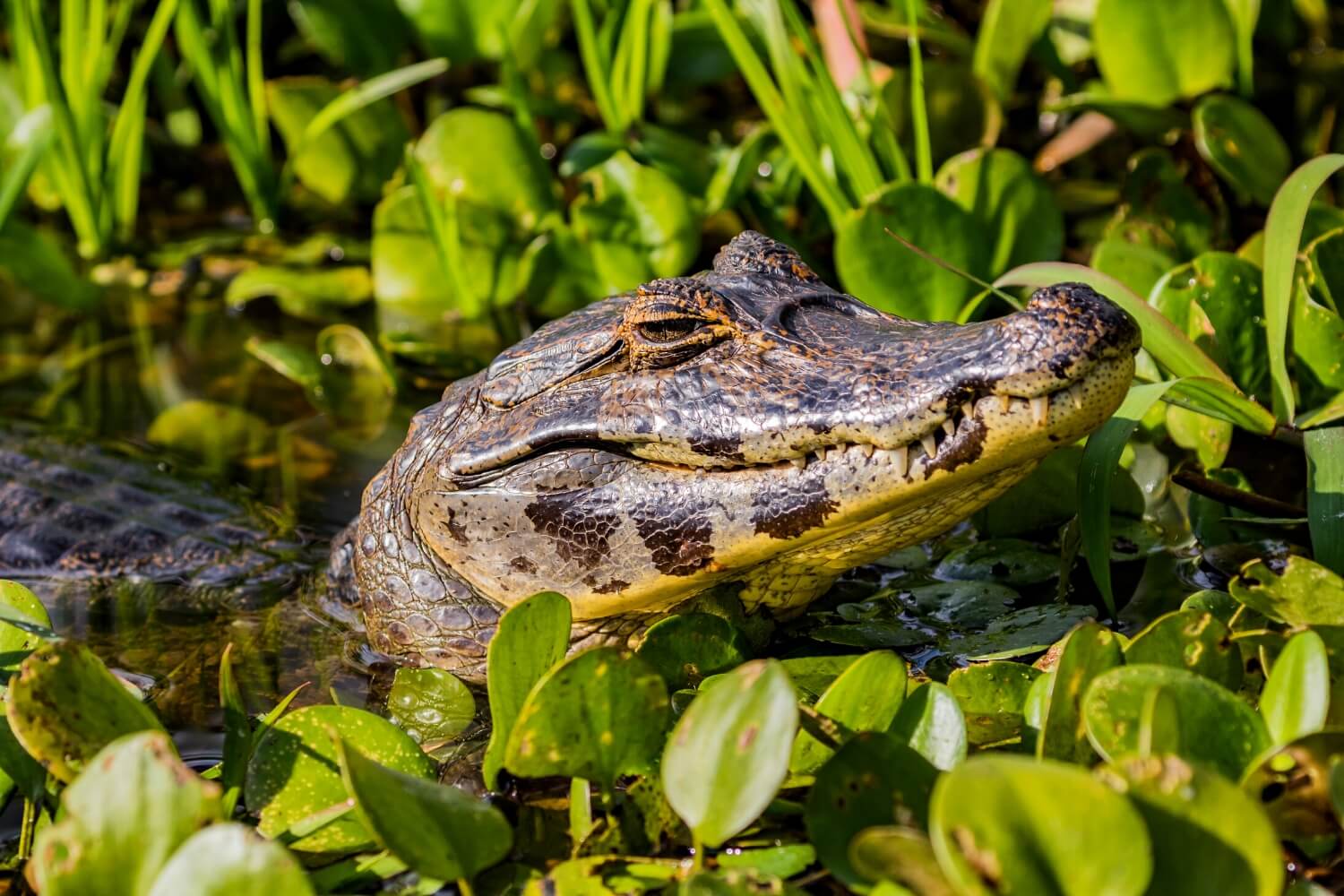
Among the amphibians and reptiles, the taricaya , the motelo, the alligator ; various poison dart frogs and the largest gecko species in the Amazon.
Regarding the flora, there are two probably unique plant associations. The first includes dwarf forests and patches of terrestrial bromeliads that grow on the dry peaks of the ancient limestone formations in the Contamana, Contaya and Jaquerana mountain ranges, in the northern half of the park.