

Manu Amazon Rainforest Tours 5 Days
 Wildlife & Nature

CREATING AUTHENTIC TOURS IN PERU
Discover the Manu Amazon Rainforest in Peru 5 days
 CREATING AUTHENTIC TOURS IN PERU
Discover the Manu Amazon Rainforest in Peru 5 days
Trip OverviewTrip Overview
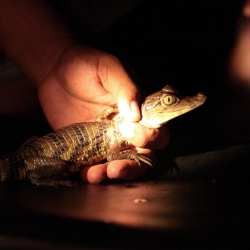
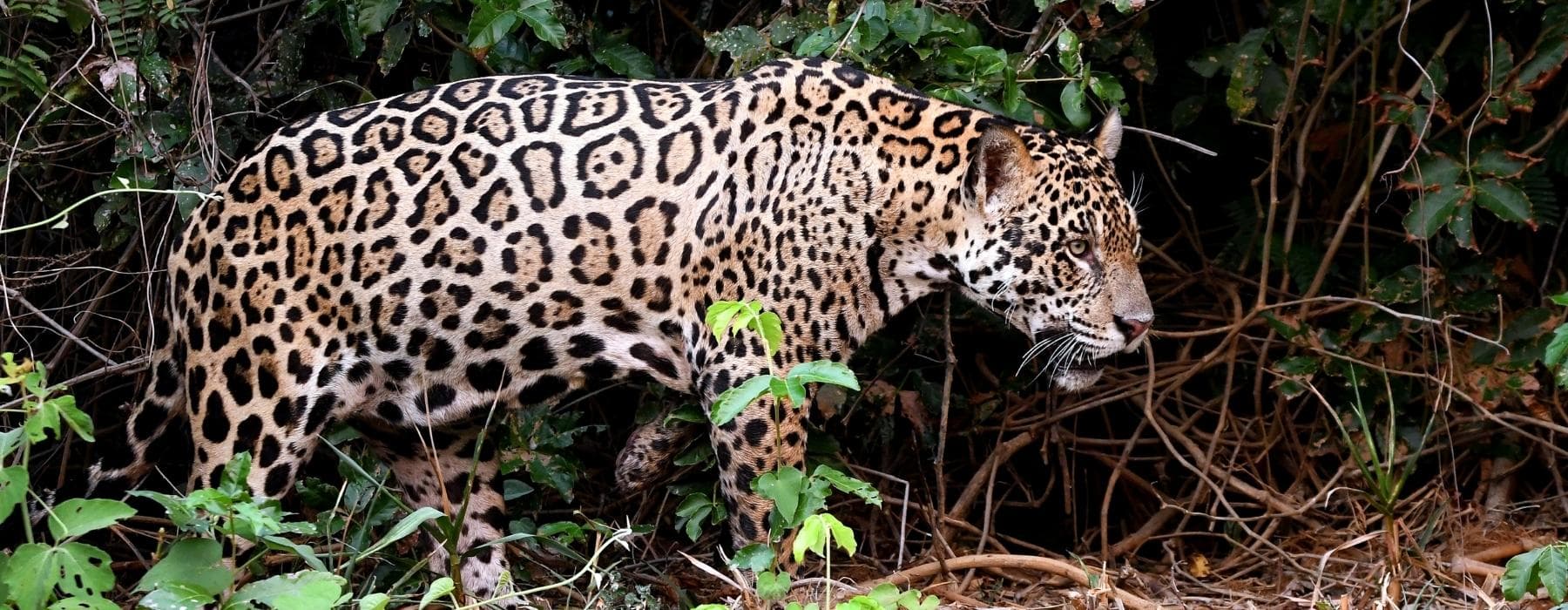
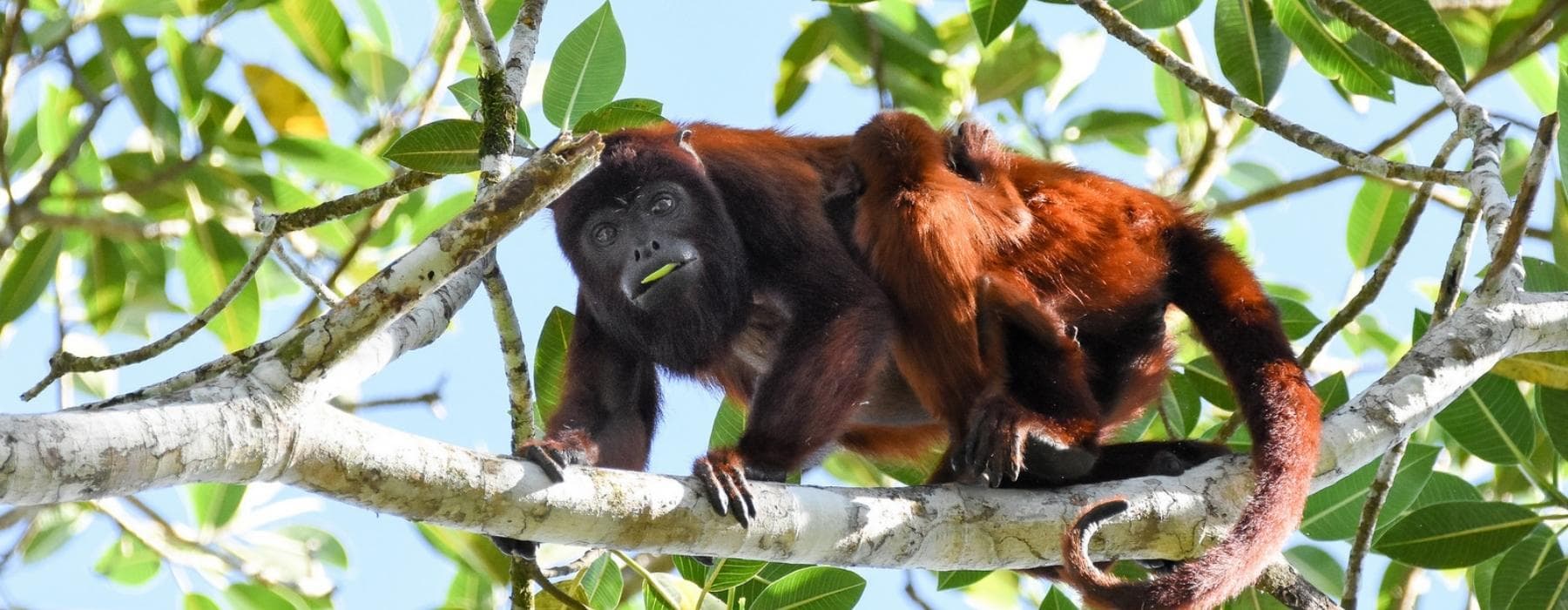
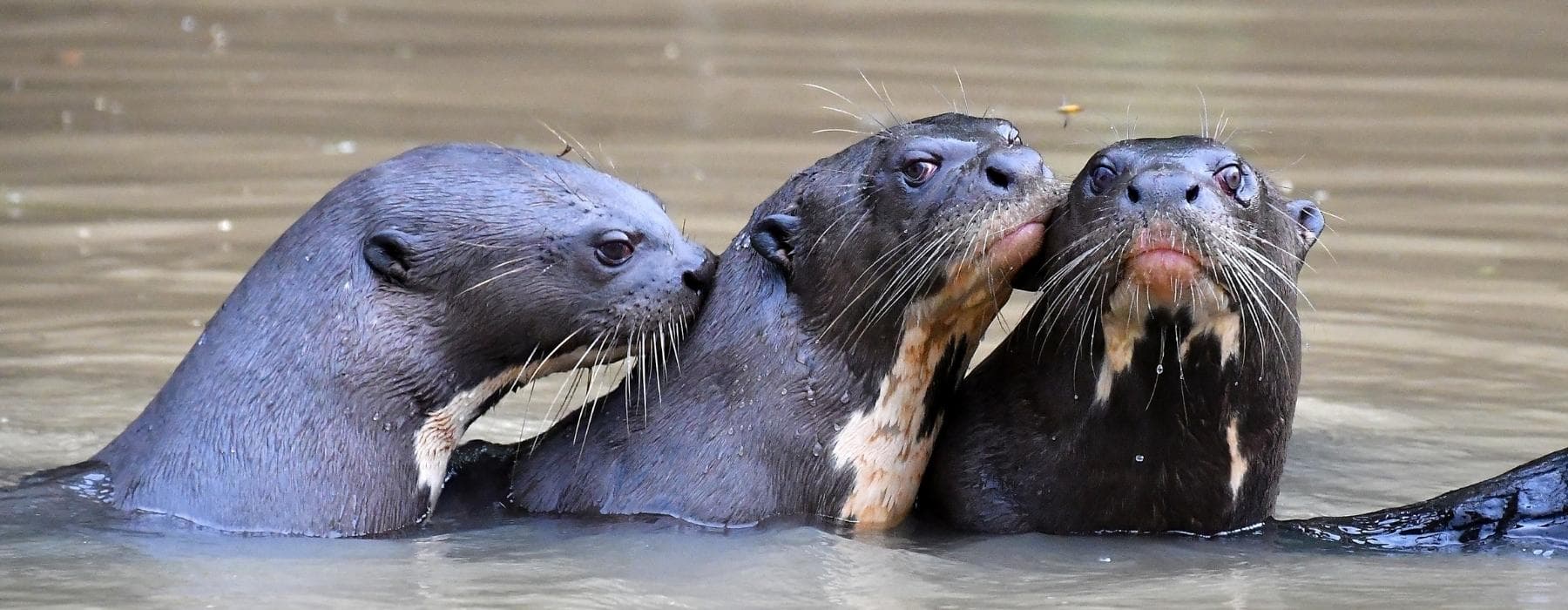
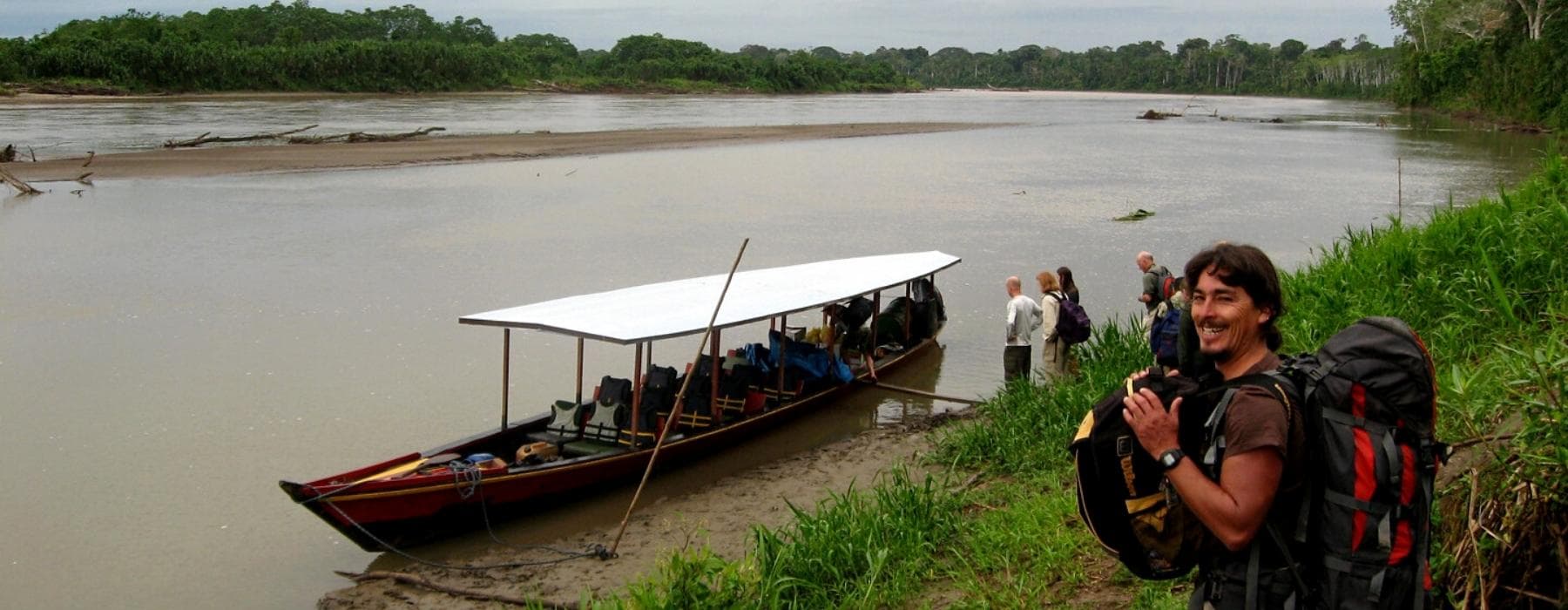
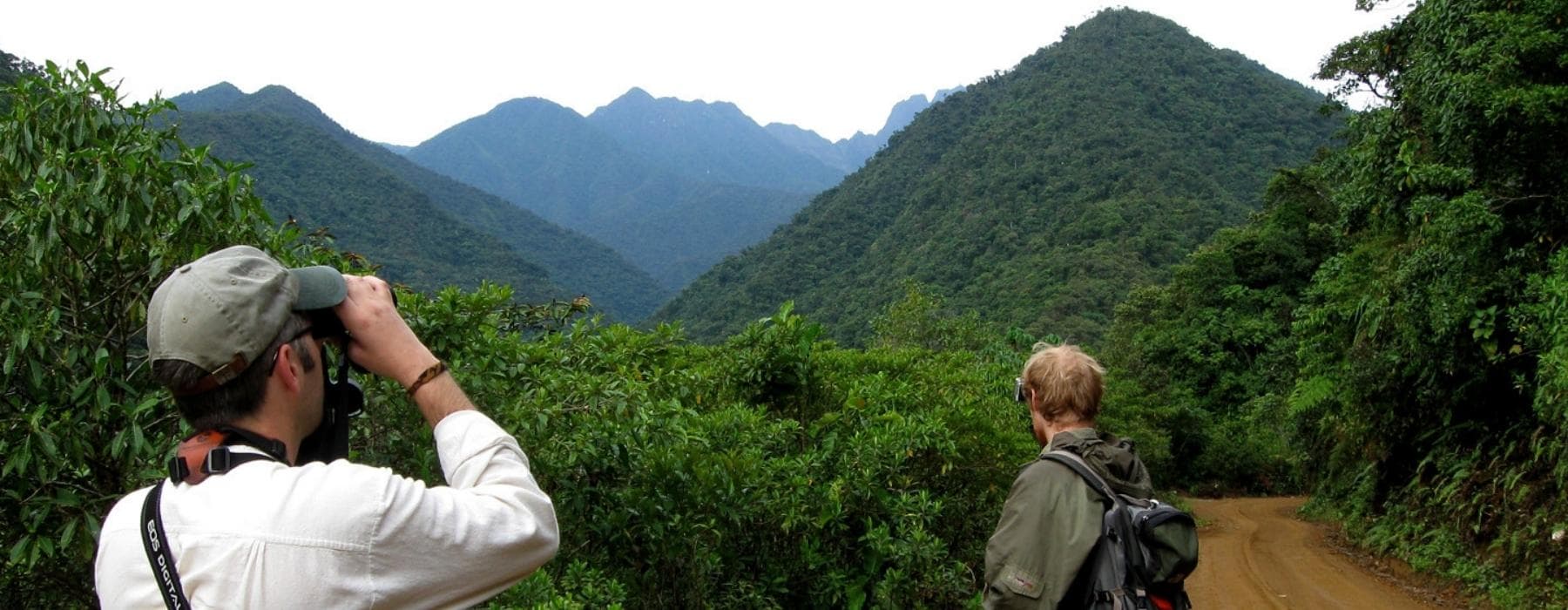
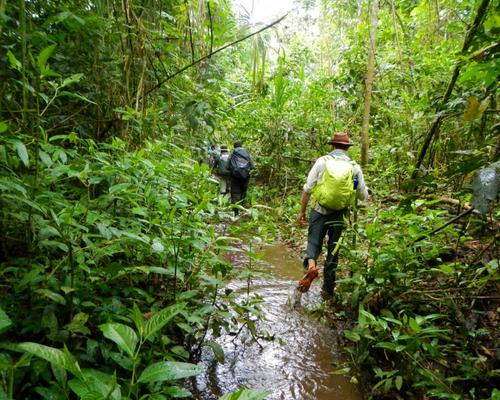
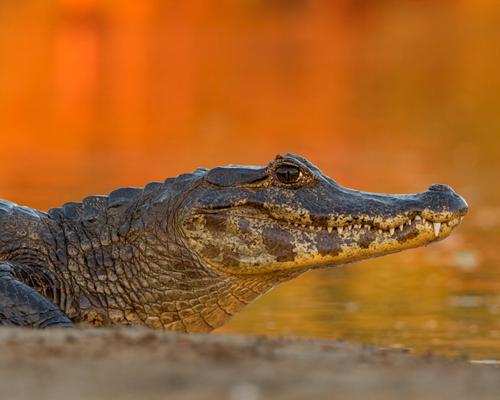
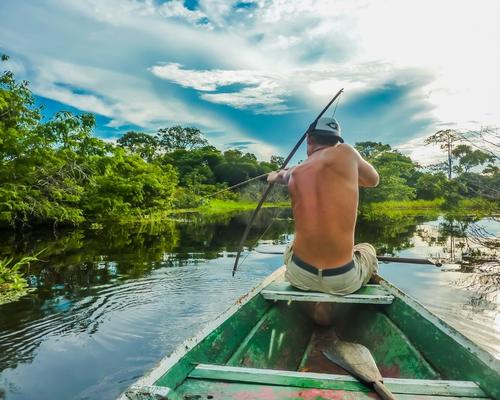
Discover the treasures of the Manu National Park tours in 5 days, exploring the amazing Amazon rainforest of Manu. Venture into the jungle by boating, hiking through the jungle, being in direct contact with the great variety of birds, monkeys, sloths, alligators and other types of wildlife in the natural paradise with the greatest biodiversity in the world. We organize this expedition in small groups, with the best local guides, who are very knowledgeable about the natural beauty that this ecological attraction of Cusco.
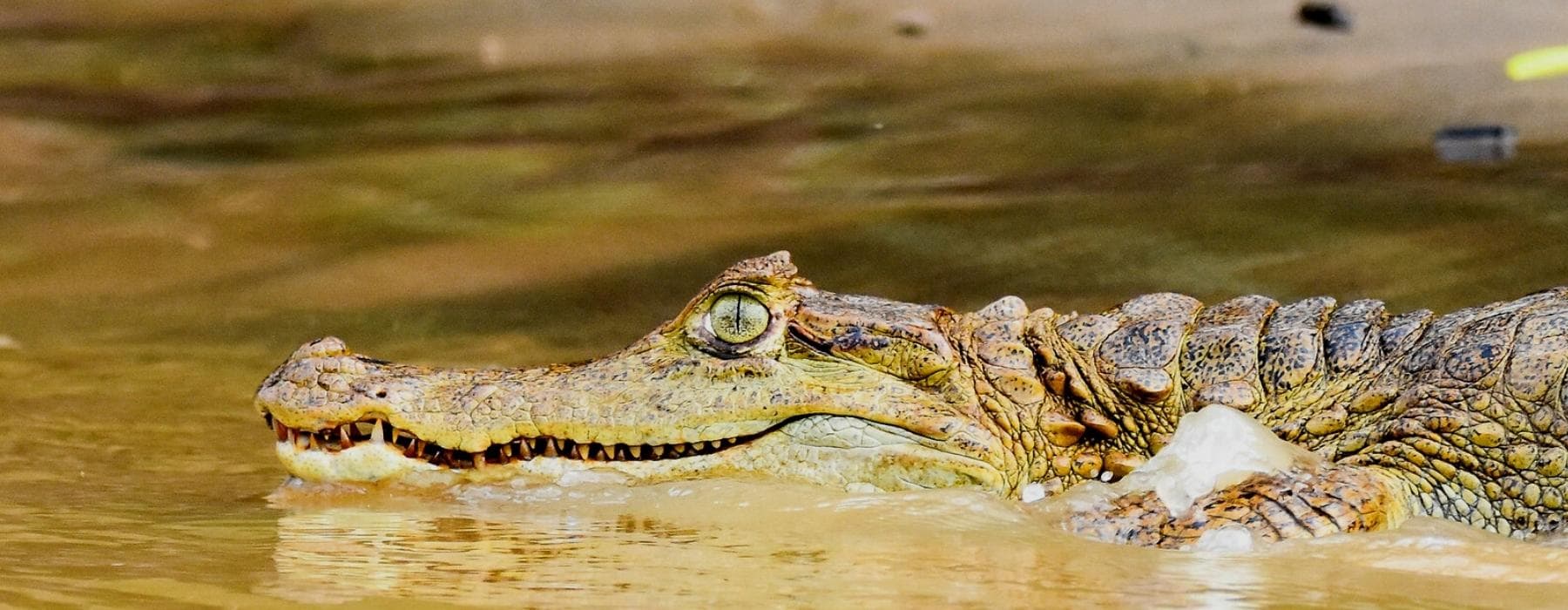
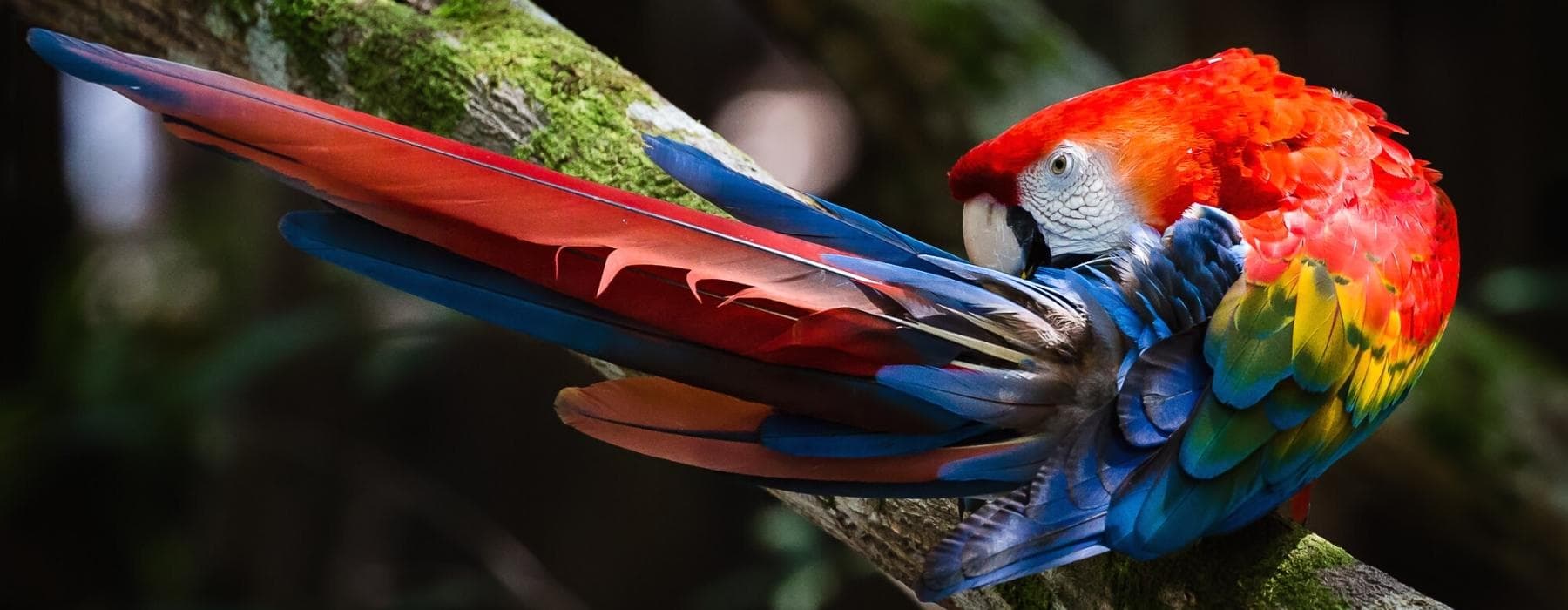
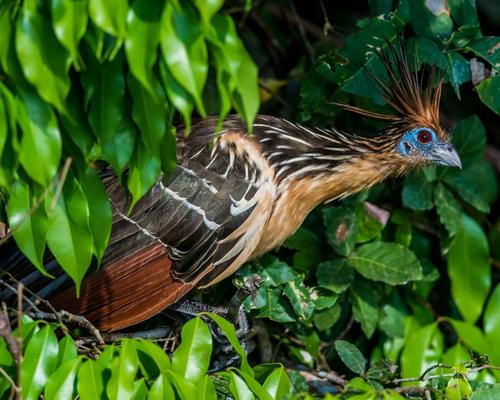
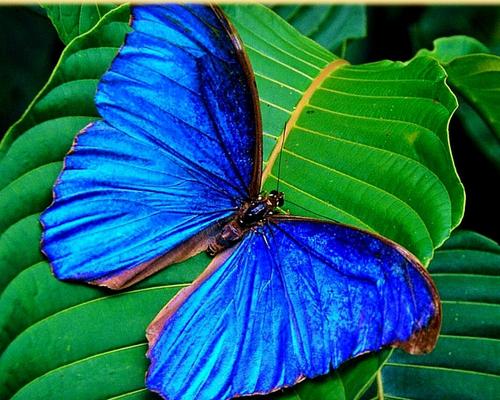
The Manu Biosphere Reserve is home to 1,025 species of birds, around 10% of the world’s bird species; 221 species of mammals (5% of the world total); more than 1,300 species of butterflies (15% of the total of the globe), 136 of dragonflies, 650 of coleopterans and more than 300 species of ants; 210 species of fish in rivers and lakes, 155 amphibians, 132 reptiles; species that were recorded by the different expeditions of naturalists, becoming the most biodiverse protected area in the world with respect to these animals.
INCLUDEDINCLUDED
INCLUDED IN THE MANU AMAZON RAINFOREST TOUR 5 DAYS
- Private Transportation (bus and boat)
- All necessary equipment (chair, Mosquito nets, tables, mattress, rubber boots)
- Professional english speaker guide
- Motorboat with life jackets for each crew member
- Boat driver with extensive experience navigating Amazonian rivers
- Boat driver assistant
- Cook with experience preparing food in the jungle
- Cook assistant
- Mineral water
- First aid including
- 04 luch, 04 dinner, 04 breakfast; included vegetarian, vegan, pescatarian options
- Entrance to Cock of the Rock (Lek)
- Confortable Amazon Lodges 04 nights
NOT INCLUDED
- Alcoholic beverages.
- First breakfast and last dinner
- Tips
- Travel Insurance and things of a personal nature – laundry and telephone calls, personal taxis, souvenirs etc
Trip HighlightsTrip Highlights
- The amazing mirror lakes, where the most beautiful colors of the abundant Amazonian vegetation are reflected.
- Disconnect from everything, literally. You have the option of staying in Lodges deep in the jungle where the experience is complete. At night be without electricity, live only with the light of the moon and fireflies, changing the noise of traffic by the song of animals hidden at night.
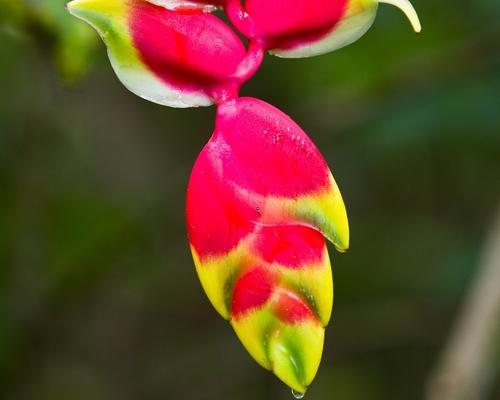
- The multiple species of exotic flowers that appear among the vegetation, among which the sophisticated orchids stand out
- Walk among hundreds of trees that will impress you with their height, and will give you the perfect shade for the intense Amazonian heat.
- Spend the day surrounded by greenery, where you look to appreciate that bright natural green. It may be the best medicine to cure even the most stressed mind.
- Probably the most important reason, the warmth of its people, kind, affectionate, always receiving you with a smile and willing to take another with their occurrences
ActivitiesActivities
This trip is rated as easy. Participants should enjoy short walks on trails full of moisture, mud and heat, in the wild jungles of South America. In many of the circuits that our guides will take you are close to the lodge, there will be days when we will have to do our walks with some rain. Weather conditions and remote locations are a combined physical stress that can make this activity a bit more challenging than it normally would be.
Be prepared to face large rivers, in small motorboats, and taste unique food from the region. Usually you do not need to be a tourist with experience in hiking, since the attraction is approximately 500 meters above sea level. The terrain is not very steep. The probability of seeing wildlife is very varied, since there are days when we will have more chances, than others; Remember that this tour goes to a wild place where animals are not in the same location. The best recommendation is to have a lot of patience and teamwork with the route guide.
AccommodationsAccommodations
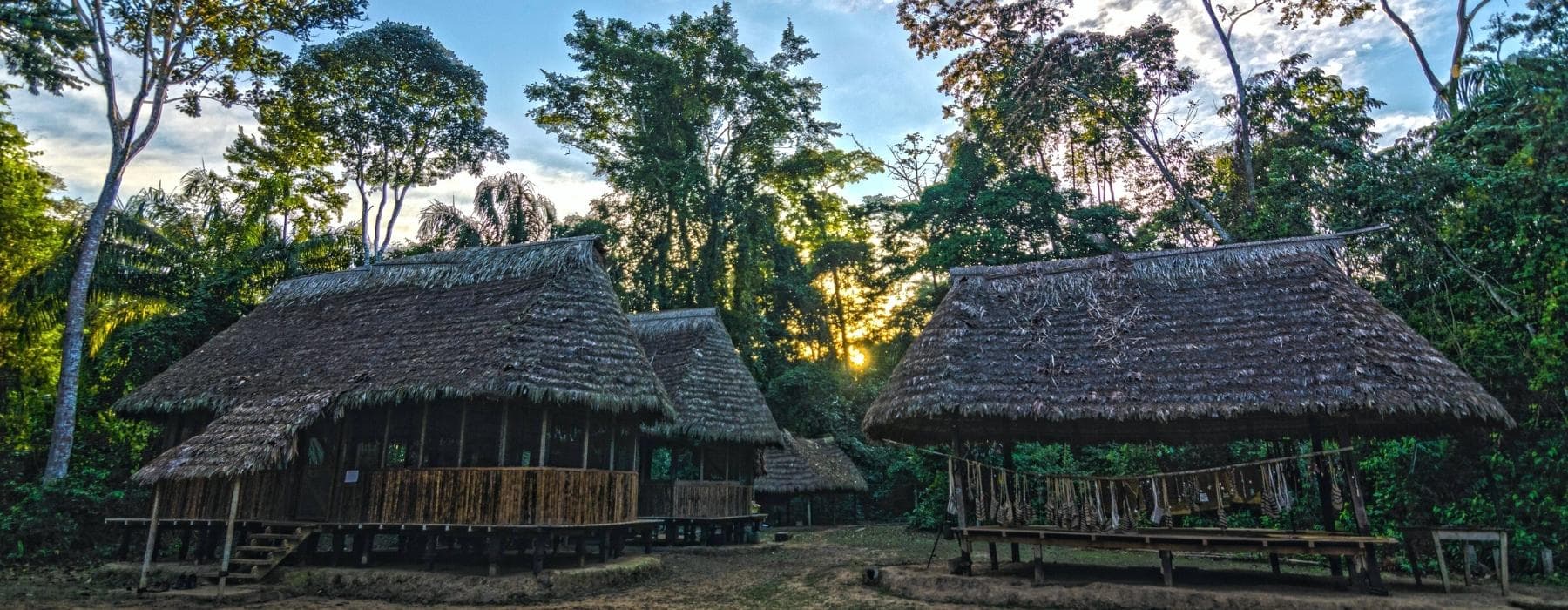
Local Amazon Lodges, 4 nights
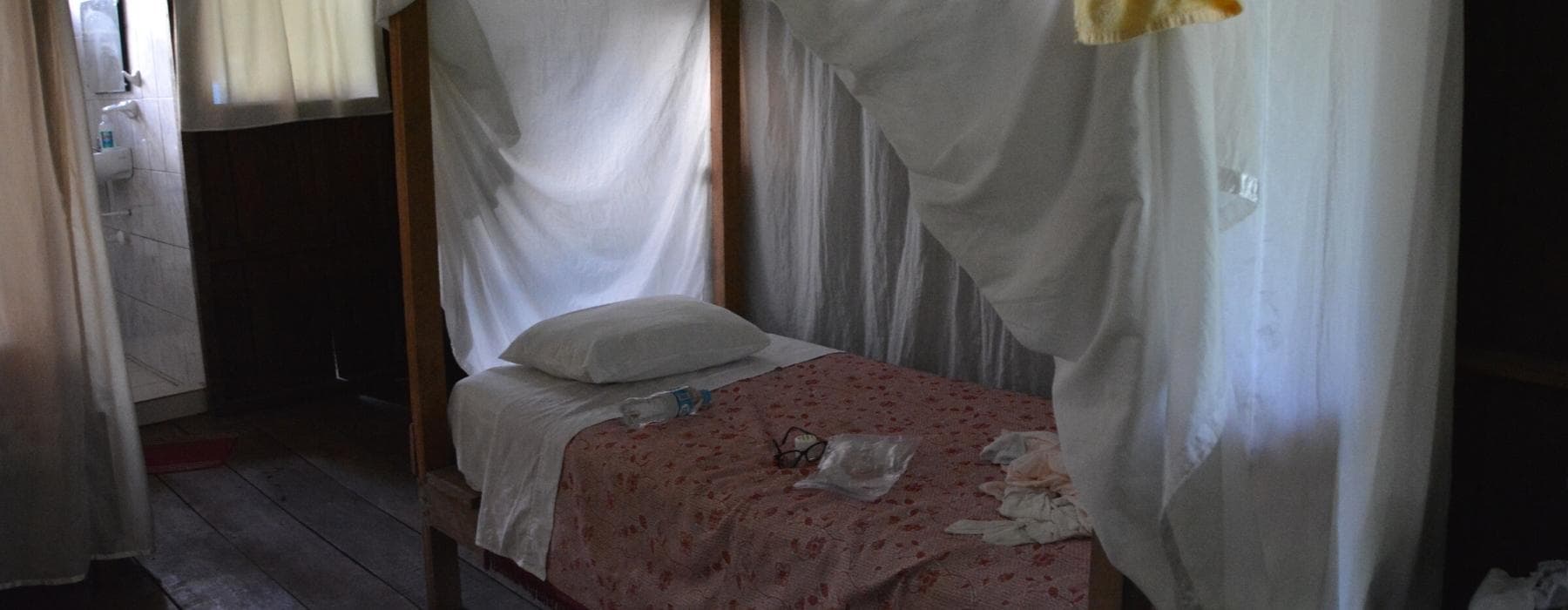
On this tour you will spend the night in rustic lodges, in the jungle, where you will have a unique experience with nature, and feel the true spirit of the Amazon forest. Our lodges have comfortable beds and mosquito nets. And bathrooms with showers. During the tour, access to electricity is restricted, only for communication equipment. We recommend bringing a solar panel, for your own use.
ItineraryItinerary
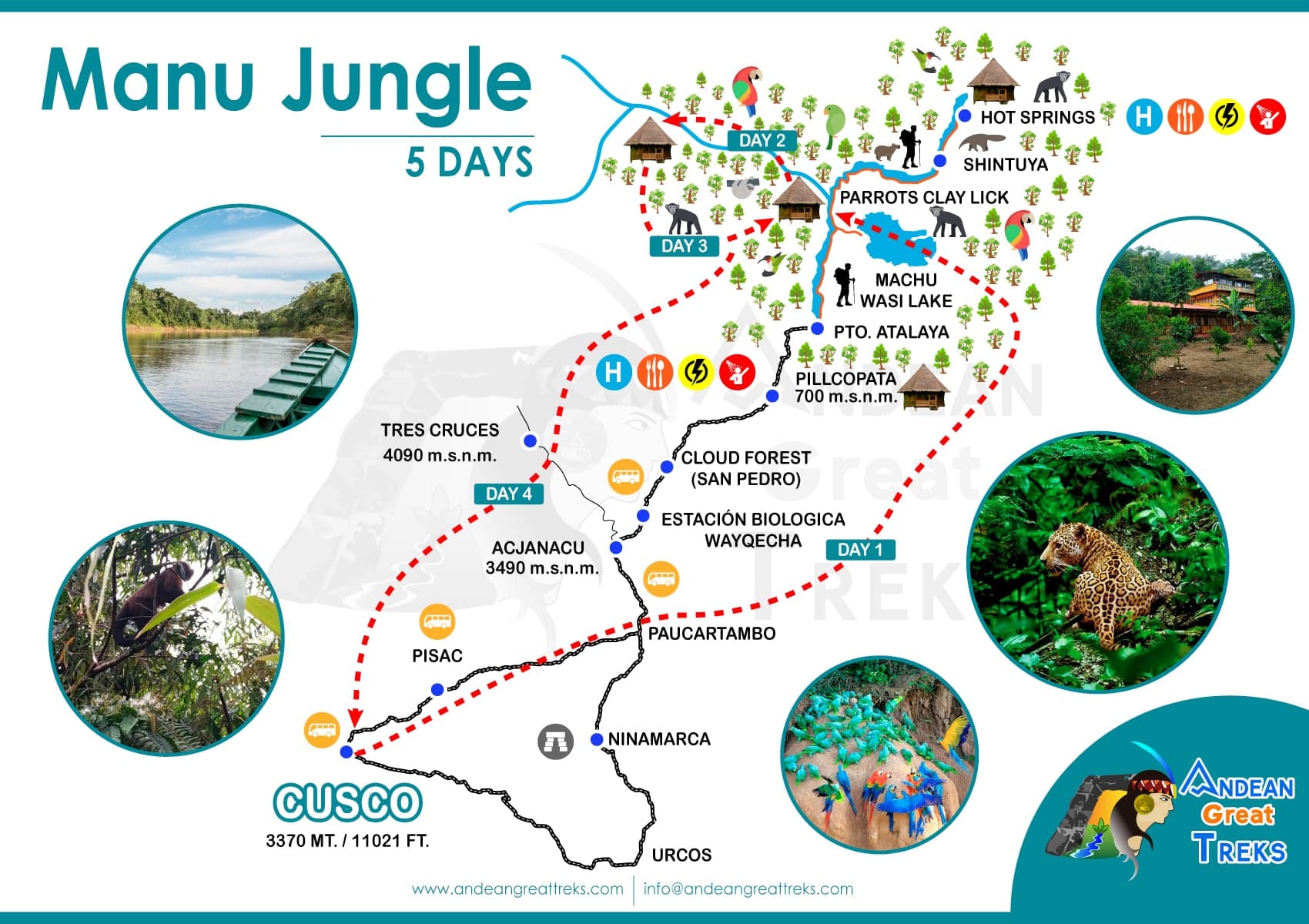
- Manu National Park - Ninamarca, Archeological Site
- Manu National Park - Paucartambo, Colonial town
- Manu National Park - Acjanacu, Viewpoint photo stop
- Manu National Park - Acjanacu , Viewpoint photo stop
- Manu National Park - San Pedro cloud forest (cock of the rock, monkeys, andean birds, orchiqs) Viewpoint photo stop
PACKING LISTPACKING LIST
WHAT TO BRING FOR THE MANU AMAZON RAINFOREST TOUR 5 DAYS
The Amazon Rainforest is close to the equator and the average annual temperature is approx. 26 °C (80° Fahrenheit). Due to the fact that the weather changes very rapidly, it’s crucial to be well prepared for your Amazon tour. A trip to the Amazon rainforest is the trip of a lifetime. It’s the kind of adventure that most people only dream about. The Amazon is known as “the greatest expression of life on Earth”.
 warm jackets
 Hydration bladder
 wool socks
 camera
 scarf
scarf first aid kit
 hiking shoes
 Dry bags
 Trekking Poles
 sun cream
 Snack
Snack sun hat
 bathing suite
 rain coat
 Sandals
 insect repellent
 Passport
 Down Jackets
 toilet paper
 daypack
 Wool cap
 head lamp
 gloves
 sun glasses
 cap
cap extra cash
 Trekking pants
FAQFAQ
MANU AMAZON RAINFOREST TOURS FAQS
Are you looking for some answers to your questions about Manu Amazon Rainforest Tours? Maybe looking for information regarding our Manu National Park tours, how to prepare for your Amazon trip or if the weather will affect your tour?
Here we will answer the most common questions we have been asked by our visitors. If you don’t find your question answered here please contact us and we will do our best to help you out.
Manu National Park is one of thirteen National Parks in Peru. It is located in Cusco and Madre de Dios, extending from the highlands in Cusco (4000m) to the Amazon floodplain at the mouth of the Manu River (300 m).
The park was established on May 29th, 1973, with an area of 1,532,806 ha. In 2002, the entire lower valley of Manu, which used to have the temporary status of Reserved Zone, was annexed; since then it has an area of 1,692,137 ha. Manu National Park is unique in Peru’s National System for Protected Areas (SINANPE) as being the only National Park which protects an entire watershed. It also includes a complete sample of Andean-Amazonian landscapes of southeastern Peru and a huge number of species of flora and fauna.
This Park is also home to the native people of Matsigenka, as well as other poorly known groups, known as the Mashco-Piro or Nomole, which live in voluntary isolation inside the park.
In 1977, UNESCO declared Manu National Park and adjacent areas as a Biosphere Reserve with an area of 1,881, 200 ha. Ten years later, in recognition of its outstanding natural value, UNESCO added the Park to the list of “World Heritage Site.”
It ranges from 300m at the confluence of the Manu River with the Alto Madre de Dios River, to 3,800 meters at the summit of the mountain Apu Kañahuay. Some researchers believe that in the virgin areas of this reserve is found the Païtiti or the lost city of the Incas.
Inca - colonial. Manu area has a history marked by the arrival of foreign people, since the times of the Incan Empire and since the Inca Pachacutec and Tupac Inca Yupanqui annexed this area to their empire, until the arrival of the Spaniards soon after the invasion of Cusco they founded Paucartambo, where they established farms and parcels and where also the king Carlos III of Spain ordered the construction of a bridge to facilitate trade of local products; and this how this valley began to supply products Cusco as coca, sugar, cotton, pepper, wood and others.
In March 1567, the Spanish Juan Alvarez Maldonado who was charge of the province of Mojos started a journey of 37 days to make the first expedition from Paucartambo to the current location of Pilcopata. In May of the same year, Manuel Escobar mounted a second expedition that followed the course of the Alto Madre de Dios River to the Manu River.
Republic Era of Manu National Park
In 1861, Colonel Faustino Maldonado embarked on a new expedition from Paucartambo to the Madre de Dios River. It was after him that 30 years later, the rubber man, Carlos Fitzcarrald baptize the mouth of the Tambopata River to Puerto Maldonado, the actual capital of the department of Madre de Dios.
In the lowland forest, indigenous people were affected by extractive activities in the late nineteenth century, the rubber boom ushered in companies like bold Fitzcarrald, one of the most famous of that time. However, Manu area was partially exploited. Rubber activities ceased in the 20s when the resource, unable to recover to intensive exploitation and competition from the prosperous and less expensive crops in Asia started to decline.
Between 50 and 60, the construction of the final section of the road began the logging of cedar and mahogany and the work in the “haciendas” and then extraction of fine skins (jaguar, ocelot, and Giant otters). More recent are the oil exploration activities. Meanwhile, in the Andean region, agricultural activities were affected by the agrarian reform initiated in 1969.
Since the twentieth century, the religious presence became more significant. In 1902 the Dominicans founded their first mission in Asuncion. In 1908 they installed the second missionary position, San Luis del Manu, at the mouth of the Manu River; after leaving it, they settled in Pantiacolla mission, which after being washed away in a river flood the finally stablish in Shintuya in 1958.
In the Biosphere Reserve of Manu Park there is evidence of ancient cultures, such as petroglyphs Pusharo, a set of prints of those who still could not explain its origin and meaning, which were first reported by Father Vicente de Cenitagoya in 1921 and are located on the right blank the Shinquivenia tributary of Palotoa river; other petroglyphs are found in the Queros river on a great rock wall "Xinkiori" which is legendary for Huachipaeris. Similarly, we are aware of an archaeological site in the area Mameria located in the headwaters of the Piñi Piñi River.
Creation of Manu National Park
In 1967, at the initiative of Celestino Kalinowski, son of a famous Polish naturalist who came to Peru in 1887, and the report of the British advisor Ian Grimwood, the Peruvian state was recommended the creation of a National Park in Manu. In 1968 it was declared a National Forest and subsequently the Manu National Park was established on May 29, 1973, by Supreme Decree 0644-73-AG, in order to preserve its natural and cultural heritage for the benefit of present and future; determined for the same purpose by UNESCO recognition of the Biosphere Reserve of Manu which today covers an area of 1,881,200 ha (18,812 square kilometers) in the provinces of Paucartambo in Cusco and Manu in Madre de Dios. Its boundaries were drawn by applying the principle of natural boundaries and river tributaries. However, the boundary of the park in the same river Manu had to stop at the confluence with the river Panahua because there was an oil exploration.
The National Park is a category of Protected Natural Area owned and managed by the Peruvian government as part of national protected area system of Peru (Sistema Nacional de Áreas Naturales Protegidas por el Estado en el Perú – SINANPE). Its objective is to protect and preserve intact ecosystems, which can hold a high biological diversity and relevant esthetical and landscape attractions, where indirect use activities can be done like: research, education, tourism and recreation.
The Biosphere Reserve is a UNESCO category. It is a representative ecological area with three self-complementary functions: i) support for education and scientific research, ii) conservation and iii) sustainable development. Nowadays, the Manu Biosphere Reserve is divided in a nuclear zone represented by the Manu National Park territory, a buffer zone and a transition zone.
Yes, it is open the whole year. The best time to visit is from April to November during the dry season. The heavy rainy season is from February to March, when access by both road and air becomes more difficult and when trails in the forest can become flooded.
ESSENTIAL TRIP INFORMATIONESSENTIAL TRIP INFORMATION
ESSENTIAL TRIP INFORMATION ESSENTIAL TRIP INFORMATION
Want an in-depth insight into this trip? Essential Trip Information provides everything you need to know about this adventure and more.
View Essential Trip InformationBest Season to TravelBest Season to Travel
The best time to visit Peru is during the dry season, between May and November, when the weather is dry and bright, with more frequent rainfall occurring between November and April.
 January
 February
 March
March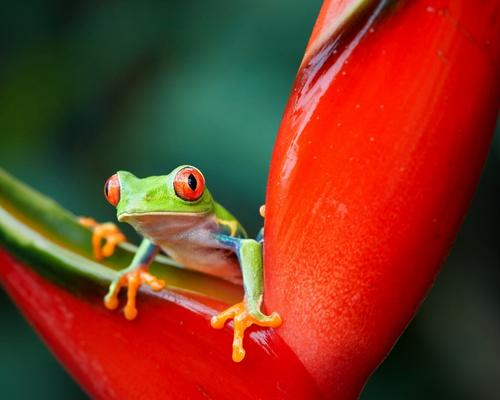 April
April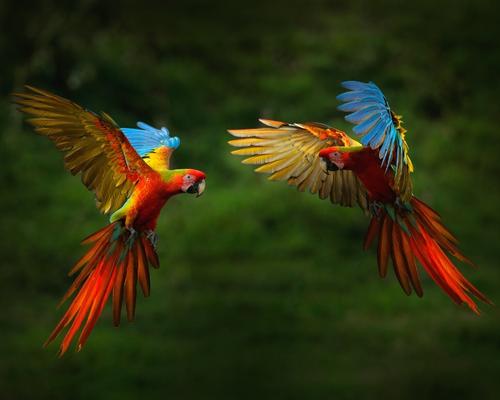 May
May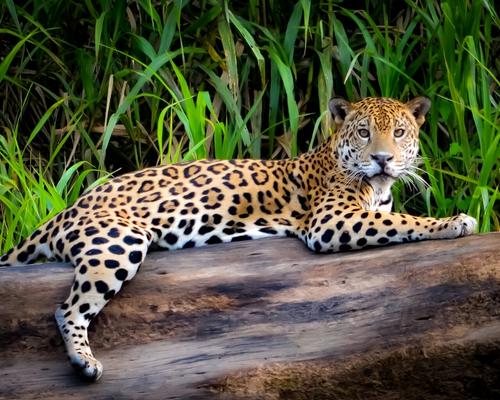 June
June July
July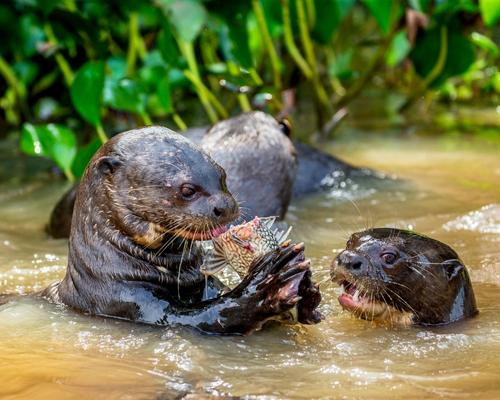 August
 September
 October
 November
 December
PRICE & AVAILABILITYPRICE & AVAILABILITY
PRICE & AVAILABILITY
To book this tour, a minimum of $ 300 USD per person is required, the remaining balance will be paid upon arrival in Peru, at the Cusco office.
Any other additional information, please coordinate with your travel agent.
Choose your preferred departure date to proceed.
What to expect from our
Amazon Tours
Feel the restorative power of nature, relax your mind in a place full of energy and life, disconnect from the fast-paced frenzy of everyday life.
DO I NEED ANY VACCINATIONS BEFORE VISITING AMAZON RAINFOREST?

Vaccines recommended for travelers to the Amazon often include hepatitis A and B, typhoid, and yellow fever. Visit your doctor four to six weeks before your trip for the latest recommendations and requirements for your destination. You may be advised to start taking malaria pills around this time.
The US Center for Disease Control is an excellent resource for detailed information on preventing travel related illnesses.
IS THE AMAZON RAINFOREST SAFE?
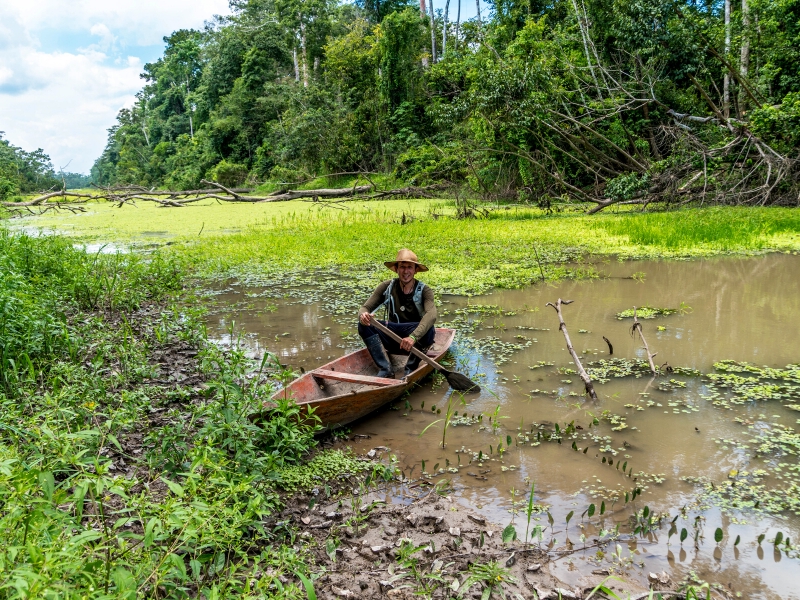
To stay safe in the Amazon, travelers should eat sensibly, dress appropriately and apply repellent to minimize the chance of getting bitten by mosquitos, and take the necessary vaccinations, medication and precautions as recommended by your doctor.
When hiking, canoeing, and enjoying other jungle activities you should always stay with your group and follow your guide’s advice. We also recommend that you leave valuable jewelry, watches and electronics at home, and where possible use a money belt and any room safes at your disposal to store passports and important documents.
WHAT SHOULD I PACK?
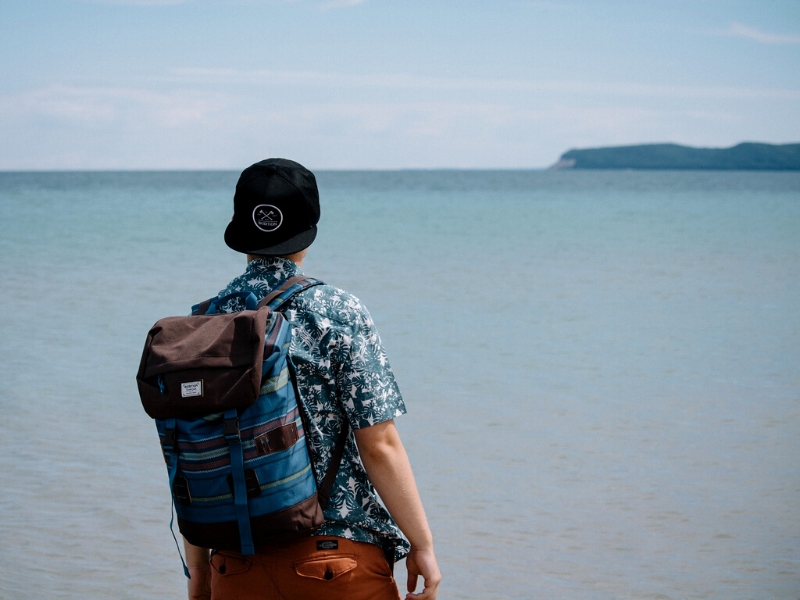
Bring comfortable walking shoes, light-weight long pants, and long-sleeved tops, a wide-brimmed hat, sunscreen, extra socks, mosquito repellent with DEET, bathing suits and of course, waterproof ponchos with hoods to protect against rain your camera, with charger and extra batteries on excursions. Binoculars are very important to enjoy the wildlife. Do not forget to include some items that you can give away to the locals (t-shirts, pens, and paper are especially prized, and perhaps some chocolates or candies for little kids). During meals in the dining room, we ask our guests to wear casual clothing and shoes. We provide rubber boots for wetland excursions and wet landings, and recommend taking comfortable walking shoes.
SHOULD I BUY TRAVEL INSURANCE?

Travelers are strongly advised to purchase trip cancellation insurance which will reimburse the cost of air tickets and other non-refundable trip payments. International medical, baggage loss, and delay insurance are also recommended. Unfortunately, if you miss the Amazon tour because of a weather-related flight cancellation, we will not reimburse the cost of the reservation since flight cancellations are beyond our control and we have to comply with our schedules.
AMAZON RAINFOREST TOURS FAQs
DO I NEED A VISA TO TRAVEL TO THE AMAZON?
To enter the countries in the Amazon Rainforest, you will need a valid passport. However, visitors from most countries do not need a visa, provided their visit will be shorter than 90 days. If you plan to stay longer, you will need to request a visa in your home country.
IS THE CUISINE AS GOOD AS I’VE BEEN TOLD? CAN I GET A SPECIAL DIET?
Yes. The food is simply world class. Our guests enjoy a menu of fresh, delicious Peruvian fare (with a bit of continental influence). Breakfast, Lunch, Dinner each day promises to be a culinary feast for the senses, paired with select South American wines or perhaps a freshly pressed juice. If you have special dietary requests, please inform Andean Great Treks at the time of booking, or at least by 30 days prior to start the Amazon Tours, because some items may have to be ordered from local markets in advance. Every effort will be made to cater to special dietary needs and to accommodate special requests, subject to a given products’ availability in Peru.
IS IT EASY TO SPOT WILDLIFE IN THE AMAZON RAINFOREST TOURS?
Amazon wildlife is abundant, but you have to know where to look. Many creatures are weary of humans and often camouflaged. Our expert naturalist guides will help you spot and identify animals with their local knowledge, tracking experience, and remarkable eagle-eyesight and trained ears.
Many can even mimic bird and monkey calls to attract them! In general, the longer you spend in the region and deeper you can travel into the rainforest, the more chance of spotting wildlife you see. A decent set of binoculars will also go a long way to help.
ARE THERE MORE NATURAL WAYS TO COMBAT MOSQUITOES AND INSECTS?
Taking vitamin B12 is a more natural way to gain some resistance to mosquitoes. It can be ingested as vitamin pills or found in some foods with high levels of B12 such as shellfish (clams, oysters, mussels), fish, crustaceans (crabs), soy products (milk, tofu), bran cereals, red meat (lamb, beef), low fat milk, select cheeses, and eggs. We suggest taking B12 supplements around 2-3 weeks before arriving in Amazon Rainforest.
DO YOU WELCOME FAMILIES WITH CHILDREN?
Yes. We warmly welcome families with children aged 7 or older. Our lodges are comfortable to receive families with their children. Additional accommodation for one child is available in some Lodges. Our naturalist guides are very friendly with kids and all of our staff will provide the necessary care for your family. We also have survivor jungle trails, piranha catch-and-release fishing experiences in Iquitos, and meal menus for kids.
ANDEAN GREAT TREKS TOURS DIFFERENCE
UNRIVALLED KNOWLEDGE & EXPERIENCE
Every Andean Great Treks holiday has been thoughtfully planned and crafted by our specialists. They draw on their own extensive travel experience and the guidance and expertise of our local partners to create superb holidays. Our specialists are committed to making every aspect smooth and enjoyable; they genuinely want to ensure that the holidays they create leave you with wonderful lasting memories.
AMAZING TOURS & AUTHENTIC EXPERIENCES
Every Andean Great Treks traveller is accompanied by an experienced tour guide, you will be immersed in Historic cities, ancient ruins and unfamiliar landscapes are all brought to life by our carefully selected local guides. They want to share their expertise and help you make your own discoveries too; their sole mission is to ensure you enjoy every moment.
FLEXIBILITY & CHOICE
Giving you the freedom to make your holiday even more memorable. We know how much our customers look forward to their holiday and we pride ourselves on the choice and flexibility that we offer to enhance every aspect of your experience. Whether it’s getting to the airport, upgrading your room or booking an additional excursion, we can help.
GUIDED BY THE LOCAL GUIDES, TRUE EXPERTS!
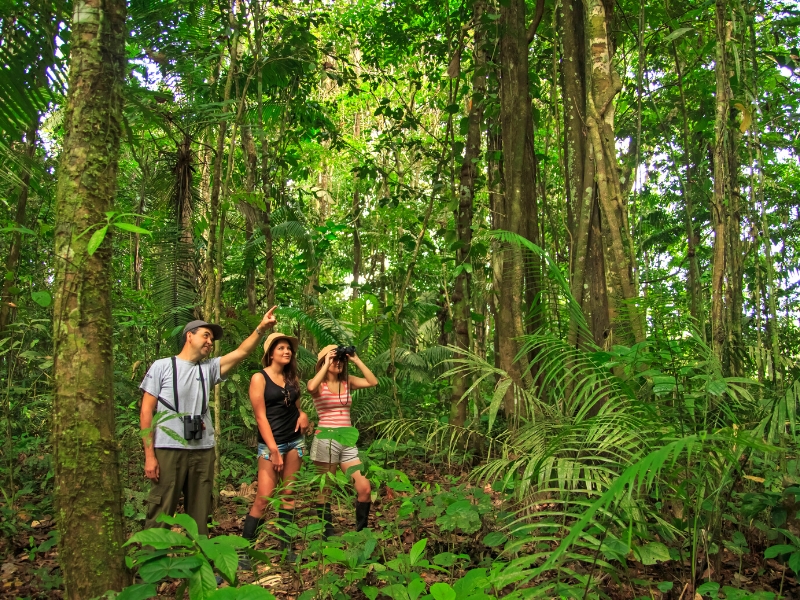
Our guides are the stars of the show; it is their unrivalled knowledge, passion and expertise that will transform your tour experience from good to truly extraordinary!
Because the have grown up in the area and know it like the back of their hand, so they can help you experience whichever aspects most interest you. They’re passionate about sharing their corner of the world with you, and as you explore together, they’ll open your eyes to the intricate details, provide background to enhance your understanding of what you’re seeing, and share stories that will bring everything to life.
ALL OF OUR NATIONAL TOUR GUIDES...
- Have at least five years guiding experience
- Are fluent in English
- Are born and raised in Cusco, Lima, Manu Jungle, Puno
- Go through rigorous and ongoing training programmes
- Are at your service 24 hours a day
OUR TRAVELS SHAPE YOURS
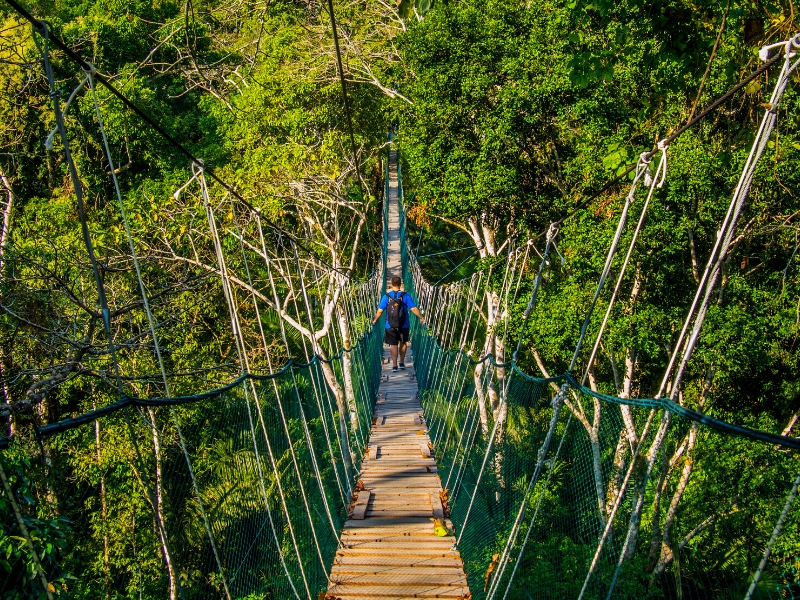
“Your inspiration for a trip can be a single word or a highly evolved outline, but it's the conversations we have that help us understand the experience you're looking for. Meanwhile, I'm looking back on the time I spent at the destination.
‘The great thing about working with a specialist at Andean Great Treks is how they take your complete jumble of ideas and turn them into something absolutely spectacular.’
As you begin to share your ideas with your specialist, it will connect them immediately back to a time in their own travels. Conjuring a picture of the rest time they made that same discovery, reminding them how it felt.
Your specialist understands that, when the journey is right, it has the power to excite your emotions in the most profound ways after all, that was the effect on them.
They carry a treasure box of moments, captured over many journeys, into every suggestion they’ll share with you, as they ask you how you want to feel on your trip.
MEANINGFUL EXPERIENCES, REAL CONNECTIONS
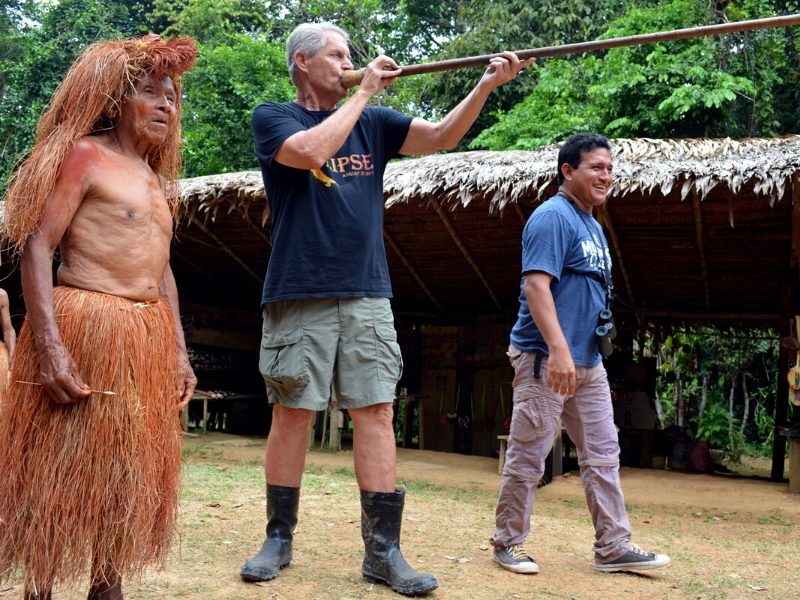
EXPERIENCES THAT CALL TO YOU
It’s what you do in a destination that helps bring it to life. It’s why we strive to choose experiences that help you connect to a place, absorbing a little of its complex character. Wherever your passions lie, we’ll recommend experiences that speak to you, and we’ll recommend the guide or local expert who’s most qualified to help you explore. Packing your holiday full of special experiences means some early starts and long days, but you can be sure that you’ll return home with many incredible memories! Read our Tours and check the Physical Ratings to see if the pace and activity levels are right for you.
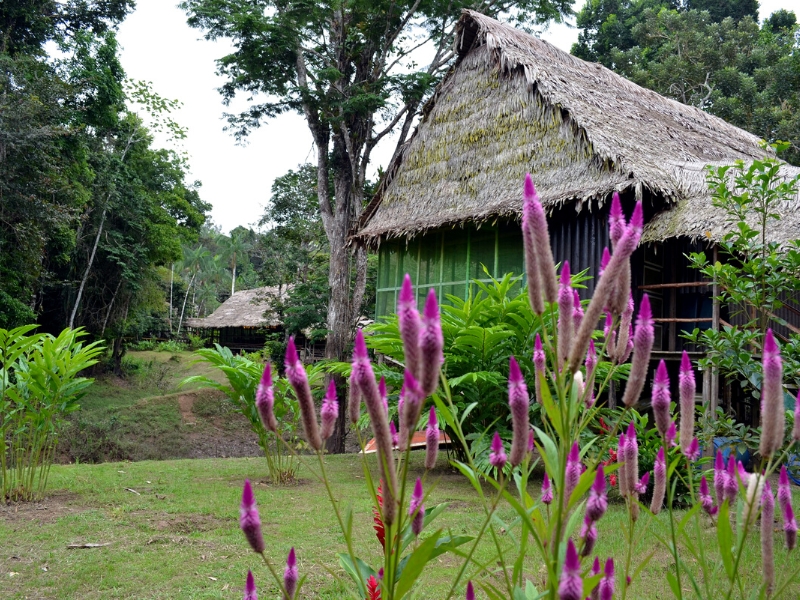
STAYS WITH DIFFERENCE
We know that where you stay is a cherished part of your travels. So, we go to great lengths to find places to stay that exceed expectations, or go above and beyond the ordinary, whether in their character, hospitality, or location. Over the years, we’ve discovered the very best properties, trying and testing them, so we can choose the right one for you. We’ve nourished long-standing relationships with these establishments and the people who founded them, and we’ve stayed there many times often, we’ll even know which rooms have the best views (and reserve them for you).
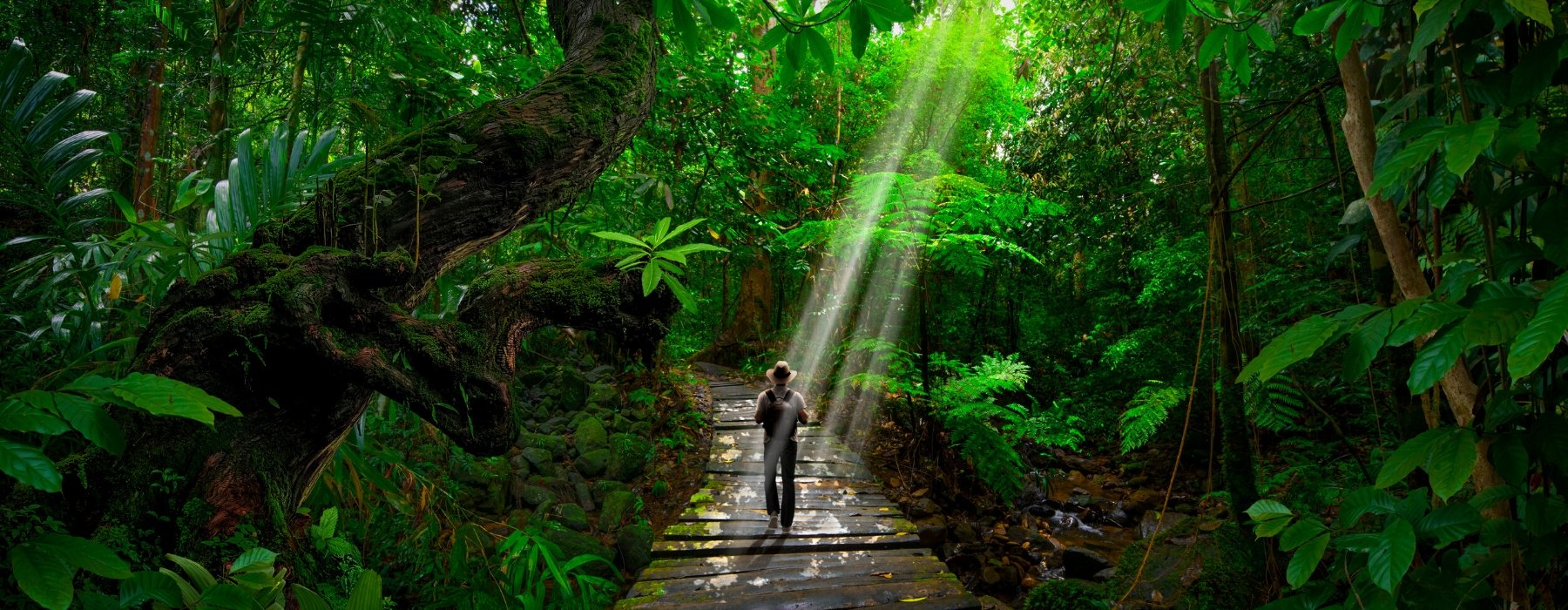
TRAVELLING THE RIGHT WAY
Our style of travel — authentic, thoughtful, and focused on building meaningful connections to the people and places you visit — is inherently respectful and considerate of the destinations we love. We design each aspect of your trip exactly as you want it, which includes its sustainability. That might mean choosing a train journey instead of a flight, staying at eco-friendly wildlife lodges, or opting for experiences that give back to the communities you’re visiting. The choice is yours.
Responsible travel has always been at the heart of what we do. First and foremost, because it gives you the best experience, but, also because it helps to preserve the communities and landscapes you visit. This isn’t new for us we collaborated with local communities and outside experts so we can grow to be better ambassadors.
The most authentic and interesting experiences often directly benefit the local people. We prefer to buy local products that are produced in the organic farms, we also have alliances with local artisan organizations who provide us with souvenir items for our clients, your money directly benefits the local economy.
Our style of travel — authentic, thoughtful, and focused on building meaningful connections to the people and places you visit — is inherently respectful and considerate of the destinations we love. We design each aspect of your trip exactly as you want it, which includes its sustainability. That might mean choosing a train journey instead of a flight, staying at eco-friendly wildlife lodges, or opting for experiences that give back to the communities you’re visiting. The choice is yours.
Responsible travel has always been at the heart of what we do. First and foremost, because it gives you the best experience, but, also because it helps to preserve the communities and landscapes you visit. This isn’t new for us we collaborated with local communities and outside experts so we can grow to be better ambassadors.
The most authentic and interesting experiences often directly benefit the local people. We prefer to buy local products that are produced in the organic farms, we also have alliances with local artisan organizations who provide us with souvenir items for our clients, your money directly benefits the local economy.
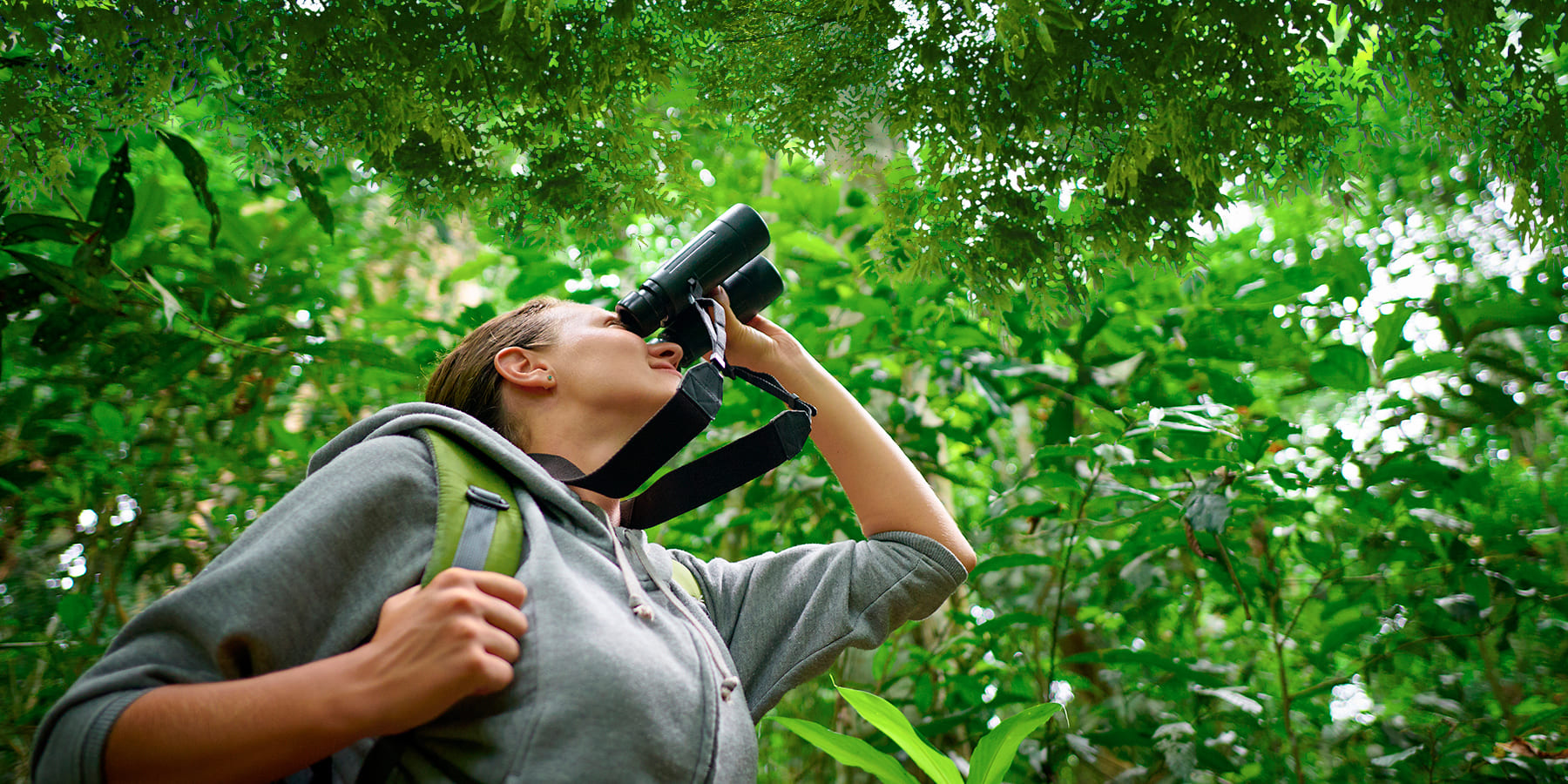
WE EXPLORE WITHOUT AFFECTING THE ECOSYSTEM
We want travel to change us, and not the World
‘There’s a saying: we don’t inherit the Earth from our ancestors, we borrow it from our children. When we show you our country, this philosophy guides everything we do. It’s our responsibility to preserve the environment and wildlife, and support communities. That means using slower modes of transport, like cycling, employing local people, and working with communities who’ll benefit directly from your visit. This also gives you the best, most authentic impression of the places we want to share with you.
We prefer to buy local products in ecological bags, to avoid the use of plastic bags, likewise we teach the use of soaps and ecological products in each tour that we organize. We also work on reforestation projects with local communities who take care of landscape resources such as communal reserves, national parks.
We want travel to change us, and not the World
‘There’s a saying: we don’t inherit the Earth from our ancestors, we borrow it from our children. When we show you our country, this philosophy guides everything we do. It’s our responsibility to preserve the environment and wildlife, and support communities. That means using slower modes of transport, like cycling, employing local people, and working with communities who’ll benefit directly from your visit. This also gives you the best, most authentic impression of the places we want to share with you.
We prefer to buy local products in ecological bags, to avoid the use of plastic bags, likewise we teach the use of soaps and ecological products in each tour that we organize. We also work on reforestation projects with local communities who take care of landscape resources such as communal reserves, national parks.
DISCOVER MORE SIMILAR TOURS: MANU AMAZON RAINFOREST 5 DAYS

TAMBOPATA JUNGLE AND MACAW CLAY LICK 4 DAYS
The Tambopata National Reserve is home to some of the most amazing wildlife on the planet. It's home to rivers teeming with monkeys, harpy eagles, anacondas, jaguars, ocelots, monkeys, and macaws, as well as lakes teeming with giant otters and macaw clay licks. A unique Amazonian experience!


TAMBOPATA AMAZON MACAW CLAY LICK 3 DAY
Visit the beautiful Amazon jungle of Tambopata in South America and enjoy the most impressive natural spectacle, we are referring to the blue and yellow macaw clay lick. Accompanied by the best local guides.

LUXURY TAMBOPATA RAINFOREST 4 DAYS
Your journey to the Tambopata National Reserve offers a great opportunity to discover a lively biodiversity of birds, mammals, reptiles, insects and trees. Record-setting numbers of animal species are concentrated within small areas, and the variety of plant life is greater than almost anywhere in the world.
What our clients say about us