
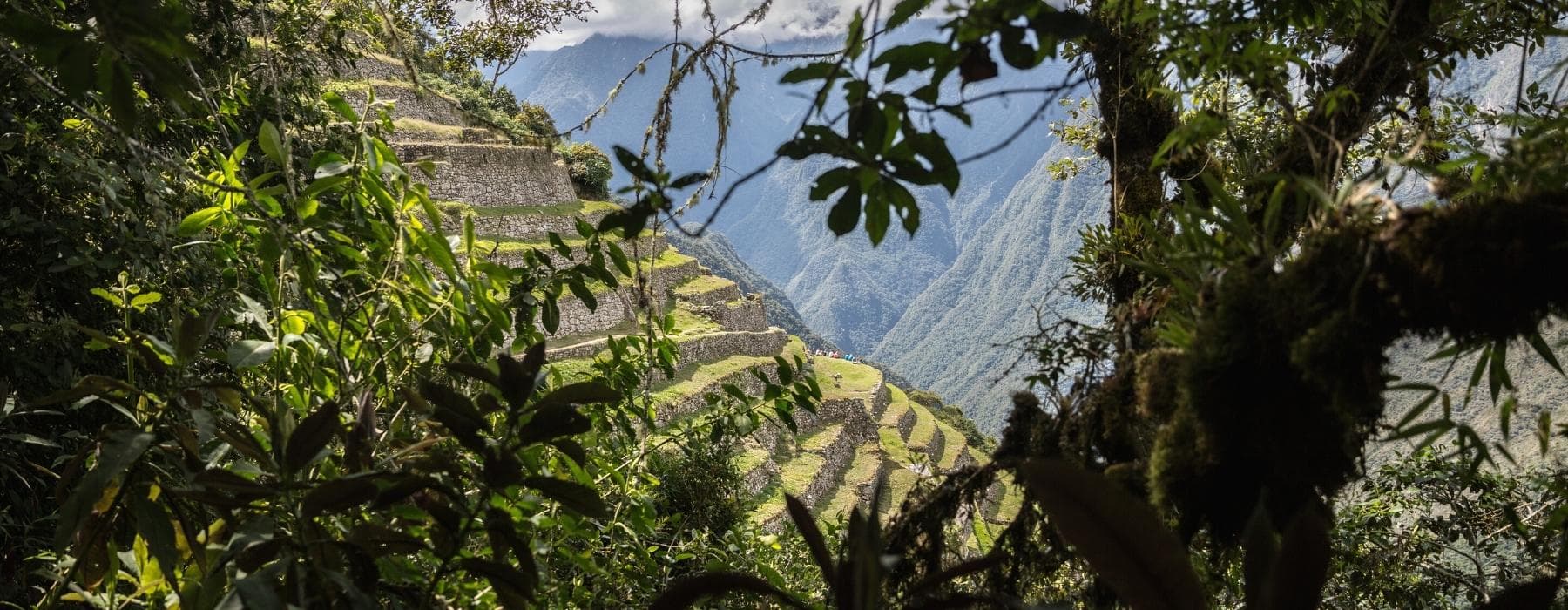


Salkantay Trek & Inka Trail hike to Machu Picchu 6 Days


CREATING AUTHENTIC TOURS IN PERU
Explore the Salkantay Trek & Inca Trail Hike to Machu Picchu
 CREATING AUTHENTIC TOURS IN PERU
Explore the Salkantay Trek & Inca Trail Hike to Machu Picchu
Trip OverviewTrip Overview
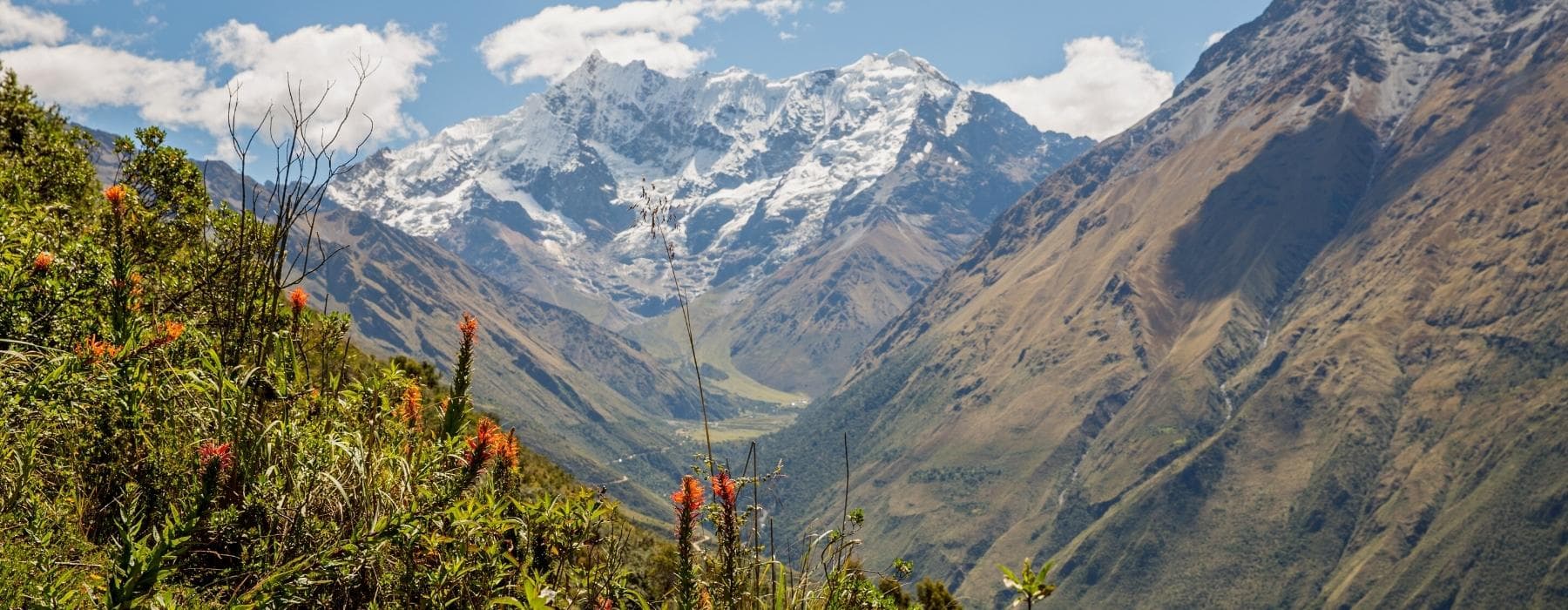
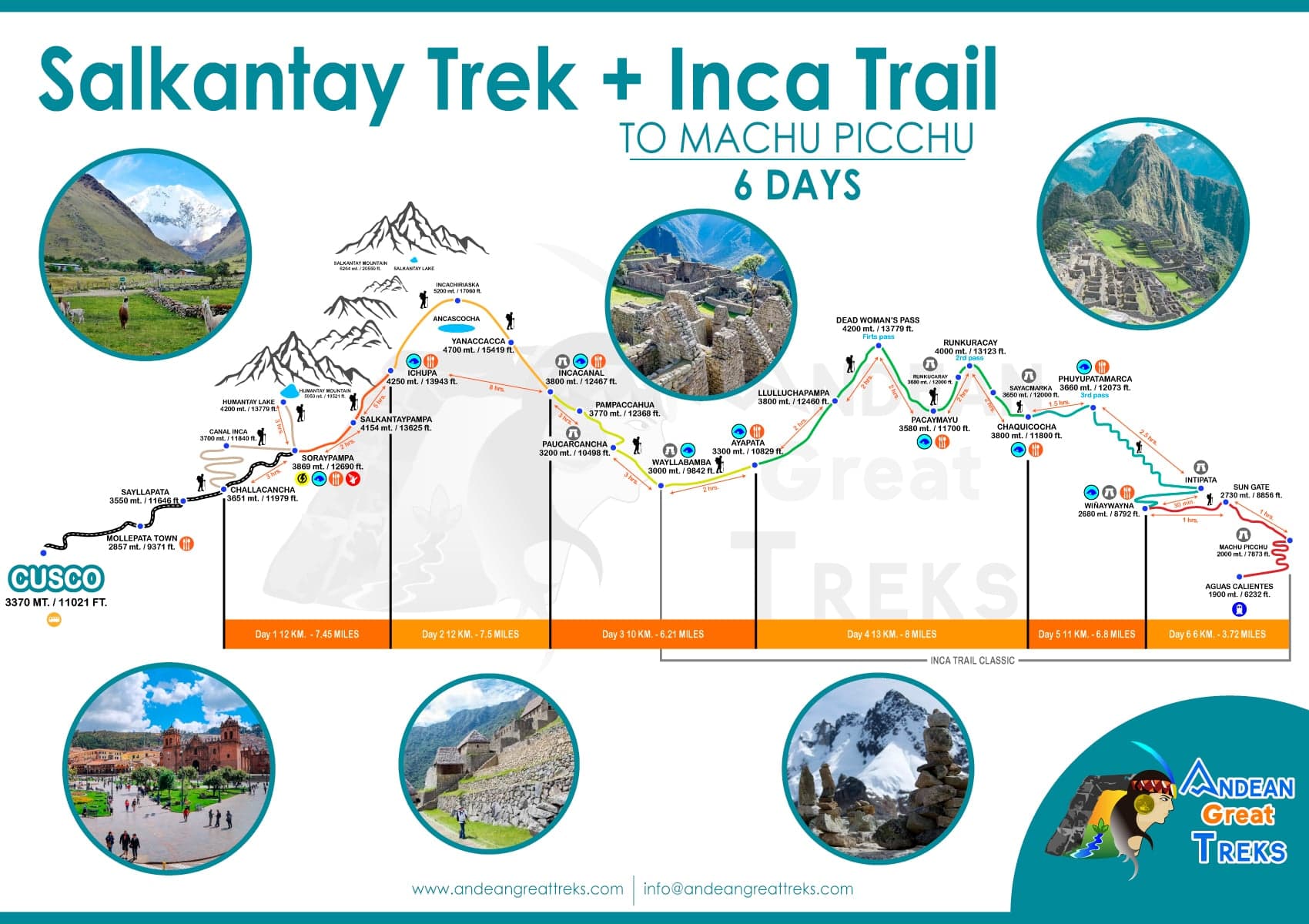
The Salkantay Trek & Inca Trail to Machu Picchu goes through the most majestic places in the Andes of Cusco. It is a trek that few visitors go to. The highest mountain during the expedition is Salkantay, (6,271 m / 20,574 ft).
This Sacred Mountain is higher than any mountain in North America. On this hike, you will see beautiful blue lakes, impressive glaciers, cloud forest with green vegetation, and many archaeological ruins. This hike is a great combination of the two very popular hikes, with an incomparable variety of flora and fauna. So anyone who knows anything about Peru knows about the Inca Trail, and with good reason. It is an amazing way to get to Machu Picchu, while making the most of what this ancient trail has to offer: fascinating Inca ruins, cloud forests, subtropical jungle, not to mention the incredible llamas and alpacas you will find along the way and the local flora. you will be amazed.
INCLUDEDINCLUDED
WHAT IS INCLUDED IN THE SALKANTAY TREK & INCA TRAIL HIKE TO MACHU PICCHU 6 DAYS:
- Pre-departure briefing: You will meet your guide in our office, for an orientation trek and provide you the duffle bags which will be carried by our horses.
- Pick up from your hotel in the morning and transfer in private transportation to Soraypampa (starting point of the trek).
- English speaking professional guide.
- Entrance fee to Machu Picchu.
- Entrance fee to Inca Trail.
- Personal tents: 2 people in each 4-people-capacity tent,
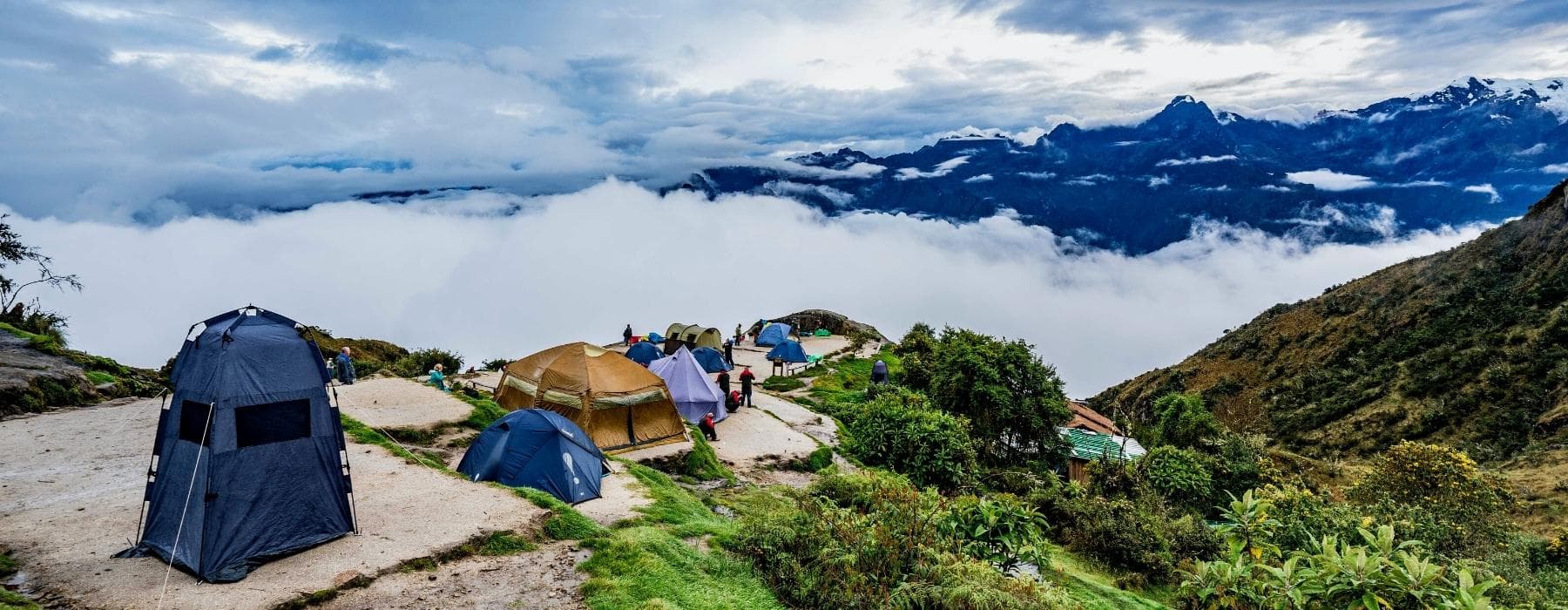
- Camping equipment: Dining and kitchen tents, tables, chairs.
- Foam mats or sleeping pads: to put under your sleeping bag (carried by horses)
- 1 Duffle Bag: Where you can put your personal belongings (5 kilograms = 15 lbs) which includes your sleeping bag.
- Porters: We include your personal porter who is responsible for carrying your duffel with your personal items. There is no additional fee for this. We will give you your duffel bag at your briefing the night before and this should be filled with the things you need for night and the next day. You will not have access to your duffel until your evening campsite.
- Trekking Cook: In charge to prepared all the meals along the journey, over 6 people cook assistant
- Meals: 05 Breakfasts, 05 Lunches, 05 dinners (Vegetarian, vegan or special menus are available at no extra cost)
- Water grooming: Each morning warm water with towel
- Medical kit: Our crew bring the First-aid kit including emergency oxygen bottle
- Train tickets: From Aguas Calientes to Ollantaytambo
- Transport: Transfer from Ollantaytambo Train Station to Cusco
- We are Direct operators & local owners with the best trekking team on the hike.
NOT INCLUDED:
- Sleeping Bags: (you can hire from our company), our sleeping bags are -15ºC-comfort (0ºF), mummy form
- Walking Sticks: you can hire from our company
- Last Day Lunch in Aguas Calientes.
- Travel insurance.
- Tips for our staff: please note that our agency staff is well paid so please feel free to tip or not as you wish.
- Huayna Picchu Mountain ($ 80 USD)
- Additional costs or delays caused by management out of control like landscape, bad weather condition, in case of itinerary modification with a view to safety concern, illness, change of government policy, political instability raises strike, moment etc.
Trip HighlightsTrip Highlights
- Discover the best wild landscapes of the Andes of Peru, with beautiful glaciers, turquoise lagoons, and waterfalls.
- Explore the best preserved Inca trail to the citadel of Machu Picchu.
- Share your experiences with local people who still live in nearby villages practicing their customs and organic farming.
- Disconnect from the city and live an atmosphere of harmony and full of peace, adorned by the beautiful sunsets.
- Taste one of the best cuisines in the world, Peru is the best place where you can savor the most exotic dishes and gourmets that are prepared by our expert chefs.
- Enrich your knowledge of one of the most advanced civilizations in architecture, astronomy and engineering of pre-Columbian America, the Incas.
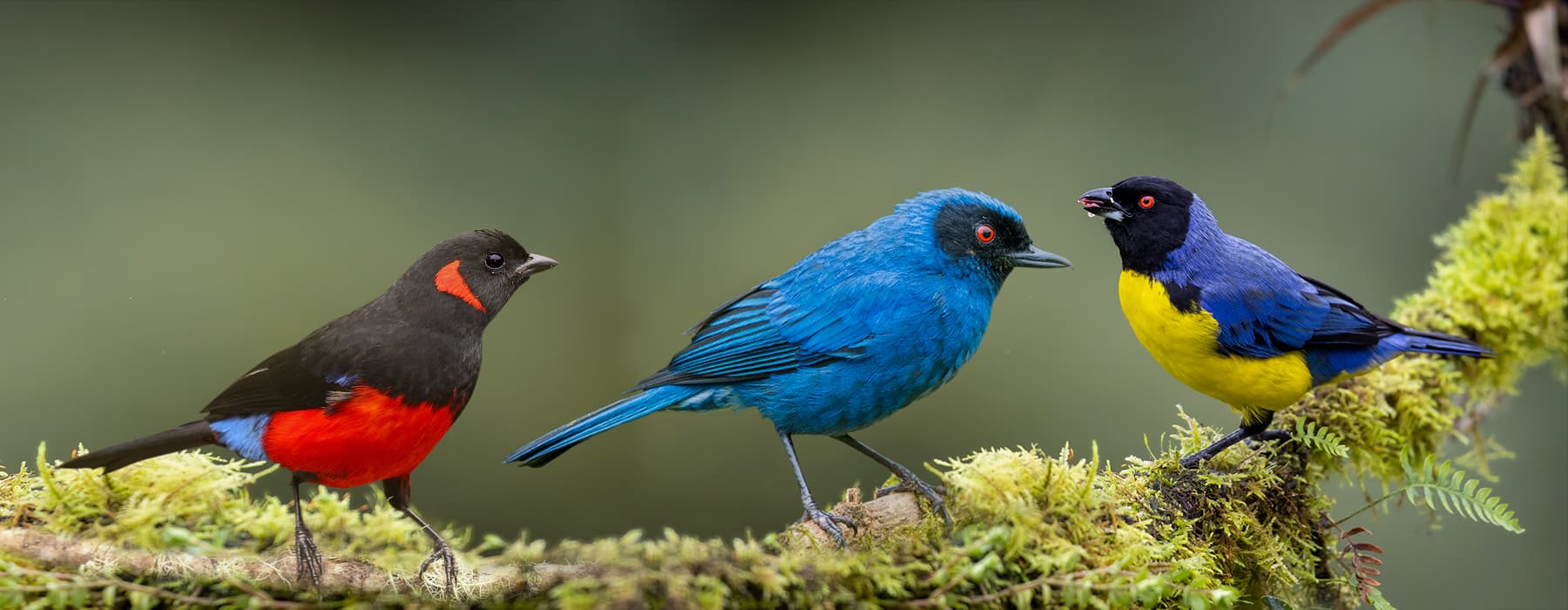
- Bird watching on the Inca Trail is very special, it is something unique. Since then, very few places in the world can generate these emotions.
- The great variety of colors and shapes that we see. Certainly, they create experiences that captivate all those who take a break to enjoy the richness of the Inca Trail to Machu Picchu.
ActivitiesActivities
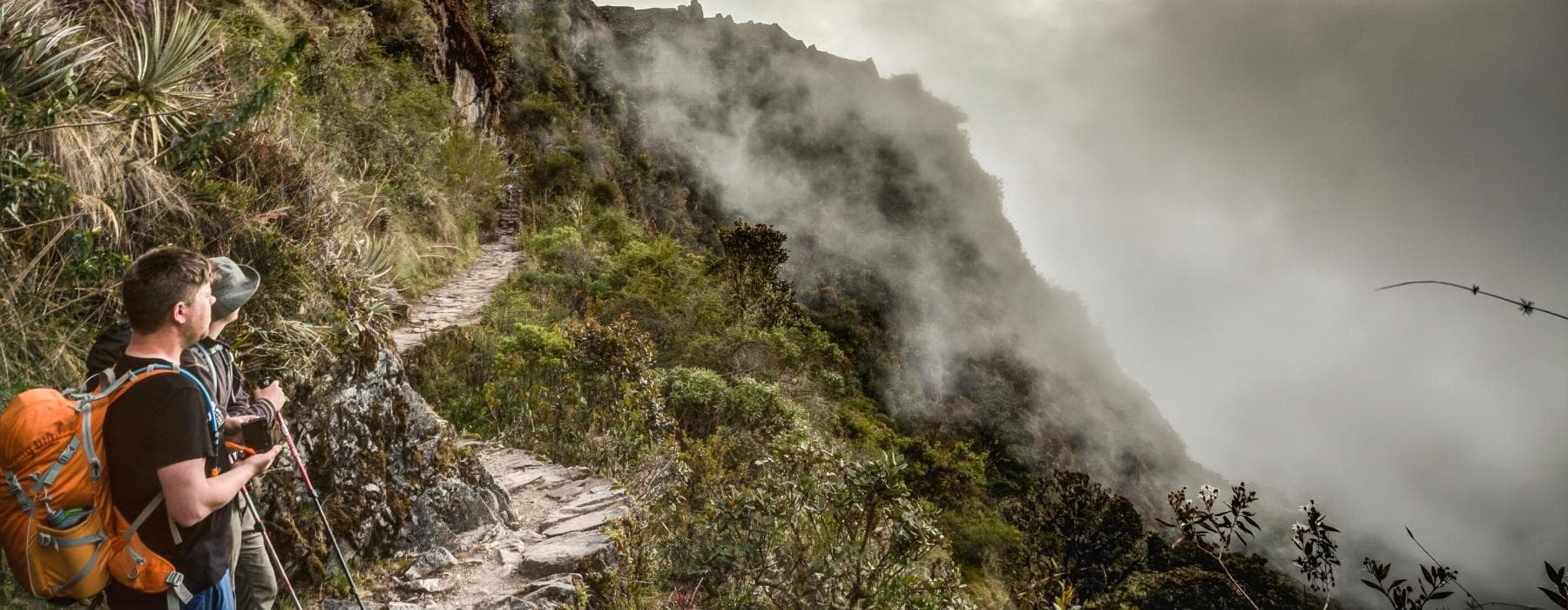
It is considered na of the most vigorous routes, since in some points of the tour it reaches altitudes of 4800 meters (15,748ft), and several segments in which it must go up and down well pronounced stairs. You are physically well prepared, since in one day you could earn more than 2000 meters or have descents of more than 1000 meters per hour. The weather will also be a very important factor since there are very drastic changes in a matter of hours. Therefore it is recommended to do many exercises and adapt to height before leaving for the trek.
AccommodationsAccommodations
- Comfortable camping tents with foam mats and blankets, 05 nights.
ItineraryItinerary
- Salkantay Trek - Challacancha trail to Soraypampa, Photo stop viewpoint
- Salkantay Trek - Humantay lake, Photo stop viewpoint
- Lunch, Dinner
PACKING LISTPACKING LIST
WHAT TO BRING TO THE SALKANTAY TREK & INCA TRAIL HIKE TO MACHU PICCHU 6 DAYS:
When packing for your Salkantay Trek, you should keep in mind that it is best to dress in layers due to the weather variation.
The variety of clothes that you must pack to dress in layers is key to your walk, from the morning when it is quite cold until mid afternoon when the temperatures rise and reach their peak and then freeze again at night.
Stratification is also useful as you ascend high passages that are exposed to winds or descend into shady valleys.
Effective stratification only works if each layer allows moisture to pass and escape into the external environment. In fact, the best layered clothing, such as wool, promotes moisture transfer through its absorbent properties. Cotton and denim absorb moisture and, therefore, should be avoided.
 warm jackets
 Hydration bladder
 wool socks
 camera
 scarf
scarf first aid kit
 hiking shoes
 Dry bags
 Trekking Poles
 sun cream
 Snack
Snack sun hat
 bathing suite
 rain coat
 Sandals
 insect repellent
 Passport
 Down Jackets
 toilet paper
 daypack
 Wool cap
 head lamp
 gloves
 sun glasses
 cap
cap extra cash
 Trekking pants
FAQFAQ
THE MOST FREQUENTLY ASKED QUESTIONS ABOUT SALKANTAY TREK & INCA TRAIL HIKE TO MACHU PICCHU 6 DAYS
Inca Trail to Machu Picchu or Inca Trail Hike – No hike in the world can be compared to the beauty that can only be seen in the Inca Trail 4 days. Besides the pleasant experience of living together with local people (porters) and tourists from different countries that you meet, at the end of the inca trail hike, you will feel very satisfied with every single step you walked along the Inca Trail 4 days. Those steps will lead you to your final dream destination, the majestic Machu Picchu, a memory you will treasure forever.
The Inca Trail hike to Machu Picchu provides trekkers with a fantastic opportunity to hike the Andean mountains while learning the history of the pre columbian people inhabiting what is now called South America and their encounter with the Spaniards 'conquistadors'.
In this piece, you will find absolutely everything you need to know about the Inca Trail hike , which is the most beautiful hiking destination of Peru and South America.
The starting point of the Inca Trail hike of 4 days and 3 nights Network is located in the Piscacucho km 82 community, in the district of Ollantaytambo, province of Urubamba.
Most people will get to Cusco by air. Please remember that the Cusco airport is for domestic travel only. If you come directly from overseas through Lima, you must get your bags in Lima and re-check them for your flight to Cusco. Four airline carriers fly roundtrip between Lima and Cusco. That includes LATAM Airlines, AVIANCA Airlines, Star Peru, and Peruvian Airlines. They all offer similar schedules and in-flight service, but we usually recommend either LATAM airlines or AVIANCA. They tend to be the most helpful when unexpected flight cancellations or delays occur
The Inca Trail has an extraordinary history. The Inca Empire extended into parts of what is now Colombia, Ecuador, Peru, Chile, Argentina, Brazil, and Bolivia, and the original Trail stretched approximately 25,000 miles throughout these areas. During the 15th and 16th centuries, the Trail was used as a key trade route as well as for transportation. However, parts of it were also used for ceremonial purposes and as a pilgrimage route.
Therefore, there are many fascinating theories about the purpose of the connection of the Inca Trail to Machu Picchu, which was built at the height of the Inca Empire. Some researchers believe it served as an annual pilgrimage route to honor Inti, the Incan God of the Sun, who was thought to have been born on the Island of the Sun at Lake Titicaca. It is said that the Trail follows the path of the Sun’s rays during certain times of the year, from Lake Titicaca to Machu Picchu.
The construction of the city of Machu Picchu spanned the reigns of two Inca rulers: Pachacutec Inca Yupanqui (1438–71) and Tupac Inca Yupanqui (1472–93). However, a little over a hundred years later, the city lay mysteriously uninhabited. Historians have disputed the reasons for this, with some arguing that invaders killed the city’s population during the Spanish Conquest, and others arguing that the city’s population succumbed to a smallpox epidemic, years before the Spanish arrived.
During and after the Spanish Conquest, the Inca Trail and Machu Picchu became targets for plundering and theft. It has been reported that Germans Augusto Berns and J.M. von Hassel initially found Machu Picchu during the 1800s and early 1900s, respectively. However, due to the dense forestation that had started to amass around the abandoned city, Machu Picchu became far less targeted by looters than other easier-to-access sites along the Inca Trail in Peru and in the surrounding areas. The locals may also have kept quiet to save their secret city from the aggressive looting campaigns, so by the 19th century only a few locals and academics were even aware of Machu Picchu’s existence.
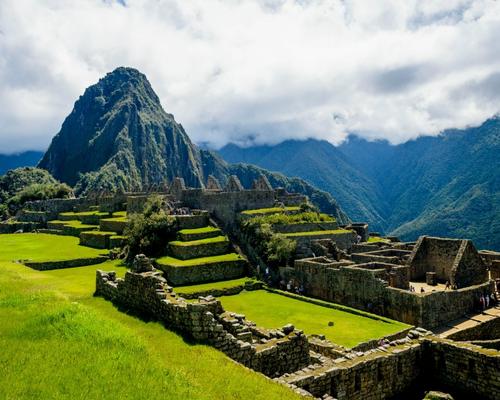
In 1911, the American academic and explorer Hiram Bingham re-discovered Machu Picchu along the Inca Trail in Peru and conducted the first official archeological research there. As a seasoned adventurer (due to childhood expeditions with his father) and a keen Latin American history scholar, Bingham spent time traveling the Spanish trade routes throughout South America. As a Yale University history professor, he organized a group of scholars to set out and find the ‘lost city.’
Then, on July 24, 1911, a local guide directed Bingham to the ruins of Machu Picchu. Once there, he and his team started to explore and excavate the area, with return trips in 1912, 1914, and 1915 to continue their work. Through the Yale Archeological Society, the area of Machu Picchu and several surrounding sites were excavated and further academic research was conducted. To this day, the area is still a historical treasure trove, adding much to the Inca Trail experience.
The Inca trail hike is famous because it provides hikers the only way to arrive in Machu Picchu by means of hiking. Upon the re-discovery of Machu Picchu by the American scholar Hiram Bingham, the Inca trail to machu picchu was also brought back to life.
Teams of archaeologists and local peasants explored what remained of this ancient inca trail, finding many Incan complexes and temples along the way that became some of their most beautiful attractions. Machu Picchu was named a UNESCO world heritage site in 1983, and one of the seven new wonders of the world in 2003, which made it a famous must-see travel destination.
The Inca Trail hike to Machu Picchu began receiving more tourists when Peru entered into a phase of pacification in coming out of a kind of civil war that bled the country from the early ’80s up until the mid-’90s. By the end of the last century, thousands of people flocked to this beautiful destination to arrive in the Sungate of Machu Picchu at sunrise. Only the people who hike the trail to machu piccu can experience such an event.
Just like every other outdoor activity, hiking involves a dose of risk-taking. However, the Machu Picchu hike is not dangerous at all.
There are no places where one’s safety might be compromised. In any case, the best way to minimize any danger level is by acting proactively and taking the necessary measures to prevent any such situations. For instance, proper acclimatization will prevent you from getting altitude sickness, which is the number one reason why people fall ill.
Taking a trip to any historical landmark in the world of the caliber of Machu Picchu demands preparation about the background of such attractions. Here is a list of a few books and videos that you should consider reading before your Machu Picchu trip:
- Turn right at Machu Picchu by Mark Adams
- The last days of the Inca by Kim McQuarry
- 1491 by Charles C. Mann
- A Brief History of Peru by Bill Harris and Christine Hunefeldt
A few videos you can watch:
- Guns, Germs and Steel
- Aguirre, the Wrath of God
- The Rise and Fall of the Inca Empire
The best way to ensure that one will hike the Inca trail successfully is by arriving in Cusco at least three days ahead of your departure time. These three days will give you the necessary time to acclimatize while you get to visit some of the beautiful attractions that you can visit in Cusco.
Arriving in Cusco by plane. Most people fly into Cusco, coming directly from Lima after their international flights. Lima holds the most important international airport in Peru, and almost all international flights must land there before people connect to their final domestic destinations. Cusco's airport is the second busiest airport in Peru; most flights arrive from Lima while some others do it from cities like Arequipa, Juliaca, Iquitos, Puerto Maldonado, and Trujillo. As far as international flights, Cusco's airport receives flights coming from Bogota, Colombia, Santiago de Chile, and La Paz, Bolivia. The most important and safest Peruvian airlines are Lan Peru and Avianca. Other budget airlines are SkyPeru, Peruvian Airlines, and Gol Peru.
Arriving in Cusco by bus and train (overland). There are plenty of comfortable bus companies servicing Lima and Cusco on a daily basis. The bus ride usually takes up to twenty hours of driving. Traveling to Cusco from Lima by bus is not advisable. Most people who do arrive in Cusco by means of bus do it after following an itinerary that allows them to visit a few other interesting tourist attractions along the way. Places like Paracas Marine National Reserve or Poor Man's Galapagos, the Huacachina Oasis in Ica, and the Nazca Lines are some of the must-see attractions one can visit on the way to Cusco. There are a few hop-on/ hop-off tour operators that allow you to visit those places by purchasing one full ticket between Lima and Cusco. Also, plenty of night buses run from Arequipa (the second-largest city in Peru) to Cusco. Arequipa is a beautiful colonial city where one can visit the Colca Canyon and see the flight of the condors. Also, many people choose to climb the Misti and Chachani volcanoes in this area.
As far as trains, Cusco connects with Puno, from where Peru rail runs a few different tourist trains.
THINGS TO DO IN CUSCO BEFORE THE INCA TRAIL HIKE
Cusco is the most beautiful city in Peru and one of the most beautiful cities in South America. It is a place that deserves time in its own right to be explored and enjoyed. As I mentioned above, one of the most important reasons to arrive in Cusco a few days ahead of your Inca trail tour is to accelerate the process of acclimatization to the altitude. To do this smoothly and perfectly, then we recommend the following things to do:
Day One. Go for a walk of your own or take a walking city tour of Cusco. This is a great way to experience Cusco upon arriving. In these tours, you will see some of Cusco's most impressive attractions, such as the Main Square or Plaza de Armas, the San Blas neighborhood, and the San Pedro central market. These walking city tours usually take up to 3 hours. Make sure you book for an afternoon city tour to give your body some time to first adapt to the altitude.
Day Two. Take the Rainbow Mountain tour or the Humantay Lake tour. Climb high, sleep low is one of the best practices that hikers perform when hiking at high altitudes. One of the ways people can quickly adapt to the altitude is by climbing either the Humantay Lake or the Rainbow Mountains. By doing so, one actually gets to do what is mentioned above as people will climb to altitudes above 13,000 ft and return to Cusco's altitude of 10,500ft in the afternoons.
Day Three. Take it easy, or take the magnificent Sacred Valley tour. We recommend that you make your hotel reservations for this night in places like Urubamba or Ollantaytambo. You can check with your inca trail tour operator and ask them to pick you from either of these locations the following day. If you stay at either of these locations, you will save yourself the two-hour drive back to Cusco from Ollantaytambo after completing the Sacred Valley tour and the two hours from Cusco to Ollantaytambo on the day of the tour. Additionally, this decision will give you two more hours of sleep on the day of the hike as you won't have to get up at four in the morning to be transported to the start of the Inca trail hike to Machu Picchu.
After you have experienced some of what Cusco offers, it’s time to turn our attention to the Classic Inca Trail tour. To hike this route to Machu Picchu, you are required by the government of Peru to hire a licensed guide service or tour company with the required permits to take trekkers on the journey.
The company you choose will often arrange road transportation from Cusco to the start of the inca trail trek, with pickups that generally occur early in the day (around 4:00 AM local time). The most popular place to start the hike is known as Kilometer 82, which is the start of the Classic Inca Trail route. Once you reach this location, you will generally conduct a gear check, fill up your water containers, and make sure everyone is fully prepared to start the journey.
The network of Inca trails, known in the Quechua language as ‘qhapac’ (main road or path of the powerful), is an immense connection of Inca trails built for the most part by Emperor Pachacutec in the 15th century.
These roads linked the main cities of the empire with Cusco, the capital of the empire. The Inca himself was led from the ‘sacred city’ to the various points of the empire through the qhapac ñan.
The network of Inca roads covered part of the territories of the current countries of Peru, Bolivia, Ecuador, Colombia, Chile and Argentina. Due to their historical importance, they are currently considered ‘Cultural Heritage of Humanity’ by Unesco. Because of this they are protected and preserved for the future.
What was the importance of the Inca Trails?
The Qhapaq ñan is the word that defines the road system of the Inca civilization. It is the best proof of the development reached by the Incas in civil engineering. It is worth mentioning that this network of roads was built on one of the most rugged territories in the world. He managed to cross the rugged Andes Mountains and the arid deserts of the South American coast.
This network of Inca roads crossed the empire of the Incas by routes drawn from north to south (from end to end) along the coast and through the Andes Mountains. There were small sections for the common population. There were also wide sections dedicated to Inca royalty. The Inca roads of the sierra had sections completely paved while those of the coast were built simply of earth.
The world famous Inca Trail to Machu Picchu is just one part of this complex network of roads. Go up the Urubamba river basin to the Inca city, after winding difficult mountains. At present it is considered the best hiking route in Peru. You can visit it in four days through a perfectly planned tour.
The roads of the Incas were built with the main purpose of keeping a huge territory communicated. This made it possible to mobilize armies very quickly. It also served as a trade route in a civilization prone to redistribution and exchange. Another extremely important purpose was the culturalization of the newly conquered peoples. It should be noted that these roads were built in the expansionist time of the Incas.
What is the length of the Inca trails?
At present, more than 60 thousand kilometers of roads that formed this enormous network have been identified. But studies carried out reveal that the Qhapaq ñan would be made up of more than double that identified throughout the South American territory.
What was its function?
The route of the Inca roads, in addition to connecting one town with another, served to connect the culture of the peoples of the time. Likewise, its function was that of a trade route and strategic routes of cultural connection between the different towns of the immense Inca empire. This is how Inca cities were integrated such as: Vilcashuaman, Pumpu, Hatun Xauxa, Huánuco Pampa, Cajamarca, Quito, etc.
The Qhapaq ñan shows many sections in which there are two parallel roads in a trunk route. It is known that the Inca, his court and his armies would go through one of them, while the other was destined for the people.
Likewise, this road network had a commercial function as it supplied different cities with products that were harvested at different altitudes. For example, the city of Cusco was able to supply itself with: chili, cotton, coca, corn, fish, mullu and even the famous spondylus shell.
How is it designed?
The Inca trails are designed in response to the coastal and mountain geography. There are stretches in immense arid plains up to the most rugged mountains of the Andes mountain range. There are also countless slopes, cliffs, mountains, pampas, swamps, gorges, and canyons. In many cases, the most difficult sections were solved with bridges and uneven roads.
Main Inca trails
The Inca roads were made up of several longitudinal and transversal sections. However, the longest and most important sections were two: the longitudinal route that crossed the Andes Mountains and the longitudinal route that crossed the desert coast:
The coastal roads: As its name indicates, this longitudinal route ran along the coastline of the empire, from the south of Ecuador to the north of Chile. The roads reached 3,943 kilometers. It is calculated that the minimum width measured 3.5 meters while the maximum width reached 20 meters. It crossed up to 52 Cusco valleys including important religious centers such as Tambo Inga, Armatambo and Pachacamac. The Inca Huayna Cápac had these roads built after conquering Quito (Ecuador) in the 15th century.
The roads of the mountains: This road was initially built by Emperor Pachacutec and finished by his successors Túpac Inca Yupanqui and Huayna Cápac. This route connects the current cities of Quito (Ecuador) with Santiago (Chile), crossing the difficult geography of the Andes Mountains. In total it has an area of 5,658 kilometers. Due to the mountainous slopes, this road was built with stone pavers, bridges, as well as administrative centers, tambos (rest centers for walkers) and colcas (food centers for walkers). The narrowest sections were 3 meters wide. The widest sections, eighteen meters.
Constructions along the roads
The difficult South American geography and the immense distances that the Inca roads traveled forced the Incas to build certain structures necessary for the proper functioning of the roads.
The bridges: There were several bridges that allowed crossing rivers or spaces with abysses. These bridges could be woven of straw (the icchu or wild straw of the Andes) and were characterized by being hanging. And there were other bridges that were built of tree trunks, supported by abutments of huge stone blocks. Also noteworthy are the ‘oroyas’, wooden rafts that were used to flow through the lakes. Currently the Queswachaka bridge in Cusco is an example of the tradition of the Andean peoples in the construction and maintenance of Inca bridges.
The tambos: These constructions had the function of shelters and deposits of food, wool, firewood, clothes. These products were stored both for people who traveled and for emergencies. It is estimated that on the main roads there were dairy farms every 20 or 30 kilometers. These housed the “chasquis” or emissaries who were young runners who went from tambo to tambo carrying the Inca’s messages through a relay system. Through this system it is said that a message could reach from Cusco to Ecuador in 10 days (approximately 2,000 kilometers).
The Inca Trails to Machu Picchu
The Inca Trail to Machu Picchu is the small network of roads that connects the towns of Cusco with the Inca city of Machu Picchu. With the discovery of this archaeological site in 1911, part of this section of the Qhapac ñan was unearthed. Since then these trails have been valued.
Due to its location on the slopes of mountain ranges, this section of the Inca Trail was built following the characteristics of the mountain roads. The Incas first made the layout of the road, then the foundation of the soil with several layers of stone and earth. Next the paving and the drainage system were made. Due to their complex construction, these trails are kept in good condition.
This section of the Inca Trail was not discovered by the Spanish. It is also believed that they did not give it the necessary importance. In any case, the Spanish did not reach Machu Picchu, which, after being abandoned, was hidden in the thick vegetation over the years. The section from qhapac ñan to the Inca city also suffered the same fate.
The Inca Trail today
Currently, the section of qhapac ñan that connects Cusco with Machu Picchu was valued and adapted to be traveled by tourists. It is a route of almost 40 kilometers that is crossed in 3 days and 3 nights. The fourth day is dedicated to visiting Machu Picchu.
Unlike other hiking trails in Cusco, the Inca Trail to Machu Picchu is protected by the Peruvian State. This is due to the historical value of the sections of qhapac ñan that it runs through. Therefore, no unauthorized person can walk its ways.
The only way to get this authorization and travel the Inca Trail is to hire a tour through an authorized tourism agency. Tourism agencies manage permits with the Ministry of Culture of Peru and add a tour guide service, camping equipment, food, tickets to Machu Picchu and more services for the visitor.
Currently there are many tourists who want to make the Inca Trail to Machu Picchu. Due to the high demand of visitors, tours must be purchased online 6 or 7 months in advance. It is the best hiking trail in Peru.
ESSENTIAL TRIP INFORMATIONESSENTIAL TRIP INFORMATION
ESSENTIAL TRIP INFORMATION ESSENTIAL TRIP INFORMATION
Want an in-depth insight into this trip? Essential Trip Information provides everything you need to know about this adventure and more.
View Essential Trip InformationBest Season to TravelBest Season to Travel
The best time to visit Peru is during the dry season, between May and November, when the weather is dry and bright, with more frequent rainfall occurring between November and April.
 January
 February
 March
March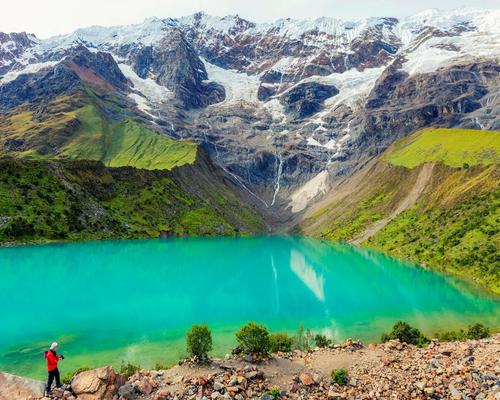 April
April May
May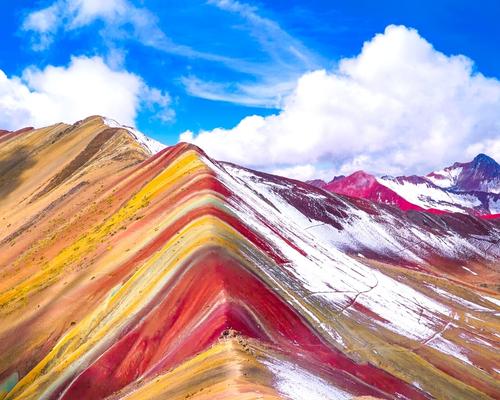 June
June July
July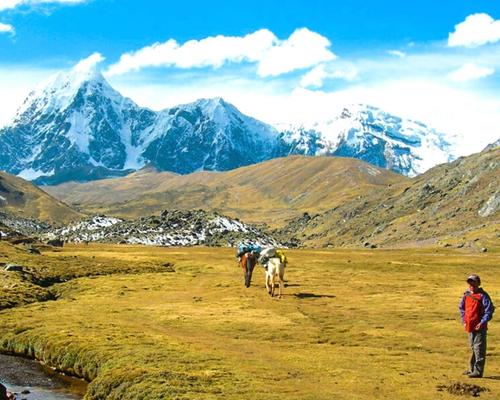 August
 September
 October
 November
 December
PRICE & AVAILABILITYPRICE & AVAILABILITY
PRICE & AVAILABILITY
To book this tour, a minimum of $ 800 USD per person is required, the remaining balance will be paid upon arrival in Peru, at the Cusco office.
Any other additional information, please coordinate with your travel agent.
Choose your preferred departure date to proceed.
What to expect from our
Treks in Peru
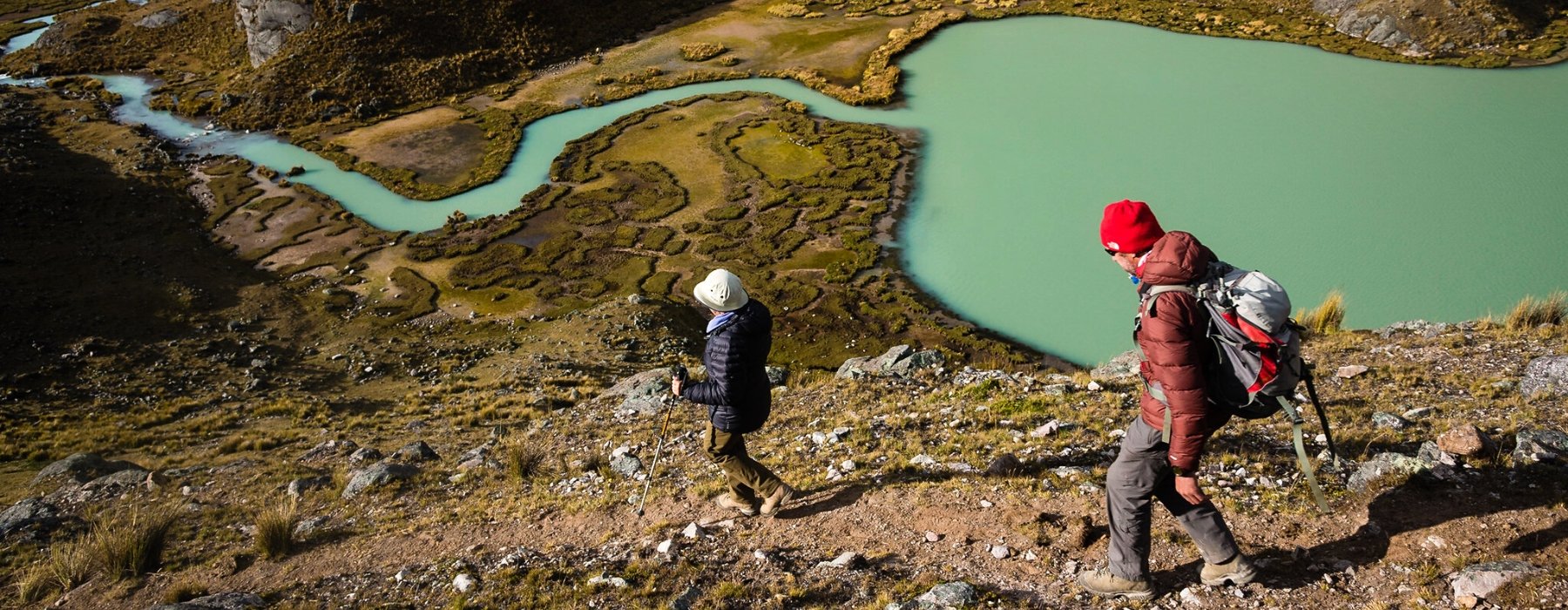
Nothing gets you closer to a country than walking through it, and we’ve got trips to suit walkers of all levels and interests.
How fit do I need to be?
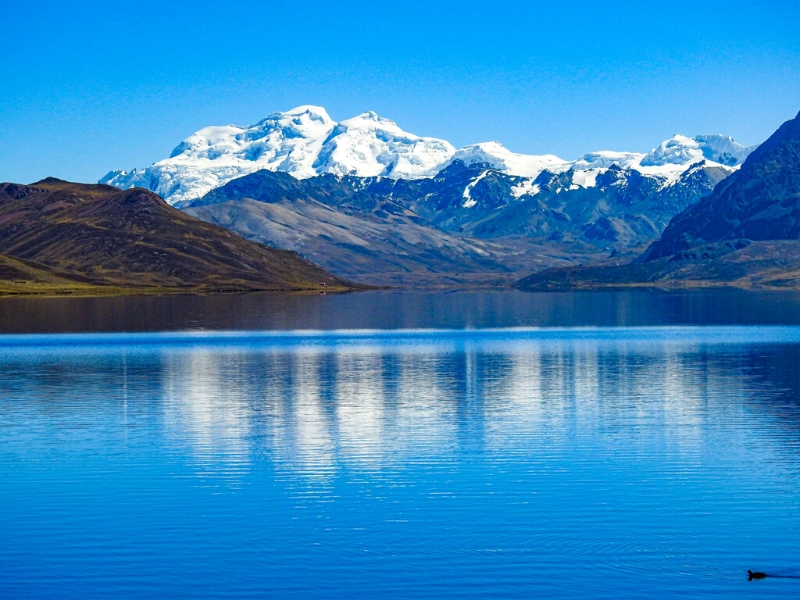
All our Walking trips are graded from ‘Easy’ through to ‘Challenging to Tough’. On our online trip itineraries you’ll find a chart showing the daily walk distances, timings and information on the route including the terrain, altitude. Generally, no specific training is needed but you might feel more comfortable if you’ve got out walking a few times in the lead-up to your trip.
What will the group be like?
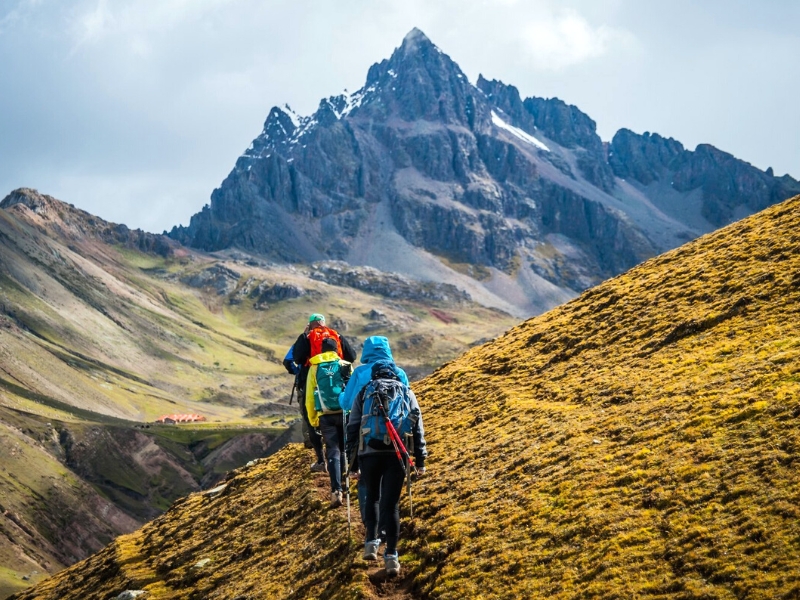
As with all our trips, every group is different but the ‘average’ group consists of roughly half couples and half solo travellers - all sharing a passion for exploring the world on foot. You’ll always have someone to keep you company along the route, but you don’t always have to walk together. Wherever possible your Andean Great Treks leader will allow everyone to walk at their own pace, regrouping regularly along the route.
Will I need to walk every day?
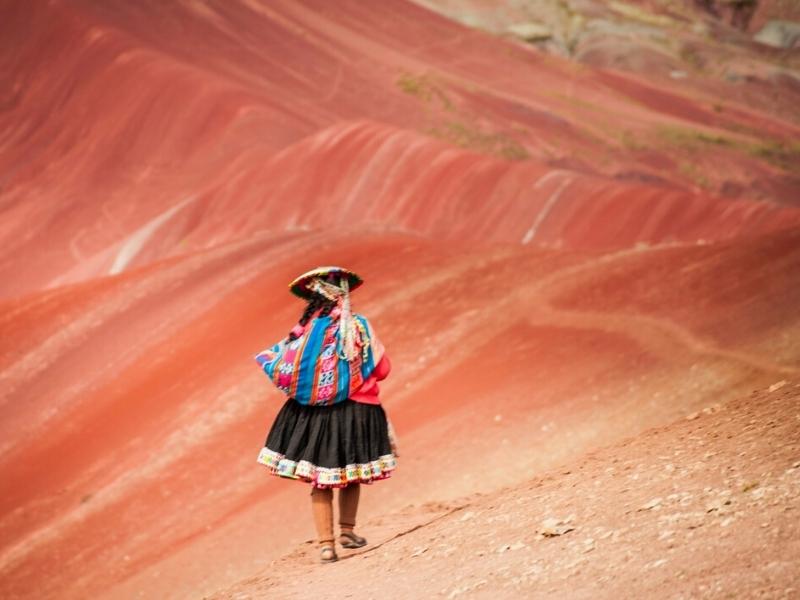
Mostly of our hikes in the mountains in Peru and Cusco like the classic Inca Trail to Machu Picchu, Ausangate Trek, Lares Trek, Ancascocha Trek, Salkantay Trek , involves an average of walking hours of 7-8 hours per day, this timing includes stops for taking photos, lunch, breaks for recovery the energy, and the most important we adapt to your walking pace. This relaxed style of trip involves to know all the attractions in greater depth.
What about the logistics?
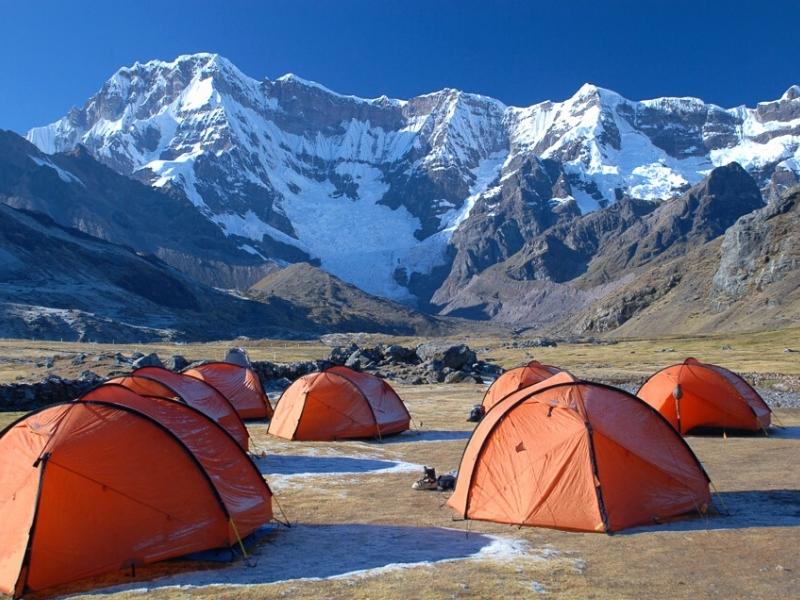
On nearly all our Walking trips, porters or mules will carry all the camping equimpent, so your main luggage will be transported for you. We recommend walk with a light rucksack, you will carry water, snacks, a camera, a small first aid kit and any extra clothing or sun protection. On more remote or challenging treks, additional guides are there to assist the leader tour guide and provide support to the group.
ANDEAN TREKS FAQS
HOW MANY DAYS OF ACCLIMATIZATION DO YOU RECOMMEND BEFORE STARTING A PROGRAM?
The acclimatization period is very important for our travelers to enjoy the experience. We suggest a minimum of 3 or 4 days of the previous stay in Cusco city, the Sacred Valley of the Incas or Machu Picchu. We recommend you check the acclimation programs we have prepared for you on our website.
WHAT ARE THE ALTITUDES IN THE CAMPING SITES ?
The average height of our camps in the trekking circuits is 3,500 masl. In fact, one of the circuits where you sleep at the highest altitude is the Ausangate Trek, where you will have days to set up the tents at a height of 4,300 meters. Remember that Peru has snowy peaks that reach up to 6,700 masl.
HOW CAN ALTITUDE AFFECT ME?
From 3,000 meters above sea level, the symptoms of "altitude sickness" vary according to each person, and may even not occur. However, among the most common are a headache, dizziness, nausea, loss of appetite and insomnia. Therefore, upon arriving in the city of Cusco, located at 3,400 meters above sea level, we recommend our travelers to take a good rest, drink plenty of water, eat light meals and take slower walking. Also, it is necessary to avoid alcoholic beverages and cigarettes. The symptoms can be alleviated with high mountain medicines such as DIAMOX or similar products, but we suggest you consult with your doctor before the trip.
DO I HAVE TO CARRY MY OWN LUGGAGE?
While on the trail, hikers will need to carry a daypack (camera equipment, water bottle, extra layers, rain gear, and other accessories you might need on the trail.) Horses and llamas will carry your duffle bag to the next camping site.
WHAT ARE THE SECURITY MEASURES IN THE TRAIL?
The company makes the greatest efforts to provide a safe and unforgettable experience, for this reason, the trekking guides are constantly communicated with the central office through satellite phones, ensuring the welfare of each passenger. Our guides are trained in rescue techniques and first aid in emergency outdoor, these courses are developed annually and have the standards of the wilderness first respond. At all times we have oxygen and first aid equipment. In case of any eventuality a medical director will answer our questions 24 hours a day. In addition to the animals who carry the luggage we have horses to help walkers tired or eager to ride. We recommend getting a travel insurance.
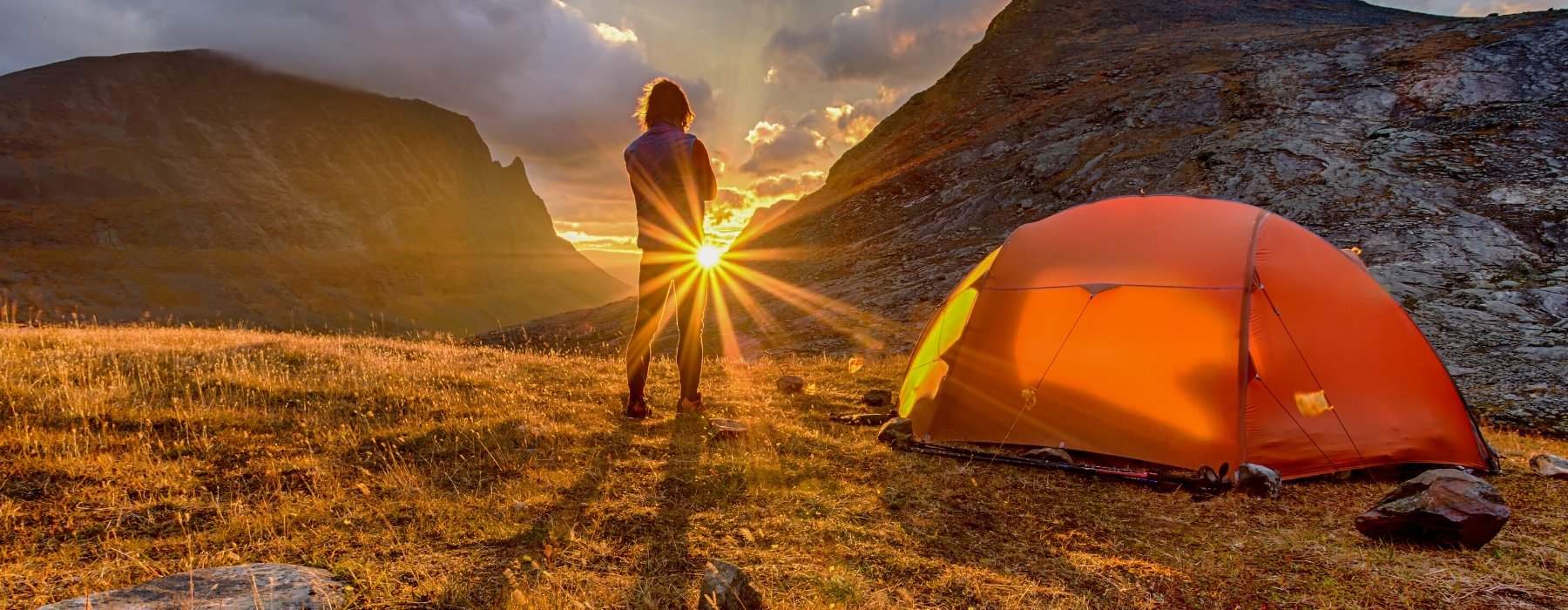
ANDEAN GREAT TREKS TOURS DIFFERENCE
UNRIVALLED KNOWLEDGE & EXPERIENCE
Every Andean Great Treks holiday has been thoughtfully planned and crafted by our specialists. They draw on their own extensive travel experience and the guidance and expertise of our local partners to create superb holidays. Our specialists are committed to making every aspect smooth and enjoyable; they genuinely want to ensure that the holidays they create leave you with wonderful lasting memories.
AMAZING TOURS & AUTHENTIC EXPERIENCES
Every Andean Great Treks traveller is accompanied by an experienced tour guide, you will be immersed in Historic cities, ancient ruins and unfamiliar landscapes are all brought to life by our carefully selected local guides. They want to share their expertise and help you make your own discoveries too; their sole mission is to ensure you enjoy every moment.
FLEXIBILITY & CHOICE
Giving you the freedom to make your holiday even more memorable. We know how much our customers look forward to their holiday and we pride ourselves on the choice and flexibility that we offer to enhance every aspect of your experience. Whether it’s getting to the airport, upgrading your room or booking an additional excursion, we can help.
GUIDED BY THE LOCAL GUIDES, TRUE EXPERTS!
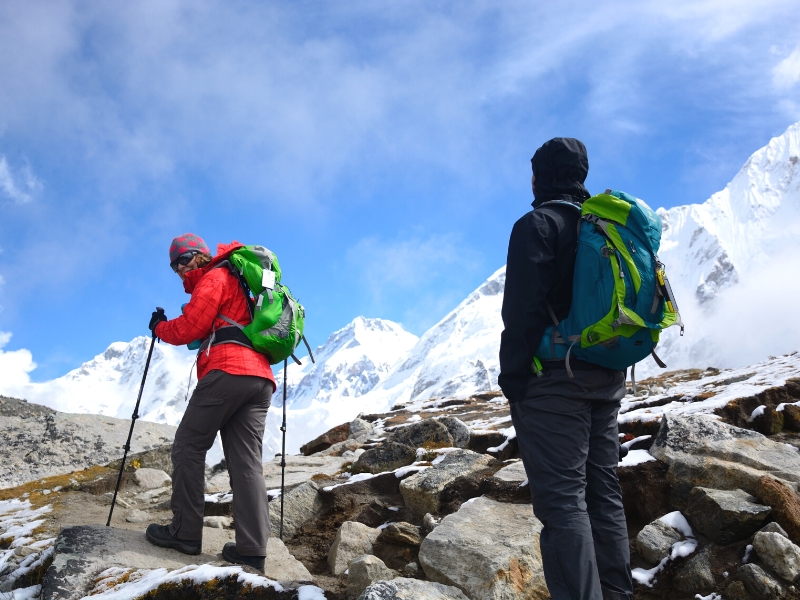
Our guides are the stars of the show; it is their unrivalled knowledge, passion and expertise that will transform your tour experience from good to truly extraordinary!
Because the have grown up in the area and know it like the back of their hand, so they can help you experience whichever aspects most interest you. They’re passionate about sharing their corner of the world with you, and as you explore together, they’ll open your eyes to the intricate details, provide background to enhance your understanding of what you’re seeing, and share stories that will bring everything to life.
ALL OF OUR NATIONAL TOUR GUIDES...
- Have at least five years guiding experience
- Are fluent in English
- Are born and raised in Cusco, Lima, Manu Jungle, Puno
- Go through rigorous and ongoing training programmes
- Are at your service 24 hours a day
OUR TRAVELS SHAPE YOURS
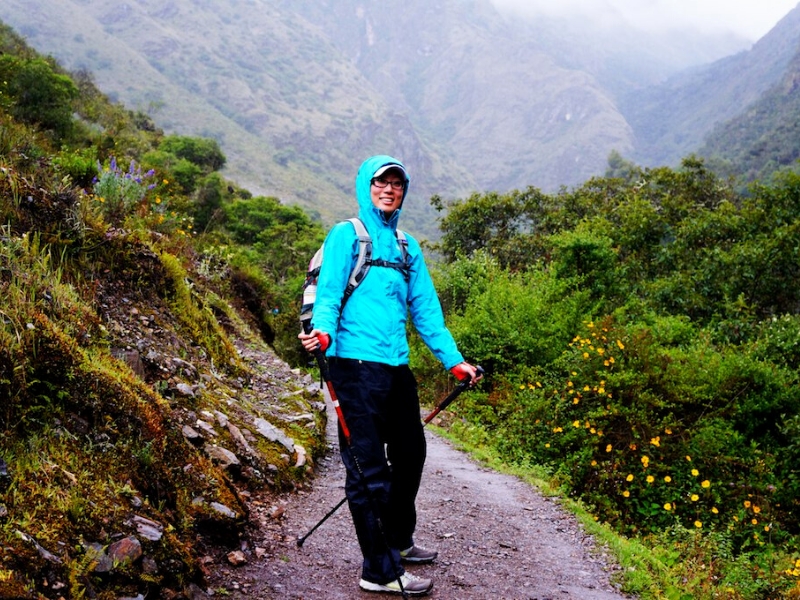
“Your inspiration for a trip can be a single word or a highly evolved outline, but it's the conversations we have that help us understand the experience you're looking for. Meanwhile, I'm looking back on the time I spent at the destination.
‘The great thing about working with a specialist at Andean Great Treks is how they take your complete jumble of ideas and turn them into something absolutely spectacular.’
As you begin to share your ideas with your specialist, it will connect them immediately back to a time in their own travels. Conjuring a picture of the rest time they made that same discovery, reminding them how it felt.
Your specialist understands that, when the journey is right, it has the power to excite your emotions in the most profound ways after all, that was the effect on them.
They carry a treasure box of moments, captured over many journeys, into every suggestion they’ll share with you, as they ask you how you want to feel on your trip.
MEANINGFUL EXPERIENCES, REAL CONNECTIONS
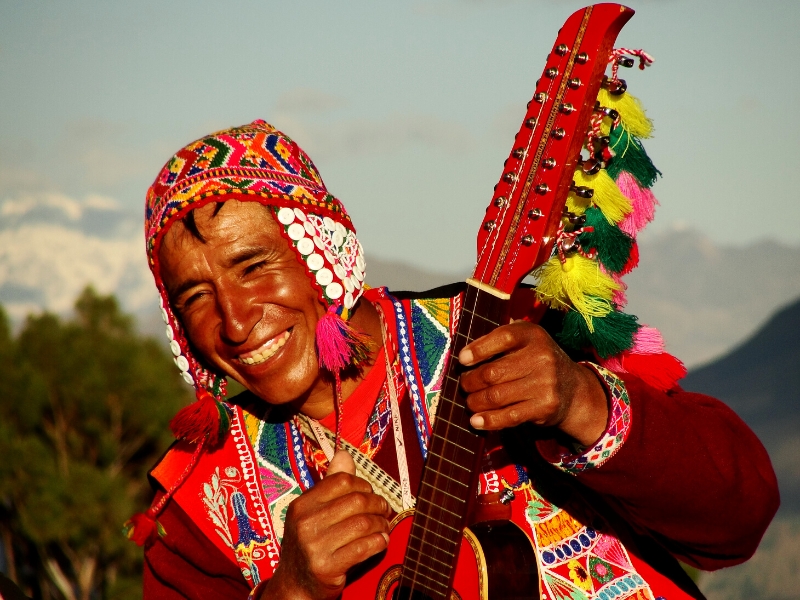
EXPERIENCES THAT CALL TO YOU
It’s what you do in a destination that helps bring it to life. It’s why we strive to choose experiences that help you connect to a place, absorbing a little of its complex character. Wherever your passions lie, we’ll recommend experiences that speak to you, and we’ll recommend the guide or local expert who’s most qualified to help you explore. Packing your holiday full of special experiences means some early starts and long days, but you can be sure that you’ll return home with many incredible memories! Read our Tours and check the Physical Ratings to see if the pace and activity levels are right for you.
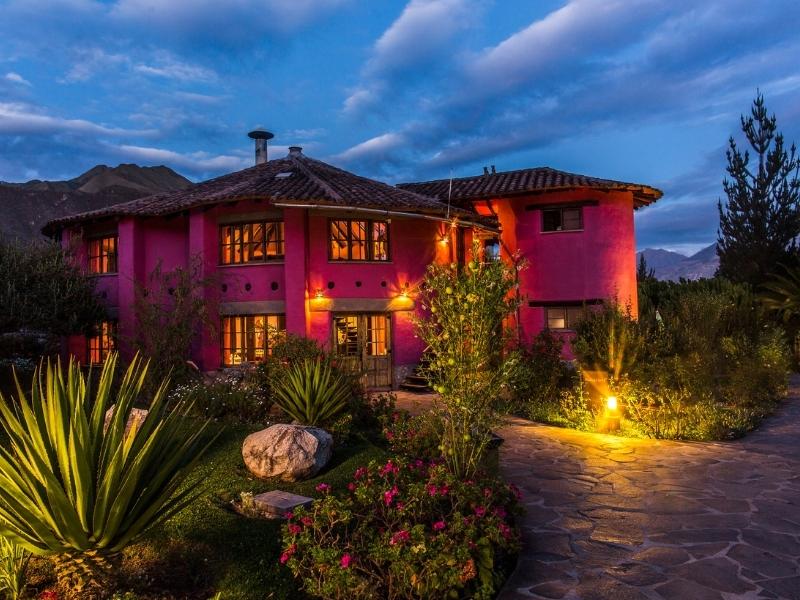
STAYS WITH DIFFERENCE
We know that where you stay is a cherished part of your travels. So, we go to great lengths to find places to stay that exceed expectations, or go above and beyond the ordinary, whether in their character, hospitality, or location. Over the years, we’ve discovered the very best properties, trying and testing them, so we can choose the right one for you. We’ve nourished long-standing relationships with these establishments and the people who founded them, and we’ve stayed there many times often, we’ll even know which rooms have the best views (and reserve them for you).
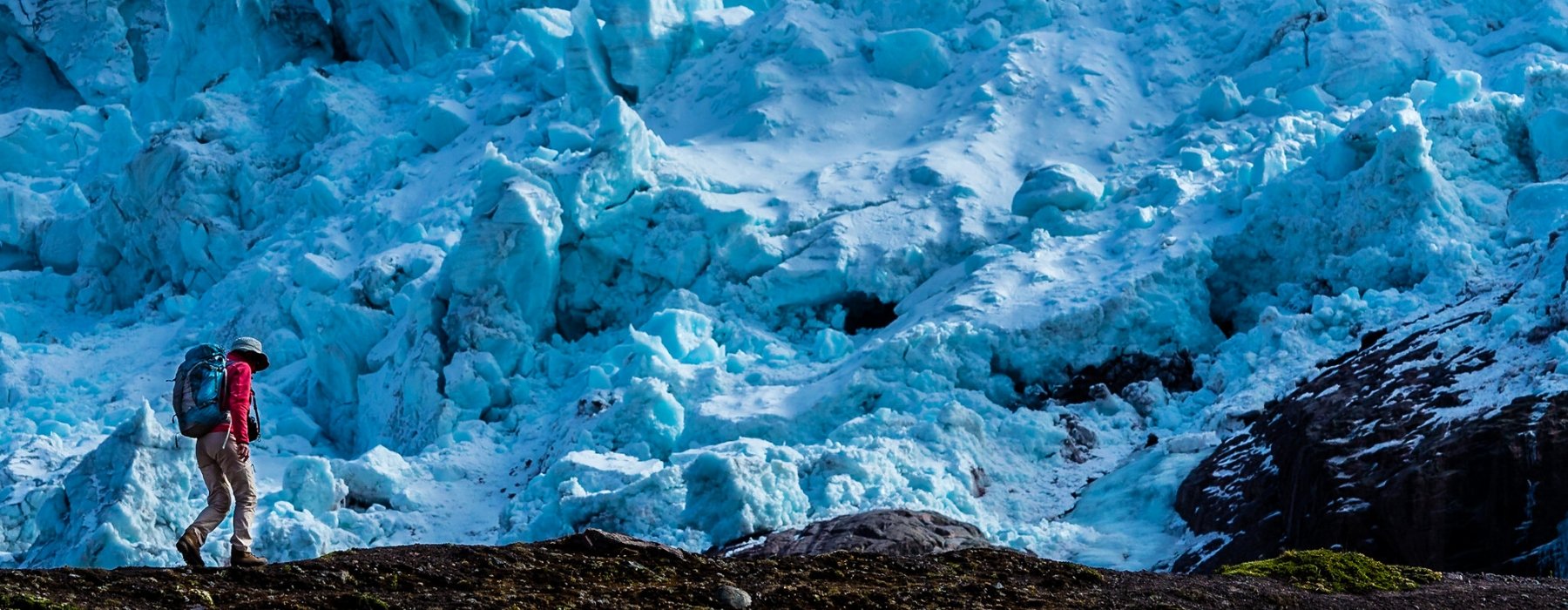
TRAVELLING THE RIGHT WAY
Our style of travel — authentic, thoughtful, and focused on building meaningful connections to the people and places you visit — is inherently respectful and considerate of the destinations we love. We design each aspect of your trip exactly as you want it, which includes its sustainability. That might mean choosing a train journey instead of a flight, staying at eco-friendly wildlife lodges, or opting for experiences that give back to the communities you’re visiting. The choice is yours.
Responsible travel has always been at the heart of what we do. First and foremost, because it gives you the best experience, but, also because it helps to preserve the communities and landscapes you visit. This isn’t new for us we collaborated with local communities and outside experts so we can grow to be better ambassadors.
The most authentic and interesting experiences often directly benefit the local people. We prefer to buy local products that are produced in the organic farms of the Sacred Valley, we also have alliances with local artisan organizations who provide us with souvenir items for our clients, your money directly benefits the local economy.
Our style of travel — authentic, thoughtful, and focused on building meaningful connections to the people and places you visit — is inherently respectful and considerate of the destinations we love. We design each aspect of your trip exactly as you want it, which includes its sustainability. That might mean choosing a train journey instead of a flight, staying at eco-friendly wildlife lodges, or opting for experiences that give back to the communities you’re visiting. The choice is yours.
Responsible travel has always been at the heart of what we do. First and foremost, because it gives you the best experience, but, also because it helps to preserve the communities and landscapes you visit. This isn’t new for us we collaborated with local communities and outside experts so we can grow to be better ambassadors.
The most authentic and interesting experiences often directly benefit the local people. We prefer to buy local products that are produced in the organic farms of the Sacred Valley, we also have alliances with local artisan organizations who provide us with souvenir items for our clients, your money directly benefits the local economy.
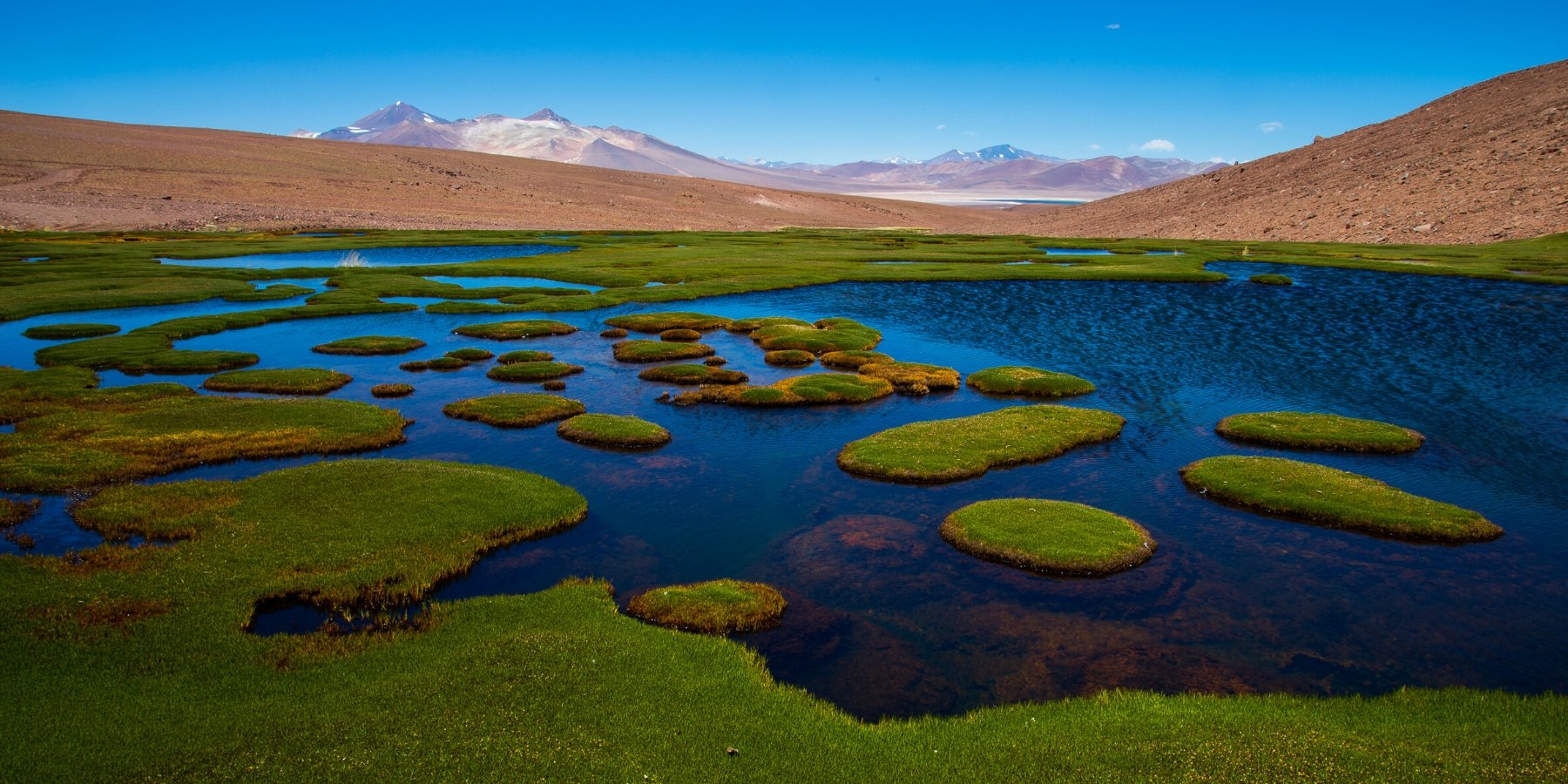
WE EXPLORE WITHOUT AFFECTING THE ECOSYSTEM
We want travel to change us, and not the World
‘There’s a saying: we don’t inherit the Earth from our ancestors, we borrow it from our children. When we show you our country, this philosophy guides everything we do. It’s our responsibility to preserve the environment and wildlife, and support communities. That means using slower modes of transport, like cycling, employing local people, and working with communities who’ll benefit directly from your visit. This also gives you the best, most authentic impression of the places we want to share with you.
We prefer to buy local products in ecological bags, to avoid the use of plastic bags, likewise we teach the use of soaps and ecological products in each tour that we organize. We also work on reforestation projects with local communities who take care of landscape resources such as communal reserves, national parks.
We want travel to change us, and not the World
‘There’s a saying: we don’t inherit the Earth from our ancestors, we borrow it from our children. When we show you our country, this philosophy guides everything we do. It’s our responsibility to preserve the environment and wildlife, and support communities. That means using slower modes of transport, like cycling, employing local people, and working with communities who’ll benefit directly from your visit. This also gives you the best, most authentic impression of the places we want to share with you.
We prefer to buy local products in ecological bags, to avoid the use of plastic bags, likewise we teach the use of soaps and ecological products in each tour that we organize. We also work on reforestation projects with local communities who take care of landscape resources such as communal reserves, national parks.
DISCOVER MORE SIMILAR TOURS: SALKANTAY TREK & CLASSIC INCA TRAIL 6 DAYS

Huayhuash Trekking in Huaraz 8 Days
The 8-day Huayhuash Trek is the ultimate high-altitude challenge for adventure seekers, taking you on a legendary circuit through Peru's most dramatic mountain range. Over the course of the week, you'll conquer punishing passes that soar above 4,800 meters, earning unparalleled views of jagged, snow-dusted peaks like Yerupajá and the infamous Siula Grande.

SANTA CRUZ TREK IN HUARAZ 4 DAYS
The Santa Cruz Trek takes you through three of the most breathtaking canyons in Huascarán National Park: Llanganuco, Huaripampa, and Santa Cruz. Over four unforgettable days, you'll explore the heart of the majestic Cordillera Blanca. Surrounded by lush forests and exotic Andean flora, you'll cross crystal-clear rivers and idyllic lagoons, with panoramic views that will leave you speechless.
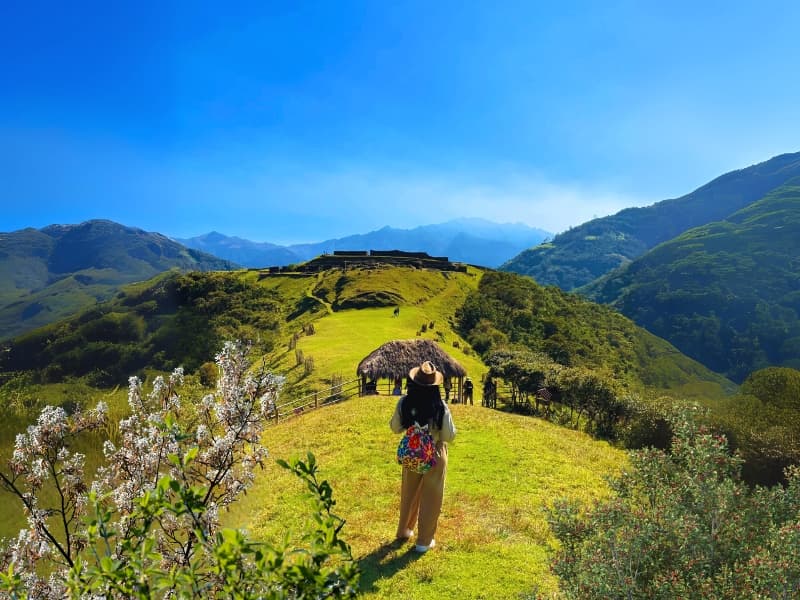
VILCABAMBA TREK TO MACHU PICCHU + CHOQUEQUIRAO 8 DAYS
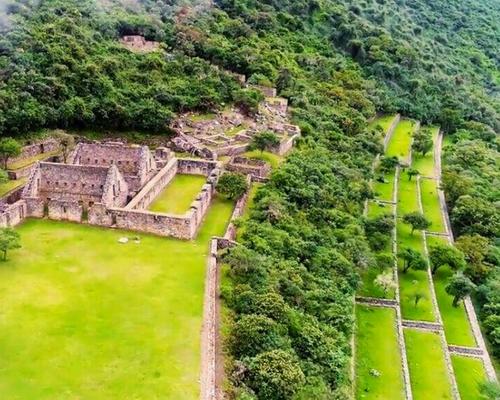
Explore the Vilcabamba trek to Machu Picchu in 8 days. This hike follows the original Inca trails that begin at the archaeological center of Choquequirao, visiting grand Inca ruins, mountains, canyons, and cloud forests filled with wildflowers.
