

TOUR TO MACHU PICCHU BY TRAIN 1 DAY
 Culture & Adventure

CREATING AUTHENTIC TOURS IN PERU
TOUR TO MACHU PICCHU BY TRAIN 1 DAY
 CREATING AUTHENTIC TOURS IN PERU
TOUR TO MACHU PICCHU BY TRAIN 1 DAY
Trip OverviewTrip Overview
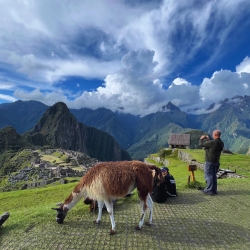
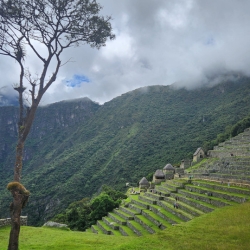
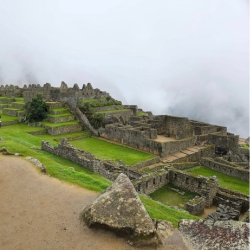
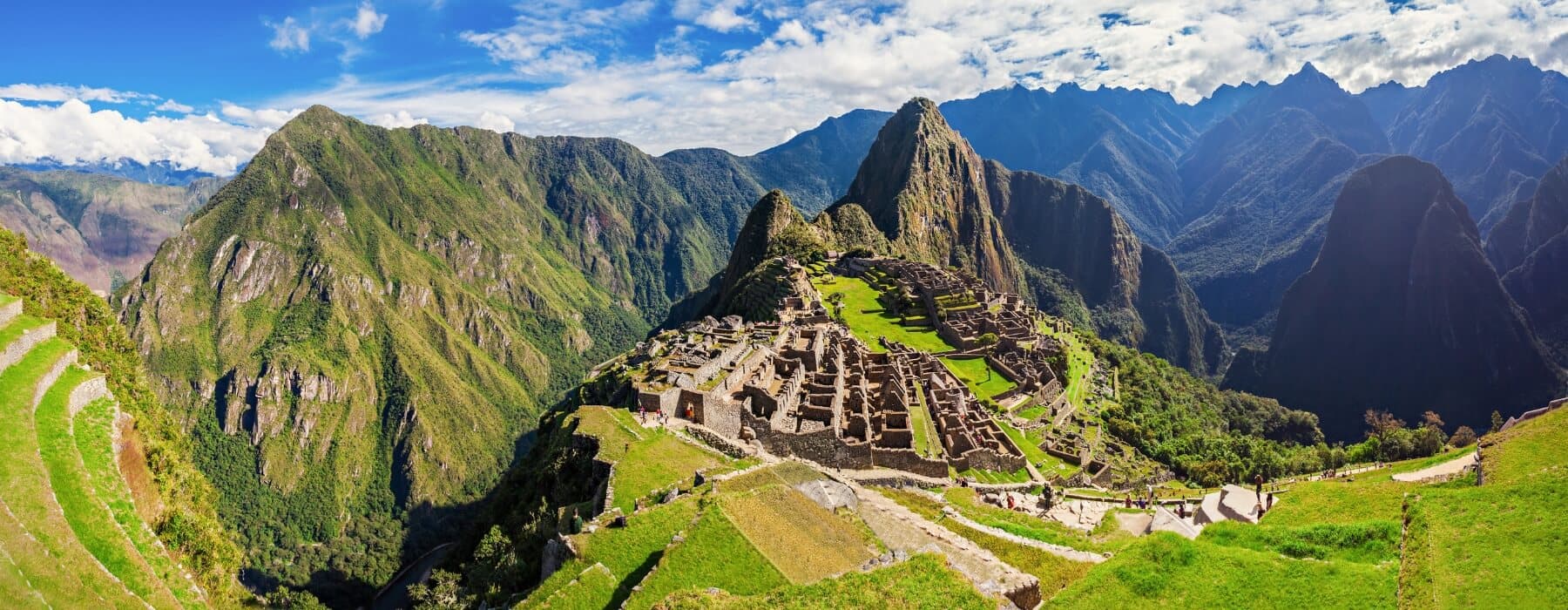
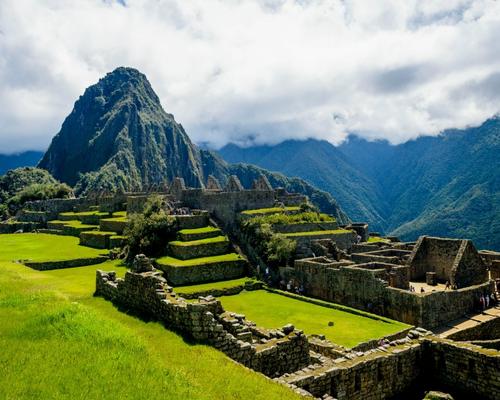
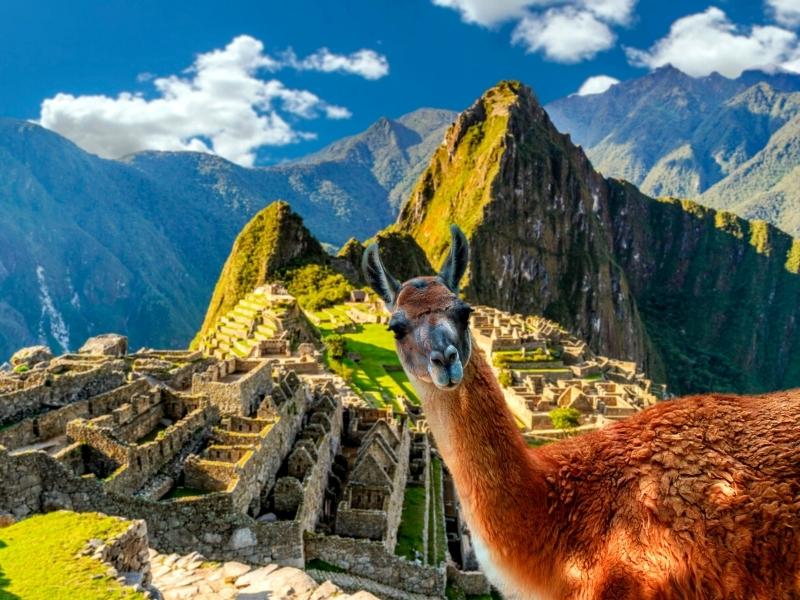
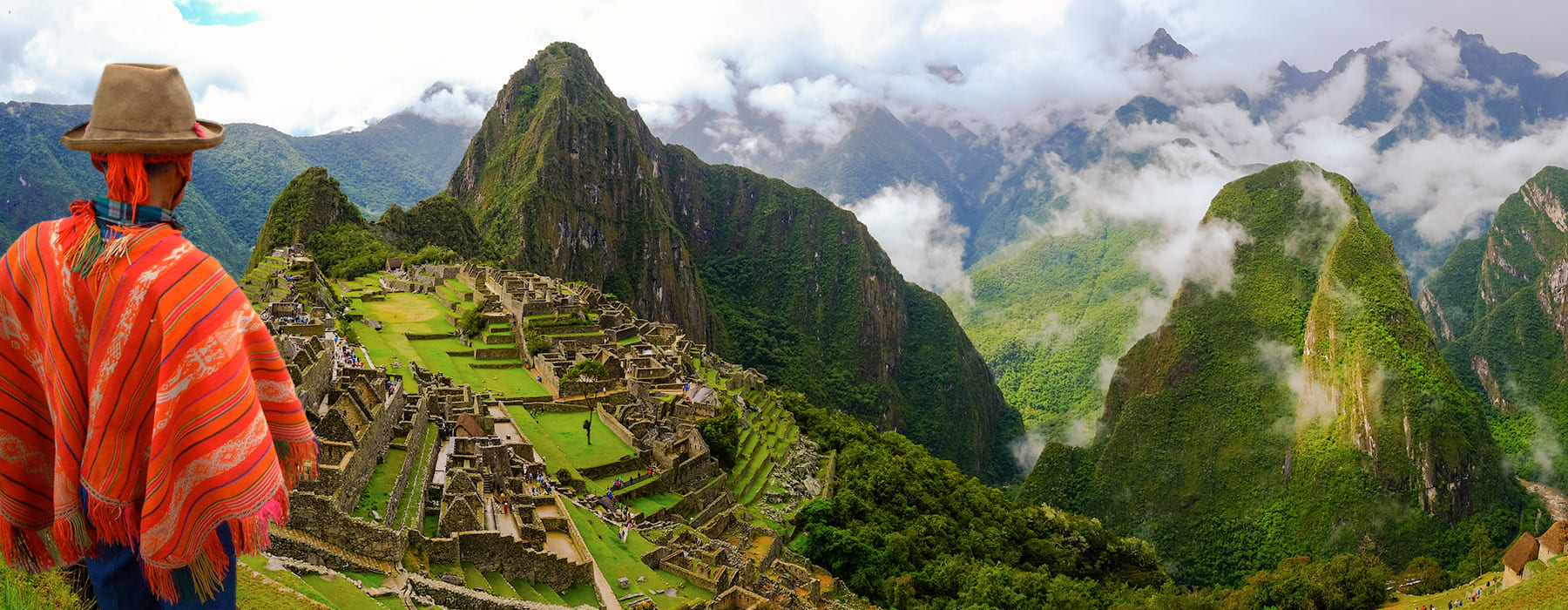
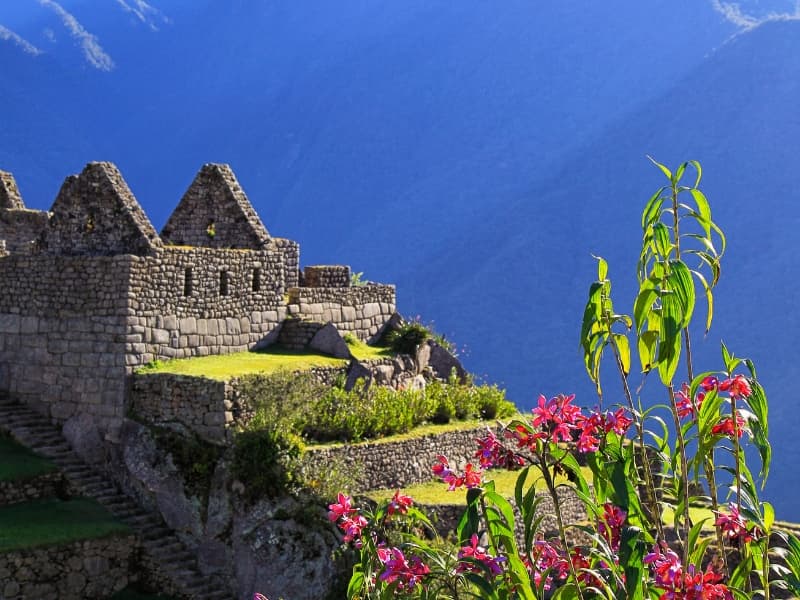
Tour to Machu Picchu in Peru, Located on top of a mountain in the middle of a tropical forest, it is considered the best tourist attraction in Peru. Sanctuary of Machu Picchu is a place that captivates tourists not only because of its dazzling architectural beauty, but also because of its important historical-cultural legacy, which has led it to be recognized and admired throughout the world.
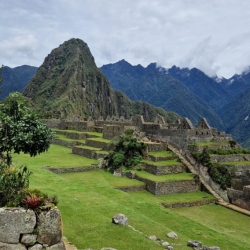
Currently, this Inca jewel is one of the tourist centers of the country. Travelers go to Aguas Calientes to start the Inca route that Hiram Bingham, of Yale professor, popularized at the beginning of the 20th century. The Historic Sanctuary of Machu Picchu is considered one of the seven new wonders of the modern world and was declared a World Heritage Site in 1983. It is probably the most amazing architectural construction of the Inca Empire. This citadel is made up of temples, palaces, terraces, monuments, ensembles and walls; In addition to water channels, built with large blocks of stone, without any type of amalgam, proof of the great wisdom of the Inca civilization.
INCLUDEDINCLUDED
INCLUDED IN THE TOUR TO MACHU PICCHU BY TRAIN 1 DAY :
- Transportation Cusco - Ollantaytambo ( round trip )
- Train tickets Ollantaytambo - Aguas Calientes ( round trip )
- Bus ticket Aguas Calientes - Machu Picchu ( two ways )
- Entrance Tickets to the Sanctuary of Machu Picchu
- English Tour guide at Machu Picchu
NOT INCLUDED IN THE MACHU PICCHU BY TRAIN:
- Extra costs
- Meals
- Huayna Picchu entrance ticket ( $ 80 usd )
Trip HighlightsTrip Highlights
- Discover the ancient Incan citadel of Machu Picchu one of the grandest and most enthralling sites to see in the whole of Latin America, with an expert local guide. Visiting this citadel hidden in the mountains is inspiration enough for a first-time visit, but the Incas were just one in a long line of peoples with a surviving legacy to explore.
- Visiting this citadel hidden in the mountains is inspiration enough for a first-time visit, but the Incas were just one in a long line of peoples with a surviving legacy to explore. The temples, palaces and houses are in a remarkable preserved state. The Spanish never ventured up the mountains and so left it untouched.
- With a spectacular train journey through the Urubamba Valley, arrive back in the archaeological city of Cusco, to spend your final nights in the glorious former capital of the Incan empire.
- The greatest cultural legacy of the Inca Empire, in the sanctuary of Machu Picchu, you will be able to learn more closely the true history of this advanced culture, in terms of astronomy, agriculture, engineering, and art.
- You will be surrounded by a very spectacular nature, which merges with the blue sky of the Andes, and its great mountains, which allow you to take the best photos on your trip to Peru.
ActivitiesActivities
- This tour is a ‘join in’ group departure, which means you are not accompanied by an Andean Great Treks group leader – our local representative fills this role – and the configuration of any fellow travellers in the group might change during the trip. There may be up to 20 people sharing the services however the Machu Picchu tour on will be a maximum of 16 passengers.
- This trip will run with a minimum of one person so you may be joined by other travellers (some possibly booked through different companies) booked on the same date as you, or you may be on your own.
- This trip visits places that are at high altitude, and as a result some people can suffer from altitude sickness, regardless of age or physical health. Please see the ‘Medical and health information’ section of the Essential Trip Information for more important details about altitude sickness.
ItineraryItinerary
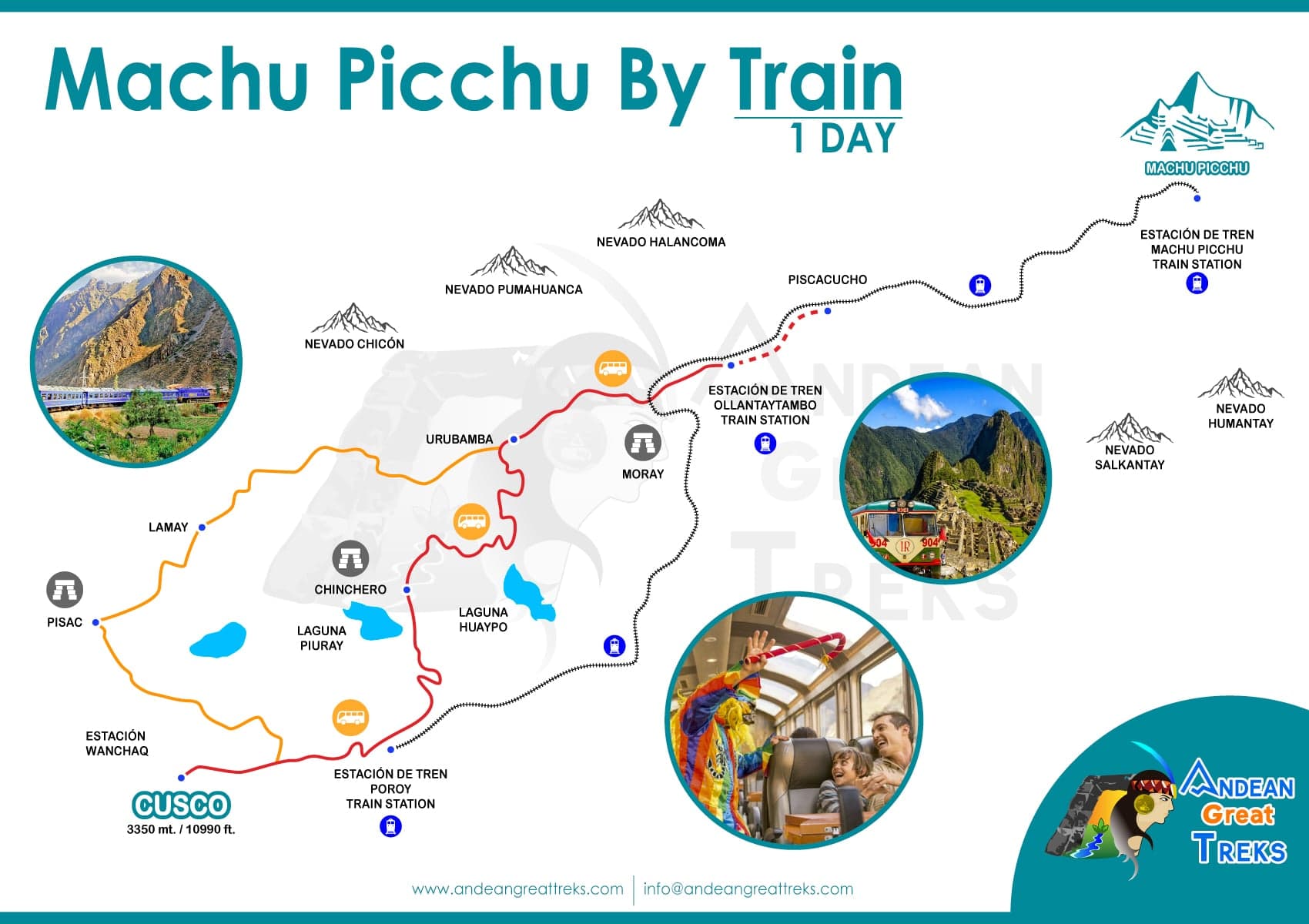
Early in the morning we will pick up you at 3:40 am, from your Hotel in Cusco. Then we go by bus to Ollantaytambo Train Station, to take the train at 6:40 am. Through a beautiful landscape along the Sacred Valley of the Incas, you will arrive at 8:00 am, to Aguas Calientes. There is waiting for you our staff, with him you will take the bus, to the machu picchu citadel, it takes like 30 min. When you arrive to the gate, there you will meet with your tour guide, he will show you all the most important places for 2 hours. The mystical serenity that emanates from these towering walls and the mystery of the stones fit perfectly, inspires a deep respect for the builders of this monumental work, which have managed to combine their art with the whims of a wild nature. After spending unforgettable moments in Machu Picchu, you will return to Aguas Calientes.
In the afternoon you will have time to have lunch at the restaurant that you like the most. At 19:00 pm, the train returns to Ollantaytambo, where your transfer awaits you and will take you to Cusco where you will arrive at approximately 11:00 pm.PACKING LISTPACKING LIST
WHAT YOU NEED TO BRING TO MACHU PICCHU BY TRAIN :
For this trip try to take only the very necessary things. The rest of your luggage can be left at your hotel in Cusco. Remember that the weather in Machu Picchu is very changeable, normally you will have hotter mornings and a little cold at night. The possibility of rains throughout the year is also frequent, since Machu Picchu is surrounded by cloud forest, and very close to the jungle of Peru.
 warm jackets
 Hydration bladder
 wool socks
 camera
 scarf
scarf first aid kit
 hiking shoes
 Dry bags
 Trekking Poles
 sun cream
 Snack
Snack sun hat
 bathing suite
 rain coat
 Sandals
 insect repellent
 Passport
 Down Jackets
 toilet paper
 daypack
 Wool cap
 head lamp
 gloves
 sun glasses
 cap
cap extra cash
 Trekking pants
FAQFAQ
COMPLETE GUIDE ABOUT THE VISIT TO MACHU PICCHU
We know the importance of your trip to the wonder of the world Machu Picchu. That is why here we offer you all the possible information about the visit to the sacred sanctuary of Machu Picchu. If you have any other questions, you can do so through our mail.
It is located in the heart of the Peruvian cloud forest within the region of Cusco. The famous Inca Citadel is located on top of a mountain over 2,400 meters above sea level.
Machu Picchu is situated less than 112 kilometers from the city of Cusco. Together, Machu Picchu and Cusco are the most popular tourist destinations in South America. Located at the base of Machu Picchu mountain, Aguas Calientes is the nearest town to the famous Inca ruins. The town can be accessed by train from Cusco or via the Inca Trail to Machu Picchu.
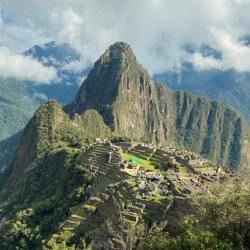
Machu Picchu is a ancient Inca ruins located about 50 miles (80 km) northwest of Cuzco, Peru, in the Cordillera de Vilcabamba of the Andes Mountains. It is perched above the Urubamba River valley in a narrow saddle between two sharp peaks—Machu Picchu (“Old Peak”) and Huayna Picchu (“New Peak”)—at an elevation of 7,710 feet (2,350 metres). One of the few major pre-Columbian ruins found nearly intact, Machu Picchu was designated a UNESCO World Heritage site in 1983.
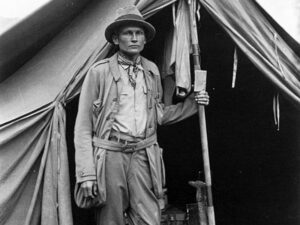
Although the site escaped detection by the Spaniards, it may have been visited by the German adventurer Augusto Berns in 1867. However, Machu Picchu’s existence was not widely known in the West until it was “discovered” in 1911 by the Yale University professor Hiram Bingham, who was led to the site by Melchor Arteaga, a local Quechua-speaking resident. Bingham had been seeking Vilcabamba (Vilcapampa), the “lost city of the Incas,” from which the last Inca rulers led a rebellion against Spanish rule until 1572. He cited evidence from his 1912 excavations at Machu Picchu, which were sponsored by Yale University and the National Geographic Society, in his labeling of the site as Vilcabamba; however, that interpretation is no longer widely accepted. (Nevertheless, many sources still follow Bingham’s precedent and erroneously label Machu Picchu as the “lost city of the Incas.”).
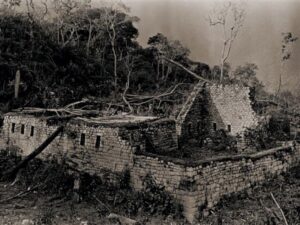
Evidence later associated Vilcabamba with another ruin, Espíritu Pampa, which was also discovered by Bingham. In 1964 Espíritu Pampa was extensively excavated under the direction of the American explorer Gene Savoy. The site was much deteriorated and overgrown with forest, but Savoy uncovered remains there of some 300 Inca houses and 50 or more other buildings, as well as extensive terraces, proving that Espíritu Pampa was a much larger settlement.
Machu Picchu was further excavated in 1915 by Bingham, in 1934 by the Peruvian archaeologist Luis E. Valcarcel, and in 1940–41 by Paul Fejos. Additional discoveries throughout the Cordillera de Vilcabamba have shown that Machu Picchu was one of a series of pucaras (fortified sites), tambos (travelers’ barracks, or inns), and signal towers along the extensive Inca foot highway.
The dwellings at Machu Picchu were probably built and occupied from the mid-15th to the early or mid-16th century. Machu Picchu’s construction style and other evidence suggest that it was a palace complex of the ruler Pachacuti Inca Yupanqui (reigned c. 1438–71). Several dozen skeletons were excavated there in 1912, and, because most of those were initially identified as female, Bingham suggested that Machu Picchu was a sanctuary for the Virgins of the Sun (the Chosen Women), an elite Inca group. Technology at the turn of the 21st-century, however, identified a significant proportion of males and a great diversity in physical types. Both skeletal and material remains now suggest to scholars that Machu Picchu served as a royal retreat. The reason for the site’s abandonment is also unknown, but lack of water may have been a factor.
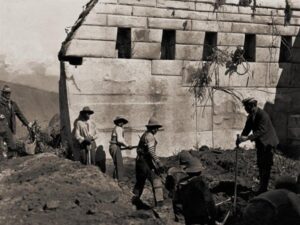
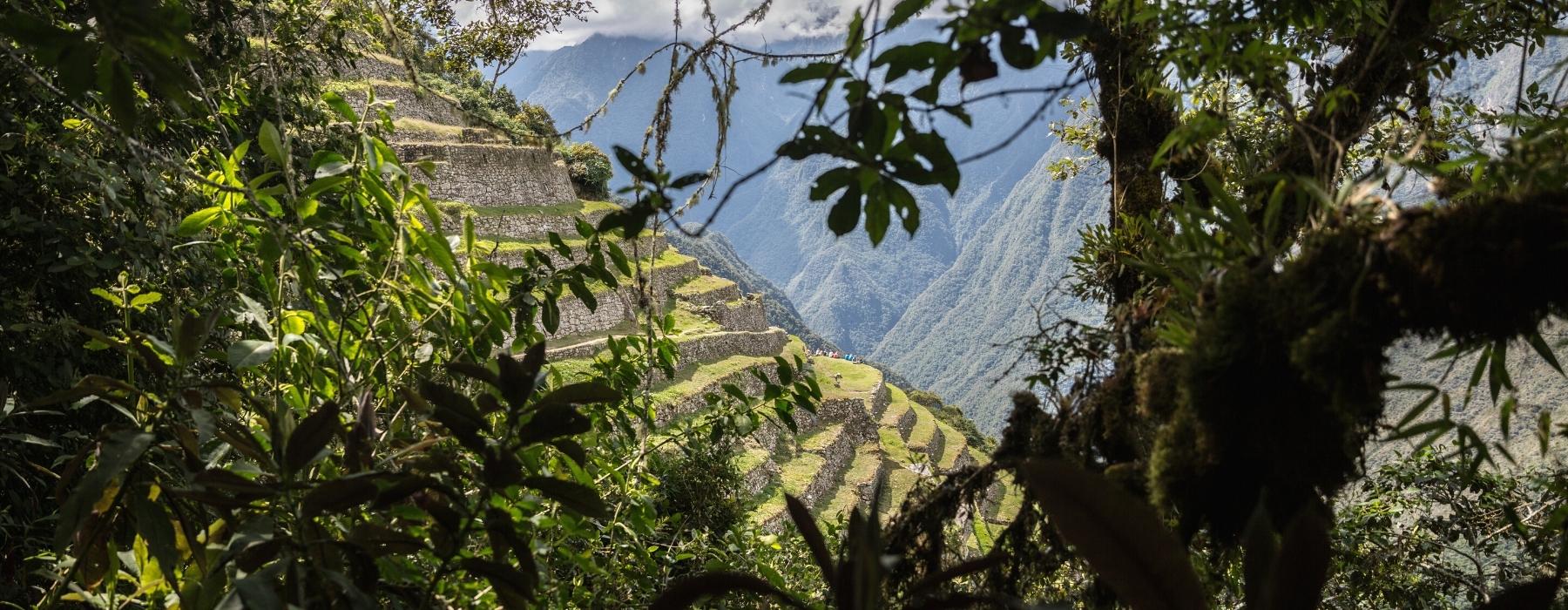
The high level of preservation and the general layout of the ruin are remarkable. Its southern, eastern, and western portions are surrounded by dozens of stepped agricultural terraces formerly watered by an aqueduct system. Some of those terraces were still being used by local Indians when Bingham arrived in 1911. Walkways and thousands of steps, consisting of stone blocks as well as footholds carved into underlying rock, connect the plazas, the residential areas, the terraces, the cemetery, and the major buildings. The Main Plaza, partly divided by wide terraces, is at the north-central end of the site. At the southeastern end is the only formal entrance, which leads to the Inca Trail.
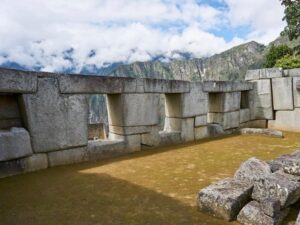
Few of Machu Picchu’s white granite structures have stonework as highly refined as that found in Cuzco, but several are worthy of note. In the southern part of the ruin is the Sacred Rock, also known as the Temple of the Sun (it was called the Mausoleum by Bingham). It centres on an inclined rock mass with a small grotto; walls of cut stone fill in some of its irregular features. Rising above the rock is the horseshoe-shaped enclosure known as the Military Tower. In the western part of Machu Picchu is the temple district, also known as the Acropolis. The Temple of the Three Windows is a hall 35 feet (10.6 metres) long and 14 feet (4.2 metres) wide with three trapezoidal windows (the largest known in Inca architecture) on one wall, which is built of polygonal stones. It stands near the southwestern corner of the Main Plaza. Also near the Main Plaza is the Intihuatana (Hitching Post of the Sun), a uniquely preserved ceremonial sundial consisting of a wide pillar and pedestal that were carved as a single unit and stand 6 feet (1.8 metres) tall. In 2000 this feature was damaged during the filming of a beer commercial. The Princess’s Palace is a bi-level structure of highly crafted stonework that probably housed a member of the Inca nobility. The Palace of the Inca is a complex of rooms with niched walls and a courtyard. At the other end of Machu Picchu, another path leads to the famous Inca Bridge, a rope structure that crosses the Urubamba River. Many other ruined cities—like that atop the dark peak of Huayna Picchu, which is accessible by a lengthy, precipitous stairway and trail—were built in the region; Machu Picchu is only the most extensively excavated of these.
Machu Picchu is the most economically important tourist attraction in Peru, bringing in visitors from around the world. For this reason the Peruvian government wishes to repatriate the materials taken by Bingham to Yale. The ruins are commonly reached in a day trip from Cuzco by first taking a narrow-gauge railway and then ascending nearly 1,640 feet (500 metres) from the Urubamba River valley on a serpentine road. Smaller numbers of visitors arrive by hiking the Inca Trail. The portion of the trail from the “km 88” train stop to Machu Picchu is normally hiked in three to six days. It is composed of several thousand stone-cut steps, numerous high retaining walls, tunnels, and other feats of classical engineering; the route traverses a wide range of elevations between about 8,530 and 13,780 feet (2,600 and 4,200 metres), and it is lined with Inca ruins of various types and sizes. At Machu Picchu there is a hotel with a restaurant, and thermal baths are at the nearby village of Aguas Calientes. The Inca Bridge and other parts of Machu Picchu were damaged by a forest fire in August 1997, but restoration was begun immediately afterward. Concern for the damage caused by tourism was heightened by discussion of the building of a cable-car link to the site.
ESSENTIAL TRIP INFORMATIONESSENTIAL TRIP INFORMATION
ESSENTIAL TRIP INFORMATION ESSENTIAL TRIP INFORMATION
Want an in-depth insight into this trip? Essential Trip Information provides everything you need to know about this adventure and more.
View Essential Trip InformationBest Season to TravelBest Season to Travel
The best time to visit Peru is during the dry season, between May and November, when the weather is dry and bright, with more frequent rainfall occurring between November and April.
 January
 February
 March
March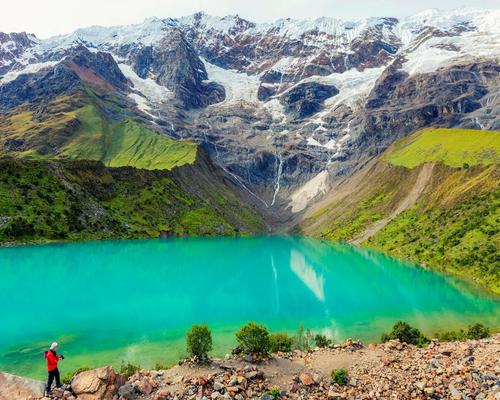 April
April May
May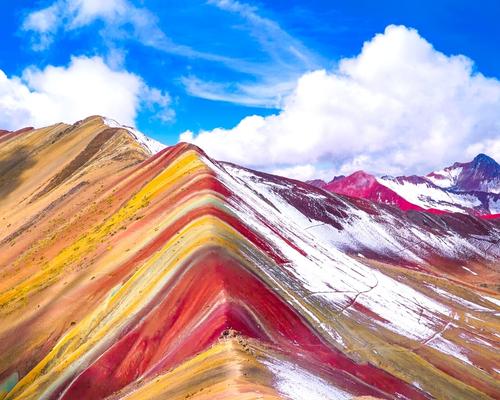 June
June July
July August
 September
 October
 November
 December
PRICE & AVAILABILITYPRICE & AVAILABILITY
PRICE & AVAILABILITY
To book this tour, a minimum of $ 390 USD per person is required, the remaining balance will be paid upon arrival in Peru, at the Cusco office.
Any other additional information, please coordinate with your travel agent.
Choose your preferred departure date to proceed.
WHAT YOU SHOULD KNOW ABOUT THE TICKETS TO MACHU PICCHU
The Inca citadel of Machu Picchu has a visiting capacity of 4,500 people daily. But lately this number of tickets to visit Machu Picchu is very little, this is due to the great demand that it has worldwide. For this, the government of Peru has divided the visits to Machu Picchu at different times from 6:00 am to 4:00 pm.
Currently the Inca sanctuary is protected by the international standards of UNESCO, who has already warned the Peruvian state about the serious deterioration that the wonder of the Incas has been suffering. And in view of this, it is already thought of reducing the time spent in it. Andean Great Treks recommends that you organize your visit to Machu Picchu at least 6 months in advance. Because the tickets run out very quickly, and also indicate that once a person manages to buy it, it is no longer possible to cancel or transfer to another person.
What to expect from our
Machu Picchu Tours
Nothing gets you closer to a country than walking through it, and we’ve got trips to suit travellers of all interests.
HOW FIT DO I NEED TO BE?
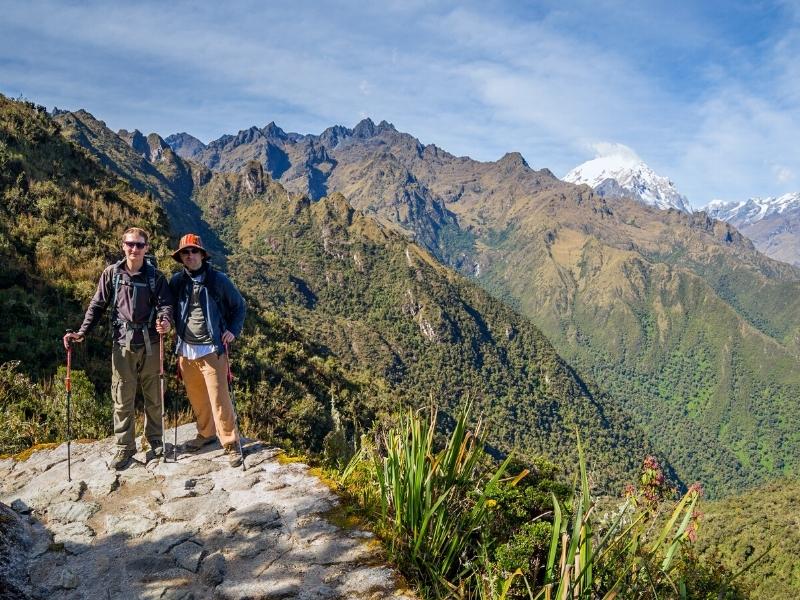
All our tours to Machu Picchu are graded from ‘Easy’ through to ‘Challenging to Tough’. On our online trip itineraries you’ll find a chart showing the daily walk distances, timings and information on the route including the terrain, altitude. Generally, no specific training is needed but you might feel more comfortable if you’ve got out walking a few times in the lead-up to your trip.
WHAT WILL THE GROUP BE LIKE?
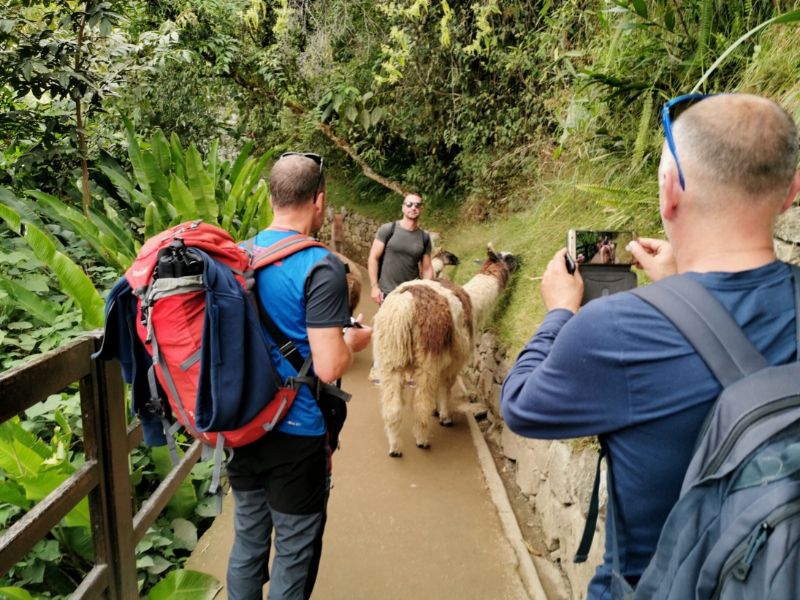
As with all our trips, every group is different but the ‘average’ group consists of roughly half couples and half solo travellers - all sharing a passion for exploring the world on foot. You’ll always have someone to keep you company along the route, but you don’t always have to walk together. Wherever possible your Andean Great Treks tour guide will allow everyone to walk at their own pace, regrouping regularly along the route.
DO YOU NEED A VISA FOR PERU?

Peru is a country of basically free access. Most of the countries of America and Western Europe do not require a tourist visa to enter Peru, and the maximum length of stay granted by the authorities is 183 days (it cannot be extended). For a stay for a longer period with other objectives (business, study, work, etc.) it is necessary to previously request the corresponding visa from the Peruvian consulates.
To enter Peru it is an essential requirement to present a valid passport with a minimum validity of six months from your entry into the national territory. Citizens of Argentina, Brazil, Paraguay, Uruguay, Ecuador, Colombia, Bolivia and Chile can enter with their national identification document.
IS PERU SAFE TO TRAVEL
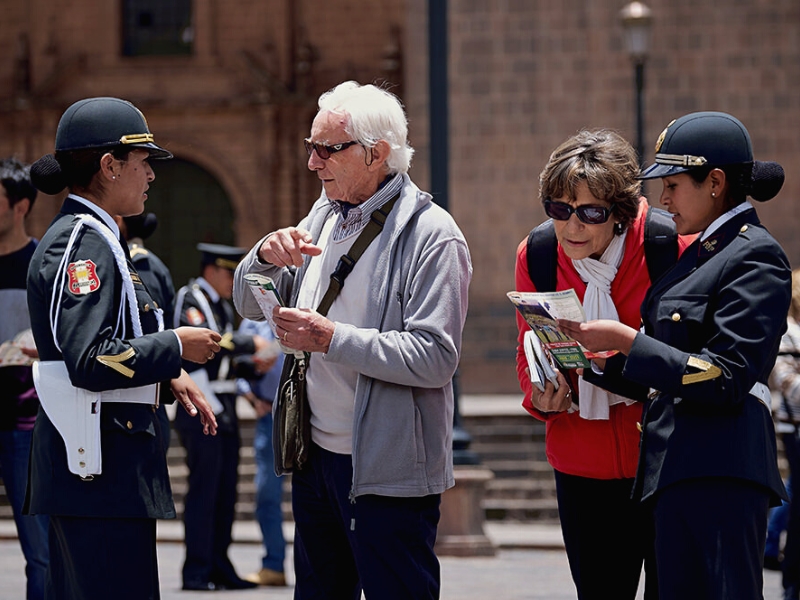
Like many other countries in developing destinations, the region’s beauty and uniqueness are countered by inequality and lack of investment. This has led to crime rates (mainly theft and scams) not being uncommon in the larger cities. We know this doesn’t sound very attractive, but it’s important to mention it regardless. Most experienced and well-traveled visitors will understand this well and not be too concerned. However, having said this, it is our duty to take care of you during your visit. That’s why we present you here with a few recommendations to be extra safe. Avoid walking alone at night on empty streets. Don’t flaunt valuables! If going for a walk or going on public transport, be sensible and avoid showing off expensive items such as expensive watches and jewelry. Be careful of pickpockets! Don’t leave your bags anywhere that doesn’t look safe, and make sure to take them with you.
TOURS TO MACHU PICCHU FAQs
CAN I GET ALTITUDE SICKNESS AT MACHU PICCHU?
The elevation of Machu Picchu is 7,970 ft (2430 m). This elevation is significantly lower than Cusco (by about 3,300 ft or 1,000 m), but altitude sickness is nonetheless a possibility when visiting Machu Picchu and Aguas Calientes. Many people only experience mild symptoms such as headache and shortness of breath, which usually subside within a day or two.
HOW MUCH TIME DO I NEED AT MACHU PICCHU?
Many visitors only spend one day at Machu Picchu. This is enough time to explore the archaeological complex and take a guided tour, but it’s a long day of travel when you factor in all the legs of transport to and from Cusco or the Sacred Valley. You may want to stay overnight in Aguas Calientes and return to Machu Picchu for a second visit. This lets you enjoy Machu Picchu more relaxed and maybe even do a hike. Planning for two days at Machu Picchu is recommended during the rainy season (December to March) in the event that the weather is especially stormy one of the days.
WHAT ARE THE HUAYNA PICCHU AND MACHU PICCHU MOUNTAINS?
The Huayna Picchu mountain is the summit located next to the Inca City of Machu Picchu. The top of this mountain offers some of the most spectacular aerial views of Machu Picchu. Getting to the top of Huayna Picchu is an incredible adventure. It climbs up a steep road built on the side of the mountain. Most of the road will be between the mountain walls and the cliffs.
In the Huayna Picchu the Incas built, in addition to hundreds of stone staircases, the famous Temple of the Moon. Entrance to people under 12 years old is not allowed. It is not recommended for people suffering from vertigo. Limited to 400 visitors daily at two entrance times (7-8 am and 10 – 11 am), tickets to the Trail must be purchased at the same time as your entrance to Machu Picchu, the arduous vertiginous hike up a steep, narrow set of Inca-carved stairs to the Summit and back takes between 2 to 3 hours round trip.
The Machu Picchu Mountain is located at 3,082 meters above sea level, and serves as another viewpoint to the famous historical sanctuary. However, the trek to its summit is significantly less challenging than the Huayna Picchu mountain. To trek either of these mounts, you must purchase an additional entrance ticket well in advance, entrance is allowed between 7 am and 8 am and between 9 and 10 am.
ARE THERE ANY RESTRICTIONS FOR MACHU PICCHU?
Yes, to optimize the experience inside the archeological site, the Peruvian government has implemented the following measures:
- Permanence is limited to 2 hours per ticket.
- You won’t be able to enter the citadel without a guide.
- Only small backpacks are allowed in the archeological site.
- Alcohol, drugs, and tobacco are not allowed.
- Drones are banned from the historical sanctuary.
- Tripods, large umbrellas, selfie sticks are not allowed.
- Baby cars are not allowed.
- Professional cameras require a special permit.
HOW TO GET TO MACHU PICCHU?
There are different ways to get to Machu Picchu. Depending on the time you may have and the experience you’re looking for, you can decide either going on a fabulous train ride or venturing out through an authentic Inca trail to the famous Inca Citadel.
Trains to Machu Picchu
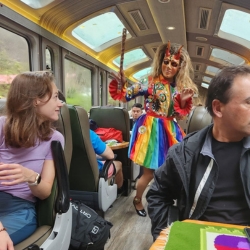
- Train ride is the most in-demand way to get to Machu Picchu, not only for the time-wise efficiency but because it goes across the Peruvian highlands, transitioning to the impressive cloud forest and its imposing mountains. Likewise, there are different types of trains and routes to reach the famous Machu Picchu town.
Treks to Machu Picchu
- If you’re the adventurous traveler type, this could be the most suitable option for you! There are different treks to this wonder of the world. Whether you’d like to explore ancient Inca settlements, the imposing Andes mountain range, or going on an adventure through the jungle, there are different options for all tastes and ages.
IS THERE A LIMIT ON THE SALE OF MACHU PICCHU TICKETS?
The huge demand for tickets in Machu Picchu has caused a limit to be established for people who can enter Machu Picchu.
Here are the number of tickets available for each type of ticket:
Ticket Machu Picchu Solo: 2,500 spaces per day.
- Group 1 : admission from 6 am
- Group 2 : admission from 7 am
- Group 3 : admission from 8 am
- Group 4 : admission from 9 am
- Group 5 : admission from 10 am
- Group 6 : admission from 11 am
- Group 7 : admission from 12 pm
- Group 8 : admission from 1 pm
- Group 9 : admission from 2 pm
Ticket Machu Picchu + Huayna Picchu: 400 spaces per day.
- Group 1 : admission from 6 am / a Waynapicchu from 7 am to 8 am
- Group 2 : admission from 7 am / a Waynapicchu from 7 am to 8 am
- Group 3 : admission from 8 am / a Waynapicchu from 10.30 am to 11.30 am
Ticket Machu Picchu + Mountain:
- Group 1 : admission from 6 am / a Mountain from 7 am to 8 am
- Group 2 : admission from 7 am / a Mountain from 7 am to 8 am
- Group 3 : admission from 8 am / a Mountain from 9 am to 10 am
ANDEAN GREAT TREKS TOURS DIFFERENCE
UNRIVALLED KNOWLEDGE & EXPERIENCE
Every Andean Great Treks holiday has been thoughtfully planned and crafted by our specialists. They draw on their own extensive travel experience and the guidance and expertise of our local partners to create superb holidays. Our specialists are committed to making every aspect smooth and enjoyable; they genuinely want to ensure that the holidays they create leave you with wonderful lasting memories.
AMAZING TOURS & AUTHENTIC EXPERIENCES
Every Andean Great Treks traveller is accompanied by an experienced tour guide, you will be immersed in Historic cities, ancient ruins and unfamiliar landscapes are all brought to life by our carefully selected local guides. They want to share their expertise and help you make your own discoveries too; their sole mission is to ensure you enjoy every moment.
FLEXIBILITY & CHOICE
Giving you the freedom to make your holiday even more memorable. We know how much our customers look forward to their holiday and we pride ourselves on the choice and flexibility that we offer to enhance every aspect of your experience. Whether it’s getting to the airport, upgrading your room or booking an additional excursion, we can help.
GUIDED BY THE LOCAL GUIDES, TRUE EXPERTS!
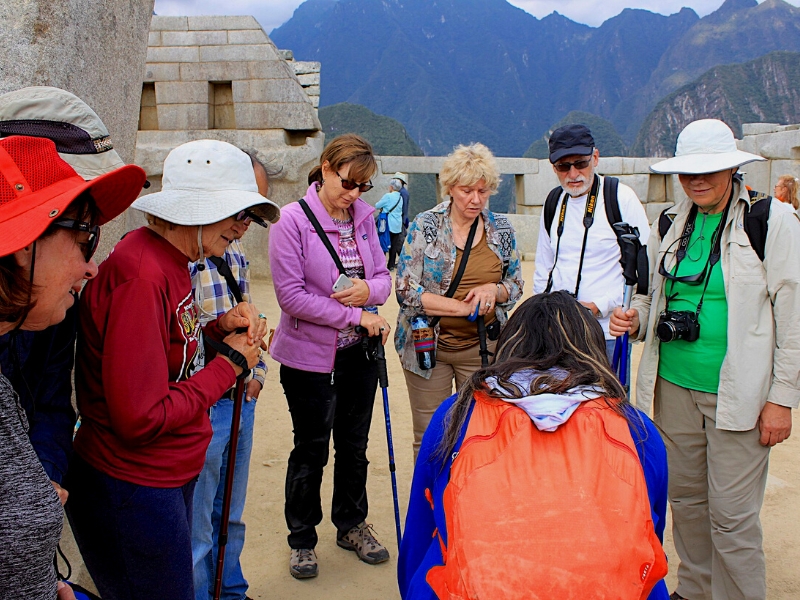
Our guides are the stars of the show; it is their unrivalled knowledge, passion and expertise that will transform your tour experience from good to truly extraordinary!
Because the have grown up in the area and know it like the back of their hand, so they can help you experience whichever aspects most interest you. They’re passionate about sharing their corner of the world with you, and as you explore together, they’ll open your eyes to the intricate details, provide background to enhance your understanding of what you’re seeing, and share stories that will bring everything to life.
ALL OF OUR NATIONAL TOUR GUIDES...
- Have at least five years guiding experience
- Are fluent in English
- Are born and raised in Cusco, Lima, Manu Jungle, Puno
- Go through rigorous and ongoing training programmes
- Are at your service 24 hours a day
OUR TRAVELS SHAPE YOURS
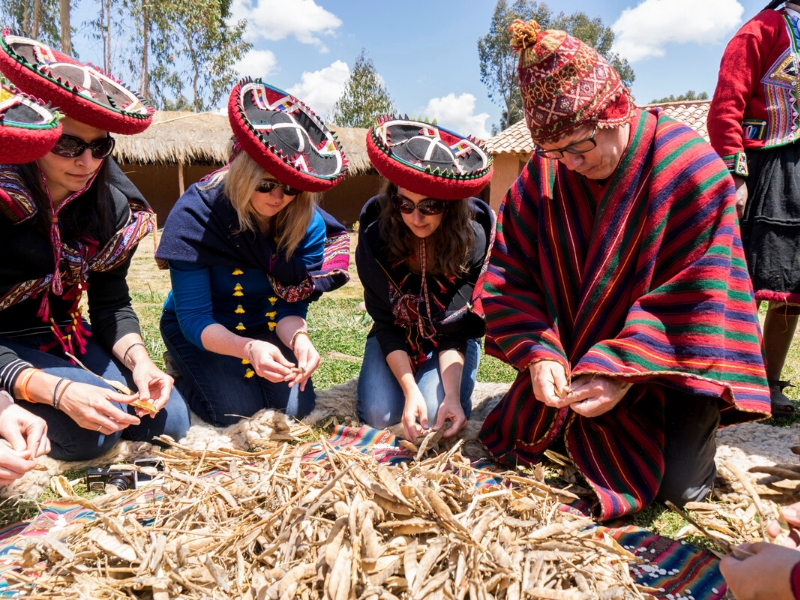
“Your inspiration for a trip can be a single word or a highly evolved outline, but it's the conversations we have that help us understand the experience you're looking for. Meanwhile, I'm looking back on the time I spent at the destination.
‘The great thing about working with a specialist at Andean Great Treks is how they take your complete jumble of ideas and turn them into something absolutely spectacular.’
As you begin to share your ideas with your specialist, it will connect them immediately back to a time in their own travels. Conjuring a picture of the rest time they made that same discovery, reminding them how it felt.
Your specialist understands that, when the journey is right, it has the power to excite your emotions in the most profound ways after all, that was the effect on them.
They carry a treasure box of moments, captured over many journeys, into every suggestion they’ll share with you, as they ask you how you want to feel on your trip.
MEANINGFUL EXPERIENCES, REAL CONNECTIONS
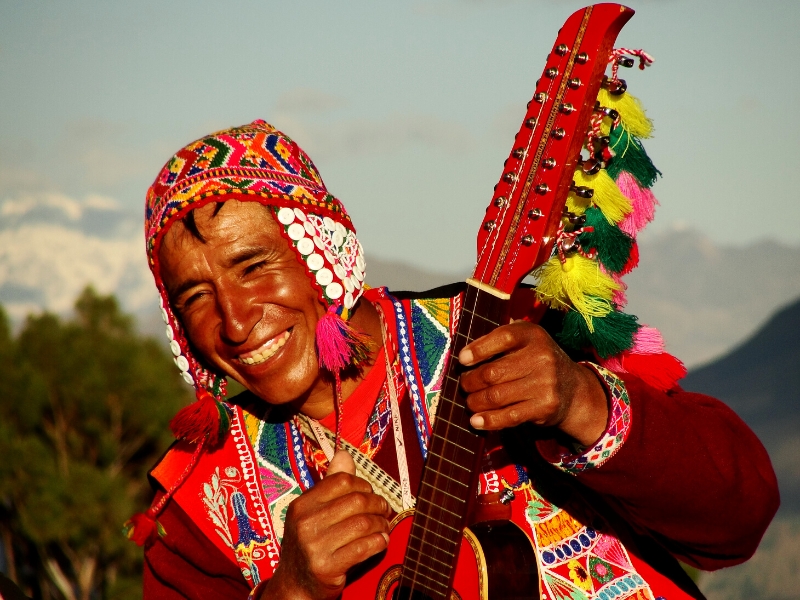
EXPERIENCES THAT CALL TO YOU
It’s what you do in a destination that helps bring it to life. It’s why we strive to choose experiences that help you connect to a place, absorbing a little of its complex character. Wherever your passions lie, we’ll recommend experiences that speak to you, and we’ll recommend the guide or local expert who’s most qualified to help you explore. Packing your holiday full of special experiences means some early starts and long days, but you can be sure that you’ll return home with many incredible memories! Read our Tours and check the Physical Ratings to see if the pace and activity levels are right for you.
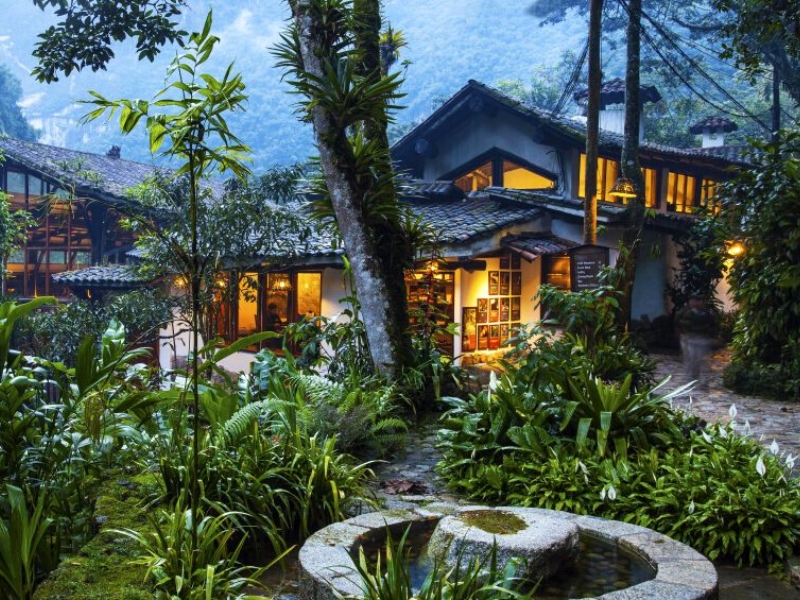
STAYS WITH DIFFERENCE
We know that where you stay is a cherished part of your travels. So, we go to great lengths to find places to stay that exceed expectations, or go above and beyond the ordinary, whether in their character, hospitality, or location. Over the years, we’ve discovered the very best properties, trying and testing them, so we can choose the right one for you. We’ve nourished long-standing relationships with these establishments and the people who founded them, and we’ve stayed there many times often, we’ll even know which rooms have the best views (and reserve them for you).
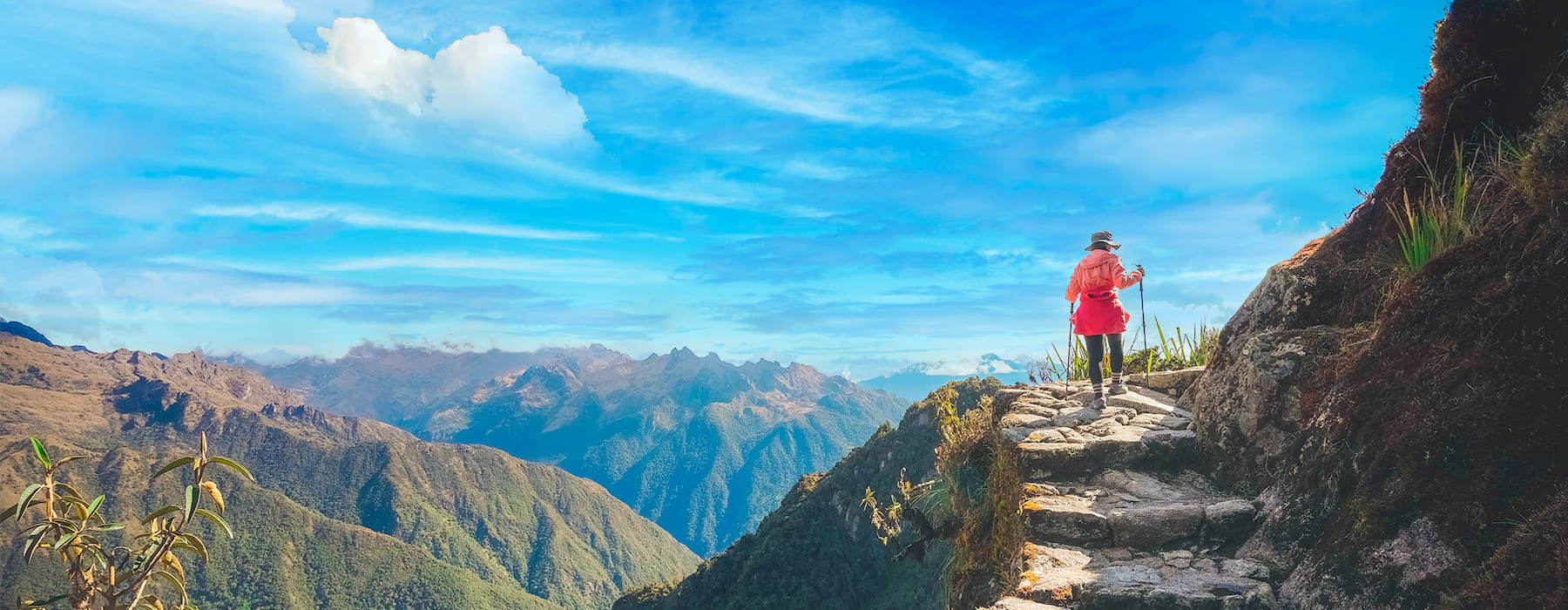
TRAVELLING THE RIGHT WAY
Our style of travel — authentic, thoughtful, and focused on building meaningful connections to the people and places you visit — is inherently respectful and considerate of the destinations we love. We design each aspect of your trip exactly as you want it, which includes its sustainability. That might mean choosing a train journey instead of a flight, staying at eco-friendly wildlife lodges, or opting for experiences that give back to the communities you’re visiting. The choice is yours.
Responsible travel has always been at the heart of what we do. First and foremost, because it gives you the best experience, but, also because it helps to preserve the communities and landscapes you visit. This isn’t new for us we collaborated with local communities and outside experts so we can grow to be better ambassadors.
The most authentic and interesting experiences often directly benefit the local people. We prefer to buy local products that are produced in the organic farms of the Sacred Valley, we also have alliances with local artisan organizations who provide us with souvenir items for our clients, your money directly benefits the local economy.
Our style of travel — authentic, thoughtful, and focused on building meaningful connections to the people and places you visit — is inherently respectful and considerate of the destinations we love. We design each aspect of your trip exactly as you want it, which includes its sustainability. That might mean choosing a train journey instead of a flight, staying at eco-friendly wildlife lodges, or opting for experiences that give back to the communities you’re visiting. The choice is yours.
Responsible travel has always been at the heart of what we do. First and foremost, because it gives you the best experience, but, also because it helps to preserve the communities and landscapes you visit. This isn’t new for us we collaborated with local communities and outside experts so we can grow to be better ambassadors.
The most authentic and interesting experiences often directly benefit the local people. We prefer to buy local products that are produced in the organic farms of the Sacred Valley, we also have alliances with local artisan organizations who provide us with souvenir items for our clients, your money directly benefits the local economy.
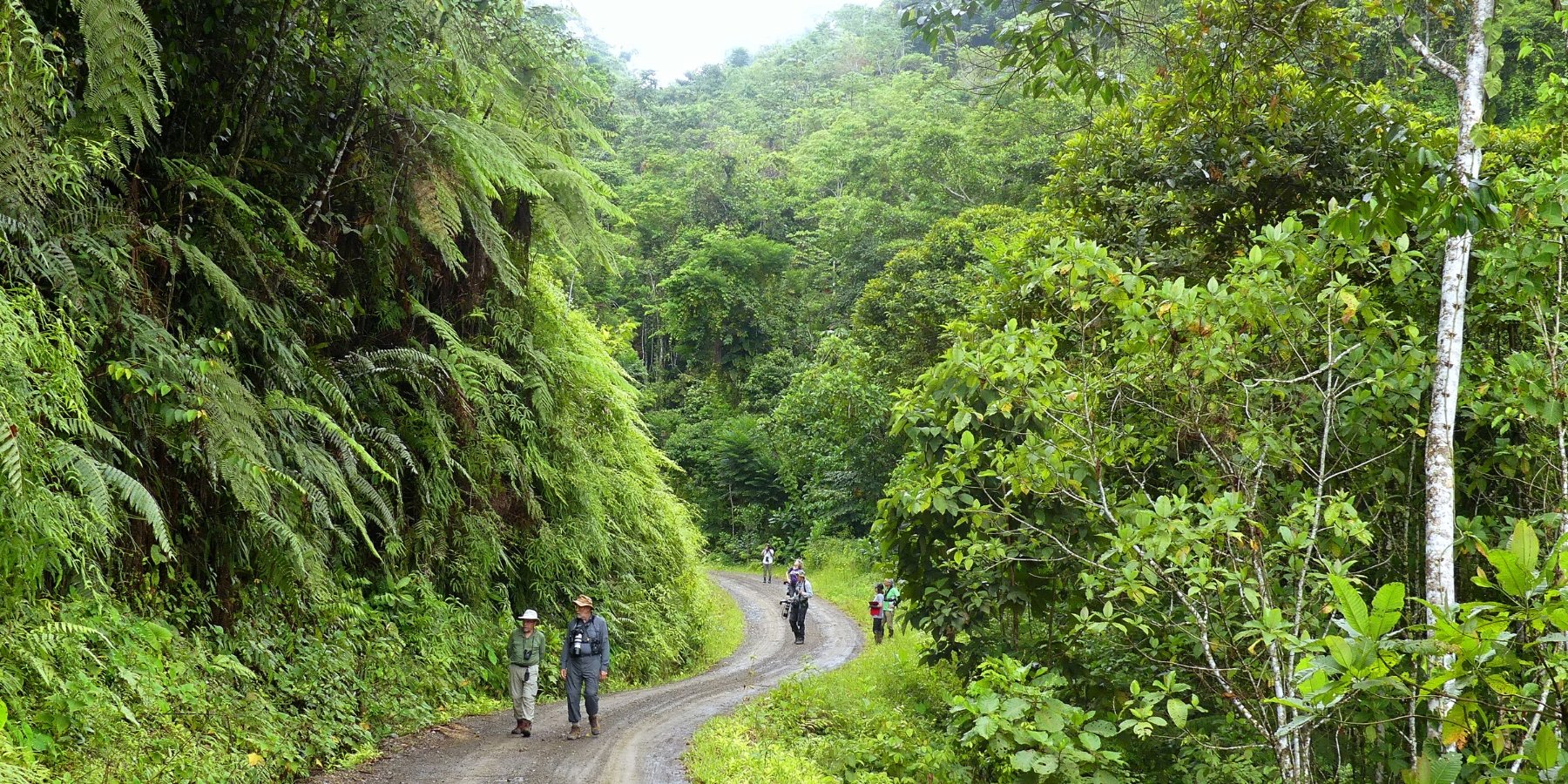
WE EXPLORE WITHOUT AFFECTING THE ECOSYSTEM
We want travel to change us, and not the World
‘There’s a saying: we don’t inherit the Earth from our ancestors, we borrow it from our children. When we show you our country, this philosophy guides everything we do. It’s our responsibility to preserve the environment and wildlife, and support communities. That means using slower modes of transport, like cycling, employing local people, and working with communities who’ll benefit directly from your visit. This also gives you the best, most authentic impression of the places we want to share with you.
We prefer to buy local products in ecological bags, to avoid the use of plastic bags, likewise we teach the use of soaps and ecological products in each tour that we organize. We also work on reforestation projects with local communities who take care of landscape resources such as communal reserves, national parks.
We want travel to change us, and not the World
‘There’s a saying: we don’t inherit the Earth from our ancestors, we borrow it from our children. When we show you our country, this philosophy guides everything we do. It’s our responsibility to preserve the environment and wildlife, and support communities. That means using slower modes of transport, like cycling, employing local people, and working with communities who’ll benefit directly from your visit. This also gives you the best, most authentic impression of the places we want to share with you.
We prefer to buy local products in ecological bags, to avoid the use of plastic bags, likewise we teach the use of soaps and ecological products in each tour that we organize. We also work on reforestation projects with local communities who take care of landscape resources such as communal reserves, national parks.
DISCOVER MORE SIMILAR TOURS: TOUR TO MACHU PICCHU BY TRAIN 1 DAY

CUSCO, SACRED VALLEY, MACHU PICCHU, HUMANTAY LAKE & 7-COLOR MOUNTAIN 5D/4N
Enjoy the best attractions in Cusco, with your friends and family, get to know Machu Picchu, Sacred Valley of the Incas, mountains of 7 colors, humantay lagoon, all this in just 5 days, with the best guides.


MACHU PICCHU, SACRED VALLEY, CUSCO, 7 COLOR MOUNTAIN 4D/3N
Visit the best tourist attractions in Cusco. Tour the sacred valley of the Incas, travel by train to Machu Picchu, explore the mountain of the 7 colors Vinicunca, together with our local guides, in small groups.
SUNSET TOUR AT MACHU PICCHU 2D/1N
Explore one of the 7 wonders of the World Machu Picchu at sunset, when there are no crowds, and with good views. Learn the true history of the Incas with our local guides, in personalized service.
What our clients say about us