


Rainbow Mountain Trek in Cusco 1 Day


CREATING AUTHENTIC TOURS IN PERU
Explore the Vinicunca, Rainbow Mountain Hike in Cusco 1 Day
 CREATING AUTHENTIC TOURS IN PERU
Explore the Vinicunca, Rainbow Mountain Hike in Cusco 1 Day
Trip OverviewTrip Overview
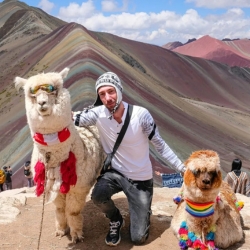
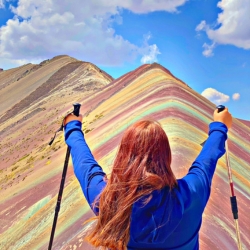
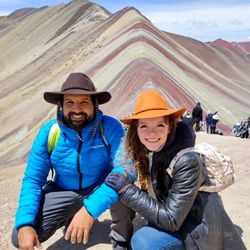
The Rainbow Mountain, also known as Vinicunca, is located a few hours away from the city of Cusco, in the Cusipata district. This enigmatic work of nature wasn’t discovered until 2015, and since then, it is one of the principal tourist attractions in Cusco.
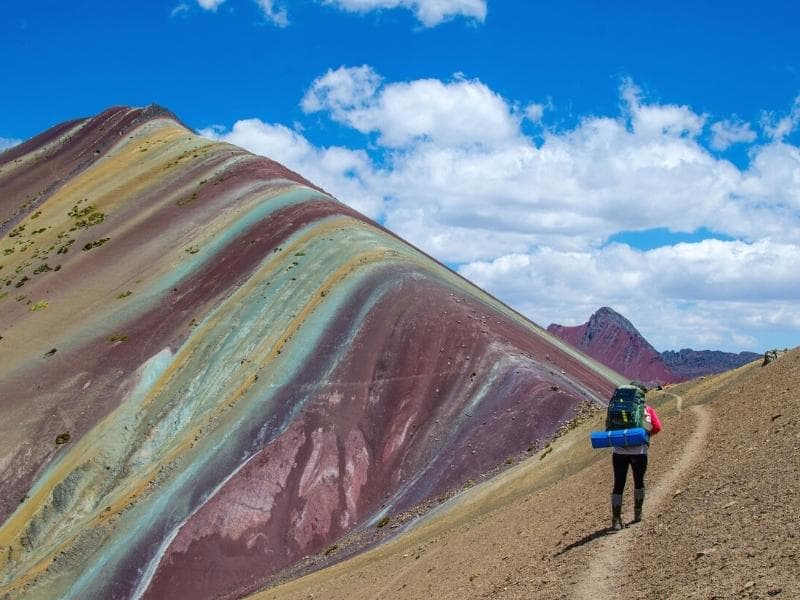
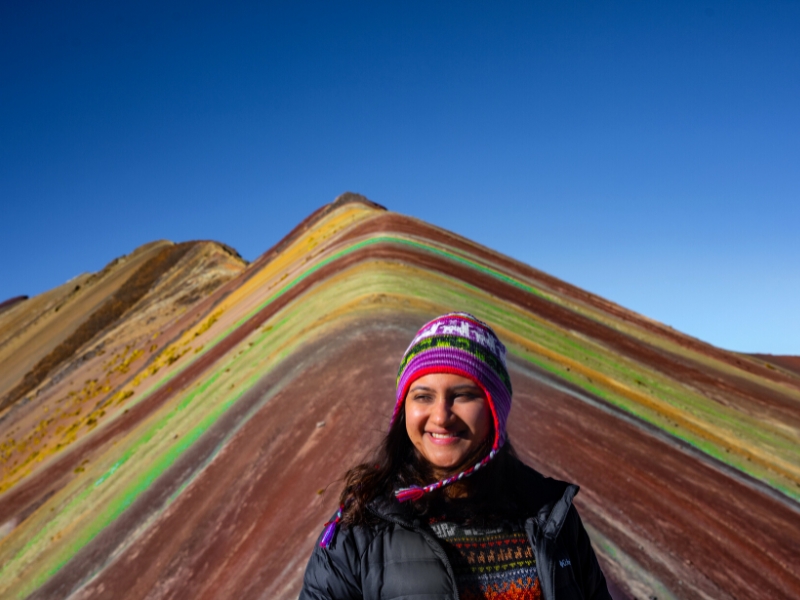
It is a spectacular, colorful, and particularly magnificent mountain found in the high Andes of Peru. What distinguishes Rainbow Mountain from other Andean mountains is its vibrant variety of colors. This mountain is rich in rare minerals that cause the coloration of the rainbow. Rainbow Mountain is full of layers of yellow, orange, red, and turquoise. Each color comes from a different mineral, for example, yellow indicates iron sulfide and red comes from iron oxide. Completely impressive, like a dream landscape on Earth.
INCLUDEDINCLUDED
INCLUDED IN THE RAINBOW MOUNTAIN TREK:
- Transportation from Cusco to the hiking start point (round trip)
- 1 buffet lunch, 1 breakfast
- Entrance ticket
- English tour guide
- Oxygen Tank
NOT INCLUDED IN THE RAINBOW MOUNTAIN TREK:
- Trekking poles
- Horses ( you can rent at the same start place)
- Drinks
- Tips
Trip HighlightsTrip Highlights
- Enjoy the best visual spectacle, of the Andes mountain range, which blends into the imposing background of the impressive colors, which resemble the rainbow; the Vinicunca mountain.
- Explore the most remote towns of Cusco, and learn about their traditions and cultural manifestations of the Cusipata shepherds, who have adapted impressively to habitats above 5,000 meters.
- Experience a day full of adventures, and enjoy the most famous trekking in Peru, doing the tour to the mountain of colors is a great challenge that you can meet together with our local guides.
ActivitiesActivities
- This tour is a ‘join in’ group departure, which means you are not accompanied by an Andean Great Treks group leader – our local representative fills this role – and the configuration of any fellow travellers in the group might change during the trip. There may be up to 16 people sharing the services.
- This trip will run with a minimum of one person so you may be joined by other travellers (some possibly booked through different companies) booked on the same date as you, or you may be on your own.
- This trip visits places that are at high altitude, and as a result some people can suffer from altitude sickness, regardless of age or physical health. Please see the ‘Medical and health information’ section of the Essential Trip Information for more important details about altitude sickness.
ItineraryItinerary
- Horseback is available to hire the morning of the trek from local horsemen. Horses are not the property of Andean Great Treks. If you choose to hire a horse please note horsemen do not speak English nor do they always stick with the group of hikers and the guide as the horses walk faster than the hikers. Should you choose to hire a horse you assume all liability and ride at your own risk. Andean Great Treks is not responsible for any accidents that occur from riding a horse.
PACKING LISTPACKING LIST
WHAT TO BRING TO THE RAINBOW MOUNTAIN TREK
The most important thing for all travelers who want to trek to the Vinicunca rainbow mountain is to know how to carry the best equipment for these mountaineering activities.
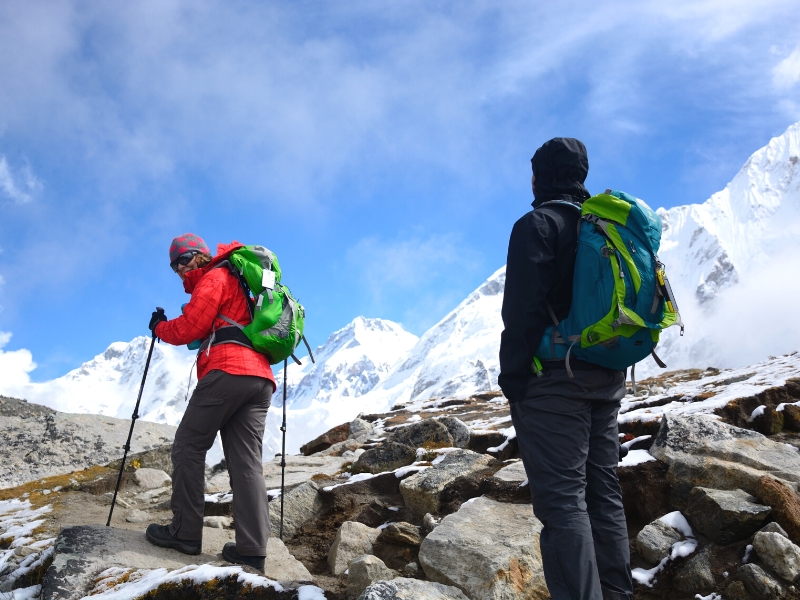
It is recommended that you pack the best down or synthetic jacket, which can withstand temperatures down to -10 C°. Gloves, hats, trekking shoes, sunglasses, small backpack. In conclusion, you must have in your head, carry a high quality equipment, since you must be prepared to withstand the most extreme climates on the planet, from strong winds, snowfall, hail and heavy rains. Another important fact is that in the mountain of colors there are no perfect days, the weather can change from time to time.
 warm jackets
 Hydration bladder
 wool socks
 camera
 scarf
scarf first aid kit
 hiking shoes
 Dry bags
 Trekking Poles
 sun cream
 Snack
Snack sun hat
 bathing suite
 rain coat
 Sandals
 insect repellent
 Passport
 Down Jackets
 toilet paper
 daypack
 Wool cap
 head lamp
 gloves
 sun glasses
 cap
cap extra cash
 Trekking pants
FAQFAQ
QUICK GUIDE ON THE TOUR TO THE RAINBOW MOUNTAIN "VINICUNCA" IN PERU
Learn more about the frequently asked questions about the Vinicunca rainbow mountain; and properly plan your next trekking adventure in Peru. If you have any other questions that are not on this list of questions, you can do so through our online chat, or by email.
The best day trekking tour Rainbow Mountain Trek was opened in 2015. It is a very popular tourist destination in the city of Cusco, you will undoubtedly enjoy the wonderful hill of colors. The Apu Ausangate is very close to the 5th highest snowfall in Peru, to see this attraction it is good to acclimatize at least one day, because it rises to 5200 meters high. On the road you can see llamas, alpacas, vicuñas. Native peoples who speak Quechua.
Located in the Peruvian Andes in Cusco just 3 hours away from the historical center, Rainbow Mountain is becoming the main attraction to see after or before Machu Picchu. As you could guess, the mountain is famed for its natural, multi-colored beauty at a staggering 5,200m above sea level. This rainbow-like appearance is created by the sediment of minerals throughout the area giving the mountain the turquoise, lavendar, gold and other colors.
It was only recently discovered due to the snow melting revealing the hidden gem that’s still considered holy by many until this day. Since its discovery, Rainbow Mountain as slowly started gaining popularity and has even been listed in National Geographic’s “Top 100 Places To Visit Before You Die”.
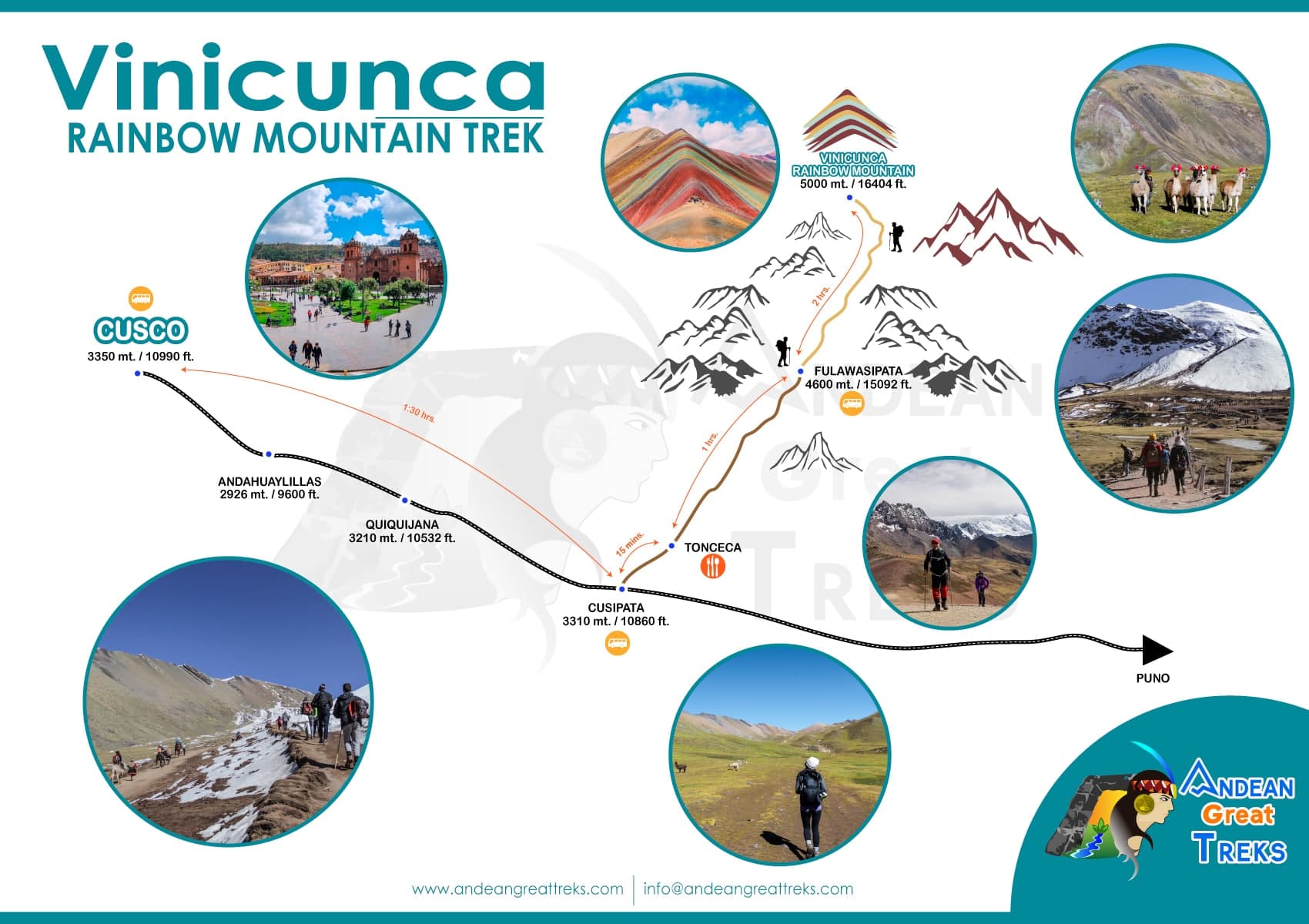
All tours to Rainbow Mountain leave from the city of Cusco, the former capital of the Inca Empire and the closest major city to Machu Picchu and many of Peru’s most famous attractions. After departing from Cusco your tour will take you on a 2-hour drive south of the city to the town of Cusipata. Not far from here is where you’ll find the Rainbow Mountain trailhead to start your hike.
Although Rainbow Mountain is only 3 hours away from the City of Cusco, there is no public transport to this attraction. Therefore it is advisable to take a guided tour to visit the Vinicunca Mountain.
In Cusco, you’ll find different tour operators that could take you on a day trip to the Rainbow Mountain. Keep in mind that not all the tour operators are reliable since in the past many tourists have been scammed.
If it is too cheap, it doesn’t mean it’s good. Most cheap tour operators don’t mention what they include in the package, and you could end up paying more than you’d want.
Andean Great Treks is one of the recommended companies for visiting this astonishing natural wonder. Besides offering an early start in the morning, this company guarantees the arrival before the crowds, breakfast, lunch, an optional visit to the Red Valley, and assistance along the way. Make sure to know everything about the best Rainbow Mountain trek in Cusco while you’re here!
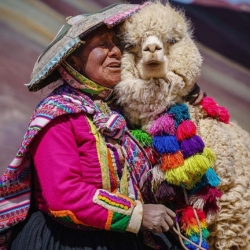
Once the mountain’s existence was known outside of the local communities, it started attracting locals and travelers alike, first having a couple of dozen of people to now taking in hundreds of visitors a day. The first thing that caught everyone’s attention was, you guessed it again, the colors seen nowhere else. But that wasn’t the only thing. It’s one of those places where the whole journey is as amazing as the destination. Llamas, horses, and alpacas are dispersed all over the range, with local communities still living almost the same life as before but now also helping visitors discover the colored mountain. The scenery along the trek is just like the pictures and even they don’t do it justice sometimes. Add to this the geological and local history and it’s no wonder why it’s gaining popularity!
The climate in the mountain of 7 colors is generally frigid due to the height at which it is located. However, being part of Cusco, the Mountain of Colors also has two defined seasons during the year.
Rainy season: between the months of November to the beginning of March. During this season there are frequent rains at various levels that can vary between drizzles to torrential rains, depending on the month of the year.
Dry season: starts approximately in March and ends in October. During this season, you can enjoy sunny days with the presence of a blue Cusco sky; In addition, in some months of the year cold winds are felt and even frost falls in the mornings and at night. Definitely, in the dry season, the rains are minimal, which favors tourism in Cusco.
DRY SEASON
The dry season includes the months of May to September and is characterized as high season in Cusco. During these months the landscape and the view are illuminated by the sun and adorned by a blue sky, accompanied by clouds that make the ideal place to take spectacular photos. These months are of greater influx of local and foreign tourists, and the trekking is of less risk since the road will not be covered by mud or puddles of water.
Taking into account the landscape of this time, you can immortalize your visit with the best photos in the mountain of colors since the sky is clear (with blue skies). The perfect months to make your visit are:
- May
- June
- July
- August
- September
These being the months of greatest visit to the mountain of colors. The only negative thing that we can find is that this means that many tourists are visiting the Mountain during this time. And many times, it is very difficult to take photos of yourself without people.
RAINY SEASON
The low season or rainy season runs from October to March.
It is more than clear that you can reach the mountain of seven colors almost every day of the year. The difference with the high season is that the presence of casual rains can influence your trip and you may not be able to see the mountain of seven colors at its best.
The months that have the presence of rains, is where route closures occur more frequently since landslides can occur on the route, and there is also the possibility that you will have a cloudy or snowy day.
For many travelers these months are the least recommended.
- October
- December
- January
- February
- March
A point in favor of your visit at this time is that there are not many tourists. On days when there is no rain you can take incredible photos, because if it rains it is usually for a few hours and many times, you can find moments of sunshine, accompanied by melting snow and showing the fantastic colors of Vinicunca.
Yes! And it’s definitely what makes the trek much more gratifying. There are unlucky days where the weather does ruin a little bit of the beauty but it adds a mystical effect.
The walking time depends on your physical condition. If you go through Cusipata you will have to walk 1 hour and a half uphill from the parking lot to the Mountain of 7 colors. You must consider the same time of descent.
Remember that the height of Vinicunca is 5,200 meters above sea level, so it is very likely that you will suffer from altitude sickness. Symptoms are headache, dizziness, insomnia, loss of appetite, and loss of energy. It is advisable to leave this tour for the end of your stay while your body acclimatizes to the altitude.
The biggest mistake anyone will make for Rainbow Mountain, is to underestimate the altitude and its impact. If you’ve heard anyone else say how much they struggled on the walk or how terrible they felt, then it’s almost certainly because they didn’t understand or prepare correctly for altitude sickness.
The entire walk to Rainbow Mountain’s main summit viewpoint takes place at high altitude (starting at around 4,600 metres) and its summit is at 5,200 metres above sea level - this level of altitude is no joke, is significantly higher than the highest altitude of the Inca Trail hike, and is the main reason that you’re only allowed to hang out at the summit for 10-20 minutes. If you have just arrived in Peru or have travelled directly from Lima to Cusco the day before, then your body will not be used to these conditions (namely the thin air and lack of oxygen this high up).
We are sure that many travelers heard that the mountain of colors was also called Winikunka Mountain, "Winikunca" is the original name of two Quechua words "Wini" "Kunca", where "Wini" comes from "Wini rumi" "black stone". ” because of the black stones that abound in the area, “Kunca” means Neck, because of the narrowness of the hill that resembles a neck.
Interesting fact, right? The colors of the Vinicunca Mountain change according to the weather. Let us remember that the province where the mountain is located has two defined seasons during the year: dry season and rainy season. Each one with opposite characteristics, being the dry season the best time for tourism in Cusco.
Next, the colors that you will be able to distinguish in Vinicunca:
- Pink color: product of red clay, fangolitas (mud) and arilitas (sand).
- Whitish color: due to the quartz sandstone and marl, rich in calcium carbonate.
- Red: for composed of claystones (iron) and clays belonging to the upper tertiary.
- Green: is due to the compound of phyllites and clays rich in ferromagnesia.
- The earthy brown: is the product of a fanglomerate composed of rock with magnesium belonging to the Quaternary era.
- Mustard yellow color: due to the calcareous sandstones rich in sulphide minerals.
Yes, she was always there, but covered in ice. As the years go by as a result of Global Warming, the presence and peculiarity of this beautiful mountain is discovered, which at the beginning was only appreciated by the inhabitants of the area who, with a lot of work and enthusiasm, managed to make this mountain one of the routes most famous tourist attractions in Cusco.
The trekking difficulty for the ascent is MODERATE, with a duration of approximately 2 hours and a half (ascent) at an average pace, the route includes slightly steep climbs and plains that ascend progressively.
The part that some of you may be most concerned about, due to the altitude, is the trek to the main viewpoint.
The good news is that it really isn’t very far and will cause no issues for many. The dirtpath trail to the top is flat for about 75% or so, with a gradual ascent for 15%, and then quite a tough steep ascent for the last 10% or 200-300 metres. At this height above sea-level, literally everyone will feel a little breathless at the beginning and on the last 10%, but if you have an ok level of fitness and have acclimatised it really shouldn’t be anything you can’t manage at a steady pace. To give you an indication of times, the walk to the top (with a few breaks along the way) in approx. 1 hour 45 mins, and zipped back down to the bus in 45 minutes; another 30 minutes or so for the ascent and descent is probably more realistic if you’re going at a slow pace.
The trail is easy to follow and most guides will simply leave their tour members to walk alone at their own pace. However, if there is a lot of rain then the trail will quickly become a slippy, slidey, muddy bog to traverse.
The bad news is that a lot of people will really struggle, usually as they are unfit. The micro-economy which has cropped up for the local indigenous community is actually wholly shaped around - and depends - upon this trend for exhausted walkers, as every day dozens in their fanciest vibrant traditional clothing will be waiting at Rainbow Mountain with horses to take people along and up (part) of the trail for a fee.
We’re all for seeing local people participate and benefit directly from tourism, and for the wealth to be spread out into a community, so usually this is something we’d praise to the heavens. However, from experience, we know that the use of animals in or to support large-scale tourism always leads to certain negative practices and outcomes for the animals involved. From what we saw of these animals, they are all in good condition at the moment and that’s likely a reflection of:
- The relative newness of this enterprise and
- That the locals use and depend on these animals for their own transport and livelihoods in the countryside.
However, as daily crowds grow so will the demands (and weights) placed upon these animals.
And so, we’re in a bind. No horse rides means no money and positive wider impact from the tourism here, but more horse rides also means trouble.
So, if you do need to use a horse as a last resort because you are struggling, please please please make sure that it is a healthy and well-treated one, suitable for carrying your weight. One-way horse rides are offered at the start for S/. 80 (£19 / $24) - in addition to your tour price - and you will have no shortage of offers all along the trail if you look like you’re struggling. Note that you still have to walk that most challenging 10% to the Rainbow viewpoint though.
And if you’re reading this and think that for weight or health reasons that the only way you can physically make it up Rainbow Mountain is with a horse, then we’d strongly encourage you to consider whether it’s safe or wise for you to be doing this tour in the first place.
We repeat, 5,200m of altitude is no joke.
We know from experience how these sites can often underwhelm, so you can spend your time doing several independent hikes and day trips from Cusco or in the Sacred Valley. However, we know a lot of you plan your own South America adventures, so we felt a responsibility to do it so we could let you know the realities of Rainbow Mountain.
The truth is that, in the three short years it’s been a tourist attraction, Rainbow Mountain has fallen victim to the lethal blend of Instagram’s influence and Peru’s existing levels of tourism. From being on literally nobody’s radar to near the very top of everyone’s must-sees in Peru in that brief time scale points to a worrying trend for the sustainability of this and many other tourism attractions around the world. Overtourism isn’t just a future concern, it’s already here at Rainbow Mountain.
Rainbow Mountain is actually quite a small site with a single access trail for all walkers, and it simply will not be able to cope under that strain for too long nor remain an enjoyable experience. Already, the mirador is is far too crowded due to tours arriving at the same time and nearly every single shot (including yours) you’ll see on social media will obscure the fact that there are people in front and behind waiting. These realities won’t come as a surprise to many of you, but it’s something many articles promoting Rainbow Mountain completely neglect to mention.
You have to add in all the other negative impacts of that ridiculous daily footfall (increased litter, lack of sanitation facilities, mistreatment and overworking of the horses, irresponsible walkers going off-trail), and it is crystal clear to us that the Peruvian government simply has to take action soon (as it recently did by blocking mining rights in the area) rather than later to limit the number of daily visitors and ensure that the area is not overwhelmed and, ultimately, desecrated.
We know that a number of locals now depend on this tourism economically (both in the restaurants tours stop at and via the horse rental) so we hope a sustainable balance can be found.
With that in mind, we want to emphasise that we aren’t telling you not to go to Rainbow Mountain, but rather giving you more honest insight than you may find elsewhere so that you can manage your expectations and make your own decisions.
And if that has left you despondent or questioning whether you want to do this particular day trip from Cusco, as it should for any responsible travellers, then it’s worth noting that there are a few excellent alternatives to Rainbow Mountain which will take you away from the crowds but still allow you to see the same or similar multicoloured ranges. You won’t be able to get that shot, but it might just give you a more enjoyable experience overall.
PALCOYO MOUNTAIN
The main alternative to Rainbow Mountain, a day trip to Palcoyo from Cusco, involves a much more reasonable start time (7.30 a.m.), far fewer crowds, a hike at altitude, and incredible scenery of three rainbow coloured mountains.
AUSANGATE TREK
An five-day, 69 km trek that runs through one of the most beautiful landscapes in the Andes. Starting at 12,000ft and reaching high passes close to 17,000ft. It’s beautiful and remote, retaining that rugged sense off an off-the-beaten track adventure which will bring you through the Ausangate region and very very close to Rainbow (a short visit to it is actually possible) as well as a whole set of wonderful landscapes and glacier lakes.
THE RED VALLEY
Although often part of the same Rainbow Mountain day tours, not all agencies offer the opportunity to walk the extra 2 - 2.5 hours through the less crowded Red Valley. Doing this may make the overall day trip experience more worthwhile and memorable, but we imagine that this specific trail may well become as popular as the original loop.
If you don’t now feel like Rainbow Mountain is something you want to visit whilst based in Cusco, then consider some of the other best day trips from Cusco.
Whether you choose to visit Rainbow Mountain or not, as ever be considerate of the surrounding area and local communities, be respectful of the site, make memories and leave only footprints.
Many people don’t realize beforehand that Rainbow Mountain is a high altitude hike. The altitude, more so than the incline of the trail, adds to the challenge factor of the hike. The trailhead starts at around 4,300 meters (14,000 feet) and climbs to just over 5,000 meters (16,400 feet). Many people have a hard time and end up paying for a horseback ride offered by one of the locals walking along the trail.
Very basic bathroom facilities are available along the trail. These bathrooms are very rustic, but it’s the only option that is available in such a remote area. Make sure to carry a roll of toilet paper with you just in case.
There are a few absolutely necessary things to know before you climb Vinicunca. It is at a very high altitude which can often result in some serious accidents or issues while climbing – all of which can be avoided if you are wary of the points made on this page.
We will first discuss some of our top tips for climbing the mountain and then underline what should be your top priorities when choosing an operator. Following these points will ensure you have the safest and most enjoyable experience of Rainbow Mountain Peru possible.
- STAY HYDRATED
This is among the most important things for travellers to be conscious of while travelling Rainbow Mountain Peru.
At such a high altitude it is important for your body to be hydrated so make sure you bring plenty of water and only take small sips of instead of large gulps. This allows the body to process hydration without the urgent need for the toilet.
- BRING COCA LEAVES
Coca leaves are a famous aid used in Cusco to help with altitude.
When chewed, coca leaves are known to clear a throbbing head and make it easier to breath at such a high altitude.
They can also be bought quite cheap in Cusco so we advise picking up a bag to bring on your trek in case altitude sickness worsens while trekking.
- QUALIFIED GUIDES
The quality of your guide can make the difference between an enjoyable, interesting trek up to Rainbow Mountain Peru and a dragged out, boring, disappointing experience.
There are several unqualified operators in existence, with more and more setting up as Rainbow Mountain Peru grows in popularity. Some of these will have guides with little to no English or possibly even rush travellers to finish the experience faster.
There are also operators with guides untrained in first aid or who don’t bring oxygen tanks – do not travel without these insurances.
- OXYGEN TANKS
The need for the use of an oxygen tank while trekking Rainbow Mountain Peru is quite common.
Altitude effects different people in different ways. Many times, athletes or people known to have a high level of fitness, have struggled with Rainbow Mountain Peru far more than others in their group, needing the use of their operators’ oxygen tanks.
You won’t know until you get there if you will need an oxygen tank or not therefore it is necessary you travel with an operator who provides one.
- FIRST AID KITS
This is something you should look out for when trying to pick an authentic and professional tour operator but is mainly just precautionary in more recent times.
As more people travel to Rainbow Mountain Peru the path is becoming more paved and less dangerous. Operators are also taking more precautions to follow a safe route.
However, injuries do still happen from time to time and so, providing a guide trained in first aid with a first aid kit is definitely something you should look for in an operator.
TOP FACTS
- Rainbow Mountain is at an altitude of more than half of Mount Everest
- It is also known as Vinicunca, a word originating from Peru’s native tongue Quechua, which translates to “colored mountain”
- The mountain is made up of 14 different, colorful minerals
- Just 7 years ago it was entirely covered in snow, making it impossibe to fully witness the beauty of the mountain
- Temperatures still drop below 0 at night – good to know for anyone visiting Rainbow Mountain on a multi-day Ausangate trek
- Llamas and alpacas can be seen dotted all along the route to Vinicunca
- Weather can change rapidly from snow to rain to blistering sun in the space of an hour
ESSENTIAL TRIP INFORMATION ESSENTIAL TRIP INFORMATION
PRICE & AVAILABILITYPRICE & AVAILABILITY
PRICE & AVAILABILITY
To book this tour, a minimum of $ 49 USD per person is required, the remaining balance will be paid upon arrival in Peru, at the Cusco office.
Any other additional information, please coordinate with your travel agent.
Choose your preferred departure date to proceed.

What to expect from our
Cusco Tours
Nothing gets you closer to a country than walking through it, and we’ve got trips to suit walkers of all levels and interests.
HOW FIT DO I NEED TO BE?
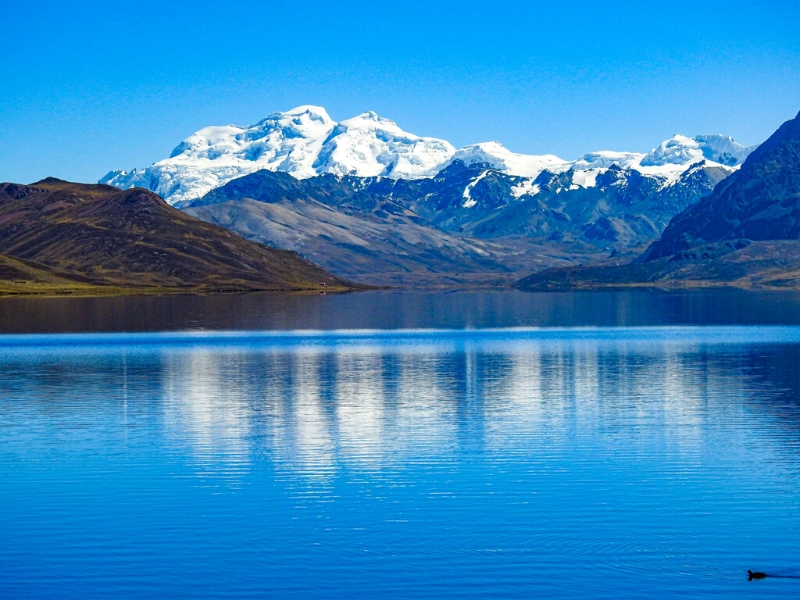
All our Walking trips are graded from ‘Easy’ through to ‘Challenging to Tough’. On our online trip itineraries you’ll find a chart showing the daily walk distances, timings and information on the route including the terrain, altitude. Generally, no specific training is needed but you might feel more comfortable if you’ve got out walking a few times in the lead-up to your trip.
WHAT WILL THE GROUP BE LIKE?
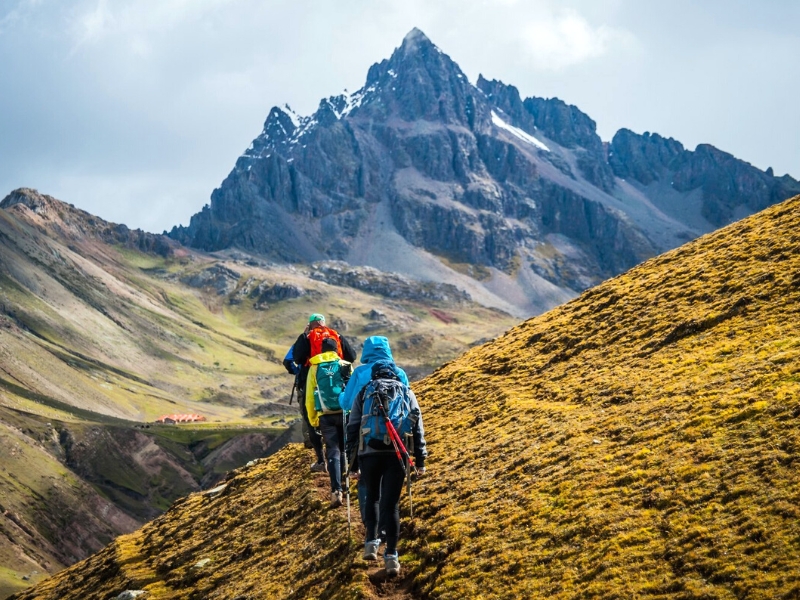
As with all our trips, every group is different but the ‘average’ group consists of roughly half couples and half solo travellers - all sharing a passion for exploring the world on foot. You’ll always have someone to keep you company along the route, but you don’t always have to walk together. Wherever possible your Andean Great Treks leader will allow everyone to walk at their own pace, regrouping regularly along the route.
IS PERU SAFE TO TRAVEL
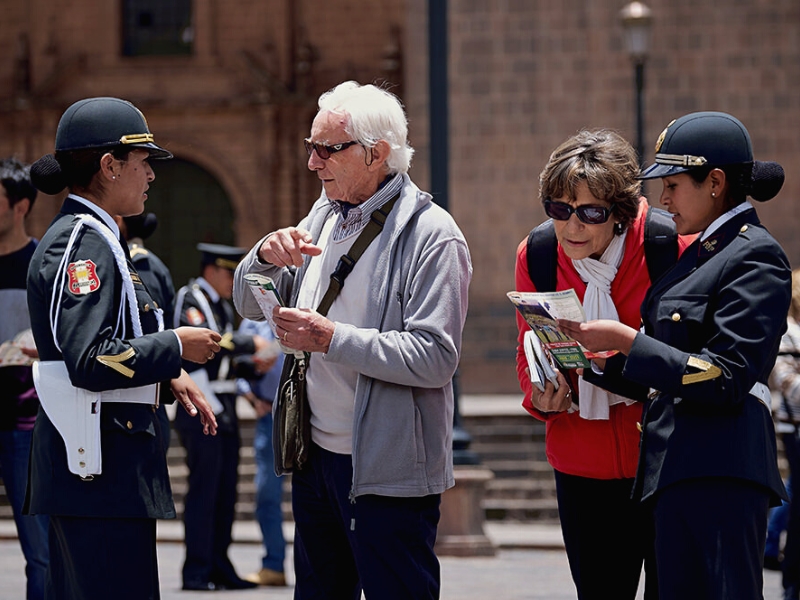
Like many other countries in developing destinations, the region’s beauty and uniqueness are countered by inequality and lack of investment. This has led to crime rates (mainly theft and scams) not being uncommon in the larger cities. We know this doesn’t sound very attractive, but it’s important to mention it regardless. Most experienced and well-traveled visitors will understand this well and not be too concerned. However, having said this, it is our duty to take care of you during your visit. That’s why we present you here with a few recommendations to be extra safe. Avoid walking alone at night on empty streets. Don’t flaunt valuables! If going for a walk or going on public transport, be sensible and avoid showing off expensive items such as expensive watches and jewelry. Be careful of pickpockets! Don’t leave your bags anywhere that doesn’t look safe, and make sure to take them with you.
MAY I SUFFER THE MOUNTAIN SICKNESS IN CUSCO?
Soroche, or mountain sickness, is a reality for most people arriving in Cusco by plane from sea level and needs to be treated with respect. It’s vital to take it easy, not eating or drinking much on arrival, even sleeping a whole day just to assist acclimatization (coca tea is a good local remedy). After three days at this height most people have adjusted sufficiently to tackle moderate hikes at similar or lesser altitudes. Anyone considering hiking the major mountains around Cusco will need time to adjust again to their higher base camps.
If you do encounter altitude-related health problems, many hotels and restaurants have oxygen cylinders to help; alternatively, for serious cases, try call any of the clinics that are in Cusco, most of them have staff that speak English, for a greater facility in your attention it is recommended to have a travel insurance that covers medical expenses.
CUSCO DAY TOURS FAQs
HOW TO GET TO CUSCO?
International flights to the capital city of Lima are plentiful but once there, you need to find a way to Cusco which is about 1100 km (684 miles) away. The quickest way to get to Cusco from Lima is to fly – it takes about 55 minutes. I don’t recommend traveling by bus because it takes about 24 hours – only do it if you intend to break the journey along the way, to visit other places.
Renting a car to travel from Lima to Cusco is not recommended. The roads are rough, and you could find yourself lost or face to face with one of the other dangers that come with traveling in unfamiliar territory.
HOW CAN I VISIT THE SACRED VALLEY FROM CUSCO?
The easiest way to explore the Sacred Valley from Cusco is on a guided full day tour that picks you up and drops you off from your hotel. The market in Pisac and Inca ruins in Ollantaytambo are the principal stops, though travelers with more time on their hands will find plenty more to see and do. It’s also possible to take a local bus or taxi into the Sacred Valley and do independent exploration.
HOW CAN I VISIT RAINBOW MOUNTAIN FROM CUSCO?
Rainbow Mountain, or Vinicunca as it’s known by locals, has become a popular hike in the Cusco region. It’s possible to visit Rainbow Mountain in one (very long) day from Cusco or you can divide the trip into a two-day itinerary. While the hike isn’t very difficult and doesn’t have many steep inclines, Vinicunca is in a high elevation region (the highest part of the trail is 17,060 ft or 5,200 m) and you should spend time acclimating before starting the hike.
HOW MANY DAYS SHOULD I VISIT CUSCO?
We are not afraid to say that Cusco is a place where every traveler ends up at least once during the trip around Peru, and it is hard to tell what is the right length of stay.
If your primary reason why to visit Cusco is to get to Machu Picchu, you still should spend here at least two days to acclimatize (despite the fact Machu Picchu is at a lower elevation than Cusco, some people still suffer from altitude sickness), and during this time you can explore the city and Sacred Valley.
From our personal experience, we think that the longer you can stay in Cusco it is better. Some travelers with limited time even revolve their entire itinerary around Cusco - this only proves how rich the city is in terms of sightseeing, architecture, and activities.
Cusco has so many things to see and do, not only within the city limits but mostly outside, that it is not a problem to spend here weeks. If you are flexible, sit down, and write down all one-day and multi-day treks you would like to do from Cusco, and you should get the optimal number of days for you.
WHERE TO STAY IN CUSCO
There are so many things to see and do in Cusco and its surroundings that the city certainly deserves more than one day of your time.
To enjoy your days in Cusco the most, it is essential to choose the right accommodation. The good news is that Cusco has a great network of hotels for every type of traveler, from cheap hostels to luxurious mansions. That's why your only job is to find a hotel in a location that suits you the best.
We recommend staying close to Centro Historico unless you want to stay away from crowds. We've selected the three best hotels in Cusco, so feel free to get inspired.
- Budget | Cusco Bed and Breakfast - Spacious and clean rooms, comfortable beds, very quiet at night, excellent location.
- Mid-range | Tierra Viva Cusco Centro - Providing a tranquil environment, beautiful rooms and also has one of the top-rated locations in Cusco.
- Luxury | JW Marriott El Convento Cusco - The hotel features impressive interiors, has a charming colonial courtyard, luxury rooms, and Cusco’s cathedral or main square are only three blocks away.
WHAT TO EAT IN CUSCO
In recent years, Peruvian cuisine has gained popularity in the world’s culinary landscape, but for the freshest (and most authentic) specialty dishes, Cusco will not disappoint. Most Peruvian dishes carry big flavor not seen in other Latin and South American fare. You may have already tried popular dishes like ceviche (a cold dish of fresh raw fish with spicy citrus flavors) or lomo saltado (stir fried beef with fries). If you’re feeling a bit more adventurous, try Cuy (roasted guinea pig – yes, the American household pet) or charbroiled alpaca (also known as llama). Other delicious traditional dishes include adobo (a pork stew with corn beer), tamales, choclo con queso (boiled corn with local cheese) and the vegetarian stew capchi de setas. As far as vegetables go, Peru produces more than 4,000 varieties of potato, so you’ll find many dishes centered on them like papas a la huancaina (boiled potatoes with a spicy cheese sauce) and causa (a potato casserole with a variety of meat). Other staple veggies include corn and avocados. If your mouth isn't watering yet, check your pulse.
For a taste of traditional dishes, head to PACHAPAPA or the award-winning CHICHA (visitors and locals recommend getting reservations well in advance). Peruvian cuisine often mingles with Asian influences, inspired by the culture brought by indentured servants and immigrants who came to Peru dating back to the original Spanish rule in the country. For a sampling of the Asian/Peruvian fusion cuisine, visit LIMO. If you're really looking to splurge on a fine dining experience, try MAP Cafe. Located in the courtyard of the Pre-Columbian Art Museum in a glass shipping container, the fare is more contemporary Peruvian cuisine. You can also kick-start your day with coffee and breakfast at Jack's Cafe, which serves breakfast all day. Many of the most popular restaurants are centrally located near Plaza de Armas.
ANDEAN GREAT TREKS TOURS DIFFERENCE
UNRIVALLED KNOWLEDGE & EXPERIENCE
Every Andean Great Treks holiday has been thoughtfully planned and crafted by our specialists. They draw on their own extensive travel experience and the guidance and expertise of our local partners to create superb holidays. Our specialists are committed to making every aspect smooth and enjoyable; they genuinely want to ensure that the holidays they create leave you with wonderful lasting memories.
AMAZING TOURS & AUTHENTIC EXPERIENCES
Every Andean Great Treks traveller is accompanied by an experienced tour guide, you will be immersed in Historic cities, ancient ruins and unfamiliar landscapes are all brought to life by our carefully selected local guides. They want to share their expertise and help you make your own discoveries too; their sole mission is to ensure you enjoy every moment.
FLEXIBILITY & CHOICE
Giving you the freedom to make your holiday even more memorable. We know how much our customers look forward to their holiday and we pride ourselves on the choice and flexibility that we offer to enhance every aspect of your experience. Whether it’s getting to the airport, upgrading your room or booking an additional excursion, we can help.
GUIDED BY THE LOCAL GUIDES, TRUE EXPERTS!
Our guides are the stars of the show; it is their unrivalled knowledge, passion and expertise that will transform your tour experience from good to truly extraordinary!
Because the have grown up in the area and know it like the back of their hand, so they can help you experience whichever aspects most interest you. They’re passionate about sharing their corner of the world with you, and as you explore together, they’ll open your eyes to the intricate details, provide background to enhance your understanding of what you’re seeing, and share stories that will bring everything to life.
ALL OF OUR NATIONAL TOUR GUIDES...
- Have at least five years guiding experience
- Are fluent in English
- Are born and raised in Cusco, Lima, Manu Jungle, Puno
- Go through rigorous and ongoing training programmes
- Are at your service 24 hours a day
OUR TRAVELS SHAPE YOURS
“Your inspiration for a trip can be a single word or a highly evolved outline, but it's the conversations we have that help us understand the experience you're looking for. Meanwhile, I'm looking back on the time I spent at the destination.
‘The great thing about working with a specialist at Andean Great Treks is how they take your complete jumble of ideas and turn them into something absolutely spectacular.’
As you begin to share your ideas with your specialist, it will connect them immediately back to a time in their own travels. Conjuring a picture of the rest time they made that same discovery, reminding them how it felt.
Your specialist understands that, when the journey is right, it has the power to excite your emotions in the most profound ways after all, that was the effect on them.
They carry a treasure box of moments, captured over many journeys, into every suggestion they’ll share with you, as they ask you how you want to feel on your trip.
MEANINGFUL EXPERIENCES, REAL CONNECTIONS
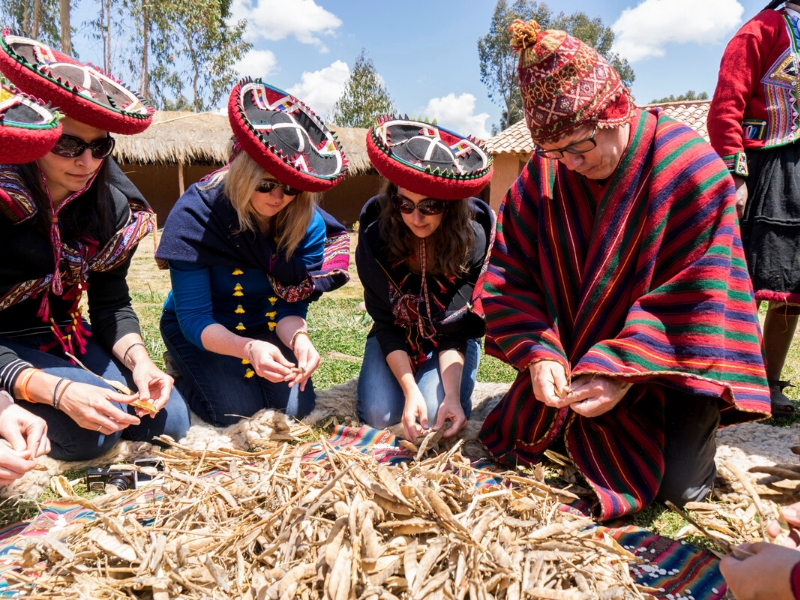
EXPERIENCES THAT CALL TO YOU
It’s what you do in a destination that helps bring it to life. It’s why we strive to choose experiences that help you connect to a place, absorbing a little of its complex character. Wherever your passions lie, we’ll recommend experiences that speak to you, and we’ll recommend the guide or local expert who’s most qualified to help you explore. Packing your holiday full of special experiences means some early starts and long days, but you can be sure that you’ll return home with many incredible memories! Read our Tours and check the Physical Ratings to see if the pace and activity levels are right for you.
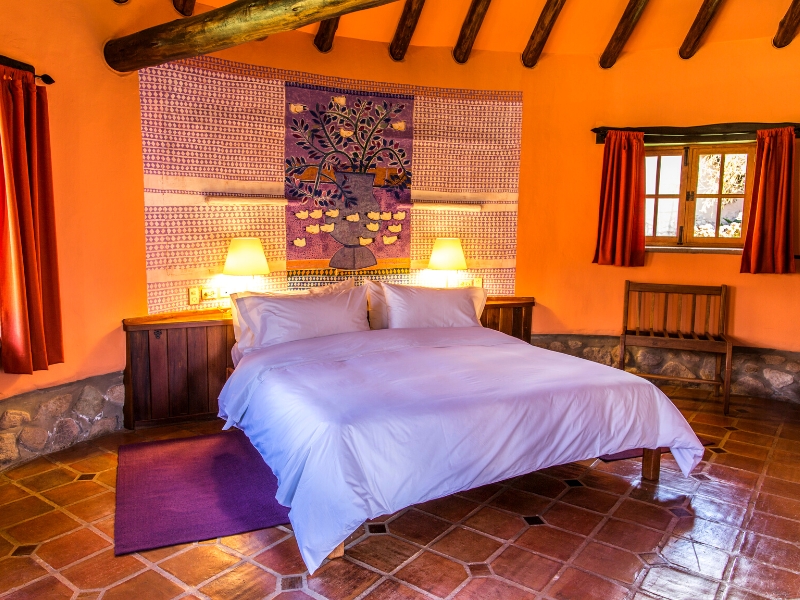
STAYS WITH DIFFERENCE
We know that where you stay is a cherished part of your travels. So, we go to great lengths to find places to stay that exceed expectations, or go above and beyond the ordinary, whether in their character, hospitality, or location. Over the years, we’ve discovered the very best properties, trying and testing them, so we can choose the right one for you. We’ve nourished long-standing relationships with these establishments and the people who founded them, and we’ve stayed there many times often, we’ll even know which rooms have the best views (and reserve them for you).
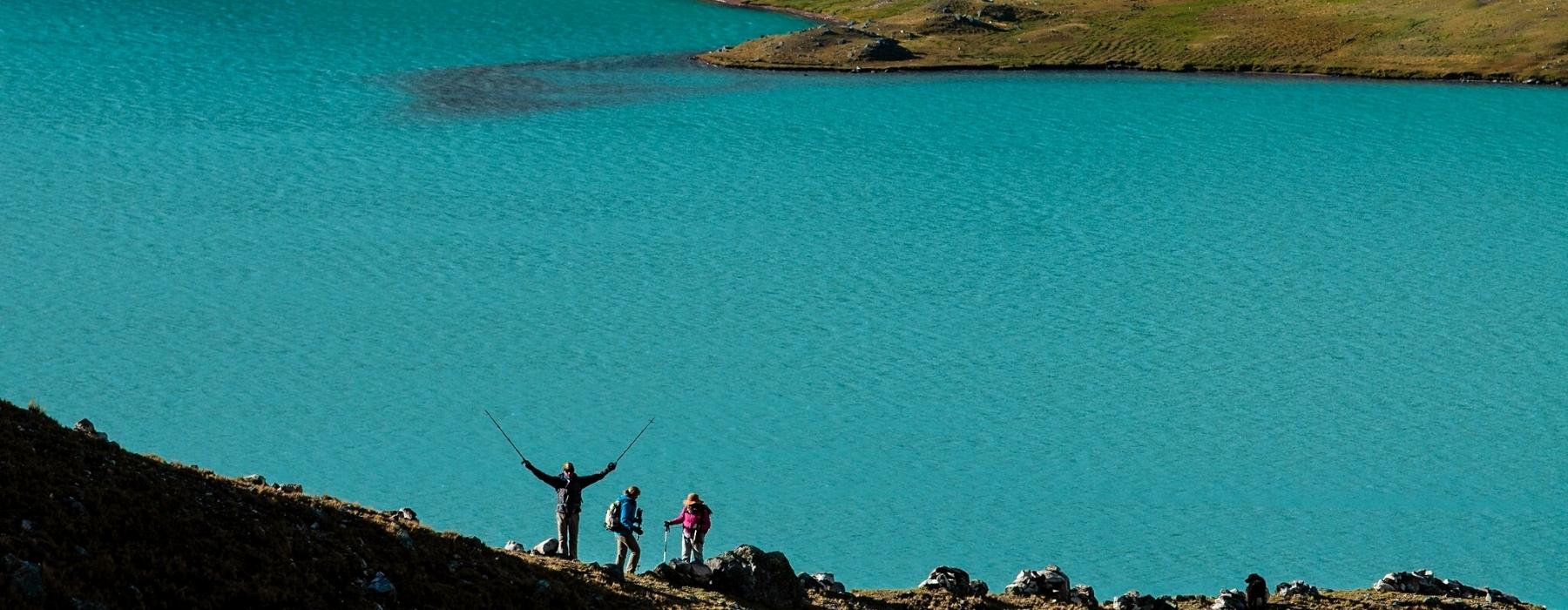
TRAVELLING THE RIGHT WAY
Our style of travel — authentic, thoughtful, and focused on building meaningful connections to the people and places you visit — is inherently respectful and considerate of the destinations we love. We design each aspect of your trip exactly as you want it, which includes its sustainability. That might mean choosing a train journey instead of a flight, staying at eco-friendly wildlife lodges, or opting for experiences that give back to the communities you’re visiting. The choice is yours.
Responsible travel has always been at the heart of what we do. First and foremost, because it gives you the best experience, but, also because it helps to preserve the communities and landscapes you visit. This isn’t new for us we collaborated with local communities and outside experts so we can grow to be better ambassadors.
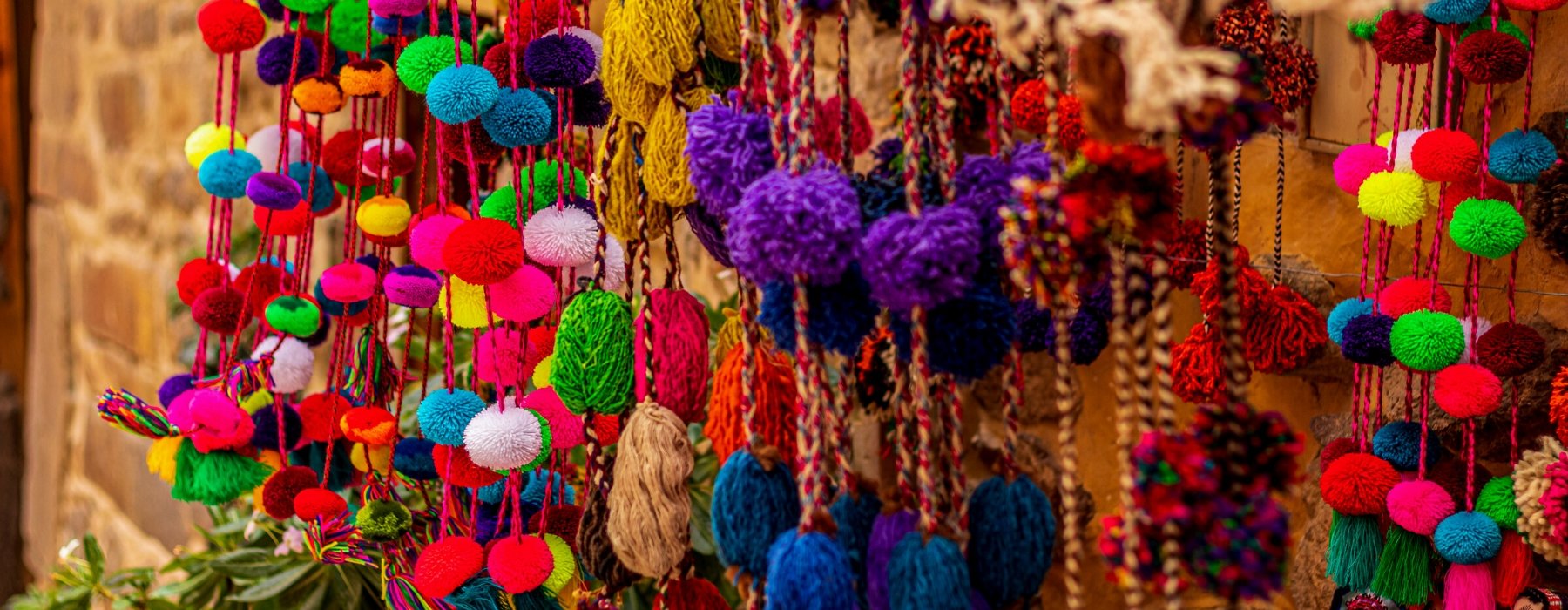
The most authentic and interesting experiences often directly benefit the local people. We prefer to buy local products that are produced in the organic farms of the Sacred Valley, we also have alliances with local artisan organizations who provide us with souvenir items for our clients, your money directly benefits the local economy.
Our style of travel — authentic, thoughtful, and focused on building meaningful connections to the people and places you visit — is inherently respectful and considerate of the destinations we love. We design each aspect of your trip exactly as you want it, which includes its sustainability. That might mean choosing a train journey instead of a flight, staying at eco-friendly wildlife lodges, or opting for experiences that give back to the communities you’re visiting. The choice is yours.
Responsible travel has always been at the heart of what we do. First and foremost, because it gives you the best experience, but, also because it helps to preserve the communities and landscapes you visit. This isn’t new for us we collaborated with local communities and outside experts so we can grow to be better ambassadors.
The most authentic and interesting experiences often directly benefit the local people. We prefer to buy local products that are produced in the organic farms of the Sacred Valley, we also have alliances with local artisan organizations who provide us with souvenir items for our clients, your money directly benefits the local economy.
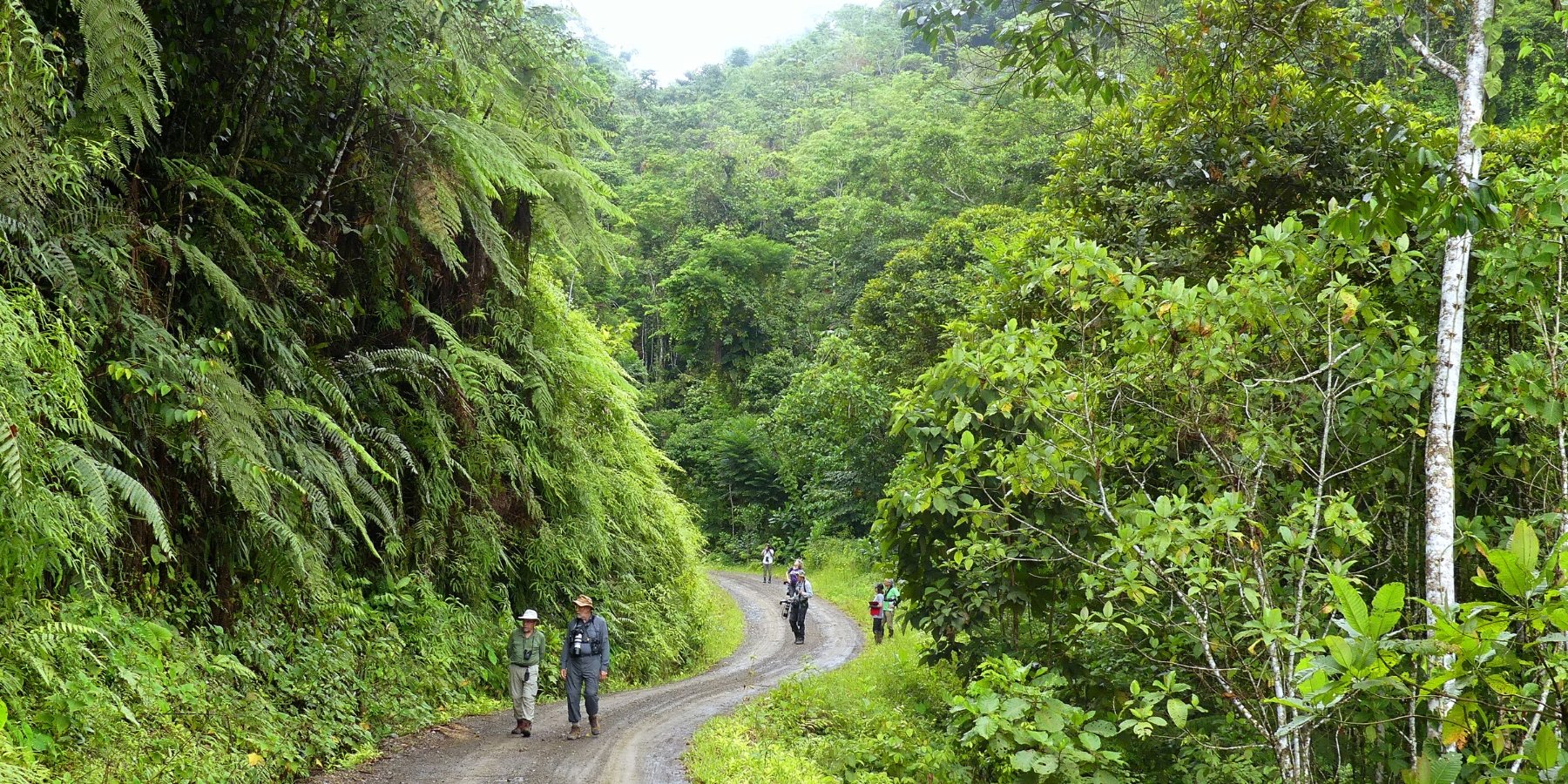
WE EXPLORE WITHOUT AFFECTING THE ECOSYSTEM
We want travel to change us, and not the World
‘There’s a saying: we don’t inherit the Earth from our ancestors, we borrow it from our children. When we show you our country, this philosophy guides everything we do. It’s our responsibility to preserve the environment and wildlife, and support communities. That means using slower modes of transport, like cycling, employing local people, and working with communities who’ll benefit directly from your visit. This also gives you the best, most authentic impression of the places we want to share with you.
We prefer to buy local products in ecological bags, to avoid the use of plastic bags, likewise we teach the use of soaps and ecological products in each tour that we organize. We also work on reforestation projects with local communities who take care of landscape resources such as communal reserves, national parks.
We want travel to change us, and not the World
‘There’s a saying: we don’t inherit the Earth from our ancestors, we borrow it from our children. When we show you our country, this philosophy guides everything we do. It’s our responsibility to preserve the environment and wildlife, and support communities. That means using slower modes of transport, like cycling, employing local people, and working with communities who’ll benefit directly from your visit. This also gives you the best, most authentic impression of the places we want to share with you.
We prefer to buy local products in ecological bags, to avoid the use of plastic bags, likewise we teach the use of soaps and ecological products in each tour that we organize. We also work on reforestation projects with local communities who take care of landscape resources such as communal reserves, national parks.
DISCOVER MORE SIMILAR TOURS: VINICUNCA RAINBOW MOUNTAIN TREK 1 DAY

TRAINING HIKE TO DO CLASSIC INCA TRAIL 1 DAY
Take a preparation walk before starting the classic Inca trail to Machu Picchu. Explore mountain landscapes in the sacred valley of the Incas with your local guide. We have daily departures all year round.

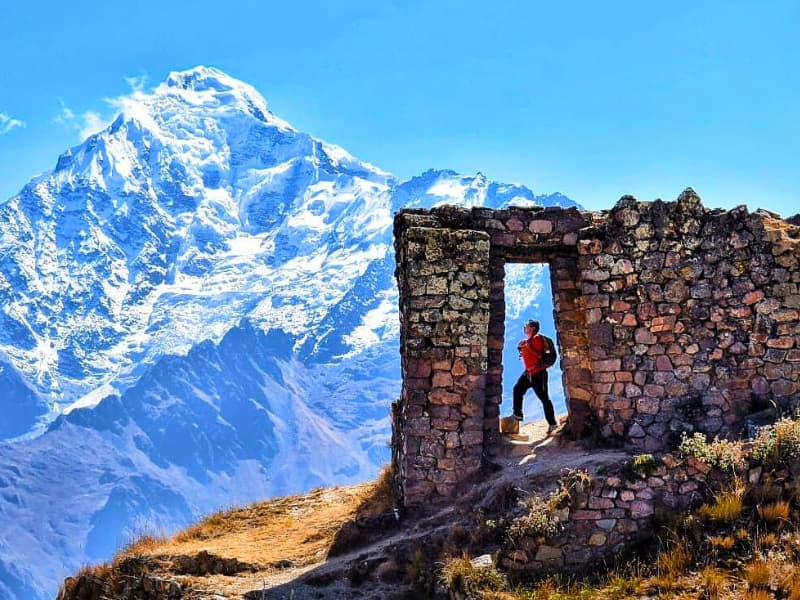
HIKE TO INCA SUN GATE 1 DAY
Visit the sacred gate of the Incas on the Cachichata mountain, from there you can enjoy beautiful views of the sacred valley of the Incas and its snow-capped peaks.

SOUTH VALLEY OF CUSCO HALF DAY
Explore the beautiful South Valley of Cusco, this circuit offers you to appreciate the hydraulic technology of the Incas, the ancient city of the Wari culture. The majestic Sistine Chapel of Andahuaylillas, in a half day tour with the best guides in Cusco.
What our clients say about us