
Tour to the Colca Canyon from Arequipa 1 Day
 Best of Perú

CREATING AUTHENTIC TOURS IN PERU
Explore the Colca Canyon, one of the deepest in the world
 CREATING AUTHENTIC TOURS IN PERU
Explore the Colca Canyon, one of the deepest in the world
Trip OverviewTrip Overview
One of Peru’s big atracttions, the Colca Canyon is a must on most Peru itineraries. The Colca Canyon offers to travellers the opportunity to get up close and personal to countryside life in Peru, spot soaring Andean condors, bathe in secret thermal baths, uncover jaw-dropping vistas, stay in an oasis.
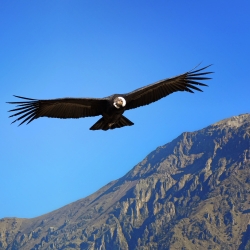
The Colca Canyon is the world’s second deepest canyon in South America. It’s pretty deep (3,300 metres ), so impressive, and is definitely twice as deep as America’s Grand Canyon. It’s also home to some of Peru’s most captivating scenery, as well as one of the best viewing points for South America’s most famous bird, the condor, which can oft be seen gliding on the thermal winds.
However, those expecting complete isolation in the depths of the canyon will be surprised that small rural communities have endured and persevered here for centuries, and continue to live out a very traditional lifestyle between the arid quarry-like ridges and the surprisingly lush plots close to the river Colca.
If you’re looking for adventure, landscapes, and something a little bit different before to came back your home, then you’ve come to the right place in Peru.
INCLUDEDINCLUDED
WHAT IS INCLUDED IN OUR TOUR TO COLCA CANYON 1 DAY
- Pick up from your hotel in the city of Arequipa
- Roundtrip Minibus Tourist Transport
- Tour Guide (English/Spanish)
- Entrance ticket to the Colca Canyon
- Buffet lunch
- First aid kit
- Oxygen tank
NOT INCLUDED
- Entrance ticket to the thermal baths of Yanque ($5 USD)
- Breakfast
- Travel insurance
- Tips and other personal expenses not mentioned in the itinerary
Trip HighlightsTrip Highlights
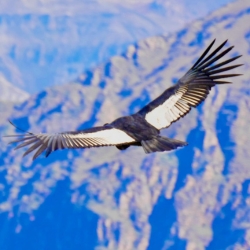
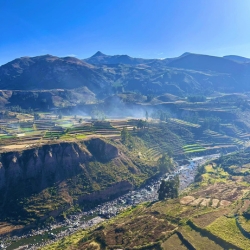
- The Colca Canyon has impressive landscapes and natural viewpoints. It is the habitat of the largest bird in the world, the Andean condor. The canyon also has impressive geology composed of hot springs, natural landscapes and cultivated terraces.
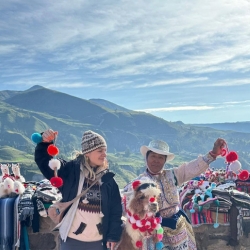
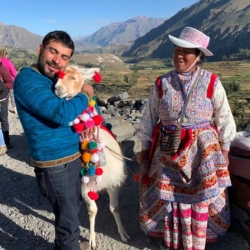
- The villages that are located around the Canyon are known for being traditional and colorful. We bet that you will find interesting stories and many authentic souvenirs to buy. You can also take pictures with the llamas, alpacas, and if you are lucky, with a big bird related to the condors.
- Viewing points and thermal waters; rafting, climbing and trekking; observation of condors and other typical highland animals in their natural habitat, including alpacas, vizcachas and pumas; all these activities are offered by this valley and its mild climate.
ActivitiesActivities
When traveling to the Colca Canyon from Arequipa, you will pass a few small villages, viewpoints overlooking tall volcanoes, and you can sense the proximity of the canyon once you spot the Andean valley and green terraced fields on both sides of a significant depression. No matter how spectacular the ride is, be mentally and physically prepared for a long day ahead.
When setting off for a day trip, it is often easy to overlook a few important information. First of all, you should know that the road leading to Colca Canyon is at altitude, and acclimatization in Arequipa for at least one day is essential.
The Colca Canyon is roughly 3500 above sea level, so it is worth it to arrive well-prepared, although it is almost impossible to know how your body will react even if you follow basic acclimatization steps.
ItineraryItinerary
PACKING LISTPACKING LIST
 warm jackets
 Hydration bladder
 wool socks
 camera
 scarf
scarf first aid kit
 hiking shoes
 Dry bags
 Trekking Poles
 sun cream
 Snack
Snack sun hat
 bathing suite
 rain coat
 Sandals
 insect repellent
 Passport
 Down Jackets
 toilet paper
 daypack
 Wool cap
 head lamp
 gloves
 sun glasses
 cap
cap extra cash
 Trekking pants
FAQFAQ
The Colca is a south Peruvian canyon considered the second deepest worldwide (around 11,000 feet deep) with an extension of 12,000 square kilometers. Andean landscapes, charming local towns, imposants condors, cozy hot springs at its bottom, and diverse trails that cross it, attract tourists every year. Starting with the most important Colca Canyon facts, we will say that it is located 130 miles northwest of Arequipa, an important south Peruvian city.
Specifically, in the Chivay district, over 2110 m.a.s.l. Therefore, the hikes or tours themselves could be considered quite challenging due to the altitude of certain mountains, hills, and Vulcans located there. Keep in mind that most hikes last two or three days. But added to the phenomenal views, you will have the possibility to see condors and dive into wonderful hot springs, among other amazing activities. Also, as you’ll have to pass, first, by “the white city”, to get to the canyon, it is recommendable to spend some nights and enjoy the many things to do in Arequipa.
Cabanaconde is the main destination for adventure seekers in the Colca Valley, a small town perched on the canyon’s precipice. Here you will find some places to sleep, not very glamorous but clean. Besides, there are numerous places to eat and drink beer. From here, there are three main start points for the hike, depending upon which 2 or 3 day route you’ll be following.
The Incas are commonly given all the credit for the development of highly advanced agricultural techniques in the Andes. But, it seems indisputable that much of this knowledge came from contact with the populations of Colca Canyon, who themselves acquired techniques from long periods of exchange among Andean societies.
Around 600 AD, the Collaguas and Cabanas flourished in Colca. The groups developed agricultural technology such as terraces on the sides of mountains to create land for farming, which in turn led to denser settlements. They also built colcas, stone reservoirs placed at higher elevations, to store grains and tubers in cold and dry conditions – nature’s icebox. These dual developments enabled populations to avoid famine in times of difficulty and became instruments to amass political power.
Over the next three centuries, the Wari civilization spread its influence into the southern Andes and introduced new agricultural technology. Multiple administrative and ritual centers were established to oversee the further centralization of political power. Post-Wari political power appears to have become dispersed again, but the agricultural economy remained intact. Collaguas and Cabanas regained their political independence and maintained relations of trade and exchange.
The arrival of the Incas around 1450 AD once again altered the political landscape. Incan elites intermarried with local rulers and thus gained access to the economic and agricultural realms of the Colca region.
Colca is the name of the canyon, river, and valley in the province of Caylloma 100 mi (160 km) northwest of Arequipa. The Colca region sits atop a major fault that fractured millions of years ago. Over millennia, the continuous flow of the Colca River has carved deep into the volcanic rock and formed Colca Canyon. Intense geothermal activity persists, as evidenced by the many geysers, fumaroles, and hot springs in the region.
The town of Chivay is between the rim and the depths of the canyon. For its geographical location, Chivay has become a transit point for travelers venturing from Arequipa into the canyon, including those who arrange to spend the night at a hotel in Colca Canyon.
From Chivay, continue deeper into Colca to smaller towns like Yanque (5 mi/8 km away) and the famous lookout point for condors (26 mi/42 km away). The village of Cabanaconde, where many treks begin, is 34 mi (55 km) on the opposite side of the canyon from Chivay.
Elevations vary dramatically throughout the Colca region. Chivay (elevation 11,800 ft, or 3,600 m) is the midway point between the valley’s highest and lowest elevations. The road between Arequipa and Colca Canyon goes over the soaring 15,830-ft (4,825-m) Patapampa Pass before dropping down to Chivay and other destinations like Cabanaconde at 10,760 ft (3,280 m).
At its deepest point, Colca Canyon cuts roughly 10,830 ft (3,300 m) into the earth in the Huambo district in Peru’s Caylloma province. This depth makes Colca the world’s second deepest canyon. Nearby Cotahuasi Canyon is only about 700 feet deeper and is the deepest canyon in the world with a maximum depth of 11,560 ft (3,535 m). For reference, Grand Canyon in Arizona, United States is about 6,000 ft (1,830 m) at its deepest point.
ESSENTIAL TRIP INFORMATIONESSENTIAL TRIP INFORMATION
ESSENTIAL TRIP INFORMATION ESSENTIAL TRIP INFORMATION
Want an in-depth insight into this trip? Essential Trip Information provides everything you need to know about this adventure and more.
View Essential Trip InformationBest Season to TravelBest Season to Travel
The best time to visit Peru is during the dry season, between May and November, when the weather is dry and bright, with more frequent rainfall occurring between November and April.
 January
 February
 March
March April
April May
May June
June July
July August
 September
 October
 November
 December
PRICE & AVAILABILITYPRICE & AVAILABILITY
PRICE & AVAILABILITY
To book this tour, a minimum of $ 75 USD per person is required, the remaining balance will be paid upon arrival in Peru, at the Cusco office.
Any other additional information, please coordinate with your travel agent.
Choose your preferred departure date to proceed.
What to expect from our
Tours in Peru
You’ll get up close and personal with the destinations and communities you travel through, seeing the cultural and historical highlights, natural wonders and wildlife, and local hidden gems.
DO YOU NEED A VISA FOR PERU?
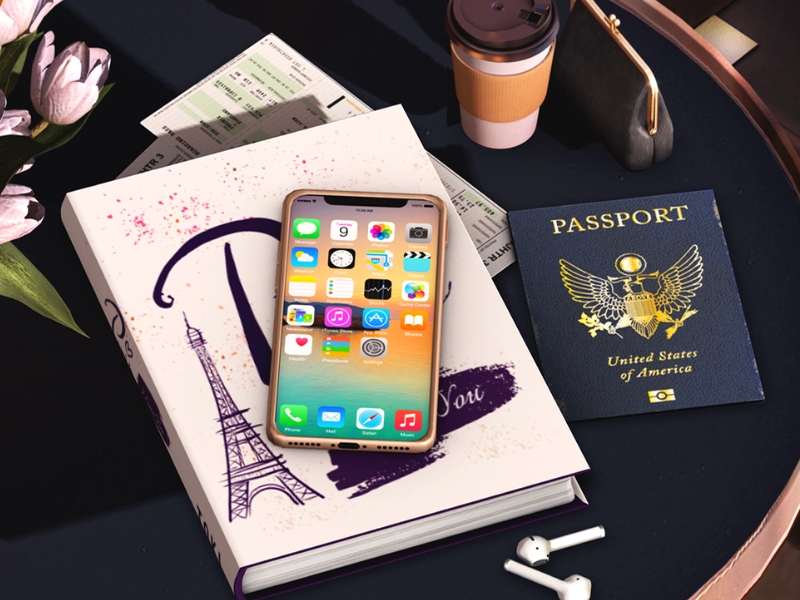
Peru is a country of basically free access. Most of the countries of America and Western Europe do not require a tourist visa to enter Peru, and the maximum length of stay granted by the authorities is 183 days (it cannot be extended). For a stay for a longer period with other objectives (business, study, work, etc.) it is necessary to previously request the corresponding visa from the Peruvian consulates.
To enter Peru it is an essential requirement to present a valid passport with a minimum validity of six months from your entry into the national territory. Citizens of Argentina, Brazil, Paraguay, Uruguay, Ecuador, Colombia, Bolivia and Chile can enter with their national identification document.
WHAT WILL THE GROUP BE LIKE?
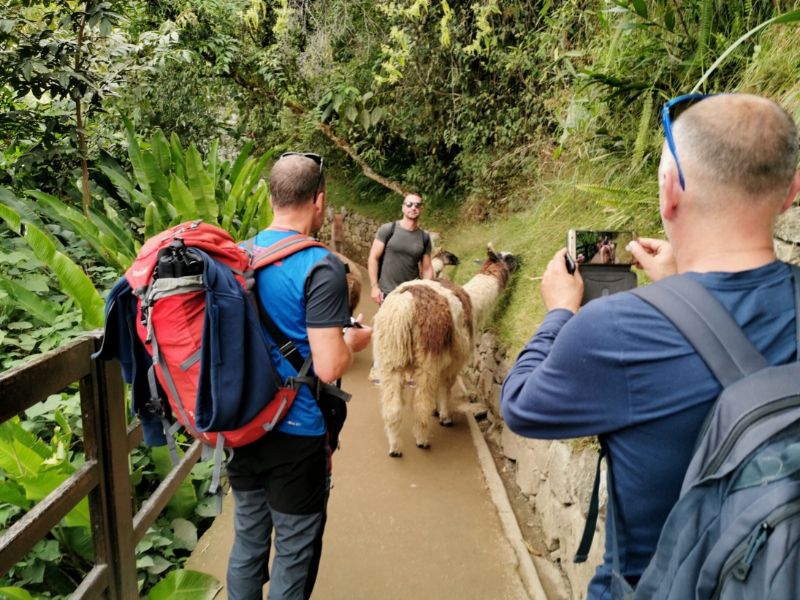
Traveling is one of life’s great pleasures and what most of us dream to do at one time or another in our lives. Discovering new cultures and visiting ancient ruins is what motivates us to travel. Peru has a rich and colorful history with many different regions to explore. While thinking of your Peruvian holiday you might want to also consider a group or individual tours in Peru. Both options are viable when traveling in Peru if you prefer the company of other people when you travel then a group tour will be for you. You’ll always have someone to keep you company along the route, but you don’t always have to walk together. Wherever possible your Andean Great Treks leader will allow everyone to walk at their own pace, regrouping regularly along the route.
MONEY AND CURRENCY IN PERU
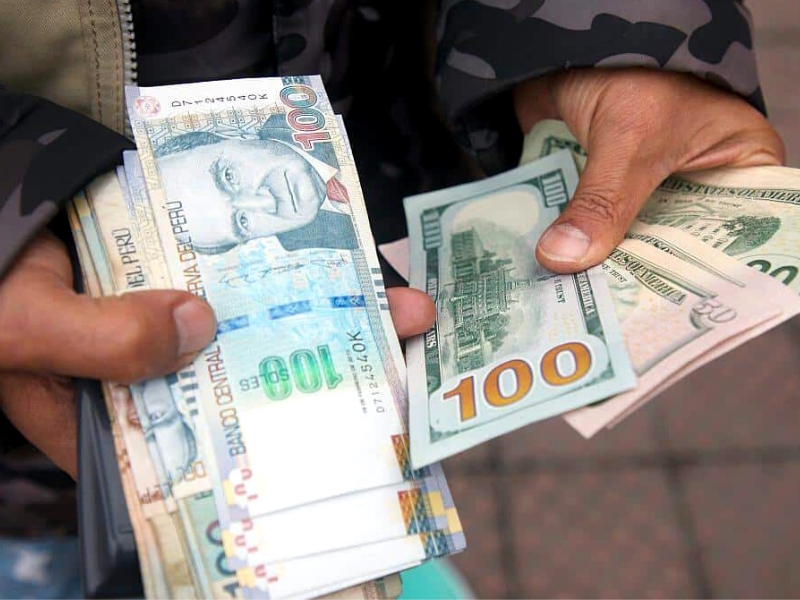
The currency in Peru is the Sol. It doesn’t take long to get used to it. There are just over three Soles to the US Dollar (USD), around three and a half Soles to a Euro (EUR) and just over four Soles to the Pound (GBP). Rounding up helps you make quick conversions when deliberating prices and making payment. While some businesses accept US dollars and some ATMs allow you to withdraw it even, it is much easier to pay for day-to-day things with Soles including food and drink, shopping at local markets and entry to local attractions. There are ATMs in every major city in Peru and as a point of reference can also be found near each city’s Plaza de Armas (the main square). It’s highly unlikely that you will find any ATM in more rural areas including villages and small towns. The fee for withdrawing money at the Peru ATM is around $5-$7 per transaction. The maximum withdrawal is around $200 – $250 per transaction.
IS PERU SAFE TO TRAVEL
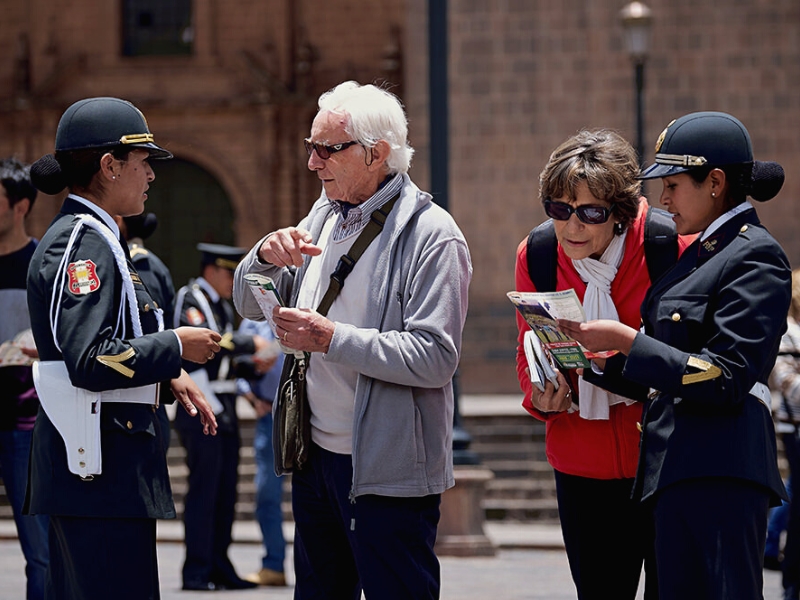
Like many other countries in developing destinations, the region’s beauty and uniqueness are countered by inequality and lack of investment. This has led to crime rates (mainly theft and scams) not being uncommon in the larger cities. We know this doesn’t sound very attractive, but it’s important to mention it regardless. Most experienced and well-traveled visitors will understand this well and not be too concerned. However, having said this, it is our duty to take care of you during your visit. That’s why we present you here with a few recommendations to be extra safe. Avoid walking alone at night on empty streets. Don’t flaunt valuables! If going for a walk or going on public transport, be sensible and avoid showing off expensive items such as expensive watches and jewelry. Be careful of pickpockets! Don’t leave your bags anywhere that doesn’t look safe, and make sure to take them with you.
Peru Travel FAQs
WILL I EXPERIENCE ALTITUDE SICKNESS IN PERU?
Most people can start to feel the effects of altitude at over 2000 m (6561 ft) regardless of age, gender or fitness level. While our leaders have basic first aid training and are aware of the closest medical facilities, it is very important that you make yourself aware of the cause and effects of travelling at altitude, monitor your health and seek assistance accordingly. It’s important to take it easy, drink plenty of water and speak to your group leader at once if you feel unwell.
We recommend seeing your doctor if you have any health concerns before undertaking the trip. Particularly if you have a pre-existing medical condition or take any medication.
DO I NEED TO PURCHASE TRAVEL INSURANCE BEFORE TRAVELLING IN PERU?
Absolutely. All passengers travelling with Andean Great Treks are required to purchase travel insurance before the start of your trip. Your travel insurance details will be recorded by your tour guide on the first day of the trip.
Travel insurance is compulsory on all our trips for those travelling internationally. We require that at a minimum you are covered for medical expenses including emergency repatriation. If you are travelling within your home country or region please confirm before travel that you are entitled to access the public medical system easily should an accident occur. We strongly recommend all travellers have a policy that also covers COVID-19, personal liability, cancellation, curtailment and loss of luggage or personal effects.
DO I NEED ANY VACCINATIONS BEFORE VISITING PERU?
No vaccines are required in order to enter Peru but some are recommended for protection against disease. Visit your doctor or travel clinic for advice and make sure to schedule vaccinations 4-6 weeks before your departure date, as some require time to become effective.
Recommended travel vaccines for Peru
- Hepatitis A (transmitted through contaminated water)
- Typhoid (transmitted through contaminated water)
- Yellow Fever (transmitted by mosquitos): This vaccination is recommended if you’re visiting Puerto Maldonado, Iquitos or other Amazon Rainforest areas. Some countries require a valid yellow fever vaccination certificate for entry after visiting Peru. Do your research before leaving home to see if you require this vaccine.
CAN I DRINK THE TAP WATER IN PERU?
Drinking tap water isn't recommended in Peru. For environmental reasons, try to avoid buying bottled water. Fill a reusable water bottle or canteen with filtered water. Ask your tour guide or the hotel where you’re staying where filtered water can be found. It's advisable to avoid ice in drinks and peel fruit and vegetables before eating. There's no need to worry about keeping your mouth closed while you shower, but if you have a particularly sensitive stomach, you may wish to use boiled or filtered water to brush your teeth or wash fruits and vegetables.
When ordering cocktails or smoothies, try to avoid drinks with ice. You can always ask the waiter or vendor if they use filtered water to make ice, but if you’d rather not risk it, just order your drinks ‘without ice’. Single-use water bottles contribute to a huge environmental problem, so your best bet is to bring a portable water filter or water purifying tablets, and a large reusable bottle to refill at canteens or hotels. Brands like Steripen sterilize water using UV, while bottles from Sawyer remove most bacteria through an in-built foam purifier.
Water safety tips for Peru
Here are some handy tips to follow when it comes to drinking water in Peru:
- Buy a special water bottle that can purify or filter tap water
- Bring plenty of oral rehydration tablets in case you come down with diarrhea or stomach upset
- Take advantage of the wide variety of hydrating fruits and young coconut water available at local markets
ARE CREDIT CARDS WIDELY ACCEPTED IN PERU?
Most hotels, large retailers and tourist attractions accept credit cards but will usually charge a fee (about 5% to 7%) for using them. Make sure you carry cash for when you're dealing with small vendors, family-run restaurants and market vendors.
CAN I USE MY MOBILE PHONE WHILE IN PERU?
There are many situations where you might want to use your mobile when travelling. It could be to call a hostel to book a room, arrange a meeting point for breakfast with your new travel friends, or contact loved ones in an emergency.
Mobile phone coverage is generally good in Peru’s cities, but may not be available in more remote and mountainous areas. You will be able to use your mobile/cell phone while in Peru, but only if you have activated global roaming or purchased a local SIM card. If you choose to activate global roaming, don’t forget to check with your provider as to what costs will be incurred to avoid any unwanted surprises when you get your phone bill – it's often painfully expensive! You should also make sure you check that your phone is unlocked before leaving home or the local SIM may not work overseas.
Buying a local SIM in Peru
Many travellers prefer to buy a local SIM card instead of a roaming plan as it works out much cheaper. You can buy a SIM card at most airports and phone retail shops in the bigger towns and cities. There are several carriers to choose from in Peru, with both prepaid and postpaid options available. Though postpaid is slightly cheaper, it may require a minimum commitment period, so you might be better off going with the prepaid option. As far as carriers go, Movistar, Entel and Claro are some of the biggest and will offer you decent coverage, though it may be poor or cut off completely in more rural or mountainous areas like the Andes.
WHAT ARE THE TOILETS LIKE IN PERU?
Peru has a mix of both squat toilets and western-style flushable toilets. It’s a good idea to carry your own toilet paper and hand sanitizer, as they are not always provided. Some public toilets charge a small usage fee. Expect to use squat toilets if travelling on the Inca Trail.
WHAT IS ATM ACCESS LIKE IN PERU?
ATMs can be found in most of Peru's major cities and tourist areas. ATMs are far less common in rural areas and small villages so have enough cash to cover purchases when travelling away from the larger cities.
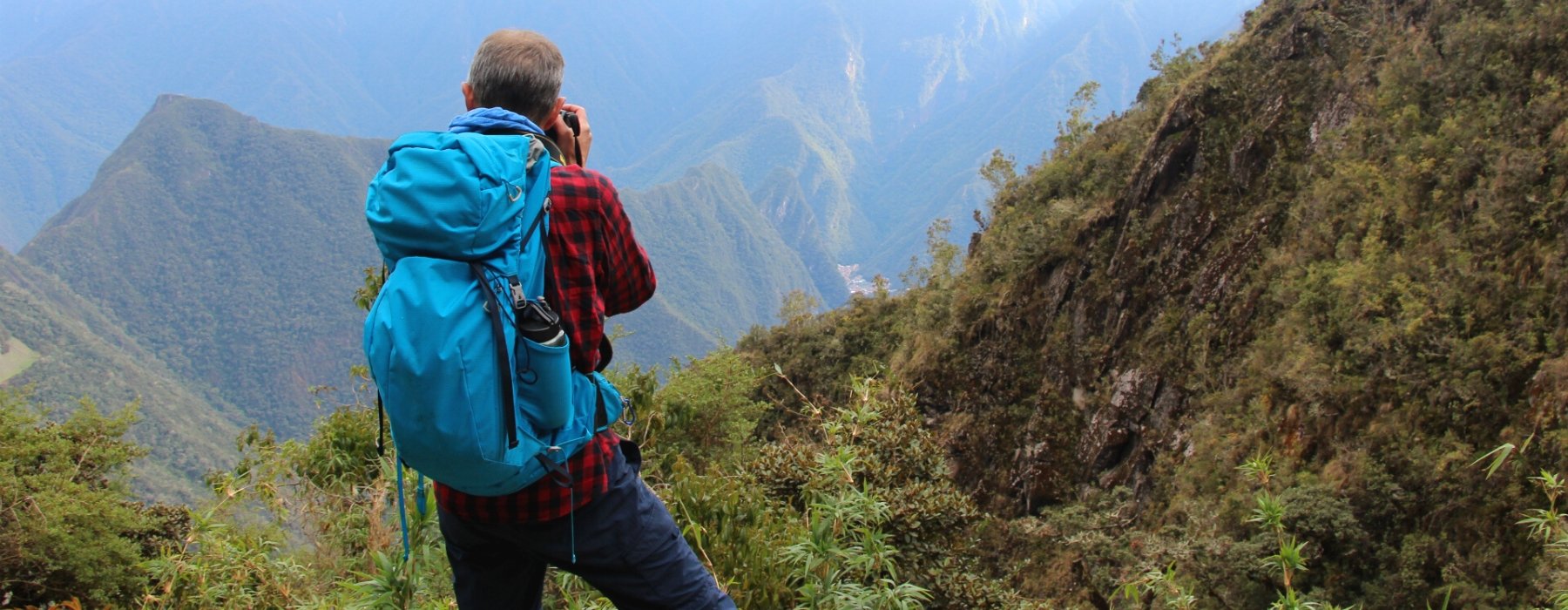
ANDEAN GREAT TREKS TOURS DIFFERENCE
UNRIVALLED KNOWLEDGE & EXPERIENCE
Every Andean Great Treks holiday has been thoughtfully planned and crafted by our specialists. They draw on their own extensive travel experience and the guidance and expertise of our local partners to create superb holidays. Our specialists are committed to making every aspect smooth and enjoyable; they genuinely want to ensure that the holidays they create leave you with wonderful lasting memories.
AMAZING TOURS & AUTHENTIC EXPERIENCES
Every Andean Great Treks traveller is accompanied by an experienced tour guide, you will be immersed in Historic cities, ancient ruins and unfamiliar landscapes are all brought to life by our carefully selected local guides. They want to share their expertise and help you make your own discoveries too; their sole mission is to ensure you enjoy every moment.
FLEXIBILITY & CHOICE
Giving you the freedom to make your holiday even more memorable. We know how much our customers look forward to their holiday and we pride ourselves on the choice and flexibility that we offer to enhance every aspect of your experience. Whether it’s getting to the airport, upgrading your room or booking an additional excursion, we can help.
GUIDED BY THE LOCAL GUIDES, TRUE EXPERTS!
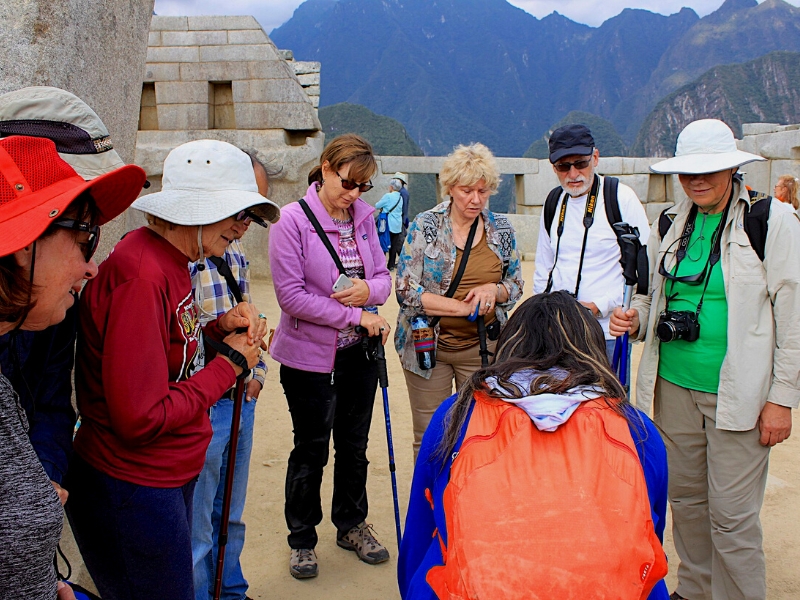
Our guides are the stars of the show; it is their unrivalled knowledge, passion and expertise that will transform your tour experience from good to truly extraordinary!
Because the have grown up in the area and know it like the back of their hand, so they can help you experience whichever aspects most interest you. They’re passionate about sharing their corner of the world with you, and as you explore together, they’ll open your eyes to the intricate details, provide background to enhance your understanding of what you’re seeing, and share stories that will bring everything to life.
ALL OF OUR NATIONAL TOUR GUIDES...
- Have at least five years guiding experience
- Are fluent in English
- Are born and raised in Cusco, Lima, Manu Jungle, Puno
- Go through rigorous and ongoing training programmes
- Are at your service 24 hours a day
OUR TRAVELS SHAPE YOURS
“Your inspiration for a trip can be a single word or a highly evolved outline, but it's the conversations we have that help us understand the experience you're looking for. Meanwhile, I'm looking back on the time I spent at the destination.
‘The great thing about working with a specialist at Andean Great Treks is how they take your complete jumble of ideas and turn them into something absolutely spectacular.’
As you begin to share your ideas with your specialist, it will connect them immediately back to a time in their own travels. Conjuring a picture of the rest time they made that same discovery, reminding them how it felt.
Your specialist understands that, when the journey is right, it has the power to excite your emotions in the most profound ways after all, that was the effect on them.
They carry a treasure box of moments, captured over many journeys, into every suggestion they’ll share with you, as they ask you how you want to feel on your trip.
MEANINGFUL EXPERIENCES, REAL CONNECTIONS
EXPERIENCES THAT CALL TO YOU
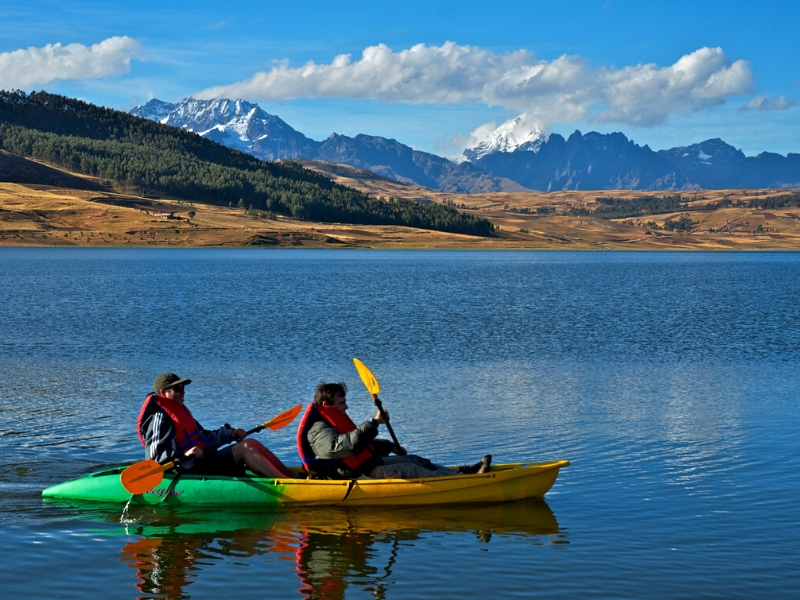
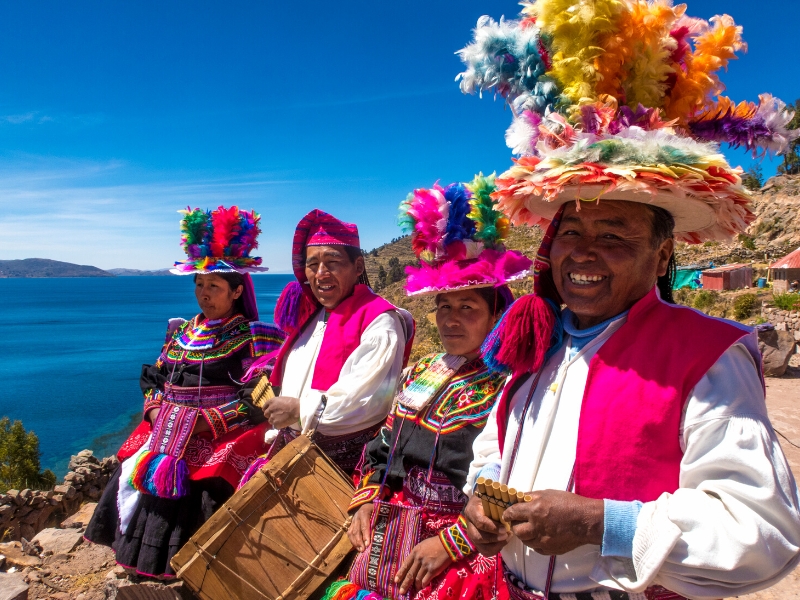
It’s what you do in a destination that helps bring it to life. It’s why we strive to choose experiences that help you connect to a place, absorbing a little of its complex character. Wherever your passions lie, we’ll recommend experiences that speak to you, and we’ll recommend the guide or local expert who’s most qualified to help you explore. Packing your holiday full of special experiences means some early starts and long days, but you can be sure that you’ll return home with many incredible memories! Read our Tours and check the Physical Ratings to see if the pace and activity levels are right for you.
STAYS WITH DIFFERENCE
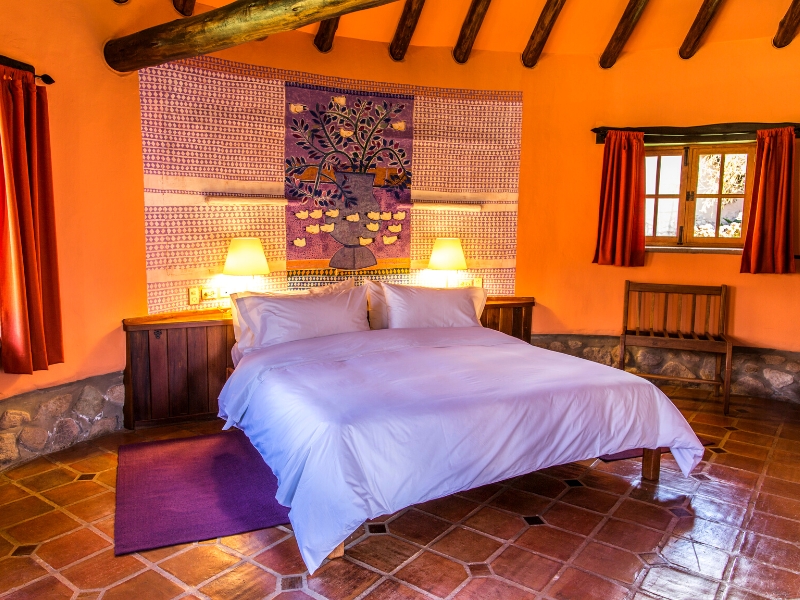
We know that where you stay is a cherished part of your travels. So, we go to great lengths to find places to stay that exceed expectations, or go above and beyond the ordinary, whether in their character, hospitality, or location. Over the years, we’ve discovered the very best properties, trying and testing them, so we can choose the right one for you. We’ve nourished long-standing relationships with these establishments and the people who founded them, and we’ve stayed there many times often, we’ll even know which rooms have the best views (and reserve them for you).
TRAVELLING THE RIGHT WAY
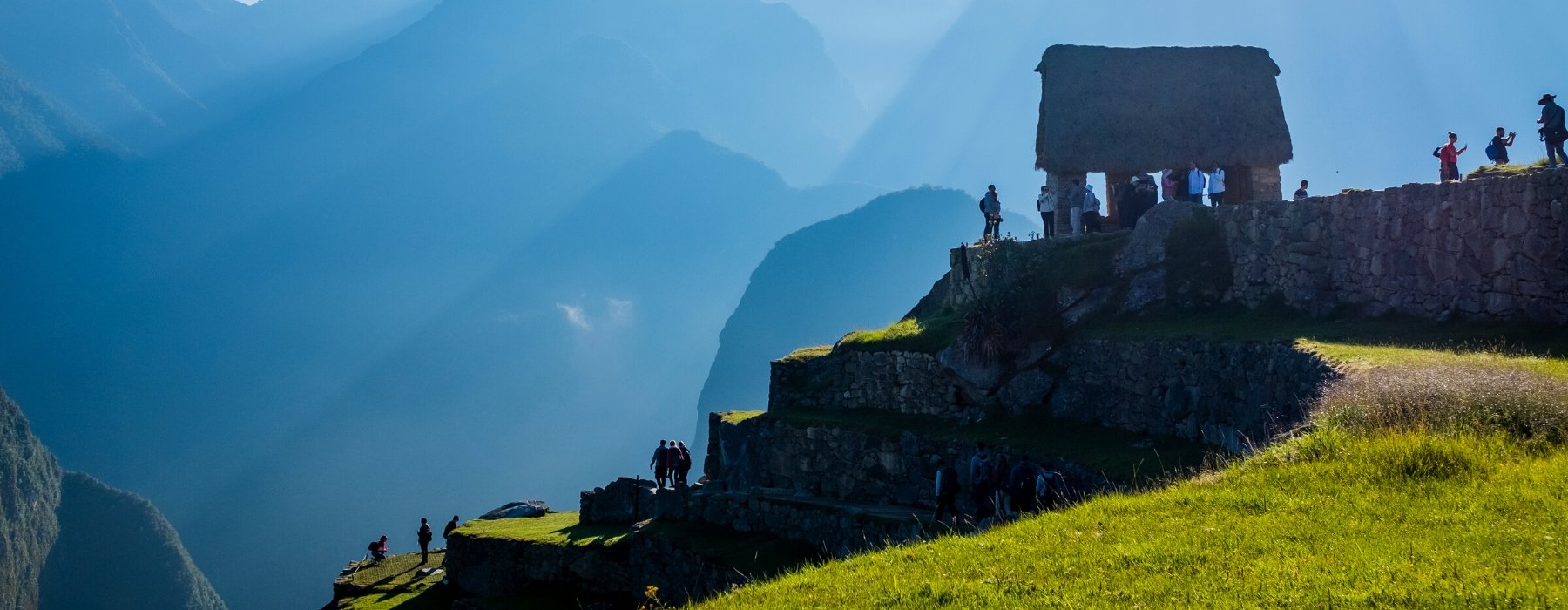
Our style of travel — authentic, thoughtful, and focused on building meaningful connections to the people and places you visit — is inherently respectful and considerate of the destinations we love. We design each aspect of your trip exactly as you want it, which includes its sustainability. That might mean choosing a train journey instead of a flight, staying at eco-friendly wildlife lodges, or opting for experiences that give back to the communities you’re visiting. The choice is yours.
Responsible travel has always been at the heart of what we do. First and foremost, because it gives you the best experience, but, also because it helps to preserve the communities and landscapes you visit. This isn’t new for us we collaborated with local communities and outside experts so we can grow to be better ambassadors.
The most authentic and interesting experiences often directly benefit the local people. We prefer to buy local products that are produced in the organic farms of the Sacred Valley, we also have alliances with local artisan organizations who provide us with souvenir items for our clients, your money directly benefits the local economy.
Our style of travel — authentic, thoughtful, and focused on building meaningful connections to the people and places you visit — is inherently respectful and considerate of the destinations we love. We design each aspect of your trip exactly as you want it, which includes its sustainability. That might mean choosing a train journey instead of a flight, staying at eco-friendly wildlife lodges, or opting for experiences that give back to the communities you’re visiting. The choice is yours.
Responsible travel has always been at the heart of what we do. First and foremost, because it gives you the best experience, but, also because it helps to preserve the communities and landscapes you visit. This isn’t new for us we collaborated with local communities and outside experts so we can grow to be better ambassadors.
The most authentic and interesting experiences often directly benefit the local people. We prefer to buy local products that are produced in the organic farms of the Sacred Valley, we also have alliances with local artisan organizations who provide us with souvenir items for our clients, your money directly benefits the local economy.
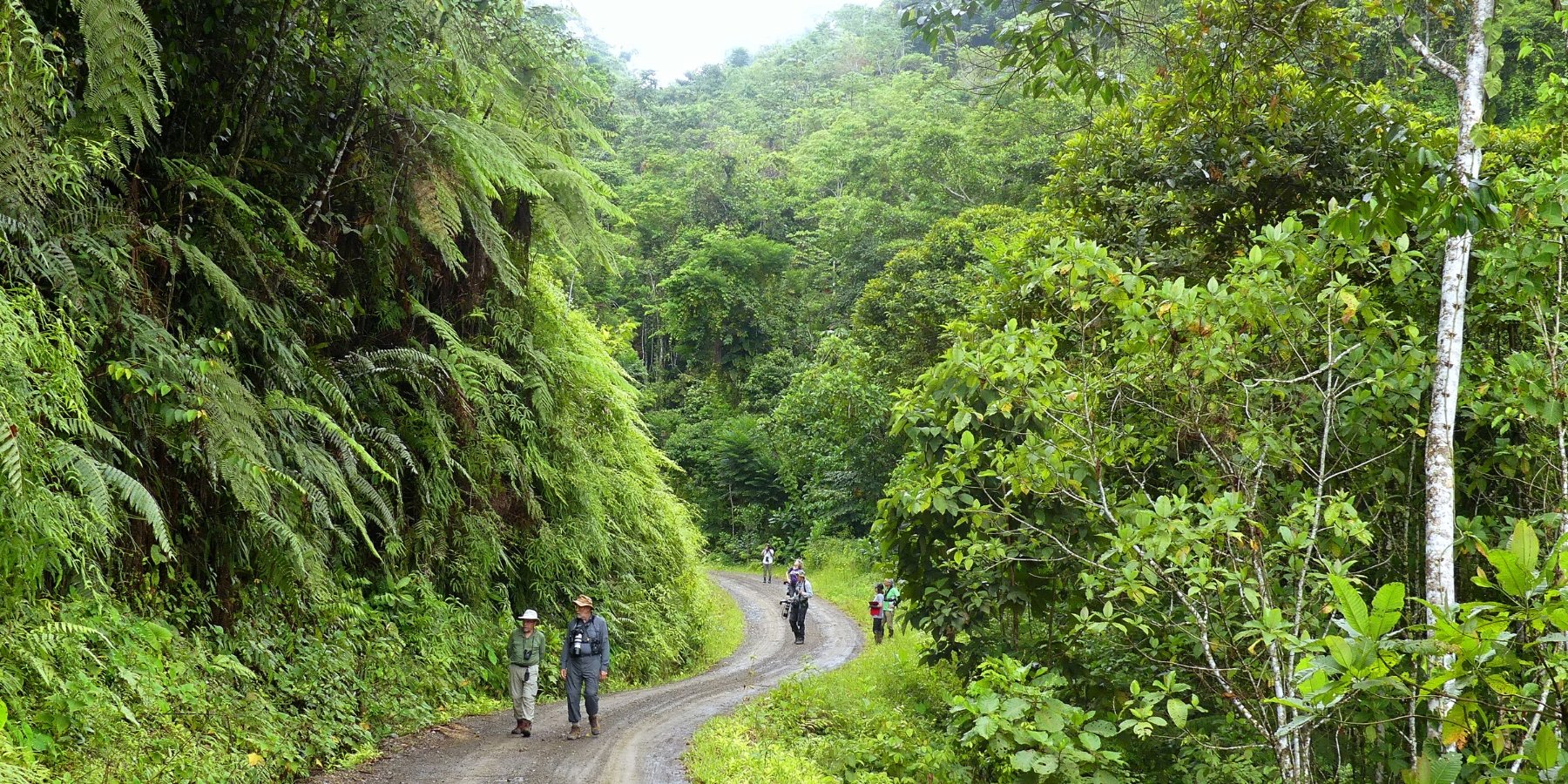
WE EXPLORE WITHOUT AFFECTING THE ECOSYSTEM
We want travel to change us, and not the World
‘There’s a saying: we don’t inherit the Earth from our ancestors, we borrow it from our children. When we show you our country, this philosophy guides everything we do. It’s our responsibility to preserve the environment and wildlife, and support communities. That means using slower modes of transport, like cycling, employing local people, and working with communities who’ll benefit directly from your visit. This also gives you the best, most authentic impression of the places we want to share with you.
We prefer to buy local products in ecological bags, to avoid the use of plastic bags, likewise we teach the use of soaps and ecological products in each tour that we organize. We also work on reforestation projects with local communities who take care of landscape resources such as communal reserves, national parks.
We want travel to change us, and not the World
‘There’s a saying: we don’t inherit the Earth from our ancestors, we borrow it from our children. When we show you our country, this philosophy guides everything we do. It’s our responsibility to preserve the environment and wildlife, and support communities. That means using slower modes of transport, like cycling, employing local people, and working with communities who’ll benefit directly from your visit. This also gives you the best, most authentic impression of the places we want to share with you.
We prefer to buy local products in ecological bags, to avoid the use of plastic bags, likewise we teach the use of soaps and ecological products in each tour that we organize. We also work on reforestation projects with local communities who take care of landscape resources such as communal reserves, national parks.
DISCOVER MORE SIMILAR TOURS: TOUR TO COLCA CANYON 1 DAY
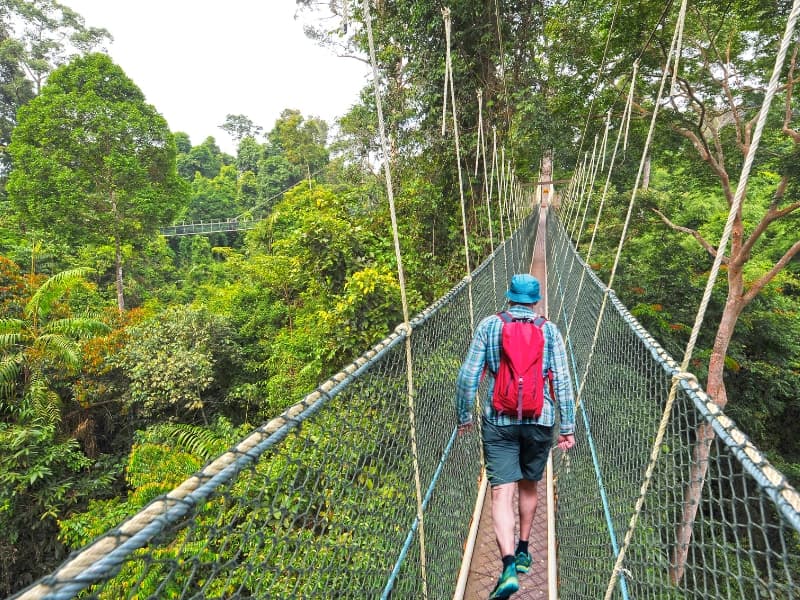
Deep Amazon Rainforest Tour 5 Days
A trip to the rain forest is filled with interesting possibilities for adventure, whether through cultural exchange, photography, fishing, hiking, birding or wildlife spotting .The Amazon is one of Earth’s last refuges for jaguars, harpy eagles, and pink river dolphins, and home to thousands of birds and butterflies.


Iquitos Jungle Tour 4 Days
Embarking on a 4-day Iquitos jungle tour is not just a getaway; it’s an adventure that immerses you in the breathtaking beauty and vibrant culture of the Amazon rainforest. Picture yourself surrounded by towering trees, exotic wildlife, and the soothing sounds of nature.
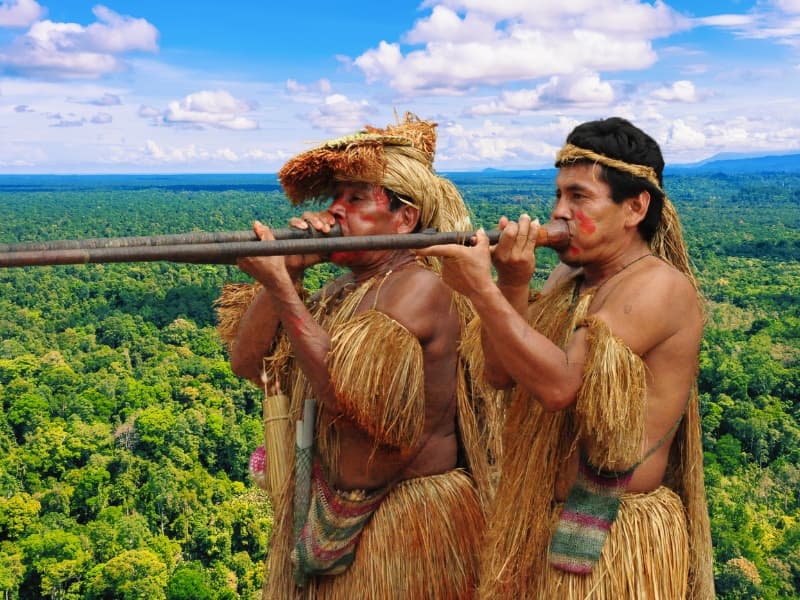
Iquitos Amazon Tour 3 Days
In the heart of the Peruvian Amazon, there is a natural paradise that will leave you breathless: Iquitos. With its impressive biodiversity, gastronomy, wildlife, lush jungle and a culture that is intertwined with nature.
What our clients say about us