Discover Peruvian sweets, rich in flavor and tradition
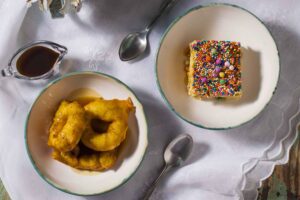
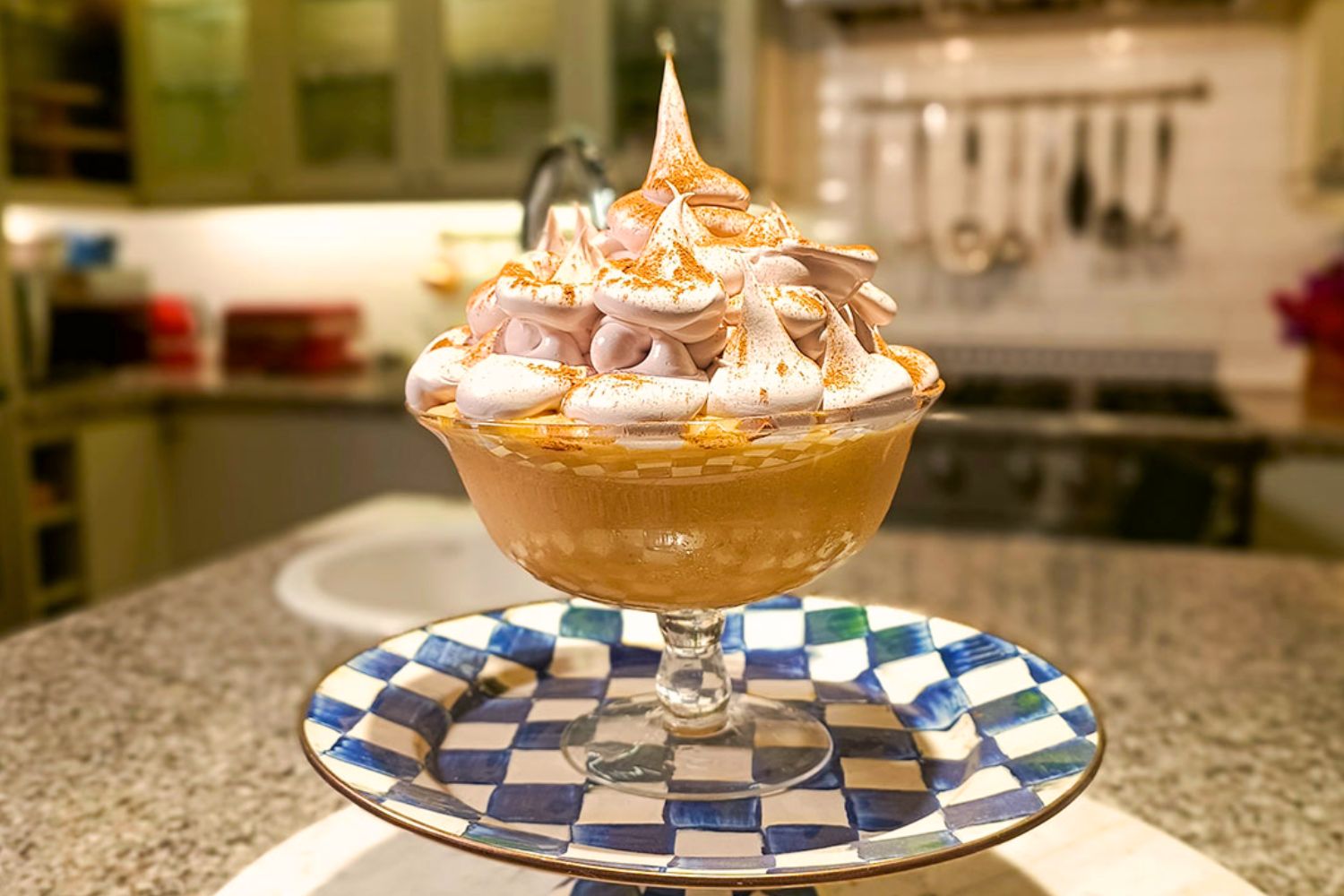
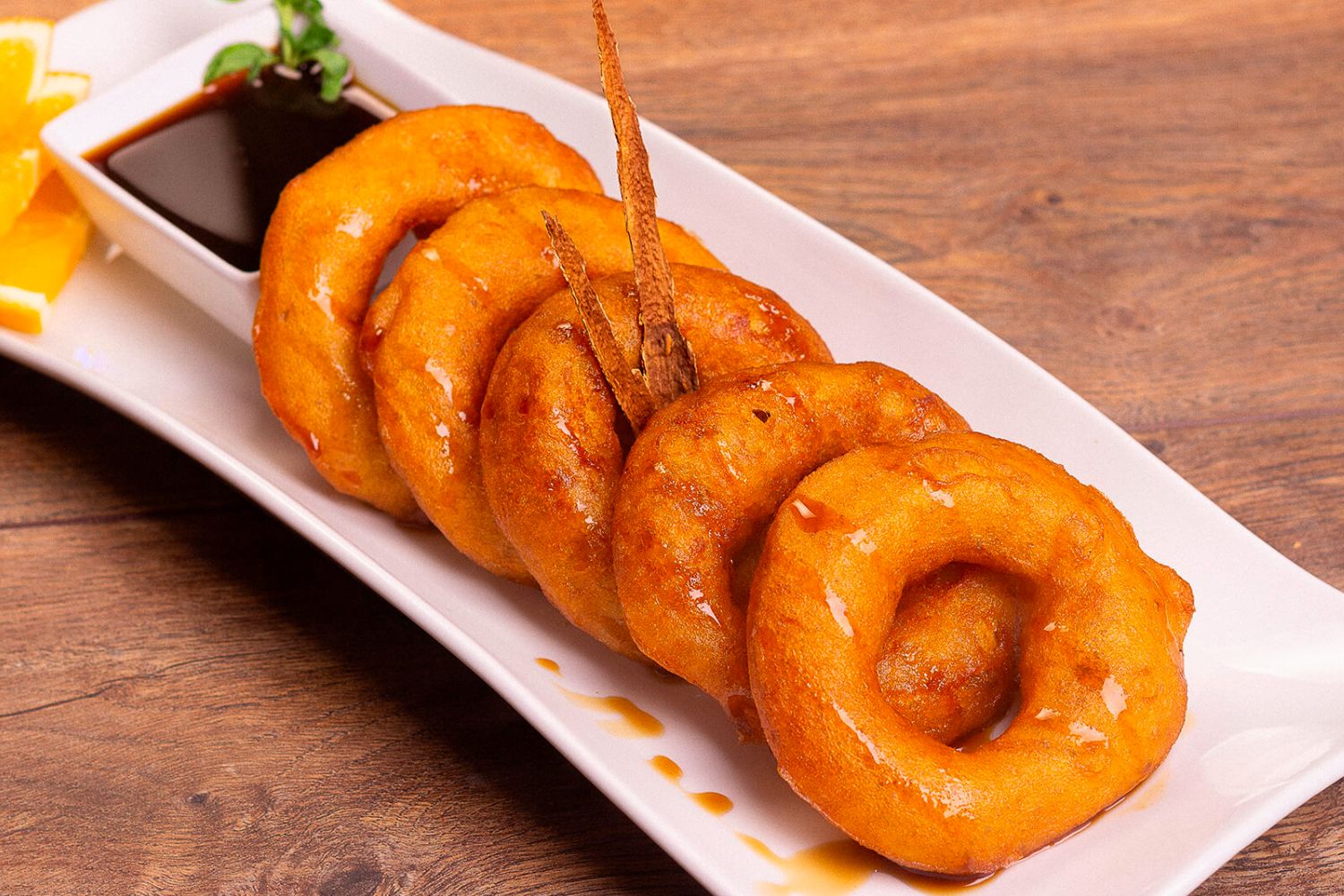
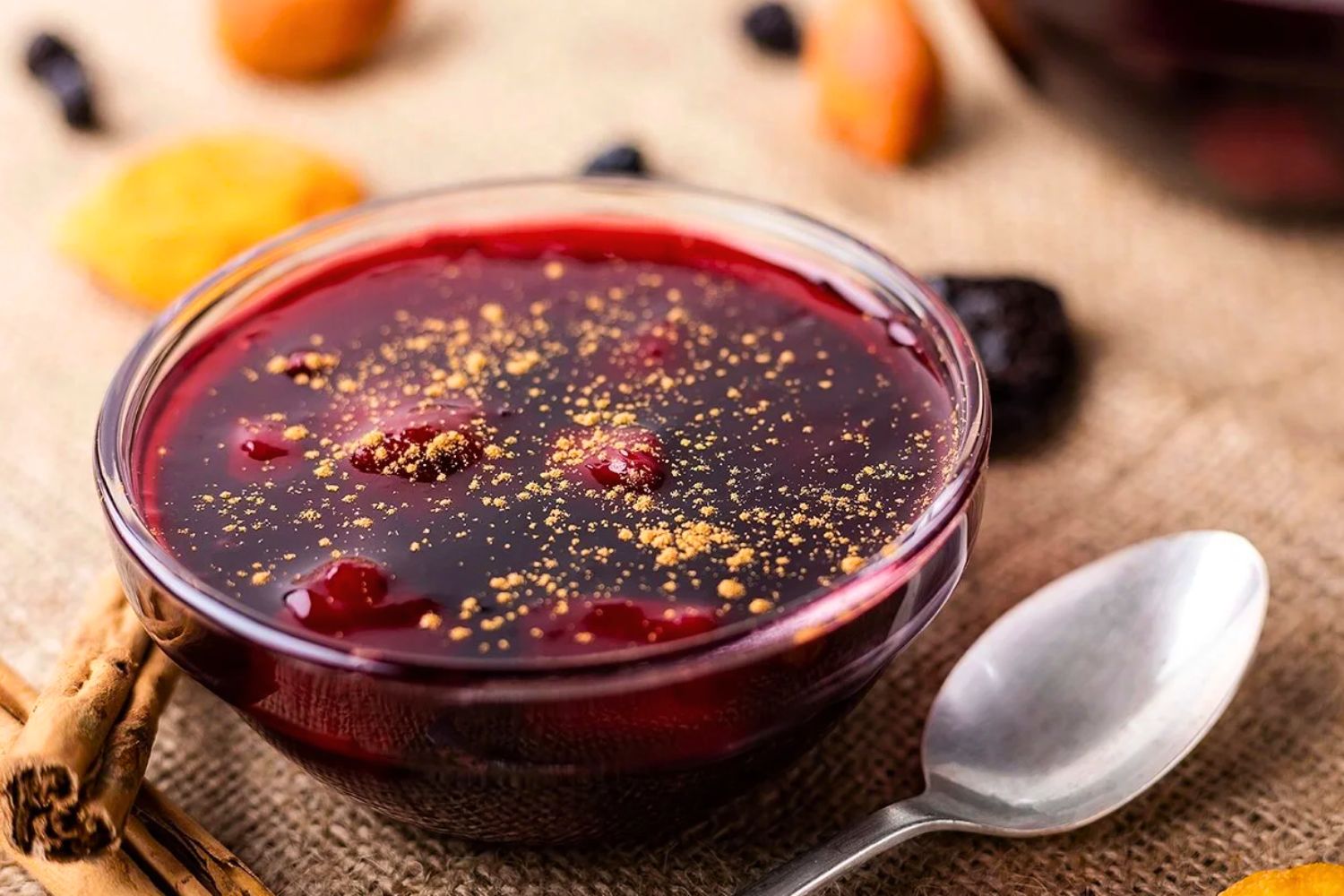
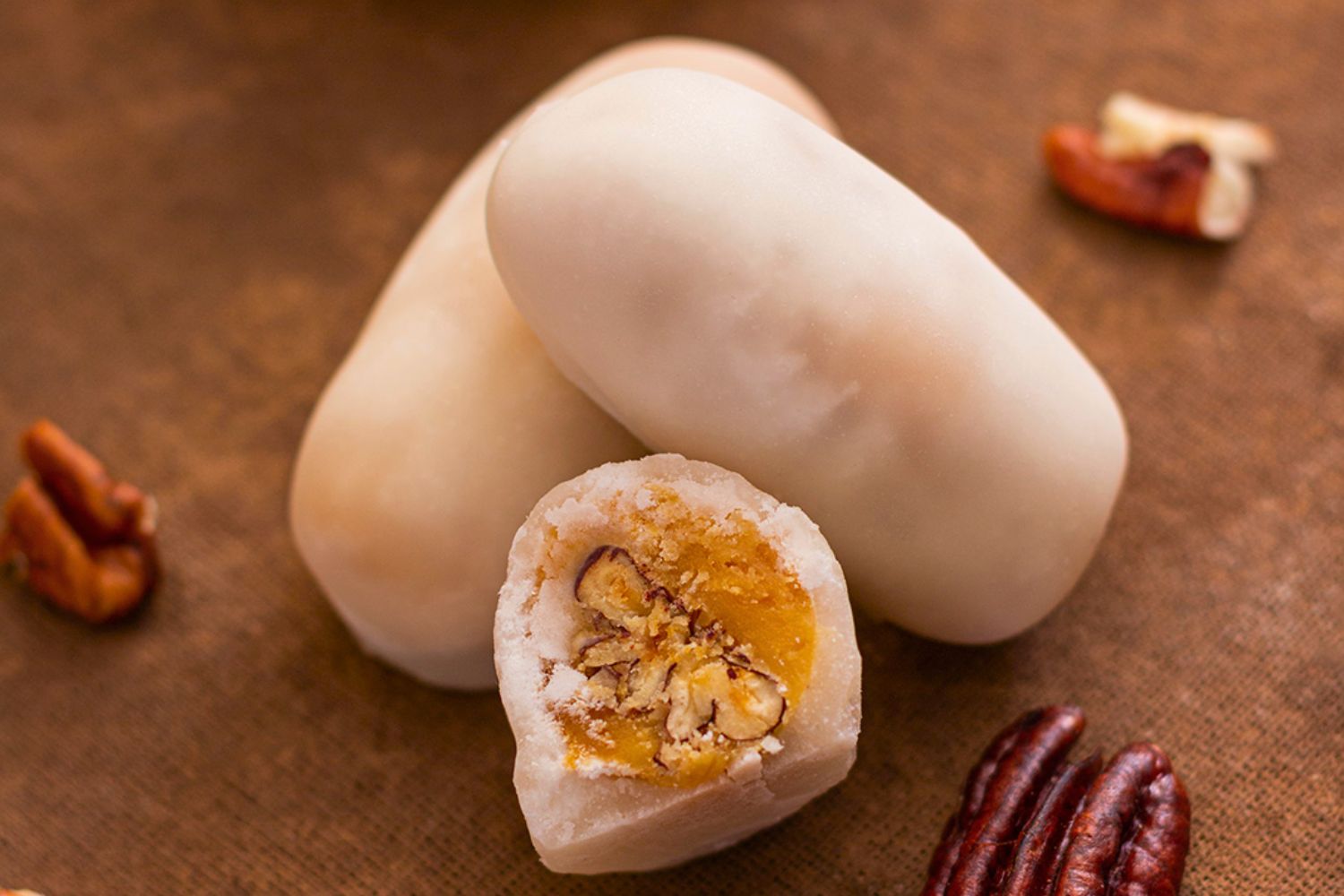
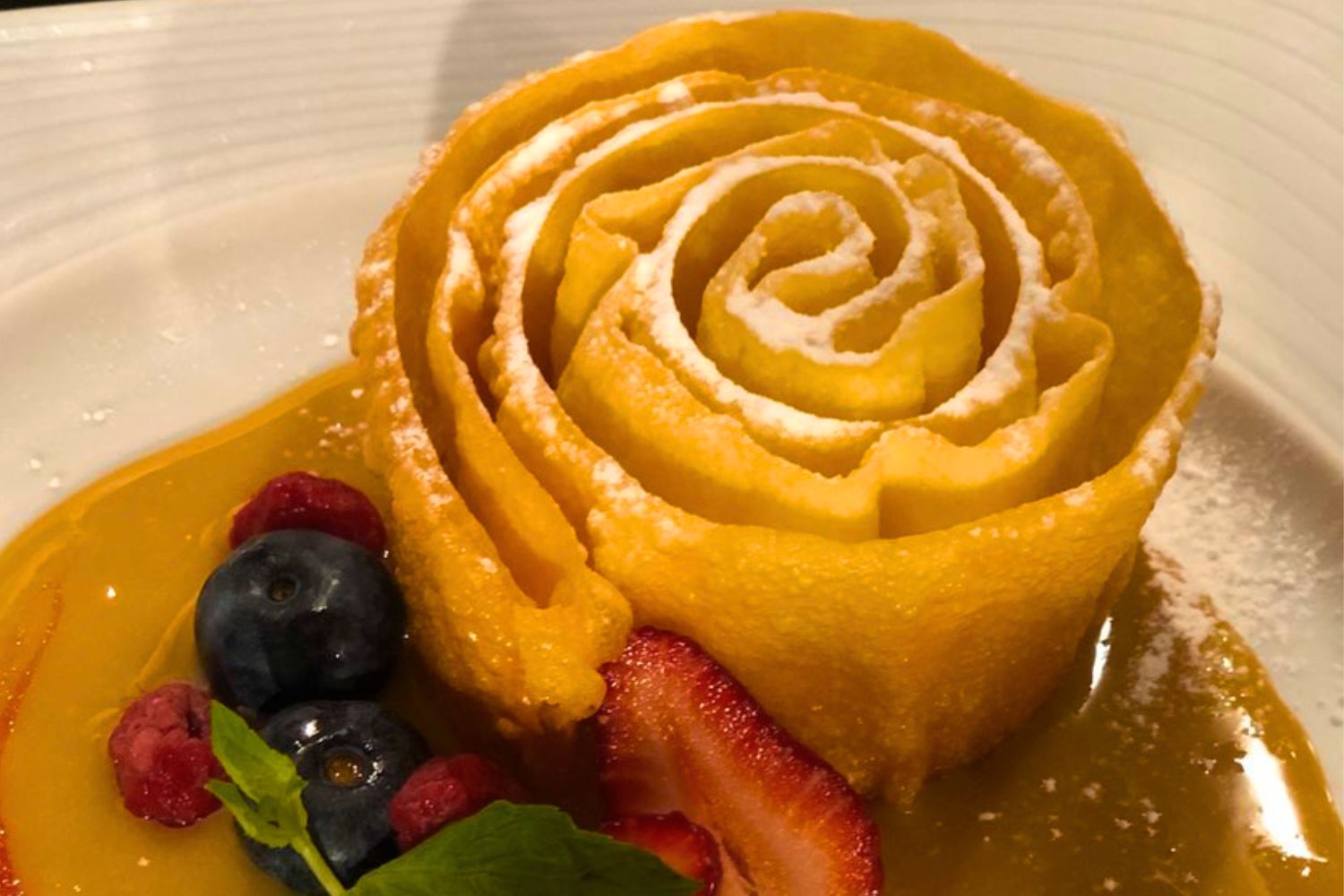
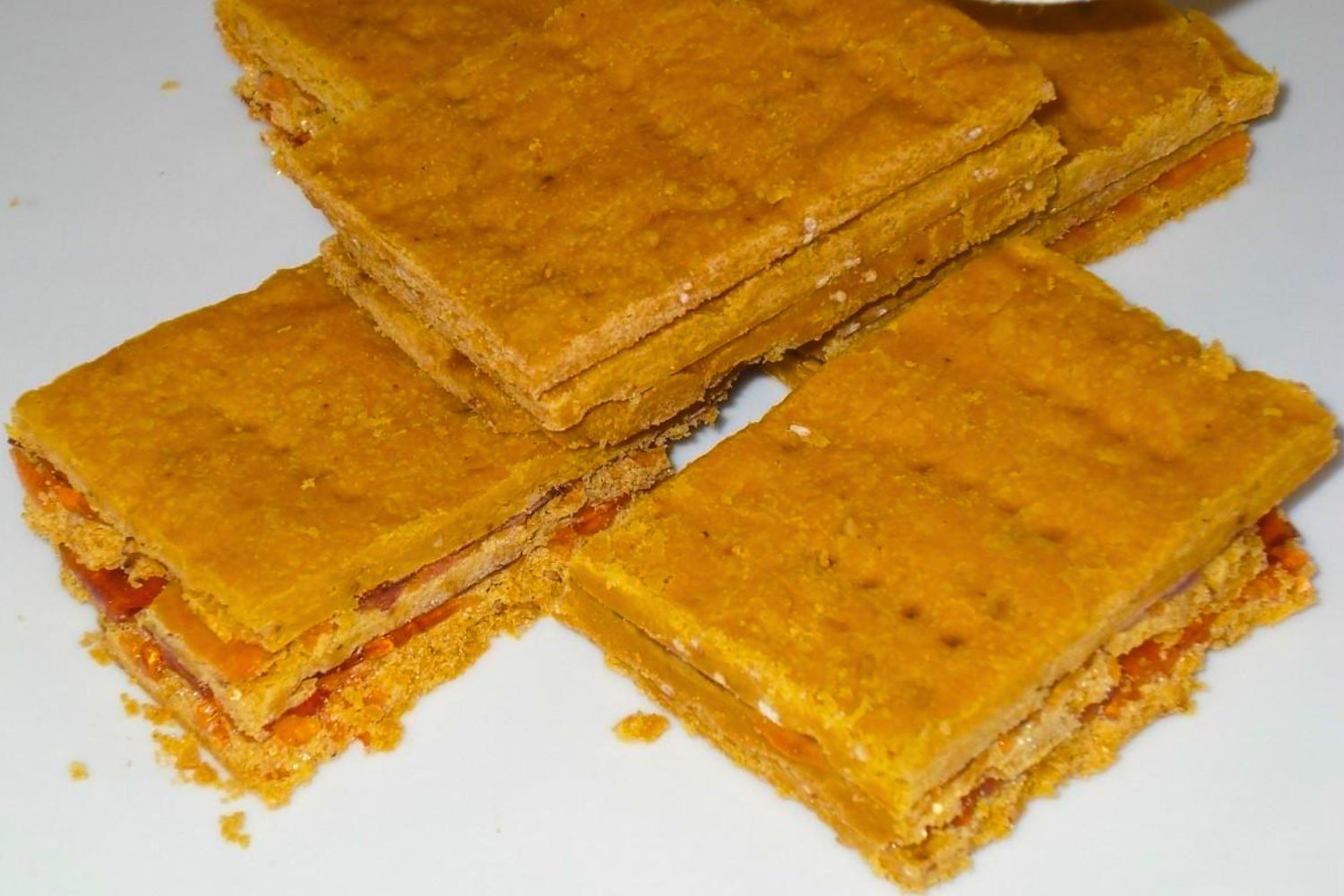
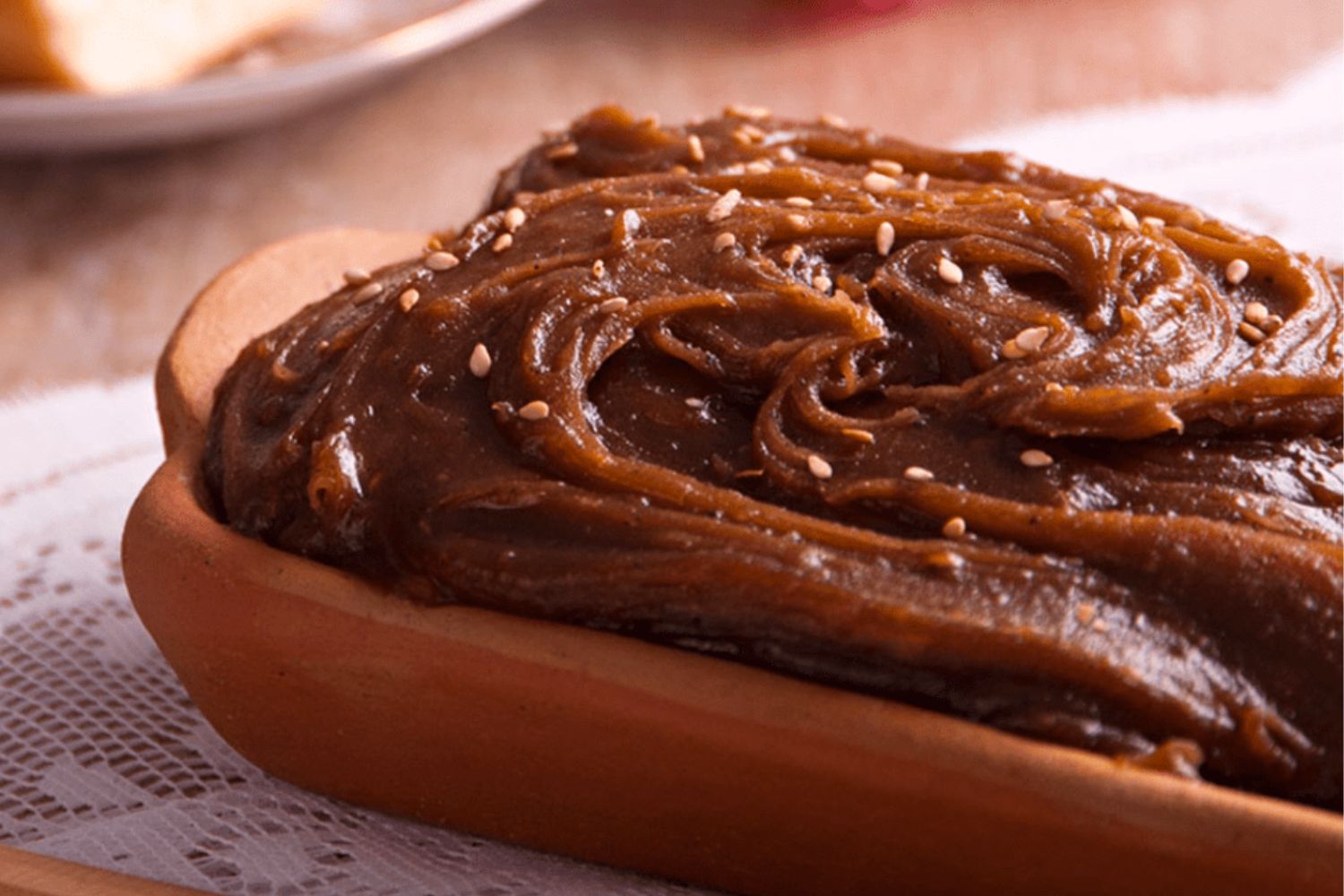
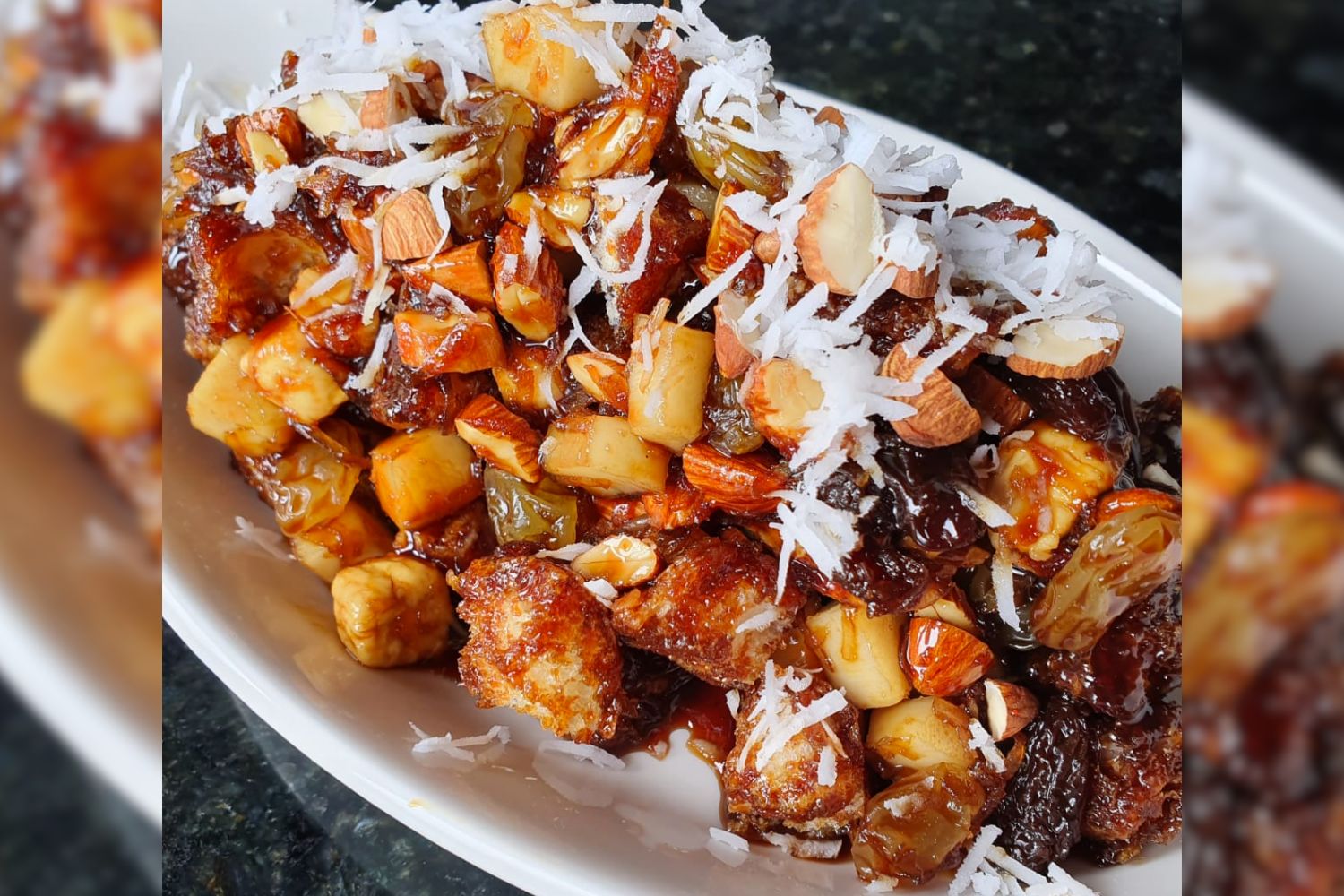
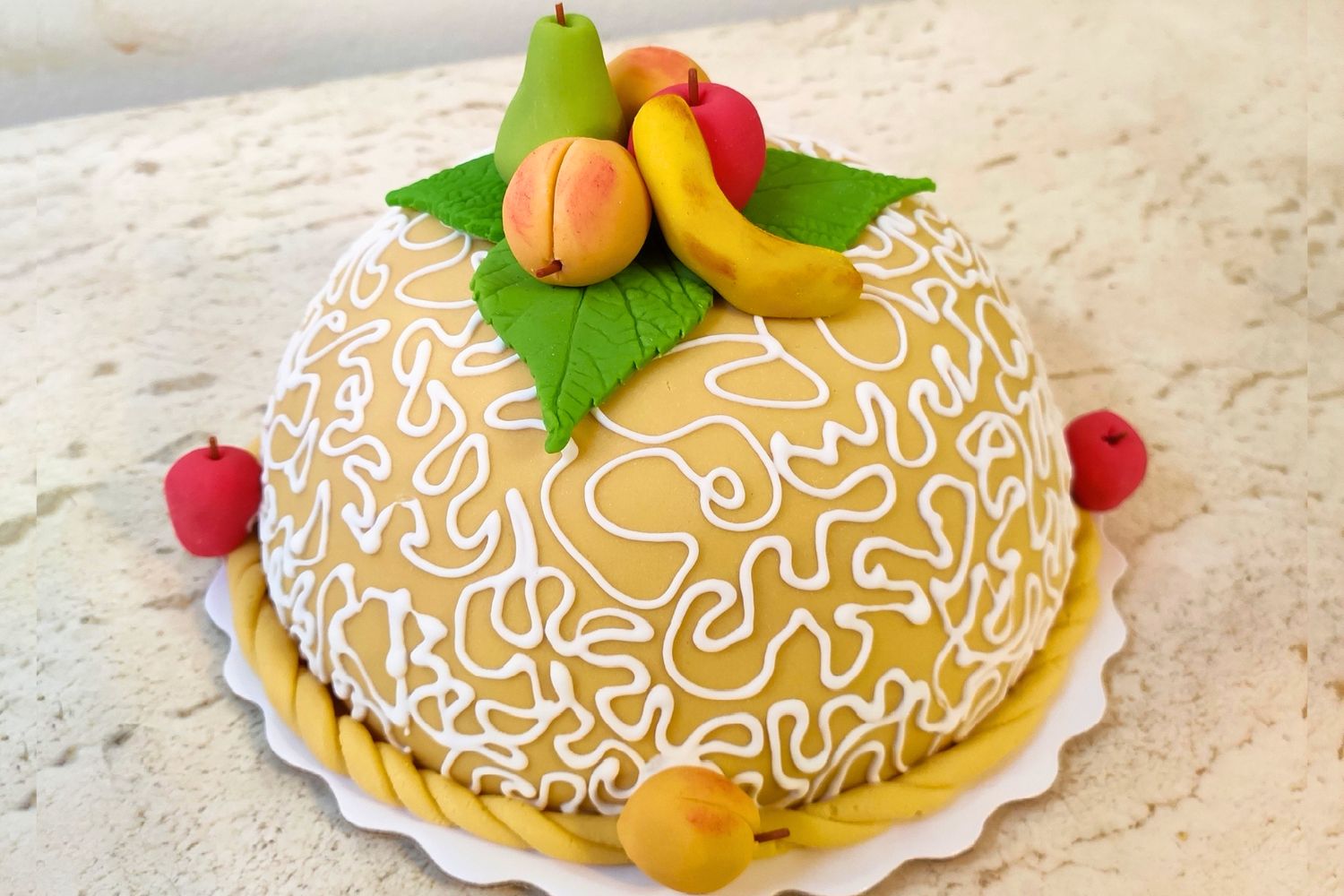
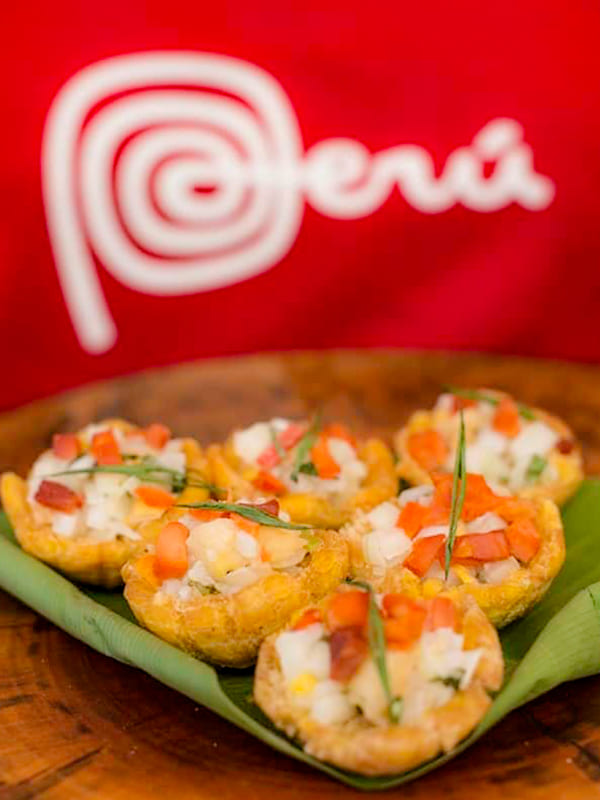
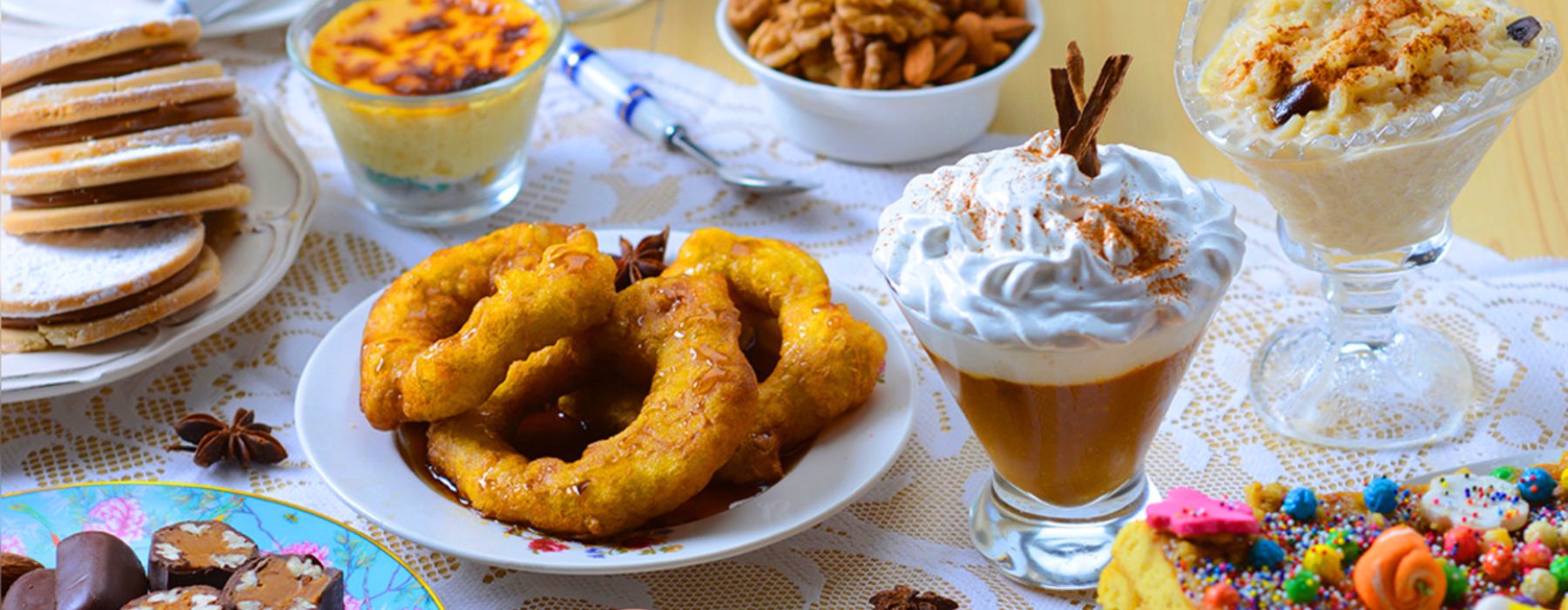
Peruvian desserts are a delight that reflect the rich culinary tradition and cultural diversity of Peru. With indigenous, colonial and immigrant influences, these sweets delight with their unique and varied flavors. Among the most popular desserts are suspiro limeño, mazamorra morada and picarones, each with a special combination of local ingredients and ancestral techniques. Peruvian markets and restaurants offer a selection of delicious sweets that allow tourists to enjoy the culture and traditions of the country through its flavors. Tasting Peruvian desserts is an unforgettable experience on any trip to this enchanting country.
It is normal that everyone wants to know Peruvian desserts since we are talking about one of the Latin American countries with the best gastronomy. In this region there are all kinds of options, and the sweetest ones should also be known.
Peru is the cradle of great stews and desserts are no exception. This special bond originated in the 16th century with the arrival in the American continent of the Spanish conquerors, who brought with them inputs such as sugar cane and wheat, as well as cattle and goats. This meant a great discovery for the ancient Inca settlers, who hardly perceived the sweet taste of fruits such as lucuma and custard apple. This is how novel products such as sugar, flour and milk arose, which were used to prepare innumerable and exquisite desserts, which allowed the birth of Peruvian confectionery, as unique as it is appreciated.
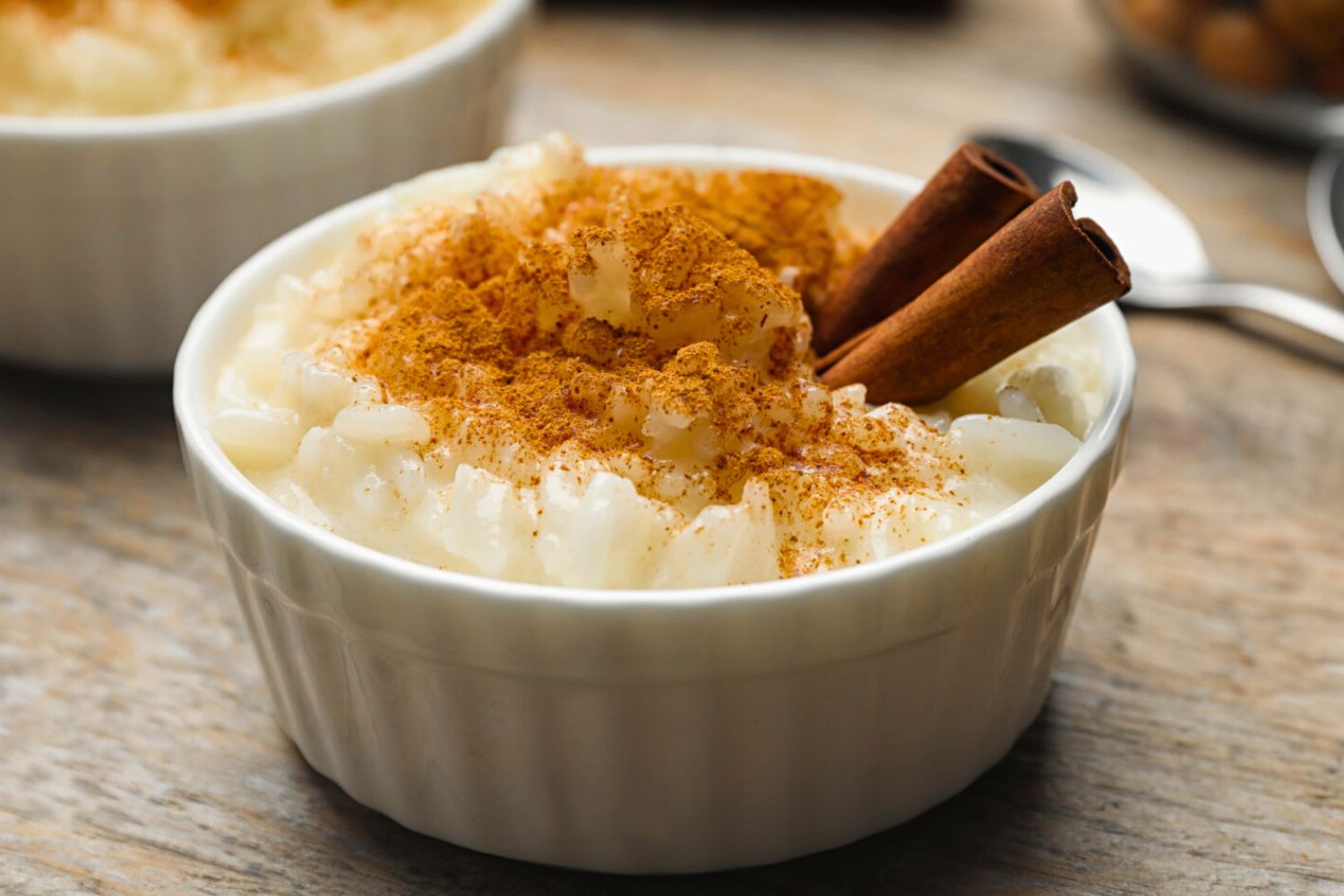
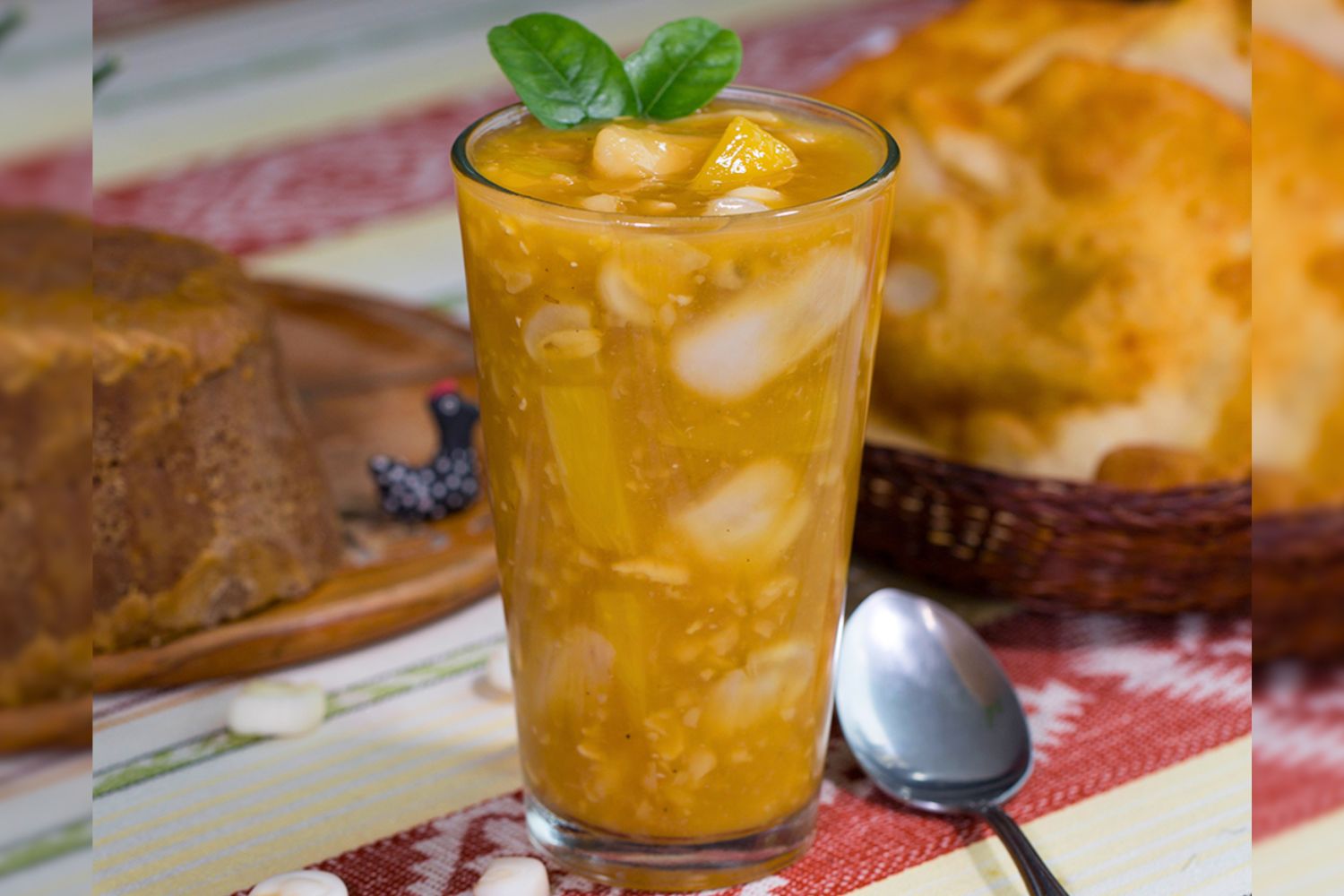
And it is that there is no Peruvian or foreigner who resists the temptation to savor a purple Mazamorra, a Suspiro a la Limeña, some Picarones or an Arroz pudding. Either to round off a lunch or to satisfy a craving during the afternoon. Any moment is ideal to be happy together with one of the many sweets that the gastronomy of Peru can offer you.
The best peruvian desserts
With the arrival of the Europeans to the American continent, an indispensable input for the current Peruvian desserts also arrived: sugar. Coming from the Old World, it soon began to be combined with local products to lay the foundations of the delicious and varied pastry that we enjoy today. The Peruvian candy culture then began its definitive process of consolidation. With the extremely high production of sugar in Peruvian territory and the perfect combination of native and foreign products, the rise of Peruvian confectionery began.
In this period, the role of the convents was essential, venues in which our desserts were strengthened thanks to the dedication and almost mystical dedication of the nuns. They were in charge of devising and preparing with their skillful hands several of the delicacies that surprise and captivate us to this day. At that time, the Spanish nuns brought to our country the knowledge of the great Moorish cooks, and it was the Creole novices together with the Indian servants, black slaves and women who were allowed to enter the convents who learned the techniques.
It was usual in those years for women to enter the convent to be nuns and others to visit it regularly to learn to embroider, cook, paint and «learn to be good wives».
According to a publication by Hipólito Unanue (1755-1833) for the year 1797 there were 14 convents in Lima, 3 in Cusco and Arequipa, 2 in Huamanga and Trujillo and one in Cajamarca. And it is from these places where the desserts and sweets of the time came directly to the homes of wealthy families. It was a matter of time and the sale of these products became the main income for some convents, such as Arequipa. It was only during the first decades of the 20th century that the first private sweet shops and pastry shops appeared, putting an end to the success of the convents. Today there are very few who sell their desserts and sweets.