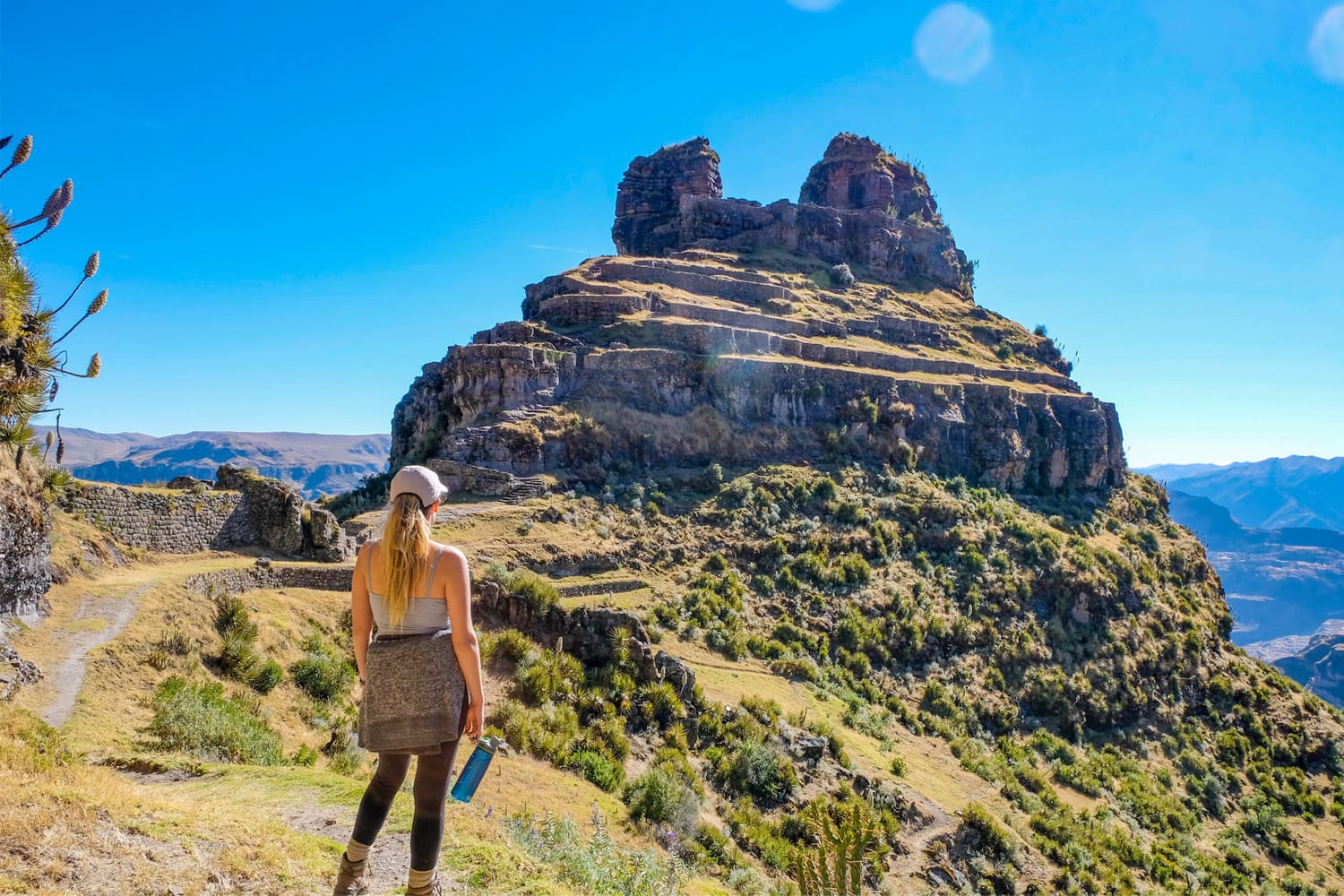
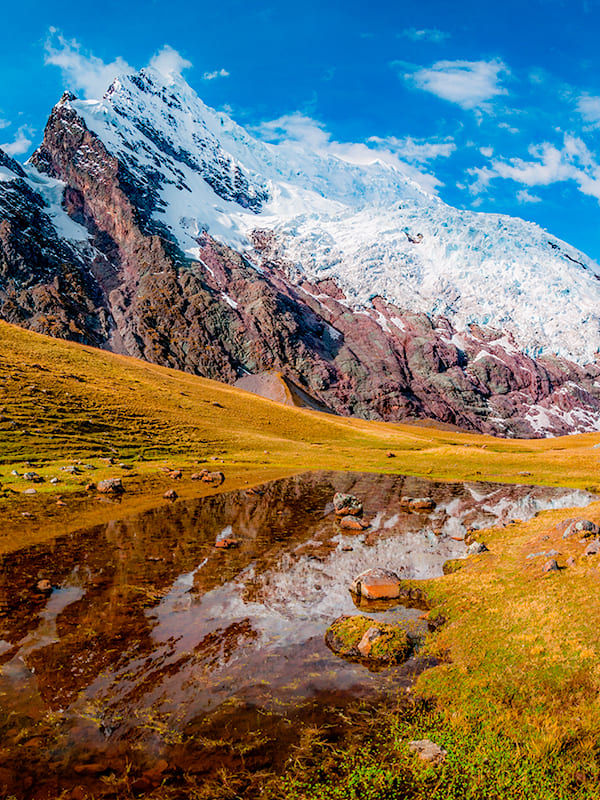
The Waqrapukara Fortress is one of the most fascinating and least known archaeological destinations in the Cusco region, Peru. It is located in the Acomayo district, south of the city of Cusco, and offers an impressive combination of history, Inca architecture and panoramic views.
Main features of Waqrapukara:
- Location: The Waqrapukara Fortress is located on an impressive cliff in the province of Acomayo, about 3,600 meters above sea level. It is located about a 3-4 hour drive from Cusco, making it a great option for travelers looking to explore off the beaten path.
- Name: The name "Waqrapukara" comes from the Quechua words "waqra" (horn) and "pukara" (fortress or hill), which could refer to the particular shape of the site, which resembles a horn or a rocky protuberance. Some researchers suggest that the name also refers to its use as a control or defense point in the region.
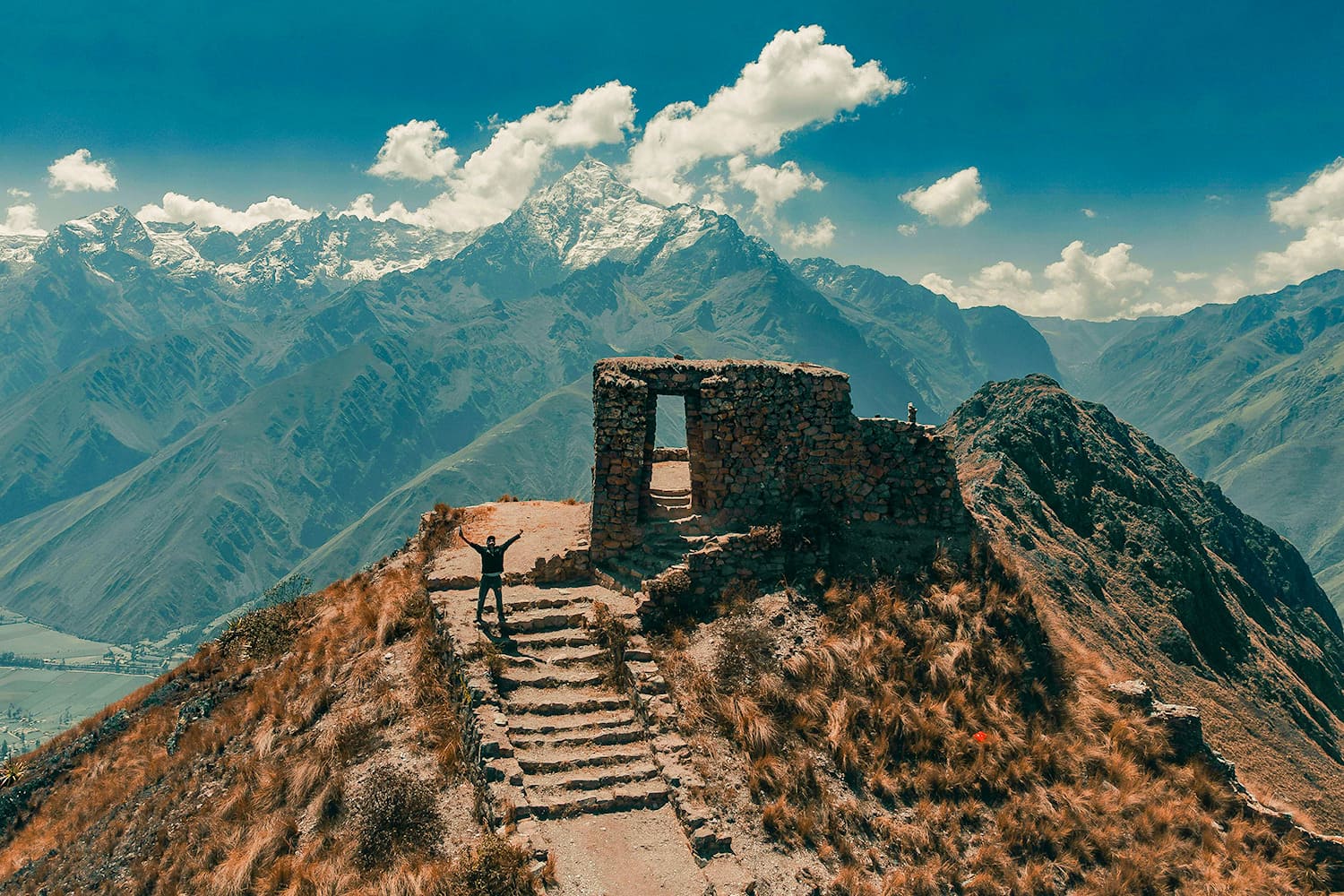
- Architecture and structure: Waqrapukara is known for its impressive architecture and strategic location on a cliff. The fortress is made up of a set of plazas, terraces and walls built with well-carved stones. One of the most notable elements is its main square, surrounded by structures that seem to have had a ceremonial or defensive use. You can also see platforms (agricultural terraces) and tunnels that probably served as access or defense routes.
- History: Although its exact origin is not completely clear, it is believed that the fortress was built by the Quechua culture long before the arrival of the Incas. Later, the Incas could have used the site for military or ceremonial purposes. It has been speculated that Waqrapukara may have been an important center of resistance in the region, especially during the expansion of the Inca Empire.
- Access routes: Most visitors access Waqrapukara through a walk that lasts between 2 and 3 hours, depending on the route chosen. The hike is challenging due to the steep slope and altitude, but rewards travelers with spectacular panoramic views of the surrounding valleys, mountains, and rock formations. The trail passes through beautiful natural landscapes, making it a unique experience.
- Panoramic Views: One of the most notable features of Waqrapukara is the stunning view it offers of the valley and surrounding mountains. From the fortress, you can see impressive rock formations, deep valleys and other archaeological structures nearby. The landscape is ideal for lovers of photography and nature.
- Accessibility and Tourism: Although Waqrapukara is not as well known as other archaeological sites in Cusco, such as Machu Picchu or Sacsayhuamán, it is gaining popularity among tourists looking for a quieter and less crowded experience. The site is ideal for those seeking adventure and want to learn more about Inca history without the crowds.
Tips for visiting Waqrapukara:
- Acclimatization: Due to its altitude, it is advisable to be acclimatized before doing the hike to avoid altitude sickness (soroche). Make sure you rest and drink enough water.
- Clothing and equipment: Bring comfortable walking clothes, hiking shoes, sunscreen, and a waterproof layer (if traveling during the rainy season).
- Local Guides: It is advisable to hire a local guide as they not only know the way but can also provide you with valuable information about the history and culture of Waqrapukara.
- Avoid the rain: The rainy season in Cusco runs from November to March, so if you prefer a drier and more accessible climate, the ideal is to visit during the season from May to October.
Cultural importance:
Waqrapukara has significant value in the history of the Andes, as it represents one of the most interesting pre-Inca fortifications in the region. Additionally, due to its location in a remote area, the site has remained relatively intact, making it a perfect place for those interested in archeology and pre-Inca Andean cultures.
In short, Waqrapukara Fortress is an impressive archaeological site that combines nature, history and architecture. If you like challenging hikes and off-the-beaten-path experiences, this is a place you can't miss if you are in Cusco.