During the route of all the sections of the
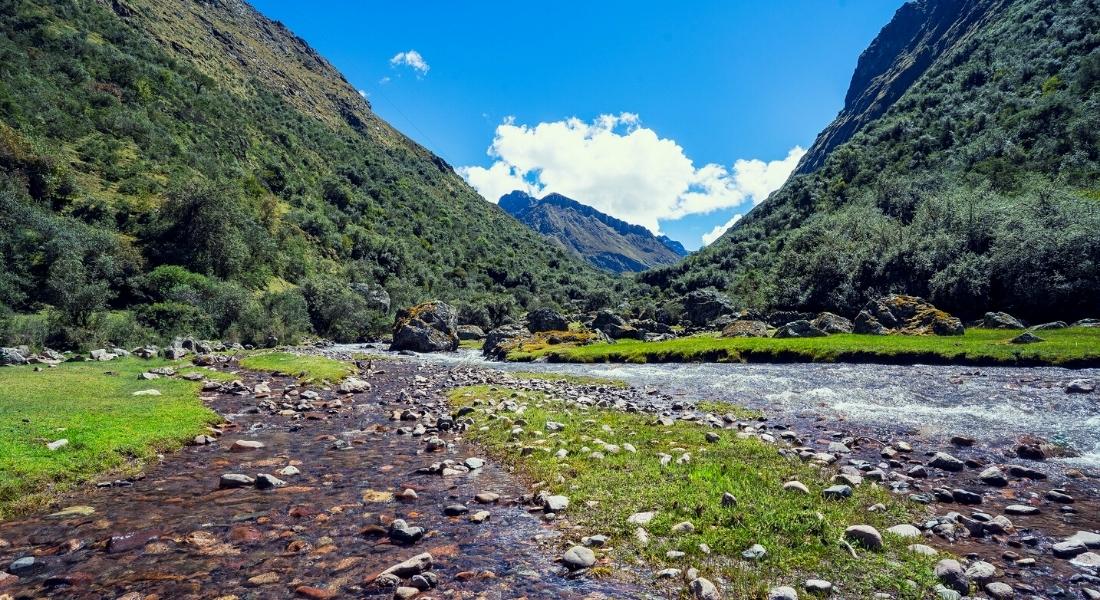
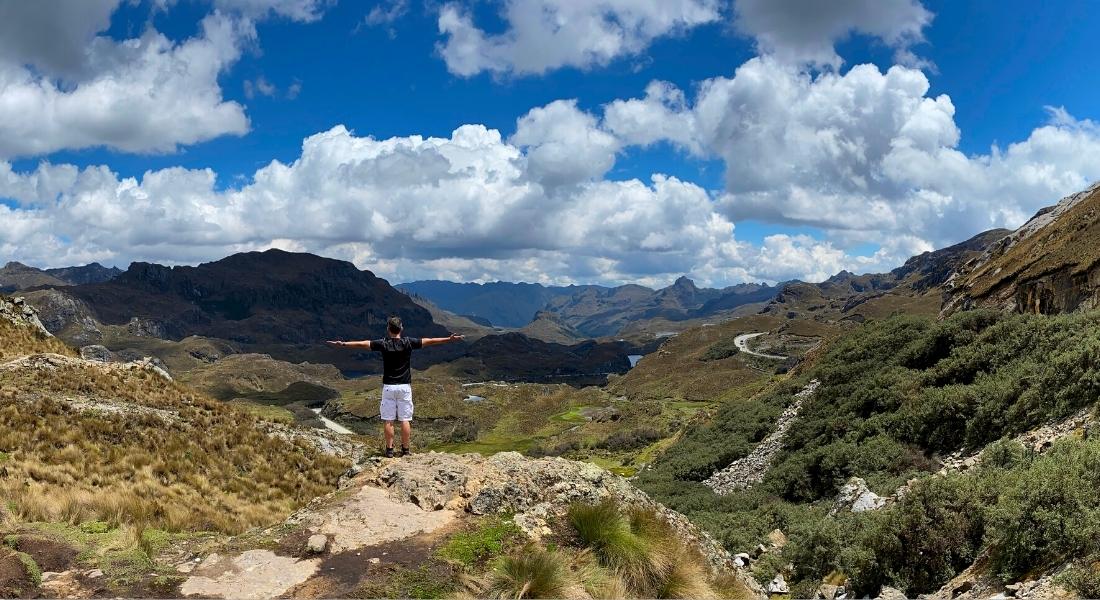
Lares Trek, terrestrial and freshwater ecosystems can be seen, whose conditions and distribution are affected by the Andes mountain range, for this reason all these formations are considered Andean ecosystems, they are the least known and the most threatened, mainly by deforestation and degradation due to the expansion of agricultural activities.
Life zones and ecosystems of the Lares Trek
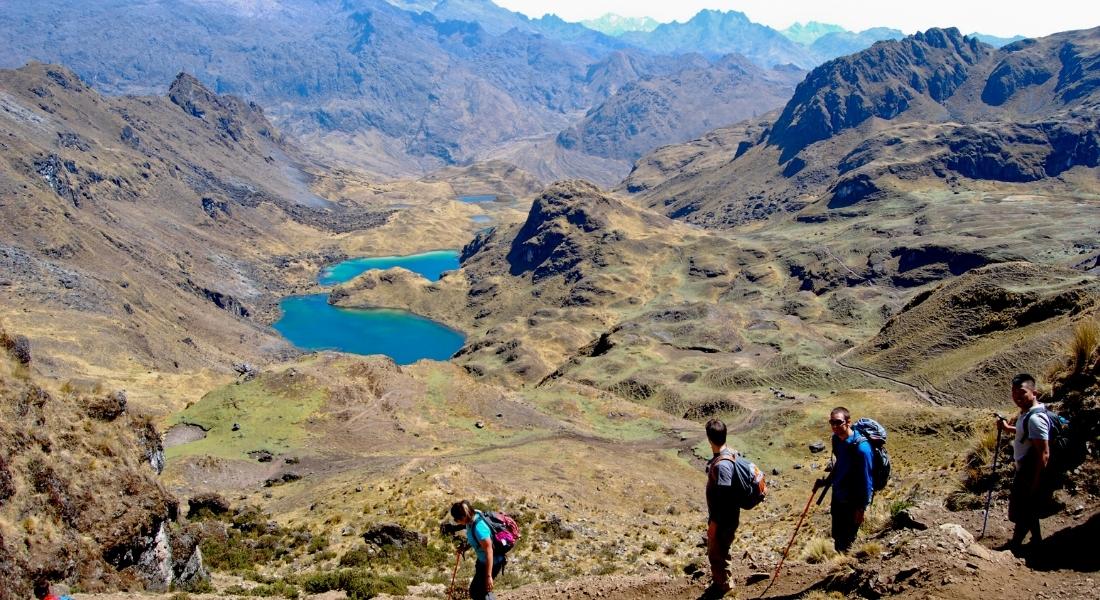
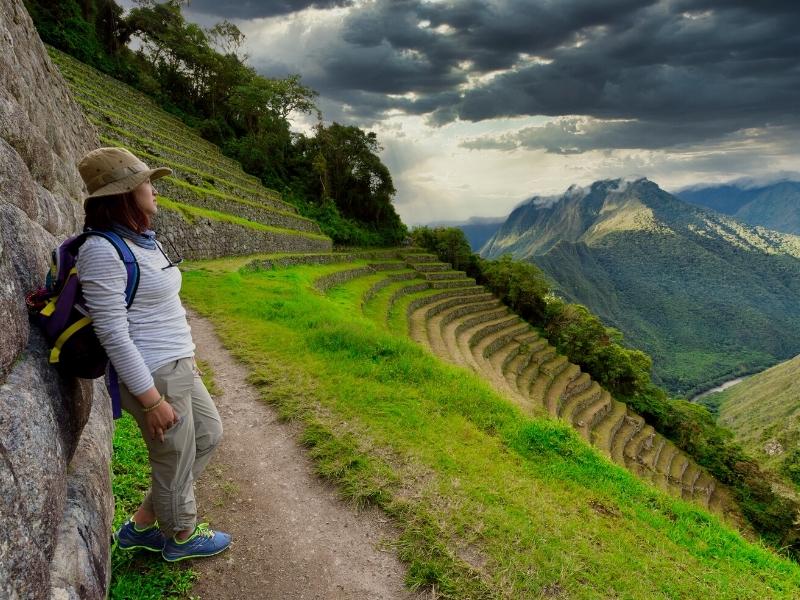
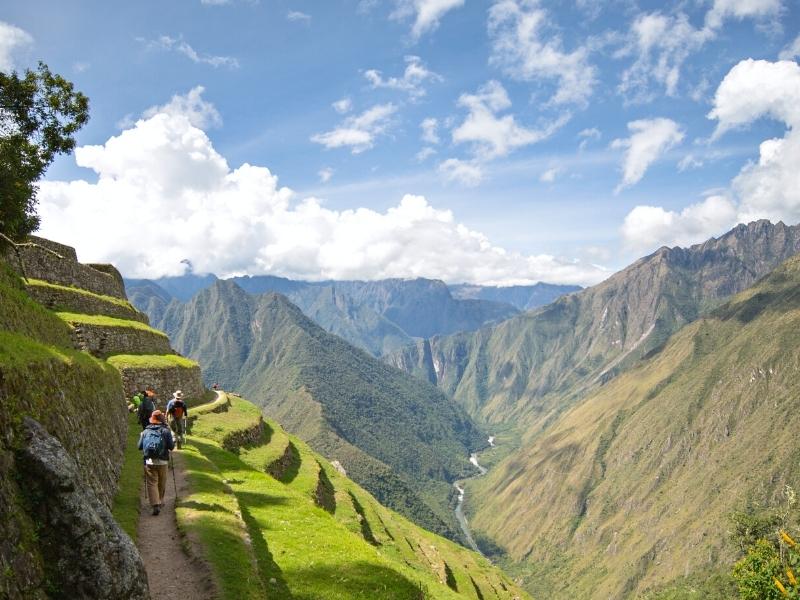
The section from Lares to Huaran, is made up of different ecosystems, the climatic characteristics and the physiography of the tropical Andes constitute a unique region with a high diversity of habitats, product of complex spatial and environmental gradients of the Andean mountain range, in addition to the landscapes They are made up of associations of grasslands and puna grass, humid-thorny thickets and high Andean forests, where a high diversity of flora and fauna develops, as well as important endemic species; This variety of plant formations due to climate and physiography allow man to grow crops of different varieties, favoring the expansion of populations in these areas.
a.- Humid Scrub of Inter-Andean Valleys:
This plant formation is characterized by the predominance of a dominant bushy vegetation, semi-dense and they can measure up to 3 meters in height. These thickets develop in the ravines located between the inter-Andean and Meso-Andean valleys, from 2,500 to 3,800 meters above sea level.
Associated with the bushy vegetation it is possible to find some tree species of humid habitat. The most frequent species are: Escallonia resinosa, Escallonia mytilloides, Baccharis latifolia, Baccharis chilco, Baccharis sp, Berberis boliviana, Berberis carinata, Berberis lutea, Monnina salicifolia, Oreopanax sp, Brachyotum sp, Mirsine andina, Duranta armata, Saracha punctata and others. At present, a small proportion of herbs and shrubs are extracted from these thickets for domestic purposes (medicine, firewood, etc.), they are also subjected to extensive grazing by cattle and sheep, as well as opening areas within these thickets for agricultural activity.
b.- Sub-humid Wooded Scrub of Inter-Andean Valleys:
They are characterized by the predominance of shrubby vegetation associated with tree species, which are scattered; these wooded thickets can reach heights of 4 to 5 meters. This type of vegetation is located from 1,300 to 3,800 meters of altitude and develops on undulating to very rugged reliefs of the inter-Andean valleys of the Vilcanota Basins.
The tree species that occur in these thickets are: Oreopanax ichnolobus, Saracha punctata, Saracha spinosa, Duranta mandonii, Duranta armata, Gynoxys spp, Hesperomeles escallonifolia, Smallanthus sp, Boconia sp, Vallea stipularis, Escalonia resinosa, Escallonia myrtilloides, Polylepis racemosa, etc. The species of shrub layer are predominant in this type of vegetation, whose most important species are: Colletia spinosisma, Baccharis odorata, Baccharis chilco, Barnadesia horrida, among others.
At present, these wooded thickets are subjected to a selective extraction of shrub species for domestic use, and a small proportion of shrub and herbaceous species are used for all kinds of purposes.
c.- Puna grasslands:
It is characterized by the presence of grasses or grasses with a height of 50 cm, these grasslands are developed in areas with moderately inclined slopes and on stony slopes: The species that predominate in these grasslands are: Agrostis perennas, Aciachne pulvinata, Agrostis pulvinata, Calamagrostis rigescens, Calamagrostis vicunarum, Calamagrostis amoena, Calamagrostis heterophylla, Festuca orthophylla, Festuca dolychophylla, Festuca orthophylla, Poa spp; These grasslands are associated with shrubby herbaceous vegetation, whose important species are: Hypochoeris taraxacoides, Alchemilla pinnata, Arenaria lanuginosa, Cerastium triviale, Bomarea dulcis, Bomarea dolichophylla, Halenia bella, Gentianella sp, Gentiana postrata, Arenaria lanuginosa, Perezia pungens, Werneria villosa, Bidens triplinervia, Gnaphalium dombeyanum, Gamochaeta americana, Gamochaeta purpurea and others.
d.- Puna grass:
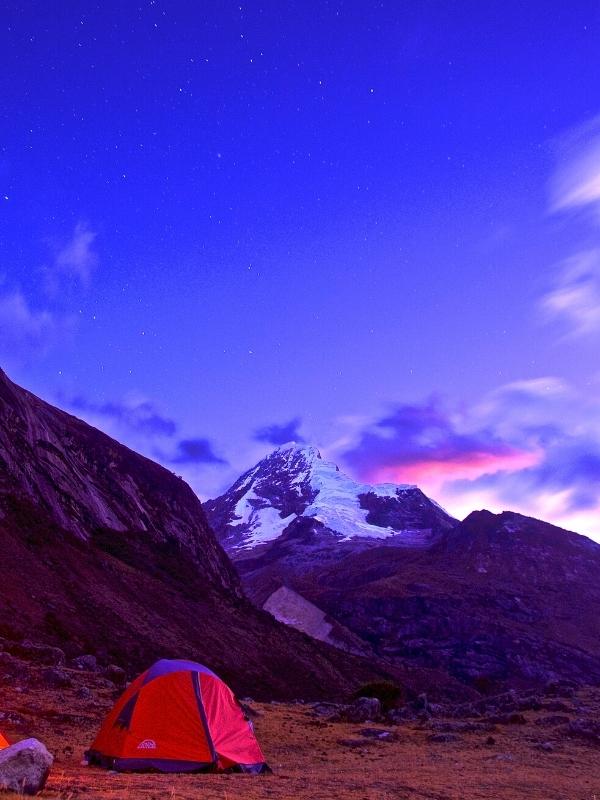
This type of vegetation is located in the highest parts and is characterized by associations of grasses and herbs of small size, they are located between the warmest parts and less exposed to climatic variations and edaphic conditions. favorable. The most important species of this plant formation are: Calamagrostis vicunarum, Calamagrostis minima, Calamagrostis ovata, Calamagrostis rigescens, Stipa mucronata, Oriethales integrifolia, Poa humillina, Paspalum pigmaeum, Carex sp, Agrostis sp, Hypericum sp, Aciachne pulvinata, Lepechinia meyenii, Festuca rigescens, Muhlembergia peruviana, Paspalum pigameum, Aciachne pulvinata, Azorella biloba, Hypochoeris spp, Eleocharis retroflexa, Luzula peruviana, Trifolium sp, Gentiana postrata, Gentianella spp, Muehlembeckia volcanica, Solanum acaule, Viola sp, Valeriana sp, Senecio sp, etc.
e.- Andean wetlands:
They are characterized by presenting dense associations of herbaceous stratum species, which occupy places with gentle to slightly inclined slopes and on soils covered with water, due to the presence of streams from water sources of glacial origin or of aquifers. They are home to a diversity of herbaceous plant species
f.- Humid Forest of Inter-Andean Valleys:
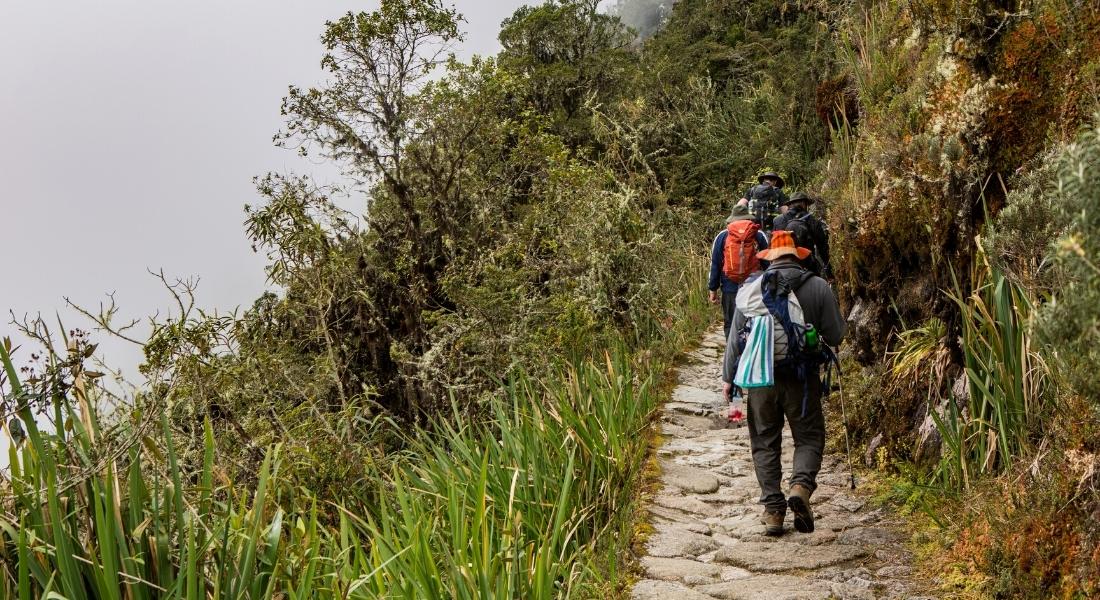
This type of forest is characterized by being located in the humid ravines of the inter-Andean valleys, from 2,600 to 3,800 meters of altitude. They present a dense tree vegetation with a height of up to 10 meters. The tree species that predominate in these forests are: Myrcianthes oreophylla, Myrcianthes indiferens, Duranta mandonii, Duranta armata, Hesperomeles lanuginosa, Weinmannia spp, Citharexylum herrerae, Citharexylum dentatum, Gynoxys aff nitida, Gynoxys longifolia, Buddleja montana, Escallonia resinosa, Escallonia myrtilloides, Polylepis racemosa, Saracha punctata, Sambucus peruviana, Alnus acuminata, Aegiphila morototoni, Juglans neotropica, Clusia sp, Erythrina edulis, Buddleja coriacea, Buddleja longifolia, Myrsine pseudocrenata, Myrsine andina, Hesperomeles escallonifolia, etc. The most important shrubby species are: Brachiotum naudinii, Baccharis odorata, Baccharis chilco, Baccharis latifolia, Piper sp, Maytenus sp, Acalipha aronioides, Barnadesia horrida, Senna birrostris, Berberis spp, Rubus sp, Calceolaria engleriana, Calceolaria spp, Satureja boliviana, Rubus roseus.