



 trip overview
included
Trip Highlights
activities
accommodations
itinerary
packing list
faq
essential trip information
best season to travel
price & availability
Reserve Online
trip overview
included
Trip Highlights
activities
accommodations
itinerary
packing list
faq
essential trip information
best season to travel
price & availability
Reserve Online
 CREATING AUTHENTIC TOURS IN PERU
The Huayhuash Trekking in Huaraz is considered one of the most spectacular and challenging mountain treks in the world. It’s an 8-day expedition that follows a circuit around the Huayhuash mountain range, an imposing range located in the Peruvian Andes, on the border of the Áncash and Huánuco regions. The Huayhuash Trek boasts world-class scenery, the main reason for its fame. It’s a small but extremely compact and rugged mountain range, filled with sharp, elegant snow-capped peaks, such as Yerupajá (the second highest mountain in Peru), Siula Grande, and Jirishanca.
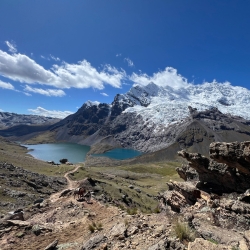
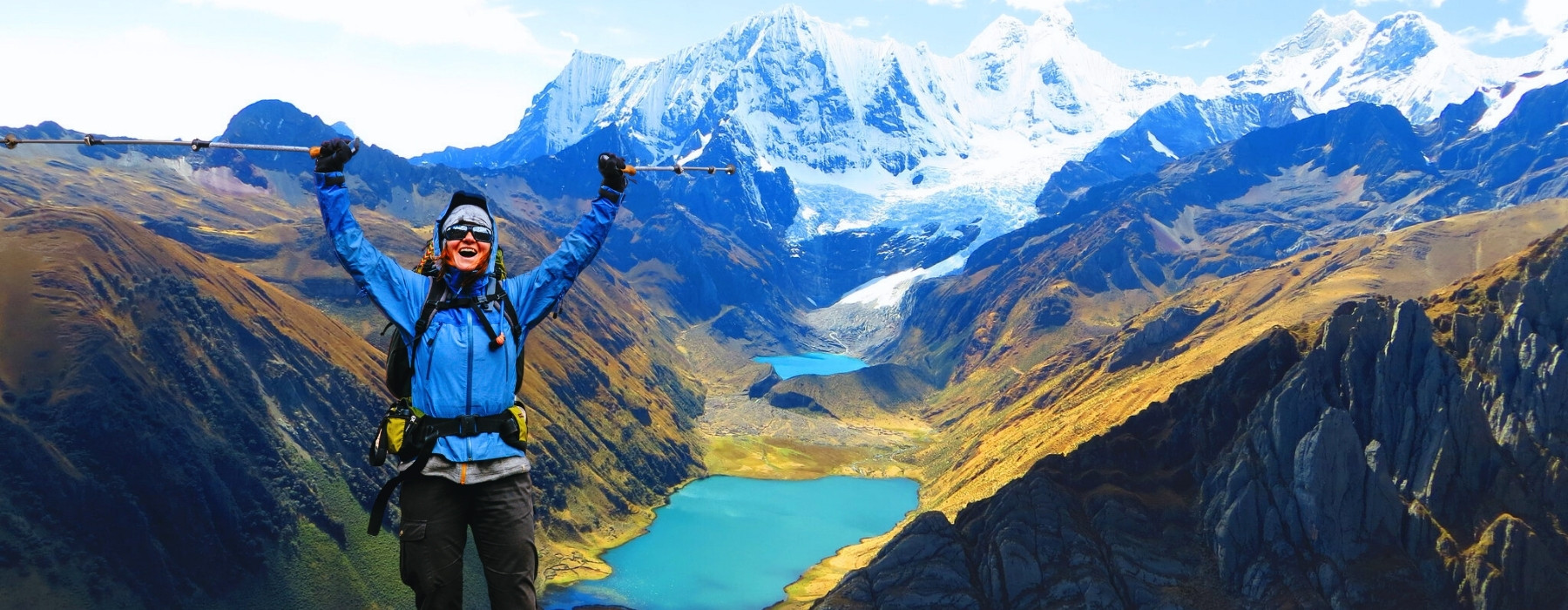
The Huayhuash Trekking is categorized as a high-altitude trek: It’s not a simple hike. It takes place at high altitudes, with campsites above 4,000 meters and mountain passes that often exceed 4,800 and even reach 5,000 meters above sea level. This makes it a physical challenge that requires good acclimatization. The visual spectacle of the 8-Day Huayhuash Trekking in Huaraz is simply unparalleled. Each day unfolds like a living painting, offering an ever-changing panorama of dramatic contrasts. During the trek, you delve into a remote and pristine environment. You hike alongside turquoise and emerald-green lagoons, traverse verdant valleys dotted with wildflowers, and observe hanging glaciers. It is common to see Andean wildlife such as vicuñas, condors, and viscachas. Unlike other more popular routes (such as the Inca Trail), the Huayhuash Circuit offers a profound sense of solitude and connection with nature. You spend entire days without seeing any signs of modern civilization, only small rural villages where life continues in a traditional way.
The Huayhuash Trek offers a profoundly enriching cultural experience. As you traverse this remote region, you will pass through traditional Quechua villages where life has remained virtually unchanged for centuries. You’ll have the unique opportunity to interact with local communities, perhaps sharing a smile with an Andean weaver or watching farmers working their terraced fields. The feeling of isolation and connection with nature is profound. Waking up in your tent with the first rays of sunlight illuminating the peaks, enjoying a hot meal under a blanket of millions of stars, and sharing stories with other hikers from around the world are the moments that transform this challenging adventure into an unforgettable human experience.
The 8-day Huayhuash Trek is a true high-altitude challenge, taking you through some of the most breathtaking and demanding terrain in the Andes. Over the course of the circuit, you will trek at elevations consistently above 4,000 meters (13,100 feet), with campsites situated at similar altitudes and daily passes that soar to dramatic heights, including the formidable Punta Cuyoc which reaches approximately 5,000 meters (16,400 feet) above sea level. At these elevations, the air contains significantly less oxygen, making every step more strenuous and requiring your body to adapt. Proper acclimatization is not just recommended; it is essential for a safe and enjoyable experience. Before embarking on the trek, it is crucial to spend at least two to three days in a high-altitude city like Huaraz (3,052 m / 10,013 ft). We also strongly recommend taking day hikes to even higher elevations, such as Laguna Churup or Laguna 69, to help your body begin the process of adjusting to the thin air. Once on the trek, the golden rule is to walk slowly, stay exceptionally well-hydrated, and listen to your body—this gradual approach is the key to conquering the high passes and savoring the stunning rewards that await you at the top.
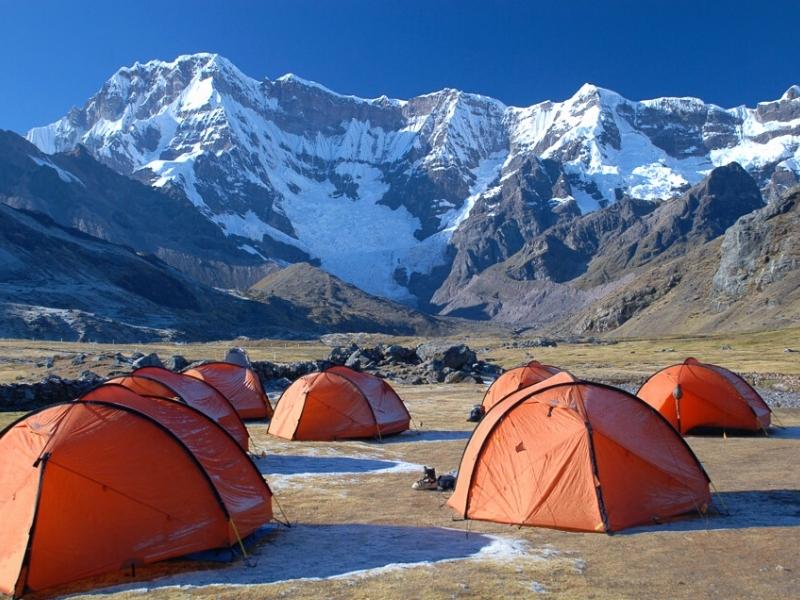
On the 8-day Huayhuash Trek, your nights are spent under the stars in remote and stunning campsites, with all camping logistics handled by your support team. You will sleep in sturdy, high-quality mountain tents designed for two people, providing shelter from the elements at high altitudes. Before you settle in for the night, you’ll witness a well-orchestrated routine where your guide, cook, and arrieros (muleteers) set up a full camp, including separate dining and kitchen tents equipped with tables and chairs, creating a cozy communal space to share meals and stories.
The experience is designed for comfort and rest after long days of trekking. You’ll be provided with a sleeping mattress, and you can rent a sleeping bag in Huaraz if you don’t have your own. We offer a toilet tent for extra privacy. A wonderful aspect of the service is that you only need to carry a small daypack with your daily essentials (like water, camera, and layers); your main duffel bag, with a weight limit usually around 7kg/15lbs, is transported by donkeys from one campsite to the next.
The locations of these camps are a highlight in themselves, often set beside breathtaking turquoise glacial lakes like Carhuacocha or Jahuacocha, or nestled in valleys with dramatic views of snow-capped peaks such as Yerupajá and Jirishanca. You’ll wake up to sunrise over the mountains and fall asleep under some of the clearest, most star-filled skies imaginable.
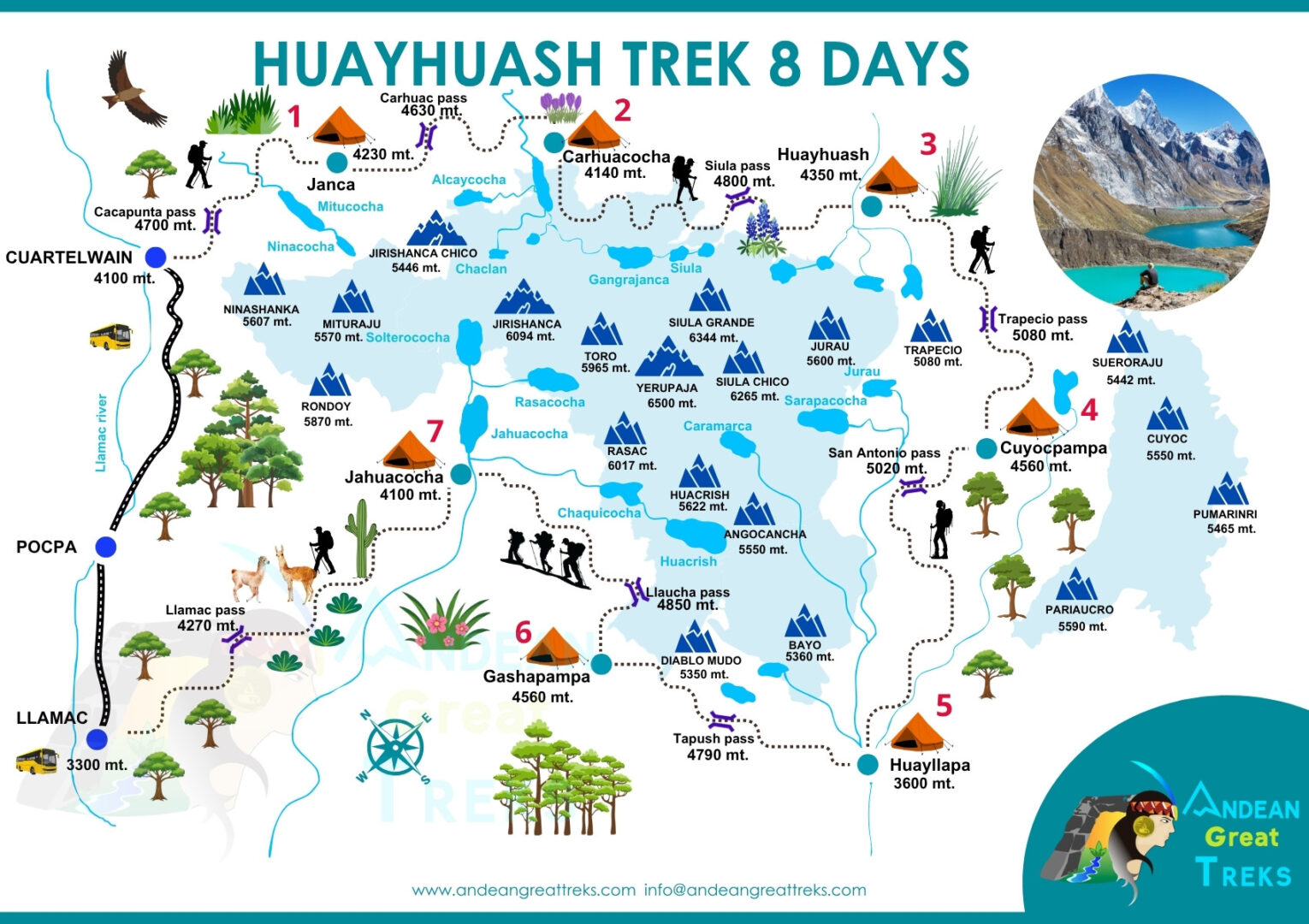
Your adventure begins in the dark, with a private van picking you up from your Huaraz hostel around 4:00 am for the stunning drive south to the trailhead. After passing through traditional villages like Chiquián and Llamac, you’ll arrive at Cuartelhuain (4,180m), where you’ll meet your guide, cook, and arrieros (muleteers) who will be your support team for the next eight days. The first day’s hike is a gentle introduction to the Huayhuash, a 9km walk that follows a winding path alongside a babbling stream before making the steady but manageable climb up to the Cacanan Punta Pass (4,700m). From the summit, you’ll be rewarded with your first sweeping views of the jagged, frost-crowned peaks of the Cordillera Huayhuash in the distance, with condors already beginning to wheel overhead. A pleasant descent leads you into a beautiful green valley and on to your first campsite at Janca (also called Mitucocha), situated at 4,230 meters, where you’ll settle in for the night with the soaring peaks of Rondoy and Ninashanca as your backdrop.
After a hearty breakfast and the first of many 7:00 am starts, you’ll leave camp and follow the Janca valley, beginning a gradual but rewarding climb toward the second major obstacle: the Carhuac Pass (also known as Yanapunta) at 4,650 meters. The effort is spectacularly rewarded at the top, where you are greeted with your first jaw-dropping, unobstructed views of the range’s legendary giants, the immense, ice-covered Yerupajá (Peru’s second-highest peak), the infamous Siula Grande, and the elegant Jirishanca towering before you . From the pass, a steep but exhilarating descent leads you down to the stunning turquoise waters of Lake Carhuacocha (4,138m), your home for the night. Widely considered one of the most beautiful campsites on the entire circuit, Carhuacocha offers a postcard-perfect view of the three massive peaks reflected in its placid waters, providing a perfect setting for sunbathing, fishing for trout, or simply playing cards as the sun begins to dip behind the mountains
Day three is widely regarded as the most spectacular and memorable day of the trek, a sentiment that holds true even in challenging weather. Today we got up early and had breakfast at 6:15 and started walking just after 7:00 am, you’ll immediately climb to a viewpoint overlooking the famous “Three Lagoons” Siula, Quesillococha, and Gangrajanca, a breathtaking sight of sapphire and turquoise lakes cradled at the base of the towering, snow-dusted peaks. Continuing along the “Alta Vía” or high route, you’ll feel incredibly close to the massive west face of Siula Grande before making the final ascent to the Siula Pass (4,800m). Reaching this pass brings a profound sense of achievement, and the panoramic views of the surrounding ice sheets and valleys are simply unparalleled. A long descent past the beautiful Carnicero Lake and through a lush green valley leads you to the rustic Huayhuash camp (4,350m), you will arrive at the campsite around 3 pm. A remote outpost where you will enjoy the sky with stars.
The day begins with coca tea upon waking, followed by time to get ready and have breakfast. This day presents one of the circuit’s greatest physical challenges, we head uphill to one of the most beautiful passes on the circuit: Trapecio Pass (5,000m). Our path leads south through the wide valley until we reach a small plateau, perfect for resting and replenishing our energy before reaching our destination. After a four-hour hike, we’ll arrive at Trapecio Pass, (just 100 meters shy of Everest Base Camp) is an unforgettable triumph, where we can appreciate a spectacular silhouette of the mountain and beautiful views of the lagoons located below Puscanturpa Mountain. From this point, we can also see the snow-capped peaks of Cuyoc and Milpo, as well as part of the Raura mountain range. We descend to the lagoons, passing by their shores, and stop for lunch. Finally, we arrive at our campsite Elefante Pampa (4,560m), where we’ll find a giant rock, named for a large rock formation that strikingly resembles a sleeping elephant. The afternoon is free for tea, relaxing, and taking photographs of Puscanturpa and its surroundings. At dinnertime, we will eat and rest to prepare for the following day’s trek.
The fifth day begins with a brutally steep ascent through slippery mud to the highest point of the entire trek, the Santa Rosa Pass (or San Antonio Pass) at a lung-busting 5,070 meters. Though exhausting, the viewpoint from the top is the ultimate reward, offering a commanding 360-degree panorama of the entire Cordillera Huayhuash, including the peaks of Yerupajá, Sarapo, and Jurau, with the radiant turquoise Juraucocha Lake shimmering far below. The rest of the day is a long, knee-jarring descent of over 1,500 meters, taking you past waterfalls, lupin-filled meadows, and small farms as you leave the high mountain scenery behind and enter a different world. You’ll arrive at the charming Quechua village of Huayllapa (3,600m), in this village you can charge your devices, connect to the internet, and buy some of your favorite snacks.
After the relative comfort of Huayllapa, day six is a stark reminder of the trek’s demanding nature, featuring the single biggest elevation gain of the circuit. You’ll climb steadily and relentlessly out of the village and up the Huatiac Valley, ascending towards the Tapush Pass (4,700m). While the climb is long, it is never excessively steep, and the landscape offers new points of interest, including views of the aptly named Diablo Mudo (Mute Devil) peak and the serene Susucocha Lake. Reaching the pass, which is dotted with pre-Inca stone structures and sheepherders’ camps, provides a sense of accomplishment before you descend slightly to your camp at Gashpapampa (4,600 m). Be prepared for this to be the coldest night of the trek, as temperatures can plummet well below freezing at this exposed, high-altitude site.
This day brings you back to the heart-stopping beauty that defines the Huayhuash. A relatively easy ascent takes you to the Yaucha Pass (4,850m), where you are once again reunited with the full majesty of the cordillera. Leaving the main mule trail, you’ll take a spectacular 20-minute detour along a ridge crest to a breathtaking viewpoint that offers a final, unforgettable panorama of the entire mountain range, including the imposing west face of Yerupajá and the elegant spire of Jirishanca. From this natural balcony, you look down upon the magnificent turquoise waters of Lake Jahuacocha, your destination for the night. The descent to the lake and your final campsite at 4,100 meters is a wonderful walk, and you’ll arrive in time for a long lunch and a relaxing afternoon soaking in the serene beauty of one of the circuit’s most iconic locations.
Waking beside the beautiful Jahuacocha, you’ll enjoy one last breakfast in the shadow of the mountains before beginning your final day on the trail. The hike begins with a bittersweet climb to the last pass, Punta Sambuya or Pampa Llamac (around 4,600m), where you turn around for one final, sweeping view of the Cordillera Huayhuash that you have called home for the past week, with the Cordillera Blanca visible on the northern horizon. A long, gentle descent through a valley dotted with Queuña trees leads you down to the small village of Pocpa or Llamac (3,300m), where your private transport is waiting. The four-hour drive back to Huaraz is filled with tired legs, dusty clothes, and an overwhelming sense of accomplishment as you replay the highlights of your 8-day journey through one of the most spectacular mountain ranges on Earth.
 warm jackets
 Hydration bladder
 wool socks
 camera
 scarf
scarf
 first aid kit
 hiking shoes
 Dry bags
 Trekking Poles
 sun cream
 Snack
Snack
 sun hat
 bathing suite
 rain coat
 Sandals
 insect repellent
 Passport
 Down Jackets
 toilet paper
 daypack
 Wool cap
 head lamp
 gloves
 sun glasses
 cap
cap
 extra cash
 Trekking pants
The best time to embark on the Huayhuash trek is during the Andean dry season, which typically runs from May to September. During these months, you can expect more stable weather conditions with plenty of sunshine, clear blue skies, and minimal rainfall, allowing for spectacular views of the snow-capped peaks and turquoise lakes. June, July, and August are considered the peak months, offering the highest probability of clear weather, though they are also the coldest, particularly at night.
However, it is crucial to understand that mountain weather is inherently unpredictable, even during the dry season. Sudden changes can occur, bringing afternoon clouds, strong winds, or even brief snowstorms and hail at the higher passes. Trekkers have reported experiencing rain, snow, and intense sun all within a single day. Therefore, while the dry season offers the best chance for good weather, you must be prepared for a wide range of conditions and pack clothing for sun, cold, and precipitation.
Trekking during the wet season, from November to March, is strongly discouraged. The trails become dangerously muddy and slippery, river crossings can be hazardous, and high passes are often obscured by clouds or buried in snow, making navigation extremely difficult and increasing the risk of hypothermia. Many trekking operators also cease departures during this period.
The duration of the full Huayhuash Circuit can vary significantly, typically ranging from 8 to 14 days depending on the specific route, your pace, acclimatization needs, and whether you include rest days or side trips. The classic full circuit covers approximately 120 to 180 kilometers, with total elevation gain between 7,000 and 8,000 meters, crossing passes that exceed 5,000 meters almost daily. An 8-day itinerary is possible for very fit and well-acclimatized trekkers, but it is demanding and allows little room for contingency.
The Huayhuash Circuit is universally regarded as a challenging, strenuous, and demanding high-altitude trek. Its difficulty is not primarily due to technical climbing, as the paths are generally well-defined by mule traffic, but rather from the combination of sustained high altitude, steep and relentless terrain, and cumulative fatigue. The trek requires walking 6 to 8 hours per day for multiple consecutive days, with ascents and descents of 500 to 1,000 meters daily, all while your body is functioning with significantly less oxygen.
The altitude is the defining challenge. The trek constantly stays above 4,000 meters, with several passes exceeding 4,800 and even 5,000 meters. This thin air makes every step feel heavier, hills feel steeper, and recovery much slower. It can also lead to a loss of appetite and disrupted sleep, further contributing to fatigue. This is not a walk in the park; it is a test of endurance, mental fortitude, and your body’s ability to acclimatize.
Because of these challenges, this trek is not recommended for beginners. It is best suited for individuals in excellent physical condition who have previous experience with multi-day trekking, particularly at high altitudes. Proper preparation, including a dedicated training regimen focusing on strength and endurance, and a thorough acclimatization strategy, is essential for a safe and successful journey.
While not an absolute requirement if you are exceptionally fit and join a fully supported guided tour, previous high-altitude trekking experience is highly recommended and significantly increases your chances of having a safe and enjoyable experience. The combination of extreme altitude, remoteness, and the physical demands of consecutive long days is something that first-time high-altitude trekkers often underestimate. Experience helps you understand your body’s reaction to altitude, how to pace yourself effectively, and how to manage your energy and resources over a long period.
If you lack high-altitude experience, the safest and most rewarding approach is to book with a reputable agency. A guided trek provides essential support, including experienced guides who monitor your health, cooks who prepare nutritious meals, and pack animals that carry your heavy gear, allowing you to focus solely on the walking and acclimatization. This support system is invaluable in mitigating the risks associated with inexperience.
For those determined to go independently, prior experience with remote, self-sufficient trekking is non-negotiable. You must be confident in your navigation skills, as trail markings are poor, and signage is non-existent. You also need to be prepared to manage all logistics, including carrying a heavy pack with all your food and gear for up to two weeks, which adds another layer of difficulty to an already challenging trek.
Most international travelers begin their journey in Lima. From there, the most common and reliable way to reach the gateway city of Huaraz is by taking an 8-hour VIP bus with companies like Cruz del Sur or Móvil Bus. This bus journey is a good way to start acclimatizing, as it gradually climbs from sea level to over 3,000 meters. Alternatively, you can take a 50-minute LATAM flight from Lima to the Anta Airport, which is about 25 minutes from Huaraz, though flights are frequently subject to delays or cancellations due to mountain weather.
Choosing between an independent or guided trek is a fundamental decision that hinges on your experience, budget, and desired experience. Trekking with an agency offers unparalleled comfort, safety, and peace of mind. They handle all logistics: experienced, certified guides manage the route and monitor your health; cooks prepare all meals; and arrieros (muleteers) with donkeys transport your group gear and up to 8 kg of your personal belongings, leaving you to carry only a light daypack. This allows you to focus entirely on the stunning scenery and the physical challenge of walking.
The cost of the Huayhuash trek varies. For a guided trek with a local agency in Huaraz, prices for 8 days typically range from $1500 to $1800 USD per person. This fee usually covers a large range of services: a certified English-speaking guide, a cook, muleteers, and pack animals to carry your gear, all meals during the trek, camping equipment (tents, dining tent, kitchen), and transportation from Huaraz to the trailhead and back. It’s crucial to confirm exactly what is included, as some items like entrance fees, sleeping bag rentals, and personal travel insurance are almost always excluded.
Comprehensive travel insurance is not just recommended for the Huayhuash trek; it is essential. You must have a policy that specifically covers trekking at high altitudes, up to at least 5,000 meters, and includes emergency evacuation and rescue. Many standard travel insurance policies exclude high-altitude activities or have coverage limits that are too low. Before purchasing, you must read the fine print carefully to confirm that you are covered for the specific activities and altitude you will be undertaking.
The remoteness of the Cordillera Huayhuash makes this coverage critically important. In the event of a serious accident or a severe case of altitude sickness, an evacuation can be an extremely complex and expensive operation, potentially involving a multi-hour hike out followed by a vehicle or even a helicopter rescue. Without proper insurance, you could be personally liable for thousands of dollars in rescue and medical costs. A good insurance policy provides financial protection and, more importantly, access to a professional emergency response network.
You can purchase travel insurance from international providers or specialist adventure travel insurers. Some trekkers also opt to buy acetazolamide (Diamox), a prescription drug that can help prevent altitude sickness symptoms, from pharmacies in Huaraz, but this is not a substitute for insurance. Having the right insurance means you can trek with greater peace of mind, knowing you are protected against unforeseen events.
The first step is to check tour availability between April and October, the best season for the Huayhuash trek. If you receive a confirmation that there are spaces available, keep in mind that a minimum of two people is usually required. After choosing the best date according to your travel itinerary, you must fill out all the requested information on our travel form. In the final step, you will need to make the reservation deposit. Once these steps are completed, you will receive a confirmation email. The remaining balance will be due 30 days before the tour begins; the agency will send you a payment link for this purpose. On the day you arrive in Huaraz, the local guide will meet with you, give you an informational briefing, and explain what you should bring for the trek.
The Huayhuash Circuit is a high-altitude trek where you will be walking and camping consistently above 4,000 meters for over a week. The route involves crossing several high mountain passes, with the highest points reaching over 5,000 meters. Key passes like Punta Cuyoc and San Antonio are at approximately 5,050m and 5,090m respectively, making proper acclimatization absolutely critical for your safety and success.
Preparation for high altitude should begin before you even arrive in Peru. The most important step is to spend 2-3 days acclimatizing in Huaraz (3,090m) before starting the trek. Do not just rest in town; the most effective acclimatization involves going on day hikes to higher elevations. Excellent acclimatization hikes near Huaraz include Laguna Churup (4,450m), Laguna 69 (4,600m), and Laguna Parón (4,200m). These “active” acclimatization days help your body adjust to the lack of oxygen by exposing it to altitude during exercise.
The process of acclimatization continues during the trek itself. It is vital to follow the principle of “walk high, sleep low,” which your guide will manage if you are in a group. The golden rules are to maintain a slow, steady, “tortoise-like” pace, stay incredibly well-hydrated by drinking 3-4 liters of water per day, and listen to your body. Pushing too hard, too fast, is the primary cause of altitude sickness.
Altitude sickness, or “soroche,” is the body’s negative reaction to the decreased oxygen and lower air pressure found at high elevations. Common symptoms include headache, nausea, loss of appetite, dizziness, fatigue, and difficulty sleeping. These symptoms can range from mild to severe. In its most serious forms, it can develop into High Altitude Cerebral Edema (HACE) or High-Altitude Pulmonary Edema (HAPE), both of which are life-threatening and require immediate descent.
Prevention is the best strategy, and it centers on gradual ascent and good practices. The key is to allow your body time to acclimatize, which is why spending several days in Huaraz before the trek is non-negotiable. During the trek, a slow, measured pace is more important than speed. Hydration is also crucial; you need to drink far more water than you think you need, as your body loses fluids through increased respiration at altitude. It’s also common to lose your appetite, but you must make a conscious effort to eat regular, high-calorie meals to fuel your body.
Experienced guides are trained to recognize the early signs of altitude sickness in their clients. They will monitor everyone’s condition and enforce a slow pace. If symptoms become severe, the only reliable cure is to descend to a lower altitude immediately. Therefore having an emergency horse with a guided group is a vital safety measure, as it can evacuate a struggling trekker down the mountain.
Reputable trekking agencies implement a comprehensive set of safety measures to ensure the well-being of their clients in the remote Huayhuash range. The most important safety feature is a team of certified professionals. Trekking guides are certified by AGOCP (Peruvian Association of Mountain Guides) and are trained in first aid, altitude management, and emergency evacuation procedures. For the more technical climbing expeditions, guides hold the international IFMGA/UIAGM certification.
A standard safety protocol on long treks like Huayhuash is the inclusion of an “emergency horse” that accompanies the group every day. This horse is not for carrying gear but is kept free specifically to evacuate any trekker who is suffering from severe altitude sickness, fatigue, or an injury. This simple yet effective measure can be a lifesaver, allowing a person to be quickly transported down to a lower, safer altitude. Guides also carry a comprehensive first-aid kit and continuously monitor the group’s health and the weather conditions.
Beyond personnel and equipment, agencies also focus on procedural safety. They conduct daily weather checks, follow established evacuation procedures, and provide ongoing training for their staff each season. Guides are experts in pacing the group to prevent altitude issues and are skilled in route-finding, ensuring the group stays on the correct path in a landscape with no trail markings.
No, there is no cell phone signal or internet access available for the vast majority of the Huayhuash Circuit. This is one of the defining characteristics of the trek: its profound remoteness and isolation from the modern world. You will be completely disconnected for the duration of your walk, which for many is a welcome escape. It is essential that you inform your family and friends back home that you will be out of communication for the entire trek, to avoid causing them unnecessary worry.
The lack of signal means you cannot rely on your phone for navigation, so you must have offline maps (like MAPS.ME or AllTrails) downloaded beforehand, and preferably a GPS track and a physical map as a backup. Your phone’s battery will also last much longer if you keep it in airplane mode. In case of a genuine emergency, guides on commercial treks carry either a satellite phone or a VHF radio to communicate with their office in Huaraz or emergency services.
There are a couple of very limited exceptions. Some trekkers have reported being able to purchase a Wi-Fi code or finding a very weak signal the village of Huayllapa, located about two-thirds of the way through the circuit, has a few small hostels and shops that may offer Wi-Fi to paying customers. However, these should not be relied upon.
If you are trekking with a guided group and you feel unwell, overly fatigued, or injured, the first and most important step is to inform your guide immediately. They are trained to assess the situation. If the issue is altitude sickness or exhaustion, the primary safety net is the emergency horse that accompanies the group every day. You can ride this horse to the next camp, giving your body a chance to rest and recover while still making progress. In more serious cases, where a descent to a lower altitude is required, the horse can carry you back down to a safe location or a road head for evacuation.
For independent trekkers, the situation is far more challenging and is a key reason why this trek is not recommended for novices. If you cannot continue, you have very limited options. You may have to wait for another group to pass and hope they can assist you, either with supplies, communication, or by alerting authorities on your behalf. You might have to leave your gear and hike out alone to get help, which carries its own risks. This stark reality underscores why self-reliance, excellent planning, and a conservative approach to your own limits are so critical for independent trekkers.
Guides on commercial treks also have protocols for such events. They carry first-aid kits for immediate care and have communication devices (satellite phone or radio) to coordinate a more complex evacuation with their agency or local rescue services if necessary. The cost of a professional rescue, however, is why having proper travel insurance with evacuation coverage is so vital.
Whether your insurance covers evacuation is not something you should leave to chance; you must verify it before you depart. Standard travel insurance policies often have exclusions for high-altitude activities, typically defining “high altitude” as anything above 3,000 or 4,000 meters. Since the Huayhuash trek involves camping and walking well above 4,000 meters for over a week, you need a policy that explicitly covers trekking up to at least 5,000 or 6,000 meters and includes emergency rescue and evacuation.
If you have a serious accident or a life-threatening case of altitude sickness (HACE or HAPE), immediate descent is the only treatment. In the remote Huayhuash, this may involve a complex and costly operation. Guides can coordinate with local arrieros and agencies for a horse or vehicle evacuation, but a worst-case scenario might require a helicopter rescue, which can cost tens of thousands of dollars. Without the right insurance, you would be personally responsible for this astronomical bill.
When researching insurance, look for policies specifically designed for adventure travelers or mountaineers. Read the product disclosure statement carefully to ensure that “trekking” or “mountaineering” up to your planned altitude is a covered activity. It is a small price to pay for the immense peace of mind that comes from knowing you are protected in one of the world’s most remote and challenging trekking environments.
Packing the right gear is critical for comfort and safety on the Huayhuash trek, where you can experience intense sun, freezing cold, strong winds, and precipitation all in one day. The most effective strategy is to use a layering system. Your base layer (next to skin) should be a thermal, moisture-wicking fabric to keep you dry. A mid-layer, such as a fleece or light down jacket, provides insulation. Your outer layer must be a waterproof and windproof shell jacket and pants to protect you from the elements.
For your lower body, quick-drying trekking pants are ideal, and you should pack thermal leggings to wear under them for cold mornings and evenings. Footwear is arguably your most important piece of gear. You need sturdy, well-broken-in waterproof trekking boots with good ankle support and a robust sole for gripping uneven, rocky, and sometimes muddy terrain. Don’t forget camp shoes (like lightweight sandals or trainers) to let your feet breathe at the end of the day.
Other essential items include a warm hat (beanie) and gloves (a liner pair for trekking and a warmer insulated pair for camp). A sun hat and high-SPF sunglasses (category 3 or 4) are non-negotiable to protect you from the intense Andean sun. A high-quality, high-SPF sunscreen and lip balm are also absolute necessities.
For a trek like Huayhuash, where you will be camping at altitudes above 4,000 meters every night, a four-season tent is highly recommended. These tents are designed to withstand the strong winds and potential snow loads that are common in the high mountains. If you are trekking with an agency, they will provide these tents, which are typically high-quality, double-occupancy mountain tents.
Your sleeping bag is perhaps the most critical piece of personal gear for a good night’s rest. Nighttime temperatures in the Huayhuash regularly drop well below freezing, and under clear skies, frost on tents is a common morning sight. You will need a sleeping bag with a comfort rating of at least -10°C (14°F), and many experienced trekkers and guides recommend a bag rated to -15°C (5°F) or even -18°C (0°F) for guaranteed warmth. A bag with a “survival” rating is not sufficient; you need one that will keep you comfortable.
An insulated sleeping pad is just as important as the bag itself. It provides crucial insulation from the cold ground, which can otherwise sap your body heat. A foam pad or an insulated inflatable pad is a must. If you don’t own a suitable bag or pad, they are readily available for rent from numerous gear shops and agencies in Huaraz.
Yes, absolutely. Huaraz is a hub for trekking and mountaineering in the Peruvian Andes, and the city is well-stocked with numerous gear rental shops and agencies that offer a full range of equipment for the Huayhuash trek. This is an excellent option for travelers who want to save on baggage fees, don’t own specialized high-altitude gear, or prefer to travel light. You can rent almost everything you need, including sleeping bags, insulated sleeping pads, trekking poles, and four-season tents.
If you are trekking with an agency, they will often provide the major group gear (tents, dining tent, cooking equipment) and offer personal gear like sleeping bags and poles for an additional rental fee. For independent trekkers, there are many standalone shops in town where you can rent equipment. It is a good practice to inspect the gear carefully before renting to ensure it is in good condition and that the sleeping bag is clean, and its temperature rating is appropriate for the expected conditions.
Renting is a very practical solution, especially for items you may only use once. However, for critical personal items like your trekking boots, it is always best to bring your own, as they will already be broken in and comfortable for your feet. Relying on rental boots is a significant risk for developing blisters.
Your daypack is what you will carry while trekking each day, so it needs to be comfortable and contain everything you need for 6-8 hours on the trail. A pack size of 20-30 liters is usually sufficient. The most important item is water; you should carry at least 2-3 liters to stay well-hydrated at altitude. You will also need your lunch and high-energy snacks for the day, which are typically provided by the cook if you are with an agency.
You must also carry your personal safety and comfort items for the day. This includes extra layers of clothing you may need as conditions change, such as a fleece mid-layer, a waterproof and windproof jacket, gloves, a warm hat, and a sun hat. Sunscreen, lip balm, and sunglasses are essential to protect against the intense solar radiation. A small personal first-aid kit with items like blister plasters, pain relievers, and any personal medication is a must.
Other useful items include your camera, a headlamp (in case of an unexpected delay), and a small power bank to recharge devices. If you are an independent trekker, you will also need to carry your navigation tools (map, compass, GPS device/phone with offline maps). Keeping your daypack organized and light will make your trekking days far more enjoyable.
The system of using pack animals, either donkeys (burros) or mules, is the backbone of logistics for supported treks in the Huayhuash. If you have booked with an agency, the process is seamless. Before the trek begins, you are given a duffel bag, often waterproof. In this bag, you pack all the gear you won’t need during the day’s walk—your sleeping bag, sleeping pad, camp clothes, and other personal items. There is usually a weight limit, commonly around 8 kilograms (17-18 pounds) per person, to ensure the animals are not overloaded.
Each morning after breakfast, you leave your duffel bag outside your tent. The arrieros (muleteers) and their animals will then pack all these personal duffels, along with the group’s tents, cooking equipment, and food, and transport them to the next campsite. You are then free to hike with just your lightweight daypack, carrying only your water, snacks, and extra layers for the day. It is an incredibly efficient system that allows trekkers to enjoy the physical challenge without the burden of a heavy load.
Upon arriving at the next camp in the afternoon, you will find your duffel bag waiting for you, brought in by the donkeys. This allows you to set up your sleeping area, change into warm, dry camp clothes, and relax while the cook prepares dinner. This system is a key reason why a guided trek is so much more accessible than an independent one, as carrying a fully loaded pack weighing 15-20 kg for 10 days at this altitude would be an immense challenge for most people.
The food provided on guided Huayhuash treks is often a pleasant surprise for trekkers. Despite the remote location, the camp cooks are highly skilled and manage to prepare a variety of fresh, hot, and surprisingly delicious meals three times a day. Breakfasts are hearty, designed to fuel you for the day ahead, and might include oatmeal, pancakes, scrambled eggs, and bread with spreads. Lunch is often a substantial and creative affair, served mid-hike, and could be anything from packed sandwiches and salads to a hot soup followed by a main course like fried rice or pasta. Dinner is a full, multi-course meal, usually starting with a warm soup, followed by a main dish such as chicken with rice and vegetables, or a hearty quinoa stew, and sometimes even a dessert.
For independent trekkers, the food situation is a major logistical consideration. Lightweight, calorie-dense food is the priority. Since specialty freeze-dried backpacking meals are hard to find and expensive in Peru, many independent hikers rely on local ingredients. Common supplies include instant mashed potatoes, noodles, rice, canned beans, tuna or chicken, dried fruits, nuts, crackers, and plenty of high-energy snacks like chocolate and granola bars. You must carry all this food with you, which adds significantly to your pack weight.
Most agencies are very accommodating of dietary restrictions. It is standard for them to offer vegetarian, vegan, and gluten-free options, but it is crucial that you communicate any special dietary needs well in advance, when you book the trek. This allows the cook to plan and purchase the necessary ingredients in Huaraz before the trek begins.
Staying properly hydrated is one of the most important things you can do to help your body cope with high altitude and prevent altitude sickness. You should aim to drink at least 3 to 4 liters of water per day. While there are numerous streams, lakes, and rivers along the trail providing ample water, it is essential to treat all water before drinking it, as it can contain harmful bacteria and parasites that could cause severe gastrointestinal illness and ruin your trek.
If you are with a guided group, the cook will typically boil large quantities of water each morning and evening and make it available for you to fill your water bottles. This is a reliable and safe method. For independent trekkers, you must bring your own water treatment system. The most common options are chemical purification tablets (like Micropur or iodine), a lightweight portable water filter (like a Sawyer Squeeze or Katadyn BeFree), or a UV purifier (like a SteriPEN). Boiling water is also effective but requires carrying extra fuel and a stove pot, which takes time and resources.
Regardless of your method, the rule is simple: treat every drop of water you take from a natural source. A single mistake can lead to days of misery. It is also good practice to carry a reusable water bottle and a thermos, which is wonderful for having hot water or tea during cold mornings and at high passes.
Carrying sufficient cash in the local currency, Peruvian soles, is essential for the Huayhuash trek, as there are no ATMs in the mountains. If you are trekking with an agency, it is important to clarify whether these community fees are included in your package price. It is wise to carry some extra cash for incidentals. If you pass through the village of Huayllapa, you might want to buy a soft drink, a snack, or a beer from a small shop, or pay for a hot meal at a local hostel. You may also need cash to pay for using a campsite’s basic facilities.
Finally, you should plan to have cash for tips for your guide, cook, and arrieros at the end of the trek. Tipping is not mandatory, but it is a very common and appreciated way to thank the team for their hard work over many days. The amount is at your discretion, based on the quality of service and your budget, but it is an important cost to factor into your overall spending plan.
Yes, one of the positive developments resulting from the community fee system is the provision of basic infrastructure at most of the established campsites along the Huayhuash Circuit. It is now common to find simple, shared latrines or toilet structures at popular camping spots like Janca, Carhuacocha, Huayhuash, Viconga, Elefante, Gashpapampa, and Jahuacocha. These are often very basic—simple concrete or wooden structures over a pit—and they usually do not have running water or toilet paper, so you must bring your own supply.
While these facilities are a great improvement from the past, their level of cleanliness and maintenance can vary. Some may be well-kept, while others can be quite dirty, especially later in the trekking season. It is always a good idea to carry a small trowel and a supply of toilet paper and hand sanitizer, just in case you need to use a spot away from the campsite or find the existing latrines to be in an unusable condition.
If you are camping outside of these designated sites, which is generally discouraged by local communities, you must follow strict “Leave No Trace” principles. This means digging a cathole at least 60 meters (200 feet) away from any water source, trail, or campsite, and properly burying and covering all human waste. This practice is essential for protecting the pristine environment and the health of local water sources.
No, there is no access to electricity anywhere along the main trekking route to charge devices like phones, cameras, or headlamps. You must assume that you will be without power for the entire duration of your trek, which could be 8 to 12 days. The solution is to be well-prepared with portable power. Carrying one or more high-capacity power banks is essential for keeping your devices charged, especially if you rely on your phone for photos or use it for navigation with offline maps.
To maximize your battery life, put your phone in airplane mode as soon as you leave Huaraz. This stops it from constantly searching for a non-existent signal, which is a major drain on the battery. Use it only for taking photos and, if necessary, checking your offline maps. For your headlamp, which is critical for moving around camp at night, bring a spare set of batteries. Batteries also drain much faster in cold temperatures.
A useful tip is to keep your power bank and any spare batteries inside your sleeping bag with you at night. The warmth from your body will help them retain their charge and perform better when you need them. In the small village of Huayllapa or at the Viconga hot springs, some hostels or shops may offer a plug for a small fee, but this is not guaranteed and should not be relied upon.
Tipping your support team is not mandatory, but it is a deeply ingrained and greatly appreciated custom in Peru, especially for long, challenging treks like Huayhuash. Your guide, cook, and arrieros (muleteers) work incredibly hard, often from before sunrise to after sunset, to ensure your safety, comfort, and enjoyment. They carry heavy loads, prepare amazing meals in difficult conditions, set up and break down camp every day, and look after your well-being. A tip is a direct and meaningful way to acknowledge their exceptional effort.
There is no fixed or required amount, as it depends on your level of satisfaction with the service and your personal budget. However, a common guideline for a week-long trek is to budget around 150 to 250 soles (approximately $40-$70 USD) in total to be shared among the entire team. Often, groups will pool their money and present a collective tip in an envelope at the end of the trek. It is also common to give a slightly larger portion to the guide, as they hold the primary responsibility for the group.
It is perfectly acceptable to ask your guide or agency representative beforehand about customary tipping practices. The most important thing is that the tip is given as a genuine gesture of thanks from the heart. The team will be deeply grateful, and it leaves everyone with a positive feeling after sharing such an incredible journey together.
Want an in-depth insight into this trip? Essential Trip Information provides everything you need to know about this adventure and more.
View Essential Trip InformationThe best time to visit Peru is during the dry season, between May and November, when the weather is dry and bright, with more frequent rainfall occurring between November and April.
 JANUARY
 FEBUARY
 MARCH
MARCH
 APRIL
APRIL
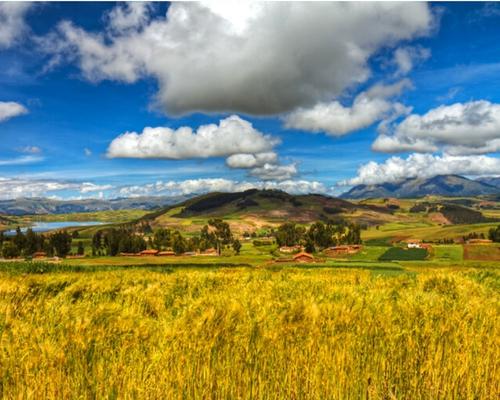 MAY
MAY
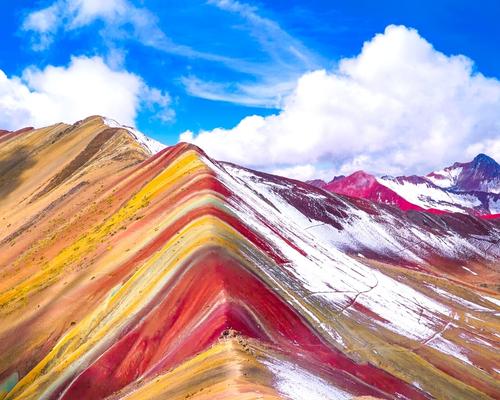 JUNE
JUNE
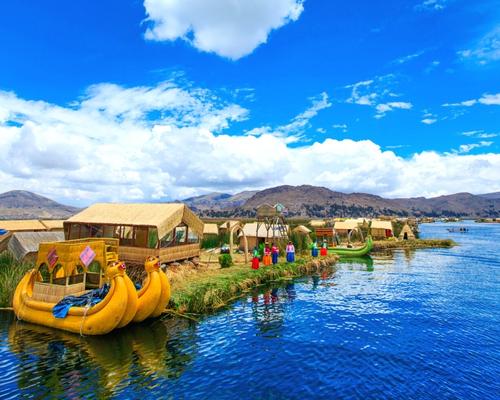 JULY
JULY
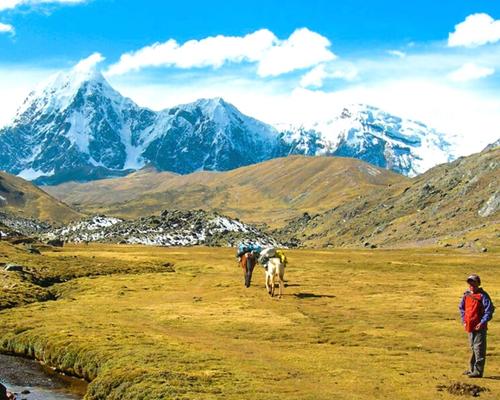 AUGUST
 SEPTEMBER
 OCTOBER
 NOVEMBER
 DECEMBER
To book this tour, a minimum of $ 500 USD per person is required, the remaining balance will be paid upon arrival in Peru, at the Cusco office.
Any other additional information, please coordinate with your travel agent.
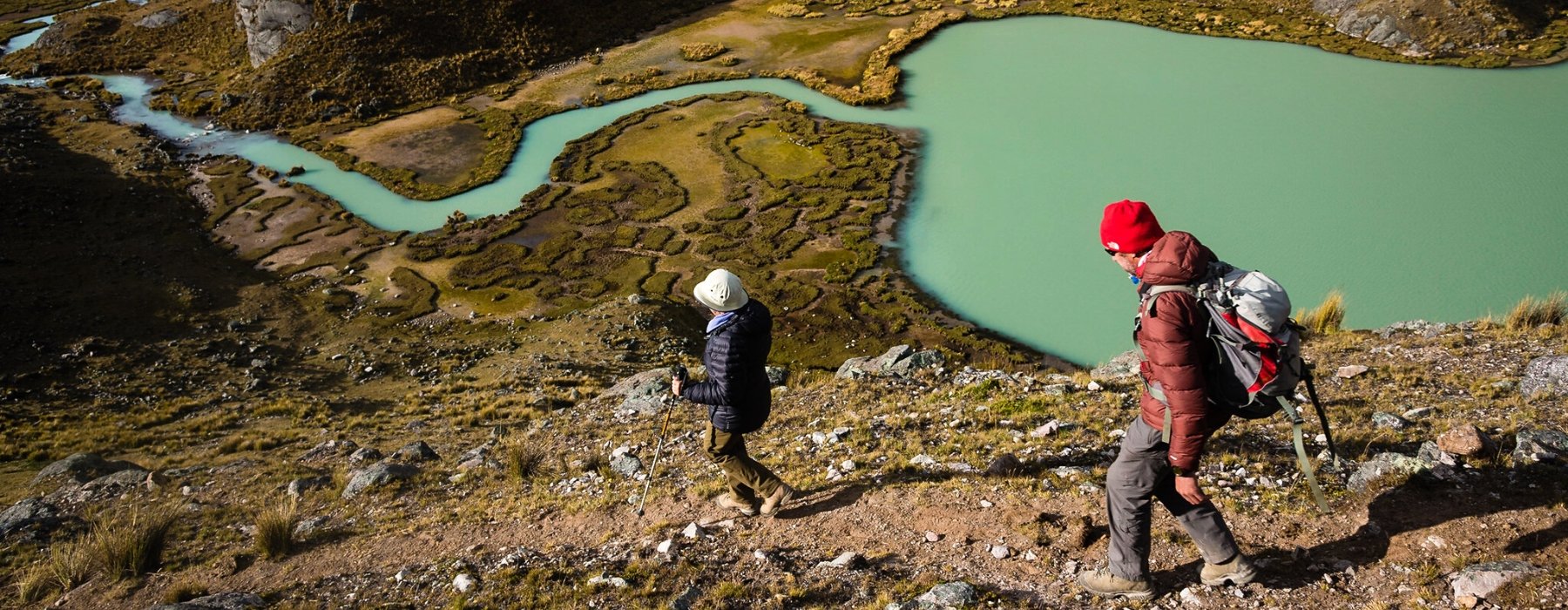
Nothing gets you closer to a country than walking through it, and we’ve got trips to suit walkers of all levels and interests.
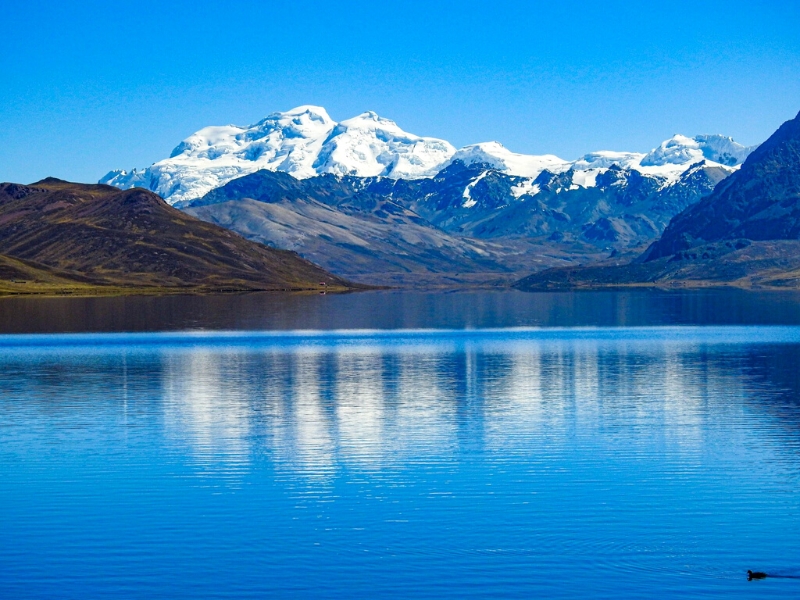
All our Walking trips are graded from ‘Easy’ through to ‘Challenging to Tough’. On our online trip itineraries you’ll find a chart showing the daily walk distances, timings and information on the route including the terrain, altitude. Generally, no specific training is needed but you might feel more comfortable if you’ve got out walking a few times in the lead-up to your trip.
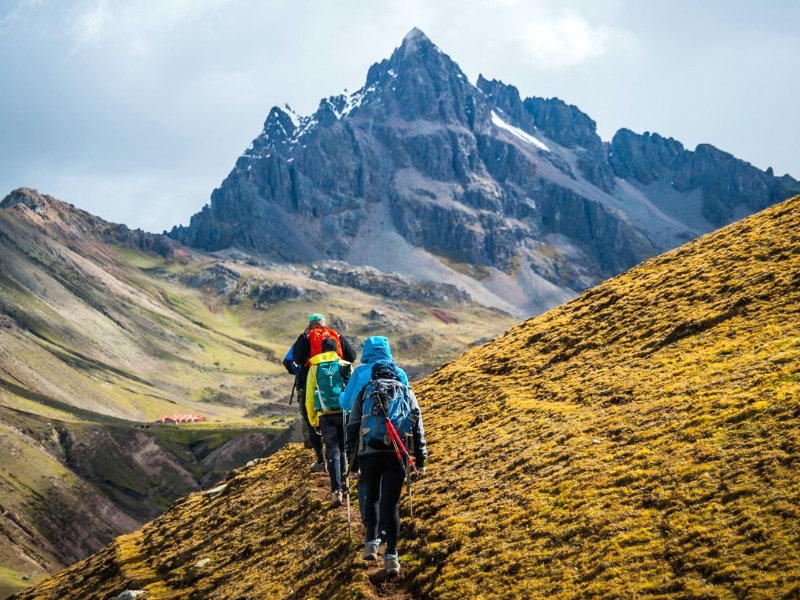
As with all our trips, every group is different but the ‘average’ group consists of roughly half couples and half solo travellers – all sharing a passion for exploring the world on foot. You’ll always have someone to keep you company along the route, but you don’t always have to walk together. Wherever possible your Andean Great Treks leader will allow everyone to walk at their own pace, regrouping regularly along the route.
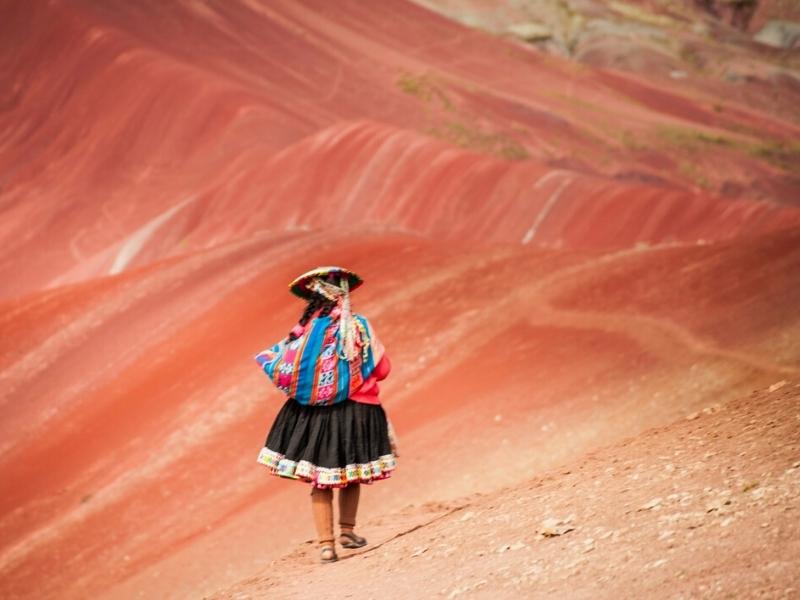
Mostly of our hikes in the mountains in Peru and Cusco like the classic Inca Trail to Machu Picchu, Ausangate Trek, Lares Trek, Ancascocha Trek, Salkantay Trek , involves an average of walking hours of 7-8 hours per day, this timing includes stops for taking photos, lunch, breaks for recovery the energy, and the most important we adapt to your walking pace. This relaxed style of trip involves to know all the attractions in greater depth.
On nearly all our Walking trips, porters or mules will carry all the camping equimpent, so your main luggage will be transported for you. We recommend walk with a light rucksack, you will carry water, snacks, a camera, a small first aid kit and any extra clothing or sun protection. On more remote or challenging treks, additional guides are there to assist the leader tour guide and provide support to the group.
The acclimatization period is very important for our travelers to enjoy the experience. We suggest a minimum of 3 or 4 days of the previous stay in Cusco city, the Sacred Valley of the Incas or Machu Picchu. We recommend you check the acclimation programs we have prepared for you on our website.
The average height of our camps in the trekking circuits is 3,500 masl. In fact, one of the circuits where you sleep at the highest altitude is the Ausangate Trek, where you will have days to set up the tents at a height of 4,300 meters. Remember that Peru has snowy peaks that reach up to 6,700 masl.
From 3,000 meters above sea level, the symptoms of “altitude sickness” vary according to each person, and may even not occur. However, among the most common are a headache, dizziness, nausea, loss of appetite and insomnia. Therefore, upon arriving in the city of Cusco, located at 3,400 meters above sea level, we recommend our travelers to take a good rest, drink plenty of water, eat light meals and take slower walking. Also, it is necessary to avoid alcoholic beverages and cigarettes. The symptoms can be alleviated with high mountain medicines such as DIAMOX or similar products, but we suggest you consult with your doctor before the trip.
While on the trail, hikers will need to carry a daypack (camera equipment, water bottle, extra layers, rain gear, and other accessories you might need on the trail.) Horses and llamas will carry your duffle bag to the next camping site.
The company makes the greatest efforts to provide a safe and unforgettable experience, for this reason, the trekking guides are constantly communicated with the central office through satellite phones, ensuring the welfare of each passenger. Our guides are trained in rescue techniques and first aid in emergency outdoor, these courses are developed annually and have the standards of the wilderness first respond. At all times we have oxygen and first aid equipment. In case of any eventuality a medical director will answer our questions 24 hours a day. In addition to the animals who carry the luggage we have horses to help walkers tired or eager to ride. We recommend getting a travel insurance.
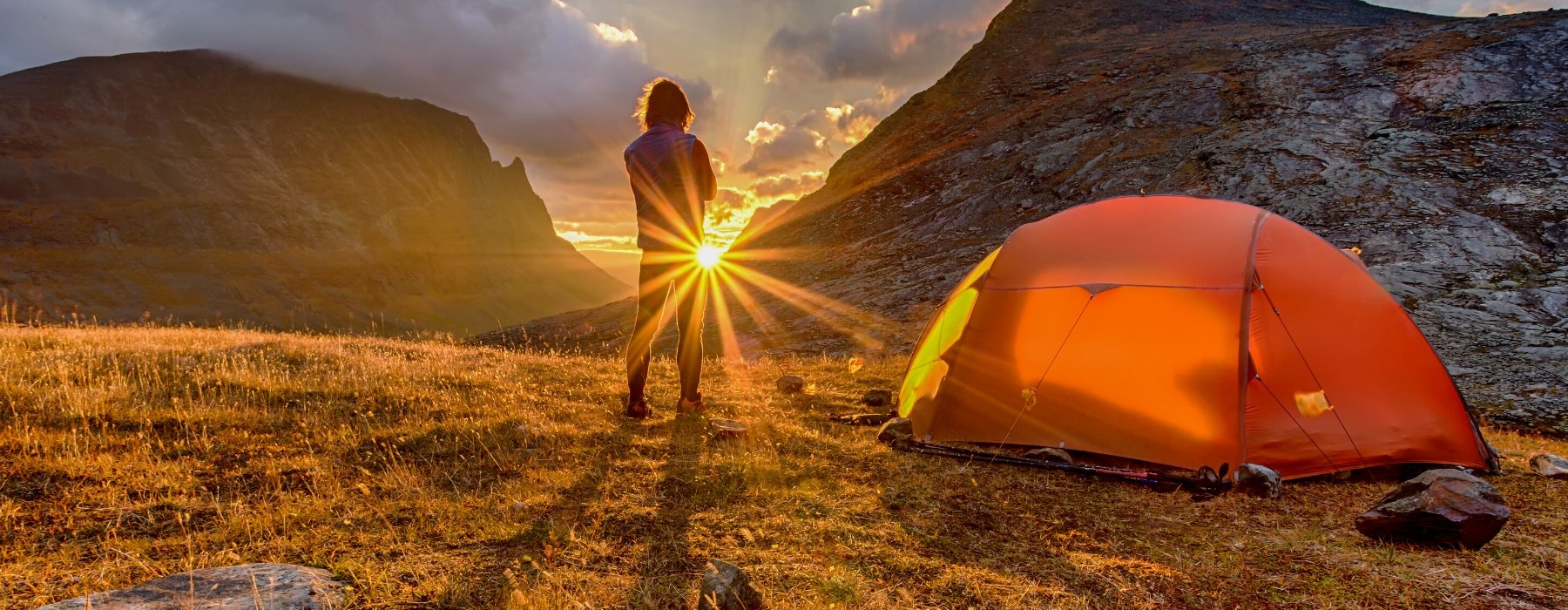
Every Andean Great Treks holiday has been thoughtfully planned and crafted by our specialists. They draw on their own extensive travel experience and the guidance and expertise of our local partners to create superb holidays. Our specialists are committed to making every aspect smooth and enjoyable; they genuinely want to ensure that the holidays they create leave you with wonderful lasting memories.
Every Andean Great Treks traveller is accompanied by an experienced tour guide, you will be immersed in Historic cities, ancient ruins and unfamiliar landscapes are all brought to life by our carefully selected local guides. They want to share their expertise and help you make your own discoveries too; their sole mission is to ensure you enjoy every moment.
Giving you the freedom to make your holiday even more memorable. We know how much our customers look forward to their holiday and we pride ourselves on the choice and flexibility that we offer to enhance every aspect of your experience. Whether it’s getting to the airport, upgrading your room or booking an additional excursion, we can help.
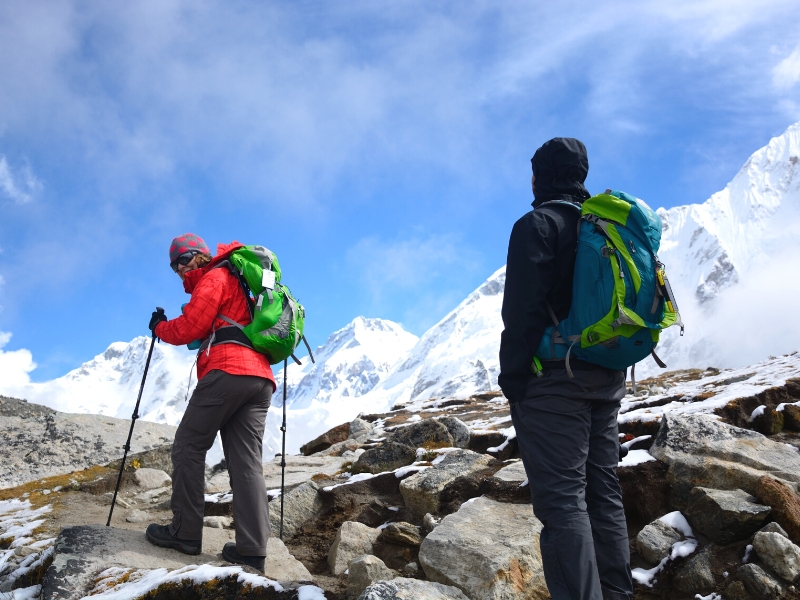
Our guides are the stars of the show; it is their unrivalled knowledge, passion and expertise that will transform your tour experience from good to truly extraordinary!
Because the have grown up in the area and know it like the back of their hand, so they can help you experience whichever aspects most interest you. They’re passionate about sharing their corner of the world with you, and as you explore together, they’ll open your eyes to the intricate details, provide background to enhance your understanding of what you’re seeing, and share stories that will bring everything to life.
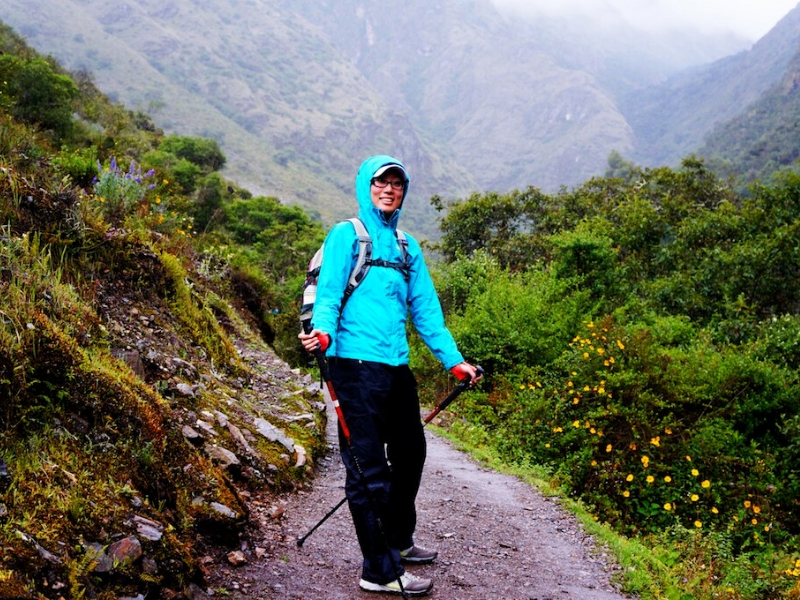
“Your inspiration for a trip can be a single word or a highly evolved outline, but it’s the conversations we have that help us understand the experience you’re looking for. Meanwhile, I’m looking back on the time I spent at the destination.
‘The great thing about working with a specialist at Andean Great Treks is how they take your complete jumble of ideas and turn them into something absolutely spectacular.’
As you begin to share your ideas with your specialist, it will connect them immediately back to a time in their own travels. Conjuring a picture of the rest time they made that same discovery, reminding them how it felt.
Your specialist understands that, when the journey is right, it has the power to excite your emotions in the most profound ways after all, that was the effect on them.
They carry a treasure box of moments, captured over many journeys, into every suggestion they’ll share with you, as they ask you how you want to feel on your trip.
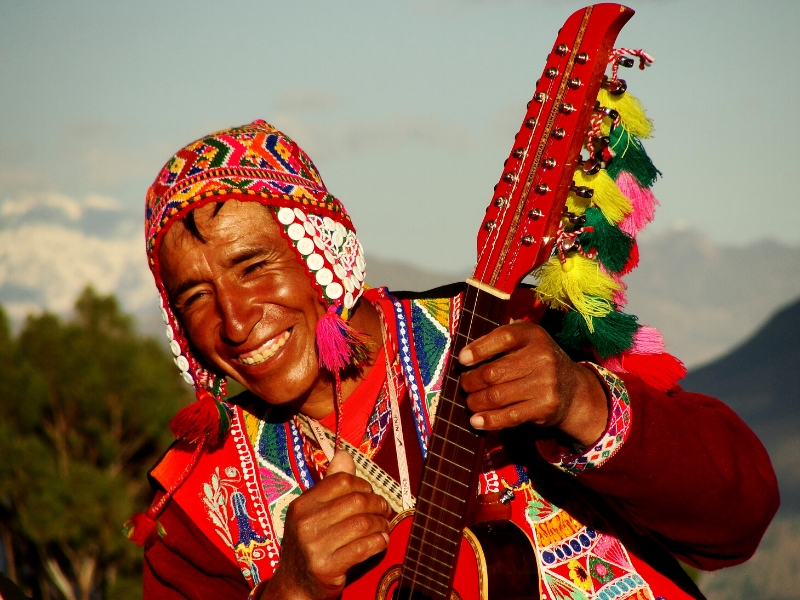
EXPERIENCES THAT CALL TO YOU
It’s what you do in a destination that helps bring it to life. It’s why we strive to choose experiences that help you connect to a place, absorbing a little of its complex character. Wherever your passions lie, we’ll recommend experiences that speak to you, and we’ll recommend the guide or local expert who’s most qualified to help you explore. Packing your holiday full of special experiences means some early starts and long days, but you can be sure that you’ll return home with many incredible memories! Read our Tours and check the Physical Ratings to see if the pace and activity levels are right for you.
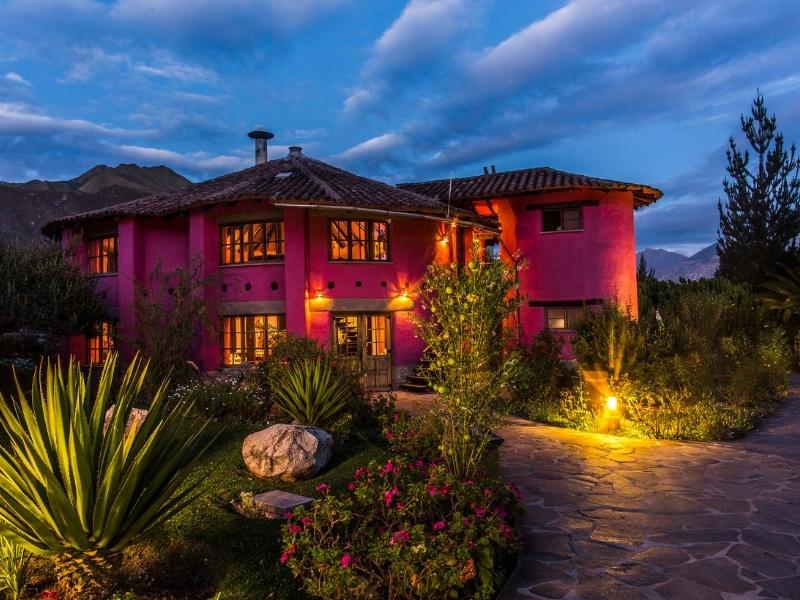
STAYS WITH DIFFERENCE
We know that where you stay is a cherished part of your travels. So, we go to great lengths to find places to stay that exceed expectations, or go above and beyond the ordinary, whether in their character, hospitality, or location. Over the years, we’ve discovered the very best properties, trying and testing them, so we can choose the right one for you. We’ve nourished long-standing relationships with these establishments and the people who founded them, and we’ve stayed there many times often, we’ll even know which rooms have the best views (and reserve them for you).
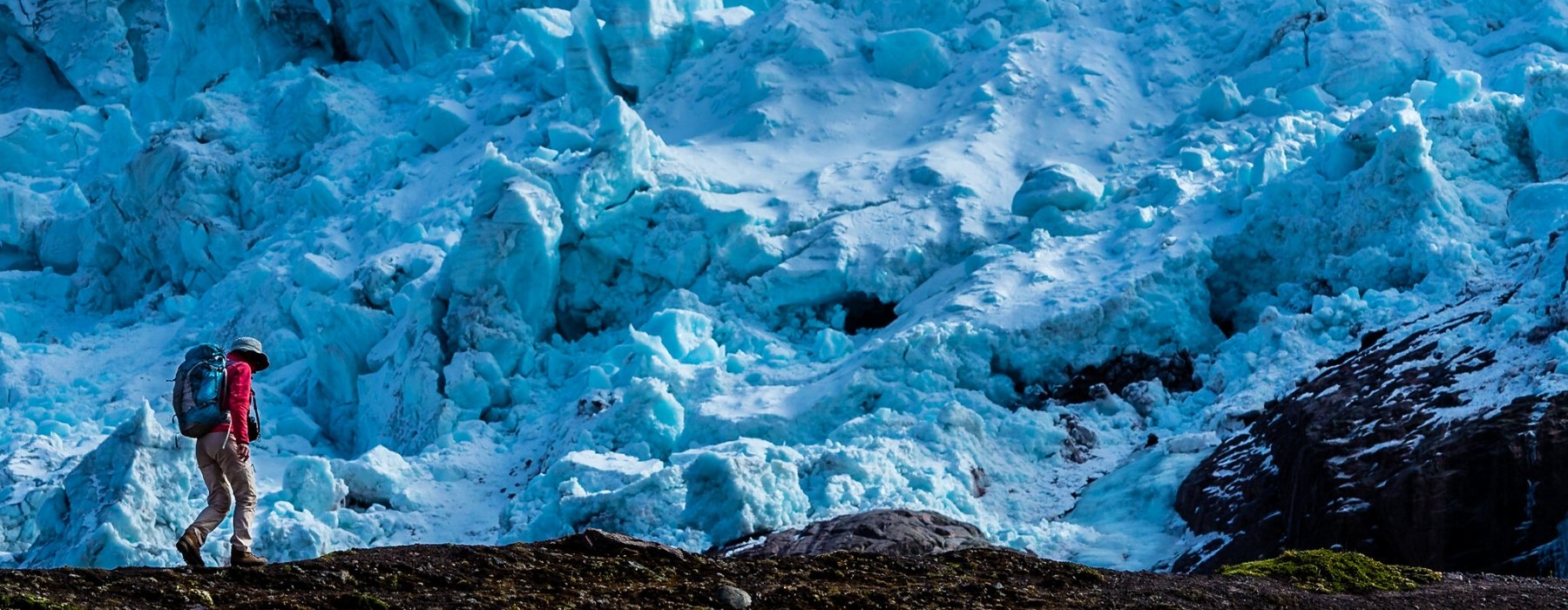
Our style of travel — authentic, thoughtful, and focused on building meaningful connections to the people and places you visit — is inherently respectful and considerate of the destinations we love. We design each aspect of your trip exactly as you want it, which includes its sustainability. That might mean choosing a train journey instead of a flight, staying at eco-friendly wildlife lodges, or opting for experiences that give back to the communities you’re visiting. The choice is yours.
Responsible travel has always been at the heart of what we do. First and foremost, because it gives you the best experience, but, also because it helps to preserve the communities and landscapes you visit. This isn’t new for us we collaborated with local communities and outside experts so we can grow to be better ambassadors.
The most authentic and interesting experiences often directly benefit the local people. We prefer to buy local products that are produced in the organic farms of the Sacred Valley, we also have alliances with local artisan organizations who provide us with souvenir items for our clients, your money directly benefits the local economy.
Our style of travel — authentic, thoughtful, and focused on building meaningful connections to the people and places you visit — is inherently respectful and considerate of the destinations we love. We design each aspect of your trip exactly as you want it, which includes its sustainability. That might mean choosing a train journey instead of a flight, staying at eco-friendly wildlife lodges, or opting for experiences that give back to the communities you’re visiting. The choice is yours.
Responsible travel has always been at the heart of what we do. First and foremost, because it gives you the best experience, but, also because it helps to preserve the communities and landscapes you visit. This isn’t new for us we collaborated with local communities and outside experts so we can grow to be better ambassadors.
The most authentic and interesting experiences often directly benefit the local people. We prefer to buy local products that are produced in the organic farms of the Sacred Valley, we also have alliances with local artisan organizations who provide us with souvenir items for our clients, your money directly benefits the local economy.
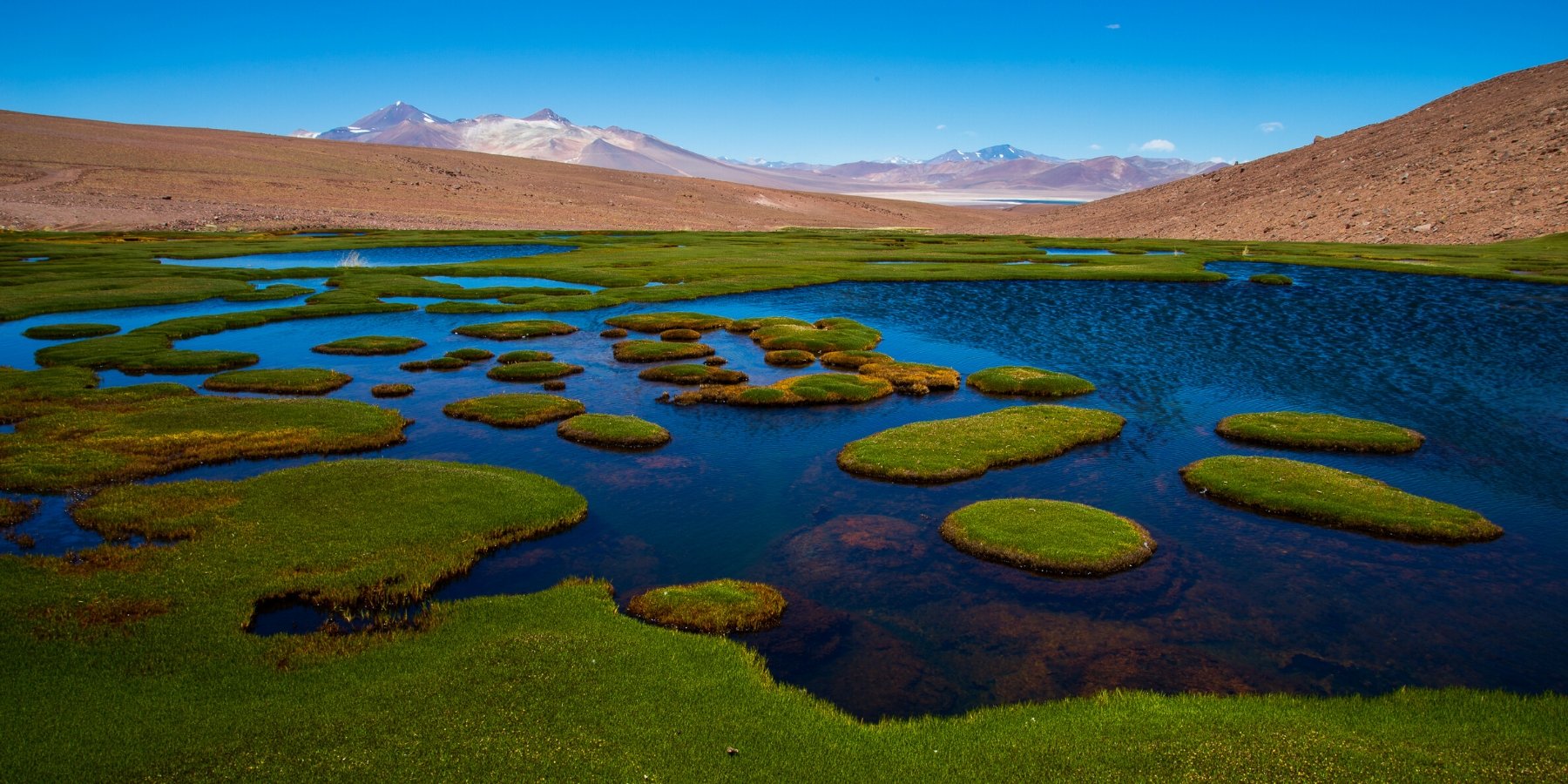
‘There’s a saying: we don’t inherit the Earth from our ancestors, we borrow it from our children. When we show you our country, this philosophy guides everything we do. It’s our responsibility to preserve the environment and wildlife, and support communities. That means using slower modes of transport, like cycling, employing local people, and working with communities who’ll benefit directly from your visit. This also gives you the best, most authentic impression of the places we want to share with you.
We prefer to buy local products in ecological bags, to avoid the use of plastic bags, likewise we teach the use of soaps and ecological products in each tour that we organize. We also work on reforestation projects with local communities who take care of landscape resources such as communal reserves, national parks.
‘There’s a saying: we don’t inherit the Earth from our ancestors, we borrow it from our children. When we show you our country, this philosophy guides everything we do. It’s our responsibility to preserve the environment and wildlife, and support communities. That means using slower modes of transport, like cycling, employing local people, and working with communities who’ll benefit directly from your visit. This also gives you the best, most authentic impression of the places we want to share with you.
We prefer to buy local products in ecological bags, to avoid the use of plastic bags, likewise we teach the use of soaps and ecological products in each tour that we organize. We also work on reforestation projects with local communities who take care of landscape resources such as communal reserves, national parks.
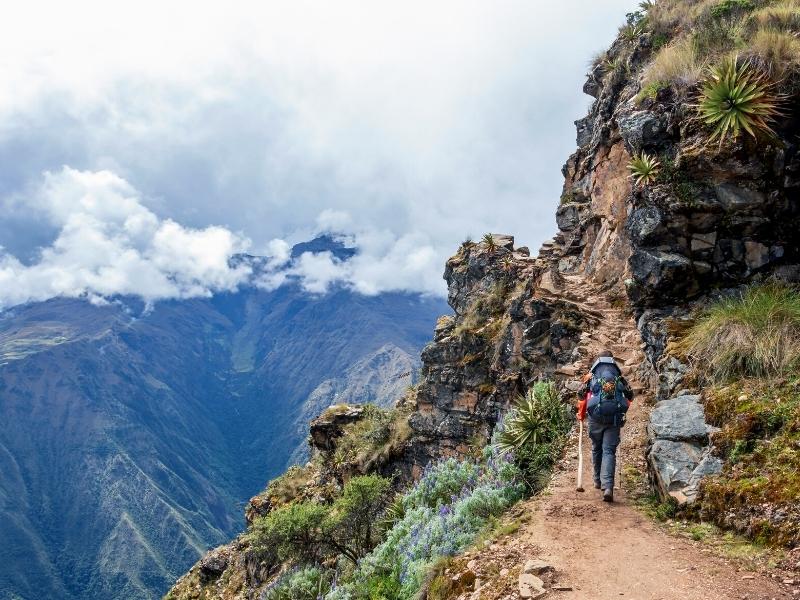
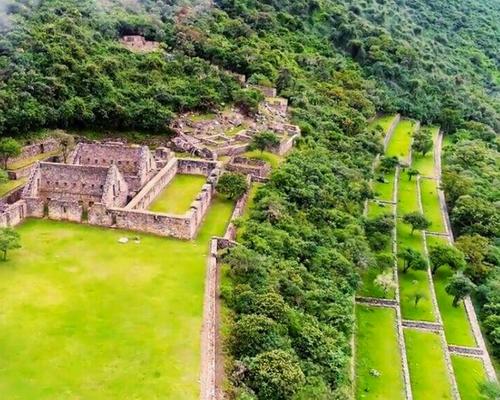
Visit the two jewels of Inca architecture, the sacred sanctuary of Choquequirao is built on a mountain above the great canyon of the Apurimac River, then you will visit the modern wonder of Machu Picchu together with our guides who are passionate about the history and culture of Peru.
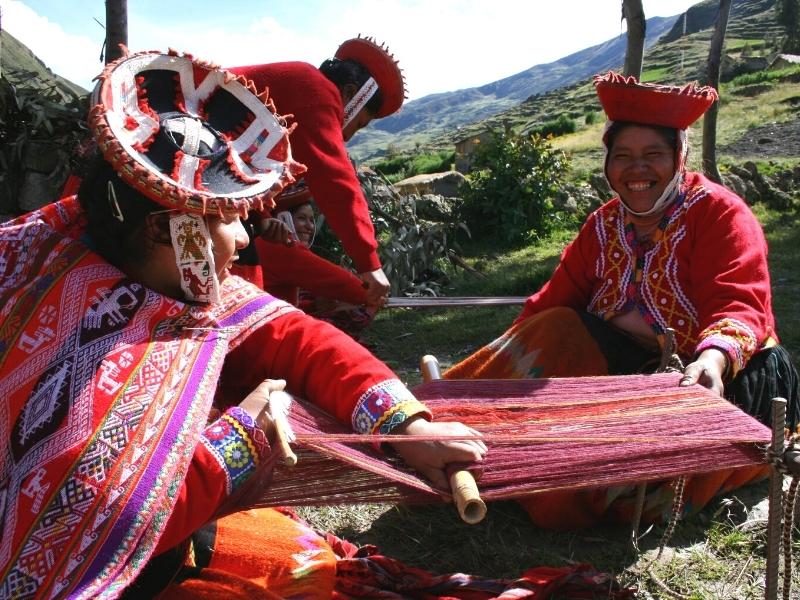
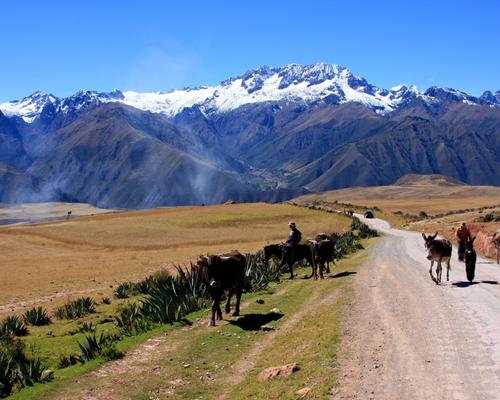
Explore the Lares Trek to Machu Picchu, this trip takes you to the heart of the Andes where few tourist have ventured, you will enjoy the Andean traditions and original indigenous villages, who are still keeping the incas traditions, imposing glaciers, green lakes, waterfalls, llamas and alpacas.
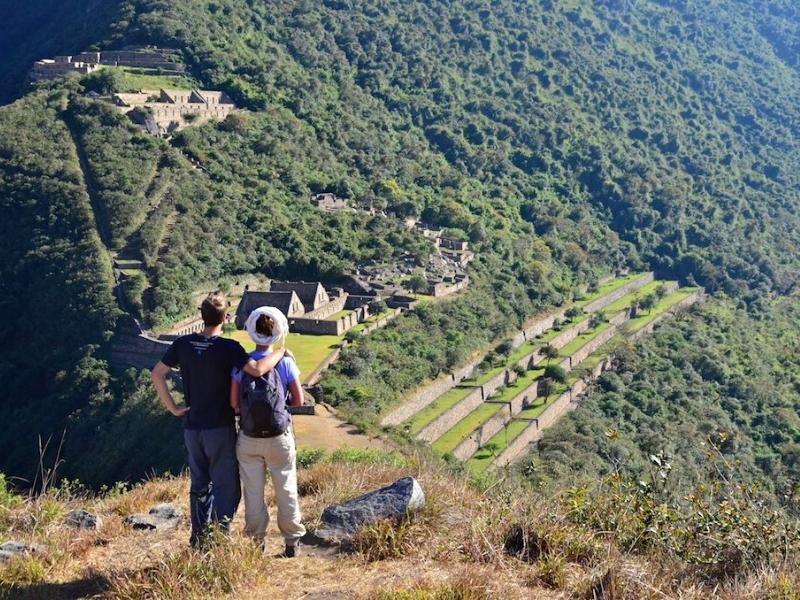
Trek to Choquequirao where you will find spectacular Inca ruins, Amazing scenery, breathtaking mountain views around every corner, incredible nature, the place practically just for you.