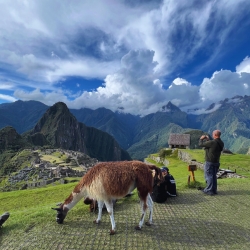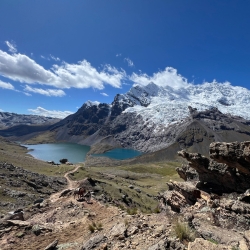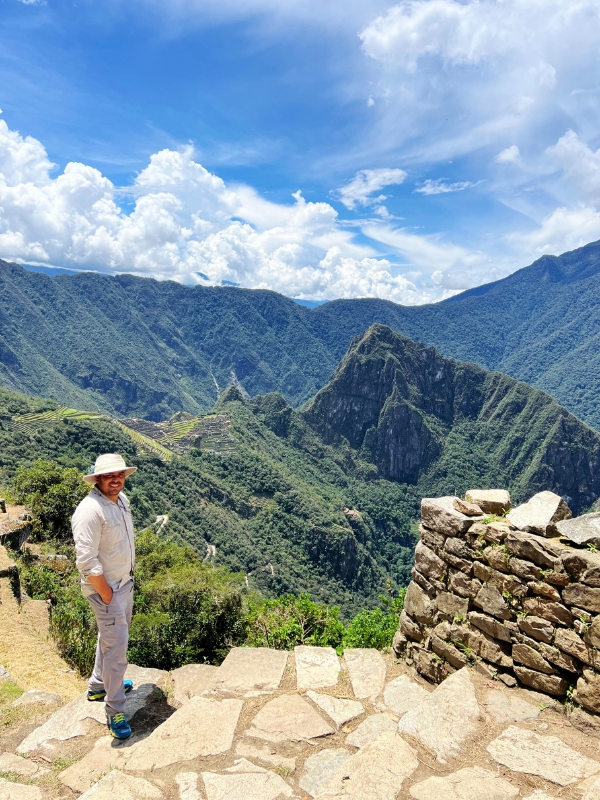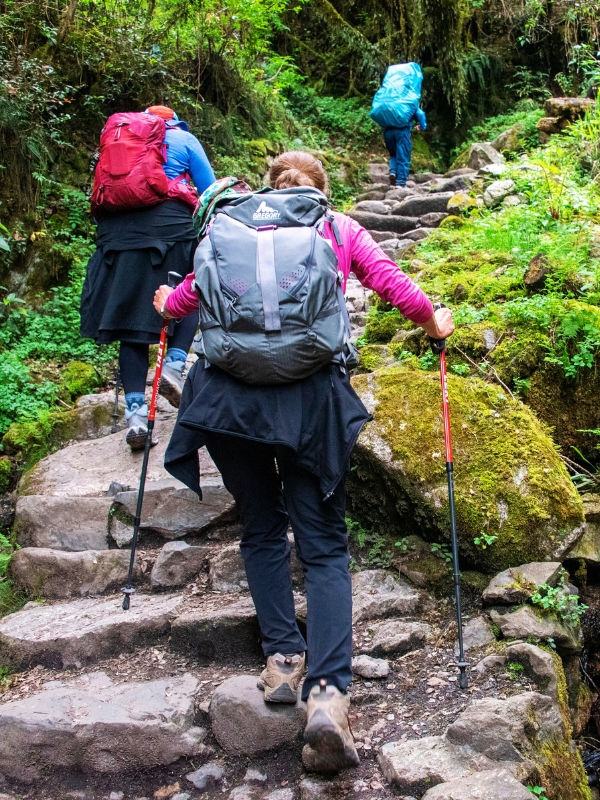
The Short Inca Trail is far more than a simple hike; it is a concentrated walk-through living history. While the classic four-day trek gets most of the attention, the one-day version from kilometer 104 offers an equally profound connection to the Inca civilization. This path was originally part of a vast network of roads, the Qhapaq Ñan, that connected the far reaches of the Tahuantinsuyo Empire. As you climb ancient stone stairways and pass-through original settlements like Chachabamba and Wiñay Wayna, you are literally walking in the footsteps of emperors, messengers, and priests who once used this very route to reach the sacred citadel of Machu Picchu.
So, why should you consider visiting the Short Inca Trail? For travelers short on time or physical stamina, the Short Inca Trail provides the ultimate solution: the authentic Inca arrival experience without the need for camping or a multi-day commitment. You still earn that iconic first glimpse of Machu Picchu from the Sun Gate (Inti Punku), a moment of breathtaking reward that day-trippers arriving by bus never get to feel. It allows you to combine the thrill of an archaeological adventure with the practicality of a single day, making the dream of hiking to Machu Picchu accessible to almost anyone with a reasonable fitness level.
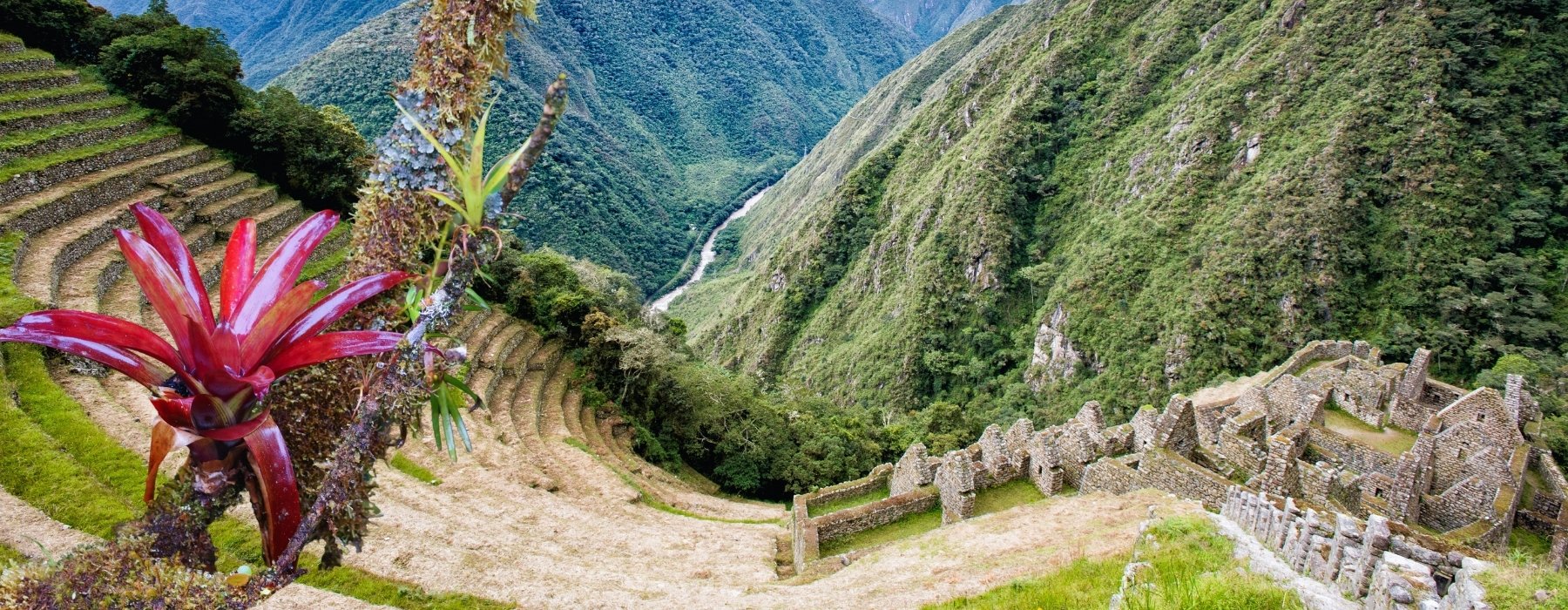
The landscape along this compact route is nothing short of spectacular. In just about six to seven hours of hiking, you will traverse a dizzying variety of ecosystems. You start in a humid, orchid-filled cloud forest, where mist clings to the trees and the air is fresh with the scent of earth and flowers. As you ascend towards the ruins of Wiñaywayna at nearly 2,700 meters (8,858 feet), the path opens up to reveal staggering panoramic views of the Urubamba River winding far below, snow-capped peaks in the distance, and terraces that seem to defy gravity as they cling to steep mountainsides. Every corner turned presents a postcard-perfect scene, from tiny waterfalls to vibrant hummingbirds.
Choosing the Short Inca Trail comes with clear advantages that go beyond convenience. First, it includes a guided visit to the rarely visited Wiñay Wayna ruins, a stunning site often compared to Machu Picchu itself for its intricate fountains and agricultural terraces. Second, because the Short Inca Trail is strictly regulated and permits are limited, the path feels remarkably uncrowded compared to Machu Picchu sanctuary itself. You will share the morning with a small group of like-minded hikers, creating a sense of shared discovery. Finally, arriving on foot through the Sun Gate allows you to see Machu Picchu from above, in its full geographical context, giving you a deeper understanding of why the Incas chose this sacred spot. For those seeking a perfect balance of history, scenery, and efficiency, the Short Inca Trail is simply unbeatable.
The Short Inca Trail is one of the most rewarding one-day hikes in the world. Unlike the classic four-day trek, this route allows you to experience the essence of the Inca Road system in just a few hours, culminating in a dramatic arrival at Machu Picchu through the Sun Gate (Inti Punku). It is perfect for travelers who are short on time but still want the authentic experience of entering the ancient citadel on foot. The trail combines natural beauty, archaeological wonders, and a sense of personal achievement that simply cannot be matched by taking the bus from Aguas Calientes.
Historically, this path was part of the Qhapaq Ñan, the vast 40,000-kilometer network of roads that connected the Inca Empire. The section from kilometer 104 to Machu Picchu was likely used by priests, messengers, and nobility to access the sacred city. Today, it is strictly regulated by the Peruvian government to preserve its integrity and limit environmental impact. Only 500 people per day (including guides and porters) are allowed on the entire Inca Trail network, which makes the Short Inca Trail an exclusive and uncrowded experience compared to other tourist routes in Peru.
The hike covers approximately 10 kilometers (6.2 miles) and takes between 6 to 7 hours of steady walking. While shorter than the classic trek, it still includes steep climbs, ancient stone staircases, and high-altitude sections that will challenge your endurance. The highest point is the Wiñay Wayna archaeological site at approximately 2,700 meters (8,858 feet), which is significantly lower than the 4,200-meter pass on the classic trail. This makes altitude sickness less of a concern, though proper preparation is still essential.
Choosing the Short Inca Trail means you get the best of both worlds: the adventure of hiking and the comfort of sleeping in a hotel. You wake up early, hike through cloud forests and Inca ruins, and by afternoon you are standing inside Machu Picchu. For many travelers, this balance between effort and comfort is the main reason to choose this route over longer treks. It is accessible, historically rich, and visually stunning from start to finish.
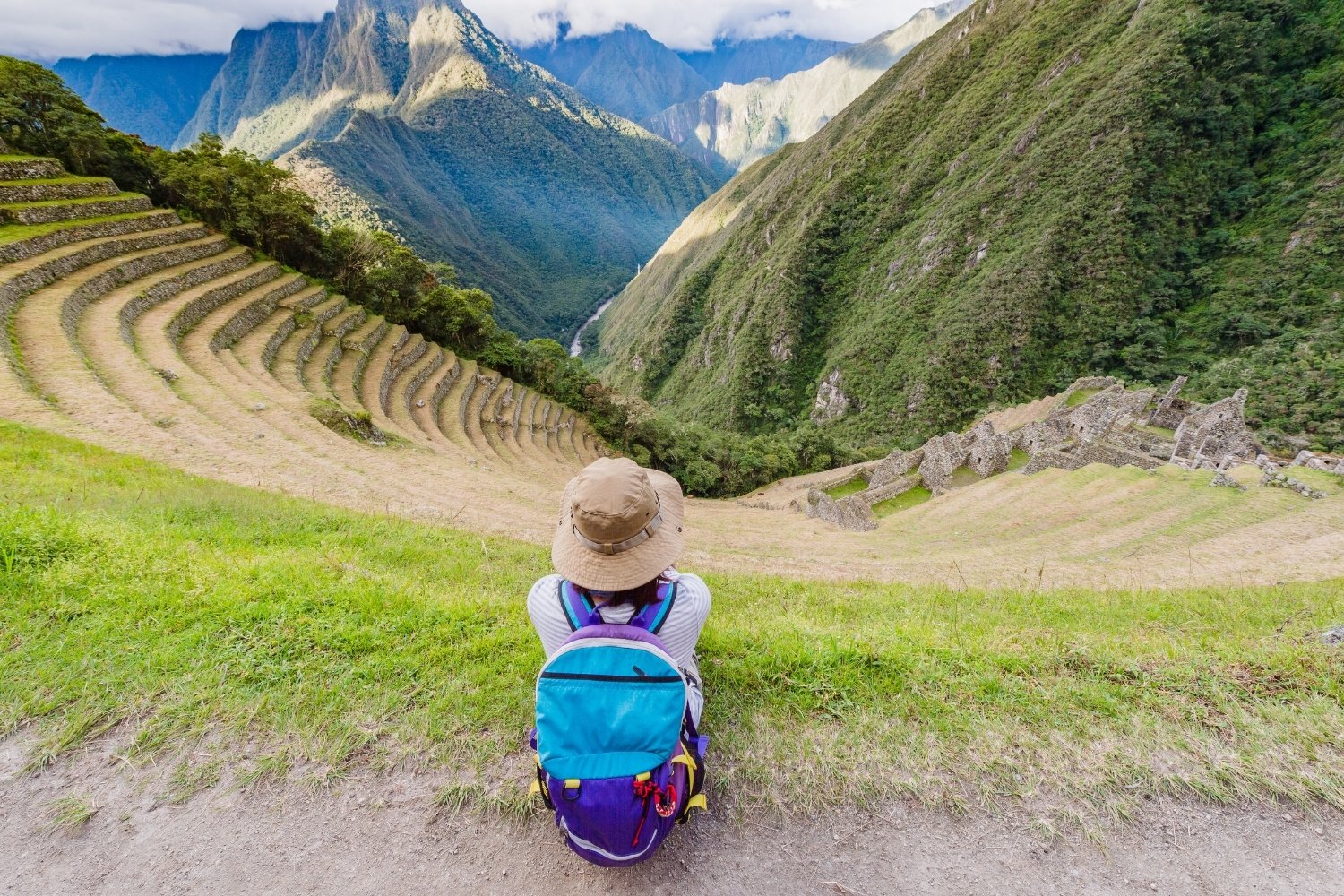
The Short Inca Trail is a one-day hiking route that serves as an alternative entrance to Machu Picchu. It starts at kilometer 104 of the PeruRail train line from Ollantaytambo to Aguas Calientes. From there, hikers follow a well-preserved section of the original Inca road, passing through two major archaeological complexes: Chachabamba and Wiñay Wayna. The trail ends at the Sun Gate, which offers the first iconic panoramic view of Machu Picchu from above.
Unlike the standard tourist entrance to Machu Picchu, which requires taking a bus from the town of Aguas Calientes, the Short Inca Trail provides a gradual and dramatic reveal of the citadel. As you emerge through the Sun Gate, you see Machu Picchu spread out below you, nestled between green peaks and surrounded by the Urubamba River valley. This moment is widely considered one of the most breathtaking experiences in all of South America, and it is reserved exclusively for those who arrive on foot via the Inca Trail.
The route is fully guided, as Peruvian regulations require all hikers on the Inca Trail network to be accompanied by a licensed tour operator. This ensures safety, historical context, and environmental responsibility. Your guide will explain the significance of each archaeological site, the engineering marvels of Inca construction, and the spiritual importance of Machu Picchu. Most tours also include a guided visit inside Machu Picchu after completing the hike.
It is important to note that the Short Inca Trail does not include camping. You will stay in a hotel in Aguas Calientes the night before the hike or after the hike, depending on your tour package. This makes it an excellent choice for families, older travelers, or anyone who prefers a hot shower and a comfortable bed after a day of physical activity. Despite its shorter length, the Short Inca Trail delivers a complete and authentic Inca experience.
The Short Inca Trail is generally considered moderate in difficulty. It is easier than the classic four-day trek but more challenging than a casual day hike in a national park. The total distance is 10 kilometers (6.2 miles), with an elevation gain of approximately 500 meters (1,640 feet) from the start at kilometer 104 to the highest point near Wiñay Wayna. The most demanding section is the initial climb from Chachabamba to the top of the first ridge, which involves steep stone stairs and uneven terrain.
Most healthy individuals with a basic level of fitness can complete the Short Inca Trail successfully. However, you should be prepared for several hours of continuous uphill walking at an altitude that ranges from 2,040 meters (6,690 feet) at the start to 2,700 meters (8,858 feet) at the highest point. While this altitude is not extreme, it can still cause mild symptoms such as shortness of breath, fatigue, or headache, especially for travelers who arrive directly from sea level without acclimatization.
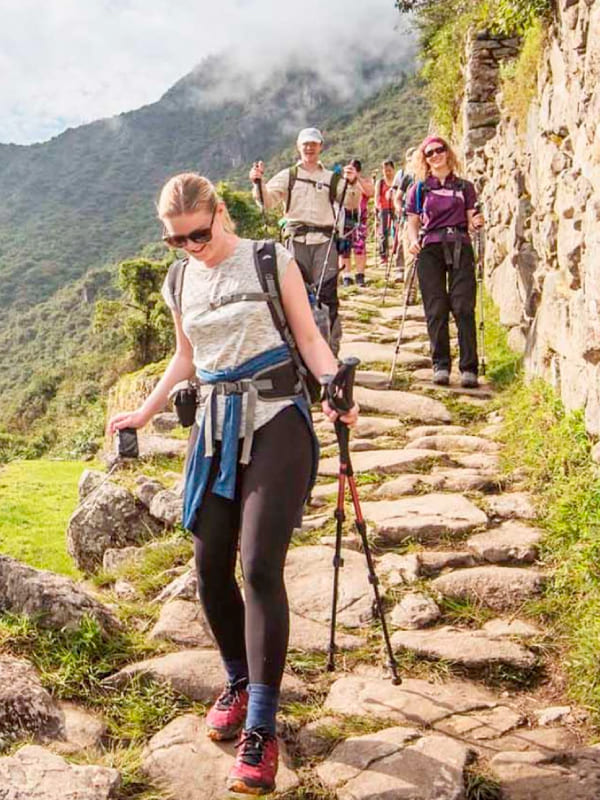
The trail surface consists mainly of original Inca stonework, which means uneven steps, narrow pathways, and occasional steep drop-offs. Hiking poles are highly recommended to reduce strain on your knees, especially during the descent from Wiñay Wayna toward the Sun Gate. The weather can also add to the difficulty. The rainy season from November to March turns the path into a slippery, muddy track, while the dry season from April to October offers firm footing but intense sun exposure at midday.
Despite these challenges, thousands of people of all ages complete the Short Inca Trail every year. The key is to pace yourself, stay hydrated, and listen to your guide. You are never rushed, and there are plenty of stops at archaeological sites and scenic viewpoints to catch your breath. If you can walk uphill for 30 to 45 minutes without stopping and climb several flights of stairs without severe discomfort, you are likely ready for this adventure.
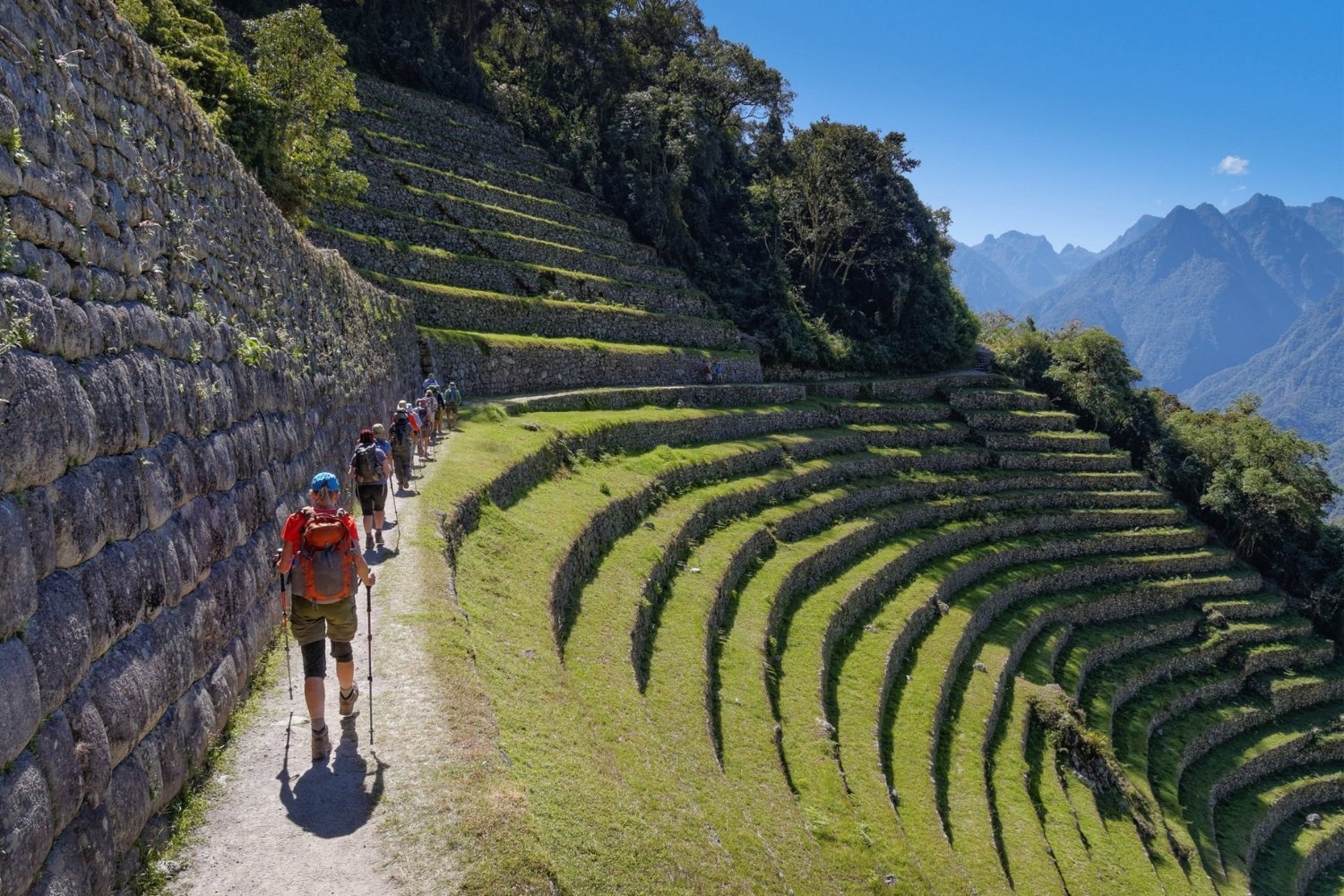
The Short Inca Trail begins at kilometer 104 of the train line between Ollantaytambo and Aguas Calientes. Most tours start very early in the morning, typically between 4:00 AM and 5:00 AM, with a hotel pickup in Cusco or the Sacred Valley. You will take a train from Ollantaytambo to the trailhead, arriving around 7:00 AM. After passing a checkpoint where your passport and permit are verified, you cross a footbridge over the Urubamba River and begin the ascent.
The first major site you encounter is Chachabamba, an Inca ceremonial complex located at 2,170 meters (7,120 feet). This small but well-preserved ruin features stone fountains, agricultural terraces, and religious structures. Your guide will explain its role as a control point for travelers entering the Machu Picchu sanctuary. After exploring Chachabamba, the trail climbs steeply through a lush cloud forest filled with orchids, ferns, mosses, and hummingbirds. This section takes about two hours and is the most physically demanding part of the hike.
After the initial climb, the path levels out somewhat as you approach Wiñay Wayna, which means “Forever Young” in Quechua. This extraordinary archaeological site is often described as a mini Machu Picchu. It consists of two distinct sectors: an upper complex of ceremonial buildings and a lower complex of stunning agricultural terraces connected by a staircase. A series of stone fountains and aqueducts demonstrate the Incas’ advanced hydraulic engineering. You will have time to explore Wiñay Wayna and eat lunch here, either a boxed meal or a hot lunch prepared by porters if your tour includes them.
From Wiñay Wayna, the trail continues for about two more hours to the Sun Gate. This final section is mostly flat or gently undulating, with spectacular views of the Urubamba Valley and the surrounding Andean peaks. As you approach the Sun Gate, the first partial views of Machu Picchu appear through the trees. Finally, you step onto the stone platform of Inti Punku and see the entire citadel spread out before you. After taking photos and catching your breath, you descend for approximately 45 minutes to the main entrance of Machu Picchu for a guided tour.
Proper preparation is essential for a safe and enjoyable Short Inca Trail experience. Physical preparation should begin at least four to six weeks before your trip. Focus on cardiovascular exercises such as hiking, running, cycling, or swimming. Incorporate stair climbing or incline treadmill walking to simulate the steep ascents you will encounter. Strength training for your legs and core will help with balance on uneven stone steps. Aim for at least 30 to 45 minutes of exercise three to four times per week.
Mental preparation is equally important. The Short Inca Trail is not a race, and there is no shame in walking slowly. Many hikers become frustrated when they struggle with altitude or fatigue, but maintaining a positive attitude makes a significant difference. Remind yourself that every step brings you closer to one of the most spectacular views on Earth. Practice deep breathing and pacing strategies during your training hikes so they become second nature on the trail.
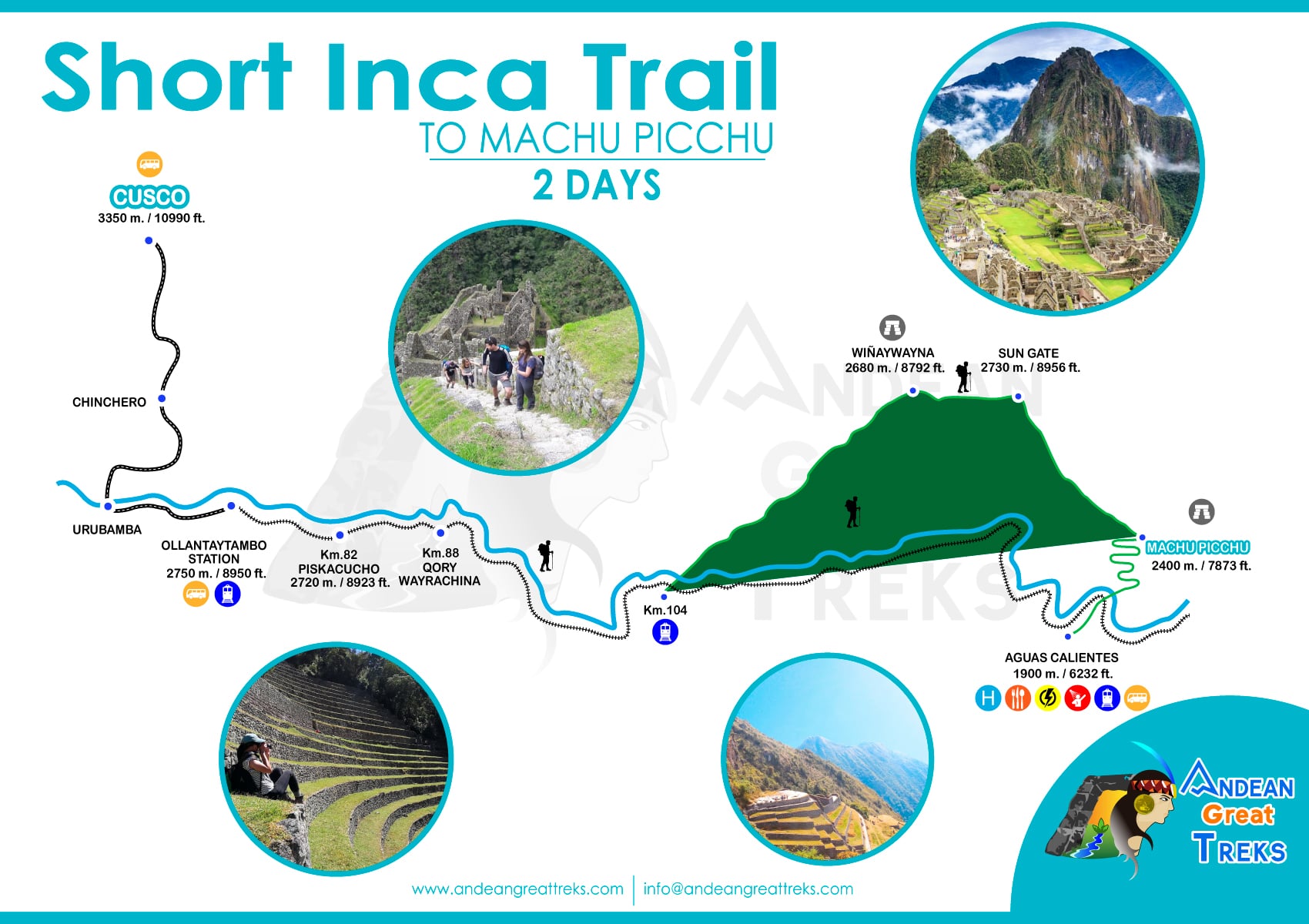
Logistical preparation involves booking your permits well in advance, arranging transportation, and packing appropriately. The Peruvian government releases permits for the Inca Trail on a first-come, first-served basis, and they often sell out months ahead of time, especially for the dry season months of May, June, July, and August. You must book through a licensed tour operator, as independent hiking is not allowed. Once you have your permit, arrange your hotel stays in Cusco, Ollantaytambo, or Aguas Calientes, and confirm your train tickets to kilometer 104.
Finally, spend at least two days acclimatizing in Cusco or the Sacred Valley before attempting the Short Inca Trail. Cusco sits at 3,400 meters (11,150 feet), which is significantly higher than the trail’s maximum altitude. During this time, drink plenty of water, avoid heavy meals and alcohol, and take short walks around the city to help your body adjust. If you experience severe altitude sickness symptoms such as persistent vomiting, confusion, or difficulty breathing, seek medical attention immediately and consider postponing your hike.

Permits are mandatory for the Short Inca Trail, and they are managed by the Peruvian Ministry of Culture. Unlike the classic four-day trek, which requires permits for each day of the hike, the Short Inca Trail requires just one permit per person for the specific date of your hike. Each permit is tied to your passport number and cannot be transferred or sold to someone else. This system controls the number of people on the trail to protect the archaeological sites and the natural environment.
The total number of permits available each day for the entire Inca Trail network (including the classic trek and the Short Inca Trail) is limited to 500 people. However, this number includes guides, porters, and support staff. The actual number of hikers is approximately 200 per day. Permits for the Short Inca Trail are a subset of these 200 spots. They sell out quickly, particularly during the peak season from April to October. For travel during these months, you should book your permit at least three to six months in advance.
You cannot purchase a permit directly as an individual. All permits must be booked through a licensed tour operator. The operator will register your passport information with the Ministry of Culture, provide you with a confirmation, and give you a copy of the permit to carry on the trail. It is essential that your passport is valid and that the number you provide matches the passport you will carry on the hike. If you renew your passport after booking, you must bring your old passport as well, or you may be denied entry.
Permits are non-refundable and non-changeable. If you cancel your hike or fail to show up, you lose the permit and the money you paid for it. Some tour operators offer permit protection insurance for an additional fee, which may allow you to cancel for certain covered reasons such as illness or family emergency. Otherwise, choose your date carefully and be certain of your travel plans before booking. Last-minute permits are extremely rare, but you may find availability during the rainy season from November to March.
The Short Inca Trail is available year-round, but availability varies significantly by season. The trail is closed for maintenance during the entire month of February each year. This closure allows the Ministry of Culture to repair damage from the rainy season, clean the path, and preserve the archaeological sites. No permits are issued for February, and no hiking is permitted on the Inca Trail during this time. Plan your trip for March through January if you want to hike the Short Inca Trail.
The peak season for the Short Inca Trail runs from April through October, which coincides with the dry season in the Andes. During these months, the weather is generally sunny, with cool mornings and evenings and warm afternoons. Rain is rare, though occasional showers can occur. Because the weather is ideal, demand for permits is extremely high. Permits for April, May, June, July, and August often sell out within days or even hours of being released. September and October are slightly less crowded but still require advance booking.
The shoulder seasons of March and November offer better availability and fewer crowds. March is the end of the rainy season, so you may encounter some mud and occasional afternoon showers. November is the beginning of the rainy season, with similar conditions. Both months still offer plenty of sunny days, and the landscape is especially lush and green. If you are flexible with your travel dates, these months provide a good balance between weather and permit availability.
The low season from December to January (excluding the February closure) has the most permit availability but also the worst weather. Heavy rain, mudslides, and limited visibility are common. Some tour operators reduce their departures or stop offering the Short Inca Trail altogether during this period due to safety concerns. If you choose to hike during the low season, be prepared for wet conditions, slippery trails, and the possibility of train delays or cancellations.
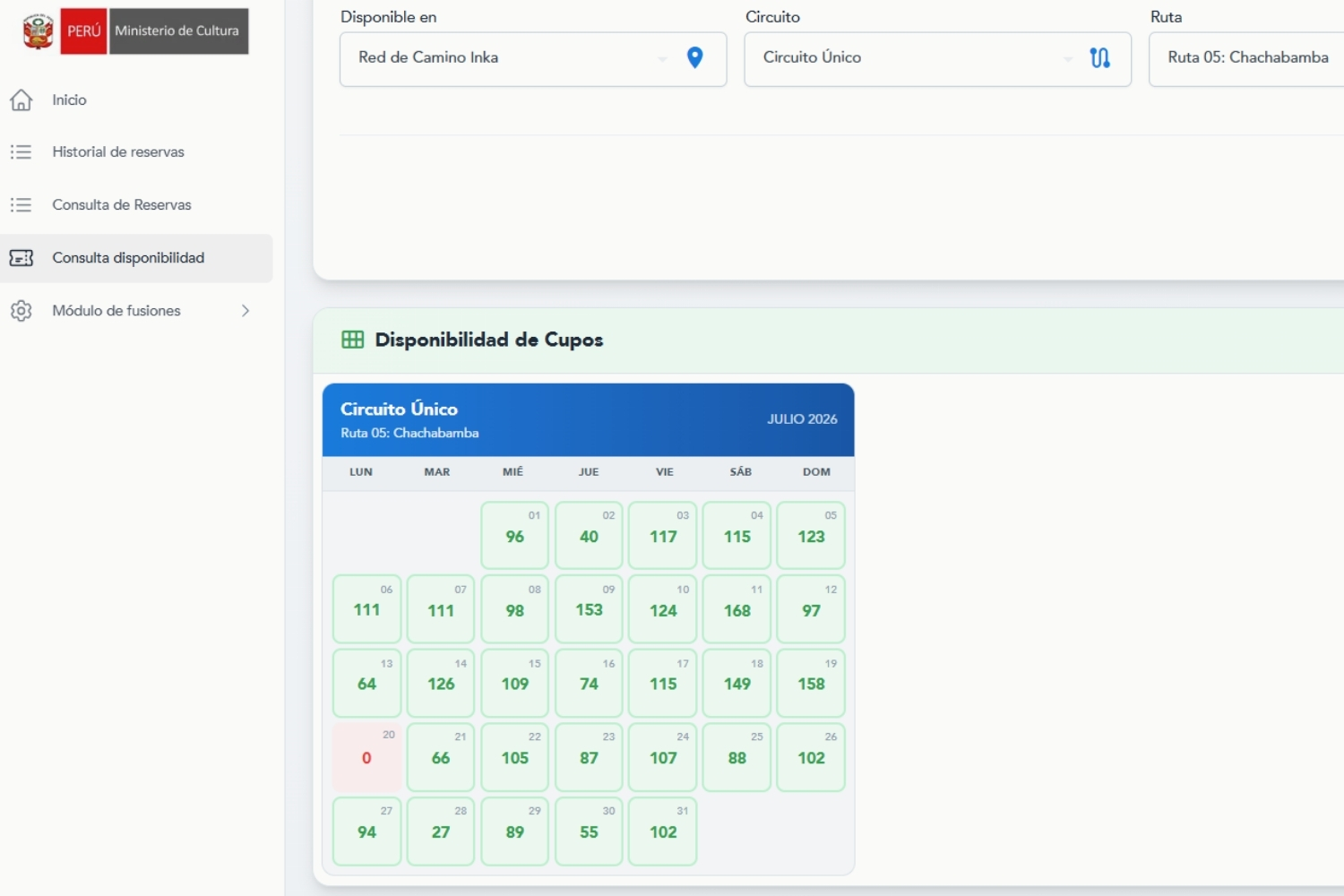
The Short Inca Trail is typically completed in one day, but most tours span two days when you include transportation and the Machu Picchu visit. Below is a detailed summary of the standard itinerary.
Your tour begins very early in the morning, usually between 3:30 AM and 4:30 AM. A representative from your tour operator will pick you up from your hotel in Cusco or the Sacred Valley. You will travel by private van or minibus to the town of Ollantaytambo, which takes approximately 1.5 to 2 hours. In Ollantaytambo, you will board a tourist train bound for Aguas Calientes. After about 45 minutes, you will disembark at kilometer 104, the designated trailhead for the Short Inca Trail.
At the checkpoint, you will present your passport and permit. Your guide will give a brief safety talk and introduction before you cross the footbridge over the Urubamba River. The hike begins immediately with a steep ascent toward Chachabamba. You will spend about 30 minutes exploring this ceremonial complex before continuing upward through cloud forest. The morning is the most physically demanding part of the day, but your guide will set a sustainable pace with regular stops for water, photos, and rest.
By late morning, you will reach the high point of the trail and begin leveling out toward Wiñay Wayna. You will arrive at Wiñay Wayna around midday, where you will have a full hour or more to explore the extensive ruins. Lunch is typically served here, either as a boxed meal or a hot meal prepared by support porters if your tour includes them. After lunch, you continue for approximately two more hours to the Sun Gate. The final approach to Inti Punku is emotionally powerful as the first glimpses of Machu Picchu appear.
You will reach the Sun Gate in the early afternoon, usually between 1:30 PM and 2:30 PM. After taking photographs and celebrating with your group, you descend for about 45 minutes to the main entrance of Machu Picchu.
Most standard Short Inca Trail tours do not include a second day of hiking. However, some premium or extended packages offer a modified two-day itinerary. On this option, you complete the hike to Machu Picchu on Day 1 as described above, but instead of returning to Cusco that night, you stay overnight in Aguas Calientes. On Day 2, you have the opportunity to return to Machu Picchu for sunrise, climb Huayna Picchu or Machu Picchu Mountain, or simply explore the citadel again at your own pace without the fatigue of the hike.
If you choose this extended option, Day 2 begins very early, with a 4:00 AM or 5:00 AM bus from Aguas Calientes to Machu Picchu. You will enter the citadel as it opens at 6:00 AM, experiencing the magical morning light and mist lifting from the ruins. Your guide may offer a second, shorter tour or allow you to explore independently. If you have booked tickets for Huayna Picchu (which requires a separate permit), you will climb that steep peak for incredible aerial views of Machu Picchu. By midday, you will take the bus back to Aguas Calientes, have lunch, and catch an afternoon train to Ollantaytambo and then Cusco.
This two-day itinerary is ideal for photographers, history enthusiasts, or anyone who wants to fully absorb the magic of Machu Picchu without rushing. However, it adds significant cost for the extra hotel night, second day entrance ticket, and additional bus rides. Most travelers find the one-day itinerary sufficient, but if you have the time and budget, the two-day version is a memorable upgrade.
The Short Inca Trail offers an exceptional balance of adventure, history, and comfort. Unlike the bus entrance to Machu Picchu, which feels like a typical tourist attraction, arriving on foot through the Sun Gate creates a profound sense of achievement and connection to the past. You experience the same gradual reveal that the Incas intended, where the citadel remains hidden until the very last moment. This emotional payoff is the primary reason many travelers describe the Short Inca Trail as a life-changing experience.
In terms of value, the Short Inca Trail is more expensive than a standard Machu Picchu entrance plus bus ticket, which costs around $450 USD to $650 usd total. However, the additional $100 to $250 for the hike buys you an experience that simply cannot be replicated. You gain access to two major archaeological sites that most visitors never see: Chachabamba and Wiñay Wayna. You walk on original Inca stonework through pristine cloud forest. You avoid the long lines for the bus in Aguas Calientes. And you earn the right to enter Machu Picchu through the ceremonial Sun Gate, an honor reserved only for hikers.
Compared to the classic four-day Inca Trail, the Short Inca Trail offers better value for travelers with limited time or budget. The four-day trek costs $950 USD or more, requires camping, and demands a higher level of fitness. The Short Inca Trail gives you the core highlights of the Inca experience in one day at roughly half the cost. You still get the guide, the ruins, the cloud forest, and the Sun Gate arrival. What you miss are the longer immersion, the camaraderie of camping, and the more remote sections of the trail.
For most travelers, the Short Inca Trail represents the sweet spot of Machu Picchu tourism. It is challenging enough to feel like an accomplishment but accessible enough that you are not completely exhausted afterward. It is historically rich and visually stunning. And it fits into even a tight Peru itinerary, allowing you to combine it with visits to Cusco, the Sacred Valley, and other attractions. When you consider the memories, photos, and sense of pride you will carry home, the value is outstanding.
The landscapes of the Short Inca Trail are remarkably diverse for such a short hike. You begin in the high-altitude dry forest near the Urubamba River, where cacti and hardy shrubs cling to rocky slopes. As you ascend, the environment quickly transitions into a lush cloud forest, also known as a yungas ecosystem. Here, the air becomes humid and cool, with mist frequently drifting through the trees. The trail is lined with giant ferns, moss-covered rocks, bromeliads, and hundreds of species of orchids, many of which bloom between November and March.
Wildlife is abundant along the Short Inca Trail, though you need a keen eye to spot it. The most seen animals are birds, including the iconic Andean cock-of-the-rock (Peru’s national bird), hummingbirds, tanagers, and hawks. If you are lucky, you might spot a spectacled bear, though they are shy and rarely seen near the trail. More common are small mammals such as vizcachas (rabbit-like rodents), coatis, and occasionally foxes. Butterflies in brilliant shades of blue, orange, and yellow flutter around the path, adding splashes of color to the green landscape.
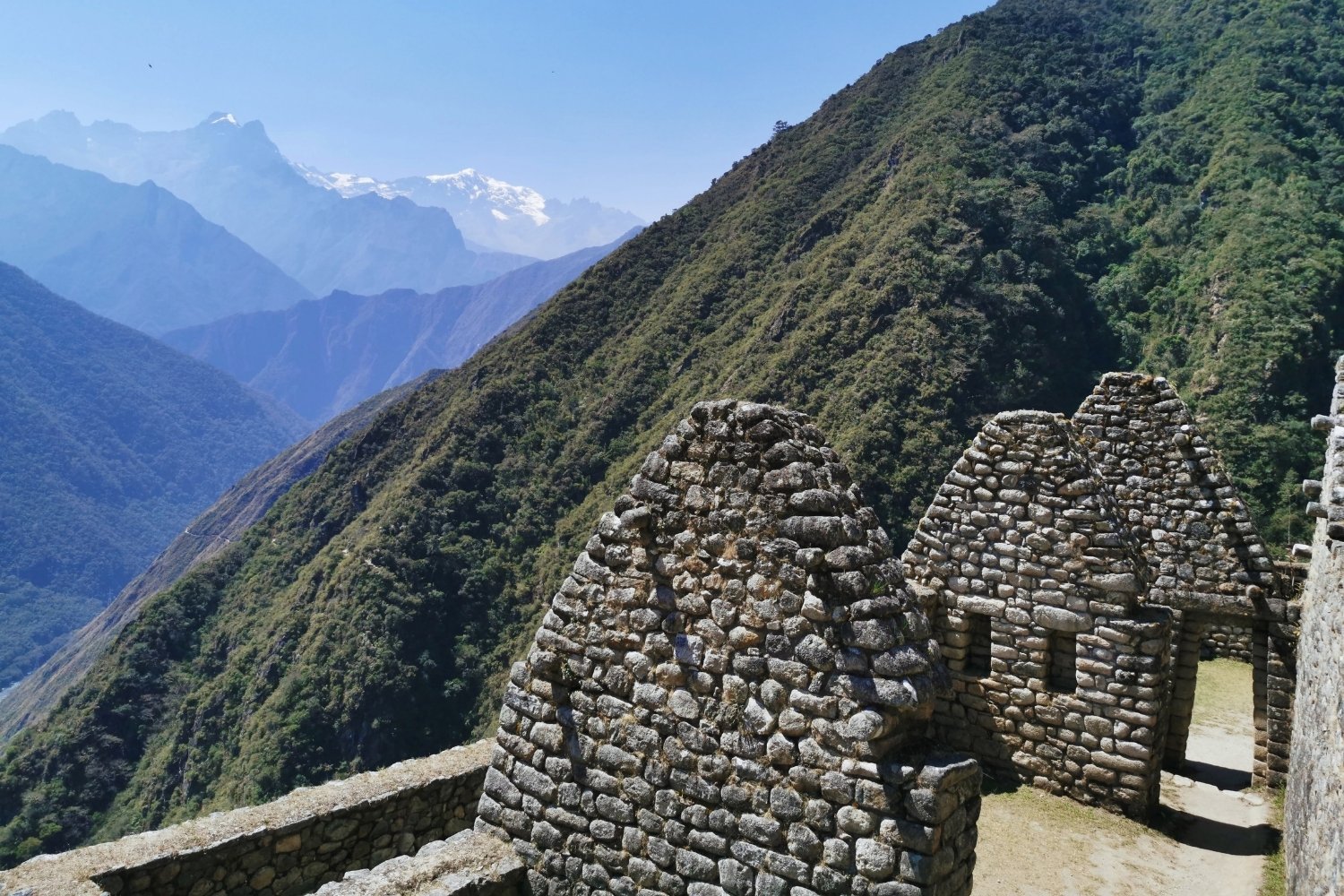
As you climb higher toward Wiñay Wayna, the forest opens up to reveal stunning panoramic views of the Urubamba River valley far below. The river appears as a silver ribbon winding between steep, forested mountains. In the distance, you can see snow-capped peaks of the Vilcabamba range, including the sacred peak of Salkantay. The terraces of Wiñay Wayna themselves are a landscape feature, carved into the mountainside with such precision that they seem to grow naturally from the earth. Water flows through ancient stone fountains, fed by mountain springs that have run continuously for over 500 years.
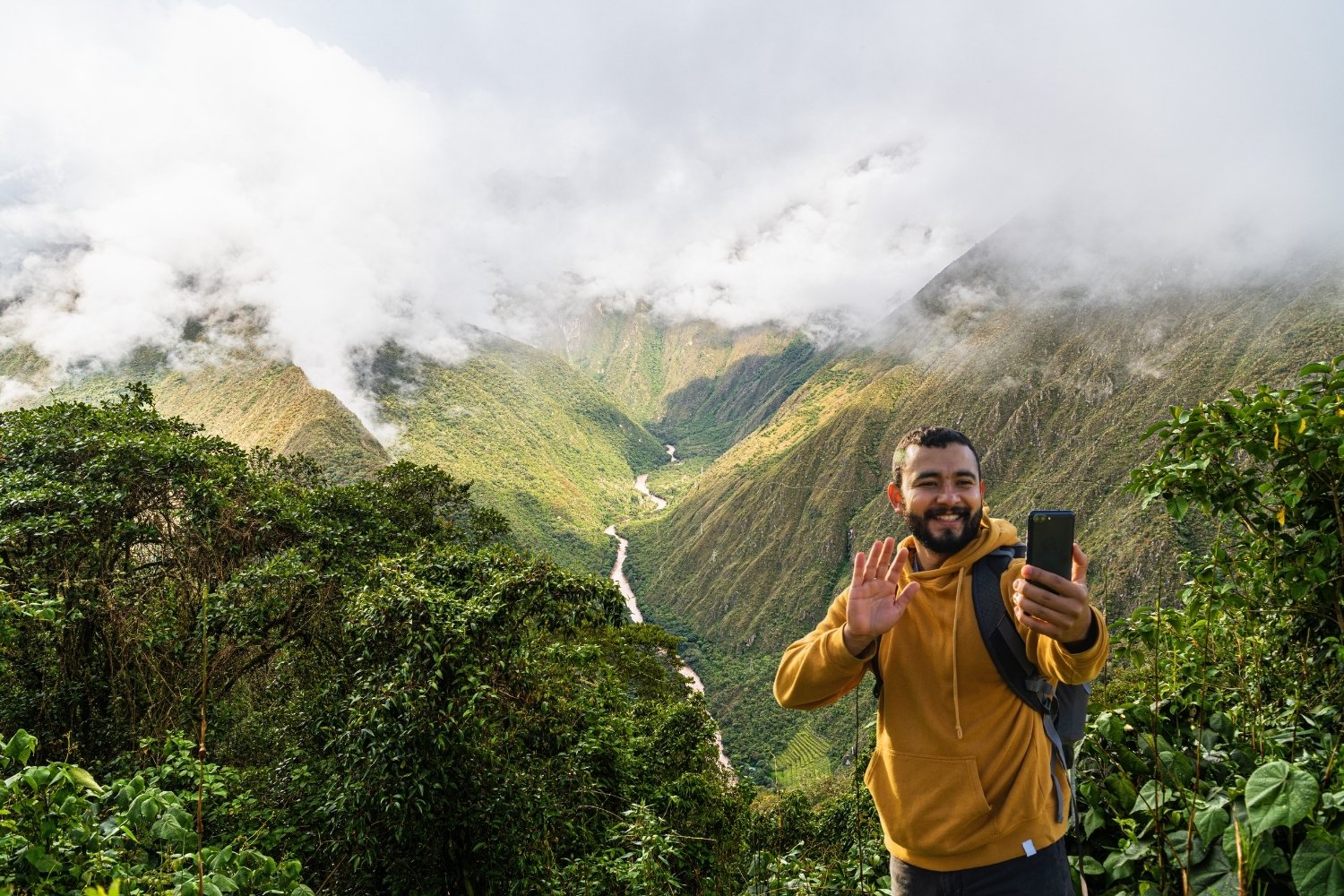
The final section from Wiñay Wayna to the Sun Gate offers the most dramatic scenery. The trail hugs the side of a steep mountain, with sheer drops on one side and dense forest on the other. Through gaps in the trees, you catch increasingly clear views of Machu Picchu Mountain and Huayna Picchu, the iconic peak that appears in most photographs of the citadel. When you finally step onto the Sun Gate platform, the entire landscape opens up: Machu Picchu below, green peaks all around, and the Urubamba River making a sweeping turn far beneath you. It is a view that stays with you for a lifetime.
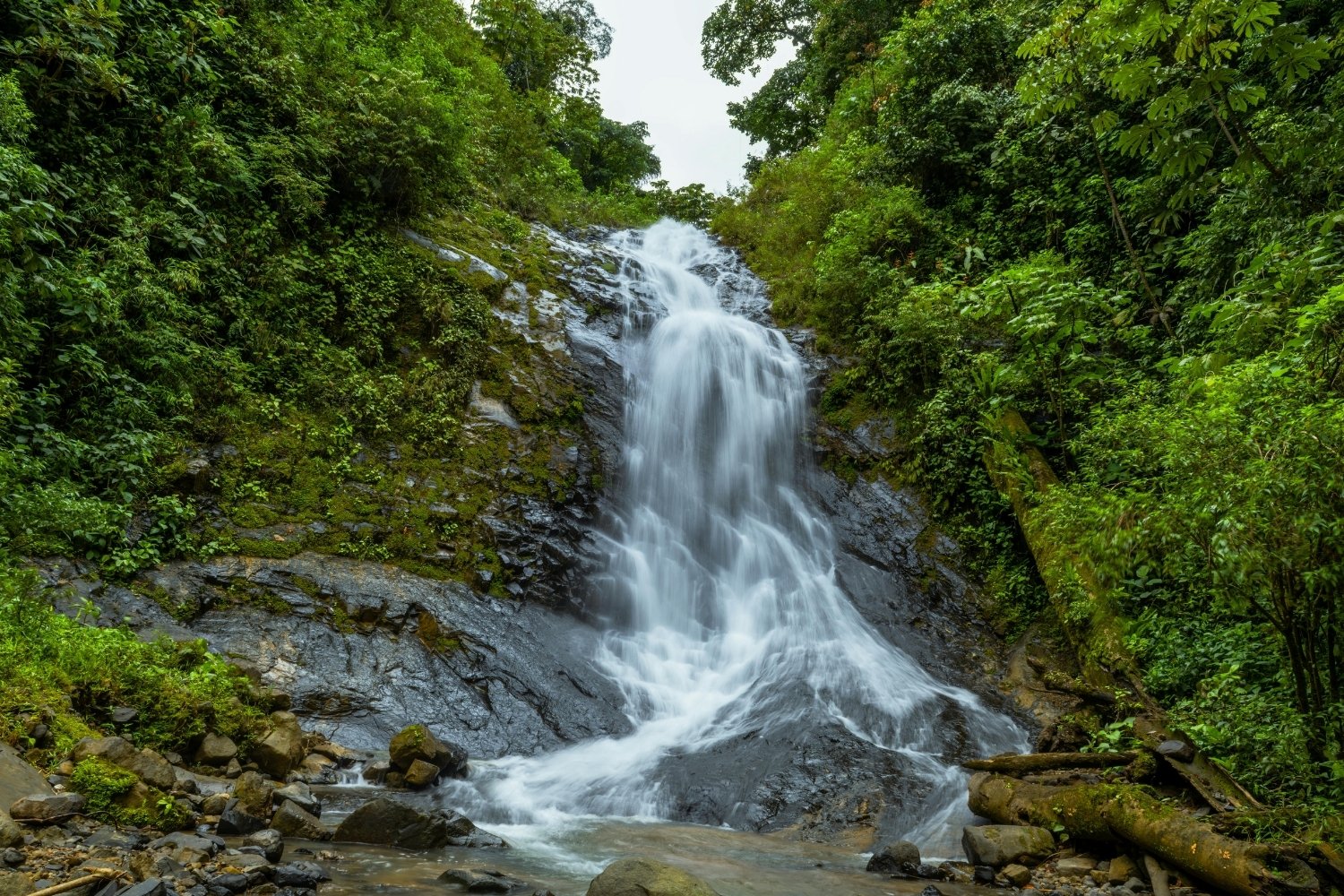
The Short Inca Trail includes two major archaeological complexes besides Machu Picchu itself: Chachabamba and Wiñay Wayna. Both are essential to understanding the Inca civilization and its relationship with the Machu Picchu sanctuary. Chachabamba is the first site you encounter, located just 15 minutes from the trailhead. This small but significant complex served as a control point and ceremonial center for travelers entering the Inca Road network. It features stone baths, aqueducts, and agricultural terraces. The water channels are still functional, demonstrating the Incas’ mastery of hydraulic engineering.
Chachabamba was likely used for purification rituals before entering the sacred valley. Travelers would wash themselves in the stone fountains to cleanse their spirits before continuing toward Machu Picchu. The site also contains a ushnu, a raised platform used for ceremonies and astronomical observations. Although Chachabamba is modest in size compared to other Inca ruins, its excellent state of preservation and strategic location make it a fascinating stop. Your guide will explain how the Incas used such outposts to control movement, collect taxes, and maintain religious practices throughout their empire.
Wiñay Wayna is the crown jewel of the Short Inca Trail, and many hikers consider it nearly as impressive as Machu Picchu itself. The name means “Forever Young” in Quechua, likely referring to the evergreen forest that surrounds it or the constant flow of water through its fountains. The complex consists of two main sectors: an upper sector with ceremonial buildings, storage rooms, and a large open plaza, and a lower sector with breathtaking agricultural terraces. A monumental staircase connects the two sectors, climbing more than 100 steps past dozens of terraces.
The most remarkable feature of Wiñay Wayna is its water system. A natural spring feeds a series of 16 stone fountains that run down through the complex, providing fresh water for drinking, irrigation, and ritual purposes. The fountains are arranged in a cascading sequence, with each one slightly lower than the last. This system is almost identical to the one found in Machu Picchu, leading archaeologists to believe that Wiñay Wayna served as a prototype or testing ground for the larger citadel. You will have ample time to explore every corner of Wiñay Wayna, including the small cave shrines and the watchtower that offers a perfect view of the entire complex.
The most common option is a boxed lunch that you carry in your daypack. A typical boxed lunch includes a sandwich (chicken, tuna, or vegetarian), a piece of fruit (apple or banana), a granola bar or energy bar, cookies or crackers, a small juice box or bottle of water, and sometimes a small chocolate or candy. While simple, these lunches are designed to provide sustained energy for the afternoon portion of the hike. They are lightweight, easy to eat on the trail, and require no preparation.
Some premium tour operators offer a hot lunch prepared by support porters. On these tours, a small team of porters goes ahead of the group to Wiñay Wayna, where they set up a portable kitchen and dining area. When you arrive, you are served a hot meal that might include soup, rice or quinoa, grilled chicken or fish, vegetables, and hot tea or coffee. Some operators even provide a small dessert or fresh fruit. This option is significantly more comfortable and satisfying, but it also costs more and requires additional permits for the porters.
Breakfast and dinner are not typically included in the standard Short Inca Trail price. Most tours provide a very early hotel pickup, so you will need to eat breakfast before they arrive or ask your hotel to prepare a boxed breakfast the night before. The dinner is as well included in your trip package.
Hydration is critical on the Short Inca Trail. You should carry at least 1.5 to 2 liters of water. Your guide will provide opportunities to refill at Wiñay Wayna, where there is potable water from the fountains (though many hikers still prefer to use filtered or bottled water). Avoid drinking directly from streams or rivers without purification. Some tour operators include small bottles of water in the price, while others expect you to purchase your own. Bring a reusable water bottle or hydration bladder to reduce plastic waste and ensure you have enough water throughout the day.

The most obvious difference between the Classic Inca Trail and the Short Inca Trail is the duration. The Classic Trek takes four days and three nights, covering approximately 43 kilometers (26 miles) and reaching a maximum altitude of 4,215 meters (13,828 feet) at Dead Woman’s Pass. The Short Inca Trail takes just one day, covering 10 kilometers (6.2 miles) with a maximum altitude of 2,700 meters (8,858 feet). This makes the Short Trail accessible to many more people, including those with limited time, lower fitness levels, or concerns about altitude sickness.
The experience of the two trails is also fundamentally different. The Classic Inca Trail is an immersive camping adventure. You sleep in tents, eat meals cooked by porters, and share the trail with your group for four full days. You pass through multiple ecological zones, from high-altitude puna grasslands to cloud forest. You visit several additional archaeological sites, including Llactapata, Runkurakay, Sayacmarca, and Phuyupatamarca. The sense of accomplishment at the end of four days is immense, but the physical demands are significant, and you must carry a daypack while porters carry your main gear.
The Short Inca Trail is more of a day hike with a spectacular payoff. You sleep in a hotel, eat a boxed lunch on the trail, and finish in time for a full tour of Machu Picchu. You still visit two major ruins (Chachabamba and Wiñay Wayna) and enter through the Sun Gate, but you miss the remote mountain passes and the deeper sense of isolation from modern life. The Short Trail is less physically demanding, requires less planning, and costs roughly half as much as the Classic Trek. It is also easier to book on short notice, though permits still sell out months in advance for peak season.
| Feature | 4-Day Trail | 2-Day Trail |
| Total distance | ~40 km (25 mi) | ~12 km (7.5 mi) |
| Max altitude | 4,215 m (13,829 ft) | ~2,650 m (8,694 ft) |
| Camping nights | Yes (2 nights) | No (hotel in town) |
| Sun Gate entry | Yes | No |
| Difficulty | High | Moderate |
| Approx. price | $900–1000 USD | $600–700 USD |
✅ Advantages
🏔️ Full experience – Over 40 km of diverse landscapes (mountains, cloud forest, jungle).
🏛️ More ruins – Visit archaeological sites like Runkurakay, Sayacmarca, Phuyupatamarca, and Wiñay Wayna.
🌄 Epic arrival through Inti Punku – Enter Machu Picchu at sunrise through the Sun Gate.
🧘 Cultural & nature immersion – Deep connection with Andean history and nature.
🎫 Includes second entry to Machu Picchu (next day, if you wish).
❌ Disadvantages
💪 Very demanding physically – Best for fit individuals; sections above 4,000 m (13,100 ft).
⛺ Camping & basic facilities – Sleeping in tents, basic toilets, no guaranteed hot showers.
🌧️ Unpredictable weather – Frequent rain, especially November to March.
📅 Low availability – Sells out months in advance (only 500 permits/day including guides and porters).
💸 More expensive – Approximately $900–1000 USD.
✅ Advantages
🩹 Less demanding – Only ~12 km (the last stretch of the classic trail).
🕒 Great for short trips – Can be done in a weekend from Cusco.
🏨 Sleep in Aguas Calientes – Real bed, hot shower, restaurants, less fatigue.
👨👩👧 Suitable for more people – Moderate fitness level; even children or older adults can try.
💵 More affordable – Around $600–800 USD.
🎟️ Easier to book – Lower demand than the 4-day trek.
❌ Disadvantages
🏞️ Fewer landscapes – No lakes, high mountain passes, or great ecological diversity.
🏛️ Fewer ruins – Only visit Wiñay Wayna (and maybe Chachabamba, depending on the agency).
⏳ Less immersive – Feels more rushed and touristy.
🌅 No entry through Inti Punku – The route drops you closer to Machu Picchu, but without the sunrise panoramic view.
🚌 More dependent on train/bus – Less adventure, more logistics.
Acclimatization is the process of allowing your body to adjust to lower oxygen levels at high altitude. While the Short Inca Trail maxes out at only 2,700 meters (8,858 feet), most travelers begin their journey in Cusco at 3,400 meters (11,150 feet). This means you will actually be at higher altitude before you start the hike than you will be during the hike. Proper acclimatization in Cusco is therefore essential for feeling good on the trail. Without it, you may experience headaches, nausea, fatigue, and shortness of breath even on the relatively moderate Short Inca Trail.
Plan to spend at least two full days in Cusco before your hike. During these days, take it easy. Walk slowly, drink more water than usual (3 to 4 liters per day), and avoid heavy meals, alcohol, and sleeping pills. Eat light, carbohydrate-rich foods such as soups, quinoa, rice, bread, and pasta. Coca tea is a traditional remedy for altitude sickness, and most hotels offer it for free. Some travelers also take acetazolamide (Diamox), a prescription medication that speeds up acclimatization. Consult your doctor before using Diamox, as it has side effects including tingling fingers and increased urination.
If you have the time, consider spending a night or two in the Sacred Valley before heading to Cusco. The Sacred Valley sits at approximately 2,800 meters (9,200 feet), which is very close to the maximum altitude of the Short Inca Trail. Acclimatizing in the Sacred Valley is easier than in Cusco, and you can visit attractions like Ollantaytambo, Pisac, and Chinchero while your body adjusts. From the Sacred Valley, you can easily travel to the trailhead at kilometer 104. Many tour operators offer packages that include Sacred Valley acclimatization days before the Short Inca Trail.
On the day of the hike, listen to your body. If you feel dizzy, nauseous, or have a severe headache, tell your guide immediately. Do not push through severe symptoms, as they could indicate the beginning of acute mountain sickness (AMS). Mild symptoms like slight headache or being out of breath are normal and usually improve with rest and hydration. Your guide carries basic first aid supplies and oxygen, and the trail is never far from emergency evacuation points. With proper acclimatization, most hikers complete the Short Inca Trail without significant issues.
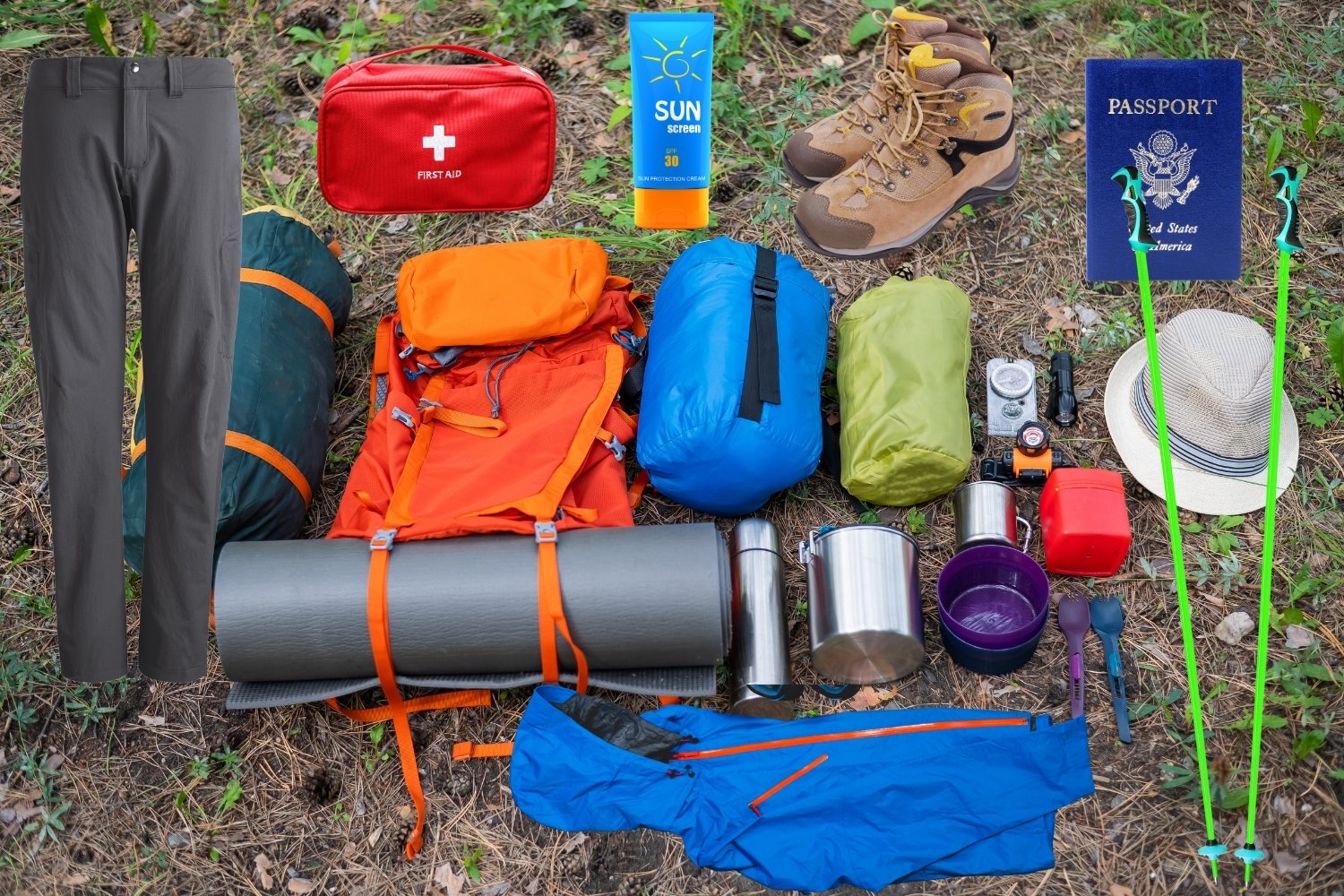
Packing correctly for the Short Inca Trail makes the difference between a comfortable, enjoyable hike and a miserable one. Since you carry everything yourself in a daypack, aim for a total weight of 5 to 7 kilograms (11 to 15 pounds). Your tour operator will provide a detailed packing list, but the following categories cover the essentials.
Wear a moisture-wicking base layer (synthetic or merino wool) that pulls sweat away from your skin. Over that, add an insulating mid-layer such as a fleece jacket or lightweight down vest. Your outer layer should be a waterproof and windproof rain jacket. The weather on the Short Inca Trail can change rapidly from sunny to rainy to cold within an hour. Avoid cotton, as it stays wet and causes chafing and hypothermia. For your lower body, wear hiking pants that zip off into shorts or lightweight trekking tights. Do not wear jeans.
Your footwear is the most important piece of gear. Wear broken-in hiking boots or trail runners with good traction. The stone steps become slippery when wet, and ankle support helps prevent twists and sprains. Break in your boots for at least two weeks before the hike to avoid blisters. Bring two pairs of wool or synthetic hiking socks (not cotton), and change socks during lunch if your feet get sweaty. Gaiters are optional but helpful in the rainy season to keep mud and rocks out of your boots.
A comfortable daypack with a capacity of 20 to 30 liters is essential. Look for one with a padded hip belt, chest strap, and hydration reservoir sleeve. Your pack will carry water, lunch, rain gear, and personal items. Do not bring a large backpacking pack, as it is too heavy and bulky. Trekking poles are highly recommended, especially for the descent from Wiñay Wayna to the Sun Gate. Most tour operators offer rentals for $5 to $10 per pair. If you bring your own, make sure they are collapsible and have rubber tips to protect the stone trail.
A headlamp or small flashlight is essential, even though the hike occurs during daylight. Your tour may start before sunrise, especially during the winter months when dawn comes later. Also, if you are delayed on the trail, a headlamp keeps you safe in the dark. Bring a reusable water bottle or hydration bladder with a capacity of at least 1.5 liters. Some hikers prefer two 750 ml bottles that are easy to refill. A small first aid kit with blister plasters, pain relievers, and antiseptic wipes is useful.
Sun protection is critical on the Short Inca Trail. The Andean sun is intense even on cloudy days, and the high altitude means less atmospheric filtering of UV rays. Apply a high-SPF sunscreen (50 or higher) to all exposed skin before you start and reapply at lunch. Wear a wide-brimmed hat or baseball cap with a neck flap. Sunglasses with UV protection prevent eye strain and reduce glare from stone surfaces. Lip balm with SPF prevents painful chapped lips.
Insect repellent is necessary, especially in the cloud forest sections where mosquitoes and biting flies are present. Choose a repellent with DEET or picaridin, and apply it to exposed skin and the outside of your clothing. You may also encounter ticks, so check your legs and ankles after the hike. If you are hiking during the rainy season, consider treating your clothes with permethrin before your trip for added protection.
Your passport is mandatory. You must present the same passport you used to book your permit at the trailhead checkpoint. Keep it in a waterproof plastic bag inside a zippered pocket of your daypack. Some hikers also carry a photocopy as backup. Bring your entrance ticket to Machu Picchu (your guide will usually have this), cash for tips and purchases, and a credit card for emergencies. Small denominations of Peruvian soles are useful for buying snacks, water, or using restrooms.
A smartphone or camera is essential for photos, but keep it protected from dust and moisture. A small dry bag or ziplock works well. Bring a portable power bank, as there are no charging facilities on the trail. Toilet paper and hand sanitizer are essential, as the only restrooms on the trail are at Wiñay Wayna (which charges a small fee). Pack out all used toilet paper in a ziplock bag. Finally, bring any personal medications, including altitude sickness medication, pain relievers, and motion sickness pills for the train ride.
Snacks are not typically provided beyond the boxed lunch. Bring your own energy bars, trail mix, dried fruit, chocolate, or nuts to eat during short breaks. These provide quick calories when you feel your energy flagging. Electrolyte tablets or powder can be added to your water to replace salts lost through sweat. A small towel or bandana is useful for wiping sweat from your face. If you are prone to blisters, bring moleskin or blister bandages and apply them at the first sign of rubbing.
Leave unnecessary items at your hotel. Do not bring a sleeping bag, tent, camping stove, or large amounts of clothing. You will not need a towel or toiletries beyond the basics. Leave expensive jewelry, laptops, tablets, and other valuables in your hotel safe. The trail is safe, but your daypack will be with you at all times, so minimize weight and risk. With the right packing, the Short Inca Trail is a comfortable and unforgettable experience.
The Short Inca Trail can be booked as a standalone tour or combined with other treks and activities in the Cusco region. Below are the most popular combination options.
Some operators offer a version of the Short Inca Trail that includes one night of camping near Wiñay Wayna. On this itinerary, you hike from kilometer 104 to Wiñay Wayna on Day 1, camp overnight near the ruins, and then complete the final section to the Sun Gate and Machu Picchu on Day 2. This option is rare because camping permits for the Short Inca Trail are limited, and most hikers prefer hotels. However, it offers a compromise between the one-day and four-day experiences, giving you more time on the trail without the full commitment of the Classic Trek.
This combination is one of the most popular. You spend Day 1 visiting the Sacred Valley, including the Pisac ruins and market, the Ollantaytambo fortress, and the salt mines of Maras. You stay overnight in Ollantaytambo or the Sacred Valley. On Day 2, you hike the Short Inca Trail to Machu Picchu and return to Cusco. This option allows you to see the highlights of the Sacred Valley while still completing the Short Inca Trail. It is ideal for travelers with 3 to 4 days in the region.
The Lares Trek is a 2- to 3-day hike through remote Andean villages, hot springs, and high-altitude lakes. It does not go to Machu Picchu directly. Some operators combine a shortened version of the Lares Trek (2 days) with the Short Inca Trail (1 day) and a train ride to Aguas Calientes. This gives you the cultural immersion of the Lares Valley, where you meet local weavers and farmers, plus the archaeological thrill of the Short Inca Trail. This is an excellent choice for travelers who want both cultural and historical experiences.
The Salkantay Trek is a 5-day trek that circles the massive Salkantay Mountain (6,271 meters / 20,574 feet). It is more challenging than the Classic Inca Trail but offers spectacular glacial scenery. Some operators offer a truncated version that includes the Short Inca Trail on the final day instead of the standard Salkantay route to Machu Picchu. You hike for 3 days to reach Aguas Calientes, then take the Short Inca Trail on Day 4 to enter Machu Picchu through the Sun Gate. This combination is for serious hikers only.
The Ausangate Trek is a 5- to 7-day trek around the sacred Ausangate Mountain, known for its turquoise lakes, rainbow mountains, and remote Quechua communities. It is a high-altitude trek with passes above 5,000 meters (16,400 feet). Combining Ausangate with the Short Inca Trail is logistically complex and requires at least 8 to 10 days. You would complete the Ausangate Trek, travel to Ollantaytambo by bus, then hike the Short Inca Trail. This option is only for experienced trekkers with excellent acclimatization and a generous budget.
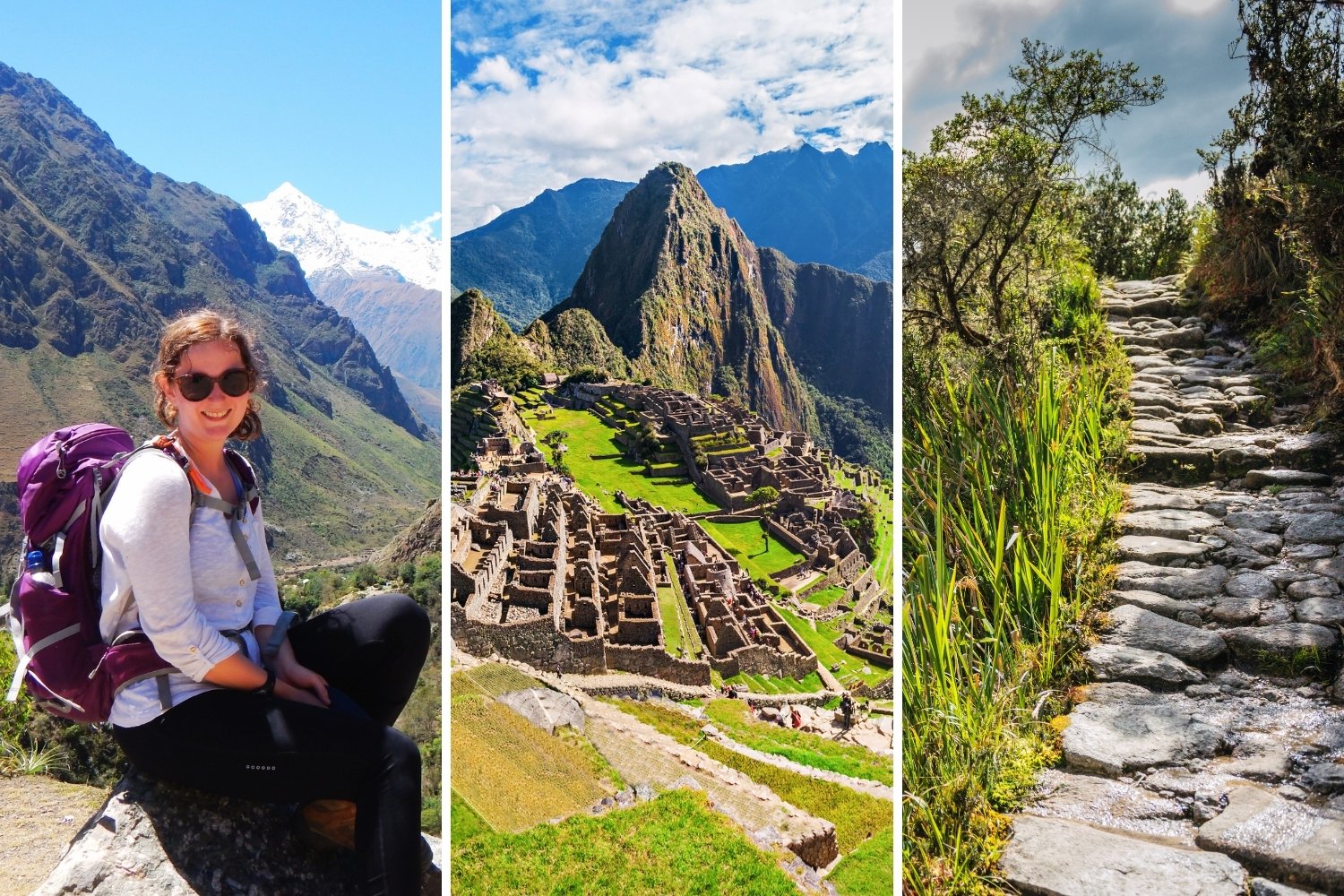
After considering all the details, the answer is a resounding yes for most travelers. The Short Inca Trail delivers a genuine adventure in a single day, making it accessible to people with limited time, moderate fitness, or concerns about camping and altitude. You walk on ancient stone paths, explore hidden ruins, traverse cloud forests, and arrive at Machu Picchu through the ceremonial Sun Gate. This experience is simply not available to those who take the bus from Aguas Calientes.
The value is exceptional. Beyond the standard Machu Picchu entrance and bus, you gain a full day of guided exploration, two exclusive archaeological sites, and the pride of having earned your arrival. You avoid the crowds and queues at the bus station. You see Machu Picchu from the perspective the Incas intended. And you finish the day with a deep sense of accomplishment, followed by a hot shower and a comfortable bed. The Short Inca Trail offers the best of both worlds: challenge and comfort, history and nature, effort and reward.
Of course, the Short Inca Trail is not for everyone. Travelers with severe mobility issues, certain medical conditions, or an extreme fear of heights may struggle with the steep stairs and uneven terrain. Those who want a multi-day camping adventure should choose the Classic Inca Trail instead. And budget travelers may prefer the cheaper bus option. But for the vast majority of visitors to Machu Picchu, the Short Inca Trail is not just worth it—it is the highlight of their entire trip to Peru.
In conclusion, the Short Inca Trail is a masterpiece of tourism design. It condenses the essence of the Inca experience into a single, manageable day. It respects the environment and the archaeological heritage through strict permitting. It employs local guides and porters, supporting the regional economy. And it leaves every hiker with memories and photographs that will be cherished for a lifetime. If you are planning a trip to Machu Picchu, do yourself a favor: skip the bus, lace up your boots, and hike the Short Inca Trail.
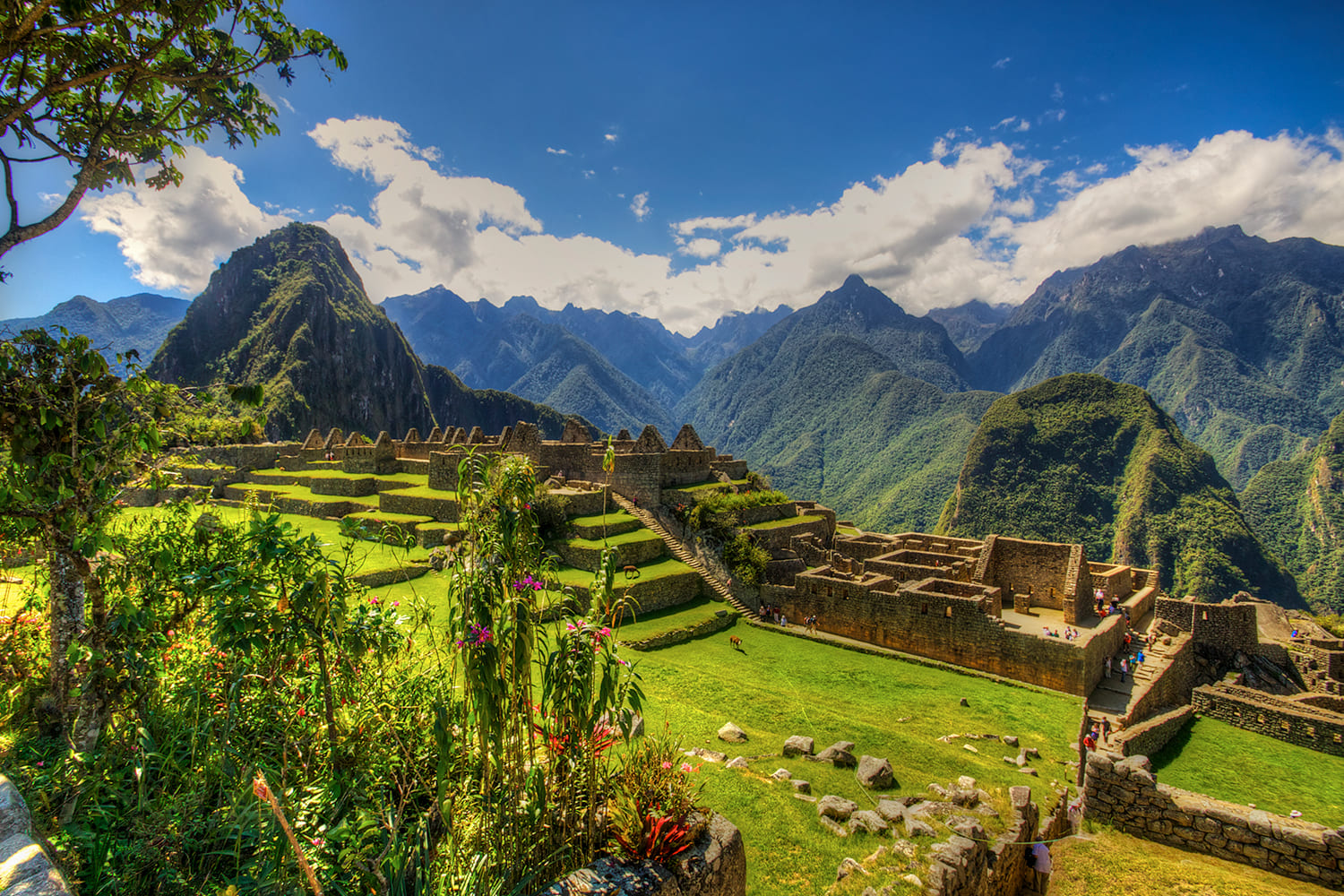
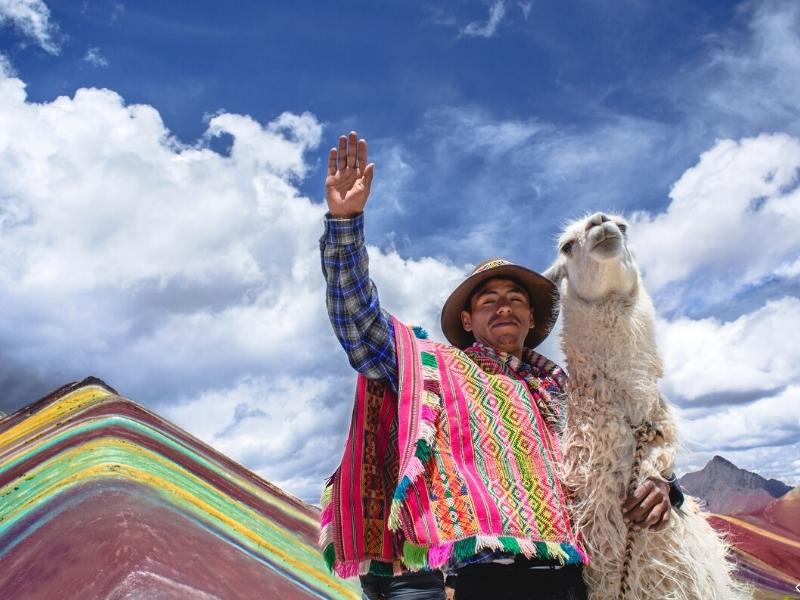
The Ausangate Trek is renowned for its otherworldly natural scenery. It’s considered by many to be one of the world’s best high-altitude treks, the trek takes hikers over several high passes, into low alpine valleys, and through traditional Peruvian villages.
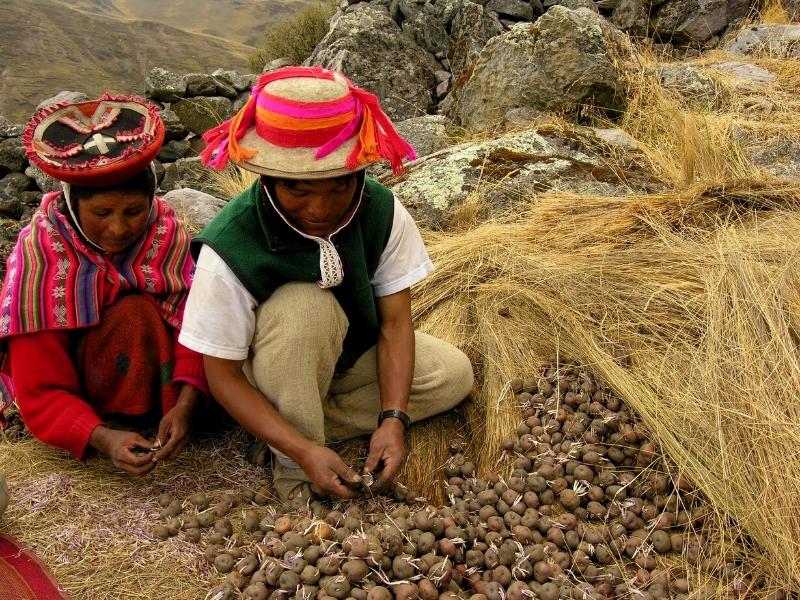
Embark on an incredible Cusco Andean exploration through Lares trek with a taste of the iconic Inca Trail to Machu Picchu, through the Sacred Valley of the Incas.
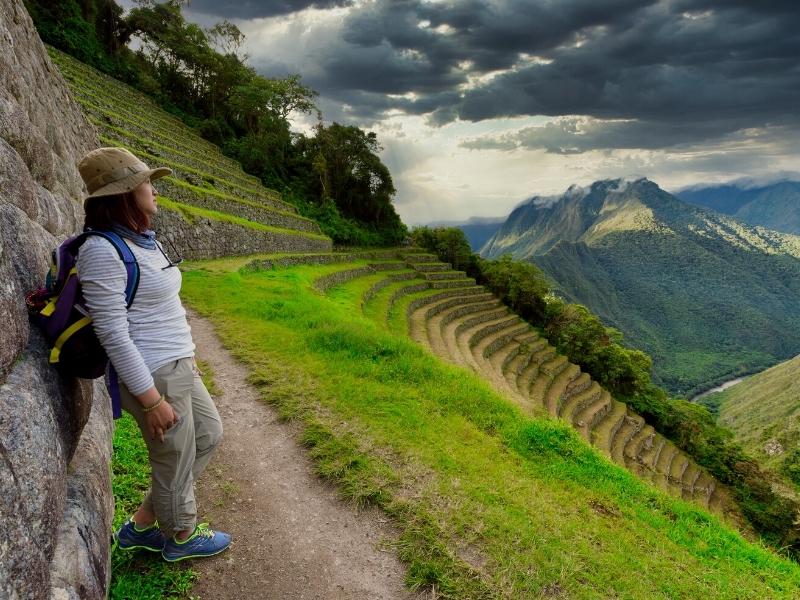
The 2-day Inca trail to Machu Picchu, is the shortest version of the Inca trail circuits to the sacred citadel of Machu Picchu. Andean Great Treks organize this trek with the best local guides and hotels in Machu Picchu. We work only in small groups, the premium service for your delight in Cusco.