Inca Trail or Salkantay Trek: The Ultimate Guide to Choosing the Best Trek to Machu Picchu
Deciding between the Inca Trail or Salkantay Trek to reach Machu Picchu is one of the most common dilemmas for travelers seeking adventure in Peru. Both routes are transformative experiences, but they offer very different scenery, challenges, and rewards. While the Inca Trail immerses you in the history and magic of the paths paved by the Incas, Salkantay takes you through glacial landscapes, cloud forests, and a greater dose of rugged terrain. Which one is best for you? This detailed guide will help clear up any doubts, analyzing the key aspects every traveler should consider before choosing.
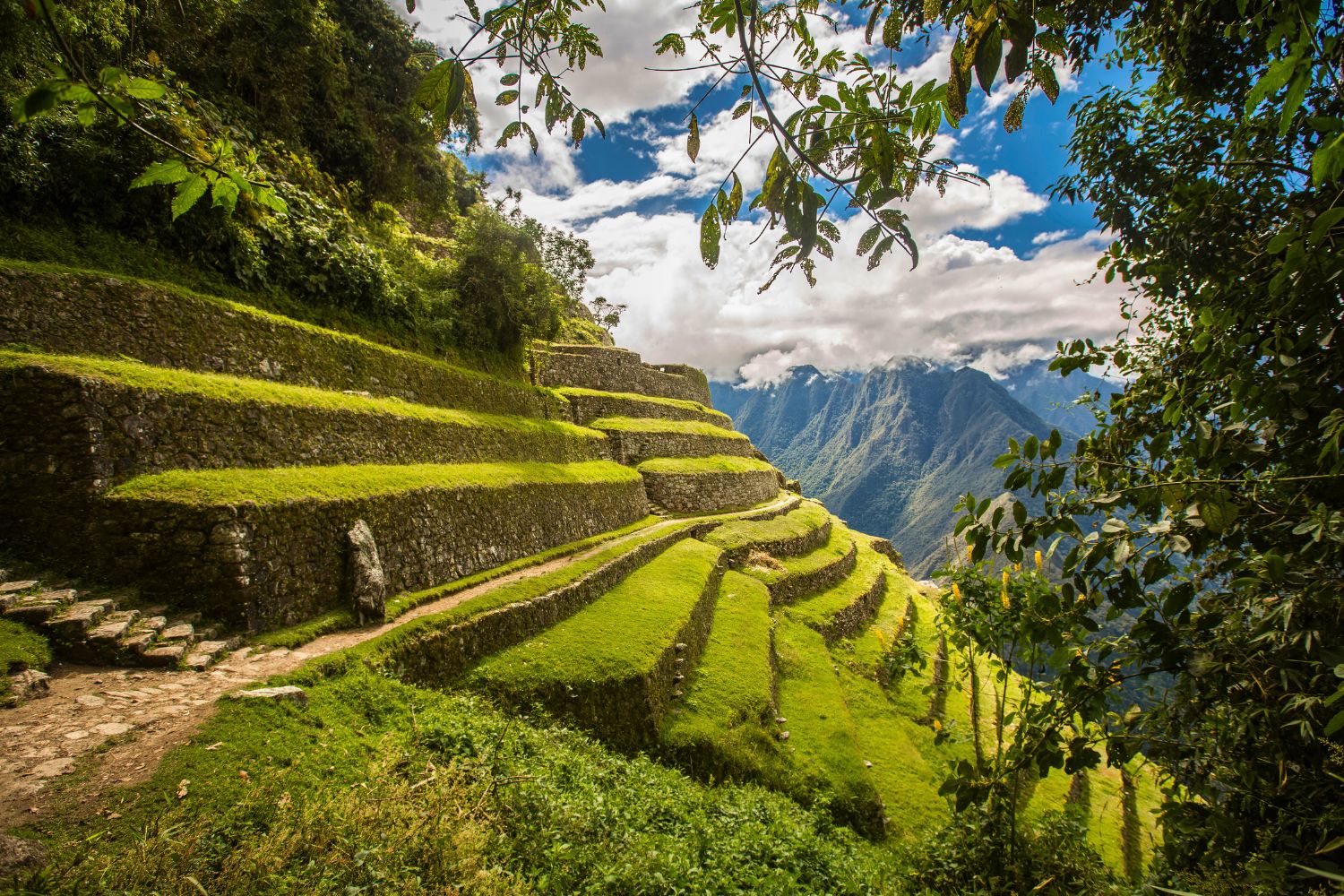
The Inca Trail, more than just a route, is a pilgrimage through time. This ancient path, built by skilled Inca hands, is a living museum where every stone seems to whisper stories of empires, sun gods, and sacred processions. The traveler doesn’t just walk, but deciphers a cultural landscape woven with staircases that defy the clouds, tunnels that pierce the mountain, and archaeological complexes like Phuyupatamarca or Wiñay Wayna, which emerge from the mist like apparitions. The culmination at dawn at the Sun Gate (Inti Punku), with the first light bathing the terraces of Machu Picchu, is a spiritual reward, a moment of pure connection with history that justifies every step. This deeply structured and regulated experience is for those seeking an introspective journey, where physical exertion intertwines with archaeological wonder.
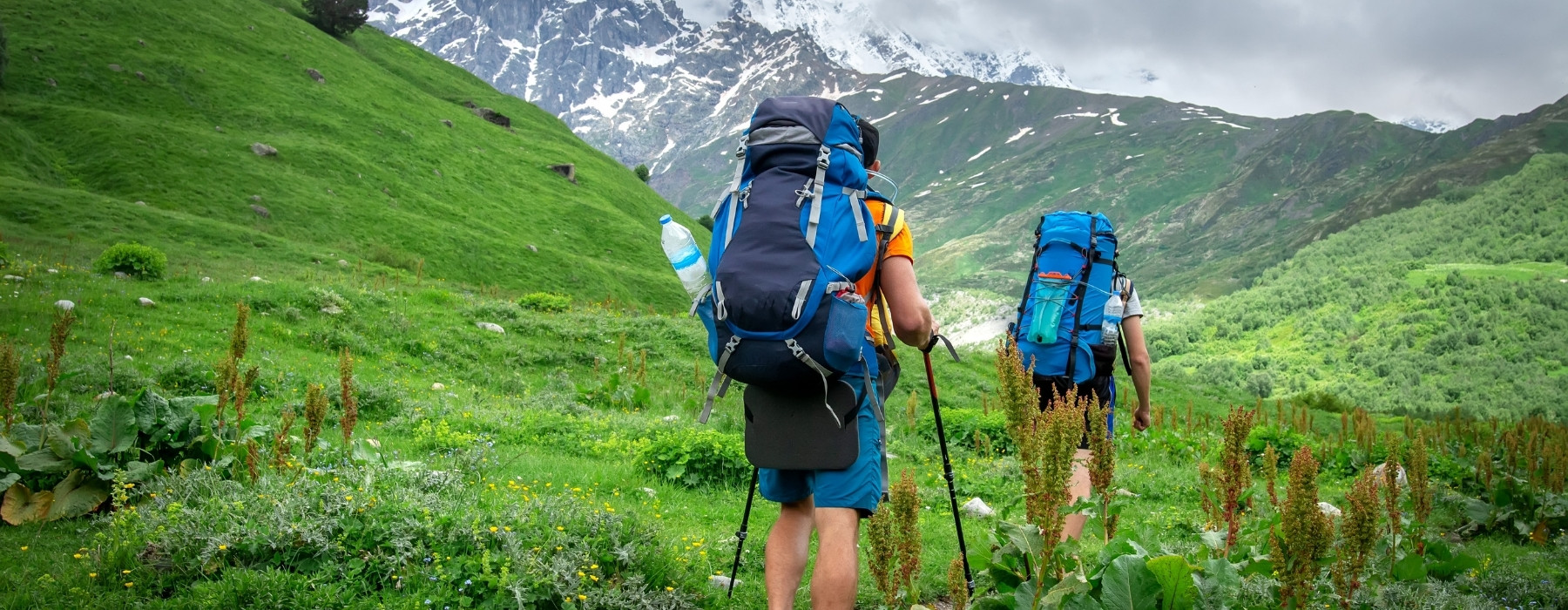
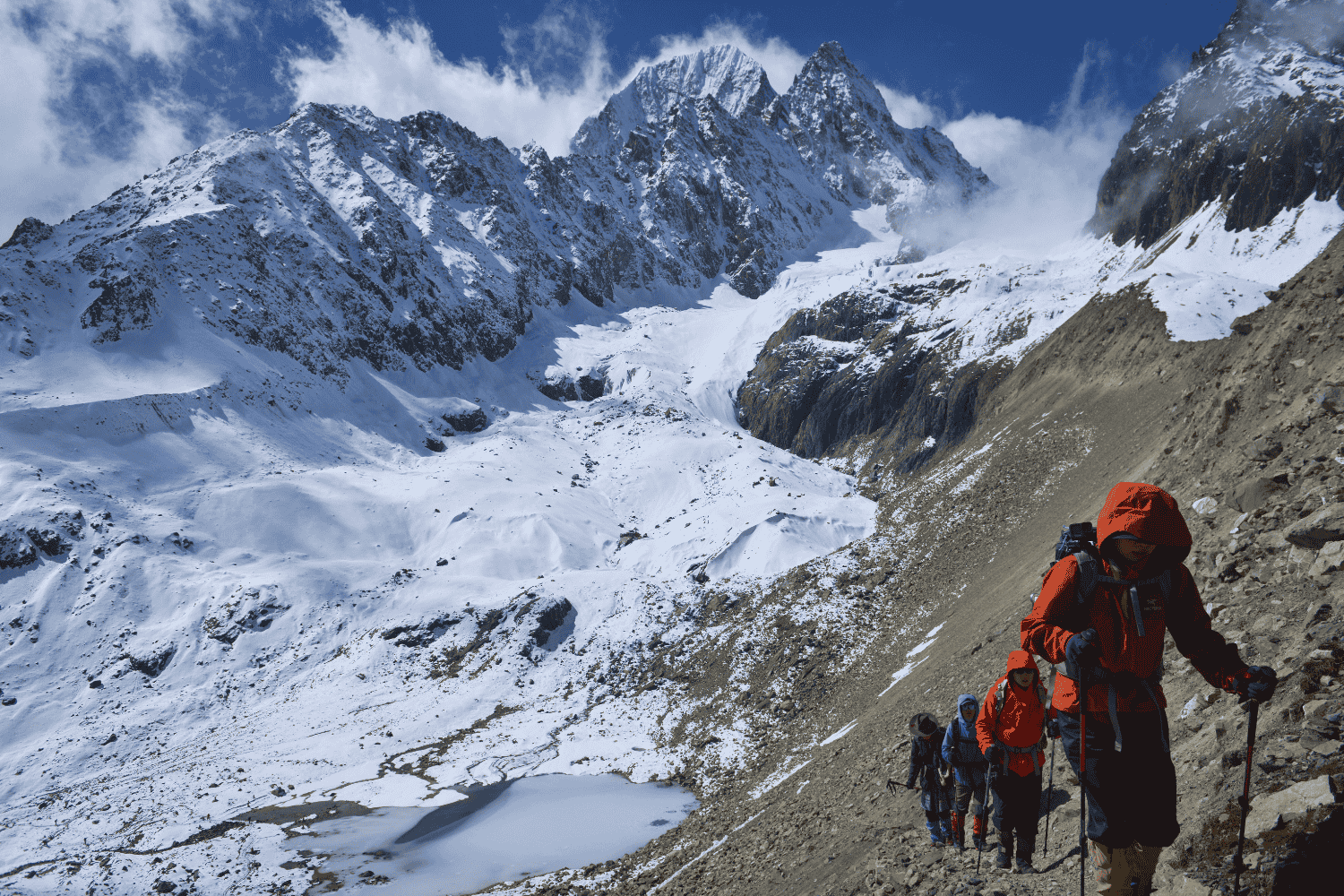
The Salkantay, in contrast, is an epic challenge to untamed nature. Named after the apu (mountain deity) Salkantay, this trek is a sensory journey through breathtaking ecosystems: from the icy winds of the 4,650-meter mountain pass, where the glacier stands like a guardian of stone and ice, to the descent into the rainforest, where the air becomes warm and humid, heavy with the aroma of orchids and coffee. Here, the adventure is raw and varied; you sleep under a blanket of stars beside turquoise lagoons, visit family-run coffee farms to sample freshly roasted beans, and soak in hot springs to soothe your muscles. It’s a path for the free spirit, who values scenic grandeur and flexibility regarding archaeological sites, and who finds a fellow traveler in the local community.
The choice of Inca Trail or Salkantay Trek, in essence, defines the narrative arc of your own adventure. Is your priority following in the footsteps of the Incas, feeling the weight of history on a paved and ceremonial trail? Then the Inca Trail is calling you. Or perhaps you yearn for a direct encounter with the wildest landscapes, where the trek becomes a personal odyssey of self-improvement amidst glaciers and jungles? Then Salkantay awaits. Both paths converge at the majesty of Machu Picchu, but the journeys, the lessons, and the memories you forge are diametrically opposed. One is a journey into the past; the other, an immersion in the raw power of the present. The wonder lies in the fact that whichever you choose, it will transform you.
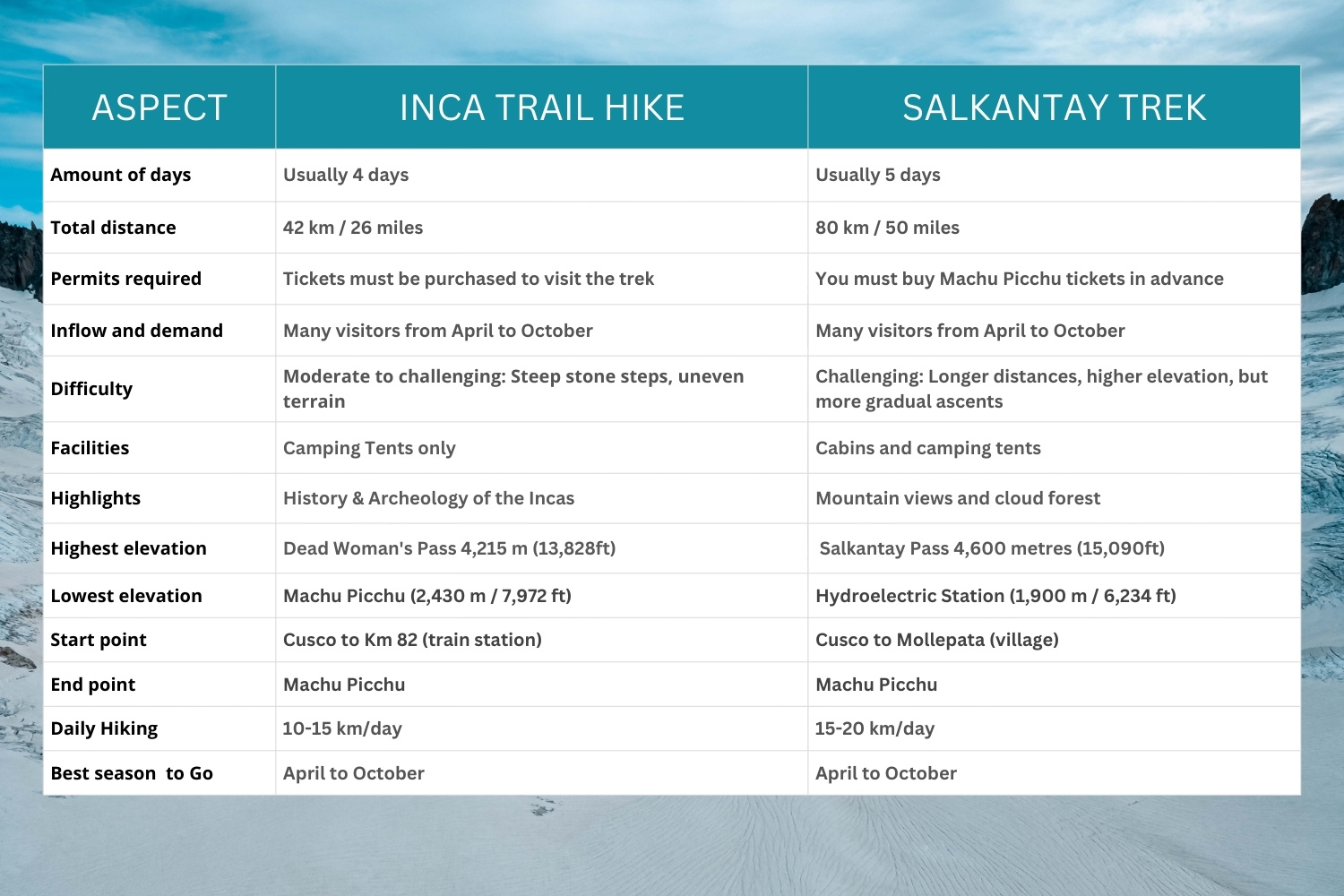
QUICK OVERVIEW OF THE INCA TRAIL VS SALKANTAY TREK TO MACHU PICCHU
Inca Trail: The Classic Historical Route
Type: A culturally immersive, historical trek following original Inca stone pathways.
Landscape: Andean cloud forest, Inca ruins, stone stairs, tunnels, and mountain passes.
Highlights:
Multiple archaeological sites along the way (Wiñay Wayna, Phuyupatamarca, etc.).
Arrival at Machu Picchu through the Sun Gate (Inti Punku) at sunrise.
Highly regulated trail with limited permits (500 people/day, including guides/porters).
Duration: Classic 4 days / 3 nights (shorter 2-day option available).
Difficulty: Moderate to challenging due to high-altitude passes (up to 4,215m / 13,828ft) and steep stairs.
Booking: Must be booked 6–8 months in advance through licensed tour operators.
Best for: History lovers, those wanting the “original” Inca experience, and travelers who prefer structured itineraries.
Salkantay Trek: The Scenic Adventure Route
Type: A nature-focused, diverse trek through varied ecosystems, named after the sacred Salkantay Mountain.
Landscape: High mountain passes, glacial lakes (like Humantay Lake), cloud forest, coffee plantations, and jungle terrain.
Highlights:
Stunning views of Mount Salkantay (6,271m / 20,569ft).
Pass through the Salkantay Pass (4,650m / 15,255ft).
Optional visits to hot springs, coffee farms, or zip-lining.
No permit limit; easier to book last minute.
Duration: Typically 5 days / 4 nights (flexible variations exist).
Difficulty: Moderate to strenuous due to higher altitude passes and longer walking distances.
Booking: Can be booked weeks or even days in advance.
Best for: Adventure seekers, nature lovers, budget travelers, and those seeking flexibility.
WHAT IS THE LANDSCAPE LIKE ON THE INCA TRAIL VS. THE SALKANTAY TREK?
Inca Trail: A journey through time, nature, and sacred stone
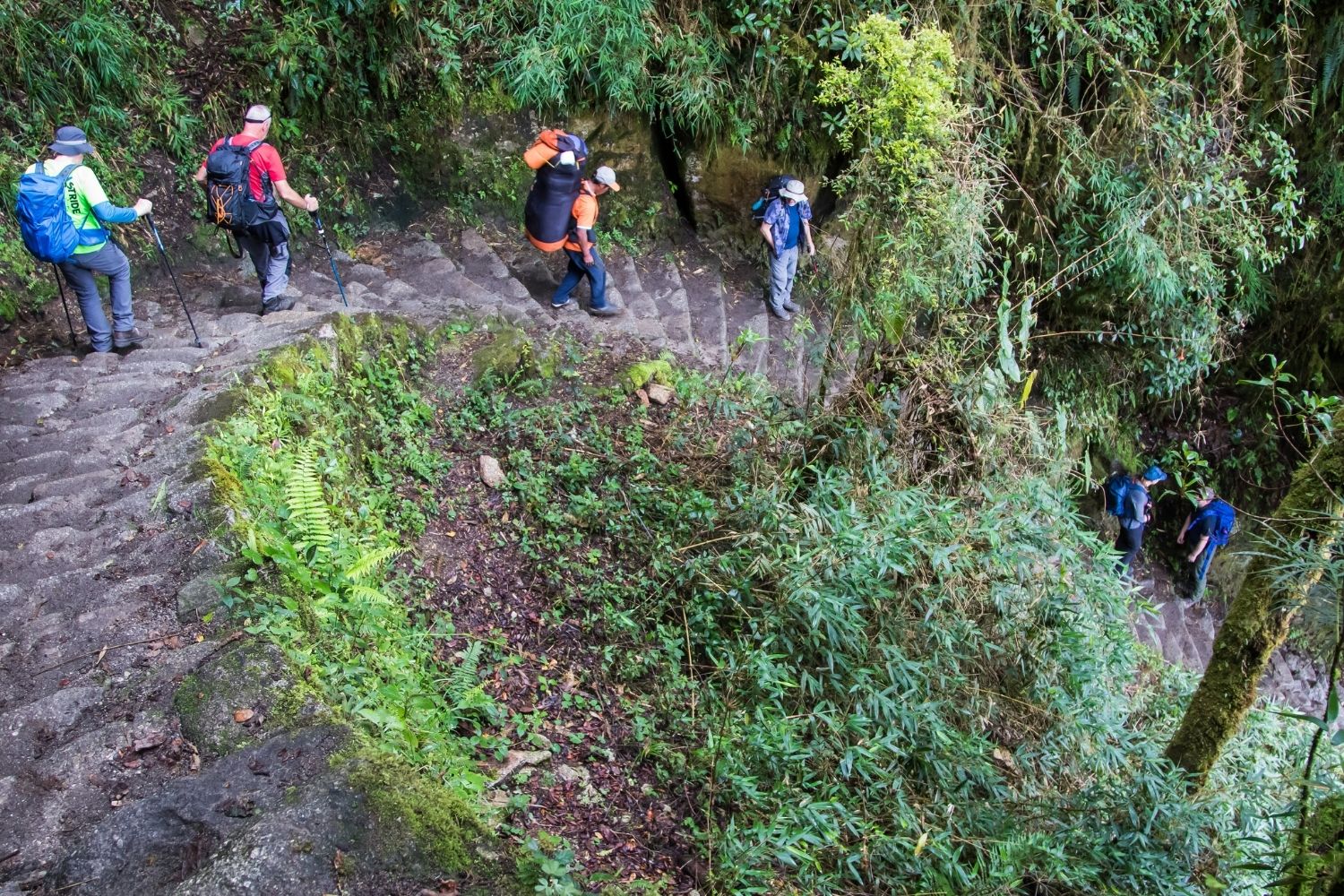
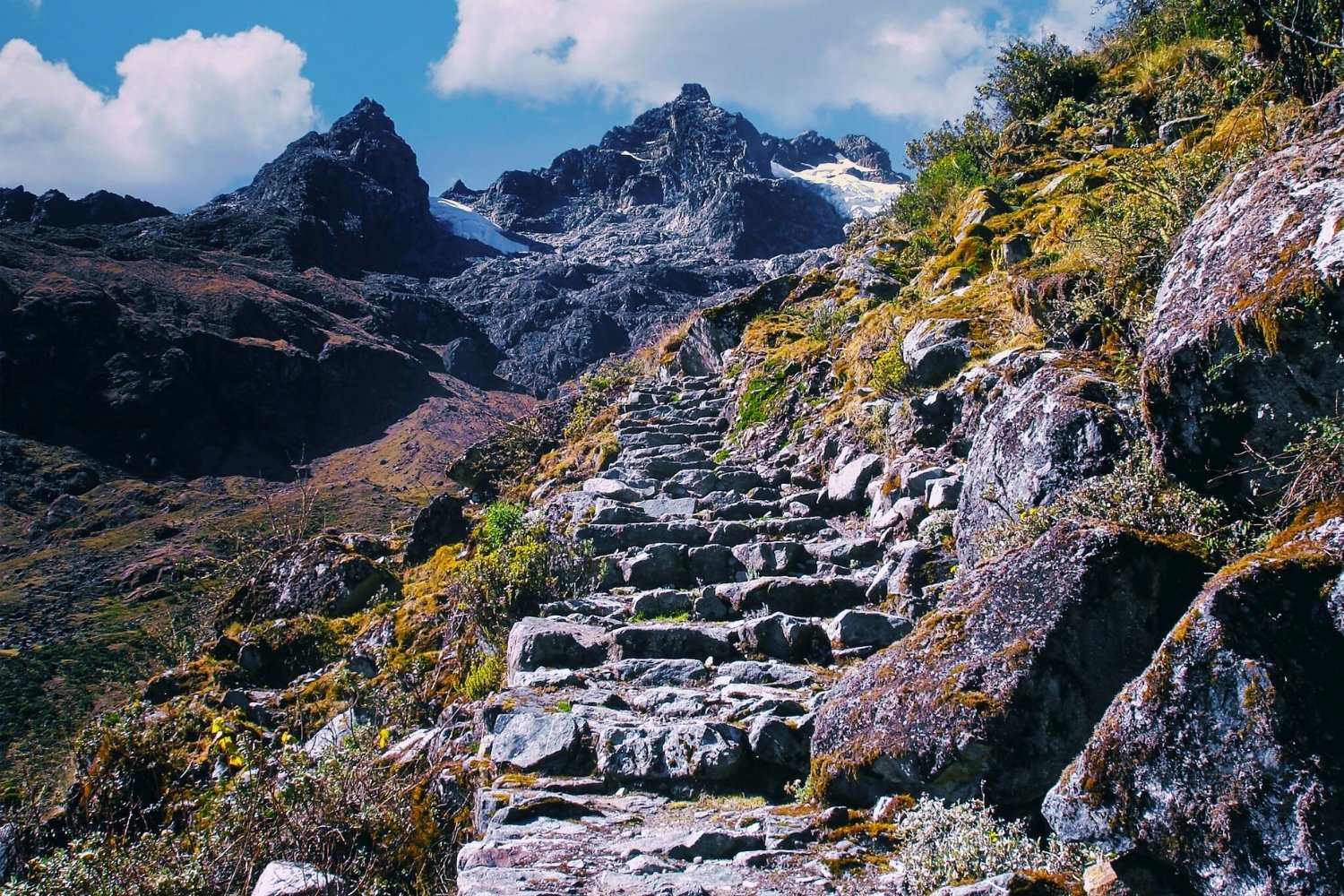
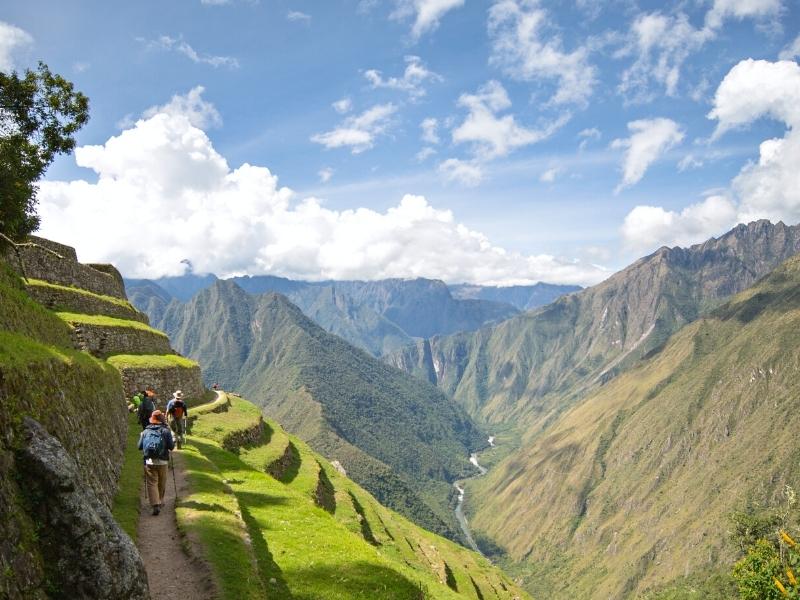
The Inca Trail is, above all, an archaeological and cultural experience in motion. You don't just walk to Machu Picchu; you walk through its history. The scenery is a tapestry woven by the hands of man and nature over centuries. Your days unfold on original stone paths that wind through mountain slopes, pass through tunnels carved into the rock, and climb endless staircases that connect the earthly world with the celestial.
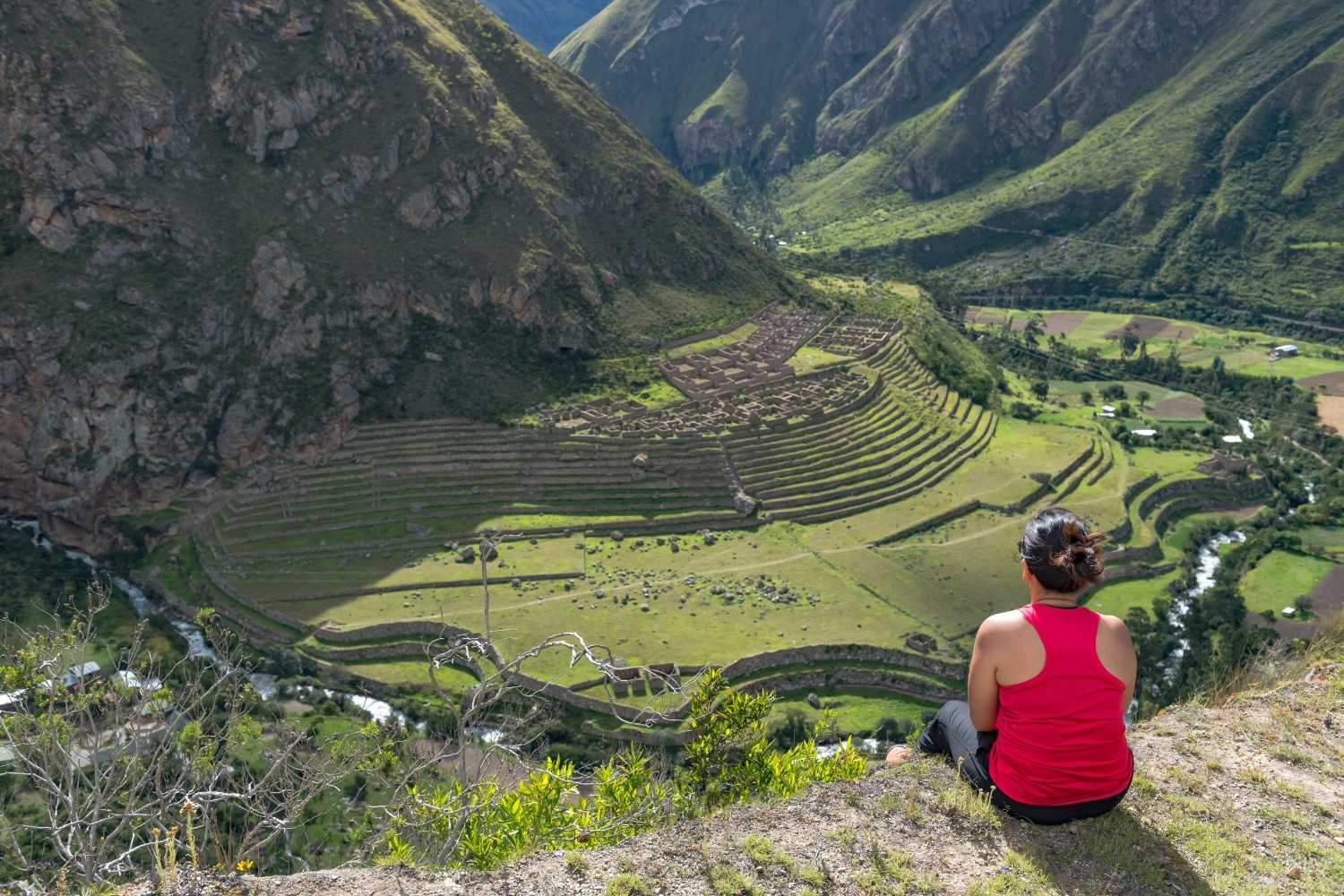
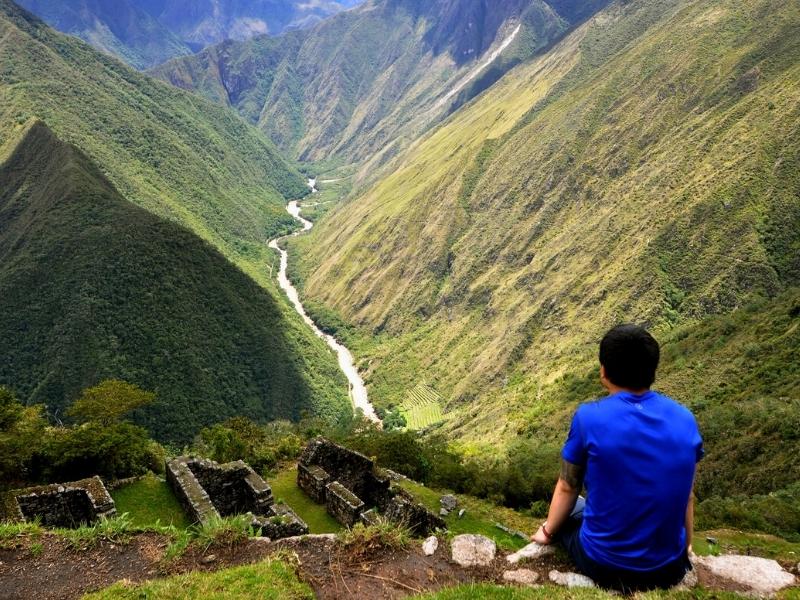
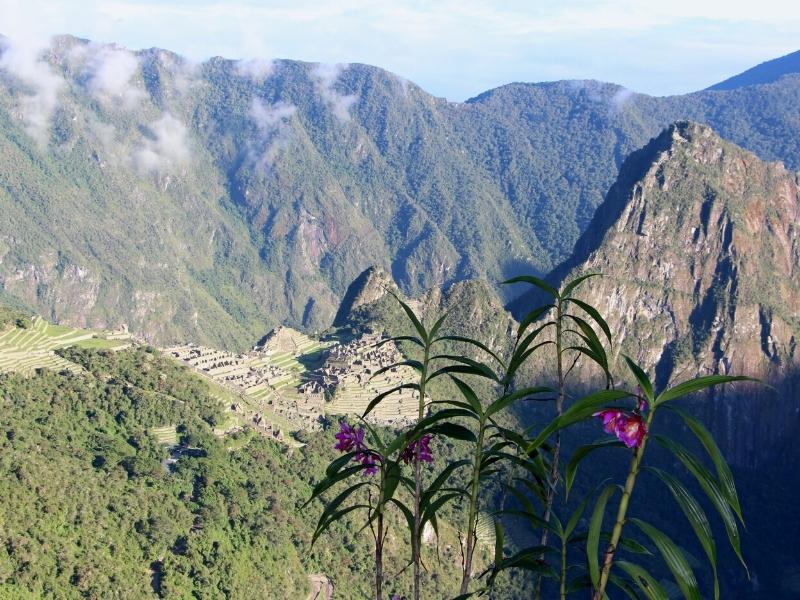
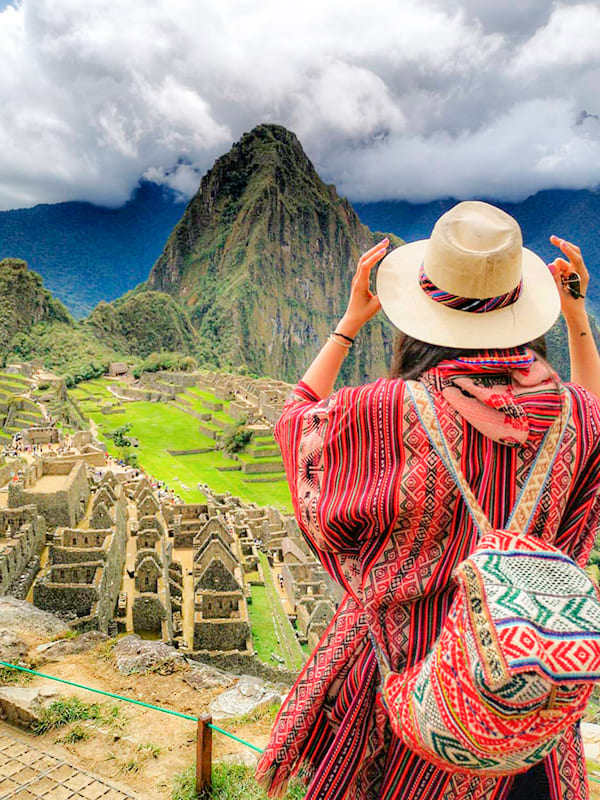
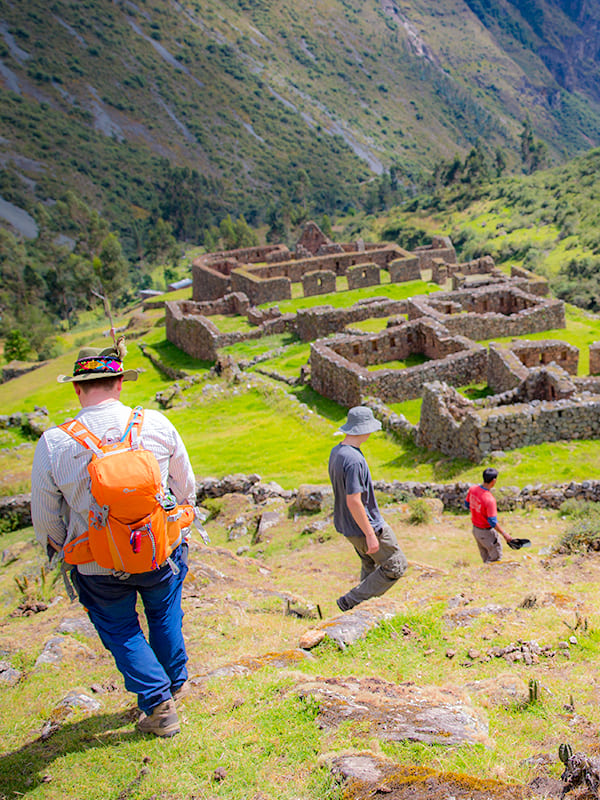
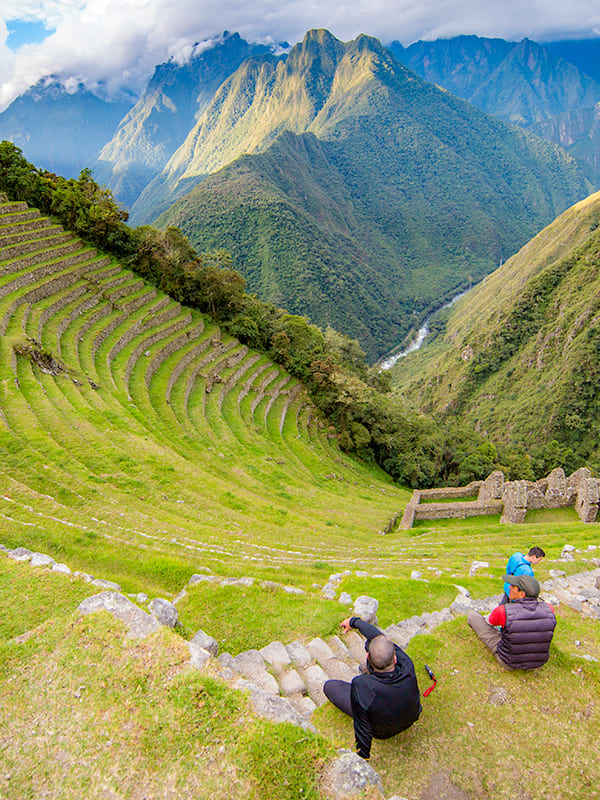
The landscape is predominantly Andean cloud forest, a magical ecosystem where mist embraces giant ferns, wild orchids, and moss-covered trees. However, the true magic lies in the ruins that appear like gifts along the way. Sites like Llactapata, Runkurakay, Phuyupatamarca ("Place Above the Clouds"), and especially Wiñay Wayna ("Forever Young"), with its spectacular terraces and ceremonial complex, are rehearsals for the grand finale. The most iconic moment arrives at dawn on the last day, when you pass through the Sun Gate (Inti Punku) and behold, for the first time, the Citadel of Machu Picchu bathed in the first rays of the sun—an image that encapsulates the spiritual reward of this pilgrimage. It is a tamed beauty, laden with symbolism and historical narrative.
Salkantay: A journey through the primal force of the Andes
The Salkantay, on the other hand, is an ode to raw nature and extreme ecological diversity. This trek is less a history lesson and more an immersion in the dramatic geography of the Andes. Its name says it all: it's dominated by the omnipresent and majestic Apu Salkantay (6,271 m), one of Peru's most sacred and powerful mountains.
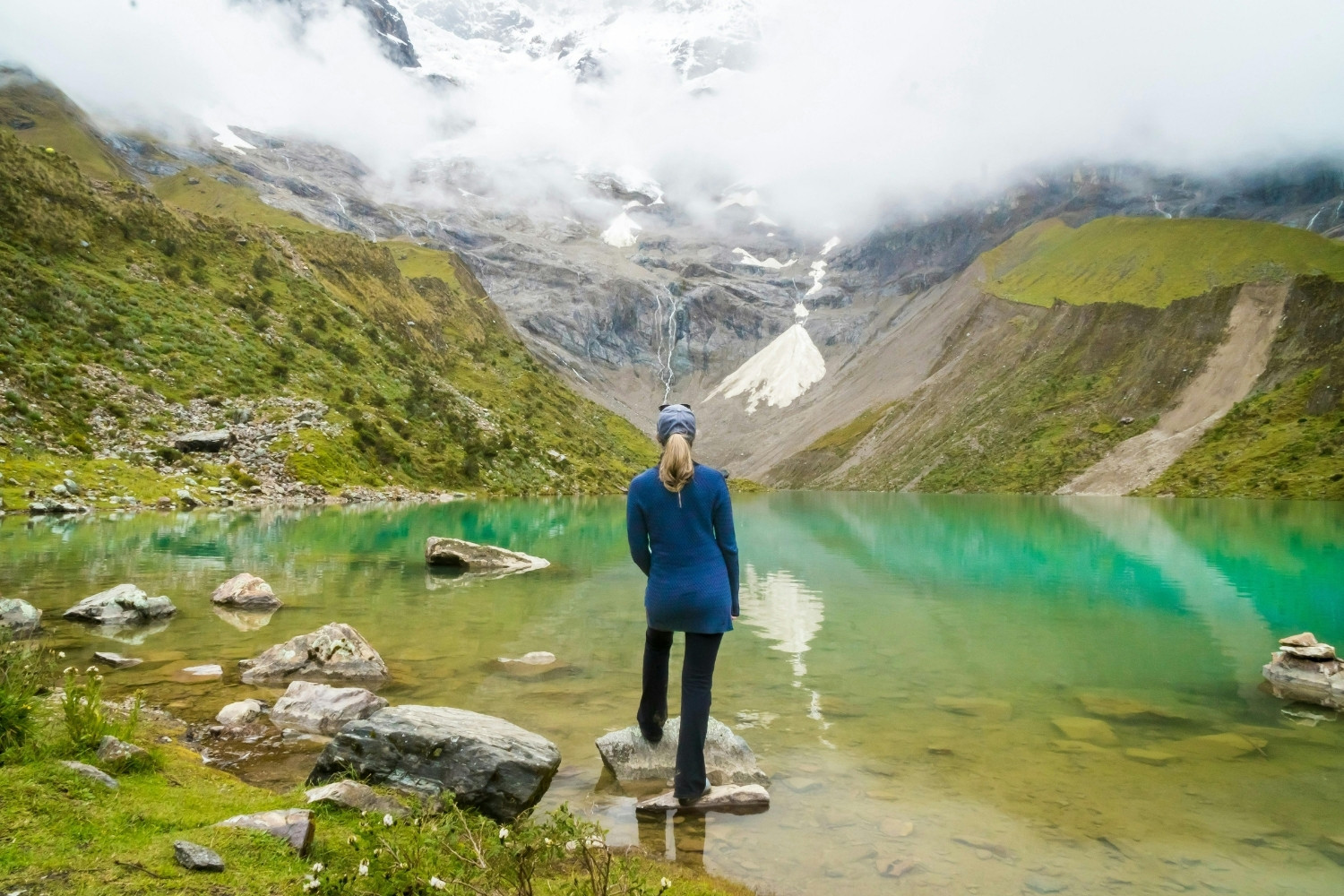
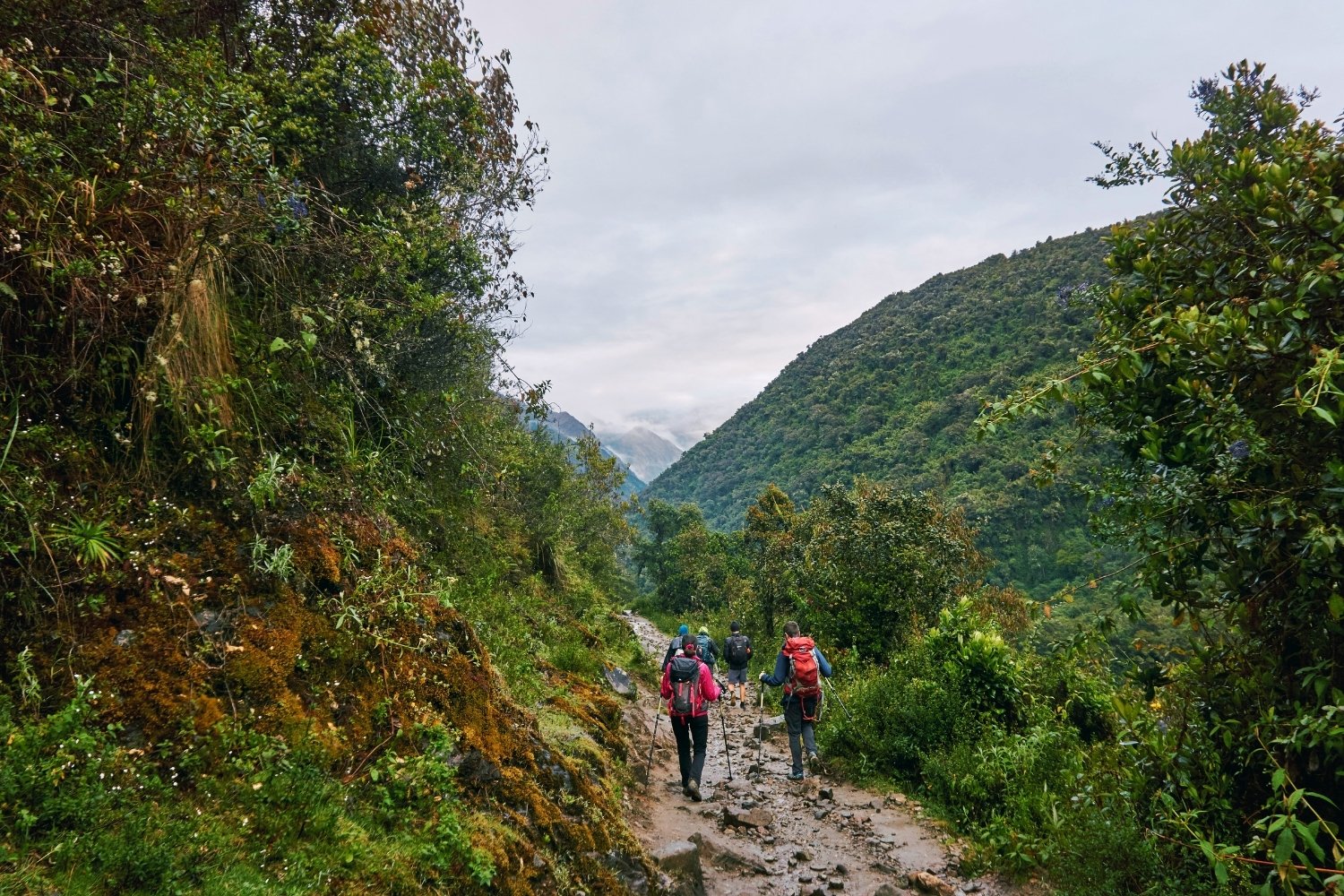
The scenery changes radically and dramatically in just a few days. It begins in cold, high Andean valleys, ascends to the Salkantay Pass at 4,650 meters above sea level, a lunar landscape of rock and ice at the foot of the glacier, where the air is frigid and the feeling of insignificance before the mountain is overwhelming. From there, it descends the spectacular "Devil's Slope" towards the cloud forest, where the climate and vegetation transform completely. You enter a world of humid tropical jungle, with waterfalls, rushing rivers, coffee and banana plantations, and a warmth that contrasts sharply with the initial chill. You pass by intensely turquoise lagoons, like Humantay Lagoon, and walk along trails lined with bamboo and exotic flowers. The visual reward isn't a ruin (until you reach Machu Picchu), but panoramic views of the snow-capped Salkantay mountain, deep valleys, and the transition of ecosystems. It's a wild, monumental beauty that prioritizes the contemplation of natural power over human creation.
DIFFICULTY AND PHYSICAL PREPARATION: ASSESSING YOUR TREKKING FITNESS
Inca Trail: A Test of Endurance on Ancient Stairways
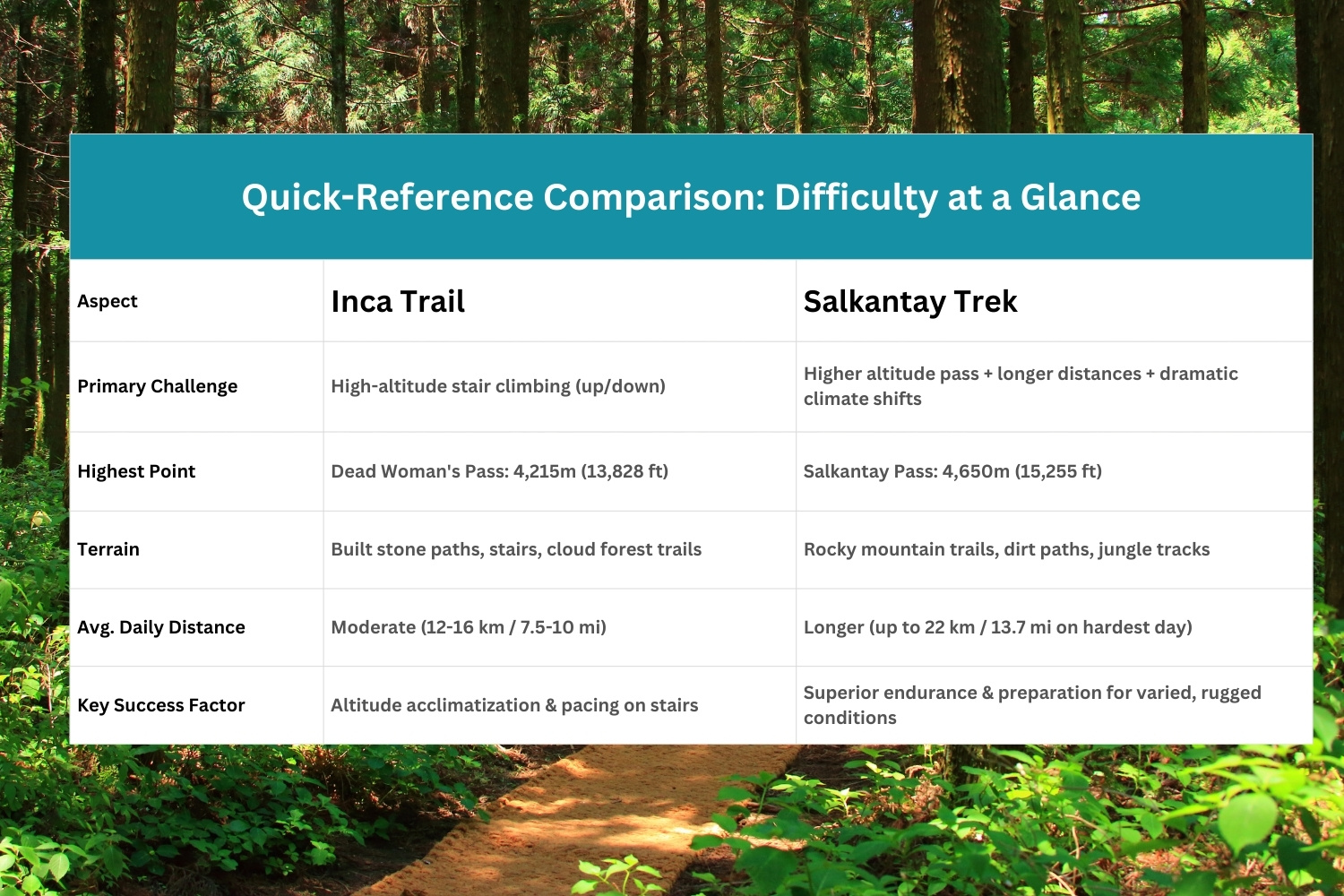
The Inca Trail is a moderate to challenging trek, where the primary difficulty lies not in sheer distance, but in elevation gain and loss, combined with high-altitude conditions.
The Nature of the Challenge: The trail is characterized by long, steep stone staircases (both ascending and descending) that can be taxing on the knees and lungs. The most demanding section is the ascent to Dead Woman's Pass (Warmiwañusca) at 4,215m (13,828 ft), the highest point of the trek. The thin air here significantly increases perceived effort, making pacing and breath control crucial.
Daily Distances & Structure: Daily distances are generally manageable, ranging from 12 to 16 km (7.5 to 10 miles). The trek is highly structured with fixed campsites, offering a predictable routine. The challenge is cumulative; fatigue from Day 2 (which includes Dead Woman's Pass) often carries into the subsequent days.
Altitude Acclimatization: This is the non-negotiable key to success. A minimum of 2-3 full days in Cusco (3,400m / 11,150 ft) or the Sacred Valley before starting the trek is strongly recommended. This allows your body to begin producing more red blood cells to cope with the lower oxygen levels.
Recommended Preparation: Focus on cardiovascular endurance (running, cycling, stair climbing) and leg strength (lunges, squats, hiking with a pack on inclines). Practicing on stairs or hilly terrain is ideal simulation. Good hiking boots, already broken-in, are essential.
Who manages it best? Hikers with good general fitness who prioritize acclimatization and can handle sustained, steep climbs at altitude.
Salkantay Trek: A Rugged High-Mountain and Jungle Odyssey
The Salkantay Trek is widely considered more physically demanding overall than the classic Inca Trail. It presents a unique dual challenge: a high-altitude mountain pass followed by long descents into a tropical climate.
The Nature of the Challenge: The trek's pinnacle is the Salkantay Pass at 4,650m (15,255 ft), which is 435 meters (1,427 ft) higher than the Inca Trail's highest point. This elevation makes the climb more strenuous, and the weather here can be bitterly cold and windy. Furthermore, daily distances can be longer, with the most challenging day often covering up to 22 km (13.7 miles) over varied terrain.
Terrain & Climate Variability: You will encounter rocky moraines, steep dirt trails, and long, winding descents that are punishing on the quadriceps and knees. The drastic change from cold, dry mountains to hot, humid jungle within 48 hours adds an extra layer of physical adjustment for your body.
Flexibility vs. Rigor: While the standard itinerary is demanding, the Salkantay route offers more flexibility in pacing and services. Many tour operators provide options like horse support for the first day's climb to the pass, allowing trekkers to conserve energy. The less-regulated nature means groups can sometimes adjust schedules slightly, though core distances remain.
Acclimatization & Preparation: The same 2-3 day acclimatization in Cusco is absolutely critical, even more so given the higher pass. Physical preparation should be more intensive, focusing on building stamina for longer hiking days (6-8 hours), significant elevation training, and strengthening leg muscles for sustained descents. Hydration and electrolyte management become paramount as you transition into the jungle.
Who manages it best? Adventurous, physically fit hikers with prior trekking experience, strong endurance, and well-prepared knees for long descents.
Verdict: The Inca Trail is a challenging but predictable "stairmaster at altitude." The Salkantay Trek is a more rugged endurance test across extreme environments. Your choice should align not just with your fitness level, but also with your experience handling altitude and your appetite for a longer, more variable wilderness challenge.
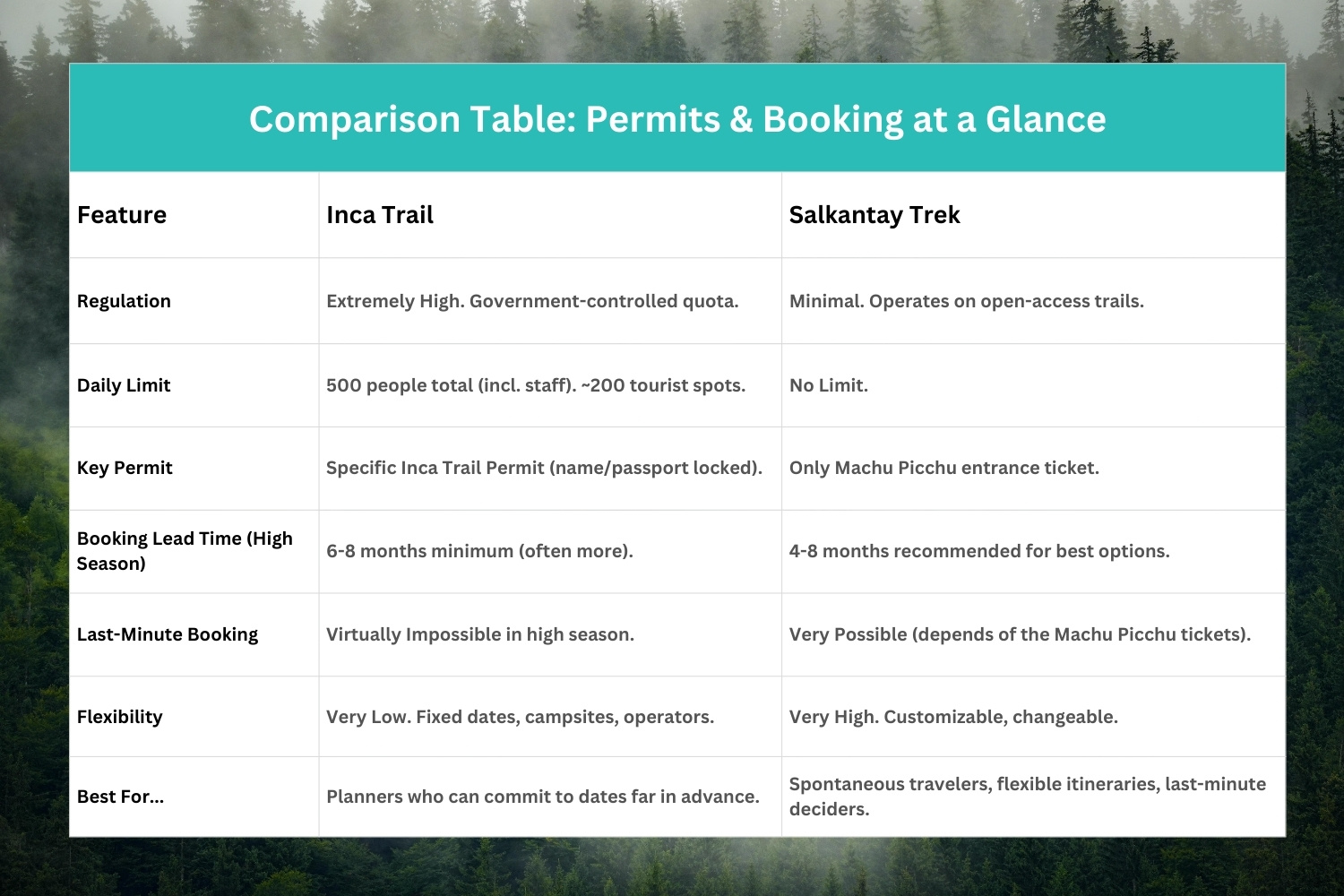
AVAILABILITY AND PERMITS: TO EXPLORE INCA TRAIL AND SALKANTAY TREK
The Inca Trail: A Highly Regulated, Fixed-Quota System
The Peruvian government strictly regulates access to the classic Inca Trail to preserve the fragile archaeological sites and natural environment along its path. This creates a controlled but competitive booking landscape.
The Quota System: Only 500 people are allowed to start the Inca Trail each day. Crucially, this number includes all trekkers, guides, porters, and cooks. In reality, this leaves only about 200-220 spots for tourists per day, with the rest allocated to the essential support staff. This limited daily quota is the primary reason for the high demand and need for advanced planning.
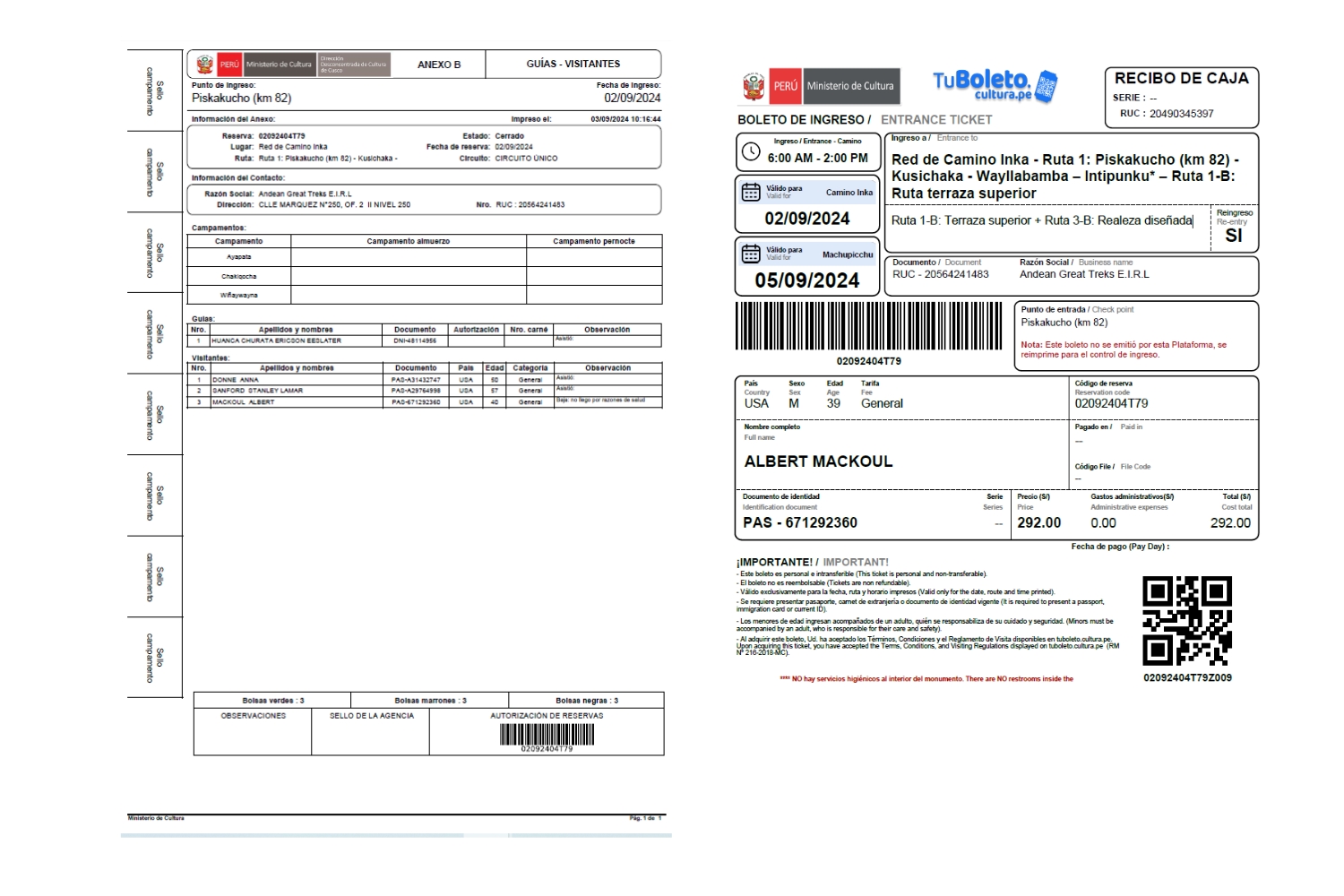
Permit Process & Timeline: Permits are name- and passport-number specific and are non-transferable. They are sold on a first-come, first-served basis, and release dates are set well in advance. You cannot buy a permit directly; it must be secured through a licensed tour operator.
Lead Time Required: For the peak dry season (May through September), you should aim to book 6 to 8 months in advance. For popular dates like June (Inti Raymi) or around the solstices, securing a spot 9-10 months out is highly advisable. For the shoulder (April, October, November) and wet seasons (December-March), 3-4 months may suffice, but early booking is still strongly recommended.
Implications for Planning: This system demands rigid commitment and early decision-making. Once your permit is issued with your passport details, changes are difficult or impossible. You must have a valid passport at the time of booking. The fixed itinerary also means campsites are pre-assigned, leaving no room for on-the-fly adjustments.
Key Takeaway: The Inca Trail is not a last-minute adventure. It requires you to plan your entire trip to Peru around the availability of the trail permit.
The Salkantay Trek: A Flexible, Open-Access Route
The Salkantay Trek operates on public land and trails that do not fall under the same archaeological protection as the Inca Trail. This results in a vastly more flexible and accessible booking process.
No Government Quota or Specific Permit: There is no daily limit on the number of trekkers and no specific government-issued trekking permit required for the Salkantay route itself. The only permit needed is the general entrance ticket to Machu Picchu, which your tour operator will arrange and which has abundant availability compared to Inca Trail permits.
Booking Timeline & Flexibility: With the recent updates to the Machu Picchu visit process, this year has seen a surge in demand for tickets to this wonder of the world. As a result, tickets for Circuit 2 for the months of April through September have sold out very quickly. Therefore, we recommend purchasing your Salkantay Trek at least six months in advance if you wish to fully experience the Inca citadel of Machu Picchu. It is not advisable to purchase the Salkantay Trek at the last minute or just a few weeks before departure, as it is unlikely you will be able to find tickets for Machu Picchu.
CULTURAL AND ARCHAEOLOGICAL EXPERIENCE: INCA TRAIL VS SALKANTAY TREK
Inca Trail: A Pilgrimage Through Layers of History
The Inca Trail is much more than a trekking path; it is a linear open-air museum and a living ceremonial route. Every step connects you with the engineering, spirituality, and worldview of the Inca Empire. You don't just arrive at an archaeological site; you walk within one for four days. A Stepped Archaeological Itinerary, the route is designed as spiritual and physical preparation for arriving at Machu Picchu. The sites you visit are not mere isolated ruins, but interconnected ceremonial stations, tambos (rest stops), and administrative complexes.
Llactapata: Often the first important site, it offered a strategic view of the valley and functioned as an agricultural and control center.
Runkurakay: A mysterious circular tambo located atop a hill. Its exact function is debated (lookout post, astronomical site, resting place for chasquis/messengers), but its unique form is a fascinating example of Inca architecture adapted to the mountain.
Sayacmarca: An impressive "village on a cliff" complex, inaccessible from three sides. Exploring its alleyways, plazas, and water channels allows you to appreciate Inca urban planning in incredible locations. Its name means "inaccessible village."
Phuyupatamarca: The name says it all: "Village above the Clouds." On a clear day, the view from its ritual purification baths is over a sea of clouds. It is a site of profound spiritual significance, related to the worship of water and cleansing before approaching the sacred.
Wiñay Wayna: The grand architectural and emotional prelude to Machu Picchu. This is the most spectacular site on the trail, with two sets of concentric agricultural terraces of dazzling beauty and a ceremonial complex with water fountains. Spending the last night of the trek near Wiñay Wayna imbues the arrival the next day with profound meaning.
The Deep Connection: Your certified guide will be key to deciphering this cultural landscape. They will explain the function of each site, the symbolism of the structures, and the legends that surround them. Crossing through the Sun Gate (Inti Punku) at dawn and seeing Machu Picchu for the first time is not just a visual reward; it is the logical culmination of an initiatory journey along the Qhapaq Ñan (the Inca road network). It is feeling that you have earned the right to arrive, following in the footsteps of nobles, priests, and pilgrims.
Salkantay Trek: An Immersion in Nature and Living Communities
The Salkantay experience shifts the focus from the imperial past to the vibrant present of the Andes and its inhabitants. The connection here is with the sacred geography (the Apus) and the Quechua communities that inhabit these remote valleys. Worship of the Apus and Sacred Landscape: From the first day, the presence of Apu Salkantay (the highest mountain in the region, considered a male guardian spirit) and Apu Humantay (its female counterpart) dominates the journey. The hike to Humantay Lagoon, with its intense turquoise waters at the foot of the glacier, has a strong spiritual component. Many travelers and guides make small offerings (coca leaves) to the mountain, an Andean ritual of reciprocity with Pachamama (Mother Earth) that survives today. The route is, in essence, a natural pilgrimage circuit around these geographical deities.
Interaction with Local Communities: As you descend from the high Andean plateau to the cloud forest, the trek immerses you in contemporary life. In villages like Collpapampa or Lucmabamba, you can witness the simple agricultural lifestyle, with adobe houses and chickens pecking in the yards.
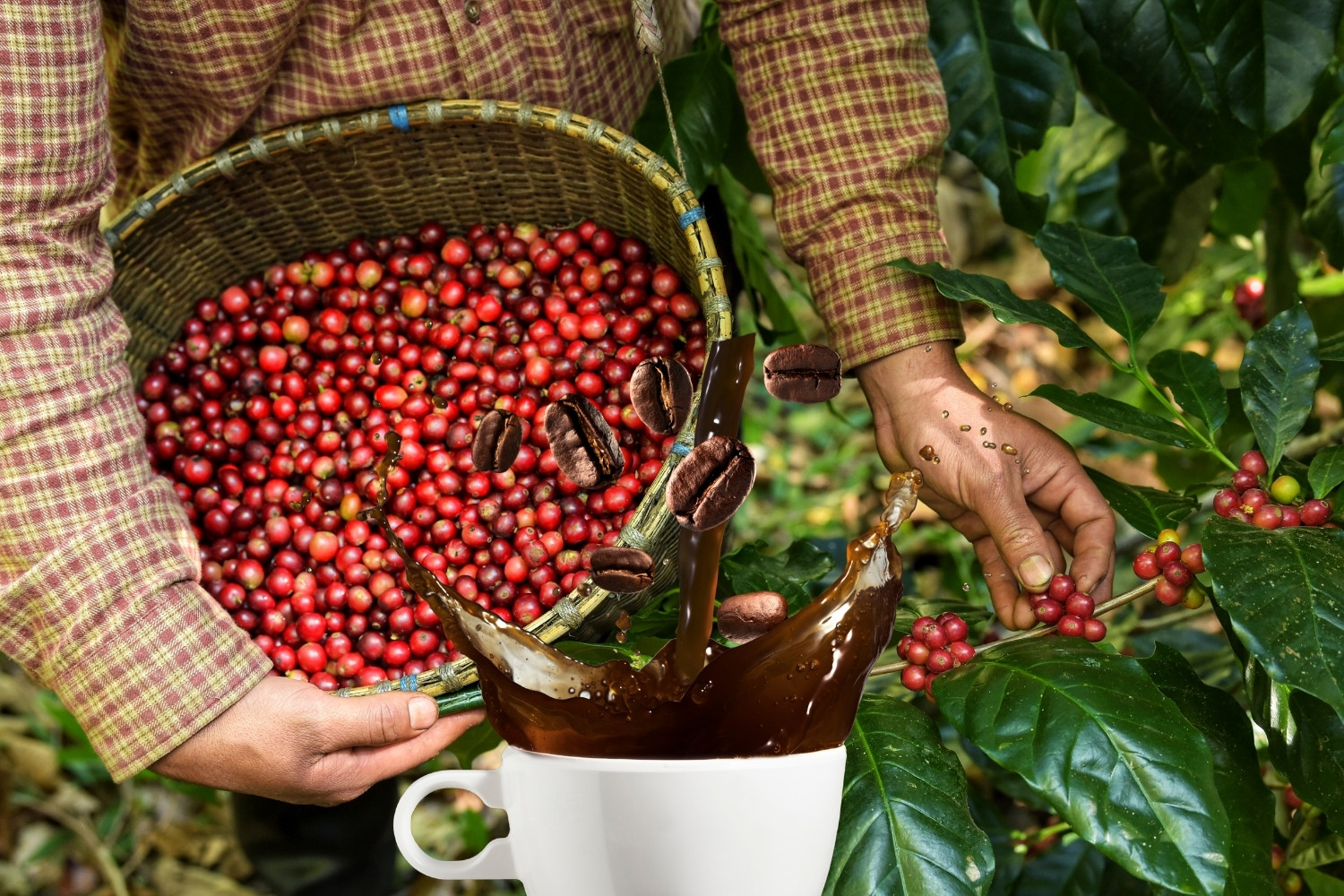
Visiting a family-run coffee plantation in the Santa Teresa or Lucmabamba area is a cultural highlight. You learn about the coffee bean's journey, from the plant to roasting, and share a cup of freshly brewed coffee with the family—an authentic experience of human warmth.
Stops at natural hot springs (like those at Cocalmayo in Santa Teresa) offer opportunities to connect with both other travelers and locals in a truly earthly and relaxing atmosphere. The Connection to Machu Picchu: Upon arriving at Machu Picchu (usually by bus from Hidroeléctrica or Aguas Calientes), the citadel presents itself as a majestic, "external" archaeological discovery, but without the layer of historical context built step by step that the Inca Trail offers. The reward here is having experienced an adventure of survival and natural beauty that culminates in the crowning glory of the Inca wonder.
AMENITIES AND ACCOMMODATIONS ON THE INCA TRAIL AND SALKANTAY TREK: A DETAILED COMPARATIVE ANALYSIS
Inca Trail: The Classic and Regulated Experience
The Inca Trail to Machu Picchu is a controlled and highly structured experience, where comforts are balanced with the authenticity of the historical trek.
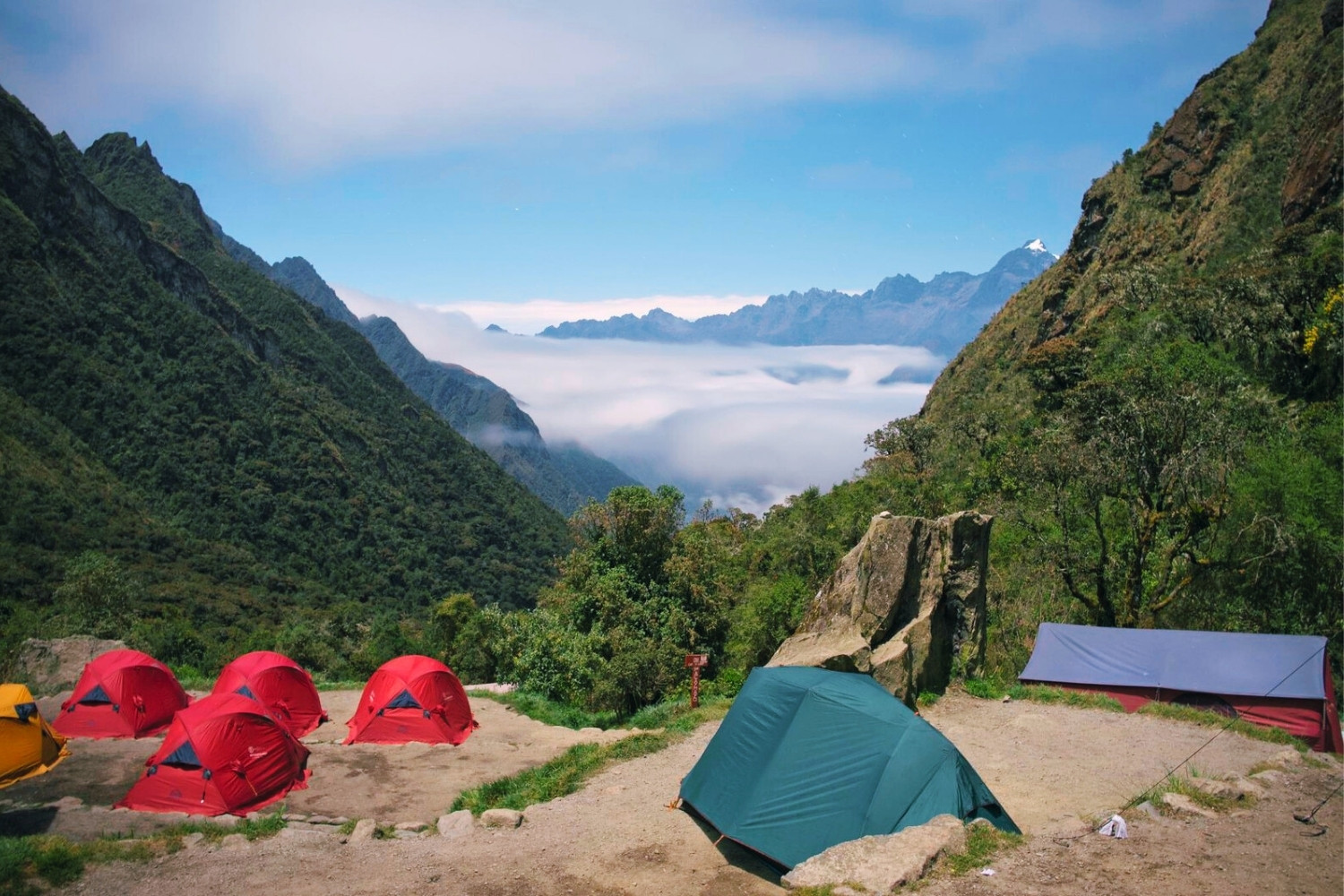
Regulated Campsite SystemBasic but organized infrastructure: All operators use tents provided by them, of tourist quality (generally double-layered for waterproofing). The tents are usually sized for 2-3 people, although many operators offer the option of a single tent at an additional cost.
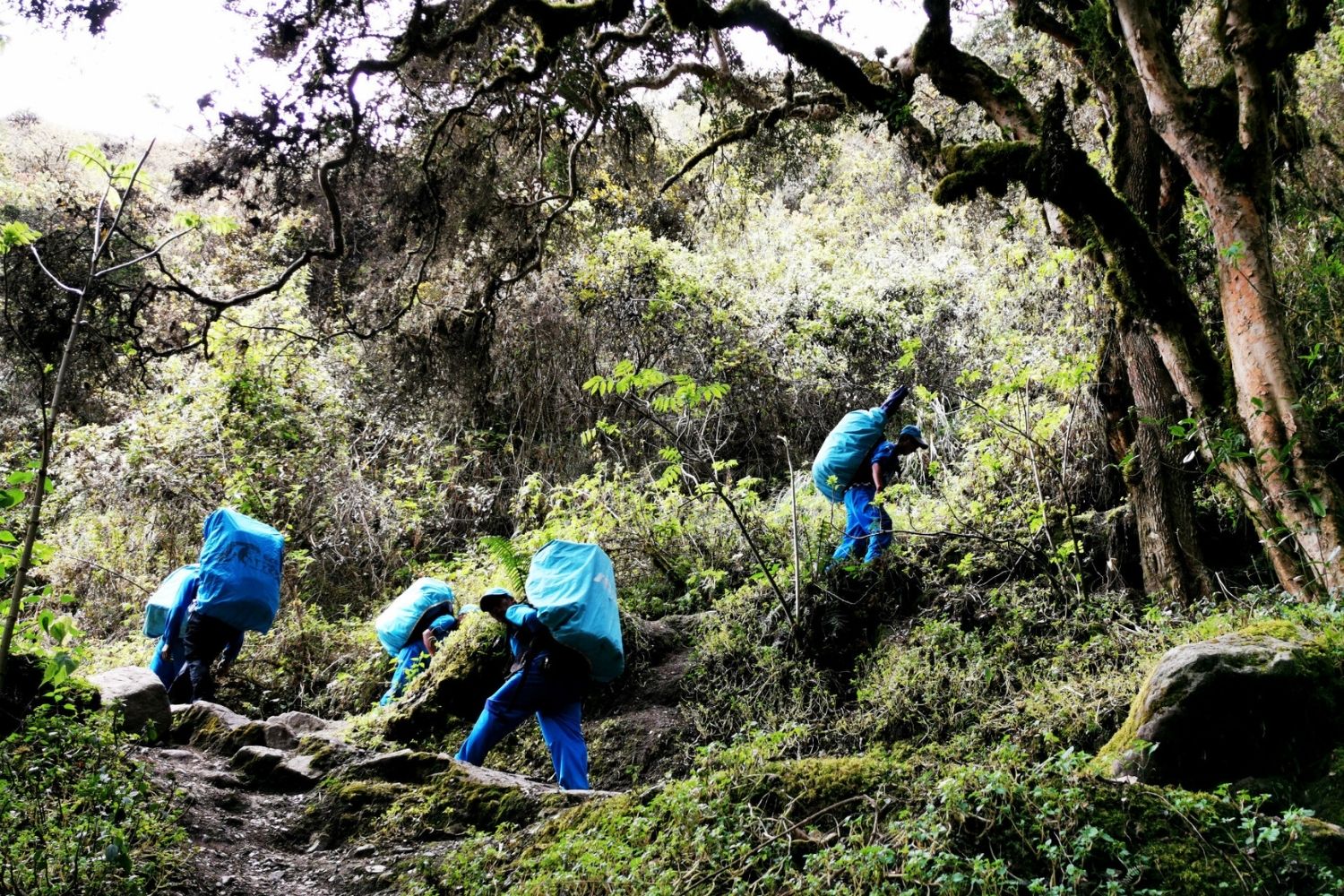
Professional porters: The system includes certified porters who carry the group equipment (dining tents, kitchen tents, food, first-aid kit) with a weight limit established by regulations (currently 20 kg for group equipment). Each passenger has a weight limit for their personal luggage (usually 7 kg).
Designated Official Campsites: The Peruvian government has established specific campsites along the route (Wayllabamba, Pacaymayo, Phuyupatamarca, Wiñay Wayna), each with:
Designated tent areas
Basic ecological toilets (some with cold showers at the first campsites)
Protected common areas
Mandatory waste management systems
Food and Comfort Services
Dining Tent: A large structure where all meals are served, with folding tables and chairs. It becomes the social hub of the group.
High-quality food: The cooks prepare surprisingly elaborate menus considering the conditions, with:
Options for special diets (vegetarian, vegan, gluten-free)
Separate kitchen tent: Where the cooking team works with specialized gas-powered equipment.
Hot water service: For personal hygiene in the mornings (portable sinks).
Basic medical care: Most operators include a first-aid kit and emergency oxygen.
Limitations and ConsiderationsNo electricity in campsites: Some operators offer battery charging services with limited solar generators.
Basic bathrooms: Shared between groups, usually without toilet paper.
Complete absence of lodges or hotels: The experience is 100% camping by regulation.
Salkantay Trek: A Route Full of Experiences
The Salkantay Trek offers a much wider range of options, from simple to luxurious, adapting to diverse budgets and preferences.
1. Budget/Basic Option
Community Cabins: Lodging in rustic wooden or adobe structures in villages like Colcapampa, La Playa, or Lucmabamba.
Shared rooms (4-8 people)
Basic beds with thin mattresses
Shared outdoor bathrooms, sometimes with cold showers
Limited electricity (only at specific times in some places)
Basic campsites: Similar to the Inca Trail but less regulated:
Tents provided by the operator
More basic bathrooms than on the Inca Trail
Simple but plentiful meals
2. Standard Option (most popular)
Smart combination: Alternating between campsites and basic accommodations:
Night 1: Campsite in Soraypampa (similar to the Inca Trail)
Night 2: Cabins in Colcapampa or Chaullay after crossing the Salkantay Pass
Night 3: Lodging in Santa Teresa (basic hostels with beds and hot showers)
Night 4: Basic hotel in Aguas Calientes (private room, bathroom, Wi-Fi)
Upgraded services:
Availability to hire porters for personal equipment
Meals at local restaurants on some days
Hot showers most days Overnight stays
Opportunity to visit hot springs in Cocalmayo (Santa Teresa)
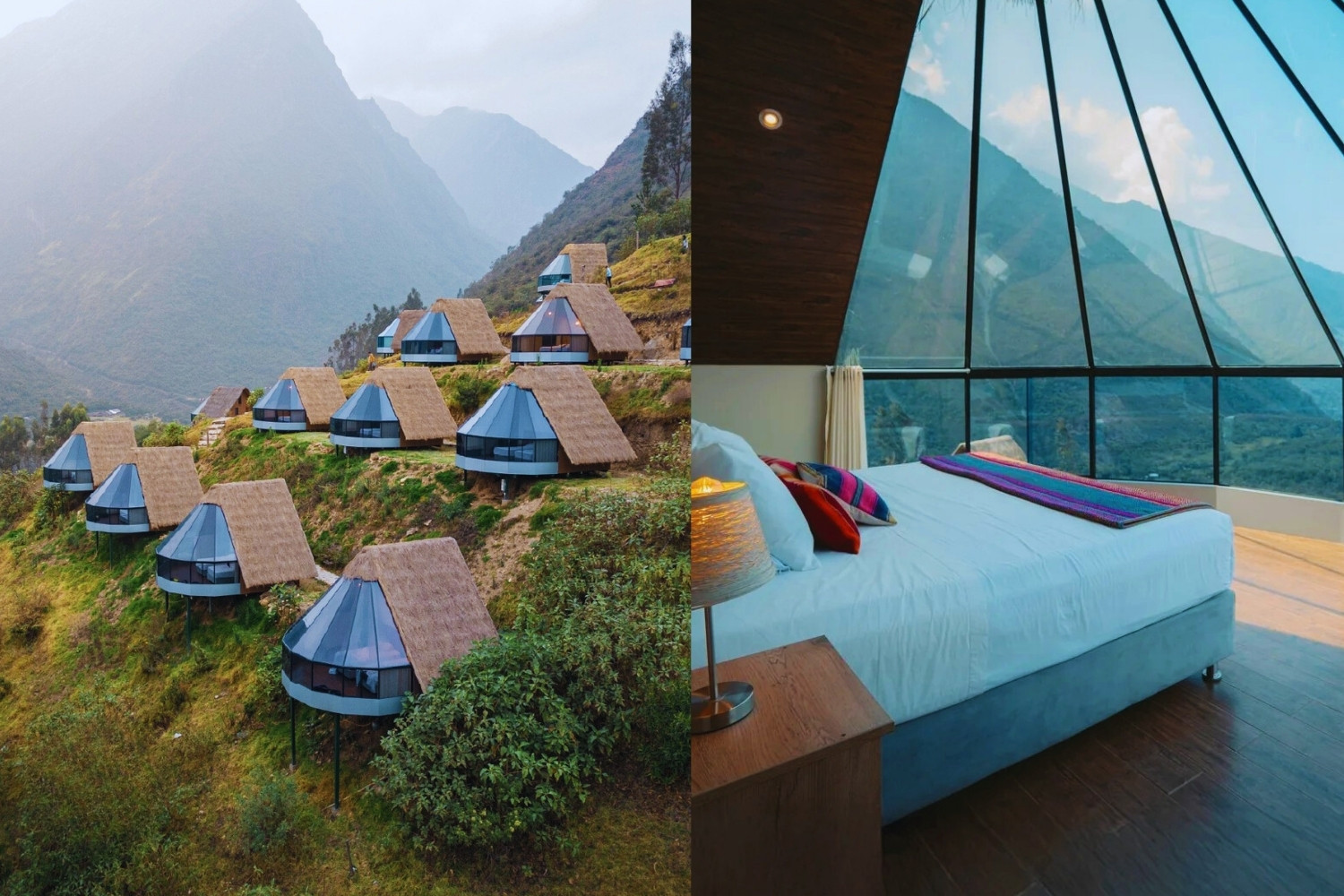
3. Luxury "Lodge to Lodge" Option (Salkantay Lodge to Lodge)
This is the premium experience created by Mountain Lodges of Peru, combining adventure trekking with 5-star hotel amenities.
Four exclusive lodges along the route:
Salkantay Lodge (Soraypampa): 3,850 meters above sea level, with views of the Salkantay mountain. It offers rooms with private bathrooms, heating, an outdoor jacuzzi with views, and a spa with Andean treatments.
Wayra Lodge (Huayracmachay): 3,906 meters above sea level, architecture integrated into the landscape. Mountain sauna and fireplaces in the rooms.
Colpa Lodge (Colpapampa): 2,870 meters above sea level, in a subtropical valley. Heated pool, gardens, and astronomical observatory.
Lucma Lodge (Lucmabamba): 2,135 meters above sea level, in coffee country. Terraces with hammocks, steam baths, and a kitchen featuring organic produce.
Premium Services and Experiences:Rooms with all amenities: King-size or twin beds, private bathroom with water-pressure shower, unlimited hot water, heating, 24/7 electricity, and Wi-Fi in common areas.
Gourmet cuisine: Menus created by professional chefs, fusing Andean and international cuisine with local and organic ingredients. Includes wines and a welcome pisco sour.
Spa and wellness: Hot stone massages, Andean herbal baths, saunas, and jacuzzis with panoramic views.
Expert guides: Low guide-to-guest ratio (typically 1:6), with in-depth knowledge of the local culture, flora, and fauna.
Luggage transfer between lodges: No need to carry your personal backpack during the day.
Exclusive activities: Visits to local communities, coffee tasting, Andean ceremonies, and stargazing with a professional telescope. Integrated Architectural Design:
Each lodge has been designed by architects specializing in sustainable tourism:
Use of local materials (stone, wood, adobe)
Renewable energy systems (solar panels, micro-hydroelectric plants)
Wastewater treatment systems
Radiant floor heating in some cases
Large windows for visual integration with the landscape
4. Intermediate and Personalized Options
"Glamping" (glamorous camping): Luxury tents with low beds, furniture, lighting, and decor.
Boutique hotels in Aguas Calientes: For the last night, options such as Inkaterra, Sumaq, or Tierra Viva with different levels of comfort.
Customizable private tours: Where different levels of accommodation can be mixed according to preference.
DURATION AND STRUCTURE OF THE TREK: INCA TRAIL VS SALKANTAY TREK
Inca Trail: A Ritual and Immutable Structure
The Inca Trail is not simply a trekking route, but a regulated pilgrimage with a rhythm and structure that emulate the ceremonial nature of the Qhapaq Ñan (Inca road system). Its temporal design responds to both logistical considerations and an experiential purpose.
The Classic 4-Day/3-Night Trek: A Programmed Ascetic Rhythm
Day 1: Gradual Initiation (From the Mundane to the Sacred)
Starting Point: Km 82 (Piscacucho, 2,720 m)
Pace: Easy 11-12 km hike (5-6 hours)
Experiential Structure:
Crossing the Urubamba River via a suspension bridge, a symbolic act of transition
Visit to the first archaeological complex: Llactapata (2,750 m), an introduction to the Inca architectural genius
Gradual ascent to the Wayllabamba campsite (3,000 m), the first acclimatization
Underlying Philosophy: This day serves as a "progressive disconnection," allowing the hiker to leave behind the urban rhythm while the body begins to acclimatize.
Day 2: The Physical and Spiritual Test ("The Day of the Pass")
Critical Elevation Gain: 1,200 meters climb over 9 km to Warmiwañuska ("Dead Woman's Pass," 4,215 m)
Duration: 7-8 hours of intense hiking
Three-act structure:
Forest ascent through cloud forest (Wayllabamba to Llulluchapampa)
High-altitude grassland with low vegetation, where the altitude becomes palpable
Ritual Summit: Arrival at the highest pass, traditionally marked by symbolic offerings (stone cairns)
Cathartic Descent: 2 hours to Pacaymayo (3,600 m), camp in a sheltered valley
Cultural Significance: This day represents the Andean concept of "payment" to the mountain, the effort as an offering.
Day 3: The Descent into Eternity (From the Mountain to the Jungle)
Extreme geographical contrast: 16 km descending from 3,900 to 2,650 meters above sea level
Maximum archaeological richness:
Passage through Runkuraqay (3,800 meters above sea level), a semicircular lookout post
Visit to Sayacmarca ("Inaccessible Village"), a citadel perched on a precipice
Exploration of Phuyupatamarca ("City Among the Clouds"), with ritual purification baths
Arrival at Wiñay Wayna ("Forever Young," 2,650 meters above sea level), a spectacular agricultural complex with concentric terraces
Ecological transition: Dense cloud forest with orchids and endemic birds
Emotional impact: Wiñay Wayna serves as an architectural prelude to Machu Picchu
Day 4: The Revelation (Sunrise to Machu Picchu)
Ritual dawn: Departure at 4:00 AM to reach Inti Punku ("Sun Gate") at dawn
Epiphanic moment: First panoramic view of Machu Picchu in the dawn light
Final descent: 1 hour to the citadel itself
Extensive guided tour: 2-3 hours of exploration with a licensed guide
Free time before the return train to Cusco
Short 2-Day/1-Night Option: The Compressed Trail
Starting point: Km 104 (Chachabamba, 2,250 m.a.s.l.), accessible by train
Accelerated structure:
Day 1: 6-hour hike via Wiñay Wayna to Inti Punku, overnight stay in Aguas Calientes
Day 2: Early morning visit to Machu Picchu
Target audience: People with limited time or who prefer less physical exertion
Compensation: Experience less than 40% of the original trail, omitting the high Andean passes and their sense of progression
Regulations that They Shape the Structure
Strict Control: Entry times to each camp are strictly controlled
Unchangeable Itinerary: No variations allowed due to weather conditions or group preferences
Turn System: Access to Wiñay Wayna and Machu Picchu is regulated by assigned groups
Salkantay: The Fluid and Modular Structure
The Salkantay offers a flexible, temporary framework that allows for multiple configurations, functioning as a modular trekking system adapted to diverse travel philosophies.
The Typical 5-Day/4-Night Trek: The Complete Traverse
Day 1: Encounter with the Apu
Start: Mollepata (2,850 m) or Challacancha (3,710 m, shorter option)
Theme: Approach to the Salkantay mountain (6,271 m), the protective "Apu" (mountain deity)
Camp: Soraypampa (3,900 m) with a direct view of the glacier
Optional Activity: Visit to Humantay Lagoon (extra option, +2 hours)
Day 2: The Pass Test
Ultimate Challenge: Ascent to Salkantay Pass (4,630 m), the highest point of the trek
Intense Sensory Experience:
Dramatic change of microclimates in a few hours
Panoramic view of the Vilcabamba Mountain Range
Traditional offerings at the "apachetas" (stone cairns)
Transformative Descent: 3 hours to Huayracmachay (3,900 m) and then to the subtropical valley of Colpapampa (2,850 m)
Complete ecological transition: From glacial landscape to cloud forest in a single day
Day 3: Immersion in the Cacao Valley
Continuous descent: To La Playa (2,100 m) or Santa Teresa (1,550 m)
Paradigm shift: Warm climate, tropical vegetation, coffee and cacao plantations
Cultural option: Visit to a coffee-growing family to observe the production process
Accommodation options: From basic camping to hostels with hot showers
Day 4: Multidimensional Alternatives
Traditional route: Hike along train tracks to the Hydroelectric Plant, then to Aguas Calientes
Adventure route: Canopy tour/zipline in Santa Teresa (+ extra activity)
Relaxation route: Visit to the Cocalmayo hot springs in Santa Teresa
Short route: Van transport to the Hydroelectric Plant, shortened hike to 2 hours
Day 5: Conclusion at Machu Picchu
Similar to the Inca Trail: Early visit, free time, return by train
Salkantay Structural Variations
Accelerated 4-Day/3-Night Version
Strategic Compression: Combines days 3 and 4 of the standard itinerary
Common Strategies:
Van transport from La Playa directly to Hidroeléctrica
Omission of Santa Teresa and its activities
Less time at coffee plantations or hot springs
Advantage: Ideal for time-constrained travelers
Disadvantage: Less immersion in the subtropical valleys
ABOUT THE CROWDS ON THE INCA TRAIL VS SALKANTAY TREK
Inca Trail: The Regulated Collective Pilgrimage
The Inca Trail operates under a strict capacity-limited model that, paradoxically, creates a simultaneously exclusive and crowded experience:
Strict daily quotas: Only 500 people are allowed to enter daily, including:
200 tourists (distributed in groups of 16 maximum)
300 support staff (guides, porters, cooks)
"Group train" effect: Permits are assigned with specific start times, creating a staggered progression where:
Groups depart 30-60 minutes apart
"Waves" of hikers are created along the trail
Campsites receive groups sequentially throughout the afternoon
Critical Congestion Points: Natural Bottlenecks
There are segments where the geography inevitably concentrates hikers:
Inti Punku at dawn (Day 4):
Everyone Groups attempt to arrive by dawn (between 5:30-6:30 AM)
Queues form on the final stretch of the trail
The first groups occupy the prime photo spots
Ascent to Warmiwañuska Pass (Day 2):
The trail becomes steep in the final section ("Las Gradas")
Slower groups can cause bottlenecks
The altitude necessitates breaks, creating natural concentrations
Wiñay Wayna (Day 3):
Only 4 groups can explore the ruins simultaneously
Schedule system controlled by park rangers
15-30 minute waits to enter specific areas
The Amplified Group Experience: Forced Community
The structure generates an intense, multi-layered social dynamic:
Forced coexistence: 3-4 days of sharing minimal spaces:
Shared eco-toilets among 30-40 people
Dining tent where all groups eat dinner simultaneously
Common camping areas with no real privacy
Cross-group interaction: Relationships are established with:
Group Own group: 8-16 people with whom everything is shared
Parallel groups: Same schedules, different operators
Support staff: Porters and cooks with limited but constant interaction
Collective rituals: Moments that synchronize everyone:
5:00 AM: Collective wake-up call with coca tea
6:30 PM: Almost simultaneous group dinner in all camps
9:00 PM: General silence in the camps
The "Trail Effect": Perception vs. Statistical Reality
Although 200 tourists per day seems small, distributed over 43 km they create constant meeting points:
Linear density: 4-5 people per kilometer on average
But in reality: Groups of 8-16 people every 500-800 meters
Psychological result: Feeling of "there is always someone ahead or behind"
High Season vs. Low Season: Dramatic FluctuationsHigh Season (May-September):
Permits sold out 6-8 months in advance
Camps at 100% capacity
Waiting at archaeological sites
Festive, almost carnival-like atmosphere
Low Season (November-March):
Lower occupancy (60-80%)
Smaller groups
Greater sense of tranquility
Pro: Rain, which can create other types of stress
Zero Privacy: The Logistical Reality
Adjacent tents: Separated by a maximum of 1-2 meters
Cross-views: Almost impossible to visually isolate yourself
No privacy in bathrooms: Basic structures with minimal partitions
Salkantay: The Adventure in Open Spaces
The Salkantay covers a wider area with multiple alternative routes, creating a radically different experience:
Non-exclusive trail: Shares space with:
Local communities using paths for transportation
Other operators with different itineraries
Independent travelers without a guide
Parallel variations: There are at least 3 main routes between Soraypampa and Santa Teresa
Unregulated territory: There are no strict daily entry limits
The First Days: Sublime Solitude
The initial segment creates an experience of almost absolute solitary immersion:
Day 1 (Mollepata/Soraypampa):
Expansive high Andean landscape
Groups separated by kilometers
Feeling of being "at the end of the world"
Only sound: wind, footsteps, and breathing
Day 2 (Salkantay Pass):
Although it is the most popular point, the immensity makes people stand out
The difficulty of the ascent (4,630 m) naturally creates space The groups
Each group arrives at the pass at different times (up to 3 hours difference)
Changing weather (snow, wind) often makes breaks short
Natural Concentration Points vs. Artificial
Humantay Lagoon (optional Day 1): May have dozens of visitors
Cocalmayo Hot Springs (Days 3-4): Shared with non-trekking tourists
Hydroelectric Plant to Aguas Calientes (Day 4): Linear trail where everyone converges
Typical Dispersion:
Colpapampa Valley: So wide that groups are barely visible
Cloud Forests: Dense vegetation absorbs hikers
Alternative Routes: Less than 40% use the exact same path
Social Model: Autonomous Groups and Sporadic Encounters
The social dynamic is more organic and episodic:
Group Autonomy: Each group operates as an independent unit:
Personalized schedules (departures between 5:00-8:00 AM according to preference)
Pace adapted to the group's capacity
On-site decisions regarding breaks and routes
Encounters as events: Encountering another group feels like:
A brief greeting and then continuing on the trail
A quick exchange of information about conditions
The possibility of no encounters for entire stretches
Recoverable privacy:
The option to hike alone (within the group)
Spaces for individual contemplation
Less of a feeling of being watched
Variants Affecting Density
Budget Option (basic campsites):
Greater socialization: Communal campsites where groups converge
But: Enough space to spread out during the day
Lodge-to-Lodge Option (luxury):
Near-total isolation: Each lodge accommodates only its own guests
Exclusive trail: Some lodges have private access
VIP experience: A feeling of having the landscape all to yourself
Independent Trekking (without a guide):
Maximum solitude: But with logistical risks
Chance encounters: Only with locals or other independent hikers
The Seasonal Factor: Less More extreme than the Inca Trail
High season: More groups, but the space absorbs them
Low season: Feels like you have the mountain to yourself
Rainy season (Nov-Mar): Naturally filters the hikers (only the most determined)
COST ANALYSIS: INCA TRAIL VS SALKANTAY TREK
The Inca Trail: A Premium Investment in a Regulated Experience
The Classic Inca Trail (4 days/3 nights) is indeed the most expensive trekking option to Machu Picchu, generally ranging from USD 800 to USD 1,200 per person, and potentially exceeding this amount for luxury services. This price variation is not arbitrary and reflects a well-defined cost structure and controlled high demand.
Breakdown of what justifies its cost:
Official Permits and Limited Capacity:
Access to the Inca Trail is strictly regulated by the Peruvian Government (through SERNANP). Only 500 people are allowed per day (including tourists, guides, cooks, and porters). Permits are non-transferable, issued to a specific person, and sell out months in advance (especially during peak season: May-September). Part of your payment covers this exclusive access right.
Included Cost Structure:
Trek-Hiking Permit: Fixed government fee.
Official Professional Guides: Must be certified and accredited. The law mandates a maximum tourist-to-guide ratio (usually 1 guide for every 8-16 people).
Full and Prepared Meals: Breakfast, lunch, dinner, and snacks. Reputable agencies typically offer high-quality cuisine, even at campsites.
Camping Equipment: Quality tents, sleeping mats, and sometimes portable dining and toilet tents.
Porters: Their work is regulated (maximum weight they can carry, insurance, equipment). Their wages and living expenses are a significant part of the cost. It is crucial to choose agencies that treat their staff ethically.
Machu Picchu Entrance Fee: Included in the standard package.
Transportation: Train from Aguas Calientes to Ollantaytambo and bus to Cusco (this may vary).
Camping Fee: Fee for camping at designated official sites.
Factors that increase the price:
Season: High (May-September) vs. Low (December-March, with risk of closure due to rain).
Agency reputation: Companies with high standards of safety, sustainability, and fair treatment of staff tend to have higher prices.
Comfort level: Options include tents with beds, portable showers, or the luxurious "Inca Trail Lodge."
The Salkantay Trek: Flexibility and Affordability
The Salkantay (typically 5 days/4 nights) is the most popular and affordable option, ranging from USD 450 to USD 750. Its lower cost doesn't necessarily imply a lesser experience, but rather a different operating model.
Analysis of its cost structure:
No Restrictive Permits or Quotas: It doesn't require expensive permits or have a daily limit on the number of trekkers. This significantly reduces the fixed cost and allows for greater flexibility in booking at short notice.
Variety of Services and Comfort Levels (EXPLAINS THE WIDE PRICE VARIATION):
Budget/Basic (USD 380-450): Simple camping, adequate food, groups can be large. Sometimes it doesn't include the return train (you return by bus), the entrance fee to Machu Picchu, or camping fees. Reading the fine print is essential.
Standard/Comfort (USD 540-750): Includes everything: good meals, well-maintained tents, entrance fees (Machu Picchu, Machu Picchu Mountain, or Huayna Picchu), Expedition train or similar, and a guided tour of Machu Picchu.
Luxury/Glamping (USD 850+): Includes overnight stays in cabins or domes in places like Soraypampa or Chaullay, tents with beds, luggage transport by mule or van, and premium services.
Extra Activities that Impact the Price:
Entrance to Huayna Picchu Mountain or Machu Picchu Mountain: Add between USD 60-80.
Return Train (Vistadome vs. Expedition): The difference in category can be USD 50.
Extra night in Aguas Calientes: To rest before visiting the ruins.
Visits to hot springs in Santa Teresa or Cocalmayo.
THE CLIMATE ON THE INCA TRAIL AND THE SALKANTAY TREK
Climate is a critical factor that defines the experience, difficulty, and safety of both treks. Although they share the same region in Cusco, Peru, they present key climatic differences due to their altitude and geography.
Overview: Two Defined Seasons
1. Dry Season (May - September)
Main characteristic: Sunny days and clear skies. This is the peak season.
Temperatures: Wide variation between day and night. Mild days (15-20°C / 59-68°F), very cold nights and early mornings, especially at high altitude (it can reach -5°C / 23°F on Salkantay).
Precipitation: Scarce rainfall. More stable trails and lower risk of rain.
Advantage: Exceptional visibility of landscapes, mountains, and ruins. Rain-free hikes.
Disadvantage: Dust on the trail, increased congestion (especially on the Inca Trail), sub-zero temperatures at high campsites.
2. Rainy Season (November - March)
Main characteristic: Frequent and heavy rains. Low season.
Temperatures: More moderate, with less cold nights.
Precipitation: Intense downpours, frequent in the afternoons. Slippery and muddy trails. Possibility of clouds and fog obscuring views.
Advantage: Green and flowery landscapes, fewer people, lower prices.
Disadvantage: Greater physical difficulty, risk of cancellations or detours for safety reasons, constant humidity.
Critical Transition Months:
April and October are "in-between": unpredictable weather, can offer the best (or worst) of both seasons. Excellent option to avoid crowds.
Climate on the Inca Trail: Cloud Forest and Microclimates
The Inca Trail traverses a cloud forest ecosystem (yunga), resulting in a humid climate with abrupt changes.
Key Characteristic: Diverse ecological zones. You can experience intense sun, light drizzle (garúa), and Andean cold all in the same day.
Coldest Point: The "Dead Woman's Pass" (Abra Warmiwañuska). Always windy and cold, even in the dry season.
Essential Tip: The layering system ("onion") is essential: breathable base layer, fleece, and windproof/waterproof layer.
Climate on the Salkantay Trek: Andean Extremes and High Mountain Pass
The Salkantay Trek presents a greater climatic challenge due to its exposure to high altitude.
Altitude Range: 2,000 m (Aguas Calientes) to 4,650 m (Salkantay Pass).
Key Characteristic: Extreme contrast. Day 2, crossing the Salkantay Pass, is the most challenging: sub-zero temperatures, strong winds, and the possibility of snow or hail (even in the dry season). After the pass, there is a rapid descent into a warm and humid cloud forest climate.
Risk of Altitude Sickness (Soroche): More likely here due to the high altitude and rapid ascent. Prior acclimatization in Cusco (2-3 days) is essential.
Explore the Manu Amazon Rainforest & Inca Trail hike to Machu Picchu, you will enjoy the best adventures in Peru, exploring amazing inca trail routes and the best amazon wildlife with our local tour guides, in small groups.
The classic Inca Trail hike to Machu Picchu is one of the world's greatest hikes. Along the 45 km you will explore unique andean valleys, lush mountain forest.An exquisite architecture of the Inca sanctuaries, which will dazzle you for its fineness and location within the Andes.
One of our most popular trips in Peru combines the cultural heritage of the Sacred Valley and the challenge of doing one of the most popular hiking trails in the world. The four-day trek on the Inca Trail will reward you with a stunning combination of the area's ruins, mountainous landscapes, and cloud forests.