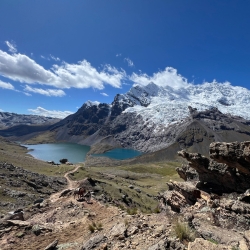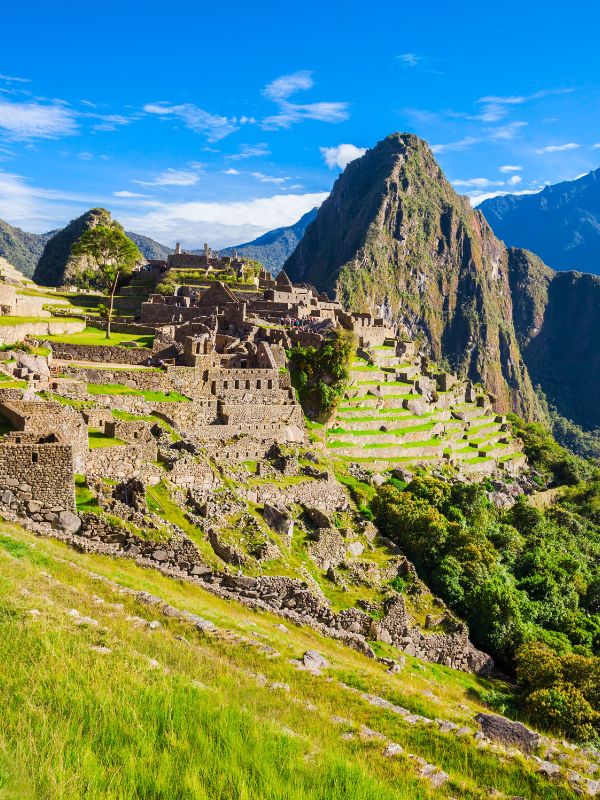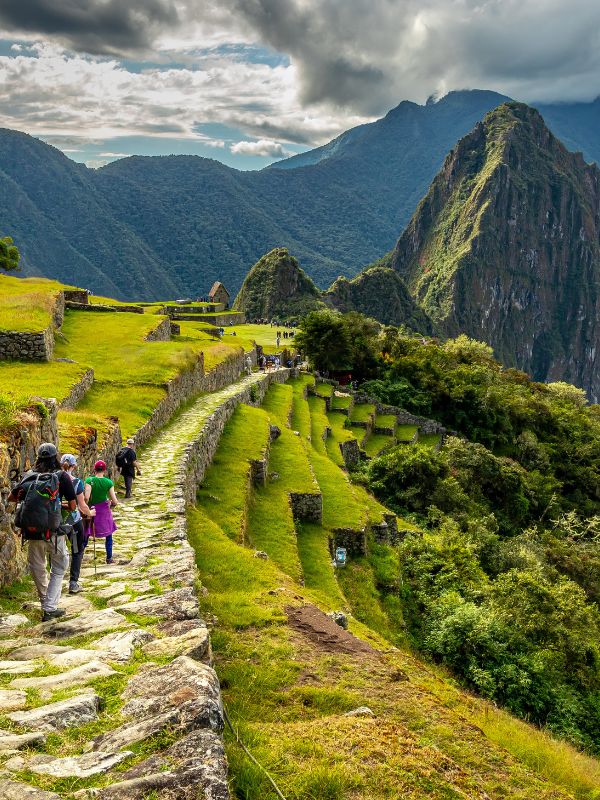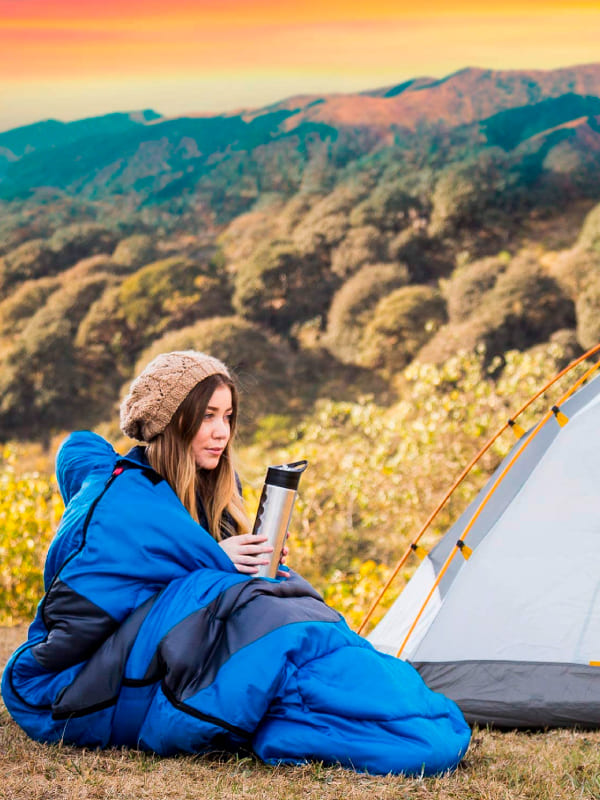
With the increased number of visitors to the ancient Inca Empire in Peru, choosing the best time to hike Inca Trail and discover the beautiful landscapes of the Andes has become a crucial topic. That’s why we, as true experts on the Inca Trail to Machu Picchu, have compiled the most relevant and essential information you should know, answering important questions such as: Which months offer the most beautiful scenery? Which type of landscape do you prefer: the dry season with its arid mountains and valleys and blue skies, or the rainy season with its lush green landscapes, cloudy skies, and fields full of wildflowers and wild fruits?
Planning a trek along the legendary Inca Trail to Machu Picchu is a dream for many adventurers. This four-day trek through the Andes is a breathtaking blend of ancient stone paths, cloud forests, and stunning mountain views, all leading to the awe-inspiring Sun Gate. However, choosing the rbest time to hike Inca Trail is crucial, as the weather and trail conditions change dramatically throughout the year. The Andes have a distinct rhythm, defined by two main seasons: the dry season and the rainy season. Each period offers a completely different experience on the trail, affecting everything from the clarity of the views to the difficulty of the hike. While the Inca Trail is open for most of the year (with a temporary closure in February for maintenance), understanding the specifics of each month will help you decide what kind of adventure you’re truly looking for.
Many travelers seek the perfect balance of sunny skies and moderate crowds, but the “best” time is subjective and depends on your priorities. In this guide, we’ve selected the most suitable months for your trip to Peru, ensuring you enjoy a more pleasant environment in the Andes near Cusco. Whether you’re a photography enthusiast seeking crisp images of Machu Picchu or a hiker looking for a more solitary experience, Andean Great Treks prioritizes providing essential recommendations. We always advise our travelers to come to Peru with transparent information and up-to-date weather data. Therefore, our Machu Picchu trekking operations are only available from April to October, allowing you to take home unforgettable memories of the land of the Incas.
Planning a trek along the legendary Inca Trail to Machu Picchu is a dream for many adventurers. This four-day journey through the Andes is a breathtaking mix of ancient stone pathways, cloud forests, and stunning mountain vistas, all leading to the awe-inspiring Sun Gate. However, choosing the right moment to embark on this once-in-a-lifetime experience is crucial, as the weather and trail conditions change dramatically throughout the year. The Andes have a distinct rhythm, defined by two primary seasons: the dry season and the rainy season. Each period offers a completely different experience on the trail, affecting everything from the clarity of the views to the difficulty of the hike.
Many travelers aim for the perfect balance of sunny skies and manageable crowds, but the “best” time is subjective and depends on your priorities. Do you dream of cloudless panoramas from the high passes, or do you prefer a quieter trail with lush, green landscapes? This guide will break down the weather patterns, crowd levels, and pros and cons of each season to help you make the best decision for your Inca Trail trek. In the following sections, we will provide a detailed month-by-month breakdown, allowing you to see exactly what to expect on the trail and choose the ideal time for your journey to the Lost City of the Incas.
The concept of the “best” time to hike the Inca Trail is nuanced, as it truly depends on what you value most in your trekking experience. For most travelers, the optimal period is during the shoulder months of April, May, September, and October. During these months, you get the best of both worlds: the weather is largely stable and dry, offering clear skies and excellent visibility, while the landscapes are painted in the vibrant greens of the recent rains. Furthermore, these months fall just outside the peak tourist season, meaning the trail is less crowded, and you have a higher chance of securing permits, even with less advance planning compared to the busier months.
If your primary goal is to experience the most stable weather with virtually no rain and crystal-clear skies, then the heart of the dry season, from June through August, is your ideal window. This period guarantees sunny days and breathtaking views of the Andes and Machu Picchu. However, this perfection comes with a cost: it is the busiest and most expensive time to hike. The trail is bustling with hikers, campsites are full, and permits for these months sell out many months in advance. You’ll need to book your trek up to six or even ten months ahead to secure a spot.
For the solitude seeker and nature enthusiast, the rainy season, from November to March, holds a unique charm. While you must contend with afternoon showers and slippery trails, you are rewarded with an incredibly lush, vibrant, and almost mystical landscape. The cloud forest is at its greenest, waterfalls cascade down the mountainsides, and orchids are in full bloom. The trail is significantly quieter, offering a more intimate experience with the ancient path and the natural world. The key exception is February when the trail is closed entirely for annual maintenance. Ultimately, the best time is a personal choice between ideal weather and a quieter, more verdant adventure.
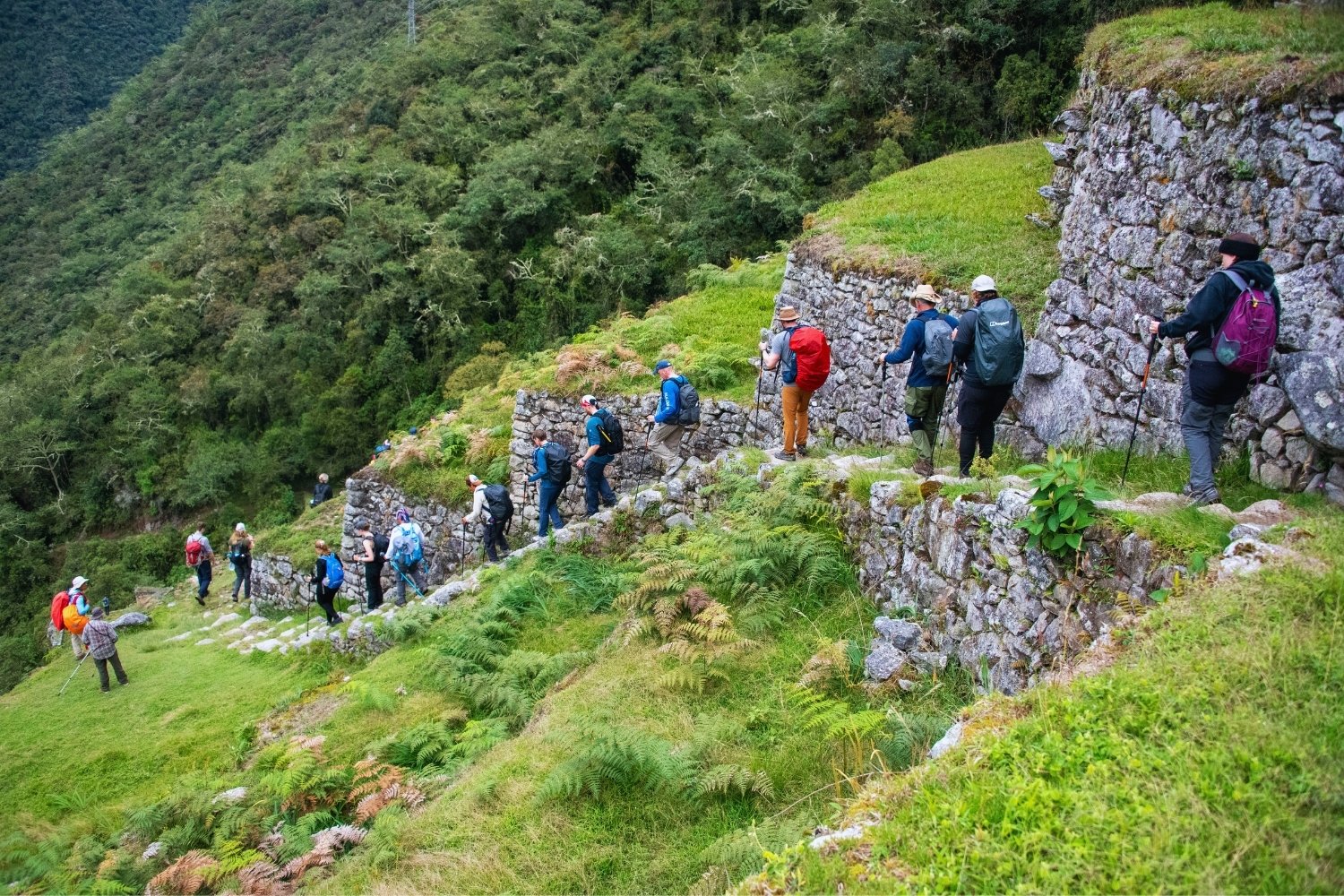
Understanding the climate on the Inca Trail requires thinking beyond simple temperature. The region is characterized by two main seasons: the dry season (roughly April to October) and the rainy season (roughly November to March), with the Andes creating a landscape of microclimates that can change dramatically in a single day. The most significant factor is precipitation. The dry season is defined by its lack of rain, offering stable, sunny days, while the rainy season is characterized by regular, often heavy, afternoon downpours that bring the landscape to life.
Temperature is another key variable, but it’s less about seasonal extremes and more about daily fluctuations. Daytime temperatures across the year are surprisingly consistent, generally hovering between 18°C and 22°C (64°F–72°F). However, due to the high altitude, nights are always cold. During the dry season, especially in June and July, nighttime temperatures can plummet to around 0°C (32°F) at the highest campsites. During the rainy season, nights are milder, but the air is more humid, making the cold feel more penetrating. The true challenge is the daily variation; you can start a morning hike in near-freezing conditions and be hiking in a t-shirt by midday, only to be caught in a cold afternoon shower. This is why the concept of “four seasons in one day” is a fundamental truth of trekking in the Andes.
Visibility is another critical aspect of the climate. The dry season boasts crystal-clear, bluebird skies that offer panoramic, unobstructed views of snow-capped peaks and deep valleys. This is the prime time for photographers seeking that perfect shot of Machu Picchu at sunrise. In contrast, the rainy season often brings mist and clouds that can roll in and obscure the famous views, particularly from the Sun Gate (Inti Punku). However, this cloud cover also creates a mysterious and ethereal atmosphere, wrapping the ruins and mountains in a cloak of mist that many find equally magical. The trade-off is clear: guaranteed vistas versus a more atmospheric, moody landscape.
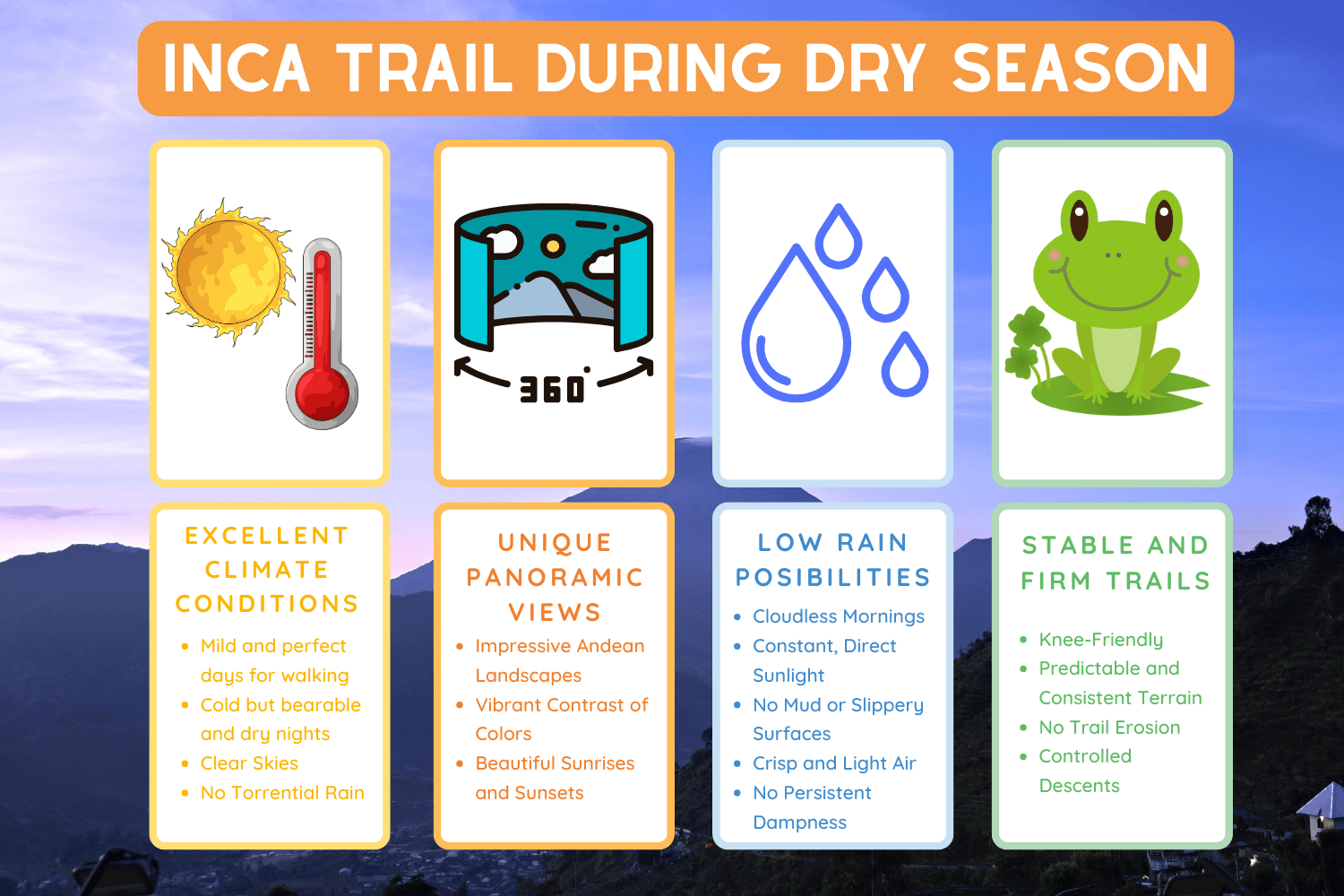
The dry season is widely regarded as the classic time to hike the Inca Trail, and for good reason. This period is defined by its stable weather patterns, with days that are predominantly sunny and clear. The likelihood of rain is at its lowest, making for safer trail conditions and far more predictable trekking. The skies are a brilliant blue, offering unparalleled visibility of the surrounding Andean peaks and the intricate stonework of the archaeological sites along the route. For many, this is the quintessential Inca Trail experience.
However, this ideal weather is a double-edged sword. Because conditions are so perfect, the dry season, particularly the months of June, July, and August, coincides with the peak tourist season. The trail becomes a busy thoroughfare, with hundreds of hikers making their way to Machu Picchu each day. Campsites are crowded, and the sense of solitude that many seek in the mountains can be diminished. Furthermore, the popularity of this season means that the 500 daily permits (including trekkers, guides, and porters) sell out with astonishing speed, often months in advance.
The weather during the dry season also presents a significant temperature challenge. While daytime temperatures are pleasant for hiking, the lack of cloud cover allows heat to escape rapidly at night. As a result, temperatures can drop dramatically, often hovering around or even below freezing (0°C / 32°F) at the higher camps like Dead Woman’s Pass. Trekkers must be prepared for these extremes, packing warm sleeping bags, fleece jackets, and insulated layers for the evenings and early mornings. The days may be warm, but the nights are undeniably cold, making proper gear absolutely essential for a comfortable experience.
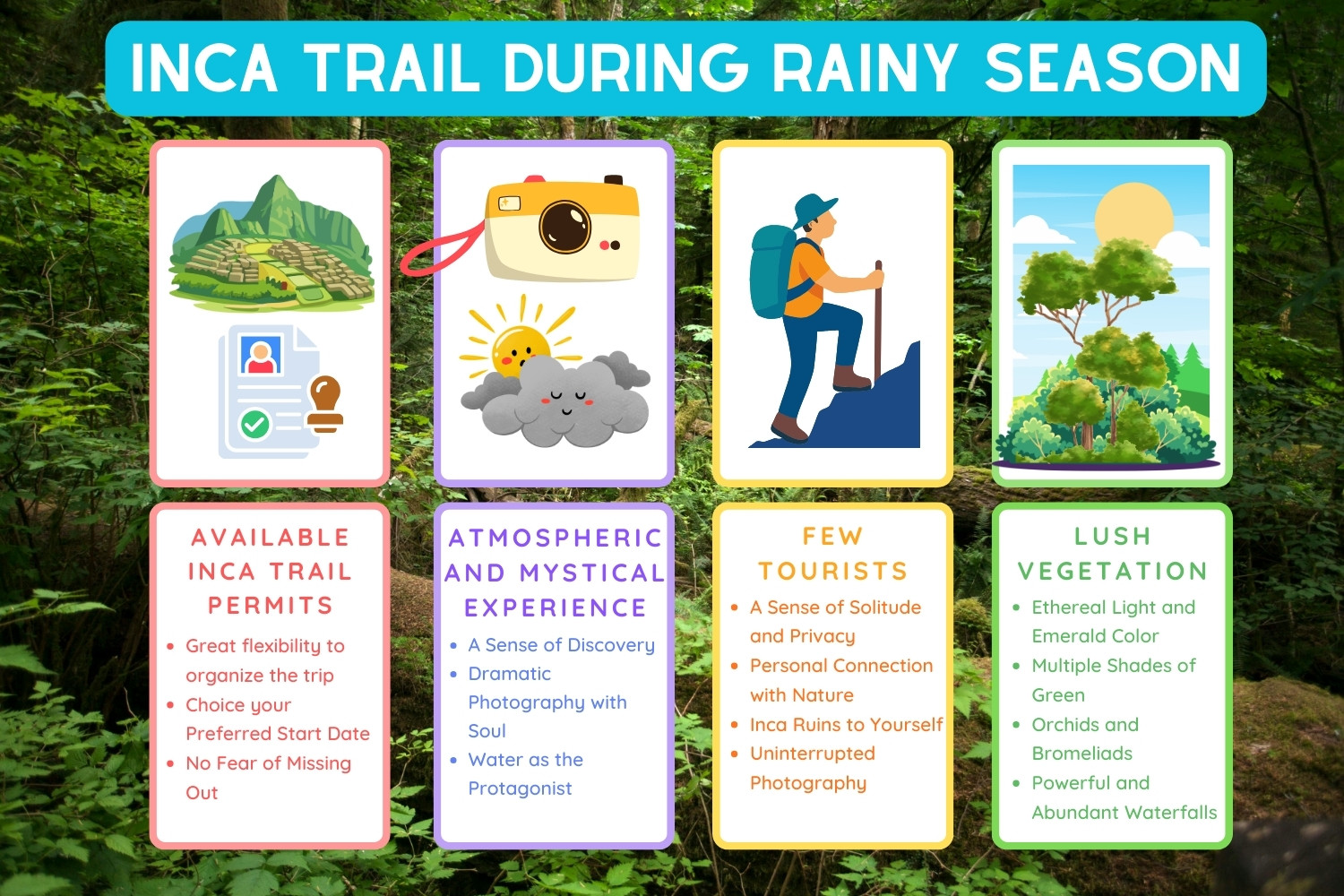
The rainy season transforms the Inca Trail into a completely different world. From November to March, the Andes receive the bulk of their annual precipitation, turning the landscape into a lush, vibrant, and incredibly alive ecosystem. The mountainsides are blanketed in intense greenery, wildflowers and orchids bloom along the path, and every waterfall is at its full, thunderous power. For hikers who appreciate nature and don’t mind getting their boots wet, this season offers a feast for the senses that the dry season simply cannot match.
The most important thing to know is that the Inca Trail is completely closed for the entire month of February for essential maintenance and conservation work. This is a firm rule; no one is permitted to hike the classic Inca Trail in February. In the other rainy months (November, December, January, and March), hiking is possible, but it comes with its own set of challenges. Rain is a daily reality, typically arriving in heavy, albeit often short, afternoon downpours. The stone path can become treacherously slippery, requiring careful footing and a good pair of waterproof boots. Furthermore, the clouds and mist that accompany the rain can obscure the famous panoramic views, meaning you might miss the iconic sunrise over Machu Picchu from the Sun Gate.
The rewards for braving the wet conditions are significant and often underappreciated. The most obvious benefit is the lack of crowds. The trail, campsites, and even Machu Picchu itself are far quieter, offering a sense of peace and solitude that is rare during the busy months. This also translates to greater availability of permits, allowing for more flexibility and last-minute planning. The warmer nights are another plus; while it’s still chilly, temperatures are milder than the freezing nights of the dry season. For the intrepid traveler who views a little rain as a small price to pay for a private audience with the Andes, the rainy season offers an unforgettable, deeply personal adventure.
While every season has its merits, the consensus among trekking operators and experienced hikers is that January is the most challenging and least recommended month to hike the Inca Trail, with February being impossible due to the closure. January represents the peak of the rainy season, when precipitation is at its heaviest and most persistent. Trekking during this time means contending with near-daily downpours that create consistently muddy and slippery trail conditions, making the trek significantly more difficult and potentially hazardous. The risk of landslides, which can close sections of the path or disrupt train service to Aguas Calientes, is also at its highest during this month.
Beyond the physical difficulty, the persistent rain and thick cloud cover can thoroughly obscure the very sights you came to see. The stunning views of the Andes and the approach to Machu Picchu can be completely swallowed by gray mist, leaving you with a wet, demanding trek and a finale that lacks the iconic, sweeping vista. This combination of high risk, strenuous conditions, and poor visibility leads most experts to advise travelers to avoid January if at all possible. The closure in February is a clear indicator that the weather makes the trail unsafe and in need of repair, underscoring why the preceding month is also best avoided for a truly enjoyable experience.
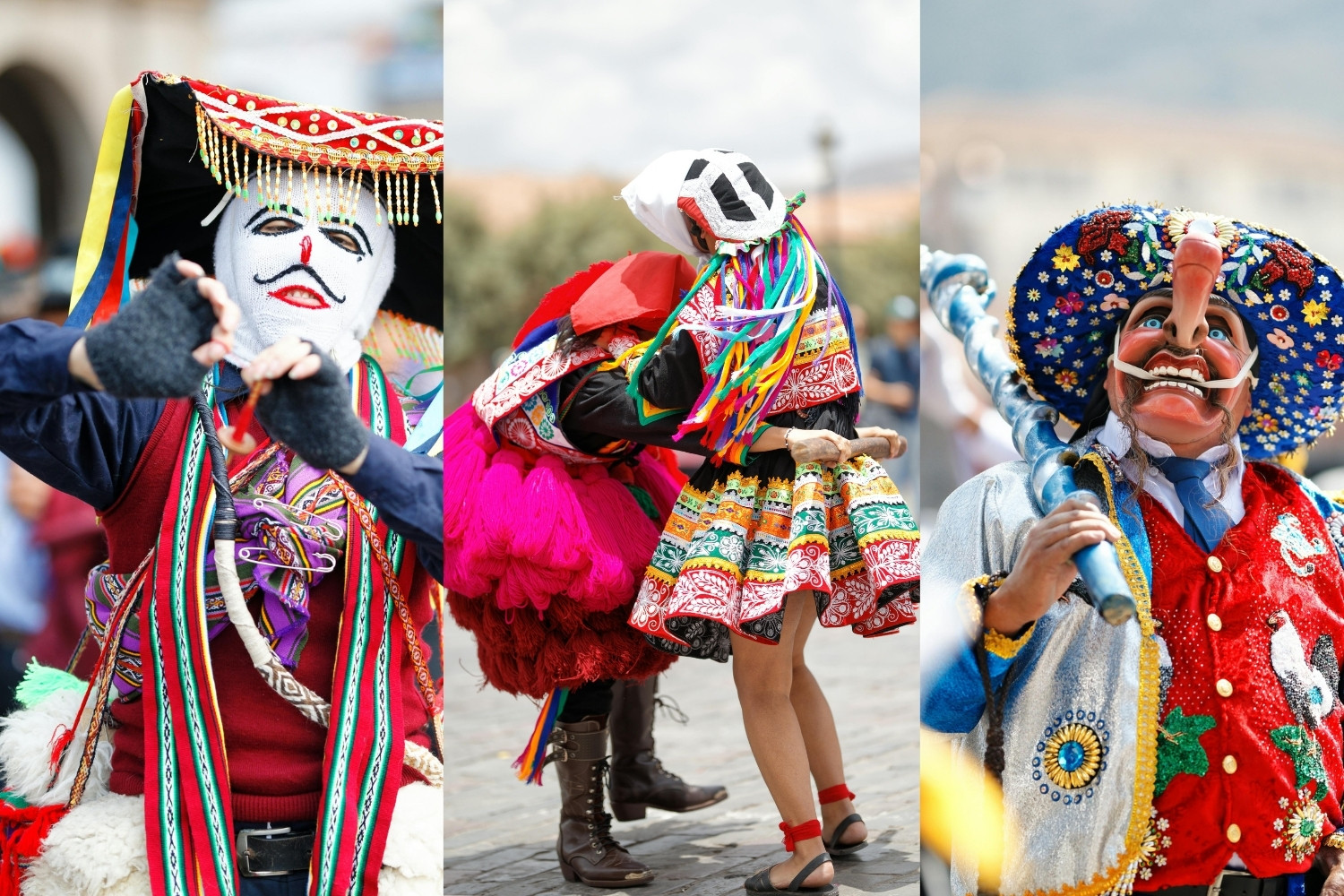
Timing your Inca Trail trek to coincide with local festivities can add a rich cultural layer to your Peruvian adventure. The most significant festival is Inti Raymi, or the Festival of the Sun, held annually on June 24th in Cusco. This ancient Inca ceremony, which pays homage to the sun god Inti, is the second-largest festival in South America and features elaborate processions, music, dancing, and theatrical performances at Sacsayhuamán, the archaeological fortress overlooking the city. Hiking the trail just before or after this date allows you to experience the trail’s peak dry season conditions and then immerse yourself in this spectacular celebration of Andean culture in the historic capital.
Another vibrant period is Holy Week (Semana Santa), the week leading up to Easter, which usually falls in March or April. This is a major celebration throughout Peru, and in Cusco, it’s marked by a unique blend of Catholic and Andean traditions. Religious processions fill the streets, and the city buzzes with a festive atmosphere. If you choose to hike in late March or April, you can combine the lush, post-rain landscapes of the early season with the cultural experience of this important holiday. While the trail might still see occasional showers, the city is alive with a good-natured energy, featuring brass bands and colorful street celebrations.
For a more modern and quirky experience, consider spending New Year’s Eve in Cusco before a January trek (keeping in mind the rainy season challenges). Cusco’s New Year’s traditions are a fascinating mix of ancient customs and modern fun. Locals and visitors alike wear yellow underwear for prosperity and run around the Plaza de Armas with suitcases, symbolizing their desire for travel in the coming year. The tradition of eating twelve grapes at midnight, one for each month of good luck, is also widely practiced. Participating in these local traditions can be a memorable way to start your year before embarking on your Andean journey. However, if you choose this time, be fully prepared for the rainy conditions on the trail.
Before you even set foot on the Inca Trail, proper preparation is key to a successful and enjoyable trek. The single most important piece of advice is to acclimatize to the altitude. Cusco sits at a lofty 3,399 meters (11,152 feet), and flying in from sea level and immediately starting a strenuous hike is a recipe for altitude sickness. Experts strongly recommend arriving in Cusco at least two to three days before your trek to allow your body to adjust. Spend these days exploring the city at a relaxed pace, drinking plenty of water, and perhaps taking a day trip to a lower-altitude destination in the Sacred Valley, such as Pisac or Ollantaytambo (around 2,800m), which provides a gentler introduction to the Andes.
Booking your trek with a licensed and responsible tour operator is not just a recommendation; it’s the law. You are not permitted to hike the Inca Trail independently. A good operator handles all the logistics, from securing your permit to providing experienced guides, porters, cooks, and all necessary camping gear. When choosing a company, look for one that treats its porters fairly, pays them a living wage, and provides them with proper equipment. This is a crucial aspect of responsible tourism. Reputable operators will also provide thorough pre-trek briefings, ensure your safety, and enrich the experience with their deep knowledge of Inca history and the local ecosystem.
Finally, manage your expectations and embrace the unexpected. The Inca Trail is a challenging hike over high mountain passes, and the weather in the Andes is famously unpredictable. Be prepared for “four seasons in one day”. A sunny morning can quickly turn into a cold, windy afternoon. A flexible and positive mindset is your most valuable asset. Pack smart, listen to your body and your guide, and remember that the journey itself—with all its ups, downs, and surprises, is what makes the Inca Trail such a legendary and transformative experience. The goal is not just to reach Machu Picchu, but to savor every step of the ancient path.
Packing for the Inca Trail requires a strategic approach focused on layering and being prepared for a wide range of conditions. The key is to be ready for sun, cold, and rain, often all in the same day. Your clothing should be versatile, quick-drying, and comfortable. Start with a base layer of moisture-wicking fabric (merino wool or synthetics) to keep sweat off your skin. Your next layer should be a mid-weight fleece jacket for insulation. The outer layer is crucial: a waterproof and windproof jacket (soft shell) to protect you from the elements. Your lower body should be covered with 1-2 pairs of quick-drying hiking trousers and a pair of shorts for warmer moments. Avoid cotton at all costs, as it retains moisture and will leave you cold and miserable.
Your feet are your most important piece of equipment, so treat them well. A pair of well-broken-in, waterproof trekking boots with good ankle support is non-negotiable. Do not arrive with new boots. You will also need a pair of camp shoes or sandals to let your feet breathe at the end of the day. For socks, bring several pairs of hiking socks (merino wool or synthetic blends) and consider a thin liner sock to help prevent blisters. Protect your head from the intense high-altitude sun with a sun hat and your eyes with polarized sunglasses. For the cold, a fleece beanie is essential.
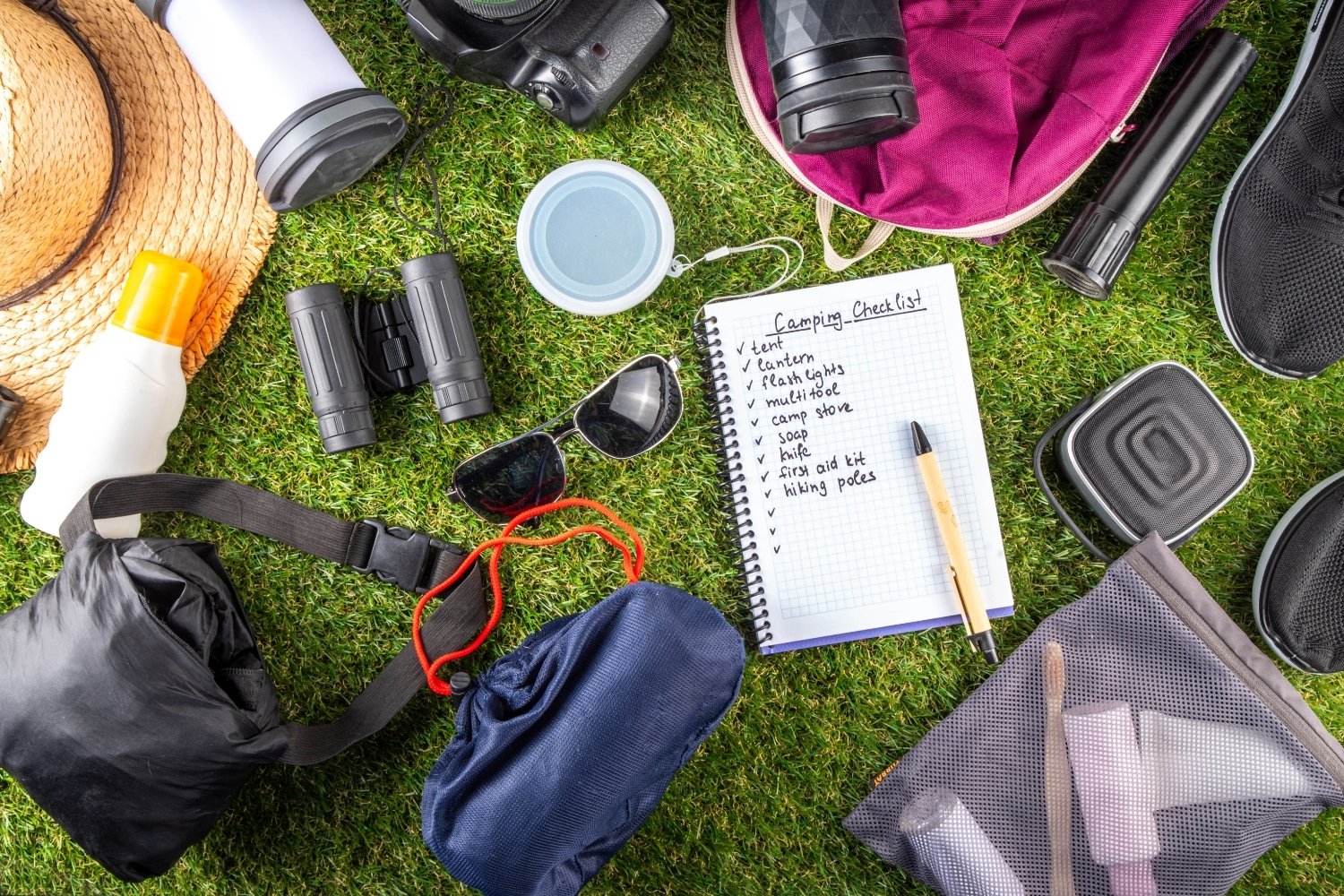
A variety of gear items will ensure your comfort and safety on the trail. Trekking poles are mandatory, as they significantly reduce the impact on your knees, especially during the long descents. A headlamp with fresh batteries is vital for navigating campsites in the dark and for early morning starts. Other essentials include a reusable water bottle or hydration bladder, sunscreen, lip balm with SPF, insect repellent, and a small personal first-aid kit with blister care supplies. For the chilly nights, a warm sleeping bag rated for freezing temperatures is a must, which can often be rented from your tour operator if you don’t own one. And finally, a positive attitude and a sense of adventure are the most important things to pack.
Yes, there is a very defined rainy season on the Inca Trail, which typically runs from November through March. This period is characterized by increased humidity and regular precipitation, which transforms the landscape. The rains are not usually constant, but rather often arrive as heavy afternoon showers that can last for a few hours. This daily pattern is a defining feature of the season and something every hiker during these months must be prepared for.
The intensity of the rain varies throughout the season. It tends to start light in November and December, building to its peak in January and February. In fact, February is the wettest month and is so consistently rainy that the trail is closed entirely for maintenance and safety. By March, the rains begin to subside, but the trail remains wet and muddy, leading into the lush transition month of April. Hiking during the rainy season means embracing the mud and the mist, but being rewarded with a trail that is bursting with life and far less crowded.
No, the Inca Trail is not open all year round. It is closed for the entire month of February every year. This annual closure is a crucial conservation measure implemented by the Peruvian government. The heavy rains of January and February take a toll on the ancient stone path, causing erosion and other damage. The closure allows park authorities and local communities to perform essential maintenance and repairs on the trail, ensuring its preservation for future generations. It also gives the delicate mountain ecosystem a chance to recover from the foot traffic of the previous year.
Except for February, the trail is open for the rest of the year. However, “open” doesn’t mean the conditions are always ideal. During the rainy season months (November-March, excluding February), you can still hike, but you’ll be contending with wet and potentially slippery conditions. During the dry season (April-October), the trail is in its best condition, with dry, stable paths. So, while the trail is open for 11 months of the year, the experience you have will vary dramatically depending on the season you choose to go.
For the dry season, which spans from May to September, you need to book your Inca Trail trek extremely far in advance. The rule of thumb is to book at least 5 to 6 months ahead, and for the most popular months of May, June, and July, you should ideally be looking 6 to 10 months in advance. The reason for this is the strict permit system. Only 500 people including trekkers, guides, and porters are allowed to start the trail each day. This means only around 200 spots are available for actual hikers.
These permits are released by the Peruvian government, often around October for the following calendar year, and they sell out with incredible speed, sometimes within days for the most coveted dates. It is not uncommon for all permits for the peak months of June, July, and August to be sold out by December or January. Waiting until a few months before your planned trek in the dry season almost guarantees that you will be too late. Therefore, if your heart is set on a dry-season hike, treat the permit booking as the very first step of your travel planning.
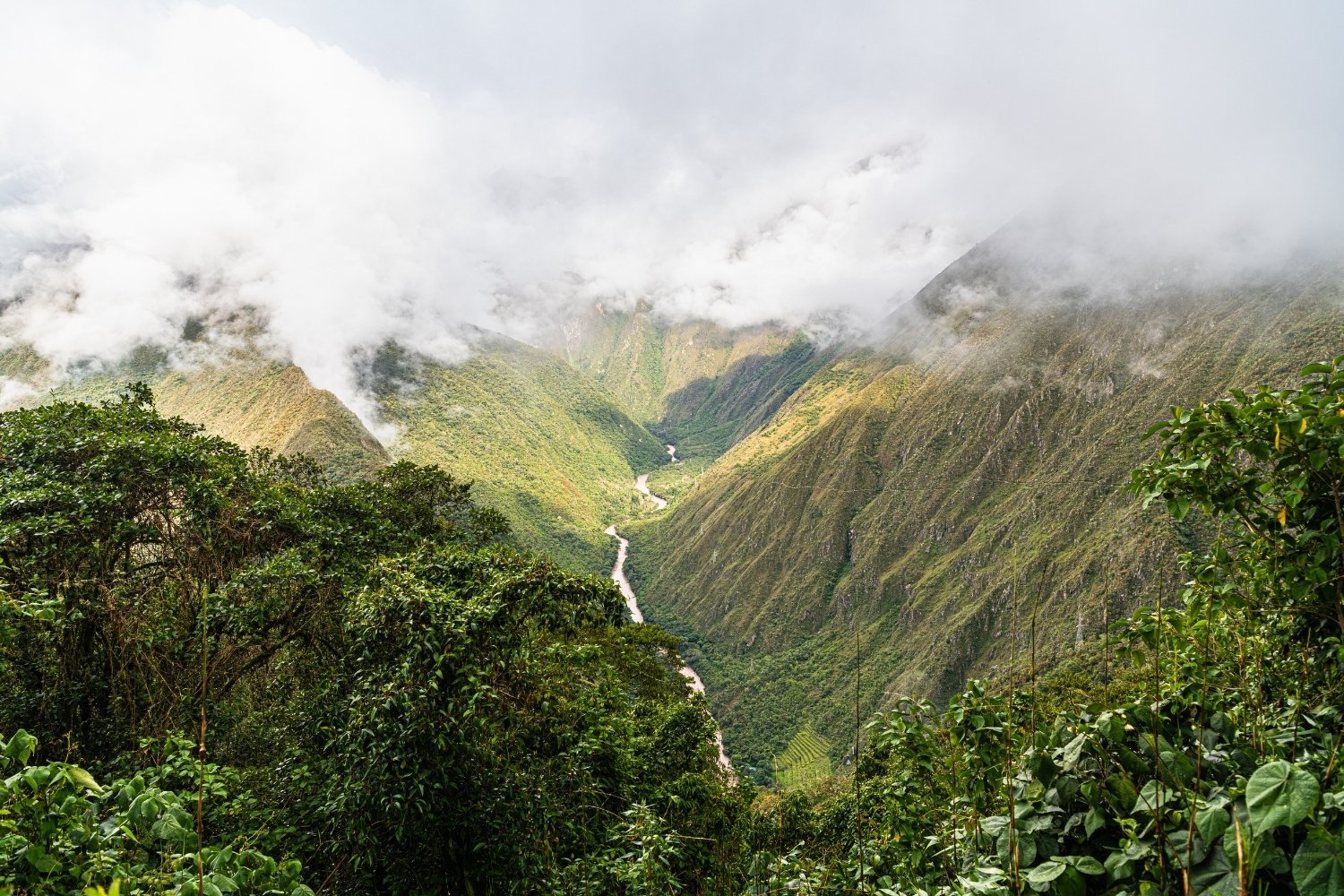
The shoulder months—specifically April, May, September, and October—are widely considered the “sweet spot” for hiking the Inca Trail, offering a fantastic balance between weather, crowds, and scenery. One of the biggest pros is the weather. These months mark the transition between the wet and dry seasons, so you benefit from long stretches of dry, sunny days while the landscape is still lush and vibrantly green from the recent rains. You get the green scenery of the rainy season with the stable weather of the dry season.
Another significant advantage is the crowd level. Because you are outside the peak tourist months of June, July, and August, the trail is noticeably less crowded. This leads to a more peaceful and intimate experience on the path and at the campsites. The sense of camaraderie is still there, but without the feeling of being in a long, conga-line of hikers. This lower demand also means that securing permits is generally easier than for the peak months, offering more flexibility in your planning.
However, there are a few cons to consider. The shoulder months are a transition period, so the weather is not as 100% predictable as the heart of the dry season. You may still encounter occasional rain showers, so you must be prepared with waterproof gear. In April, for example, there is still a chance of significant rain, and in September and October, the rains are just beginning to return. Additionally, while warmer than the peak of dry season at night, the higher passes can still be very cold. Overall, the pros of incredible scenery, manageable weather, and fewer people far outweigh the minor risk of a passing shower, making the shoulder months the top choice for many seasoned travelers.
Hiking the Inca Trail during the dry season is the most popular choice for a reason: it offers the most predictable weather. However, this predictability comes with its own set of trade-offs. Here is a detailed look at the advantages and disadvantages to help you decide if this is the right time for your adventure.
The most significant advantage of the dry season is the weather stability. You can expect days filled with bright sunshine and crystal-clear, azure skies. This dramatically reduces the chances of your trek being interrupted by heavy downpours, ensuring that the famous panoramic views of the Andean peaks and the final sunrise over Machu Picchu are virtually guaranteed.
With little to no rain, the ancient stone path remains dry and stable. This makes the trek significantly safer and less physically demanding. You won’t have to worry about slippery rocks on steep descents (like the infamous “Gringo Killer” steps) or navigating through thick mud, allowing you to focus more on the scenery and the hike itself.
For photographers and sunrise-chasers, this is the ultimate time to go. The lack of clouds and mist means you’ll have unobstructed views of snow-capped mountains, deep valleys, and the archaeological sites along the way. Capturing that perfect shot of Machu Picchu bathed in golden light from the Sun Gate (Inti Punku) is almost a sure thing.
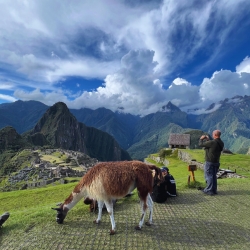
Animals, including the elusive Andean bear (rare) and the curious Llama, are more active and visible on sunny days. They tend to seek shelter during the rain, so the dry season offers better opportunities to spot wildlife grazing near the ruins or along the trail.
Because the weather is perfect, everyone wants to go. The dry season, especially June, July, and August, is peak tourist season. The trail can feel more like a busy highway than a secluded ancient path. Campsites are packed with tents, and you’ll rarely have a moment of solitude at the major ruins.
The demand for the 500 daily permits is incredibly high during these months. Permits for May, June, and July often sell out within days of being released (usually in October of the previous year). You must plan and book your trek 6 to 10 months in advance , leaving no room for spontaneous travel plans.
While the days are warm and pleasant for hiking, the lack of cloud cover causes temperatures to plummet at night. At high passes like Dead Woman’s Pass (4,215m / 13,828ft), temperatures often drop to or below freezing (0°C / 32°F). You need to invest in (or rent) a high-quality, cold-weather sleeping bag and warm layers for the evenings.
The flip side of “no mud” is “dust.” With weeks without rain, the trail can become very dusty. You will likely be kicking up (and eating) dust from the hikers in front of you. A buff or bandana to cover your mouth and nose is highly recommended to filter out the dust.
Since this is the high season for tourism in Peru, flights, accommodation in Cusco, and even the tour packages themselves tend to be at their most expensive. You’ll pay a premium for that perfect weather window.
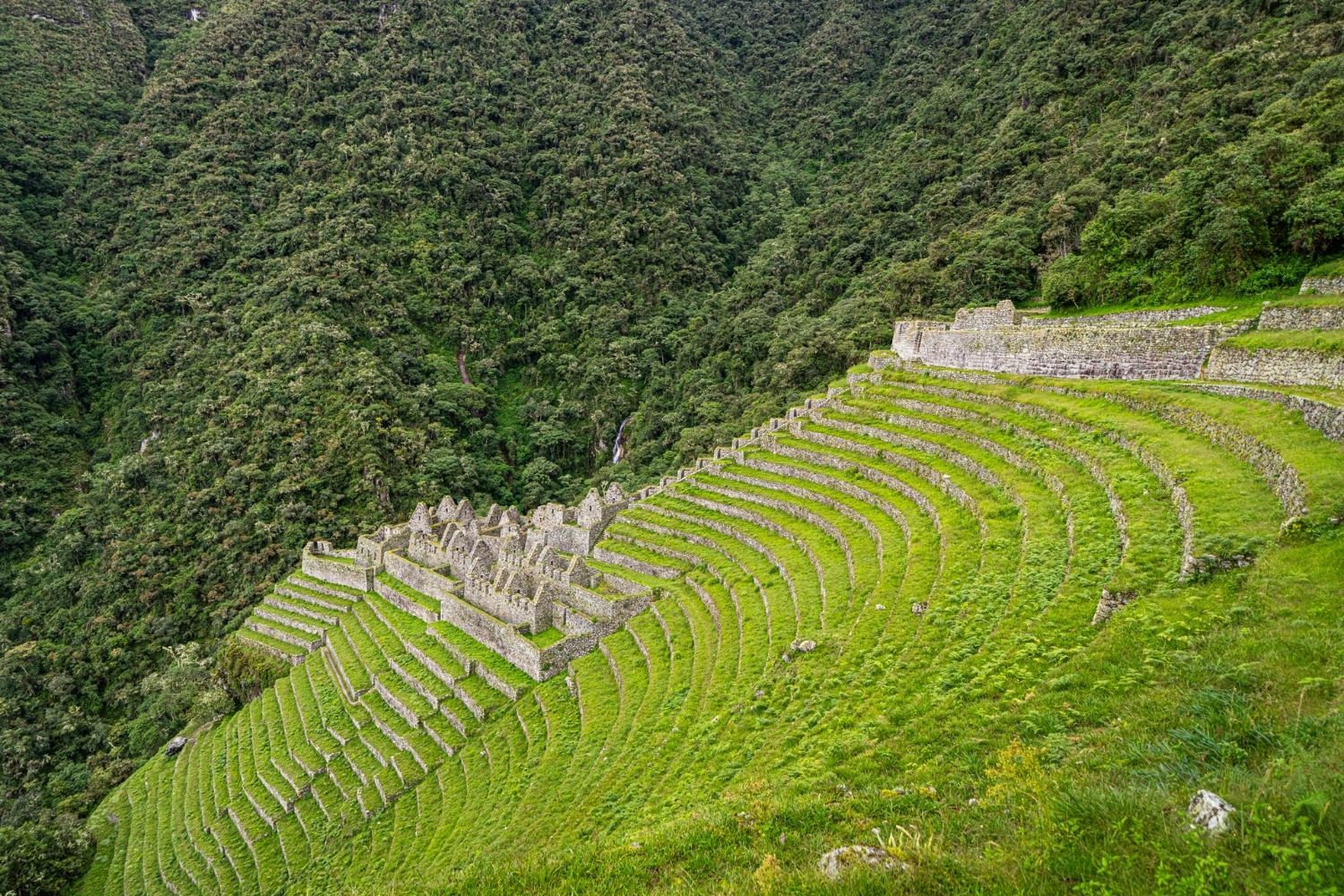
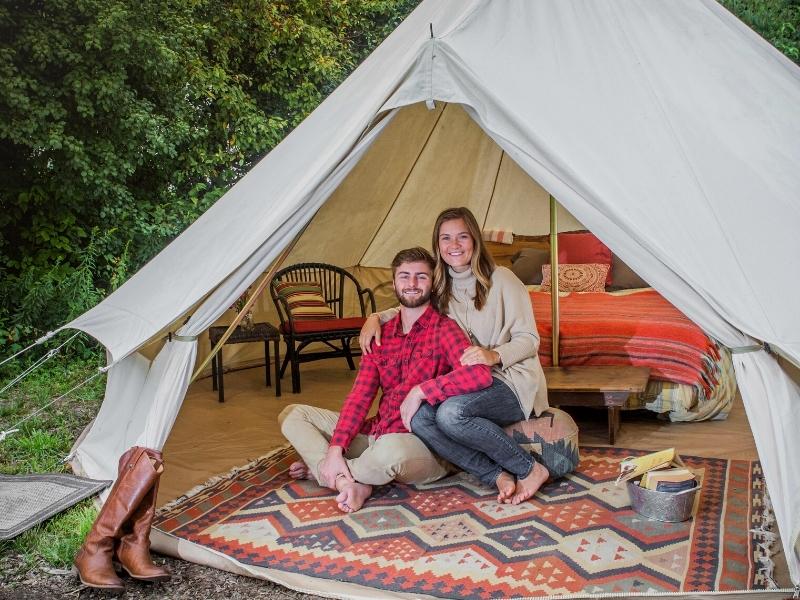
Your luxury trip to Peru includes a selection of Andean and Amazonian landscapes. We will help you to explore this welcoming and varied country, planning each step of your trip, with the best services. With the help of amazing expert guides, you can enjoy all that Peru has to offer, every detail is well taken care of.


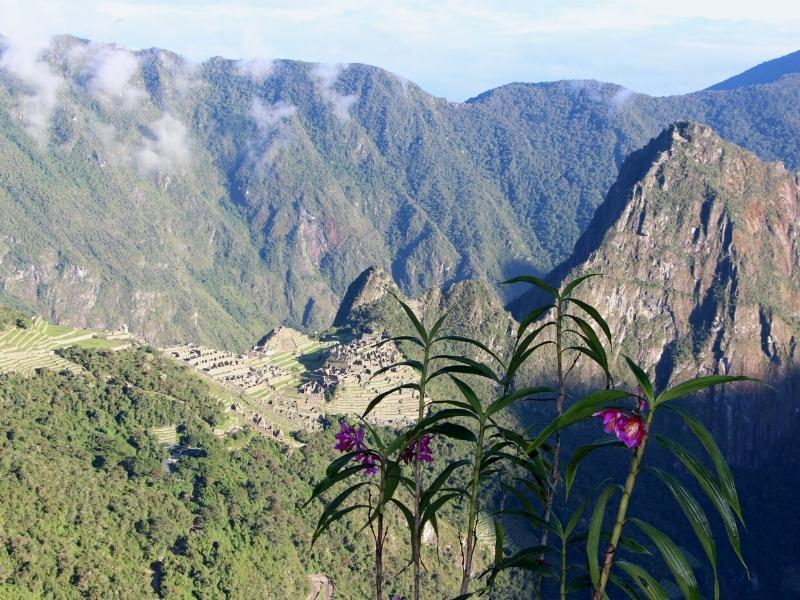
One of our most popular trips in Peru combines the cultural heritage of the Sacred Valley and the challenge of doing one of the most popular hiking trails in the world. The four-day trek on the Inca Trail will reward you with a stunning combination of the area's ruins, mountainous landscapes, and cloud forests.
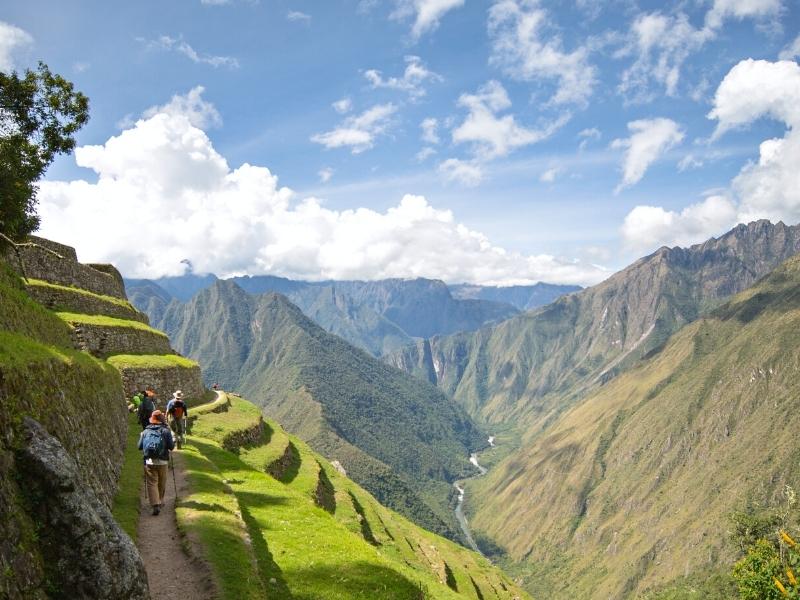
The classic Inca Trail hike to Machu Picchu is one of the world's greatest hikes. Along the 45 km you will explore unique andean valleys, lush mountain forest.An exquisite architecture of the Inca sanctuaries, which will dazzle you for its fineness and location within the Andes.