Planning a trek along the ancient Inca Trail to Machu Picchu is an adventure of a lifetime, but one factor can make or break your experience: the Inca Trail weather. Nestled in the heart of the Peruvian Andes, this iconic route is notorious for its microclimates, where a sunny morning can quickly turn into a chilly downpour. Understanding the atmospheric conditions isn’t just about packing the right gear; it’s about ensuring your safety and maximizing the magic of every step you take through cloud forests and mountain passes.
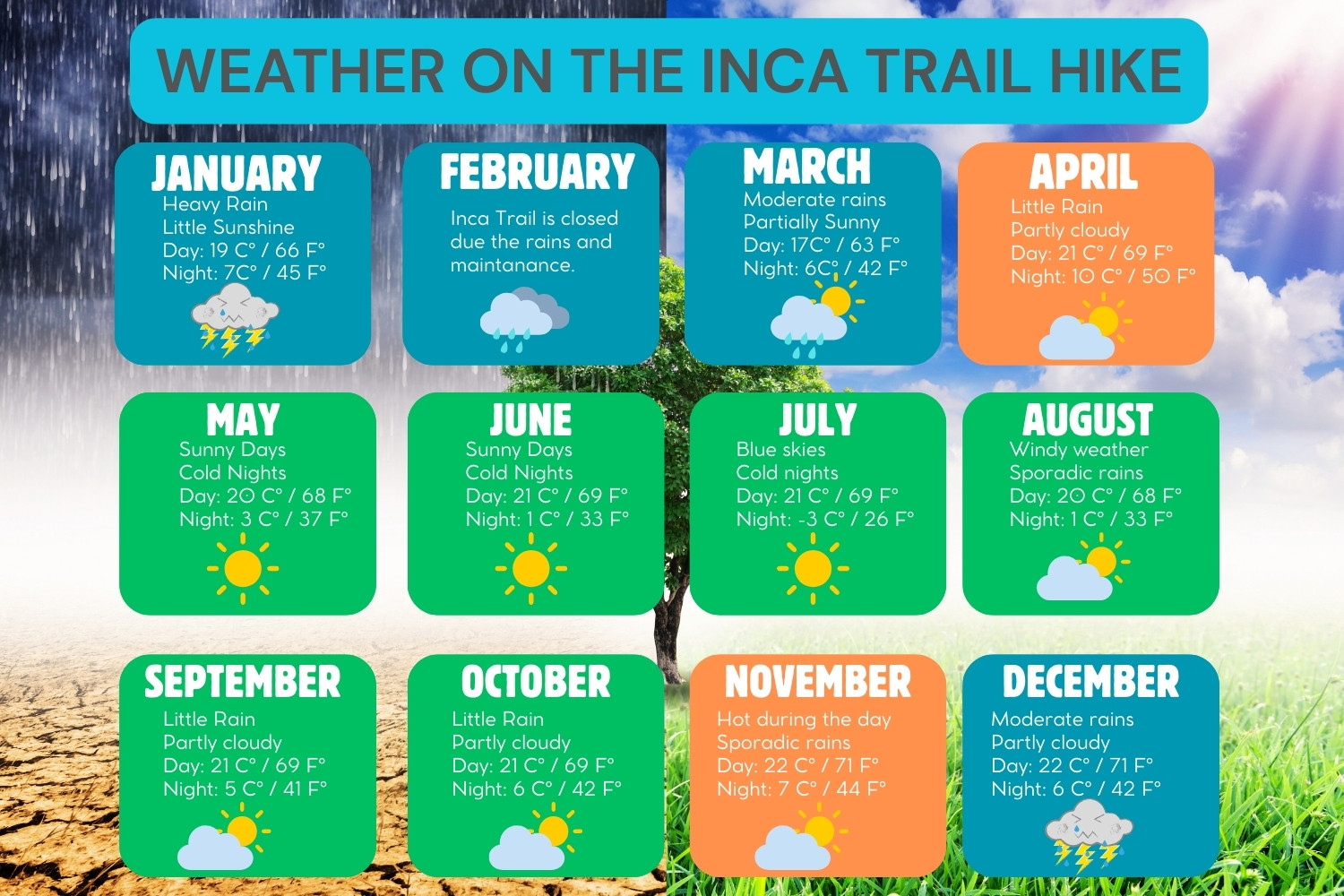
The Inca Trail weather is largely defined by two distinct seasons: the dry season (May to November) and the wet season (December to April). While the dry months offer stable, sunny skies ideal for photography and trekking, they also bring colder nights and the highest volume of travelers. Conversely, the wet season paints the landscape in vibrant shades of green and offers a more solitary experience, but it comes with the challenge of slippery paths and potential trail closures. Knowing what each period entails is crucial for aligning your expectations with reality.
What makes forecasting the Inca Trail weather particularly tricky is the topography itself. As you ascend from the lush, subtropical lowlands to the stark, windswept peaks at Dead Woman’s Pass, the temperature and conditions can shift dramatically within a single hour. Trekkers often experience four seasons in one day, swinging from intense UV exposure to sudden hail storms. This variability demands a preparation strategy that focuses on adaptability, layered clothing, waterproofing, and a resilient mindset are just as important as your physical training.
Climate change is radically transforming the landscape and living conditions in the Andes of Cusco, with impacts accelerating decade after decade. The glaciers of this region, which comprise 70% of the world’s tropical glaciers located in Peru, have lost more than 50% of their surface area since the 1960s. In specific mountain ranges such as the Vilcanota, Vilcabamba, and Urubamba, the loss of glacial area has reached between 54% and 64% since 1975. Climate change is fundamentally altering the predictability of rainfall in the Andes of Cusco, introducing a more reactive and erratic hydrological regime. What scientists are observing is a transition toward more intense rainy seasons concentrated in short periods, alternating with prolonged droughts. This volatility disrupts the traditional seasonal cycles that Andean communities have been able to predict for centuries by observing natural indicators such as the behavior of the stars, plant flowering, and animal behavior.
Choosing the perfect time to hike the Inca Trail is one of the most important decisions you’ll make when planning your Peruvian adventure. Unlike destinations with four distinct seasons, Peru’s Andes operate on a simpler but dramatic cycle: the dry season and the rainy season. Each transforms the trail into a completely different experience and understanding these rhythms will help you align your priorities with what the mountains offer. The Inca Trail tells a different story each month, the color of the mountains shifts, the rivers sing with varying intensity, and the clouds wrap Machu Picchu in unique ways at sunrise. Whether you prioritize crystal-clear photographs, intimate solitude among ancient ruins, or the vibrant explosion of blooming orchids, timing your trek correctly transforms a good hike into an unforgettable journey through history. The good news is that there’s no single “best” time, only the best time for you and your specific travel goals.
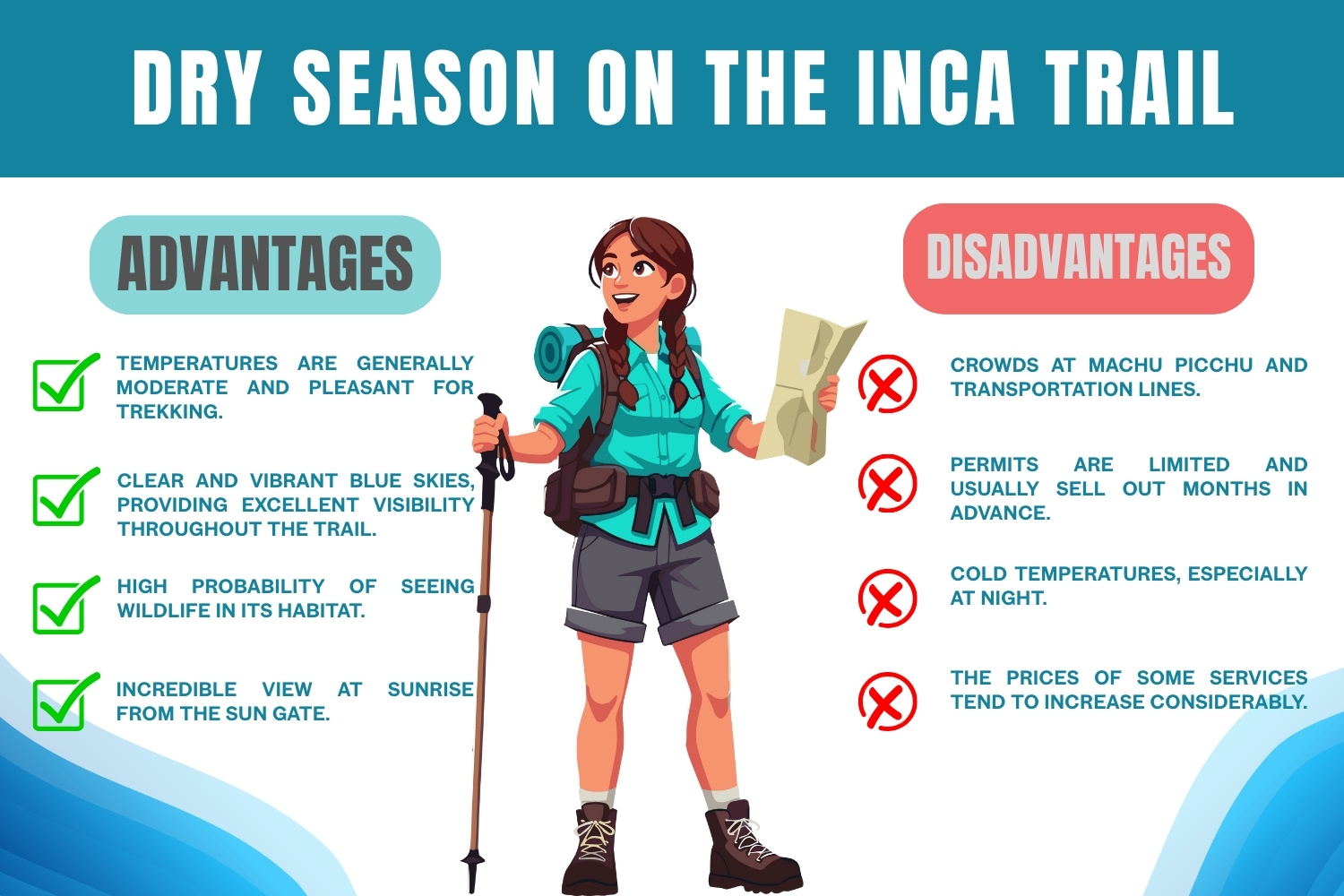
If you’re dreaming of postcard-perfect photographs with brilliant blue skies illuminating the ancient stone pathways, the dry season from May through October delivers spectacularly. During these months, days are generally sunny with comfortable daytime temperatures ranging from 18°C to 22°C (64°F–72°F), though nights can drop near freezing at higher camps above 4,200 meters. June through August offers the brightest skies, making this period ideal for photography enthusiasts and stargazers who want to capture the Milky Way arching over Andean peaks. The trail conditions are stable and predictable, with minimal rain interruptions that could otherwise make the famous stone steps slippery and treacherous. However, this popularity comes with significant trade-offs. Permits for these prime months sell out with alarming speed, often within hours of their release in late October for the following year. During peak season (June–August), you’ll need to book at least five to six months in advance to secure your spot, and even then, availability is extremely limited with only about 200 permits allocated daily for tourists. You’ll share the trail with the largest number of fellow adventurers, campsites fill quickly, and the sense of solitude that many trekkers seek becomes harder to find. The Inti Raymi Festival in Cusco during late June adds cultural magic but brings additional crowds and peak prices, making early planning absolutely essential if you choose this window.
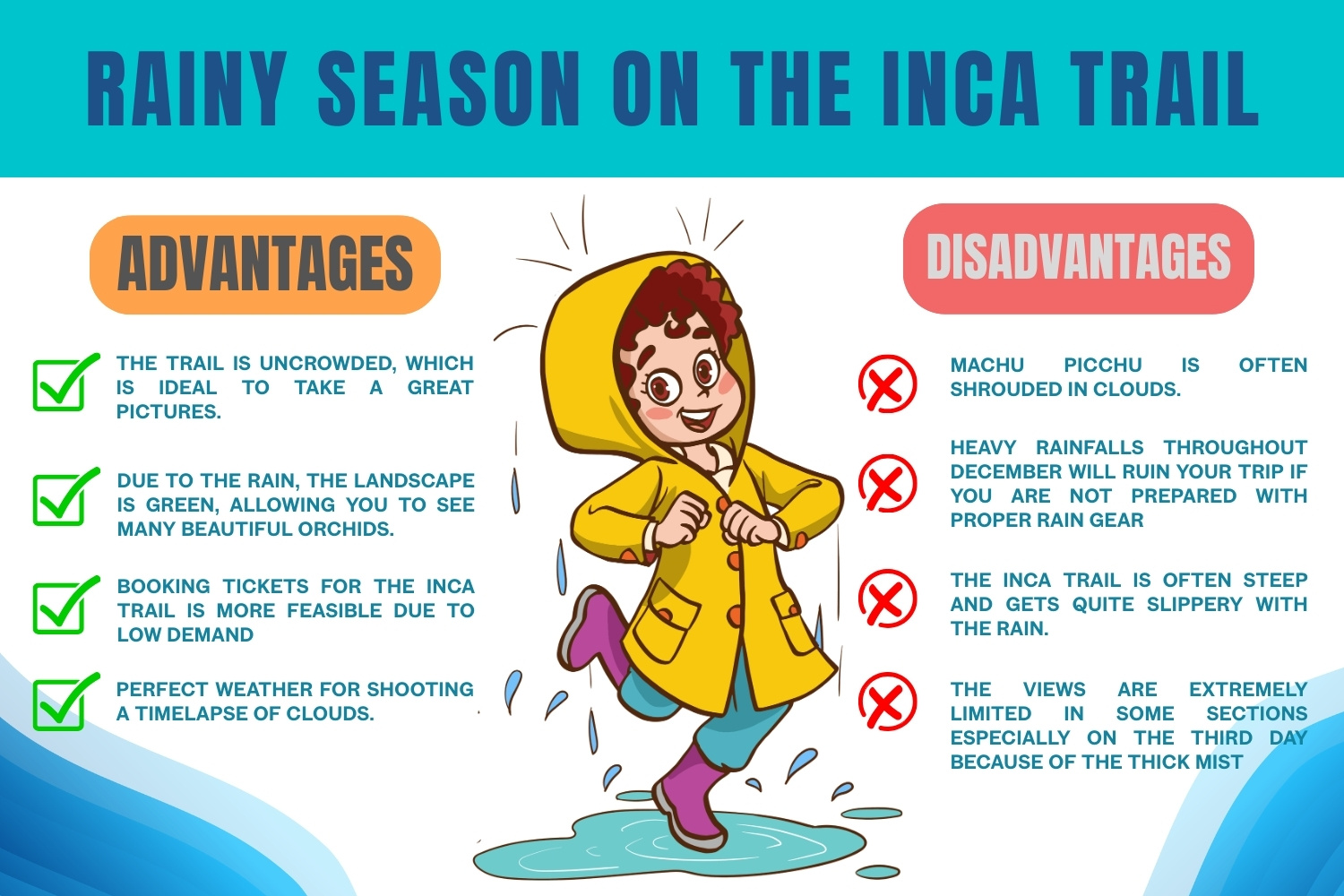
For travelers who value tranquility over guaranteed sunshine, the rainy season from November to March reveals a completely different personality of the Inca Trail. The vegetation transforms into an intense, almost luminous green, waterfalls cascade with renewed vigor, and the mountains feel vibrantly alive. This is prime time for nature enthusiasts—orchids bloom abundantly, butterflies flutter through the cloud forest, and birdlife becomes more active than during the dry months. Temperatures are milder, averaging 15°C to 25°C (59°F–77°F) during the day, with warmer nights that make camping more comfortable. The trade-offs are significant but manageable with proper preparation. Trails can be slippery, and rain typically falls in short afternoon bursts rather than all-day downpours, meaning mornings often remain surprisingly clear for trekking. However, there’s one non-negotiable factor: the Inca Trail closes entirely during February for essential maintenance and environmental restoration. This annual closure, confirmed by Peru’s National Service for Natural Areas Protected by the State (SERNANP), allows 60 specialists to perform comprehensive maintenance on infrastructure, implement sustainable tourism measures, and conduct biological monitoring of flora and fauna species. Routes 1, 2, 3, 5, and 6 of the Inca Trail Network remain closed through February 28, with normal operations resuming March 1, 2026. Additionally, heavy rainfall can trigger landslides and make alternative treks like the Salkantay dangerous, which is why Canadian travel advisories warn against attempting closed trails even with a guide, as rescue efforts may be severely limited during these conditions.
Hidden between the extremes lie the shoulder months April and November, which experienced trekkers consistently identify as the optimal windows for balancing weather, crowds, and value. In April, the heavy rains of March begin fading while the mountains retain their post-rain lushness, creating spectacular backdrops of emerald hillsides dotted with colorful orchid blooms. November offers the “ideal compromise” with many clear days, slightly more clouds for dramatic photos, and crowds that begin easing after the August peak. For the absolute sweet spot in 2026, travel advisors recommend late April through May and early to mid-September, when you’ll enjoy mostly dry, comfortable weather, more reasonable crowd levels than July and August, and stable operations for trains and tours. Beyond seasonal timing, smart daily planning dramatically enhances your experience. Aim for the first entry slot of the morning to reach the Sun Gate (Inti Punku) before most day-trippers arrive or choose late-afternoon entries when the citadel feels calmer as visitors leave to catch afternoon trains. Spending the night in Aguas Calientes lets you catch early buses up and be at the gate before crowds from Cusco, while avoiding weekends and Peruvian holidays like Inti Raymi week (around June 24) helps you dodge peak congestion. Most importantly, remember that permits are non-refundable, non-changeable, and non-transferable, so ensure your passport details are absolutely correct when booking. Whether you crave the crisp clarity of the dry season or the vivid greens and solitude of the rainy months, the trail rewards those who walk it with curiosity and respect, embrace the Andes as they are, unpredictable, magnificent, and alive, and your journey will be unforgettable regardless of when you go.
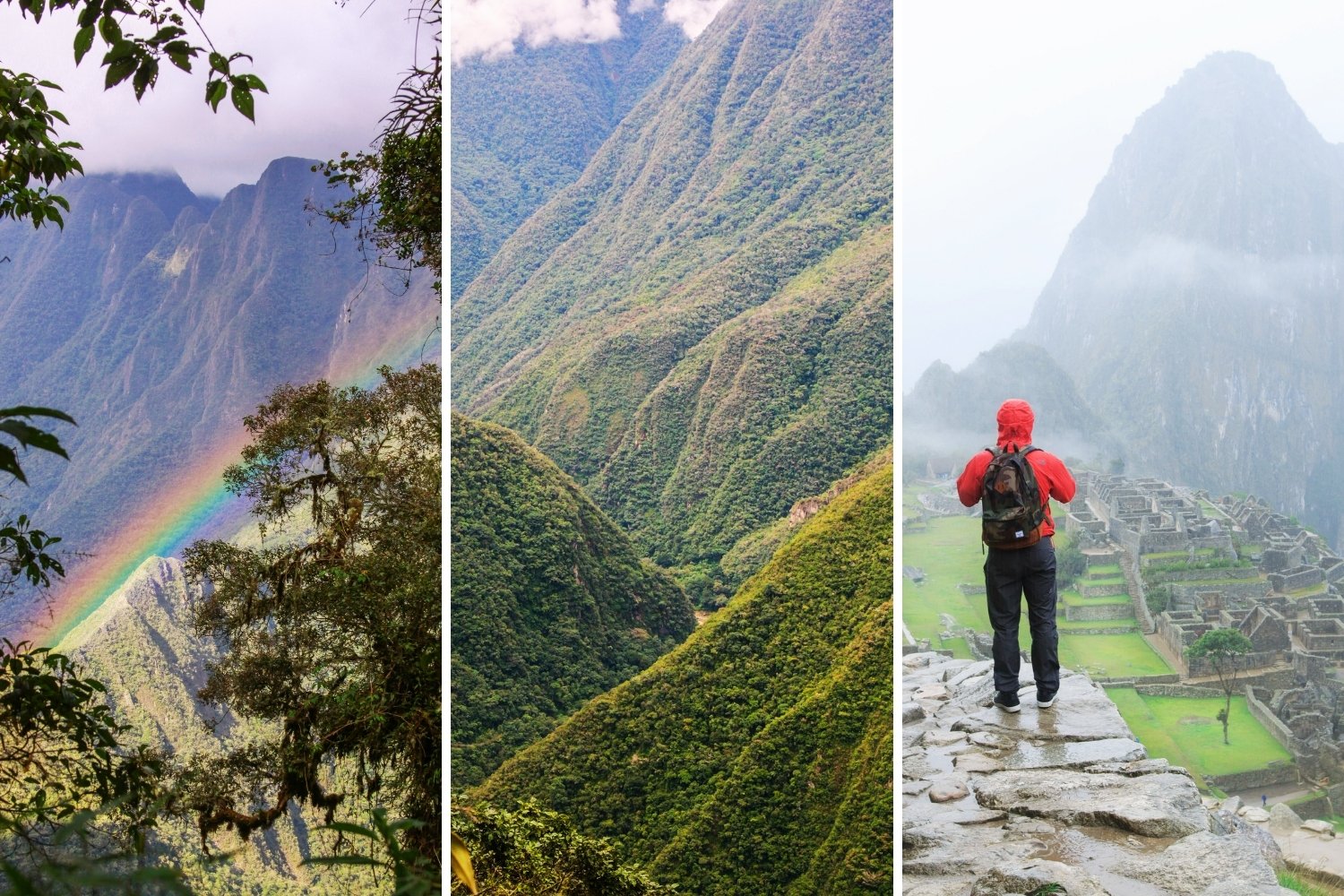
January can be a good time for the right traveler, but it depends entirely on your priorities. If you value solitude, lush green landscapes, lower prices, and don’t mind rain and mud, January offers a unique and rewarding experience . If your primary goal is guaranteed clear, blue-sky views and dry trail conditions, you would be happier visiting during the dry season (May–September) . January is not “bad”—it’s simply different, offering a moodier, more intimate version of the Inca Trail.
Machu Picchu sits at a lower elevation (about 2,400 meters) than most of the Inca Trail, so its weather is somewhat warmer and more humid. January brings average temperatures around 18°C (64°F) , with daytime highs reaching 24°C (75°F) and nighttime lows around 12°C (54°F) . Rain is frequent, and the site can be shrouded in morning mist that often burns off by midday. The surrounding mountains are intensely green, and the Urubamba River runs full and powerful below the citadel .
Yes, absolutely. January is firmly within the rainy season, and you should expect rain on most days . The typical pattern involves mornings that may start clear, with clouds building and rain arriving in the afternoon . However, prolonged all-day downpours are less common than dramatic, heavy showers followed by breaks. The key is preparation—with proper rain gear and mindset, the rain becomes part of the adventure rather than ruining it.
The average temperature along the Inca Trail in January is approximately 18°C (64°F) , but this varies significantly by altitude and time of day . Daytime temperatures in lower sections can reach 21–24°C (70–75°F), while nighttime temperatures at higher camps can drop to 10°C (50°F) or slightly below . The humidity makes temperatures feel more extreme—warm days feel stickier, and cool evenings feel more penetrating. Layering is essential, as you’ll experience multiple microclimates each day.
Yes, the Inca Trail is open for most of January. The 2026 trekking season runs from January 1 through January 31, after which the trail closes for its annual maintenance period . On January 31, 2026, the trail will close to visitors and reopen on March 1, 2026 . If you’re planning a late January trek, ensure your dates fall entirely before the closure, and be aware that some operators may stop running treks a day or two early to ensure their teams can exit safely before the shutdown.
No, January is one of the least crowded months on the Inca Trail . The rainy season deters many travelers, meaning permits are easier to obtain and you’ll share the trail with far fewer people than during peak season. Campsites feel more spacious, and you’ll have more opportunities for quiet moments at the ruins . This solitude is one of January’s greatest advantages for travelers who value peace over perfect weather.
March marks the transition month between the rainy season and the dry season in the Peruvian Andes. The weather during this month offers a unique blend of both worlds you’ll experience the tail end of the rains while enjoying increasingly stable conditions.
Yes, absolutely! The Inca Trail is open and fully operational in March. In fact, March is one of the most rewarding months to hike for travelers who value lush scenery, fewer crowds, and a more intimate experience.
The trail reopens on March 1st each year after the annual February closure for maintenance. All routesincluding the Classic 4-day Inca Trail and the Short 2-day Inca Trail are available for trekking throughout the month. However, it’s important to note that while the trail is open, conditions are more challenging than in the dry season. You need to be prepared for:
With the right preparation and mindset, March offers a spectacular trekking experience that many consider one of the year’s best-kept secrets.
The Inca Trail experiences varying temperatures depending on altitude and time of day. Here’s a detailed breakdown:
Key temperature facts for March:
The temperature remains relatively stable throughout the month. Humidity makes temperatures feel more extreme warm days feel stickier, cool evenings feel more penetrating. Layering is essential, as you’ll experience multiple microclimates each day. The good news is that March nights are significantly warmer than during the peak dry season (June–August), when temperatures can drop near freezing at higher camp.
Yes, but less than in January and February. March receives an average of 16 rainy days with approximately 130mm of precipitation. The rain pattern in March typically follows a predictable schedule:
The good news is that March rains are generally less intense than the peak wet season months. You’re more likely to encounter passing showers than prolonged all-day downpours.
Important: Even with reduced rainfall, the trail retains moisture from previous months, meaning mud and slippery sections persist, especially in shaded areas.
Yes, the Inca Trail is open throughout March. March holds special significance because it marks the reopening of the trail after the annual February closure. Every year, the Inca Trail closes for the entire month of February to allow maintenance crews to perform essential restoration work on the ancient pathway.
On March 1st, the trail officially reopens for the new trekking season. All routes are available:
Yes, March is an excellent time for the right traveler . It offers a unique combination of benefits that many experienced trekkers consider one of the year’s best-kept secrets.
March is ideal for you if you:
✅ Love lush, green landscapes – The Andes are at their most vibrant, with wildflowers blooming and waterfalls flowing
✅ Prefer solitude and fewer crowds – You’ll share the trail with far fewer people than during peak season
✅ Don’t mind some rain – You’re prepared for afternoon showers and muddy sections
✅ Appreciate atmospheric photography conditions – Mist, clouds, and dramatic lighting create unique images
✅ Want easier permit availability – You can plan with more flexibility than peak season travelers
✅ Enjoy lower prices – Flights, hotels, and tours are often more affordable
March may NOT be for you if you:
❌ Require guaranteed dry weather – Rain is still common, especially in early March
❌ Need crystal-clear mountain views – Cloud cover can obscure peaks and distant vistas
❌ Prefer firm, completely dry trails – Mud is present on shaded sections
❌ Have limited flexibility in your schedule – Weather delays are possible
No, March is one of the least crowded months to hike the Inca Trail. It falls within the shoulder season, meaning significantly fewer trekkers than peak months (June–August). Permits are easier to obtain, campsites feel more spacious, and you’ll enjoy more solitude along the trail .
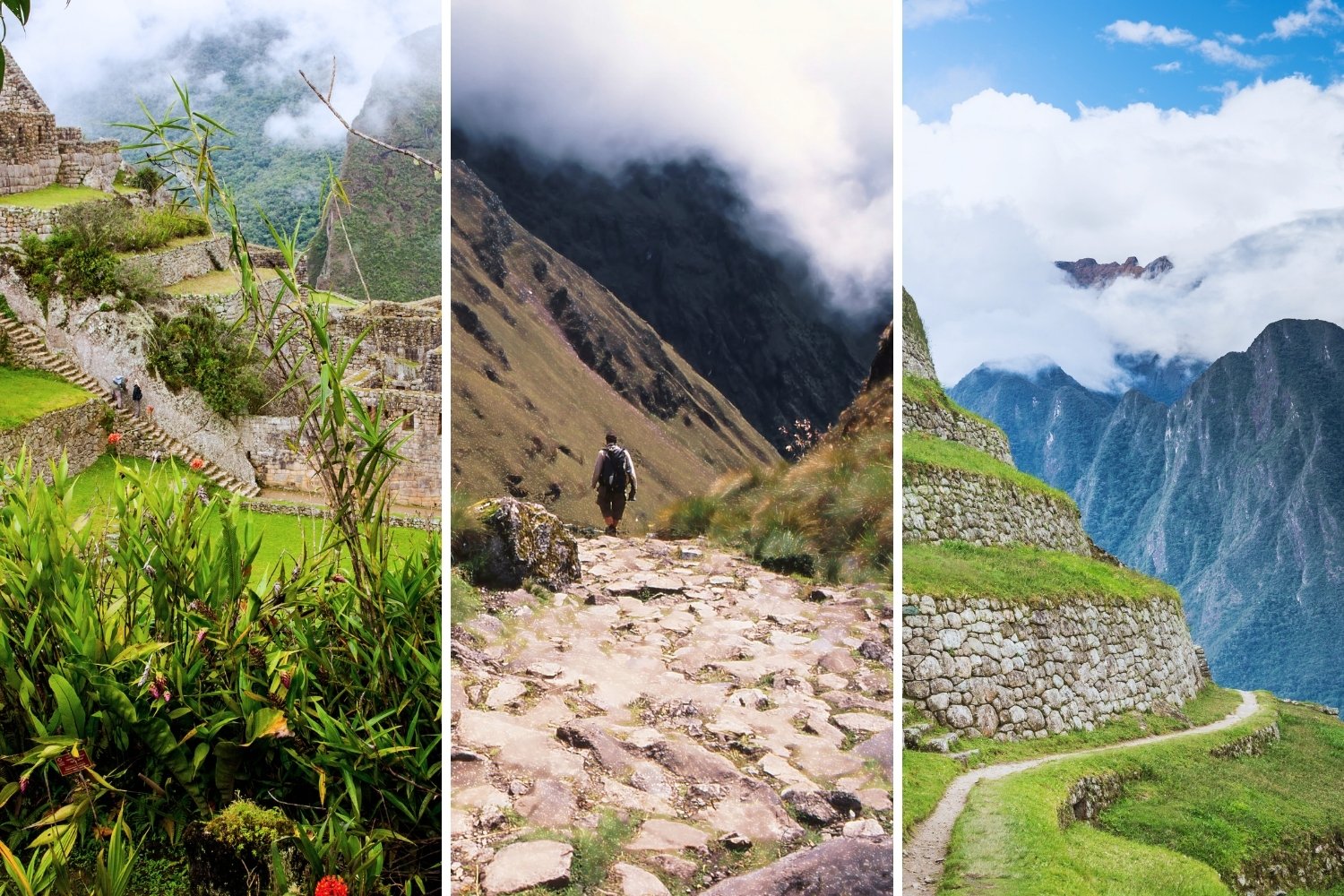
April is a transition month, meaning it combines the best of two worlds: rainfall decreases dramatically, yet nature still retains the intense greenery left by the wet months. April is widely regarded by experts and experienced travelers as one of the best months to hike the Inca Trail. This month marks the definitive transition between the rainy and dry seasons, offering an almost perfect balance of lush landscapes, stable weather, and a more intimate experience than you’ll find during the peak months of June through August. If you’re planning your adventure for 2026, you’ve chosen an exceptional window. Below is all the updated information to make your trek unforgettable.
Yes, absolutely! The Inca Trail is fully open and operational throughout April. After the annual February closure for maintenance (the trail reopens March 1st), April offers some of the finest trekking conditions of the entire year. Important 2026 Update: Permits for April 2026 went on sale in late October 2025. Since April is high season, these permits sell out quickly—often within weeks or months of release.
Temperatures in April are mild and very comfortable for trekking:
Visibility and Trail Conditions:
Visibility in April is good, although mornings may start with mist, creating a mystical atmosphere around the ruins. As the day progresses, clouds typically dissipate, offering spectacular panoramic views of the mountains and valleys. The trail is in excellent condition after February maintenance, stone steps are clean, drainage systems work perfectly, and campsites are well-prepared.
Yes, but it’s much less frequent and intense than in previous months.
Compared to March, April sees approximately half the rainfall, making it significantly more comfortable for trekking while still maintaining the lush green landscapes that make the scenery spectacular.
Yes, the Inca Trail is completely open throughout April with all routes available. The only dates to be aware of are Peruvian holidays like Holy Week (Semana Santa), which typically falls in late March or early April. During this period, local tourism increases, so booking well in advance is even more critical.
April experiences moderate to high crowds. It falls within the shoulder season, meaning:
Yes, April is considered one of the best months to hike the Inca Trail.
April is ideal for you if you:
✅ Seek the perfect balance: You want good weather but also lush, green landscapes that the rainy season provides
✅ Love photography and nature: The combination of misty mornings, vibrant greenery, and increasingly clear skies creates unparalleled photographic opportunities
✅ Want to avoid peak crowds: You prefer a more tranquil experience than the packed trails of June–August
✅ Value a trail in optimal condition: You appreciate hiking on a freshly maintained path after the February closure
✅ It’s your first time on the Inca Trail: April offers “friendly” conditions—less extreme than both the heavy rains of January–March and the freezing nights of June–August
✅ You can handle variable weather: You’re prepared for occasional showers and cool nights, but want mostly pleasant trekking days
❌ Need zero probability of rain: Though scarce, occasional showers can still occur
❌ Have a very tight budget: Prices are higher than in the rainy season (January–March)
❌ Seek absolutely guaranteed, 100% dry, cloudless skies: For maximum weather certainty, June through August are better (though with more people and colder nights)
❌ Can’t book months in advance: April permits require planning 4–6 months ahead
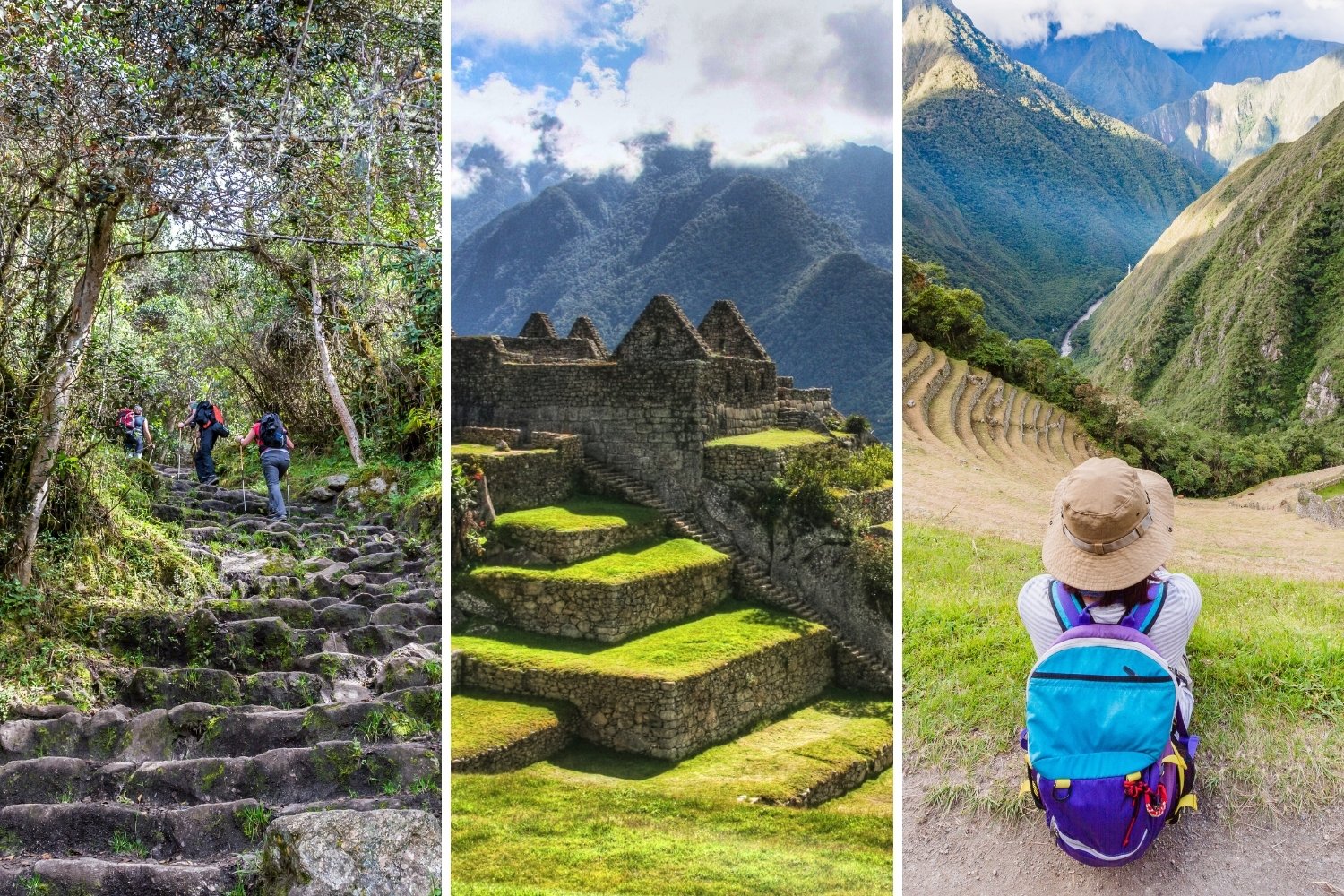
Yes, absolutely! May is widely regarded as one of the best months for the Inca Trail. It marks the beginning of the dry season, meaning you get the benefits of stable, sunny weather while the landscapes are still incredibly lush and green from the recent rains. It’s a time of transition that offers a perfect balance for trekkers. May is a fantastic time to hike the Inca Trail, often considered by many experts and tour operators as one of the very best months for the trek. It serves as the beautiful bridge between the wet and dry seasons, offering a sweet spot of excellent weather and vibrant scenery. This post will answer all your questions about hiking the Inca Trail in May, covering everything from weather and temperatures to crowds and packing tips.
The weather in May is characterized by its stability and comfort, making for ideal trekking conditions. Here’s what you can expect:
🌧️Rainfall: Very low. You can expect minimal rain and mostly dry days, though a very occasional light shower is always possible in the mountains.
🥾Trail Conditions: Excellent. The trails are dry, stable, and free from the mud that can plague the wetter months, making the stone steps and high-altitude sections much easier to navigate.
🌤️ Skies: Generally clear and sunny, especially in the mornings, which provides breathtaking, panoramic views of the snow-capped Andes and lush valleys.
While the Inca Trail involves camping at high altitudes, Machu Picchu itself is in a lower cloud forest and is considerably warmer. During the day at the citadel, you can expect pleasant temperatures around 25°C (77°F). It can be cool in the early morning, but it usually warms up quickly as the sun rises.
The short answer is: very little! May has a very low probability of rain compared to the preceding months. While a brief, passing shower is always a possibility in the Andes, you should plan for predominantly dry and sunny weather. This is one of the key reasons why May is so popular.
The key to understanding temperatures in May is the significant difference between day and night. You’ll experience warm, comfortable hiking conditions during the day followed by very cold nights, especially at high-altitude campsites.
Here is a breakdown of the average temperatures you can expect:
Inca Trail (General): 18°C to 23°C (64°F to 73°F) / 2°C to 8°C (36°F to 46°F)
High Pass (Dead Woman’s Pass): 5°C to 15°C (41°F to 59°F) Can drop to 0°C (32°F) or slightly below
Machu Picchu: Around 25°C (77°F) / Around 11°C (52°F)
As you can see, packing in layers is absolutely essential! This will help you stay comfortable from the warm afternoons to the freezing nights.
Yes, the Inca Trail is crowded in May, but with an important nuance. May is the start of the high trekking season, so it is busier than the preceding months. However, it is generally less crowded than the peak months of June, July, and August. You’ll share the trail with many other enthusiastic hikers, creating a vibrant atmosphere, but it shouldn’t feel overwhelmingly packed. The main implication of the crowds is on permits. The Peruvian government only allows 500 people (including trekkers, guides, and porters) on the trail each day. Because May is in such high demand, permits often sell out 6–8 months in advance. You must book your trek through a licensed tour operator well ahead of time.
✅Excellent Weather: Mostly dry, sunny days with comfortable hiking temperatures. ☀️
✅Lush, Green Landscapes: The mountains and valleys are still vibrantly green from the rainy season, creating stunning scenery. 🌿📸
✅Clear Skies: Perfect for photography, with excellent visibility of the mountains and valleys. 🏔️
✅Great Trail Conditions: Trails are dry, stable, and not slippery, making the hike safer and more enjoyable. 🥾
✅Balanced Crowds: You get the energy of the high season without the maximum crowds of June and July. 🚶♂️🚶♀️
❌ Very Cold Nights: Be prepared for near-freezing temperatures at the high-altitude campsites. 🥶🧤
❌ High Permit Demand: Because it’s so popular, you must book your spot months in advance (6-8 months is recommended). 📅
❌ Rising Prices: As the peak season begins, tour prices can be higher than in the shoulder months like April. 💰
❌ Strong UV Rays: With clearer skies comes intense high-altitude sun. Strong sun protection is a must. 🧴🕶️
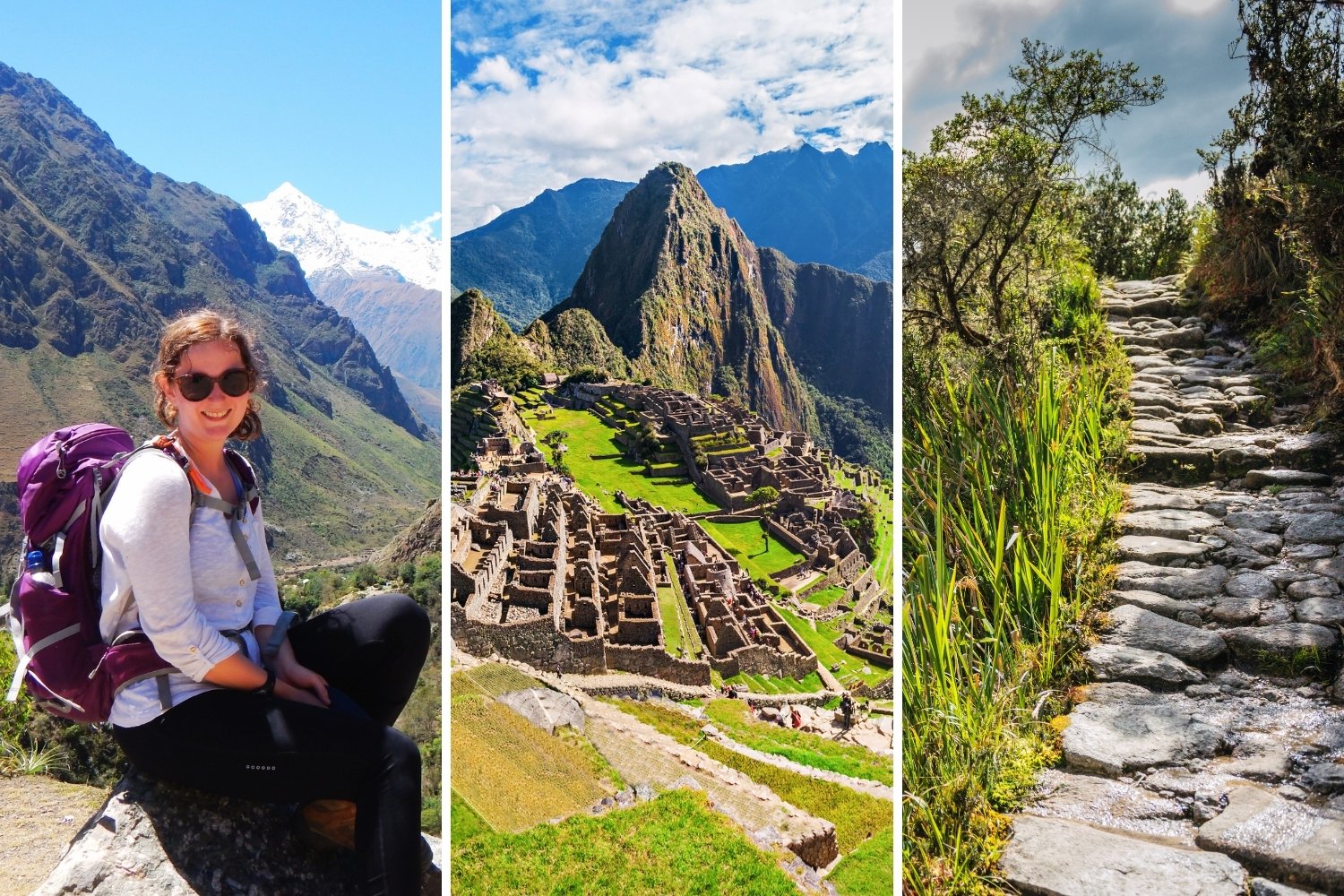
June is one of the most spectacular months to hike the Inca Trail to Machu Picchu. As the heart of the Andean dry season, this month delivers crystal-clear skies, golden sunlight, and some of the most breathtaking mountain views of the entire year. For many trekkers, June represents the perfect balance between weather, scenery, and cultural experiences making it one of the most popular times to visit Peru. The trail conditions are at their peak dry, stable paths make the challenging sections like the stone steps and high-altitude passes much safer and more enjoyable. Additionally, June brings a vibrant cultural element with the Inti Raymi festival (Festival of the Sun) celebrated in Cusco on June 24th, allowing travelers to combine their trek with one of Peru’s most important Inca traditions. However, this popularity comes with challenges. June marks the peak tourist season, meaning larger crowds, higher prices, and permits that sell out months in advance.
June brings some of the most stable and pleasant weather of the entire year on the Inca Trail. As the Andean dry season reaches its peak, trekkers can expect clear skies, comfortable daytime temperatures, and minimal rainfall. Hiking the Inca Trail in June offers what many consider the ultimate trekking experience. You get the best weather of the year dry, stable, and sunny, combined with stunning visibility that showcases the Andes at their most magnificent. The landscapes are lush and green, the trails are in perfect condition, and the cultural highlight of Inti Raymi adds an extra dimension to your Peruvian adventure. However, this perfection comes at a cost. June demands early planning, deep pockets, and a tolerance for crowds. The trail is bustling with energy, but quiet moments are rare. Nights are genuinely cold and require serious cold-weather gear.
Key Weather Characteristics:
Important Microclimate Variations
The Inca Trail crosses different altitude zones, each with unique conditions:
High Zone: 9,840 – 13,828 ft 41-59°F (5-15°C), dry, sunny 23-41°F (-5 to 5°C), very cold
Middle Zone: 8,200 – 9,840 ft 50-64°F (10-18°C), moderate 32-46°F (0-8°C), cold
Low Zone: 6,560 – 8,200 ft 59-77°F (15-25°C), comfortable 46-59°F (8-15°C), cool
While the Inca Trail involves camping at high altitudes, Machu Picchu itself is in a lower cloud forest zone and is considerably warmer.
At Machu Picchu in June:
Mornings at the citadel can be crisp and cool, especially if you arrive early for sunrise, but it usually warms up quickly as the sun rises over the mountains. The combination of clear skies and comfortable temperatures makes June ideal for photography and sightseeing at the ruins.
The short answer is: very rarely! June is one of the driest months of the entire year on the Inca Trail.
Rainfall Statistics:
While a brief, passing shower is always possible in the mountains (especially in the cloud forest sections), you should plan for predominantly dry and sunny weather throughout your hike. This reliability is one of the key reasons why June is so popular among trekkers.
The key to understanding temperatures in June is the significant difference between day and night. You’ll experience warm, comfortable hiking conditions during the day followed by very cold nights, especially at high-altitude campsites.
Here is a breakdown of the average temperatures you can expect:
Location 🌞 Daytime Temperature 🌜 Nighttime Temperature
Cusco 18-19°C (64-66°F) 1-3°C (34-37°F)
Inca Trail (General) 17-21°C (62-70°F) 0-6°C (32-43°F)
High Passes 5-15°C (41-59°F) -5 to 0°C (23-32°F)
Machu Picchu 20-25°C (68-77°F) 9-14°C (48-57°F)
As you can see, packing in layers is absolutely essential! 🧅 The temperature variation between day and night, and between different altitude zones, requires a strategic approach to clothing.
Yes, the Inca Trail is very crowded in June it’s the peak of the high trekking season.
Crowd Realities:
The Main Challenge: Permits
To help you decide if June is the right month for your adventure, here’s a comprehensive summary of the advantages and disadvantages:
Pros of Hiking in June
✅Perfect trekking condition: Dry, sunny days with comfortable daytime temperatures
✅ Minimal rain: Extremely low probability of precipitation
✅ Crystal-clear views: Unobstructed vistas of snow-capped peaks and valleys
✅ Excellent path: Dry, stable trails with no mud — safer and more enjoyable
✅ Ideal lighting: Golden sunlight, bright blue skies, stunning sunrise/sunset shots
✅ Lush and green: Mountains remain vibrant from previous rains
✅ Inti Raymi festival: Experience the Festival of the Sun in Cusco (June 24th)
✅ Peak season energy: Meet travelers from around the world; social, exciting vibe
Cons of Hiking in June
❌ Very busy: Peak tourist season more people on the Inca trail and at Machu Picchu
❌ Extremely limited Permits: Sell out 4-6+ months in advance; must book very early
❌ Highest rates: Tours, accommodation, and trains at peak-season pricing
❌ Nights Very cold: Temperatures can drop to 0°C (32°F) or below at high campsites
❌ Solitude: Hard to find Quiet moments at Machu Picchu require early morning arrival
❌ Availability: Limited options, Popular add-ons like Huayna Picchu tickets sell out quickly
❌ Sun Intensity: Strong UV rays High-altitude sun is intense, excellent protection required
June is ideal for:
June may NOT be ideal for:
If you can secure your permits well in advance and prepare properly for the cold nights, June offers an absolutely spectacular window for an unforgettable Inca Trail adventure, just be ready to share the magic with fellow trekkers from around the world.
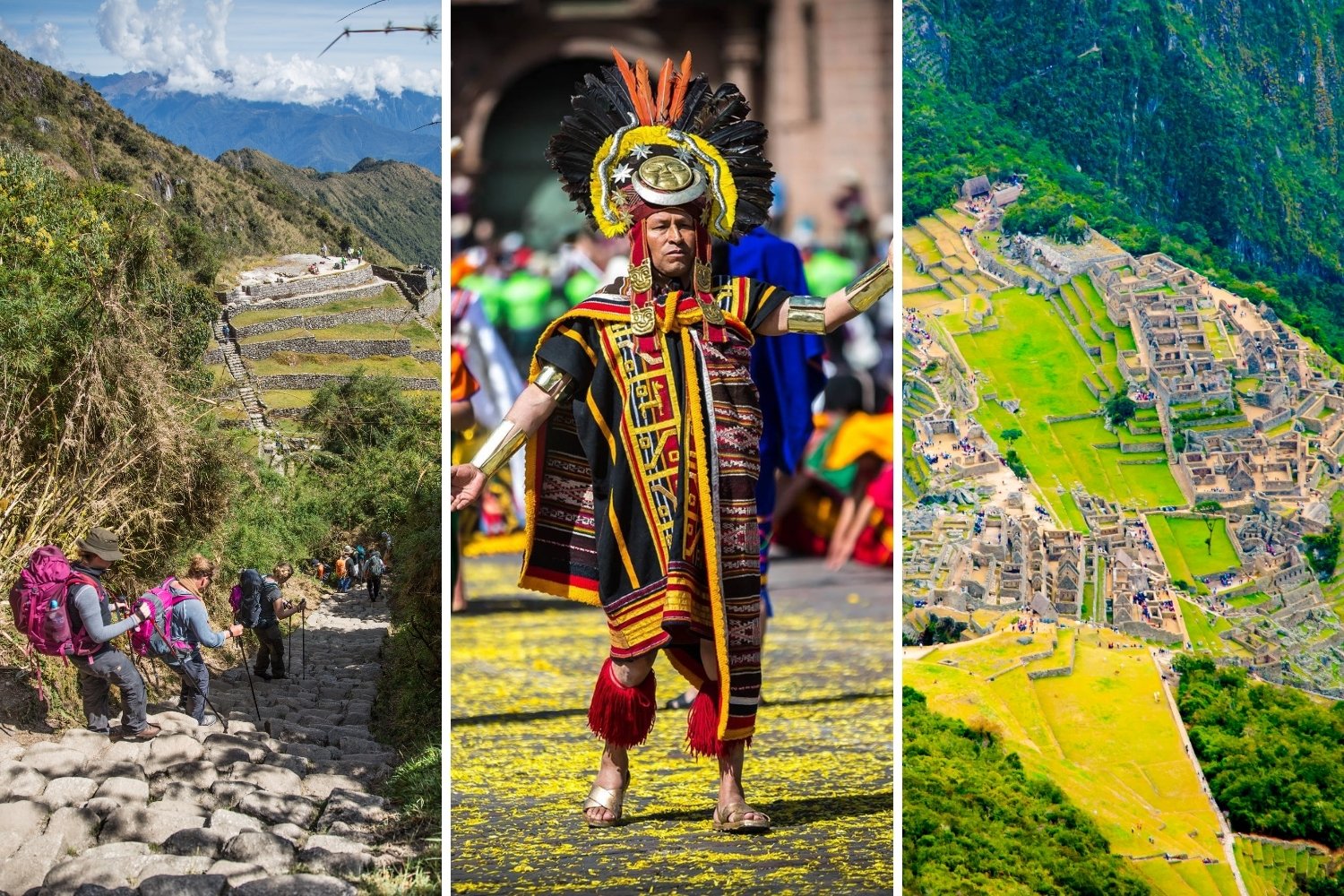
July is widely considered one of the best months to hike the Inca Trail, and for good reason. It sits squarely in the middle of Peru’s dry season (May through September), offering stable weather, clear skies, and minimal rainfall. The trekking conditions are at their absolute peak dry paths, safe footing on those ancient stone steps, and unobstructed views from every high pass. As the midpoint of Peru’s dry season, this month delivers some of the most reliable weather of the entire year cloudless skies, golden sunshine, and breathtaking views of the Andes that will leave you speechless. It’s the month when the trail is at its finest, the landscapes are postcard-perfect, and the energy from trekkers around the world creates an unforgettable atmosphere. But here’s the truth about July: it’s a double-edged sword. You get the best weather, but you also face the biggest crowds, the highest prices, and the most competitive permit scramble. If you’re considering a July trek, you need to know exactly what you’re getting into and how to plan accordingly.
July offers some of the most stable and predictable weather of the entire year on the Inca Trail. As the heart of the Andean dry season, trekkers can expect consistently clear skies, comfortable daytime temperatures, and virtually no rain.
Key Weather Characteristics:
This is the question every trekker needs to take seriously. The Inca Trail in July gets genuinely cold at night — especially at higher altitudes.
Daytime Temperatures:
Nighttime Temperatures:
July is one of the driest months of the entire year on the Inca Trail. Rainfall statistics tell the story:
That said, the mountains have their own microclimates. A brief, passing shower is always possible especially in the cloud forest sections but it’s unlikely to last long or significantly impact your hike.
Pro tip: Even though rain is rare, pack a lightweight, breathable rain jacket. It doubles as excellent wind protection at the high passes, which can be brutally windy even without precipitation.
The key to understanding July temperatures is the dramatic swing between day and night. You’ll experience warm, comfortable hiking conditions during the day followed by genuinely cold nights especially at high-altitude campsites.
Here’s a detailed breakdown:
Location 🌞 Daytime Average 🌜 Nighttime Average
Cusco 18-20°C (64-68°F) 1-3°C (34-37°F) Great for acclimatization
Inca Trail (General) 15-22°C (59-72°F) 0-5°C(32-41°F) Comfortable hiking days
Dead Woman’s Pass (4,215m) 5-15°C (41-59°F) -5 to 0°C (23-32°F) Wind chill makes it feel colder
Pacaymayo Valley 10-18°C (50-64°F) 0-3°C (32-37°F) First night campsite
Phuyupatamarca (3,650m) 12-20°C (54-68°F) 0-4°C (32-39°F) Near cloud forest
Wiñay Wayna (2,650m) 15-22°C (59-72°F) 4-8°C (39-46°F) Last campsite, warmer
Machu Picchu (2,400m) 20-25°C (68-77°F) 9-14°C (48-57°F) Pleasant exploring conditions
The golden rule of July packing: LAYERS, LAYERS, LAYERS. You’ll be shedding and adding clothing constantly as you move through different altitudes and times of day.
Yes , July is the absolute peak of the high trekking season.
Crowd Realities:
The Permit Challenge: This Is Critical
The Peruvian government strictly limits access to only 500 people per day (including trekkers, guides, and porters) . For context, only about 200 of those permits are actually available for trekkers — the rest are for support staff .
Because July is in such incredibly high demand:
Permits sell out 6-10 months in advance
Many sources recommend booking as soon as permits are released (typically in October of the previous year)
For July 2026, permits went on sale in late 2025 — if you haven’t booked yet, availability may already be extremely limited
Real talk from a guide: “Los permisos para la temporada alta (mayo a septiembre) se agotan con seis a ocho meses de antelación. No es una táctica de venta. Es un hecho. Para cuando la mayoría de la gente empieza a planificar su viaje en enero, los permisos para junio, julio y agosto ya no existen.”
Pros of Hiking in July
✅ Perfect trekking conditions: Dry, sunny days with comfortable daytime temperatures
✅ Minimal rain: Extremely low probability of precipitation
✅ Crystal-clear views: Unobstructed vistas of snow-capped peaks like Salkantay and Veronica
✅ Excellent paths: Dry, stable trails with no mud — safer and more enjoyable
✅ Ideal lighting: Golden sunlight, bright blue skies, stunning sunrise/sunset shots
✅ Spectacular night skies: With minimal light pollution, you can often see the Milky Way and Southern Cross
✅ Culture: Experience Peruvian Independence Day (July 28-29) with parades, music, and celebrations in Cusco
✅ Atmosphere Peak: Meet travelers from around the world; social, exciting vibe
✅ Wildlife activity: Dry weather concentrates animals near water sources, increasing sighting chances
Cons of Hiking in July
❌ Very busy: Peak tourist season — more people on trail, at campsites, and at Machu Picchu
❌ Permits Extremely limited: Sell out 6-10 months in advance; must book very early
❌ Expensive Prices: Accommodation, and trains at peak-season pricing
❌ Nights Very cold: Temperatures can drop to -5°C (23°F) or below at high campsites
❌ Solitude Hard to find: Quiet moments at Machu Picchu require early morning arrival
❌ Sun Intensity: Strong UV rays High-altitude sun is intense, excellent protection required
❌ Flexibility: Once booked, dates cannot be changed; permits are non-transferable
July May NOT Be Ideal For:
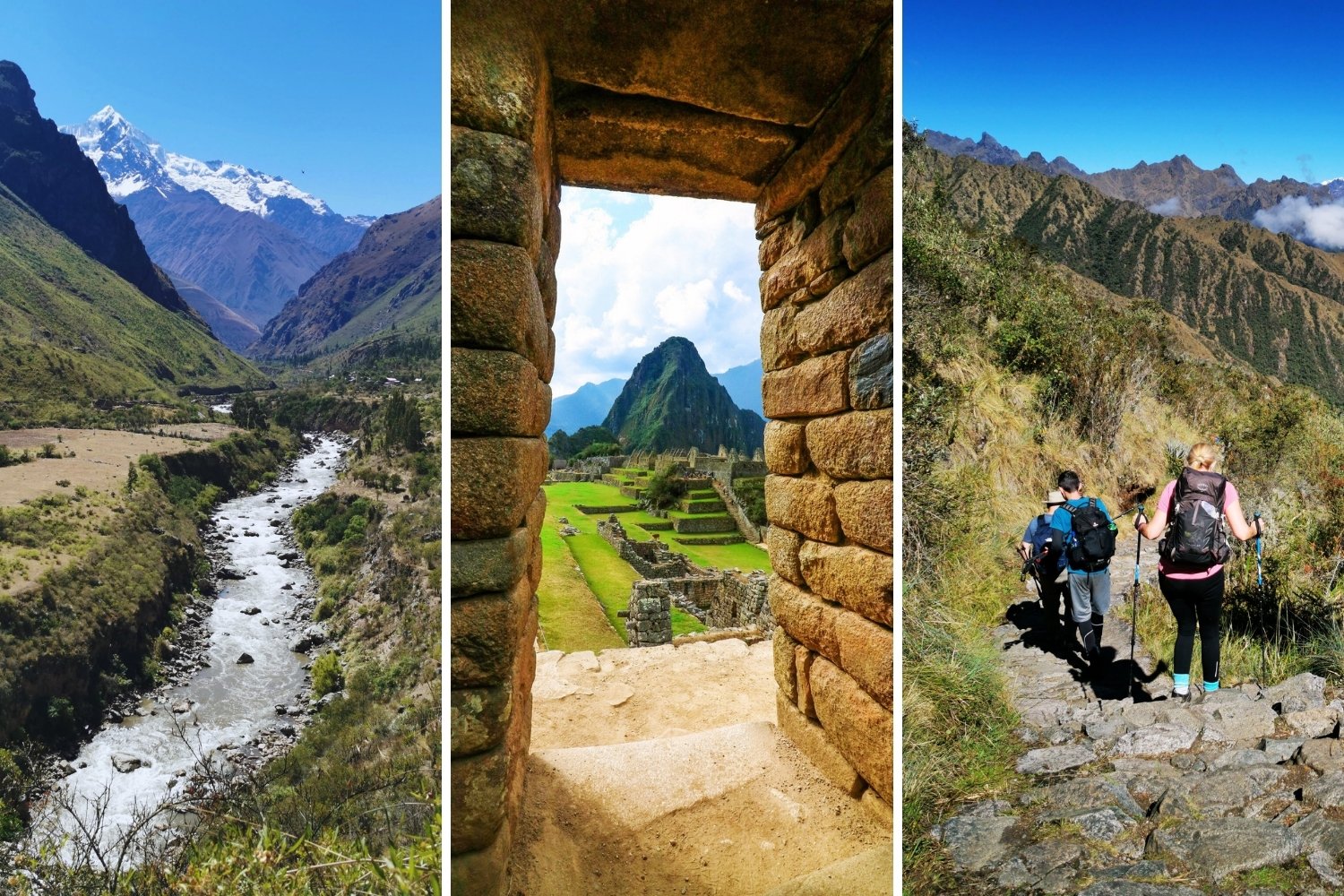
August represents the absolute pinnacle of the Inca Trail trekking season. As the final full month of Peru’s dry season, it delivers spectacular weather, crystal-clear mountain views, and an unforgettable adventure through the heart of the ancient Inca Empire. But here’s the truth about August: you’ll be sharing this magic with hundreds of fellow trekkers from around the globe, and securing your spot requires military-level planning. If you’re dreaming of standing at the Sun Gate (Inti Punku) as golden light floods Machu Picchu, with snow-capped peaks framing the perfect shot, August delivers that dream. But it demands respect for the logistics, the cold nights, and the crowds.
August delivers some of the most stable and predictable weather of the entire year. As the heart of the Andean dry season, trekkers can expect consistently clear skies, comfortable daytime temperatures, and virtually no rain.
Key Weather Characteristics:
This is the question every trekker must take seriously. The Inca Trail in August gets genuinely cold at night, especially at higher altitudes.
Daytime Temperatures:
The bottom line: You’ll hike in comfortable warmth during the day, but you’ll need serious cold-weather gear for the nights. A sleeping bag rated for at least -5°C to -10°C (23°F to 14°F) is absolutely essential .
The short answer: almost never. August is one of the driest months of the entire year on the Inca Trail .
Rainfall Statistics:
That said, the mountains have their own microclimates. A brief, passing shower is always possible, especially in the cloud forest sections near Machu Picchu — but it’s unlikely to last long or significantly impact your hike. Even though rain is rare, pack a lightweight, breathable rain jacket. It doubles as excellent wind protection at the high passes, which can be brutally windy even without precipitation.
The key to understanding August temperatures is the dramatic swing between day and night. You’ll experience warm, comfortable hiking conditions during the day followed by genuinely cold nights — especially at high-altitude campsites.
Here’s a detailed breakdown:
Location 🌞 Daytime Average 🌜 Nighttime Average
Cusco 18-21°C (64-70°F) 1-3°C (34-37°F) Great for acclimatization
Inca Trail (General) 15-22°C (59-72°F) 0-5°C (32-41°F) Comfortable hiking days
Dead Woman’s Pass 5-15°C (41-59°F) -5 to 0°C (23-32°F) Wind chill makes it feel colder
Pacaymayo Valley 10-18°C (50-64°F) 0-3°C (32-37°F) Second night campsite
Wiñay Wayna 15-22°C (59-72°F) 4-8°C (39-46°F) Last campsite, warmer
Machu Picchu 20-25°C (68-77°F) 9-14°C (48-57°F) Pleasant exploring conditions
Yes, August is the absolute peak of the high trekking season, and it is very crowded.
Crowd Realities:
The Permit Challenge: This Is Critical
The Peruvian government strictly limits access to only 500 people per day (including trekkers, guides, and porters) . For context, only about 200 of those permits are actually available for trekkers — the rest are for support staff .
Because August is in such incredibly high demand:
✅ Perfect trekking condition: Dry, sunny days with comfortable daytime temperatures
✅ Minimal rain: Extremely low probability of precipitation
✅ Visibility: Crystal-clear views, unobstructed vistas of snow-capped peaks like Salkantay and Veronica
✅ Excellent Trail Conditions: Dry, stable trails with no mud — safer and more enjoyable
✅ Ideal lighting for Photography: Golden sunlight, bright blue skies, stunning sunrise/sunset shots
✅ Spectacular night skies: With minimal light pollution, you can often see the Milky Way and Southern Cross
✅ Experienced guides available: High season ensures availability of experienced guides and efficient services
✅ Safety Low risk: Minimal mud and very low risk of landslides compared to rainy season
✅ Wildlife activity: Dry weather concentrates animals near water sources, increasing sighting chances
❌ Crowds: Peak tourist season, more people on the Inca trail, at campsites, and at Machu Picchu
❌ Permits are extremely limited: Sell out within days of release; must book 6+ months in advance
❌ High Prices: Tours, accommodation, and trains at peak-season pricing
❌ Nights are Very cold: Temperatures can drop to -5°C (23°F) or below at high campsites
❌ Hard to find Quiet moments at Machu Picchu require early morning arrival
❌ Sun Intensity: Strong UV rays High-altitude sun is intense, excellent protection required
❌ Flexibility: Rigid planning, once booked, dates cannot be changed; permits are non-transferable.
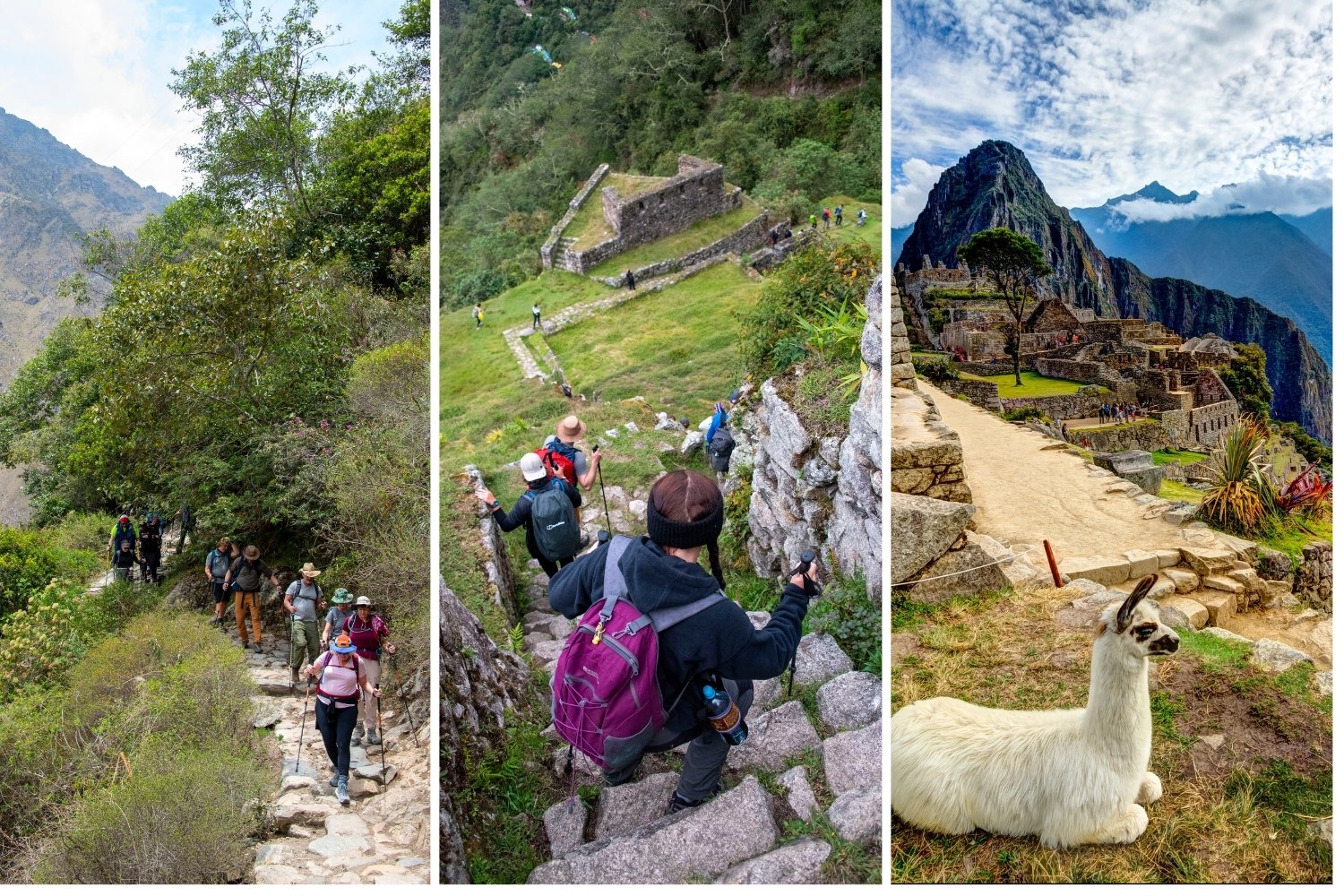
September is one of the most magical months to hike the Inca Trail to Machu Picchu. As the dry season gently transitions toward spring in the Andes, this month offers a unique blend of stable weather, blooming landscapes, and significantly fewer crowds than the peak months of July and August. Many experienced trekkers and tour operators, including guides who have hiked the trail multiple times consider September the “sweet spot” for an unforgettable adventure.
If you’re dreaming of walking ancient stone paths through misty cloud forests, standing at the Sun Gate as golden light illuminates Machu Picchu, and experiencing the Andes in a state of quiet rebirth, September might be your perfect month. This comprehensive guide covers everything you need to know about hiking the Inca Trail in September 2026, from weather patterns and temperatures to crowds, permits, and essential packing strategies. September offers the most well-rounded experience for most hikers, combining excellent weather, manageable crowds, and stunning scenery that’s beginning to burst into life after the dry winter.
September marks the end of the dry season and the beginning of spring in the Andes. This transition period creates an ideal balance for trekkers: predominantly clear, sunny days with comfortable temperatures, while the landscape starts showing the first vibrant signs of life.
Key Weather Characteristics
Weather Patterns Throughout September
The month has two distinct phases worth noting :
This is the question every trekker needs to take seriously. The Inca Trail in September gets genuinely cold at night, especially at higher altitudes, but offers comfortable daytime hiking temperatures.
What This Means for Your Trek
The short answer: occasionally, but rarely enough to disrupt your trek. September represents the end of the dry season, so while rain is possible, it’s usually light and brief.
The Beautiful Side of September Rain
Late September showers bring an unexpected gift: rainbows. The interaction of sunlight with passing showers creates magical arcs over the mountains, particularly at Dead Woman’s Pass and in the cloud forest near Wiñay Wayna. Have your camera ready!
Pro Tip: Even though rain is minimal, pack a lightweight, waterproof jacket. It doubles as excellent wind protection at the high passes, which can be brutally windy even without precipitation.
Understanding September temperatures means appreciating the dramatic daily swing between warm days and cold nights .
Location 🌞 Daytime Average 🌜 Nighttime Average
Cusco 68°F (20°C) 37°F (3°C) Cool nights, pleasant days
Inca Trail (General) 59-72°F (15-22°C) 32-41°F (0-5°C) Perfect hiking temperatures
Dead Woman’s Pass (4,215m) 41-59°F (5-15°C) 23-32°F (-5 to 0°C) Extremely cold; frost possible
High Campsites 50-64°F (10-18°C) 32-36°F (0-2°C) Just above freezing
Machu Picchu 68-77°F (20-25°C) 48-57°F (9-14°C) Pleasant exploring conditions
September offers a beautiful balance: busy enough for great energy, but significantly less crowded than peak months.
Why September’s Crowds Are Different
Permit Availability Patterns for September
✅ Excellent Weather: Stable conditions Sunny, dry days with comfortable hiking temperatures.
✅ Rainfall: Brief afternoon showers at most, rarely affects trekking.
✅ Visibility: Unobstructed vistas of snow-capped peaks and valleys.
✅ Scenery: Lush, blooming landscapes, Wildflowers, orchids, ferns, Andes awakening with color.
✅Active and visible Hummingbirds, butterflies, Andean cock-of-the-rock in mating season.
✅Dramatic conditions for the Photography, clear skies plus occasional clouds and rainbows create magical shots.
✅ Crowds: Manageable levels, fewer tourists than June–August peak.
✅ Permits: Easier to secure, better availability than July–August.
✅ Affordable prices: Lower than peak season rates for tours and accommodation
✅ Trail Conditions: Excellent firm, dry, safe paths with no mud
❌ Rain Risk: Increasing toward month-end, late September sees more frequent showers.
❌ Nights are Very cold: Temperatures near freezing at high campsites, requires serious gear.
❌ Smoke: Possible early month, Local farmers may burn fields in early September, creating slight haze.
❌ Unpredictability: Transition month, weather less guaranteed than June–August peak.
❌ Permit Planning: Still required , not as competitive as peak, but still needs advance booking (3-4 months).
❌ Trail Traffic: Moderate, not empty you’ll still share the trail with many hikers.
❌ Variable Conditions: Day-to-day changes, need flexibility and good layering strategy.
September May NOT Be Ideal For:
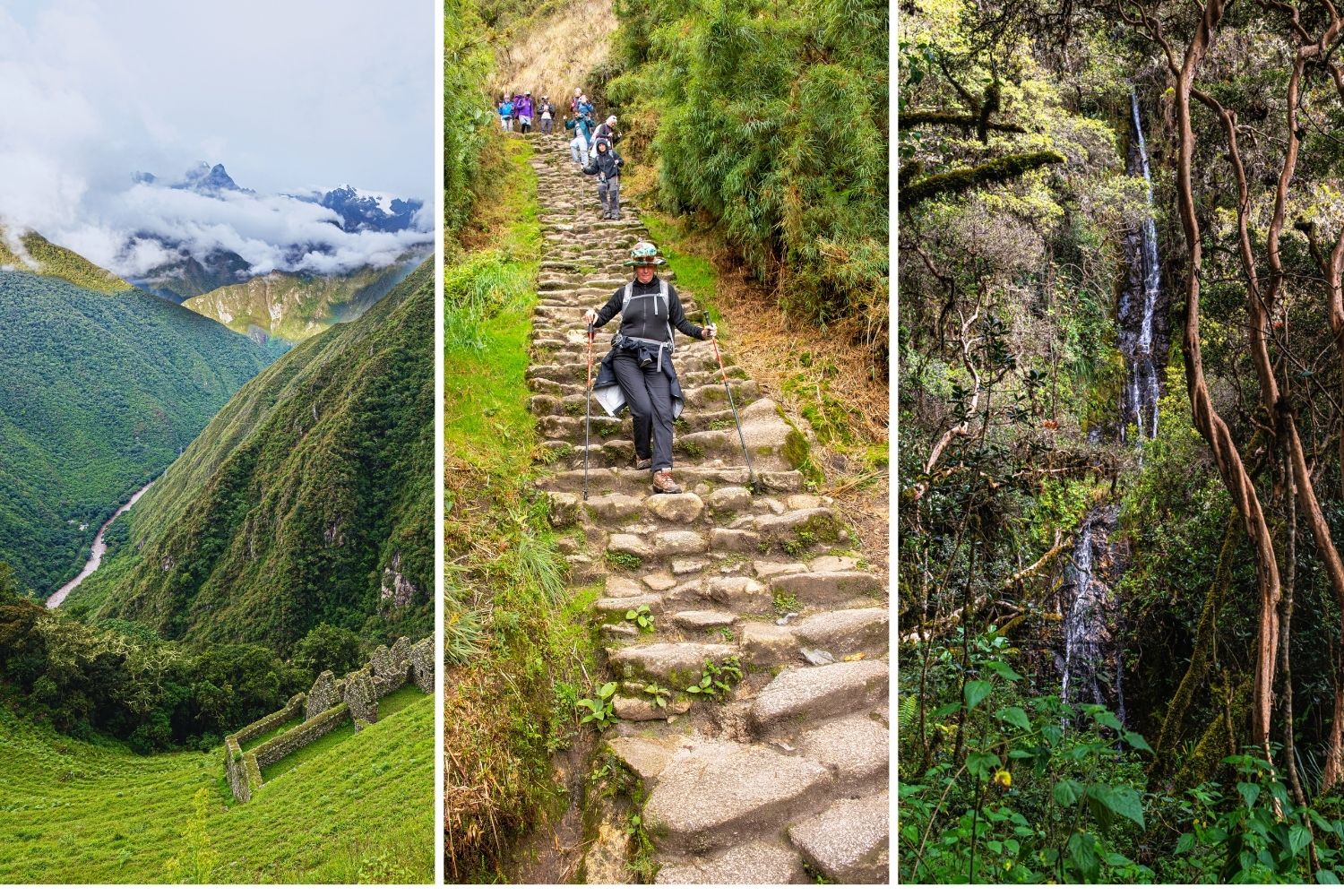
Yes, October is generally considered a good, and often great, time to hike the Inca Trail. It is particularly well-suited for travelers who prioritize tranquility and lush scenery over the absolute guarantee of completely dry weather. The month successfully balances the favorable conditions of the tail-end of the dry season with the onset of the rains, offering a unique trekking experience that combines sunny mornings, greener landscapes, and significantly fewer fellow hikers. This month is ideal for experienced trekkers or adventurous souls who don’t mind a little unpredictability and are prepared for variable conditions. The challenge of navigating potentially muddy and slippery sections can add an extra layer of adventure for those with proper gear and a flexible mindset. The reward is a more personal journey through the Andes, with the ancient ruins often shrouded in a mystical mist that photographs beautifully and feels truly magical.
Ultimately, if your goal is to have the trail almost to yourself and witness the Andean ecosystem at its most vibrant, October is an excellent choice. While you should be ready for rain, the advantages of fewer crowds, easier permit availability, and breathtaking green vistas make it a fantastic month for this once-in-a-lifetime adventure. As one local guide recommends, it’s perfect for those seeking good weather while wanting to avoid the masses that descend during the peak season.
The weather on the Inca Trail in October is best described as a transitional mix, offering a bit of everything throughout the day. As a shoulder month between the dry and wet seasons, you can expect sunshine, clouds, and occasional rain—often all within a single 24-hour period. Typically, mornings start with clear or partly cloudy skies, creating ideal conditions for hiking and enjoying the magnificent views. As the day progresses, however, afternoon showers become increasingly likely, though they are usually light to moderate rather than torrential downpours. Humidity levels are notably higher than in the preceding dry months, which can make the air feel warmer during the day but also contributes to the rapid greening of the landscape. The trails may be slightly muddy in some sections, especially after a rain shower, so good traction is essential. Visibility is generally excellent in the mornings, but clouds can roll in during the afternoon, sometimes obscuring distant mountain vistas. This pattern creates a dramatic and mystical ambiance around the ruins that many photographers actually prefer.
Because the trail traverses dramatically different altitudes, the weather can vary significantly from one section to another. At the highest point, Dead Woman’s Pass (4,215m / 13,828ft), conditions can be windy, cold, and potentially cloudy or rainy. As you descend into the cloud forest towards Machu Picchu, the environment becomes more humid and subtropical. This variability makes layering your clothing and being prepared for sudden changes the most crucial strategy for tackling the Inca Trail in October. As the saying goes on the trail, if you don’t like the weather, just wait five minutes it’ll change!
The cold on the Inca Trail in October is highly dependent on altitude and time of day, featuring a significant contrast between daytime warmth and nighttime chill. During the day, especially at lower elevations and when the sun is out, temperatures are quite pleasant and mild, typically ranging from 15°C to 22°C (59°F–72°F). This makes for comfortable trekking conditions when you’re active and moving. However, as one source notes, temperatures can fluctuate widely depending on your exact location on the trail and the time of day. Once the sun begins to set behind the Andean peaks, the temperature drops dramatically. At night, especially at the higher campsites located above 3,000 meters, it gets genuinely cold. Average nighttime lows hover around 5°C to 8°C (41°F–46°F), but they can easily plummet to near freezing (0°C / 32°F) or even slightly below at the highest elevations. This is when proper insulation becomes absolutely critical for a good night’s sleep and your overall comfort.
The coldest points of the trek will undoubtedly be at night and during the early morning hours at high-altitude camps like Pacaymayo or Phuyupatamarca. The high-altitude zone around Dead Woman’s Pass can experience strong winds and near-freezing temperatures even during the day, especially if clouds roll in. Therefore, packing a quality sleeping bag rated for sub-zero temperatures (at least -5°C to -10°C / 23°F–14°F), along with thermal base layers, a fleece jacket, a warm hat, and gloves, is non-negotiable for comfort and safety in October. Remember, you can always shed layers while hiking, but you can’t put on what you didn’t bring!
Yes, it does rain on the Inca Trail in October, but it’s important to understand what kind of rain to expect. October marks the beginning of the rainy season in the Andes, so you should anticipate occasional showers during your trek. However, these are typically not the persistent, heavy downpours characteristic of the full rainy season from December through March. Instead, rainfall in October is usually moderate, with showers most frequently occurring in the afternoons. Many trekkers report that rain often falls overnight, leaving the days clearer for hiking. Looking at the statistics, October sees around 10 rainy days on average, with approximately 75mm of precipitation for the entire month. This is a notable increase from the preceding dry months but considerably less than the 100-165mm seen from December onward. One firsthand account from an October trekker in 2025 mentioned they experienced a fair bit of rain during their trek, but fortunately, most of it fell overnight and did not interfere with their daily hiking schedule. This pattern of overnight rain can actually work in your favor, settling dust and making mornings feel fresh without disrupting your walking time.
The practical implication of this rain is that the trail can become muddy and slippery, particularly on the famous Inca stone steps, which become treacherous when wet. This is why it is absolutely essential to be prepared with high-quality waterproof gear, including a rain jacket, rain pants, and waterproof hiking boots with excellent grip. A rain cover for your backpack is also vital to keep your belongings dry. Being prepared for rain ensures you can still thoroughly enjoy the trek, no matter what the sky decides to do. As experienced trekkers say, there’s no bad weather, only inappropriate clothing!
Understanding the average temperatures on the Inca Trail in October helps with packing appropriately, but it’s crucial to remember that these numbers vary greatly by altitude and time of day. Broadly speaking, the overall average daytime temperature ranges from a pleasant 15°C to 22°C (59°F–72°F) . This makes for ideal trekking conditions while you are active and moving, allowing you to hike comfortably without overheating.
At night, the temperature drops significantly. You can expect average lows between 5°C and 11°C (41°F–52°F) . However, these are averages, and it is common for the temperature to dip even lower at the highest campsites, potentially reaching freezing point (0°C / 32°F) or slightly below . This stark difference between day and night temperatures is a key characteristic of high-altitude trekking and is why layering is so essential.
For a more detailed perspective, it’s helpful to think of the trail in terms of its distinct microclimates at different elevations:
This data underscores the absolute necessity of packing a wide variety of clothing layers. You need to be prepared for warm, sunny hiking conditions, as well as the potential for cold wind and rain at the high passes, and freezing temperatures at night. The key is versatility—think of your packing list as a toolkit for any weather scenario.
No, the Inca Trail is significantly less crowded in October compared to the peak tourist months. October falls outside the busiest season (June through August), which means you will encounter fewer trekkers on the path. This reduction in crowds is one of the main attractions for choosing an October trek, as it allows for a more peaceful and personal experience with the natural and archaeological wonders along the route. You’ll have more space to contemplate ancient ruins in solitude and more opportunities for photos without dozens of other hikers in your frame.
However, it’s important to have realistic expectations—the trail is not empty. The Peruvian government strictly limits the number of people on the trail to 500 per day, which includes both trekkers and the essential support staff of guides and porters. This means that even in the “low” season, you won’t have the trail entirely to yourself. But the difference is palpable in the feeling of space and tranquility. As one personal account noted, while Day 1 can feel chaotic as groups start together, by Day 2, hikers spread out along the trail and it never feels quite as busy.
The reduced crowds also mean that securing permits is a bit easier. While you should still book 3-4 months in advance, you won’t face the same scramble as those trying to book for July or August, where permits sell out 5-6 months ahead. This makes October an attractive option for travelers who plan with a bit less lead time but still want excellent trekking conditions and a serene atmosphere. Remember that permits for the following calendar year are typically released in mid-October, so if you’re planning for the next year, this is when you need to act.
✅ Fewer Crowds 🚶♂️🚶♀️: October falls outside the peak tourist months (June-August), meaning you’ll encounter significantly fewer trekkers on the trail for a more peaceful and intimate experience.
✅ Lush Green Landscapes 🌿🌱: The first rains of the season breathe new life into the vegetation, painting the valleys and mountainsides in vibrant shades of green that are perfect for photography.
✅ Easier Permit Availability 🎟️📅: Securing permits is generally easier than during peak season, with most sources recommending booking just 3-4 months in advance rather than 5-6 months.
✅ Good Weather Balance ⛅: October offers a pleasant mix of sunny mornings and occasional afternoon showers, combining the best of both the dry and wet seasons.
✅ Mystical Atmosphere 🌫️✨: The mist and clouds that roll in during afternoons create a dramatic and mystical ambiance around the ancient ruins, perfect for unique photography.
✅ Comfortable Daytime Temperatures 🌡️☀️: Daytime temperatures are pleasant for hiking, typically ranging from 15°C to 22°C (59°F–72°F) at lower elevations.
✅ Flexible Planning 📝: With better permit availability, you have more flexibility in your planning compared to the scramble for peak season spots.
❌ Unpredictable Weather 🌧️🎲: As a shoulder month, October can be a gamble—you might experience sunshine, clouds, and rain all in a single day, requiring constant adaptability.
❌ Afternoon Showers ☔: Rain is common in the afternoons, which can make the famous Inca stone steps slippery and more challenging to navigate safely.
❌ Muddy Trails 🥾💧: Increased humidity and rainfall mean sections of the trail can become muddy, requiring extra caution and proper waterproof footwear.
❌ Obscured Views 🌫️🏔️: Clouds and mist can sometimes obscure panoramic vistas from high passes like Dead Woman’s Pass or the first view of Machu Picchu from the Sun Gate.
❌ Cold Nights 🥶🌙: Nighttime temperatures drop significantly, especially at high-altitude campsites, with lows potentially reaching freezing point (0°C / 32°F).
❌ Damp Campsites ⛺💦: Campsites can become wet and muddy, making evenings less comfortable than during the bone-dry months and requiring extra gear protection.
❌ Gear Protection Needed 🎒🔰: You must be diligent about protecting your belongings from moisture, including sleeping bags, electronics, and extra clothing, which adds to packing considerations.
❌ Basic Facilities 🚽: Campsite facilities can be less pleasant in wet conditions, with firsthand accounts noting that toilets can be particularly challenging during October.
❌ Mosquito infestation 🦟: Don’t Forget Insect Repellent, the humidity in October brings out mosquitos, especially in the lower cloud forest sections near Machu Picchu.
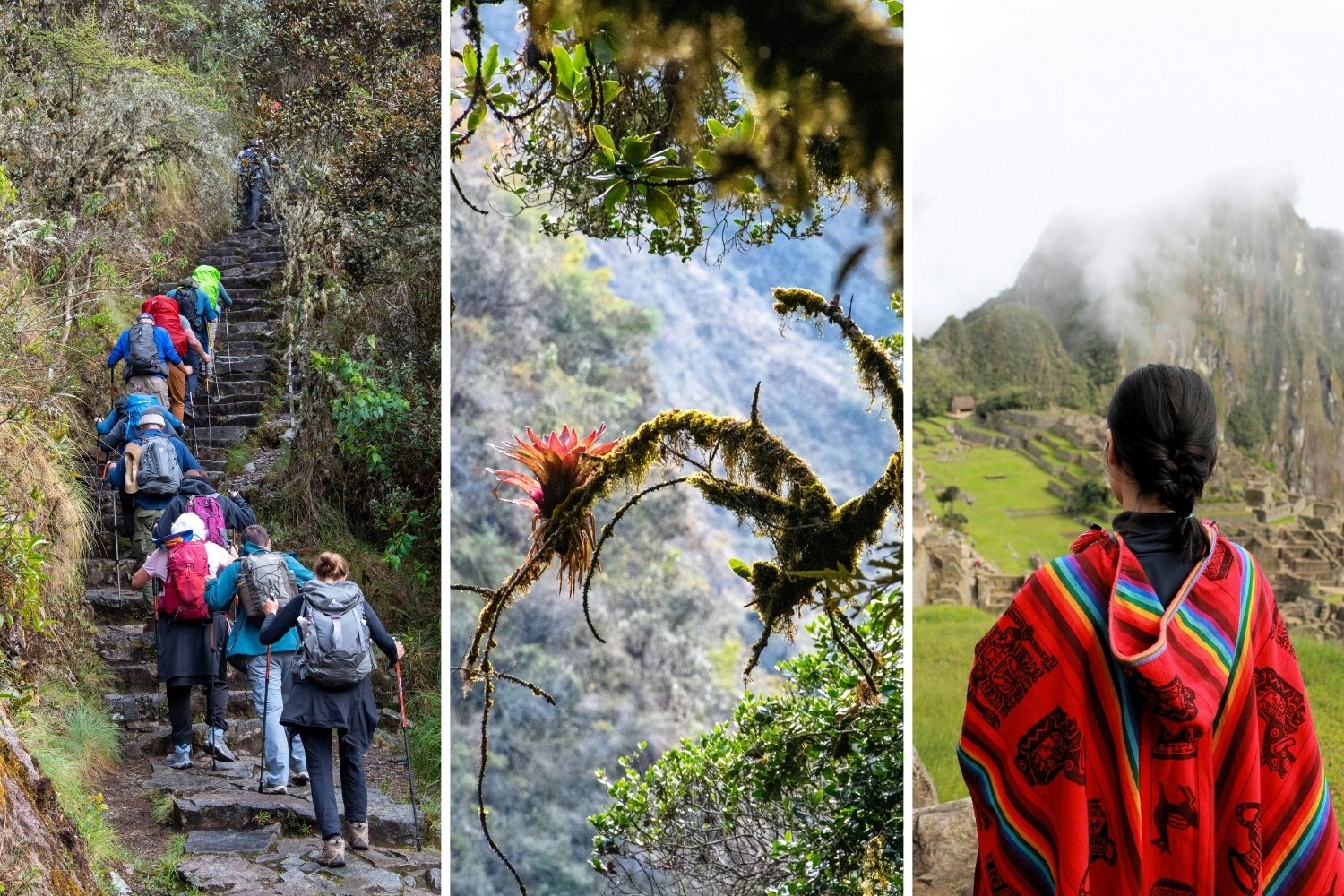
Yes, November is a good time for the Inca Trail, particularly for adventurous travelers who prioritize lush scenery, fewer crowds, and a more intimate experience over guaranteed dry weather. November marks the beginning of the rainy season in the Andes, bringing more frequent showers but also transforming the landscape into a vibrant green paradise. This month offers a unique trekking experience with comfortable daytime temperatures, dramatically greener valleys, and significantly fewer fellow hikers compared to the peak dry season months of June through August.
This month is ideal for flexible travelers who don’t mind a little rain and are prepared for variable conditions. The challenge of navigating potentially muddy sections adds an extra layer of adventure for those with proper gear and a positive mindset. The reward is a deeply personal journey through the Andes, with ancient ruins often shrouded in mystical mist and the surrounding nature at its most vibrant. The vegetation is dense and vivid, waterfalls flow stronger, and wildflowers bloom along the trail.
Ultimately, if your goal is to experience the Inca Trail with fewer crowds, more affordable prices, and witness the Andean ecosystem at its most lush and alive, November is an excellent choice. While you should be ready for rain, the advantages of tranquility, breathtaking green vistas, and easier permit availability make it a fantastic month for this once-in-a-lifetime adventure. As one local guide describes it, November offers “a more intimate, authentic Inca Trail experience than the crowded high season”.
The weather on the Inca Trail in November is best described as the definitive start of the rainy season, offering a mix of warm days and frequent showers. As a transition month into the wet season, you can expect sunshine, increasing cloud cover, and regular rain often within a single day. Typically, mornings start with clear or partly cloudy skies, creating excellent conditions for hiking and enjoying the views. As the day progresses, however, afternoon showers become increasingly common, ranging from light drizzles to moderate downpours that may include thunder and lightning.
Humidity levels are notably higher than in previous months, which makes the air feel warmer during the day but also contributes to the spectacular greening of the landscape. The trails become muddier and more slippery, especially in forested sections, so good traction is essential. Visibility is generally excellent in the mornings, but clouds and fog can roll in during the afternoon, sometimes obscuring distant mountain vistas. This pattern creates a dramatic and mystical ambiance around the ruins that many photographers prefer.
Because the trail traverses dramatically different altitudes, the weather can vary significantly from one section to another. At the highest point, Dead Woman’s Pass (4,215m / 13,828ft), conditions can be windy, cold, and potentially rainy with near-freezing temperatures. As you descend into the cloud forest towards Machu Picchu, the environment becomes more humid and subtropical. This variability makes layering your clothing and being prepared for sudden changes the most crucial strategy for tackling the Inca Trail in November. As the saying goes on the trail, if you don’t like the weather, just wait five minutes it’ll change
The cold on the Inca Trail in November is highly dependent on altitude and time of day, featuring a noticeable contrast between daytime warmth and nighttime chill. During the day, especially at lower elevations, temperatures are quite pleasant and mild, typically ranging from 18°C to 22°C (64°F–72°F). This makes for comfortable trekking conditions when you’re active and moving. However, temperatures can fluctuate widely depending on your exact location on the trail.
Once the sun begins to set behind the Andean peaks, the temperature drops significantly. At night, especially at the higher campsites located above 3,000 meters, it gets genuinely cold. Average nighttime lows hover around 6°C to 9°C (43°F–48°F), but they can easily plummet to near freezing (0°C / 32°F) or even slightly below at the highest elevations like Dead Woman’s Pass. This is when proper insulation becomes absolutely critical for a good night’s sleep.
The coldest points of the trek will undoubtedly be at night and during the early morning hours at high-altitude camps like Pacaymayo or Phuyupatamarca. The high-altitude zone around Dead Woman’s Pass can experience strong winds and near-freezing temperatures even during the day, especially when clouds roll in. Therefore, packing a quality sleeping bag rated for temperatures near 0°C to -5°C (32°F–23°F), along with thermal base layers, a fleece jacket, a warm hat, and gloves, is non-negotiable for comfort and safety in November. Remember, you can always shed layers while hiking, but you can’t put on what you didn’t bring!
Yes, it does rain on the Inca Trail in November, and significantly more than in October. November marks the well-defined start of the rainy season in the Andes, so you should anticipate frequent showers during your trek. However, these are typically not the persistent, all-day downpours characteristic of the peak rainy months from December through March. Instead, rainfall in November is often moderate to occasionally heavy, with showers most frequently occurring in the afternoons or evenings.
Looking at the statistics, November sees around 13 to 14 rainy days on average, with approximately 70mm to 100mm of precipitation for the entire month. This is a notable increase from October’s 75mm and signals the transition to the wetter season. Early November tends to be relatively drier, like late October, while late November sees more frequent and intense rainfall. One firsthand account notes that while rain is common, mornings often remain clear for hiking, with showers arriving later in the day.
The practical implication of this rain is that the trail becomes muddy and slippery, particularly on the famous Inca stone steps, which become treacherous when wet. This is why it is absolutely essential to be prepared with high-quality waterproof gear, including a rain jacket, rain pants, and waterproof hiking boots with excellent grip. A rain cover for your backpack and waterproof stuff sacks for your belongings are also vital. Being prepared for rain ensures you can still thoroughly enjoy the trek, no matter what the sky decides to do. As experienced trekkers say, there’s no bad weather, only inappropriate clothing!
Understanding the average temperatures on the Inca Trail in November helps with packing appropriately, but it’s crucial to remember that these numbers vary greatly by altitude and time of day. Broadly speaking, the overall average daytime temperature ranges from a pleasant 18°C to 22°C (64°F–72°F). This makes for ideal trekking conditions while you are active and moving.
At night, the temperature drops significantly. You can expect average lows between 6°C and 11°C (43°F–52°F). However, these are averages, and it is common for the temperature to dip even lower at the highest campsites, potentially reaching freezing point (0°C / 32°F) or slightly below at elevations like Dead Woman’s Pass. This stark difference between day and night temperatures is a key characteristic of high-altitude trekking.
For a more detailed perspective, it’s helpful to think of the trail in terms of its distinct microclimates at different elevations :
High Zone (e.g., Dead Woman’s Pass at 4,215m): Daytime: 10-14°C (50-57°F), Nighttime: 0-4°C (32-39°F). Conditions: Cold, windy, potential rain/hail.
Middle Zone (e.g., Cloud Forest): Daytime: 12-20°C (54-68°F), Nighttime: 5-12°C (41-54°F). Conditions: Humid, cloudy, frequent mist.
Low Zone (e.g., Machu Picchu at 2,430m): Daytime: 22-26°C (72-79°F), Nighttime: 10-12°C (50-54°F). Conditions: Warm, humid, occasional rain.
This data underscores the absolute necessity of packing a wide variety of clothing layers. You need to be prepared for warm, sunny hiking conditions, as well as the potential for cold wind and rain at the high passes, and cool temperatures at night. The key is versatility—think of your packing list as a toolkit for any weather scenario.
No, the Inca Trail is significantly less crowded in November compared to the peak tourist months of June through August. November is considered the low or shoulder season, which means you will encounter far fewer trekkers on the path. This reduction in crowds is one of the main attractions for choosing a November trek, as it allows for a more peaceful and personal experience with the natural and archaeological wonders along the route. You’ll have more space to contemplate ancient ruins in solitude, quieter campsites, and more opportunities for photos without dozens of other hikers in your frame.
However, it’s important to have realistic expectations the trail is not empty. The Peruvian government strictly limits the number of people on the trail to 500 per day, which includes both trekkers and the essential support staff of guides and porters. This means that even in the low season, you won’t have the trail entirely to yourself. But the difference is palpable in the feeling of space and tranquility. As one source notes, November offers “a quieter, more personal experience at the archaeological sites”.
The reduced crowds also mean that securing permits is considerably easier. While you should still book in advance, the scramble is far less intense than for peak season. Most sources recommend booking 2 to 3 months in advance for November treks, compared to the 5-6 months needed for June-August departures. This makes November an attractive option for travelers who plan with less lead time but still want excellent trekking conditions and a serene atmosphere. Additionally, prices for tours and accommodations may be lower during this shoulder season.
✅ Fewer Crowds 🚶♂️🚶♀️: November is low season, meaning significantly fewer trekkers on the trail for a more peaceful and intimate experience compared to the peak months of June-August.
✅ Lush Green Landscapes 🌿🌱: The rains transform the Andes into a vibrant green paradise. Valleys become lush, waterfalls flow stronger, and wildflowers bloom, creating spectacular scenery perfect for photography.
✅ Easier Permit Availability 🎟️📅: Securing permits is much easier than during peak season, with most sources recommending booking just 2-3 months in advance rather than 5-6 months.
✅ Comfortable Daytime Temperatures 🌡️☀️: Daytime temperatures are pleasant for hiking, typically ranging from 18°C to 22°C (64°F–72°F) at lower elevations.
✅ Mystical Atmosphere 🌫️✨: The mist and clouds that roll in during afternoons create a dramatic and mystical ambiance around the ancient ruins, perfect for unique photography.
✅ Waterfalls and Streams at Peak Flow 💦: The rains revitalize streams and waterfalls along the trail, creating even more impressive landscapes and photo opportunities.
✅ Better Wildlife Spotting 🦙: The increased humidity and greener vegetation make wildlife more active and visible, including birds, butterflies, and possibly the Andean cock-of-the-rock.
❌ Frequent Rain Showers ☔: Rain is common, especially in the afternoons, which can make hiking more challenging and require constant readiness with waterproof gear.
❌ Muddy and Slippery Trails 🥾💧: Increased rainfall means sections of the trail become muddy and slippery, particularly on the famous Inca stone steps, requiring extra caution and proper footwear.
❌ Unpredictable Weather 🌧️🎲: As a rainy season month, November can be unpredictable, you might experience sunshine, clouds, and rain all in a single day, requiring adaptability.
❌ Obscured Views 🌫️🏔️: Clouds and fog can obscure panoramic vistas from high passes like Dead Woman’s Pass or the first view of Machu Picchu from the Sun Gate, especially in afternoons.
❌ Damp Campsites ⛺💦: Campsites can become wet and muddy, making evenings less comfortable than during dry months and requiring extra gear protection.
❌ Gear Protection Needed 🎒🔰: You must be diligent about protecting your belongings from moisture, including sleeping bags, electronics, and extra clothing, which adds to packing considerations.
❌ More Challenging Trekking Conditions ⛰️: The combination of wet trails, mud, and slippery sections makes the trek more physically demanding than in dry months, requiring better preparation and caution.
❌ Possible Thunderstorms ⚡: Later in November, rain can occasionally be accompanied by thunder and lightning, which can be intense at high altitudes.
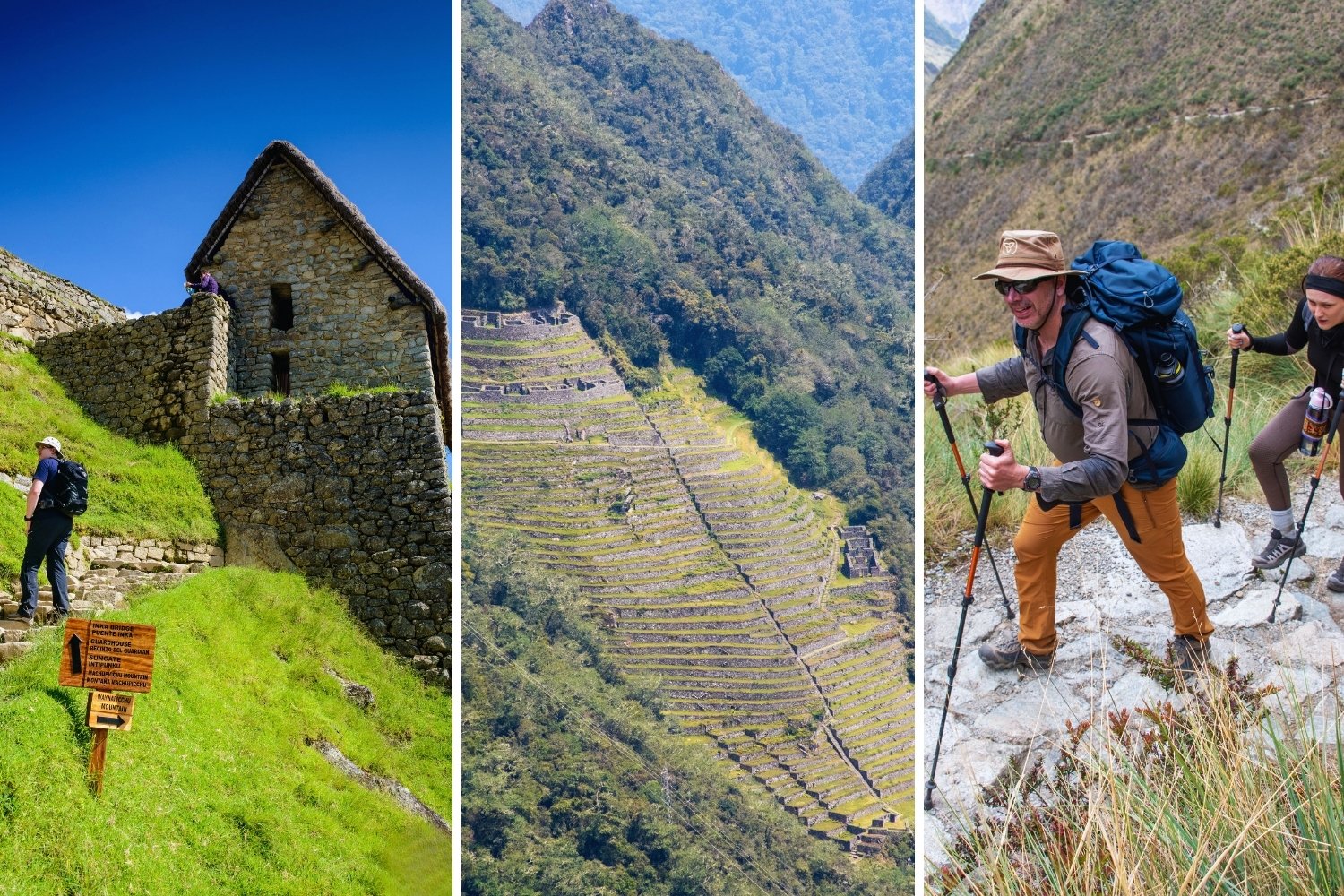
Yes, December can be a good time for the Inca Trail, but it’s essential to understand what you’re signing up for. This month is best suited for adventurous travelers who prioritize lush scenery, fewer crowds, and a more intimate experience over guaranteed dry weather. December marks the heart of the rainy season in the Andes, bringing frequent showers but also transforming the landscape into a vibrant, emerald-green paradise. The reward is a deeply personal journey through the Andes, with ancient ruins often shrouded in mystical mist and the surrounding nature at its most alive.
This month is ideal for flexible travelers who don’t mind rain and are prepared for variable conditions. The challenge of navigating muddy sections adds an extra layer of adventure for those with proper gear and a positive mindset. The vegetation is dense and vivid, waterfalls flow stronger, and the air feels fresh and alive with the energy of growing things. Additionally, December offers the unique opportunity to spend the holiday season surrounded by Andean mountains and traditional villages, with many travelers planning their trek to celebrate Christmas or New Year’s Eve in Cusco or Machu Picchu.
Ultimately, if your goal is to experience the Inca Trail with significantly fewer crowds, witness the Andean ecosystem at its most lush and vibrant, and don’t mind frequent rain, December is an excellent choice. While you should be fully prepared for wet conditions, the advantages of tranquility, breathtaking green vistas, and easier permit availability make it a fantastic month for this once-in-a-lifetime adventure. As one local guide describes it, December offers “a more intimate, authentic Inca Trail experience than the crowded high season”.
The weather on the Inca Trail in December is best described as the heart of the rainy season, offering warm temperatures but frequent and sometimes heavy rainfall. As a peak wet season month, you can expect sunshine, increasing cloud cover, and regular rain, often within a single day. Typically, mornings start with clearer skies, creating decent conditions for hiking and enjoying the views. As the day progresses, however, afternoon showers become almost guaranteed, ranging from light drizzles to moderate downpours that may include thunder and lightning.
Humidity levels are at their highest, which makes the air feel warmer during the day but contributes to the spectacular greening of the landscape. The trails become muddy and slippery, especially in forested sections and on the famous Inca stone steps, so good traction is essential. Visibility is generally better in the mornings, but clouds and fog can roll in during the afternoon, sometimes obscuring distant mountain vistas. This pattern creates a dramatic and mystical ambiance around the ruins that many photographers prefer.
Because the trail traverses dramatically different altitudes, the weather can vary significantly from one section to another. At the highest point, Dead Woman’s Pass (4,215m / 13,828ft), conditions can be windy, cold, and potentially rainy with possible frost at night. As you descend into the cloud forest towards Machu Picchu, the environment becomes more humid and subtropical with warmer temperatures. This variability makes layering your clothing and being prepared for sudden changes the most crucial strategy for tackling the Inca Trail in December. As the saying goes on the trail, if you don’t like the weather, just wait five minutes, it’ll change!
The cold on the Inca Trail in December is highly dependent on altitude and time of day, featuring a noticeable contrast between daytime warmth and nighttime chill. During the day, especially at lower elevations, temperatures are quite pleasant and mild, typically ranging from 18°C to 22°C (64°F–72°F). This makes for comfortable trekking conditions when you’re active and moving. However, at the highest elevations, daytime temperatures can be cooler, ranging from 10–14°C (50–57°F).
Once the sun begins to set behind the Andean peaks, the temperature drops significantly. At night, especially at the higher campsites located above 3,000 meters, it gets genuinely cold. Average nighttime lows hover around 6°C to 10°C (43°F–50°F), but they can easily plummet to near freezing (0°C / 32°F) or even slightly below at the highest elevations like Dead Woman’s Pass. This is when proper insulation becomes critical for a good night’s sleep.
The coldest points of the trek will undoubtedly be at night and during the early morning hours at high-altitude camps like Pacaymayo or Phuyupatamarca. The high-altitude zone around Dead Woman’s Pass can experience strong winds and near-freezing temperatures even during the day, especially when clouds and rain roll in. Therefore, packing a quality sleeping bag rated for temperatures near -5°C to 0°C (23°F–32°F), along with thermal base layers, a fleece jacket, a warm hat, and gloves, is non-negotiable for comfort and safety in December.
Yes, it absolutely rains on the Inca Trail in December, and frequently. December is firmly within the rainy season in the Andes, so you should anticipate frequent and sometimes heavy showers during your trek. Rainfall is often persistent, with statistics showing an average of 15 to 21 rainy days during the month. Precipitation averages between 100mm and 150mm (4-6 inches) for the month, making it one of the wettest periods of the year.
However, the rain doesn’t usually fall all day long. The typical pattern features clearer mornings with showers developing in the afternoon or evening. These rains can range from light drizzles to heavy downpours that may last from 20 minutes to a few hours. One source notes that rain can fall on approximately three-quarters of the days in December, but it’s often sporadic rather than continuous. The upside of all this rain is that the landscape transforms into a lush, green paradise with waterfalls flowing at their fullest.
The practical implication of this rain is that the trail becomes significantly muddy and slippery, particularly on the famous Inca stone steps, which become treacherous when wet. There is also an increased risk of landslides and trail closures due to weather-related issues. This is why it is absolutely essential to be prepared with high-quality waterproof gear, including a rain jacket, rain pants, and waterproof hiking boots with excellent grip. A rain cover for your backpack and waterproof stuff sacks for your belongings are also vital. Being prepared for rain ensures you can still thoroughly enjoy the trek, no matter what the sky decides to do. As experienced trekkers say, there’s no bad weather, only inappropriate clothing!
No, the Inca Trail is significantly less crowded in December compared to the peak tourist months of June through August. December is considered the low or shoulder season due to the rainy weather, which means you will encounter far fewer trekkers on the path. This reduction in crowds is one of the main attractions for choosing a December trek, as it allows for a more peaceful and personal experience with the natural and archaeological wonders along the route. You’ll have more space to contemplate ancient ruins in solitude, quieter campsites, and more opportunities for photos without dozens of other hikers in your frame.
However, it’s important to have realistic expectations about crowd levels within December itself. Early December is generally very quiet, offering an excellent experience for those seeking solitude. However, from mid to late December, the trail sees an increase in both local and international travelers taking advantage of the Christmas and New Year holidays. During this festive period, availability tightens, so booking in advance is still essential.
The reduced crowds overall mean that securing permits is considerably easier than during peak season. While you should still book in advance, the scramble is far less intense. Most sources recommend booking 1 to 3 months in advance for December treks, compared to the 5-6 months needed for June-August departures. This makes December an attractive option for travelers who plan with less lead time but still want a serene atmosphere.
✅ Fewer Crowds 🚶♂️🚶♀️: December is low season, meaning significantly fewer trekkers on the trail for a more peaceful and intimate experience compared to the peak months of June-August.
✅ Lush Green Landscapes 🌿🌱: The rains transform the Andes into a vibrant green paradise. Valleys become lush, waterfalls flow stronger, and wildflowers and orchids bloom, creating spectacular scenery perfect for photography.
✅ Easier Permit Availability 🎟️📅: Securing permits is much easier than during peak season, with most sources recommending booking just 1-3 months in advance rather than 5-6 months.
✅ Comfortable Daytime Temperatures 🌡️☀️: Daytime temperatures are pleasant for hiking, typically ranging from 18°C to 22°C (64°F–72°F) at lower elevations.
✅ Waterfalls and Streams at Peak Flow 💦: The rains revitalize streams and waterfalls along the trail, creating even more impressive landscapes and photo opportunities than in dry months.
✅ Festive Atmosphere in Cusco 🎄: December offers the unique opportunity to experience Christmas and New Year’s Eve celebrations in Cusco, with colorful markets, traditional processions, and a blend of Incan and Catholic traditions.
✅ More Personalized Guide Interaction 🧑🤝🧑: With smaller groups, guides and porters have more time for interaction and storytelling, enhancing the cultural experience.
❌ Frequent and Heavy Rainfall ☔: Rain is very common, with an average of 15-21 rainy days per month. Showers can be heavy and persistent, especially in afternoons, making hiking more challenging.
❌ Muddy and Slippery Trails 🥾💧: The ancient stone steps become very slippery when wet, increasing the risk of slips. Trekking poles with rubber tips are highly recommended for stability and safety.
❌ Unpredictable Weather 🌧️🎲: Weather can change quickly. Thick cloud cover and mist can obscure the famous mountain views and sometimes even shroud Machu Picchu itself, meaning you might not get the classic clear, sunny photos .
❌ Obscured Views 🌫️🏔️: Thick cloud cover and fog frequently obscure panoramic vistas from high passes like Dead Woman’s Pass or the first view of Machu Picchu from the Sun Gate, especially in afternoons.
❌ High Humidity 💧🌫️.: The combination of rain and warm temperatures creates high humidity, making it difficult to dry clothes, boots, and gear overnight .
❌ Gear Protection Needed 🎒🔰: You’ll need to be prepared for a wide range of conditions. Essential gear includes high-quality waterproof jacket and pants, waterproof trekking boots, quick-dry clothing, and dry bags to protect your gear .
❌ Higher Risk of Landslides ⚠️: The rainy season elevates landslide risks along certain trail sections, which can occasionally cause trail closures or require route alterations.
❌ Shorter Daylight Hours 🌙: Days are shorter, so it’s important to plan hikes carefully and start early each morning.
❌ Possible Thunderstorms ⚡: Rain can occasionally be accompanied by thunder and lightning, which can be intense at high altitudes and may cause schedule adjustments.
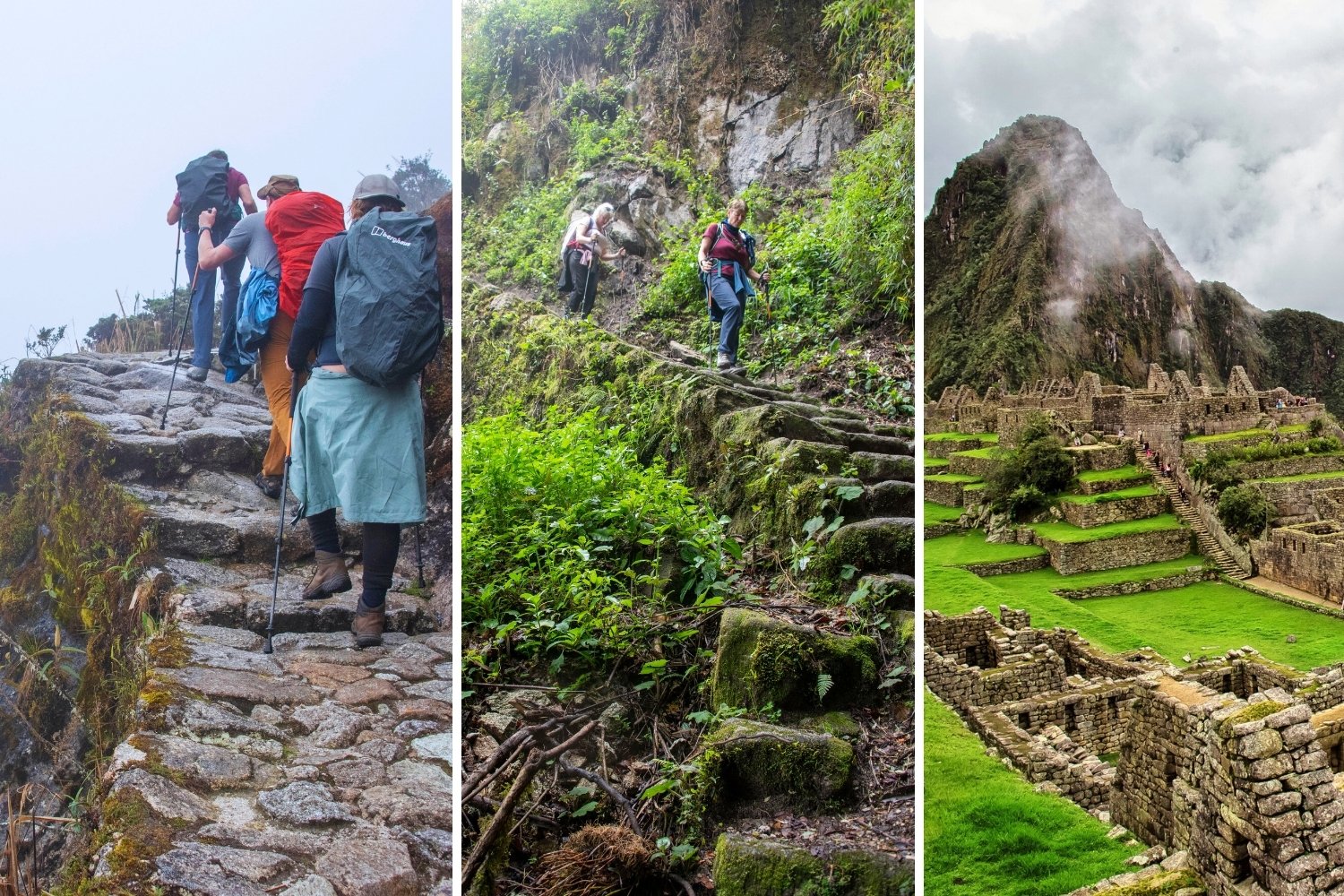
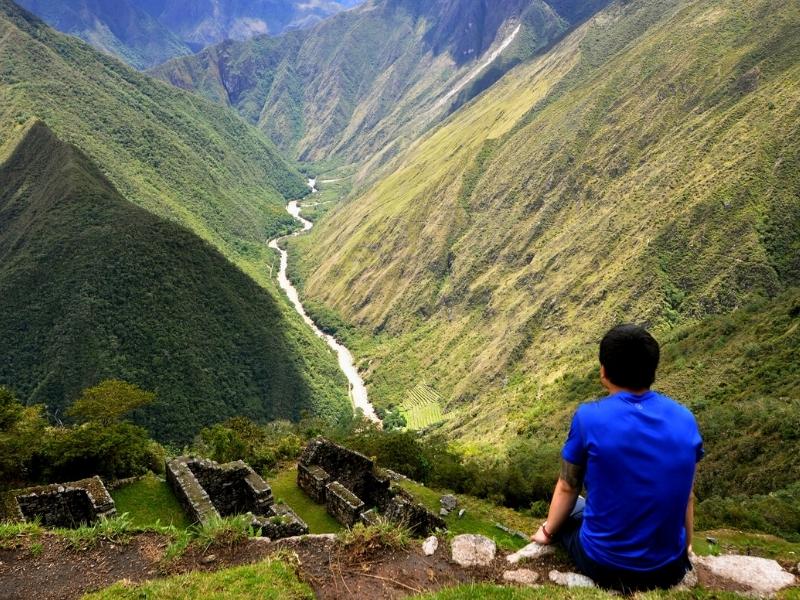
Explore the Manu Amazon Rainforest & Inca Trail hike to Machu Picchu, you will enjoy the best adventures in Peru, exploring amazing inca trail routes and the best amazon wildlife with our local tour guides, in small groups.

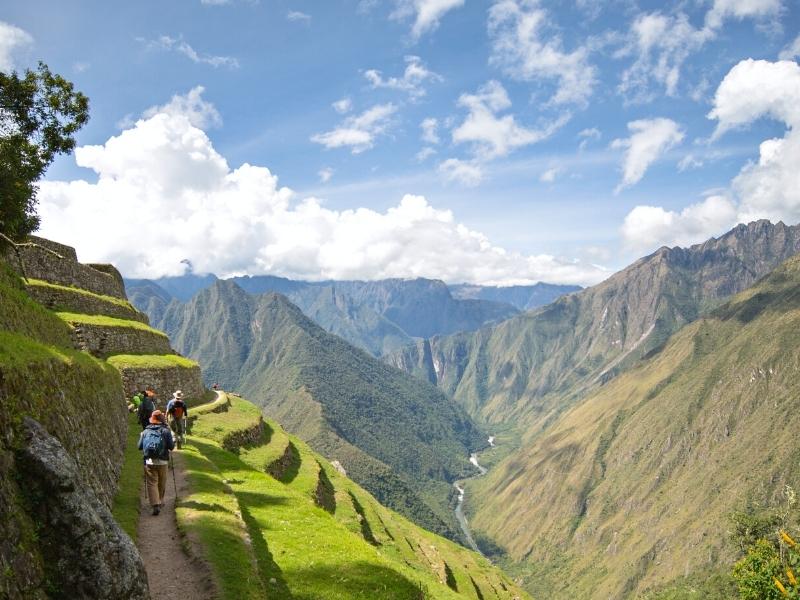
The classic Inca Trail hike to Machu Picchu is one of the world's greatest hikes. Along the 45 km you will explore unique andean valleys, lush mountain forest.An exquisite architecture of the Inca sanctuaries, which will dazzle you for its fineness and location within the Andes.
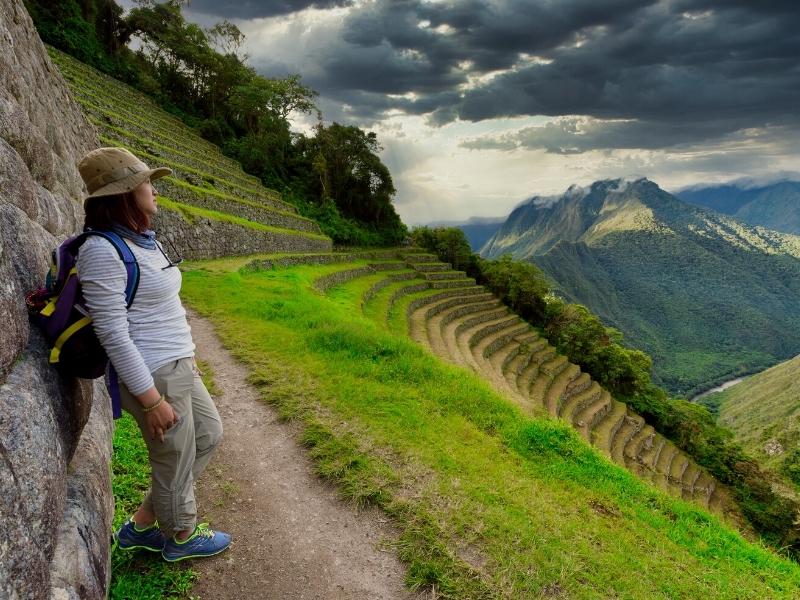
The 2-day Inca trail to Machu Picchu, is the shortest version of the Inca trail circuits to the sacred citadel of Machu Picchu. Andean Great Treks organize this trek with the best local guides and hotels in Machu Picchu. We work only in small groups, the premium service for your delight in Cusco.