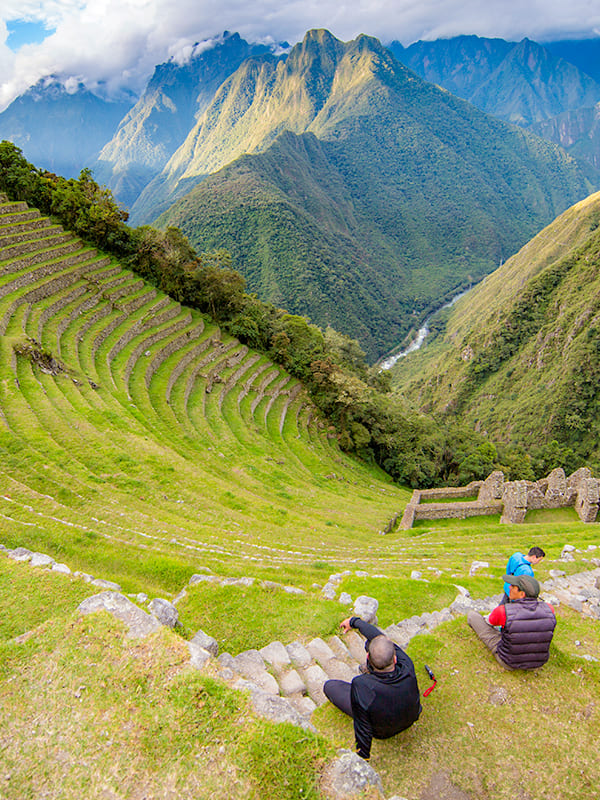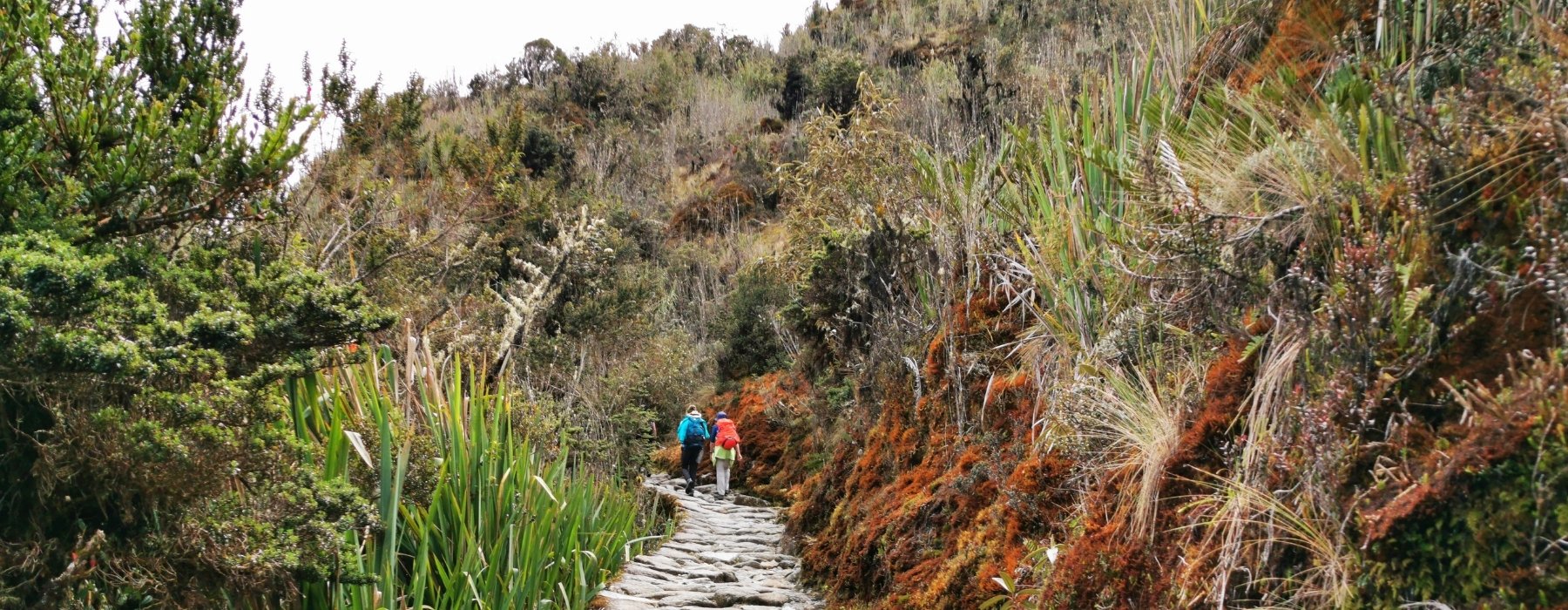
Everyone dreams of hiking the Inca Trail to Machu Picchu on the 4-days route. And without a doubt, this is one of the most famous and sought-after trekking circuits each year by travelers from all over the world. But before embarking on this great adventure, it’s important to know that this Inca wonder of the world is located in the Andes Mountains of South America, which pose a significant challenge for those unaccustomed to high altitudes. That’s why we’ve created this blog about the Inca Trail Altitude, where you can find all the most relevant information about distances, elevations, climate, difficulty level, and tips for a successful hike to Machu Picchu. The air thins, the silence deepens, and each step demands an intimate conversation with your own endurance: the Inca Trail to Machu Picchu. For four days and 44 kilometers, the 500 modern-day pilgrims who receive daily permits to trek the Inca Trail face a fascinating geographical paradox: they begin at 2,600 meters at kilometer 82, descend briefly to the Urubamba River, and then embark on a vertical climb that takes them to over 4,215 meters at the Warmiwañusca Pass, before finally descending again to the citadel of Machu Picchu, located at just 2,430 meters above sea level. This high-altitude rollercoaster climb accumulates more than 2,800 meters of elevation gain.
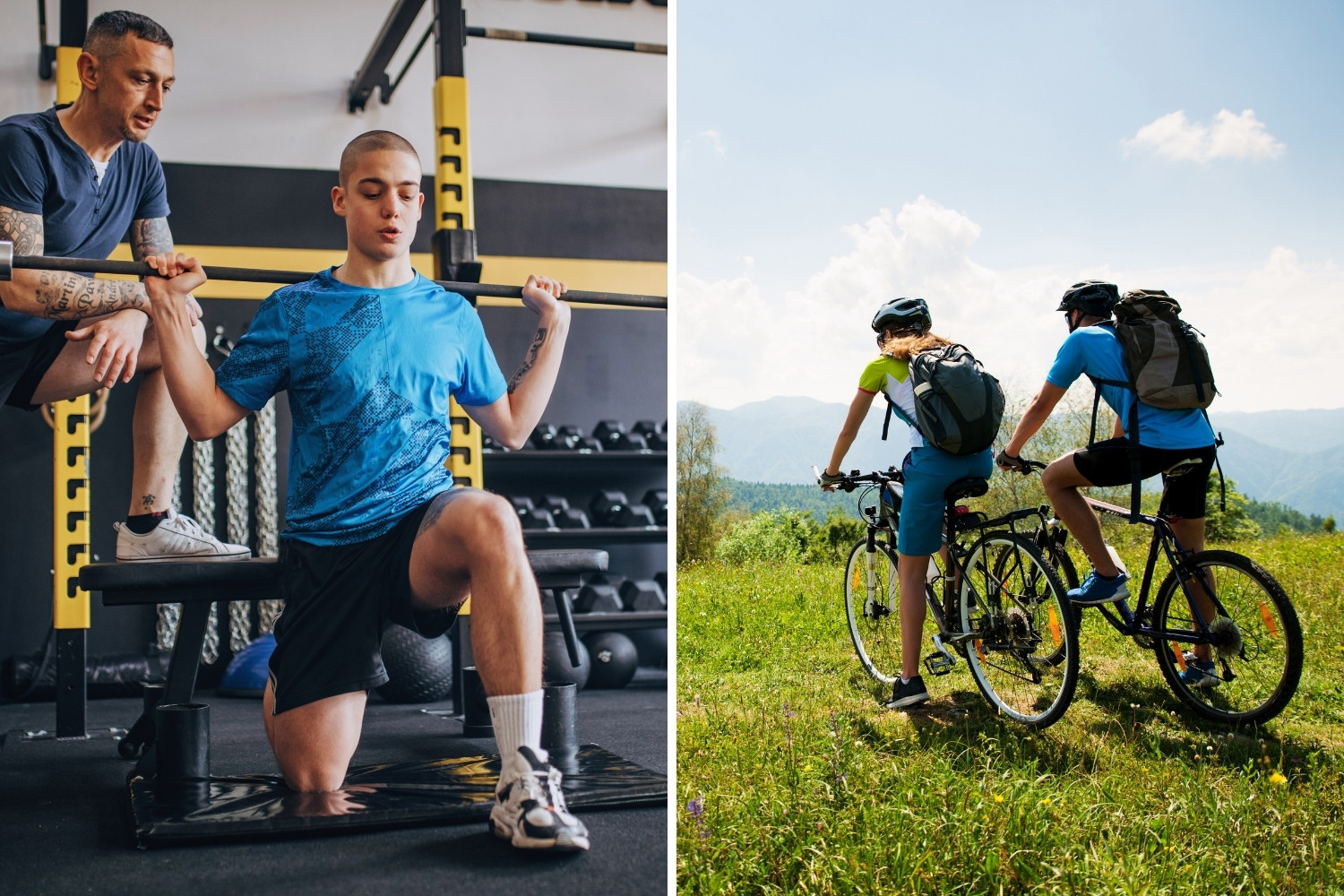
A crucial factor in achieving a spectacular journey while conquering the altitude of the Inca Trail is definitely preparing months in advance. Hikers should usually practice some sport such as cycling, hiking, or go to the gym. These activities prepare your muscles to endure more than 5 hours of walking over mixed terrain (dirt, sand, gravel, rocks). The first section of the classic Inca Trail to Machu Picchu is quite easy, following a flat path and allowing you to enjoy the climate of the Sacred Valley of the Incas. After two hours, there is a short climb to the viewpoint overlooking the ruins of Llaqtapata. This 25° incline tests the endurance of many hikers. Those who manage to overcome this first challenge without difficulty usually complete the entire Inca Trail. If hikers experience any difficulties, they will undergo a preliminary assessment, during which the lead guide will administer some oxygen or allow them to rest.
After two hours, the Inca Trail enters the Andean ecosystem and inter-Andean valleys, where adventurers must face ascents and descents through sandy paths and wooded areas of the Tarayoc Valley. Here, the Inca Trail altitude is moderate, with many points between 2,600 and 2,800 meters. But as a guide with several years of experience working on the Inca Trail, I must mention that it’s common for many vegetarian hikers to experience altitude sickness, even after acclimatizing for up to three days in Cusco. The reason is that in the Peruvian Andes, the phenomenon of hypoxia, combined with electrolyte loss and physical exertion, makes these individuals more susceptible to altitude sickness. Therefore, it’s vital to stay well-hydrated with electrolytes and maintain a diet high in carbohydrates and protein. It’s beneficial to consume chocolate bars with honey and grains like quinoa and amaranth. Likewise, it’s advisable to wear the best trail running shoes possible, as these are lightweight and comfortable for the feet.
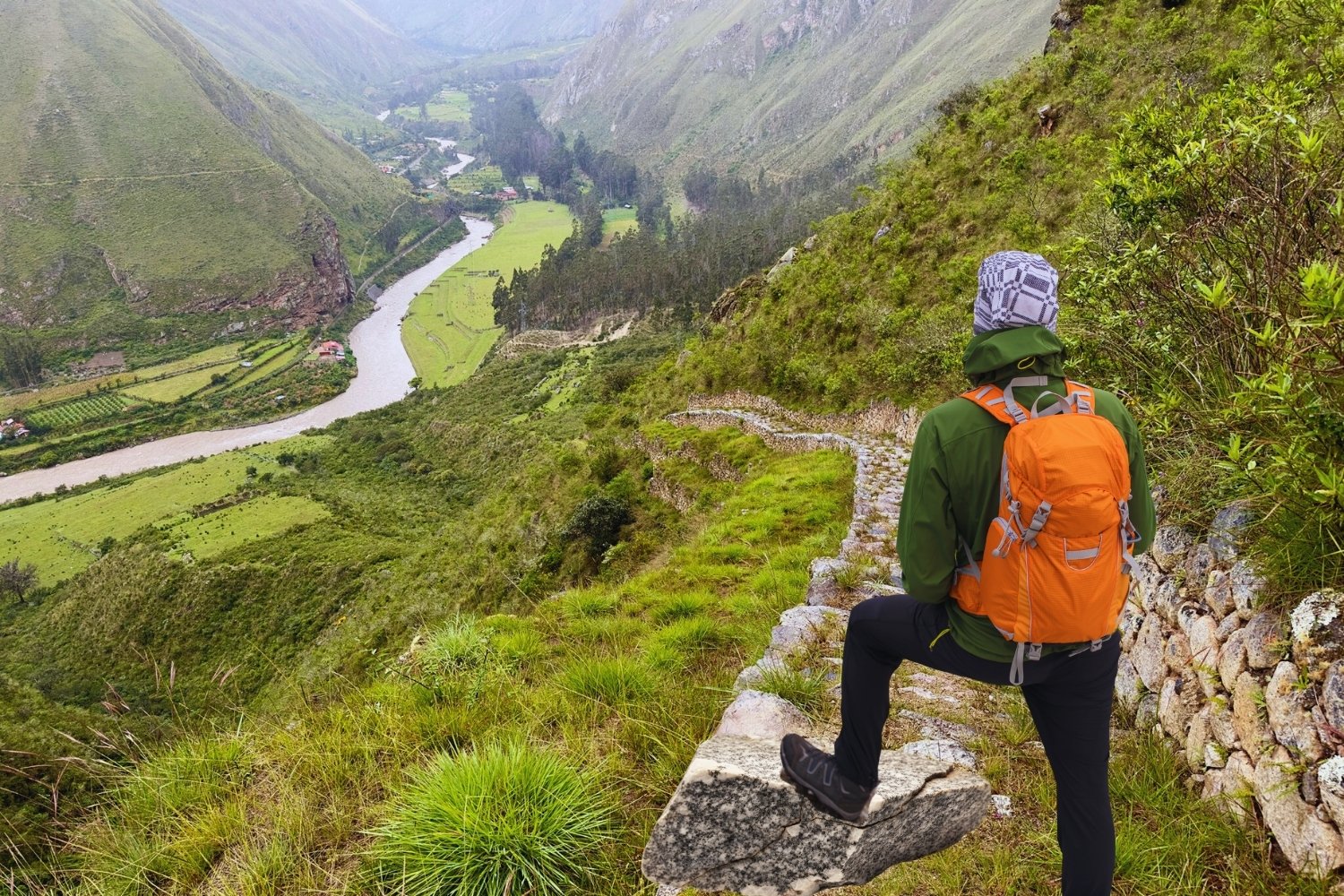
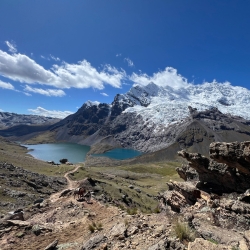
Hiking the Inca Trail is a dream for many adventurers, but understanding the elevation is key to preparing for the journey. The trail spans approximately 26 miles (42 kilometers) and reaches its highest point at Warmiwañusqa, famously known as Dead Woman’s Pass, which sits at 4,215 meters (13,828 feet) above sea level. This is the most demanding section of the trek, often occurring on the second day. At this altitude, the air is noticeably thinner, and even seasoned hikers may feel shortness of breath, fatigue, or dizziness. However, the reward is unmatched: standing at the summit surrounded by the mighty Andes gives you a profound sense of accomplishment and an incredible view before descending into the cloud forest.
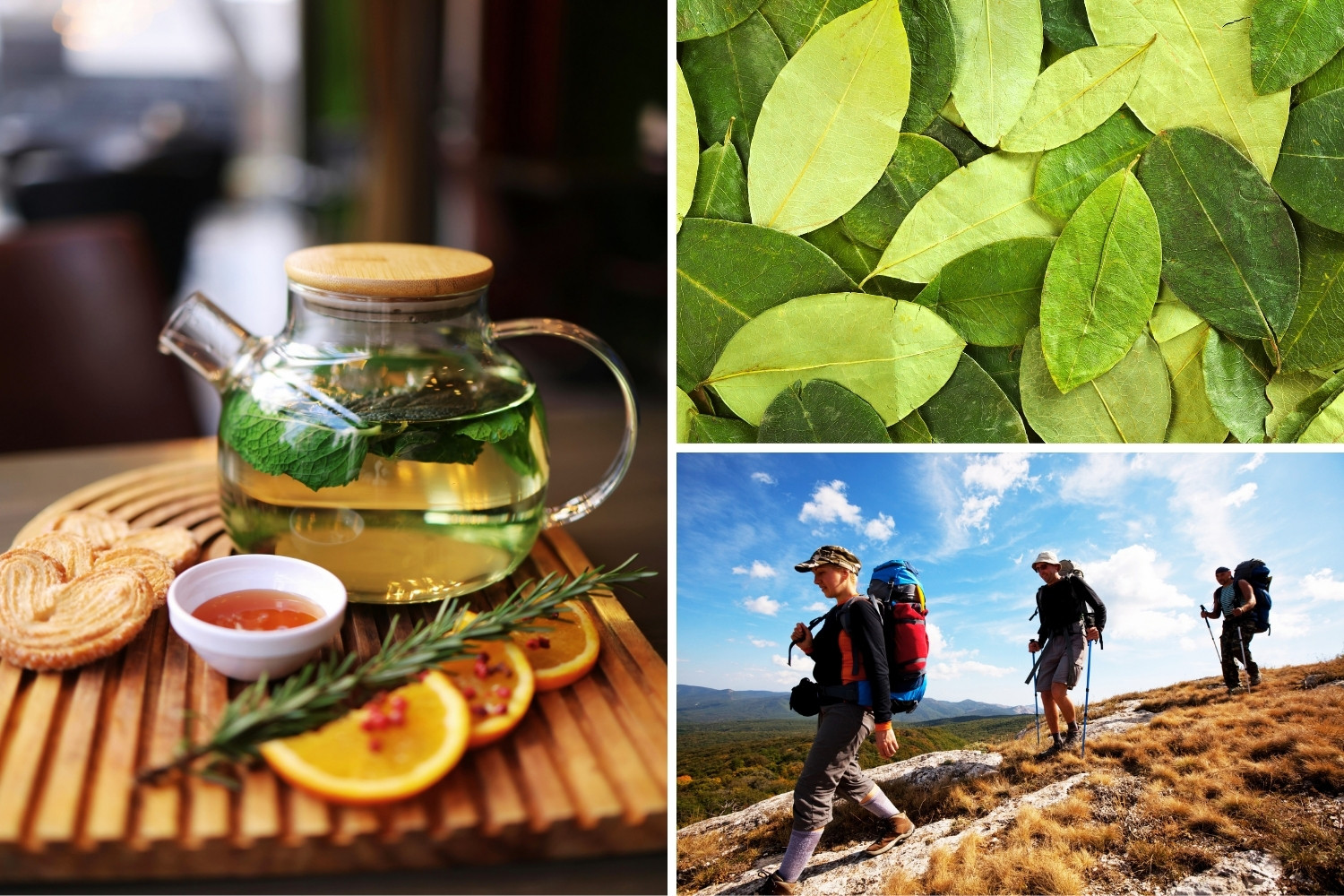
Altitude sickness is a real concern, and it doesn’t discriminate based on age or fitness level. The key is acclimatization. Most itineraries recommend spending at least two days in Cusco (3,400 m / 11,200 ft) before starting the trek. During the hike, the golden rule is to go slowly literally, “take it easy.” Porters and guides often emphasize the Quechua concept of ñan, or the path of life, encouraging trekkers to walk at a steady, relaxed rhythm. Hydration is crucial and chewing coca leaves or sipping muña tea can help alleviate mild symptoms. Listening to your body is not a sign of weakness; it is the smartest tool you must avoid acute mountain sickness.
Despite the physical demands, the Inca Trail’s elevation is also what makes it magical. The changing altitudes create an incredible diversity of ecosystems: from high-altitude puna grasslands to misty cloud forests and finally the subtropical jungle. As you ascend and descend, the temperature shifts, the vegetation transforms, and ancient archaeological sites like Runkurakay and Phuyupatamarca appear like stairways to the sky. By the time you reach the Sun Gate (Inti Punku) on the final morning and see Machu Picchu glowing in the sunrise, every breathless step feels worth it. The altitude isn’t just a challenge, it’s part of the story that makes reaching the Lost City of the Incas an unforgettable achievement.
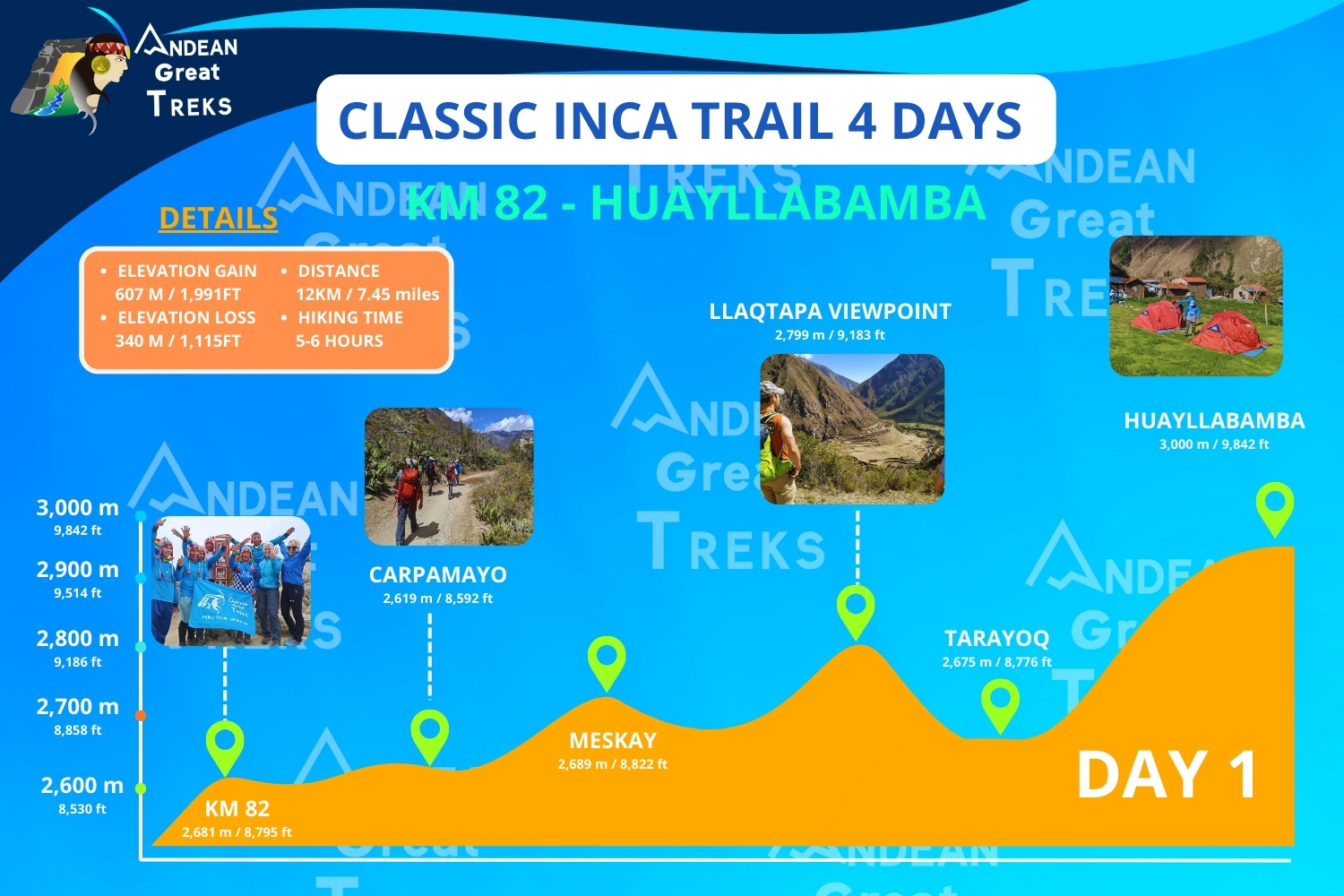
Day 1 is your introduction and “warm-up.” You start at Kilometer 82, which sits at approximately 2,700 meters (8,900 ft), and follow a relatively gentle path alongside the Urubamba River. The day involves modest undulations rather than punishing climbs, with an elevation gain of about 400-600 meters as you make your way to the first campsite at Wayllabamba (3,000m / 9,842 ft). This is the day your body begins the crucial process of adapting to the thinning air, and the moderate pace allows you to settle into the rhythm of the trail while passing the impressive ruins of Patallacta.
HIKING TRAIL DETAILS
Archaeological sites in the Inca Trail
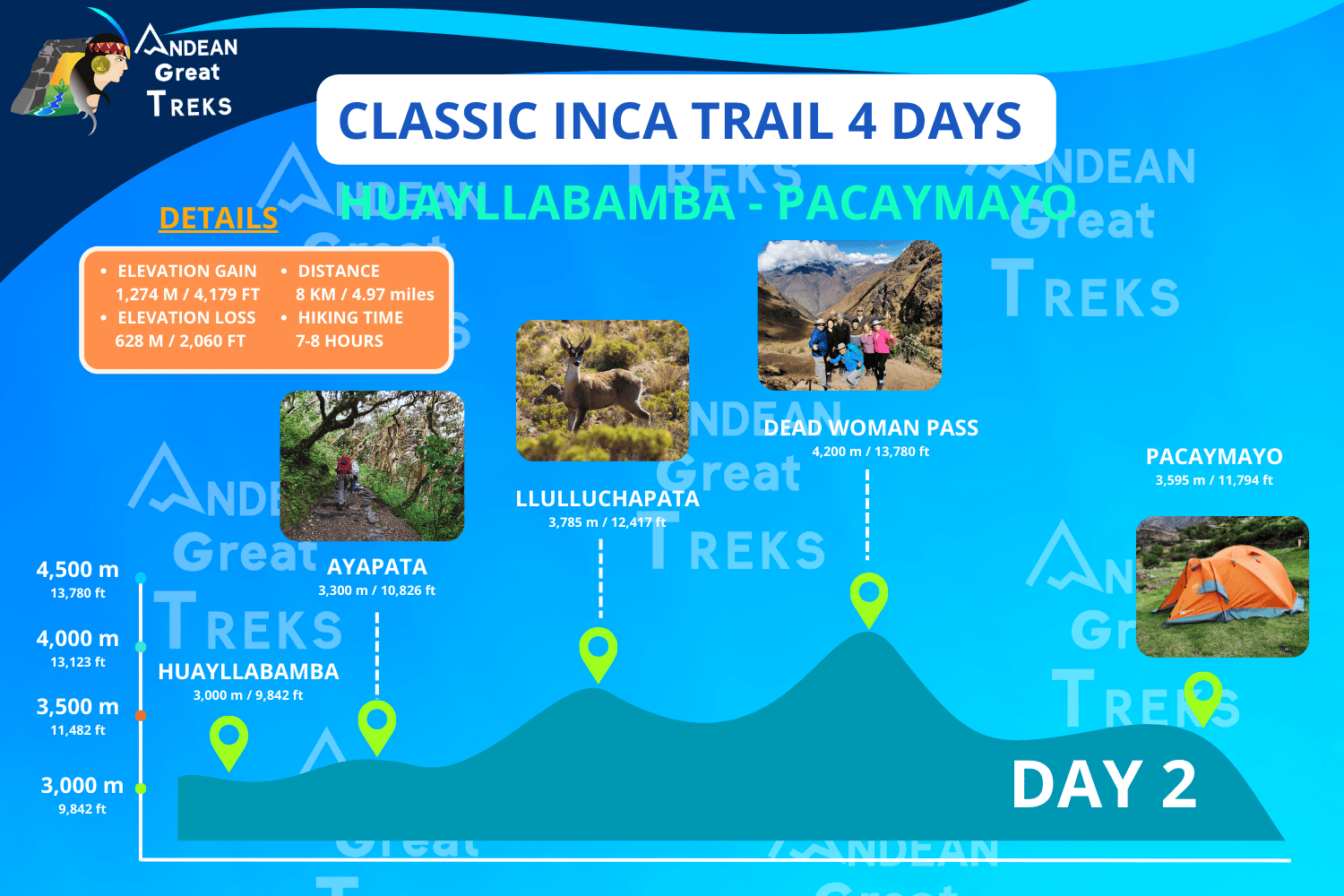
Day 2 is unequivocally the king of the challenge. This is the day you confront Dead Woman’s Pass (Warmiwañusqa), the undisputed highest point of the entire trek at 4,215 meters (13,828 ft) . You wake at Wayllabamba and immediately begin a relentless ascent, gaining roughly 1,200 meters (4,000 ft) of elevation over just a few hours. The air here contains roughly 40% less oxygen than at sea level, and every step demands a conscious effort. Trekkers often describe this as an emotional and physical battle, pushing through steep stone steps and exposed terrain to finally stand at the pass. The feeling of accomplishment is immense, but the day is only half over; you must immediately descend 600 meters down uneven Incan stairs to the campsite at Pacaymayo (3,600m / 11,800 ft), leaving your knees as tired as your lungs.
HIKING TRAIL DETAILS
CAMPSITES IN THE INCA TRAIL AND ALTITUDE
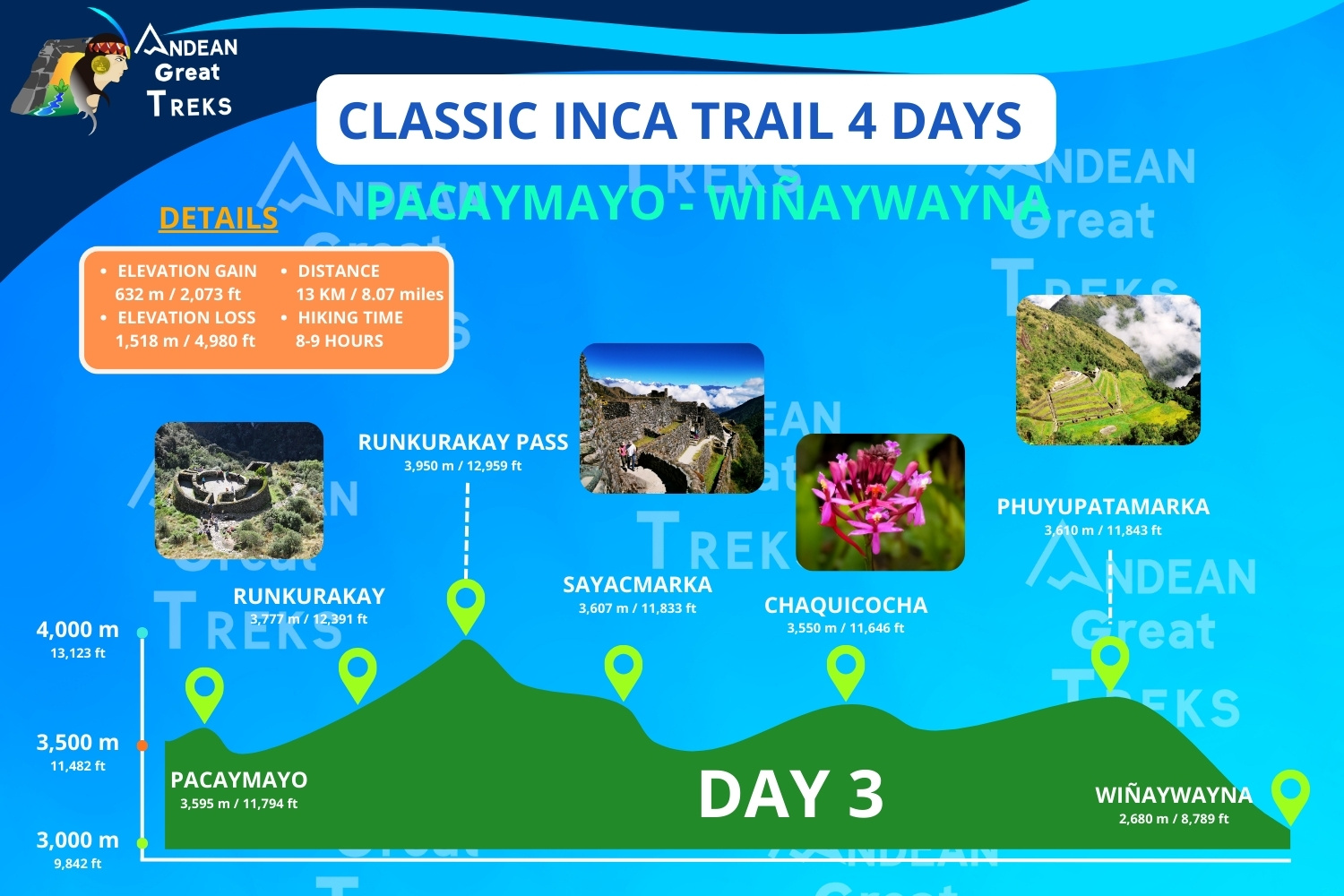
Day 3 is a technical combination of jabs. You will climb two significant passes Runkurakay Pass (3,950m / 13,000 ft) and Phuyupatamarca Pass (3,650m / 12,000 ft)—but the net elevation gain is much lighter than the previous day. The real story of Day 3 is the constant change; you ascend to one pass, descend into a cloud forest, then climb again. This is widely considered the most beautiful day of the trek. You walk through original Inca tunnels, moss-covered stone pathways, and visit spectacular ruins like Sayacmarca and the aptly named Phuyupatamarca, which translates to “Town Above the Clouds”. The day ends with a long, steep descent of hundreds of stone steps into Wiñay Wayna (2,700m / 8,900 ft), a lush campsite that prepares you for the final.
HIKING TRAIL DETAILS
ARCHAEOLOGICAL SITES IN THE INCA TRAIL
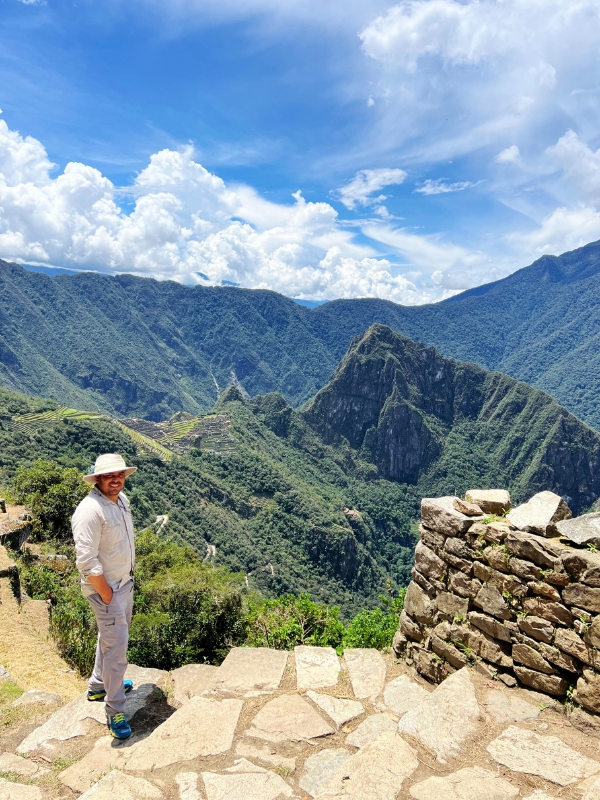
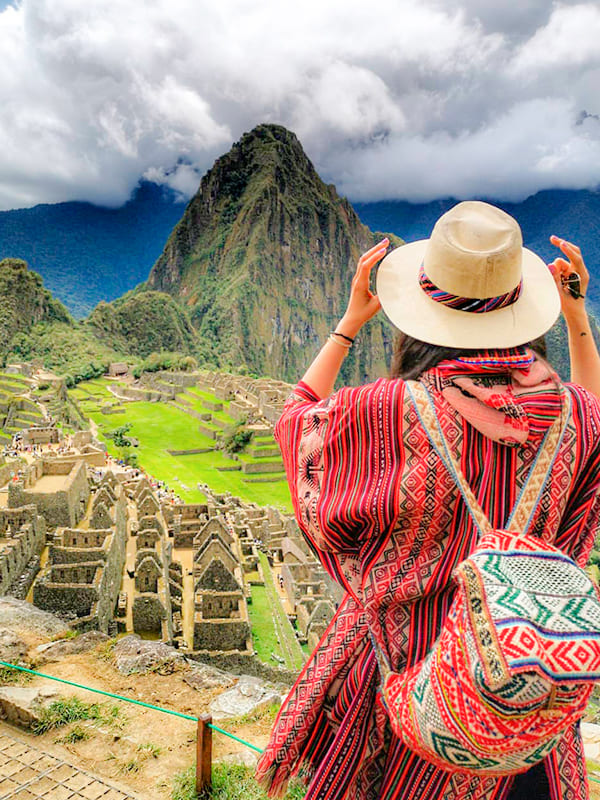
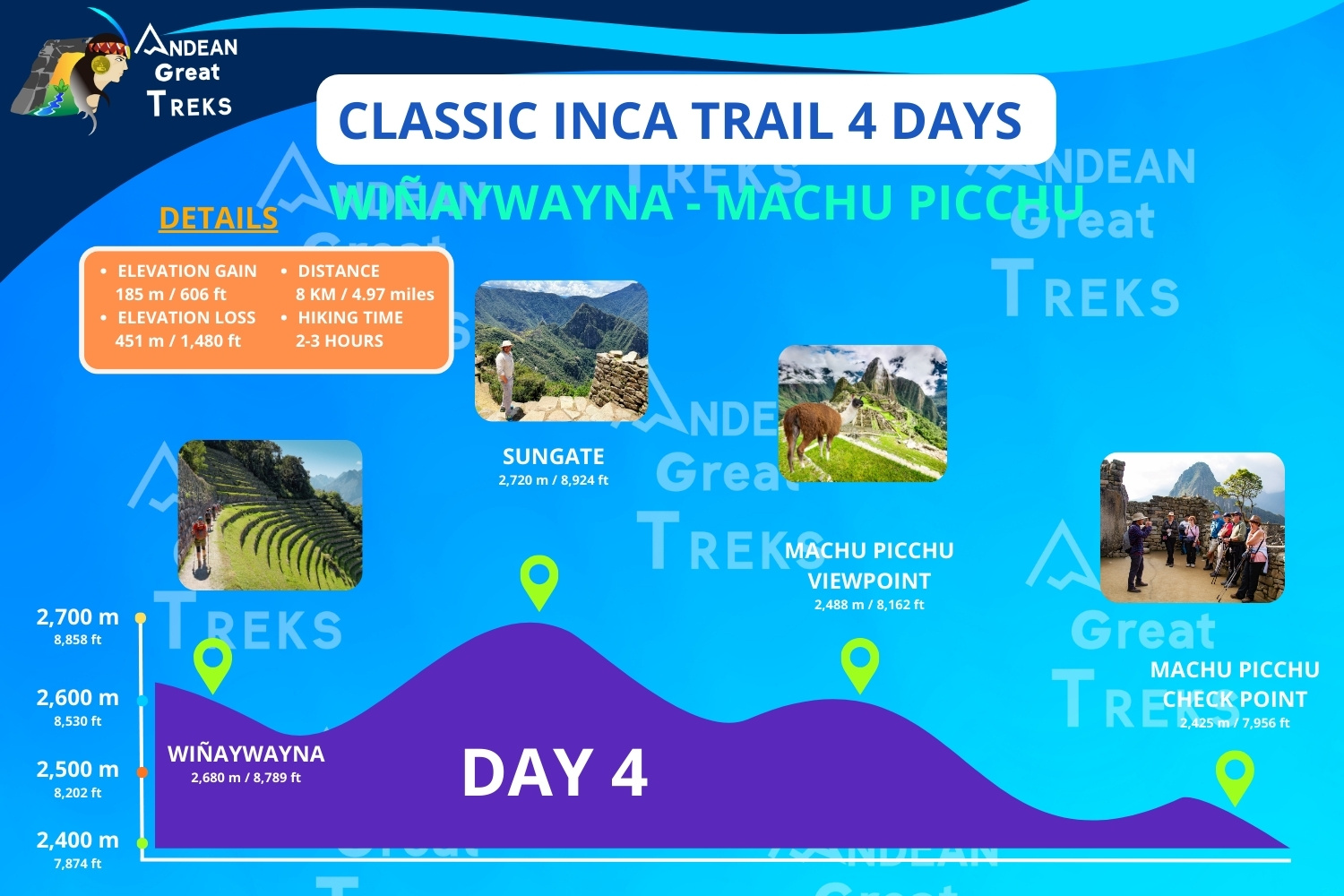
Day 4 is the emotional release. You wake before dawn (usually around 3:30 AM) and line up at the final checkpoint. The path from Wiñay Wayna to the Sun Gate (Inti Punku) is a short but intense ascent, including the famous “Monkey Steps” where you may need to use your hands. At Inti Punku (2,700m / 8,900 ft), you are rewarded with the first panoramic view of Machu Picchu sitting gracefully at 2,400 meters (7,900 ft). Interestingly, the citadel itself sits at a lower altitude than Cusco and even the starting point of the trek. From the Sun Gate, it is a gentle, almost euphoric 30-minute descent into the ancient sanctuary. After four days of battling high passes, you walk into the Lost City of the Incas on flat ground—a final, poetic mercy from the Andes.
HIKING TRAIL DETAILS
ARCHAEOLOGICAL SITES IN THE INCA TRAIL
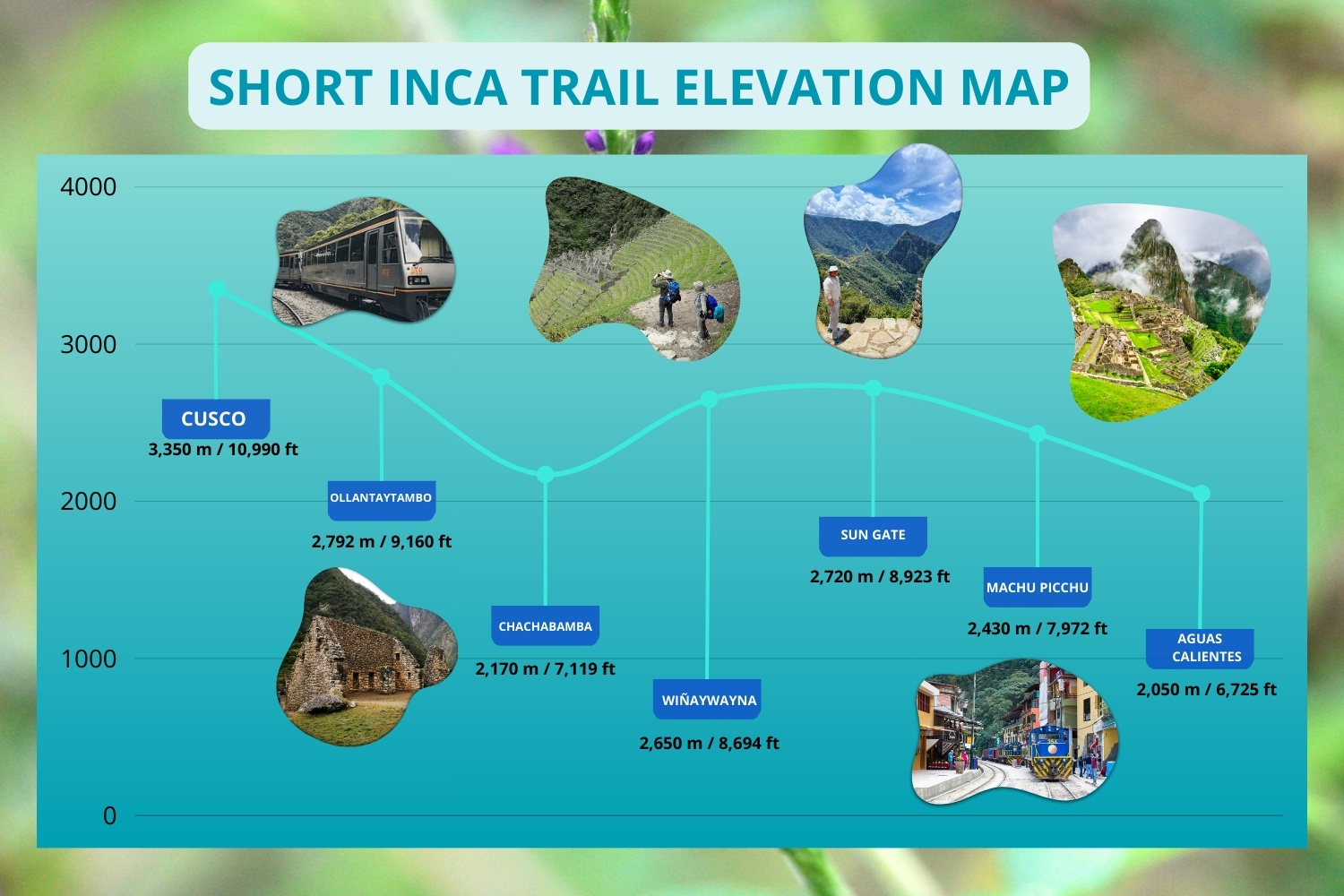
Your journey begins early in the morning at Km 104, the official trailhead located at approximately 2,100–2,200 meters (6,890–7,218 feet) above sea level. From there, you embark on a steady but gradual ascent through lush subtropical forest, passing the archaeological site of Chachabamba before climbing towards the day’s primary objective. The highest point of the entire trek is Inti Punku, the legendary Sun Gate, which sits at a manageable 2,720–2,730 meters (8,924–8,956 feet). This means your total elevation gain on the first day is only around 520 to 620 meters, a significant difference from the 1,200-meter climbs experienced on Day 2 of the classic trek.
This moderate elevation profile is precisely what makes the 2-day Inca Trail such an attractive option for families, older travelers, or those with limited time in Cusco. Because you never exceed 2,800 meters, the risk of severe altitude sickness is dramatically reduced. Trekkers often report feeling shortness of breath due to the physical exertion of the stone steps, but the thin-air headaches and nausea associated with high-altitude trekking are far less common here. The trail takes you through a humid, subtropical ecosystem where the oxygen levels are noticeably richer than in the high Andean Puna. However, acclimatization is still recommended; spending at least one full day in Cusco (3,400m) before the trek helps your body adjust, ensuring you can fully enjoy the three-hour climb to the stunning Inca complex of Wiñay Wayna (2,650m) without unnecessary discomfort.
The second day presents an interesting contrast in elevation dynamics. You begin in the town of Aguas Calientes, which sits at a modest 2,040 meters (6,692 feet) lower than where you started the previous morning. A short 20–30 minutes bus ride carries you up the winding mountain road to the entrance of Machu Picchu citadel, perched at approximately 2,400–2,430 meters (7,872–7,972 feet). Unlike the first day, there is virtually no trekking involved in reaching this altitude. This low-elevation setting allows you to focus entirely on the archaeological wonder before you rather than gasping for air. In essence, the 2-day Inca Trail offers the iconic experience of entering Machu Picchu through the Sun Gate just like the classic trekkers, but it removes the extreme altitude barrier, making the dream of arriving on foot, rather than by train or bus achievable for a much wider range of adventurers.
HIKING TRAIL DETAILS
ARCHAEOLOGICAL SITES IN THE INCA TRAIL
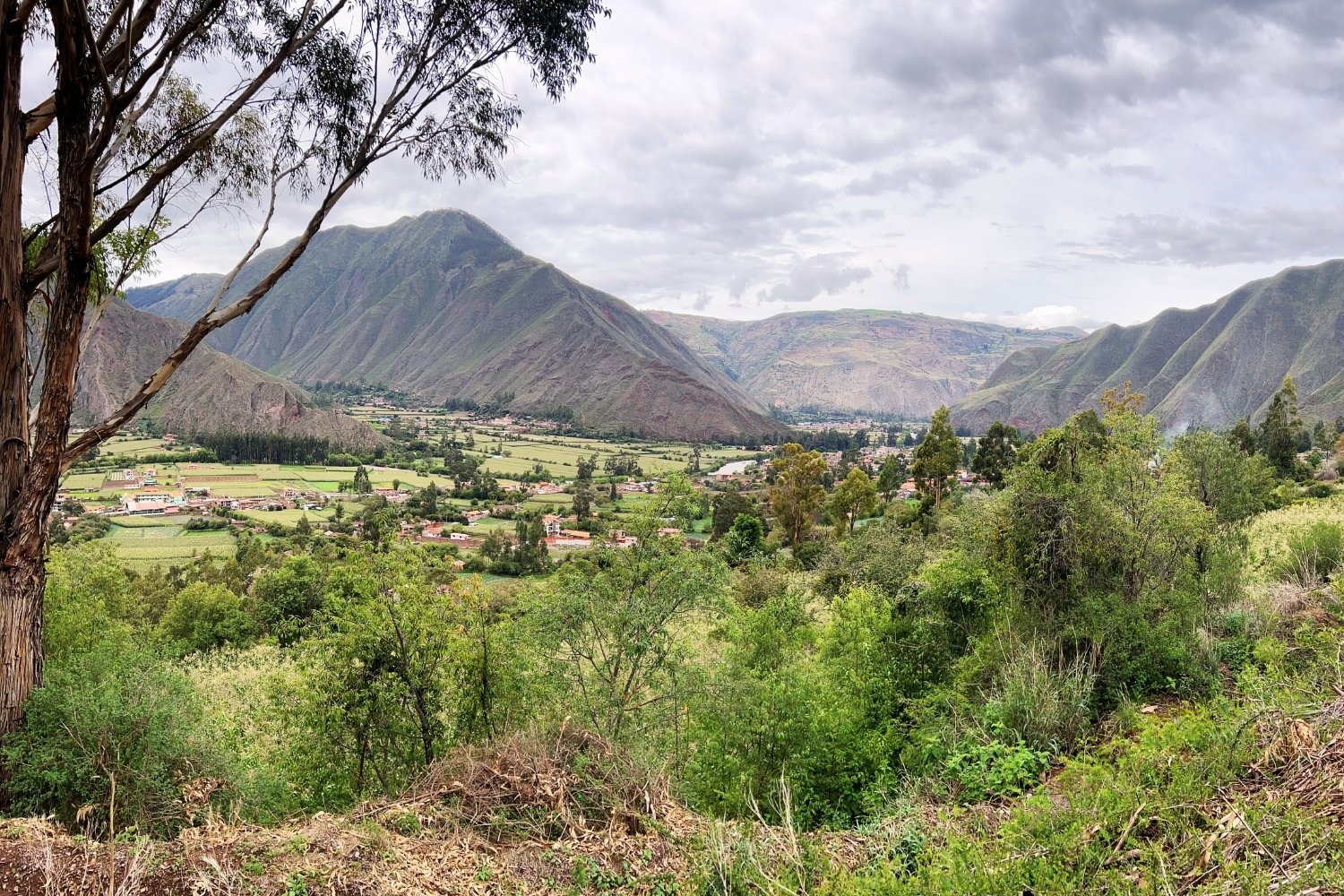
Altitude sickness, or soroche, is the single most common concern among trekkers heading to the Inca Trail, and for good reason. The classic route reaches heights of over 4,200 meters, where oxygen levels are roughly half of what you breathe at sea level. Symptoms typically include headache, nausea, dizziness, loss of appetite, and fatigue. The most effective strategy begins long before you set foot on the trail: acclimatization. Spending at least two full days in Cusco (3,400m) or the Sacred Valley (2,800m) allows your body to begin producing more red blood cells and adjusting to the thinner air. Many experienced trekkers also recommend arriving a day early in Cusco and taking it extremely slow, avoiding heavy meals and alcohol entirely. Gentle hikes to nearby ruins like Sacsayhuamán or a visit to the Maras Moray salt mines—themselves set at altitude—serve as excellent “practice rounds” before the main event.
Once on the trail, your daily habits become your best defense against altitude sickness. Hydration is non-negotiable: aim for at least three to four liters of water per day, as dehydration mimics and worsens every symptom of soroche. Local remedies are also deeply embedded in Andean trekking culture. Coca leaves, the sacred plant of the Incas, are mild stimulants that help alleviate fatigue and altitude discomfort; chewing them or drinking coca tea is perfectly legal and widely practiced on the trail. Muña mint, an Andean herb, is also brewed into tea and is known for soothing digestion and reducing shortness of breath. Your guide will constantly remind you of the golden rule: walk slowly, using the “tortoise pace” method. If you need to stop and breathe after ten steps, do it. Pride has no place at 4,000 meters.
Crucially, you must learn to distinguish between mild discomfort and dangerous deterioration. Feeling breathless or having a light headache is normal and manageable. However, if symptoms escalate to persistent vomiting, loss of coordination, confusion, or a persistent dry cough, you may be experiencing High Altitude Pulmonary or Cerebral Edema (HAPE or HACE), which are life-threatening conditions. Reputable tour operators carry portable oxygen tanks and satellite phones, and every guide is trained to recognize these warning signs. The only true cure for severe altitude sickness is immediate descent. It is heartbreaking to turn back, especially with Machu Picchu so close, but the mountains are patient. They will wait for your return. Listening to your body is not failure; it is the oldest wisdom of the Andes.

Defeating the altitude on the Inca Trail begins long before your boots touch the first stone step. The single most effective strategy is time—your body needs a minimum of 48 to 72 hours to begin producing additional red blood cells and adjusting to lower oxygen levels. Arriving in Cusco (3,400 meters / 11,200 feet) and immediately attempting the trek is a recipe for misery. Instead, plan to arrive at least two, ideally three, full days before your departure. During these initial days, your only mission is rest and gentle exploration. Avoid the temptation to rush: skip the intense hikes, postpone the quad bikes, and say no to the late nights. Walk slowly through the cobblestone streets of Cusco, visit the nearby ruins of Sacsayhuamán or Tambomachay at a leisurely pace, and allow your body to whisper its adjustments to you. This quiet acclimatization is not wasted time; it is the foundation upon which your entire trek is built.
The strategic secret to conquering Inca Trail altitude lies not in Cusco, but lower down. The Sacred Valley, sitting at approximately 2,800 meters (9,186 feet), is significantly lower than Cusco and offers an ideal compromise between acclimatization and comfort. Many seasoned trekkers choose to spend their first night in the Sacred Valley—in towns like Urubamba, Ollantaytambo, or Yucay—rather than in Cusco itself. This lower altitude allows your body to begin adapting with less stress and sleeping well is infinitely easier at 2,800 meters than at 3,400. From there, you can visit the impressive ruins of Pisac or Ollantaytambo, both of which sit at moderate elevations, before gradually moving higher. This “climb high, sleep low” philosophy is borrowed from mountaineering expeditions and translates perfectly to the Inca Trail preparation. You expose yourself to altitude during the day, but return to lower ground to recover and sleep deeply.
Hydration and nutrition during this pre-trek window are just as critical as your choice of location. Beginning a rigorous hydration regimen 48 hours before the trek can significantly reduce the severity of altitude symptoms. Aim for three to four liters of water daily, and avoid diuretics like coffee and alcohol entirely during this acclimatization period. Traditional Andean remedies also play a powerful role here. Coca tea, served in virtually every Cusco hotel and restaurant, is a gentle vasodilator that helps your body utilize oxygen more efficiently. Drinking it several times a day during your acclimatization phase primes your system for the demands ahead. Similarly, eating light, easily digestible meals—soups, fruits, quinoa, and vegetables—rather than heavy meats and fried foods, allows your digestive system to conserve energy that your body desperately needs for altitude adjustment. Your stomach and your lungs are silent partners in this endeavor.
Finally, the best acclimatization process includes a “dress rehearsal.” Consider taking a day trip to a high-altitude destination before the trek itself. The Maras Moray archaeological site, with its circular agricultural terraces, sits at approximately 3,500 meters, while the nearby salt mines of Maras are lower at 3,000 meters. This combination offers a perfect half-day excursion that tests your body’s response to altitude without committing you to an overnight trek. Alternatively, the Rainbow Mountain day trip, while spectacular, is too demanding and high (5,200 meters) for genuine acclimatization and is best saved for after the Inca Trail. The goal is not exhaustion but awareness: learning how your specific body reacts to thin air, discovering your personal pace, and building confidence. By the time you stand at Kilometer 82 on your first morning, you will not merely hope the altitude will spare you; you will have already earned your partnership with the Andes. The mountains respect preparation, and they reward patience with passage.
Preparing for the Inca Trail is not merely about booking a permit and packing a backpack. This ancient pathway demands respect, and the trekkers who succeed are those who treat preparation as a holistic process involving physical conditioning, altitude readiness, mental resilience, and logistical intelligence. The Inca Trail is not an easy endeavor, but it is a profoundly accessible one for those who prepare with intention. The mountains do not demand that you be the fittest person on the trail; they simply ask that you arrive ready to listen, to persist, and to move with patience and respect. Preparation transforms uncertainty into confidence, fear into excitement, and struggle into flow. When you finally stand at the Sun Gate, breathless not from altitude but from wonder, you will understand that every stair climbed in training, every early morning run, every ounce of water drank in preparation was not a sacrifice. It was an offering. And the Andes always honor those who come prepared.
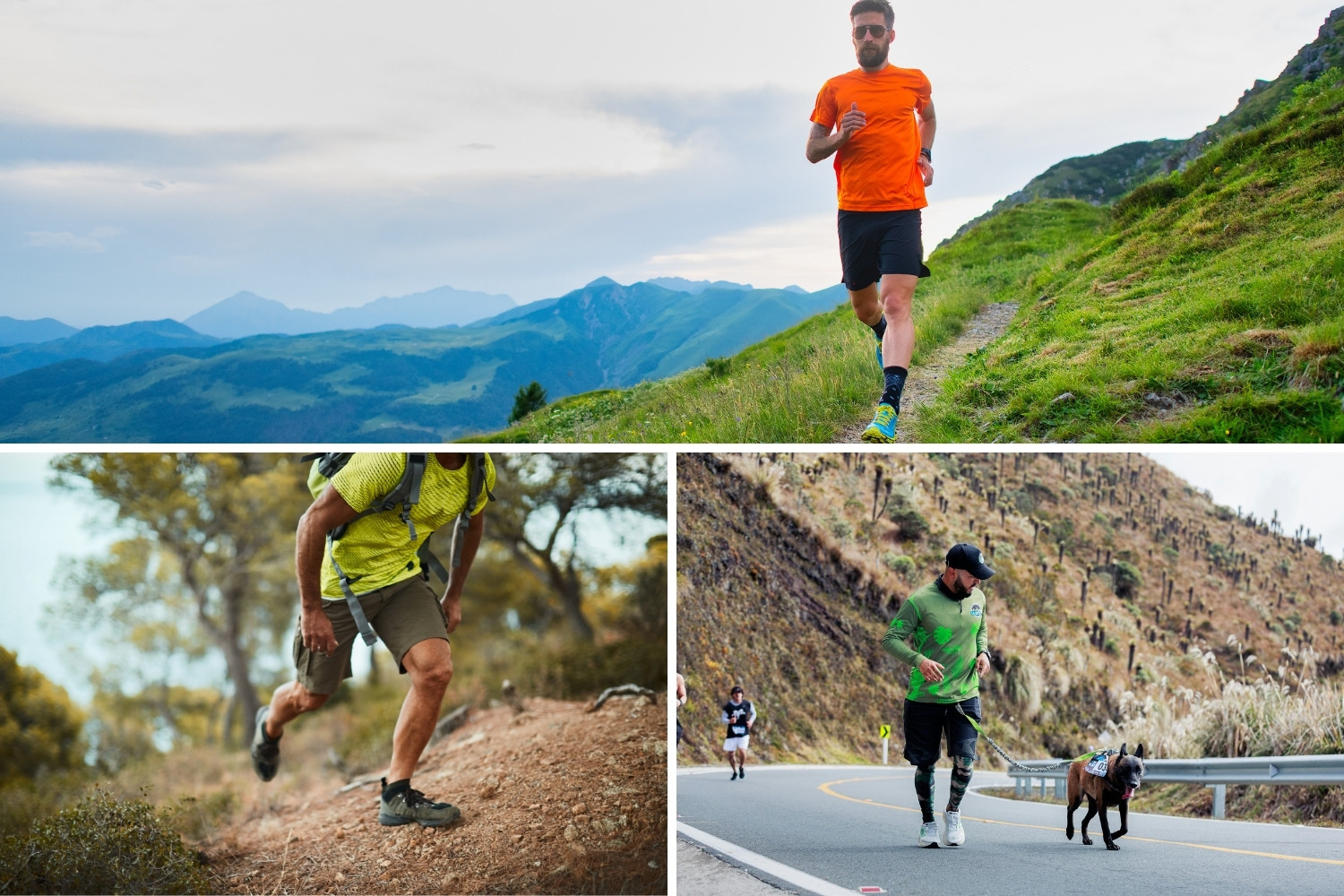
The Inca Trail is often described as “stairs, stairs, and more stairs.” Therefore, your training must prioritize step climbing, cardiovascular endurance, and lower body strength. Begin your preparation at least eight weeks before your trek, gradually increasing intensity as your departure date approaches. The single most effective exercise is stair climbing. If you have access to a stadium, a tall building, or even a stair climber machine, dedicate at least two sessions per week to sustained ascending and descending. Aim for 45 to 60 minutes of continuous stair work, simulating the repetitive nature of Inca stone steps. Descending is particularly demanding on the knees and quadriceps, so practice controlled, steady downward stepping to build eccentric strength and joint stability.
Hiking with a loaded backpack is non-negotiable. Your daypack on the trail will weigh approximately five to seven kilograms, while porters carry the bulk of camping equipment. Train by hiking on uneven terrain with a weighted pack, gradually increasing both distance and elevation gain. Weekend hikes of 10 to 15 kilometers with 500 to 800 meters of ascent are excellent benchmarks. If you live in a flat area, do not despair; treadmill incline training at 10 to 15 percent grade for 60 minutes, combined with lunges, step-ups, and Bulgarian split squats, will effectively target the glutes and quadriceps that power every step upward. Cardiovascular conditioning is equally vital; incorporate running, cycling, or swimming to improve your aerobic capacity, aiming for at least three to four sessions per week. Remember: you are training not for speed, but for endurance. The tortoise always wins on the Inca Trail.
The Inca Trail is not the place to discover that your boots cause blisters or your rain jacket is no longer waterproof. Begin breaking in your hiking boots at least four weeks before departure. Wear them on short walks, then gradually longer hikes, ensuring they mold to your feet without pressure points. Synthetic or merino wool hiking socks are essential, and many experienced trekkers bring an extra-thin liner sock to reduce friction. Do not wait until Peru to test your gear. Set up your tent in your backyard, test your sleeping bag’s comfort rating, and ensure your headlamp has fresh batteries. Every piece of equipment should be familiar to you before you reach the trailhead.
Layering is the foundation of Inca Trail comfort. Daytime temperatures can reach 20°C (68°F) while nights hover near freezing. A typical layering system includes a moisture-wicking base layer, an insulating mid-layer (fleece or light down jacket), and a waterproof shell. Avoid cotton entirely; it retains moisture and drains body heat. Break in your trekking poles before departure and practice using them rhythmically—poles reduce knee strain by up to 25 percent on descents and provide crucial stability on uneven terrain. Finally, pack your backpack and walk with it repeatedly. Adjust the hip belt, shoulder straps, and load lifters until the weight transfers comfortably to your hips. Your future self, climbing Dead Woman’s Pass, will thank you.
Physical fitness alone does not finish the Inca Trail; mental fortitude carries you through the final steps. The second day, in particular, is as much a psychological challenge as a physical one. You will climb relentlessly for hours, your lungs burning, the summit seemingly never arriving. Preparing your mind for this moment is as important as training your legs. Practice discomfort deliberately. Take cold showers. Go for runs in the rain. Sit quietly with your thoughts during long training hikes without music. Learn to observe your discomfort without panicking. Your breath is always there; return to it.
Visualization is a powerful tool used by athletes and adventurers alike. Close your eyes and imagine yourself on the trail. Feel the weight of your pack, the uneven stones beneath your feet, the thin air entering your lungs. Visualize reaching Dead Woman’s Pass, the wind whipping around you, the panoramic Andes stretching infinitely. Feel the exhaustion and the exhilaration simultaneously. Then visualize the final morning—the predawn darkness, the cold, the anticipation, and finally, the golden sunrise over Machu Picchu from Inti Punku. When you have already visited this moment in your mind a hundred times, arriving there in reality feels not like luck, but like destiny.
Your body is an engine, and the Inca Trail is a sustained high-performance demand. In the weeks before your trek, prioritize whole foods—complex carbohydrates, lean proteins, healthy fats, and abundant fruits and vegetables. Carbohydrates are particularly important, as they provide the readily available energy your muscles crave during sustained exertion. Quinoa, oats, sweet potatoes, brown rice, and whole grain bread are excellent choices. Iron-rich foods like spinach, lentils, and red meat support red blood cell production, which directly impacts your ability to utilize oxygen at altitude.
Hydration habits must be cultivated before you ever board your flight. Aim for two to three liters of water daily in the weeks leading up to your trek, reducing alcohol and caffeine intake. Upon arriving in Cusco, increase your water consumption further and add coca tea to your daily routine. Many trekkers bring electrolyte tablets to add to their water on the trail; using them during your training hikes helps your digestive system become accustomed to them. Avoid experimenting with new supplements or energy products on the trail itself. Whatever you plan to eat and drink during the trek—energy gels, protein bars, electrolyte mixes—test them during your long training sessions to ensure they agree with your stomach.
To synthesize all the above, here is a practical week-by-week activity guide for the eight weeks leading up to your trek:
The moment you suspect altitude sickness on the Inca Trail, your first and most critical action is immediate communication with your guide. This is not the time for stoicism or hoping symptoms will simply pass. Certified trekking operators employ Wilderness First Responder (WFR) guides who undergo 70 to 80 hours of intensive medical training specifically designed for remote mountain emergencies. These professionals carry specialized diagnostic equipment including pulse oximeters to measure your blood oxygen saturation, blood pressure cuffs, and thermometers. Upon detecting symptoms—which may include persistent headache, nausea, vomiting, dizziness, or extreme fatigue—the guide will conduct an immediate assessment. If your oxygen saturation levels are dangerously low or if you exhibit signs of moderate to severe Acute Mountain Sickness (AMS), the first line of intervention is supplemental oxygen from the portable tanks that every reputable operator carries on every trek. For milder cases, your guide may administer over-the-counter pain relief such as ibuprofen or acetaminophen, encourage aggressive hydration, and insist on complete rest while monitoring your condition closely. Some operators also carry advanced prescription medications like Dexamethasone for cerebral edema or Nifedipine for pulmonary edema, though these are administered strictly under WFR protocols and only when clinically indicated.
The distinction between mild altitude sickness and life-threatening emergencies hinges entirely on your body’s response to initial treatment. Mild AMS typically improves with oxygen, rest, and hydration. However, if your symptoms worsen despite these interventions—particularly if you develop confusion, loss of coordination (ataxia), difficulty walking in a straight line, persistent vomiting, a dry cough producing frothy sputum, or extreme shortness of breath even at rest—you are likely experiencing High Altitude Pulmonary Edema (HAPE) or High Altitude Cerebral Edema (HACE). These are medical emergencies that require immediate evacuation. At this critical juncture, your guide will activate the established emergency protocol. Using satellite phones or long-range two-way radios—devices carried by all guides on every trek precisely because cell service is nonexistent in the Andes—they will contact their Cusco-based operations center and partner medical facilities such as Clinic 02 or Medical Cusco. This communication is not merely administrative; it often involves real-time consultation with a physician who can advise on stabilization measures while the evacuation logistics are mobilized. The guide will coordinate the fastest possible extraction route based on your precise location on the trail, while simultaneously stabilizing you with continuous oxygen, appropriate positioning, and keeping you warm and calm.
The evacuation process itself is methodical and depends heavily on where you are on the trail when the emergency occurs. On the Classic Inca Trail, there are no roads and no vehicle access; evacuation is therefore a multi-stage operation. For trekkers who become incapacitated between checkpoints, the protocol involves carrying the patient on a specialized spinal or evacuation stretcher to the nearest designated extraction point, which is typically the closest ranger station or the trailhead at Km 104 or Km 82. This is physically demanding and requires the coordinated effort of the guide team and porters, all of whom are trained in safe patient transport techniques. Once you reach an accessible location, transportation is arranged based on the severity of your condition. For moderate cases where you are stable but unable to continue hiking, you will be transported by private van or taxi directly from the trail exit back to Cusco, a journey of approximately two to three hours from Ollantaytambo or Pisac. For severe emergencies requiring immediate advanced medical care, an emergency train from Aguas Calientes to Ollantaytambo may be coordinated, followed by a pre-arranged ambulance or rapid transfer vehicle that will rush you to a high-altitude medical facility in Cusco. Throughout this entire process, your tour operator’s office team serves as your hospital liaison, managing clinic admissions, providing translation support, communicating with your emergency contacts, and interfacing with your travel insurance provider.

Understanding the specific evacuation resources available on different trekking routes is essential for both prevention and peace of mind. On the Classic Inca Trail, emergency horses are not permitted, as the trail is protected national heritage and the ancient stone staircases are too narrow and steep for equine transport. Regardless of which trail you are on, the fundamental principle remains unchanged: descent is the definitive treatment for altitude sickness. Every meter you descend increases atmospheric pressure and oxygen availability, and patients with severe altitude illness often experience dramatic improvement simply by losing elevation. Your guide will not hesitate to recommend evacuation when clinically indicated, and you should never resist this decision out of a desire to finish the trek or avoid disappointment. The mountains are ancient and patient; they will welcome your return on another journey.
Once you arrive in Cusco, your care transitions from wilderness evacuation to formal medical management. The city has several reputable medical facilities experienced in treating altitude-related illnesses. Upon admission, you will receive supplemental oxygen, possibly intravenous fluids if you are dehydrated from vomiting or poor intake, and continued monitoring of your oxygen saturation and neurological status. Most patients with uncomplicated severe AMS improve rapidly with descent and supplemental oxygen, often being discharged within 24 to 48 hours. However, cases involving pulmonary or cerebral edema require more intensive management and longer hospitalization. Your tour operator’s emergency liaison team will remain actively involved throughout this phase, ensuring continuity of care, assisting with insurance documentation, and helping you make any necessary adjustments to your travel plans. It is worth emphasizing that the vast majority of altitude sickness cases on the Inca Trail are mild and resolve with rest, hydration, and supplemental oxygen without ever progressing to evacuation. However, the reason reputable operators invest heavily in satellite communications, medical-grade equipment, and annual guide training is precisely because the difference between a manageable inconvenience and a life-threatening crisis is often measured in minutes and meters. When you book your Inca Trail experience, you are not merely purchasing a trek; you are purchasing access to an entire emergency infrastructure designed to protect you when the altitude proves unforgiving. Your responsibility is to recognize your symptoms honestly, communicate them immediately, and trust the professionals who have dedicated their careers to bringing trekkers home safely from the sacred mountains.
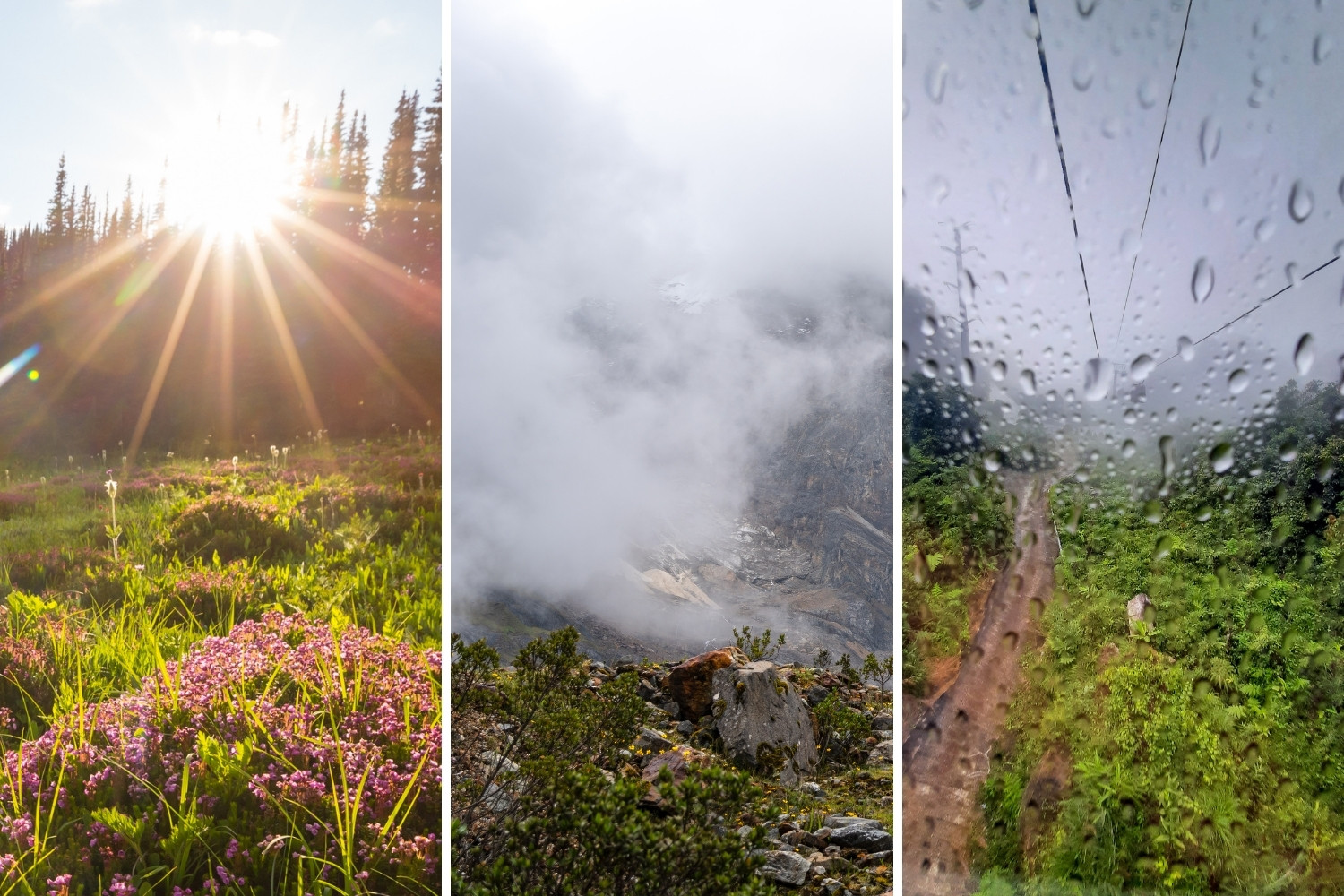
If there’s one thing that defines the Inca Trail to Machu Picchu, besides its breathtaking archaeological and natural beauty, it’s the unpredictability of its weather. Hiking this ancient route is like traversing a microclimate of every microclimate on the planet in a matter of hours. It’s not uncommon to start the morning bundled up against the cold of the high mountains, sweat under a radiant sun at midday, and end the day soaked by a torrential and unexpected downpour. Therefore, understanding the weather isn’t just a matter of comfort, but a fundamental part of preparing to ensure a safe and enjoyable experience.
The dry season, which runs from May to September, is considered the best time to undertake the trek. During these months, mornings are usually cold and clear, with temperatures around 10°C, but these drop considerably at night, approaching 0°C at the highest points, such as the dreaded Dead Woman’s Pass (Abra de Warmiwañusca, at 4,200 meters above sea level). As the day progresses, the sun becomes intense and temperatures can rise to 20°C or more, creating a very marked temperature contrast. Rainfall is infrequent during this time, although not impossible, so it’s always best to be prepared.
The other side of the coin is the rainy season, which runs from November to March. Hiking during these months has its own charm: the landscape becomes an emerald-green blanket of overwhelming vitality, the flowers are in full bloom, and the archaeological sites are framed by lush foliage. However, be prepared for persistent and constant rain, which can make the trail slippery and more challenging. Temperatures are slightly warmer, but the humidity is much higher. That said, if you’re lucky enough to catch a break in the clouds, the views of the clouds rising from the valleys are simply magical.
In short, the fundamental principle for the Inca Trail is to dress in layers. The strategy is simple: start the hike in warm clothing and remove it as the sun and exercise warm you up. A good waterproof and breathable rain jacket are a hiker’s best friend, as it should always be readily available, both for rain and for the icy wind at the highest points. More than a specific date, the climatic success of the adventure lies in the ability to adapt and be prepared to experience all four seasons… sometimes, in a single afternoon.
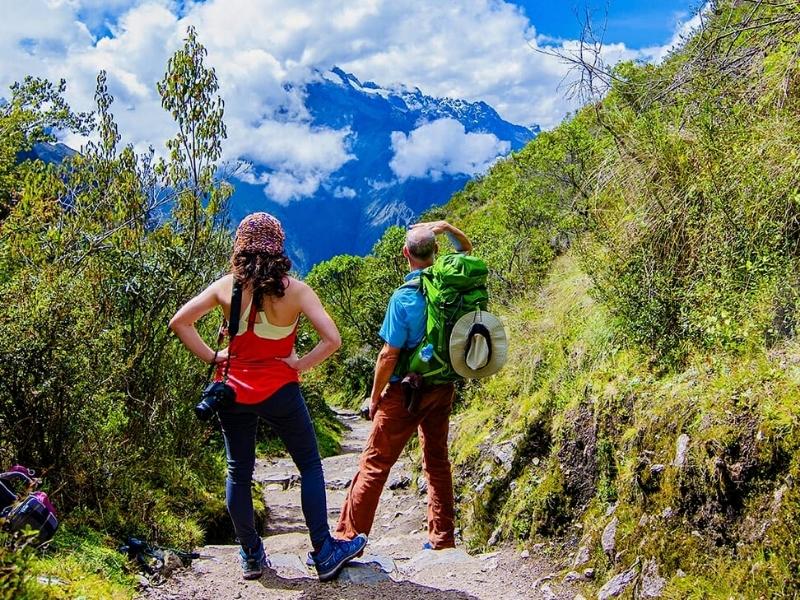
You’ll spend the next five days trekking the iconic Inca Trail, crossing epic mountain passes and discovering ancient Inca ruins en route on a privately guided trek to the magnificent citadel of Machu Picchu.

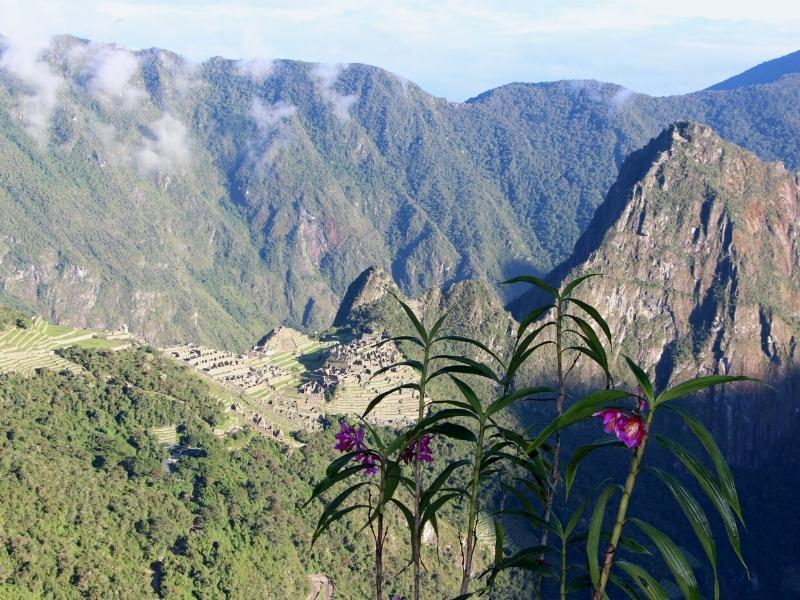
One of our most popular trips in Peru combines the cultural heritage of the Sacred Valley and the challenge of doing one of the most popular hiking trails in the world. The four-day trek on the Inca Trail will reward you with a stunning combination of the area's ruins, mountainous landscapes, and cloud forests.

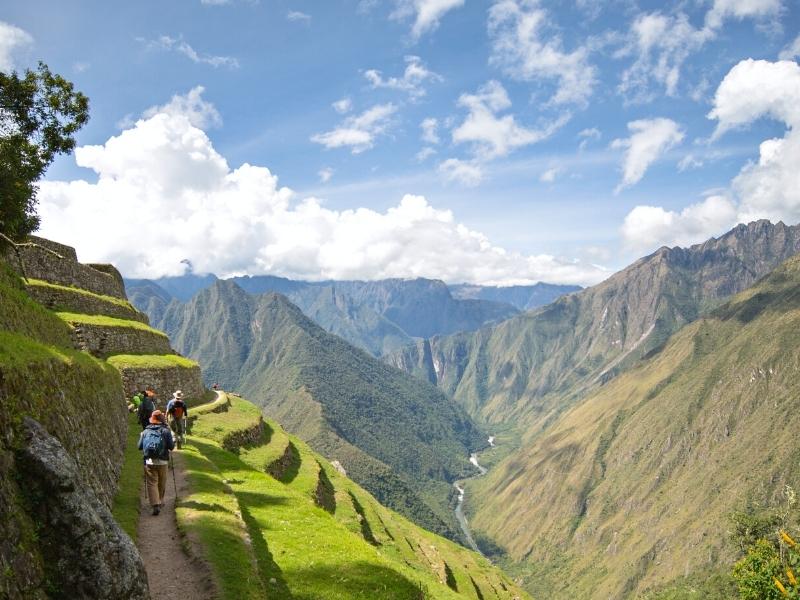
The classic Inca Trail hike to Machu Picchu is one of the world's greatest hikes. Along the 45 km you will explore unique andean valleys, lush mountain forest.An exquisite architecture of the Inca sanctuaries, which will dazzle you for its fineness and location within the Andes.