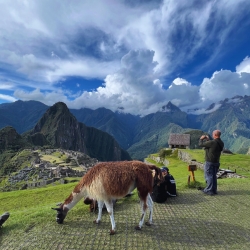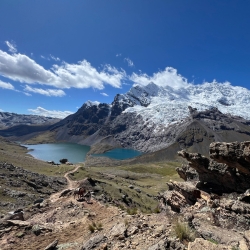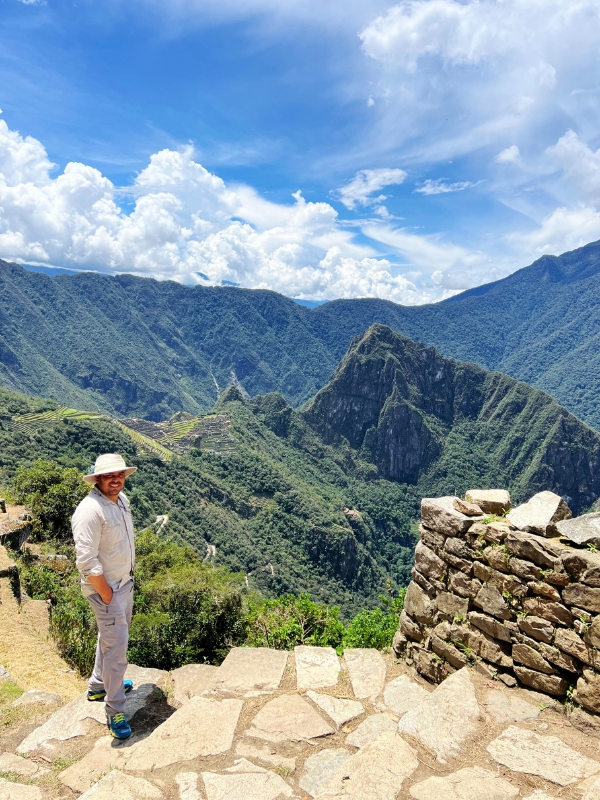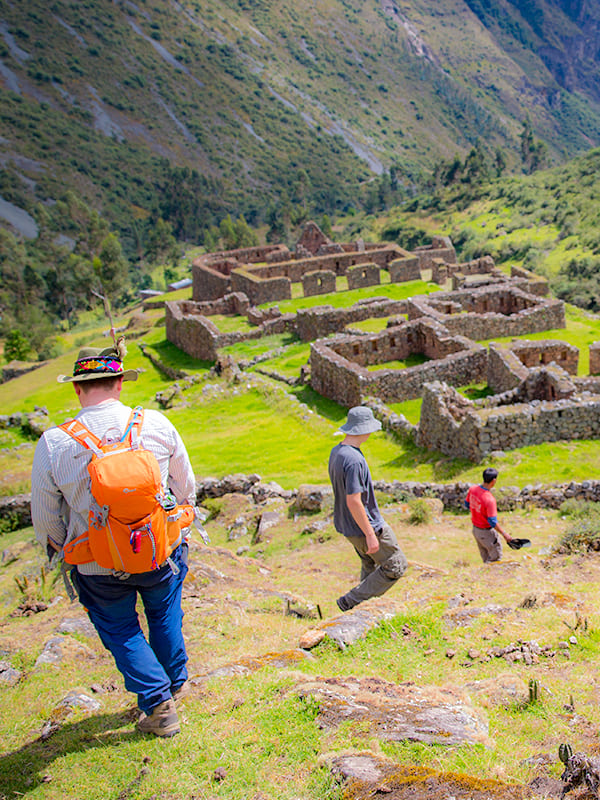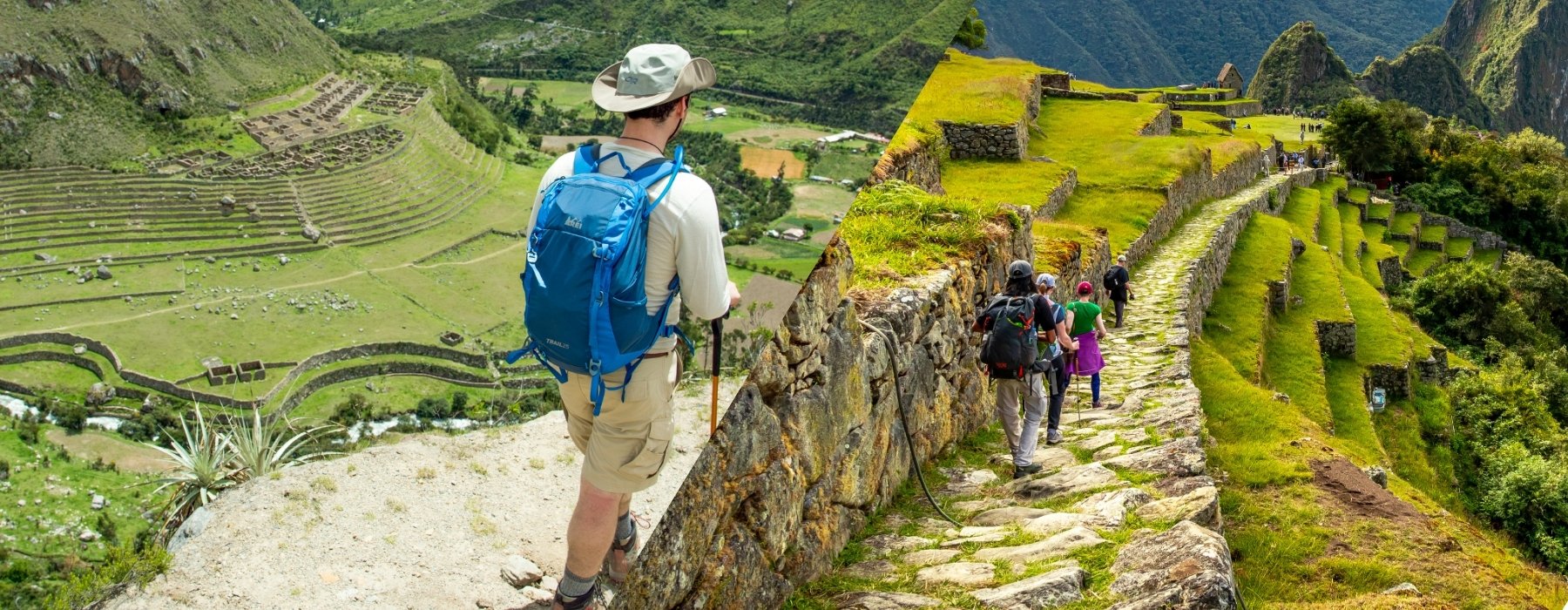
The Inca Trail to Machu Picchu is undoubtedly one of the world’s most iconic treks. Every year, thousands of travelers arrive in Peru with the dream of following in the footsteps of the Incas to the sacred city. But there’s a crucial question many ask themselves before booking: 4 Day Inca Trail vs 2 Day Inca Trail. This decision isn’t simply about more or less time, but about radically different experiences that require very different preparation, fitness levels, and expectations. Choosing between the 4 Day Inca Trail vs 2 Day Inca Trail isn’t just a matter of available time. Several critical factors will determine which experience best suits your expectations, fitness level, and budget: weather, cost, difficulty level, and exposure to crowds. Understanding the profound contrasts between these legendary treks is the first and most important step in planning your Andean adventure, ensuring that the trip you choose perfectly matches your fitness level, available time, and personal travel aspirations.
The legendary 4 Day Inca Trail represents the quintessential pilgrimage: a 43-kilometer immersion in history, breathtaking landscapes, and profound personal fulfillment. This is the complete, history-laden route traveled by the ancient Incas, traversing high mountain passes like the formidable Dead Woman’s Pass at 4,215 meters, descending into cloud forests, and passing through an impressive succession of archaeological sites. It is a transformative journey of camaraderie, endurance, and gradual acclimatization, culminating in the dawn arrival at Machu Picchu through Sun Gate, an entrance that feels both well-deserved and deeply symbolic.
In contrast, the 2 day Inca Trail offers an attractive and accessible alternative, condensing the essence of the trek into a powerful yet manageable experience. Starting at kilometer 104, this route joins the classic trail for its final stretch, the most scenic and archaeologically rich section, allowing you to visit the magnificent ruins of Wiñay Wayna before hiking to the Sun Gate. While it avoids the extreme altitudes and multi-day camping of the longer trek, it’s by no means easy, as it includes a significant initial ascent and a full day of hiking. It’s the perfect solution for those with tighter schedules or who prefer the comfort of a hotel bed but still desire the unique experience of hiking to the Lost City.
So, the debate between the 4 Day Inca Trail vs 2 Day Inca Trail depends on what you’re looking for in this adventure through the Peruvian Andes. Are you drawn to the physical and mental challenge of a full expedition, traversing every step of the ancient stone path? Or do you prioritize a more efficient trip that captures the majestic end of the trail while balancing comfort? In this expanded guide, we break down each of these topics with specific data, practical advice, and direct comparisons to help you make an informed and accurate decision. This guide will delve into every critical factor, from difficulty and weather to cost, crowds, and overall experience, to give you the clarity you need to make the right choice for you.
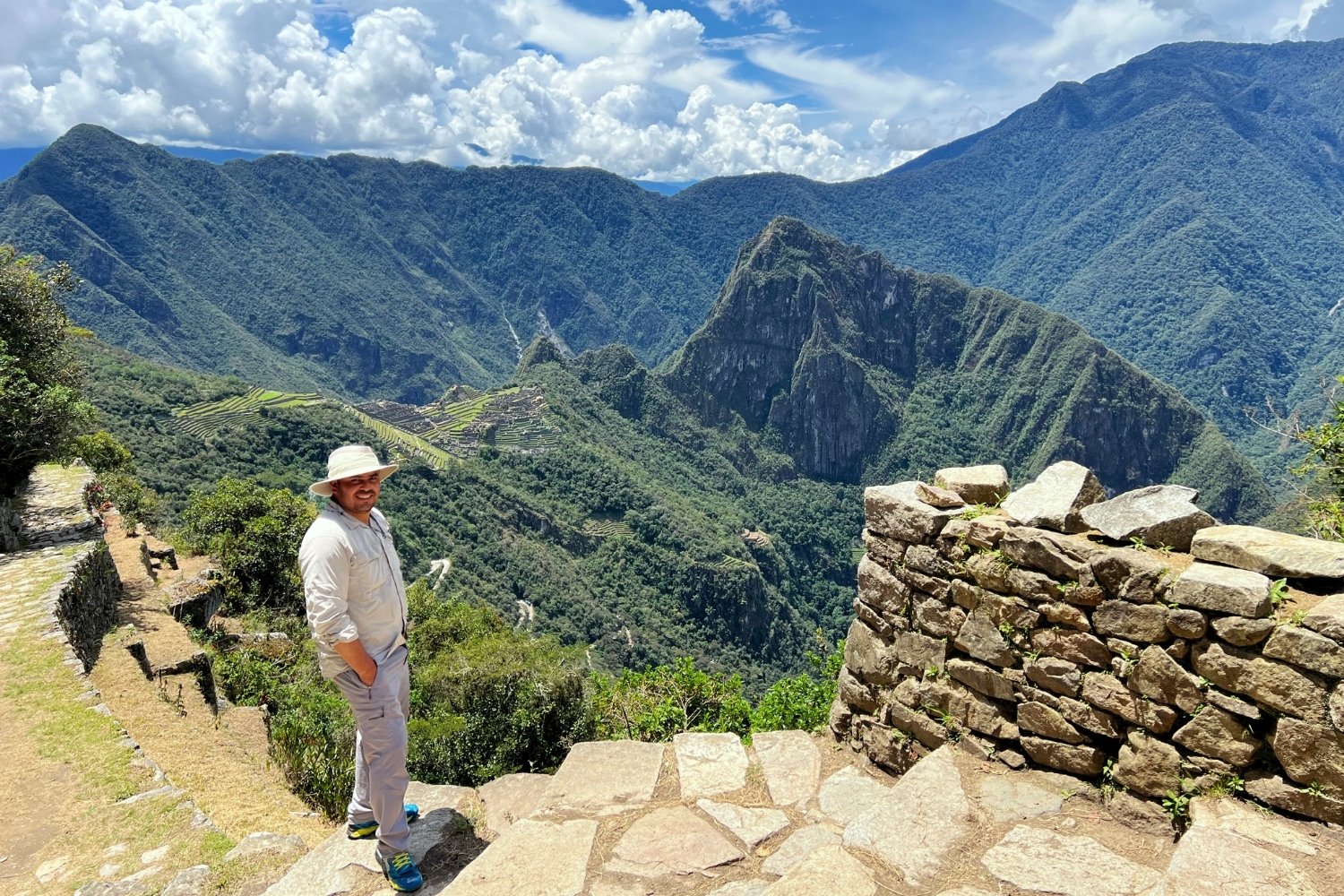
The Inca Trail to Machu Picchu is the most famous and iconic trekking route in South America, and it’s much more than just a hiking trail. It’s an ancient network of paved stone paths, built by the Inca Empire (Tahuantinsuyo) over 500 years ago, connecting the vast Andean territory and culminating at the ceremonial entrance to the citadel of Machu Picchu. There are different sections that connect the Sacred Valley of the Incas with the Inca citadel of Machu Picchu. The most famous are the two-day Sacred Route, which begins at kilometer 104, and the four-day, three-night route. These ancient Inca trails are not just a physical journey, but an immersion in Inca history, engineering, and worldview, traversing diverse Andean ecosystems, from semi-tropical valleys to breathtaking mountain passes above 4,200 meters in altitude.
The Inca Trail experience is unique due to its exceptional combination of archaeological value, biodiversity, and controlled physical challenge. Along approximately 43 kilometers, hikers encounter numerous smaller but impressive archaeological complexes, such as Llactapata, Runkurakay, Sayacmarca, and Phuyupatamarca, which served as administrative centers, lookout posts, and religious sanctuaries. This ecological and cultural corridor traverses the Machu Picchu National Archaeological Park, a protected area that is home to an astonishing variety of microclimates and endemic fauna, such as the Andean cock-of-the-rock (Peru’s national bird) and wild orchids.
Hiking the Inca Trail requires adequate physical preparation and advance planning, as entry permits, managed exclusively by the Peruvian government, sell out months in advance, especially during peak season (May to September). The trek isn’t technically difficult, but its success depends on proper acclimatization to the altitude in Cusco, appropriate gear for both cold and heat, and the stamina for days of up to eight hours of hiking. The ultimate reward, however, is unparalleled: entering Machu Picchu through the Sun Gate (Inti Punku), offering a panoramic and breathtaking view of the sacred citadel, transforms the effort into a profoundly spiritual and monumental experience. More than just a trek, the Inca Trail is a pilgrimage to the heart of the Inca legacy, a route that preserves, stone by stone, the spirit of one of history’s most fascinating civilizations.
The fundamental difference between the 2-day and 4-day Inca Trail lies in the depth of the experience, the length of the historical route, and the level of physical exertion. The classic 4-day, 3-night version is the complete and original route; it covers approximately 43 kilometers and allows you to hike the entire paved Inca road, traversing diverse ecosystems and visiting important archaeological sites along the way, such as Llactapata, Runkurakay, Sayacmarca, and Wiñay Wayna. This option involves considerable physical exertion, with long days of hiking and crossing high mountain passes above 4,200 meters above sea level, such as the iconic Warmiwañuska Pass. Its culmination is the ceremonial entrance to Machu Picchu at dawn on the fourth day through the Sun Gate (Inti Punku), a moment of profound emotional and symbolic impact.
In contrast, the 2-day, 1-night route is a condensed and significantly less demanding version, designed for those with limited time or less physical fitness. This itinerary begins at kilometer 104 of the railway (Chachabamba), thus avoiding the most arduous high-altitude sections and covering only about 16 kilometers of hiking in a single day. Although it includes a visit to the impressive archaeological site of Wiñay Wayna (“Forever Young”), it misses the experience of the other complexes and the diverse landscape of the longer route. Arrival at Machu Picchu is in the afternoon of the first day, missing the iconic sunrise from Inti Punku, and the guided tour of the citadel takes place the following day. Therefore, while the 4-day route is a total immersion journey on the Qhapaq Ñan, the 2-day route serves as a direct and scenic access to the final destination, with a more touristic and accessible approach.
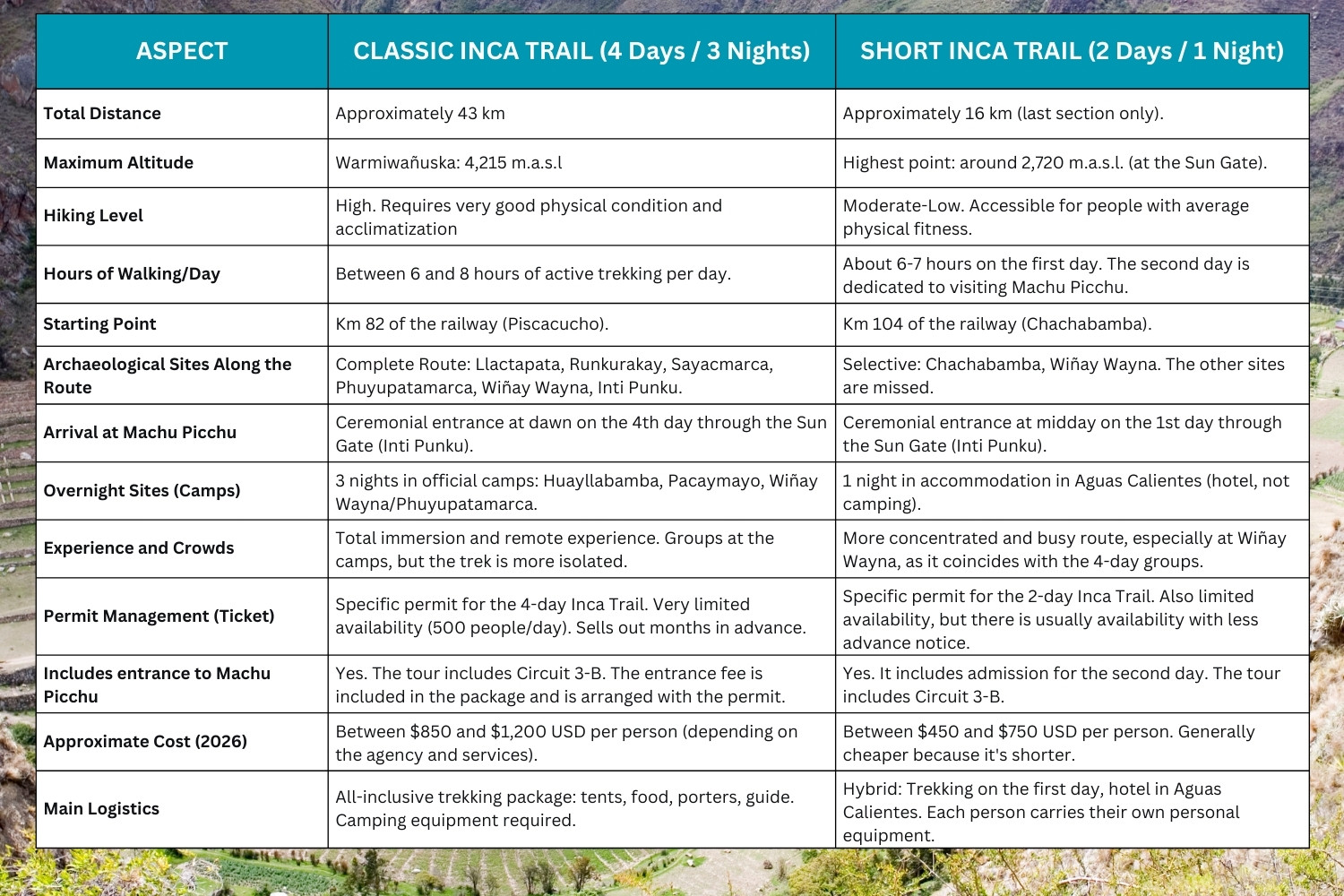
Before deciding which trekking route is right for you, we want to provide you with detailed information about each one. This information chart outlines what you should consider to choose the most suitable route for you and your companions. By gathering more information before starting the booking process, visitors will undoubtedly have one of the best experiences when hiking the Inca Trail to Machu Picchu.
The standard Short Inca Trail package, booked through an authorized tour operator, is all-inclusive from the moment passengers are picked up in Cusco until they are returned at the end of the trek. The essential components are:
Transportation:
Accommodation and Meals:
Guides, Entrance Fees, and Logistics:
All permits and entrance fees: The specific permit for the Short Inca Trail and the entrance to Machu Picchu. (Crucial note: This entrance fee is usually only for Circuit 3-B). It does NOT include the additional entrance fee or permit to climb Huayna Picchu or Machu Picchu Mountain. If you wish to add this experience, it must be requested well in advance and incurs an additional cost.
Assistance and organization: The agency handles all coordination, including booking permits months in advance, which are mandatory and non-transferable.
Items NOT Included (Common):
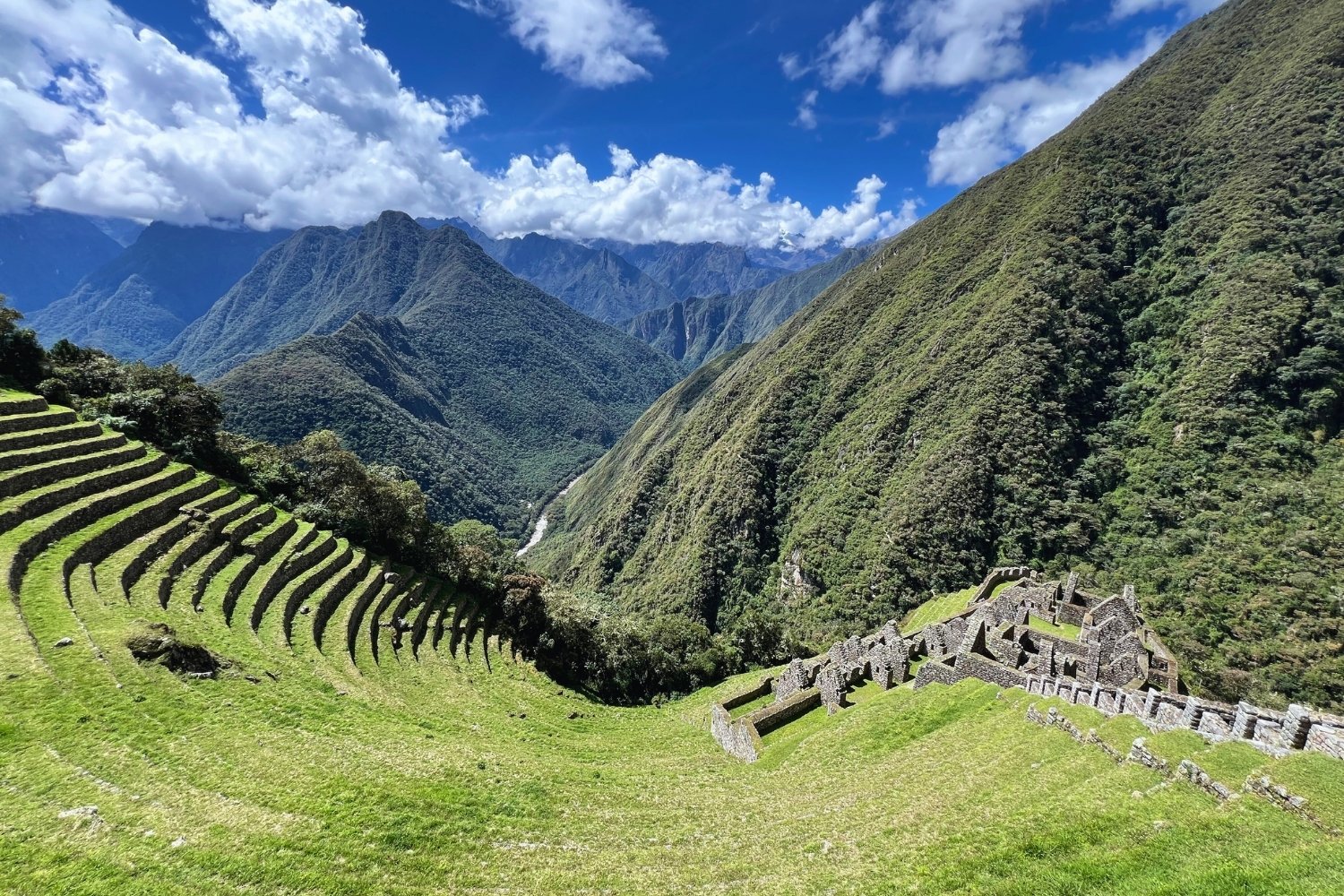
The hike is concentrated almost entirely on the first day, which is intense and quite long. The second day is dedicated exclusively to the guided tour of the citadel.
Day 1: Trek from Km 104 to Machu Picchu and descent to Aguas Calientes.
Total day time: Between 10 and 12 hours from departure from the hotel in Cusco to arrival at the hotel in Aguas Calientes.
Actual hiking time (trekking): Approximately 6 to 7 hours. This time varies depending on the group’s pace, weather conditions, and stops for rest and lunch. Day Breakdown:
Day 2: Visit to Machu Picchu and return to Cusco.
Day Breakdown:
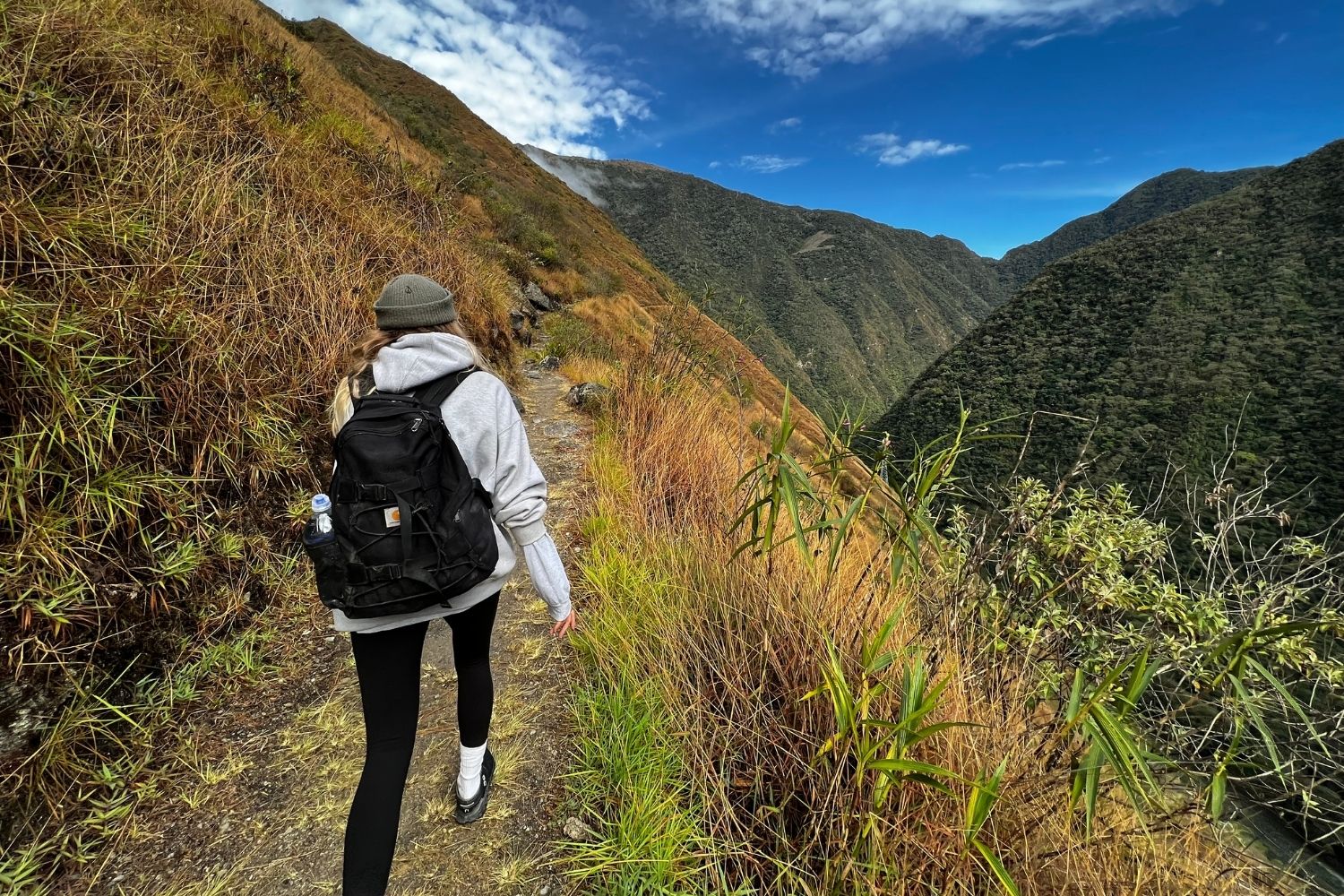
Although the itinerary doesn’t cover all the archaeological sites along the classic route, it allows you to visit two complexes of great beauty and importance, culminating in the main jewel.
Chachabamba (Starting Point – Km 104, ~2,100 m.a.s.l.):
Characteristics: This is a minor religious and administrative center, located in the cloud forest. Its main function was linked to controlling access to the route to Machu Picchu and to the worship of water and fertility.
What you will see: You will see agricultural terraces, finely crafted water channels, and stone enclosures. The guide explains the beginning of the trail here and its significance within the Qhapaq Ñan network.
Wiñay Wayna (“Forever Young” – ~2,650 m.a.s.l.):
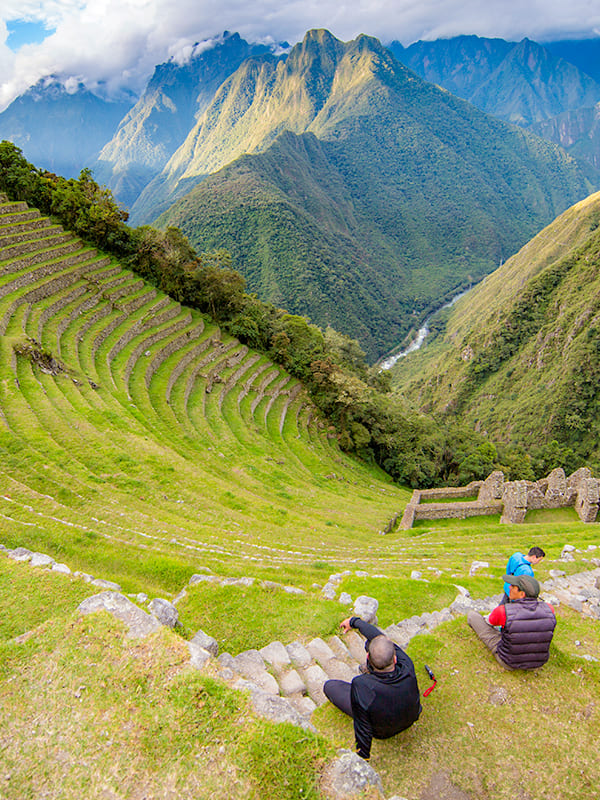
Importance: It is undoubtedly the most spectacular archaeological site on the entire Inca Trail, after Machu Picchu. Its name comes from the orchids that bloom year-round in the area. It is a first-rate complex, comparable in beauty and sophistication to the citadel itself.
Main Structures:
Machu Picchu Citadel:
Guided Tour (Day 2): The tour follows one of the official circuits, exploring the most iconic areas: the Terrace of the Guardians (postcard view), the Temple of the Sun (Torreón), the Royal Residence, the Sacred Plaza with the Temple of the Three Windows, the Main Temple, the Intihuatana Stone (sundial), and the Industrial Sector of the agricultural terraces.
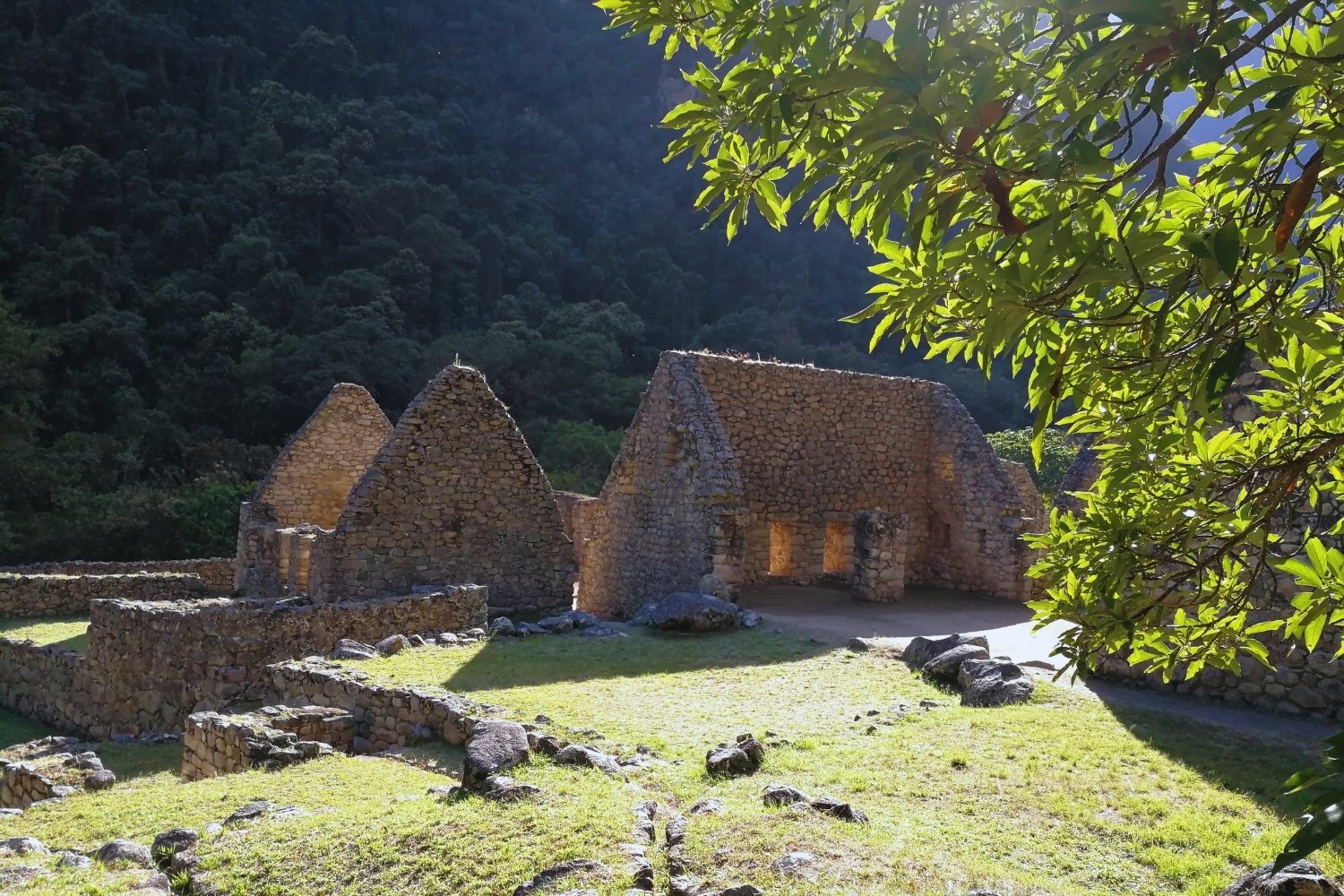
This is the essential guide for hikers planning to embark on the classic route. It focuses on the operational, logistical, and experiential information that truly matters during the trek.
Everything is geared towards allowing hikers to simply focus on hiking and enjoying the experience. The authorized agency must provide all-inclusive service on the mountain. Know exactly what to expect:
Logistics and Camping Equipment (The Essentials):
Transportation:
Not Included (Be Prepared for This):
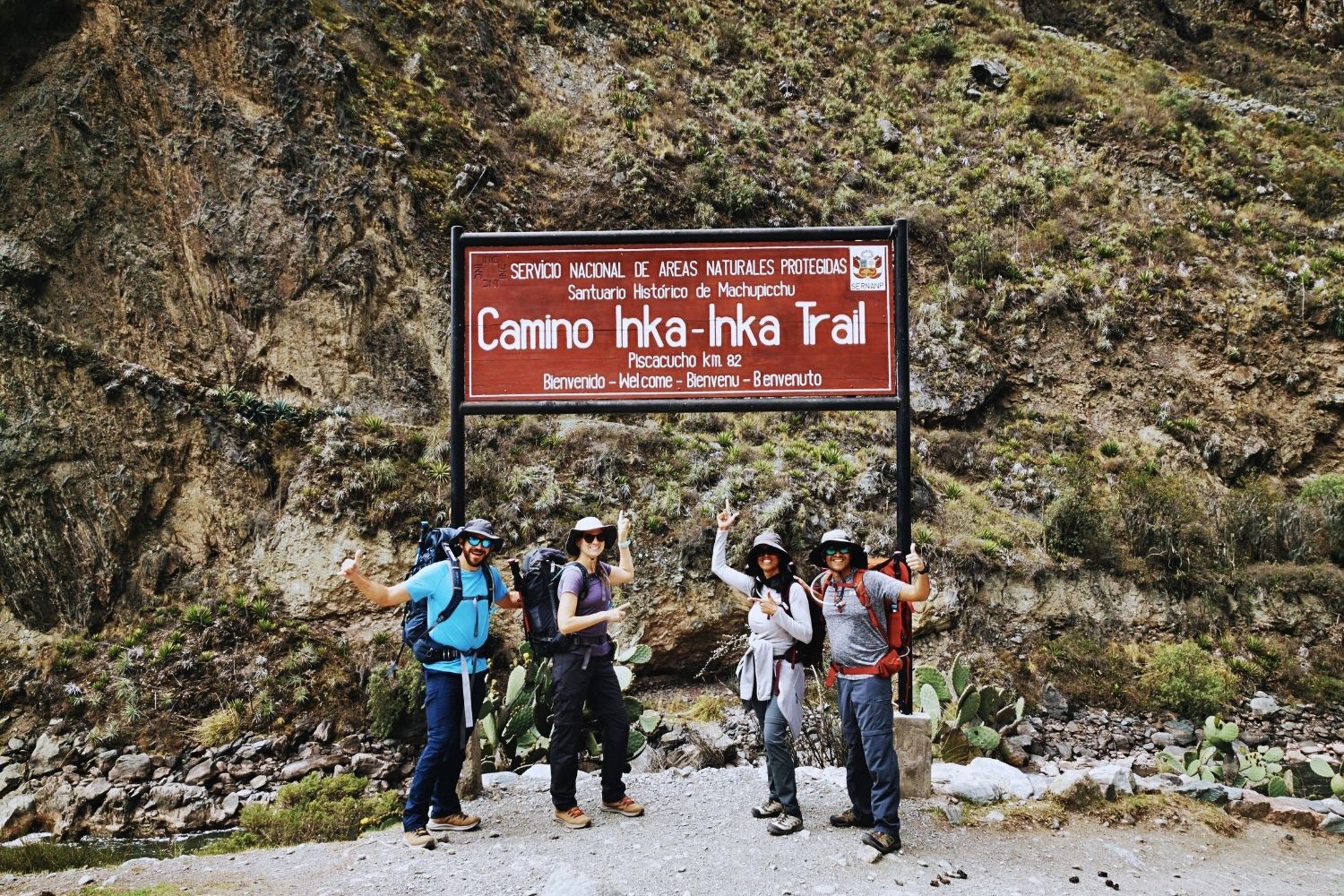
These are long and variable days. The duration includes not only hiking time but also stops, visits, and rest breaks. Schedules are strict to ensure arrival at the assigned campsites.
Day 1: Km 82 to Huayllabamba (Campsite) – “Moderate Acclimatization”.
Day 2: Huayllabamba to Pacaymayo (Campsite) – “The Altitude Challenge”
Day 3: Pacaymayo to Wiñay Wayna/Phuyupatamarca (Campsite) – “The Day of the Ruins and the Jungle”
Day 4: Wiñay Wayna to Machu Picchu and Visit – “The Reward”
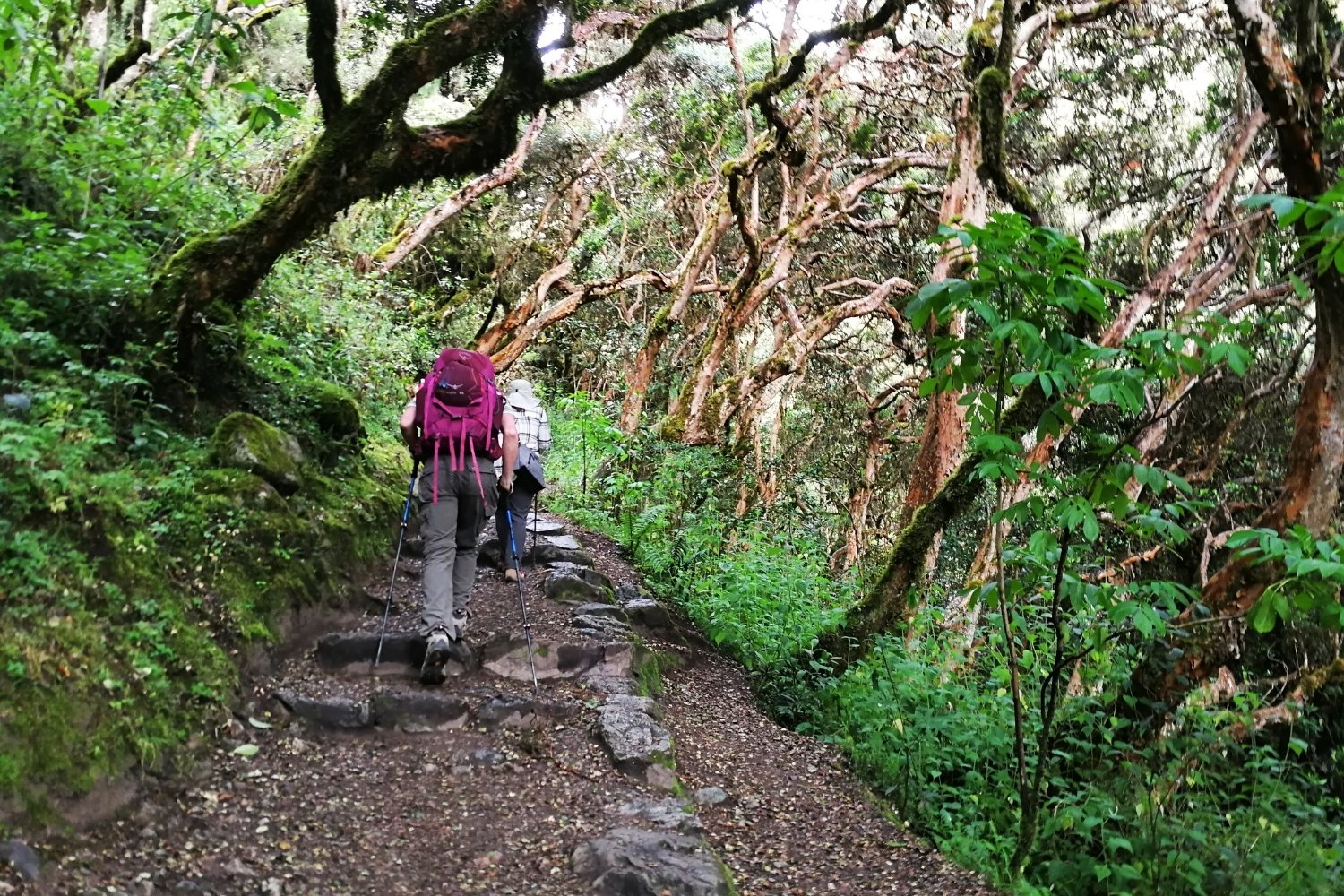
The trail is an open-air archaeological museum. These sites are not mere ruins; they are an integral part of the experience.
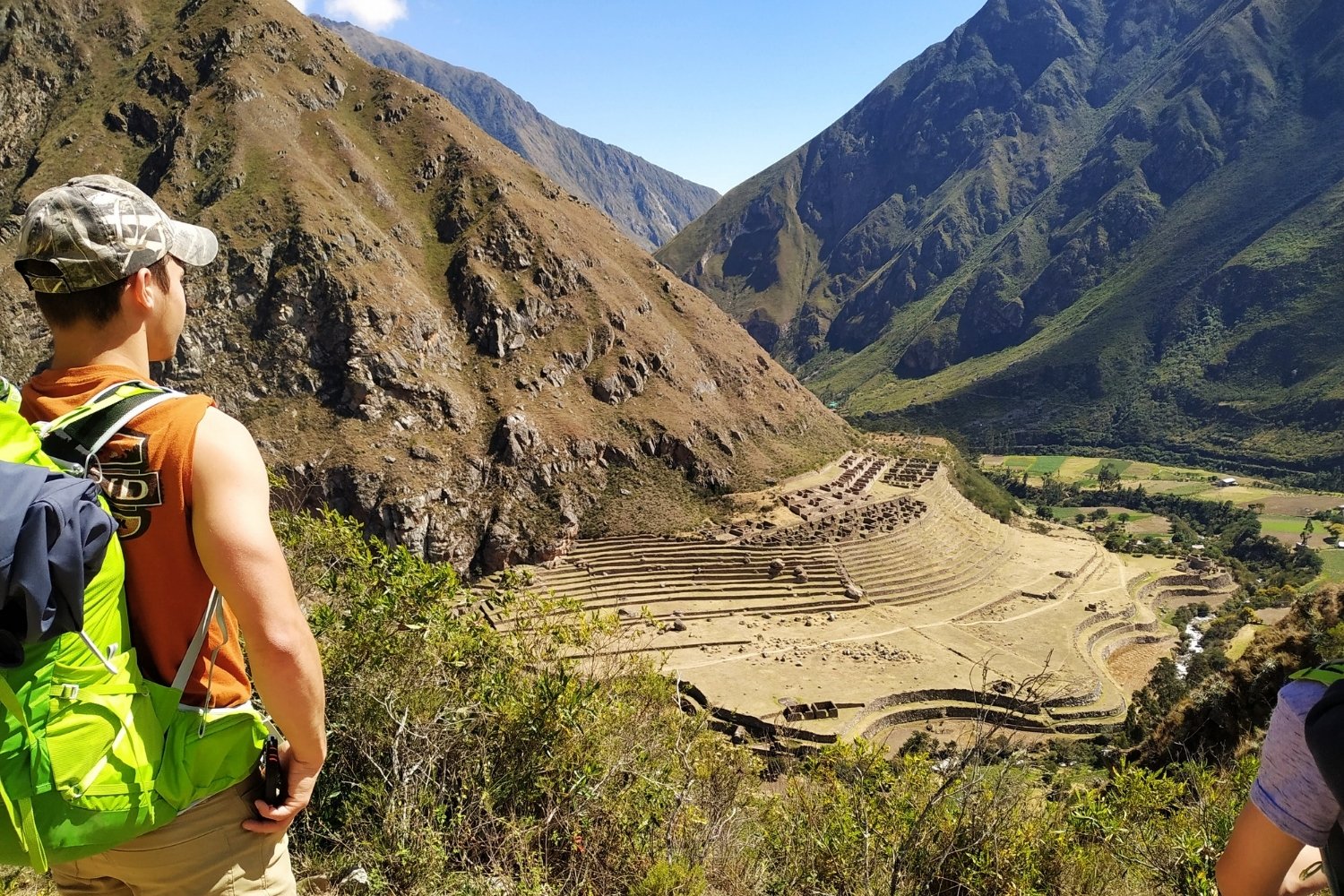
Day 1: Llactapata (“Upper Village”): A first glimpse into Inca engineering. Vast agricultural terraces that controlled the production of the Sacred Valley.
Day 2: Runkurakay (“Ovoid Basket”): A small, circular tambo (way station and rest stop) at the top of the second pass. It offers spectacular views of the trail already traveled and those yet to come.
Day 3 (The Archaeological Day Par Excellence):
Day 4: Inti Punku (“Sun Gate”): Not an elaborate ruin, but a natural viewpoint that served as a checkpoint. It is here, after four days of effort, that you get your first complete and truly accomplished view of Machu Picchu. It is the most emotionally impactful moment of the entire trip.
An essential step in this process is booking your permits in advance. Demand for Inca Trail tickets can be high, especially during peak season when everyone wants to witness its incredible beauty. If you’re leaning towards the longer 4-day trek, be prepared: these spots fill up quickly because many adventurers are drawn to the idea of a more extensive exploration. To avoid missing out on the trek of your dreams, it’s wise to plan ahead and obtain your permits as soon as possible. Booking in advance not only guarantees your spot but also facilitates a smoother experience, allowing you to focus on creating unforgettable memories along the way. Whether you’re racing against time or savoring every step, good planning will make your trip to Machu Picchu even more special.
When to book:
High season (May to September): Book 6 to 8 months in advance, especially if traveling between June and August.
Low season (November to March): Book 4 to 6 months in advance, although the rainy season may limit access.
Special considerations:
When to book:
High season: Book 6 to 8 months in advance.
Low season: Book 4 to 6 months in advance.
Special Considerations:
Factors that influence booking time:
1. Travel Season:
2. Holidays and Special Events:
3. Operator Availability:
4. Booking Process:
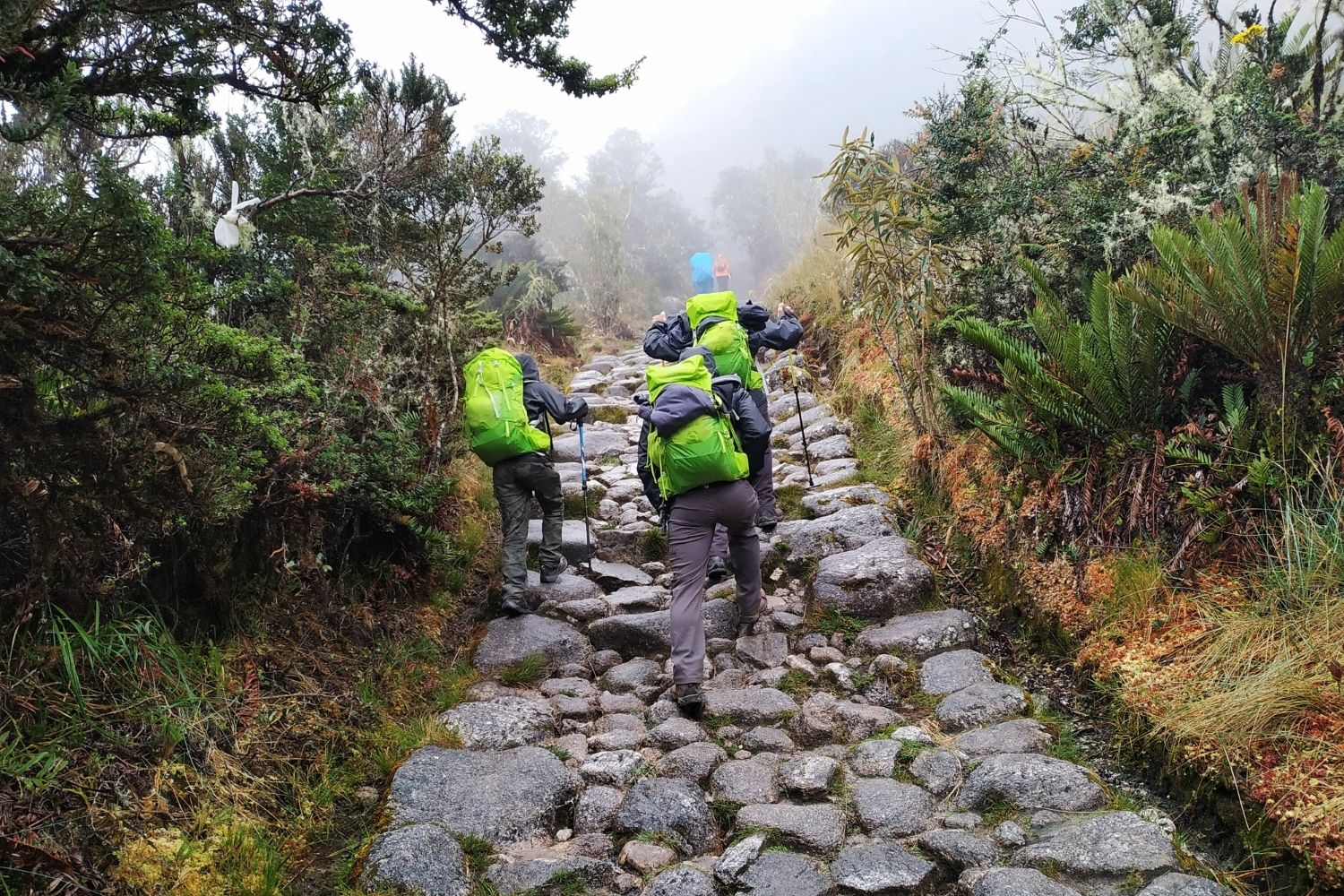
The four-day trek is known for its difficulty, requiring good stamina and strength to tackle steep trails and high altitudes. Expect to hike between 16 and 19 kilometers each day, spending approximately 6 to 8 hours on the trail. Prior trekking experience can be helpful, but it’s not absolutely necessary if you’re in good physical shape and ready for a challenge. On the other hand, the two-day trek offers a gentler version of this adventure, with fewer kilometers and hours of walking, making it easier for those who aren’t as fit or have less experience. While it’s an excellent introduction to the Inca Trail, keep in mind that you might miss some of the spectacular views and cultural moments offered by the longer trek. So, consider your fitness level and what you want to experience before making a decision!
Short Inca Trail (2 days / 1 night)
Classic Inca Trail (4 days / 3 nights)
Distances and Hiking Times – Detailed Breakdown
2-Day Inca Trail Itinerary:
Day 1:
Day 2:
4-Day Inca Trail Itinerary:
Day 1: Easy Hike
Day 2: The Most Demanding Section
Day 3: Crossing the Andes and Cloud Forest
Day 4: Arrival at the Wonder of the World
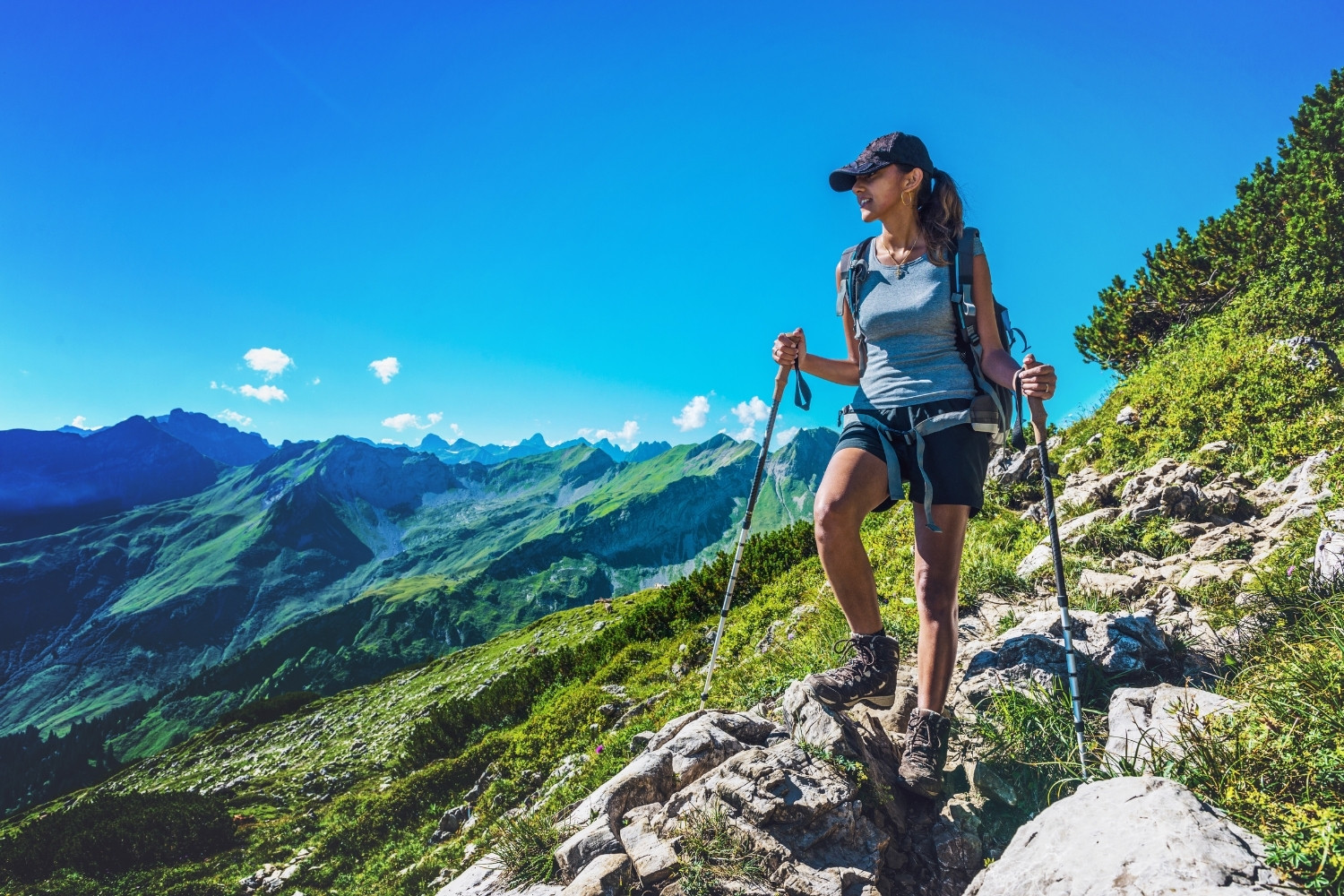
For the 2-Day Inca Trail:
Minimum physical condition:
For the 4-Day Inca Trail:
Required physical condition:
For the 2-Day Inca Trail:
For the 4-Day Inca Trail:
Specific Difficulty Factors
Common Challenges for Both Routes:
Specific Training Plan
Health and Acclimatization Considerations
Medical contraindications:
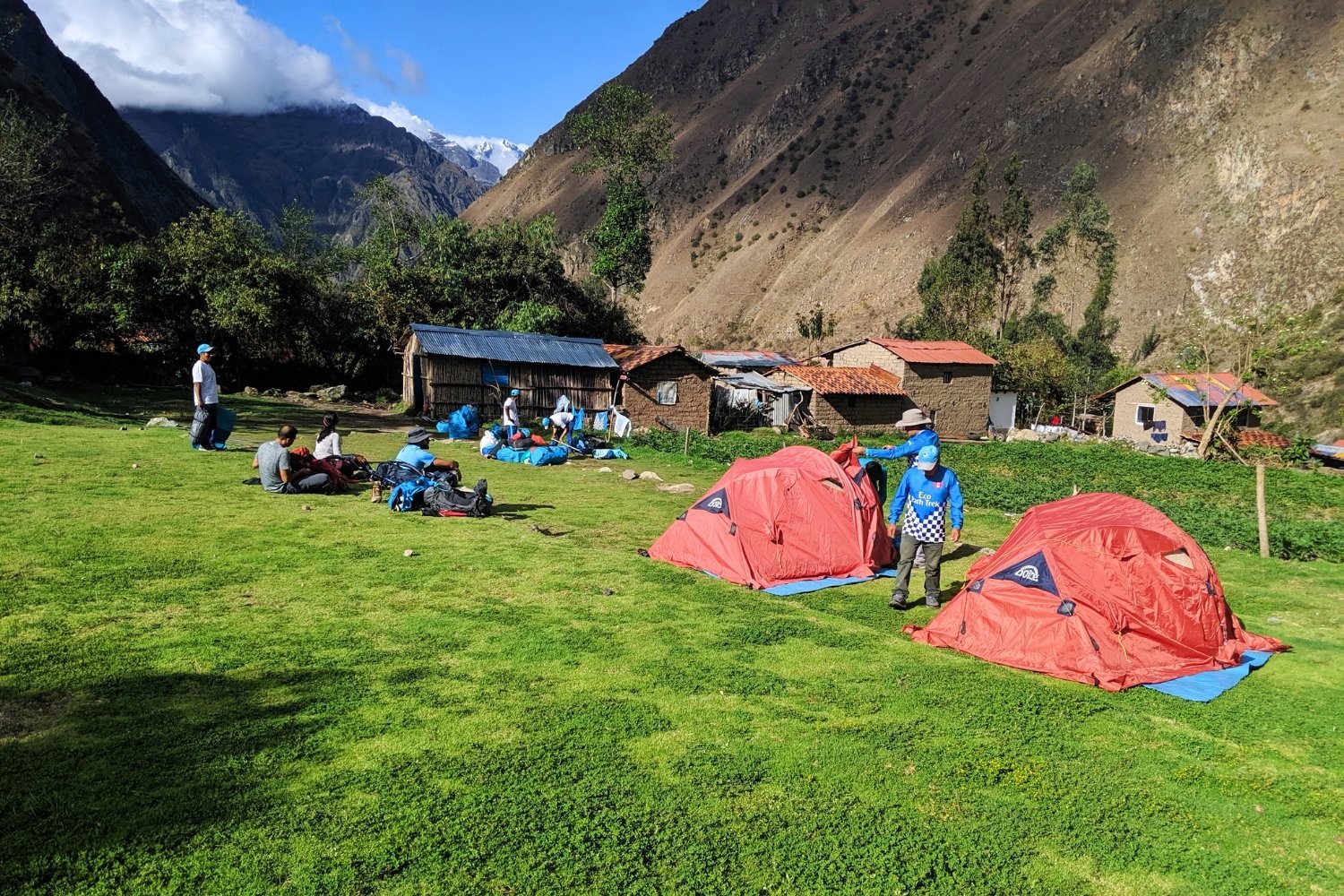
On the classic 4-day Inca Trail, hikers stay overnight at official campsites designated and managed by the Peruvian Ministry of Culture. These campsites, located at strategic points along the route, offer stunning but basic accommodations. Nights are typically spent in double tents provided by tour agencies, set up in level, designated areas. Infrastructure is minimal: the campsites have basic, shared latrines, but no showers or electricity. The first day is usually spent camping at Huayllabamba (approximately 3,000 meters above sea level), the second at Pacaymayo (3,600 meters above sea level), and the third at Wiñay Wayna (2,650 meters above sea level), famous for its Inca terraces and proximity to Machu Picchu. It is crucial to understand that camping is not permitted just anywhere; Access to these sites is strictly controlled, and their allocation is an integral part of the permit and logistics organized by the authorized agency. The experience is one of total immersion in nature, with cold nights and starry skies, but with the convenience of porters handling the transport of heavy equipment, setting up camp, and preparing meals.
Accommodation logistics are a vital component of the experience, managed entirely by the contracted tour agency. They provide all camping equipment: sturdy tents, insulating sleeping mats, and, in most cases, a comfortable sleeping bag suitable for the low nighttime temperatures, which can hover around 0°C, especially at the higher-altitude camps. A distinctive and much-appreciated feature is the dining tent, where the group gathers for hot meals prepared by the expedition’s chef. It is important to note that there are no lodging options in lodges, cabins, or hotels along the route; the Archaeological Park regulations require the exclusive use of designated campsites to preserve the fragile ecosystem. Advance booking is essential, as access to these limited and coveted campsites is assigned on a first-come, first-served basis, with Wiñay Wayna being the most sought-after due to its prime location.
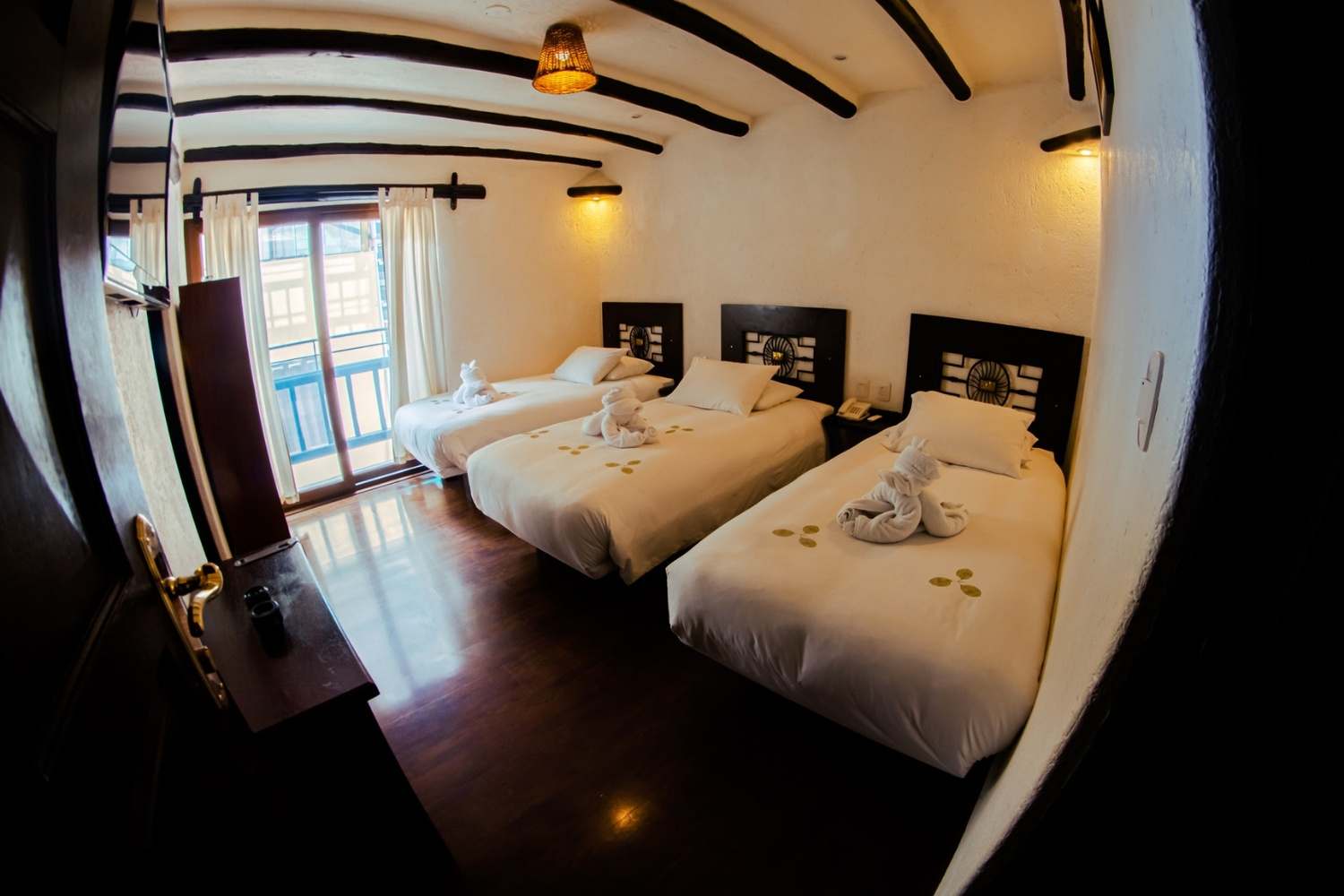
During the 2-day Inca Trail, the overnight experience is radically different from the classic route, as it involves a single night’s accommodation in a hotel or hostel in the town of Aguas Calientes (Machu Picchu Pueblo), rather than in mountain camps. This is because the short itinerary, which begins at kilometer 104 of the railway, culminates on the afternoon of the first day directly at the gates of Machu Picchu. After visiting the Inca citadel at sunset, hikers descend by bus to Aguas Calientes, where they have accommodation booked in a tourist establishment. This option offers modern amenities such as a private bed, bathroom with hot shower, electricity, and Wi-Fi, representing a stark contrast to the rusticity of the camps. For many travelers, this is a decisive advantage, as it allows for a well-deserved rest, a refreshing hot shower, and the opportunity to charge electronic devices before the full guided tour of Machu Picchu the following day.
The logistics for this night are handled entirely by the tour agency with which the package is booked, and the total price includes the reservation and accommodation costs. It is essential to clarify that camping is not an option during the 2-day Inca Trail; National Park regulations and the itinerary itself make it impractical. The quality and location of hotels in Aguas Calientes can vary significantly between different tour operators, ranging from basic accommodations to superior hotels. Therefore, it is advisable to inquire about this specific detail at the time of booking. This option makes the shorter Inca Trail an ideal alternative for those seeking to experience the essence of the trail and the majesty of Machu Picchu, but who prefer or need the comforts of standard tourist accommodations, avoiding the physical and logistical demands of a multi-day camping trek.
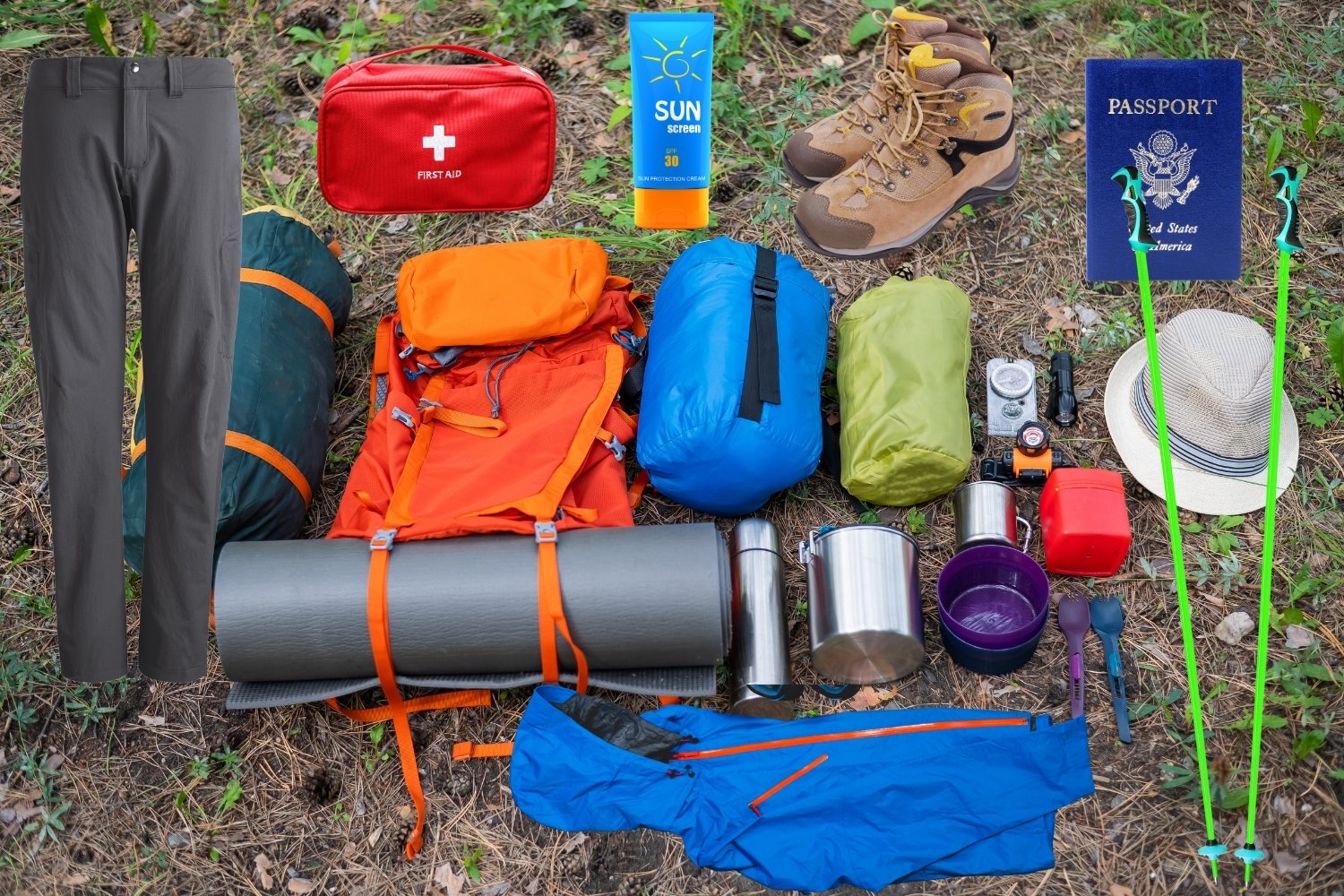
No, hikers do not need to bring their own basic camping equipment (such as a tent, sleeping mat, or sleeping bag) for the 4-day Inca Trail, as this is provided as standard by all authorized tour operators as an integral part of the package. The trek’s logistics are designed so that travelers only carry a personal daypack with their belongings. Tour operators supply double tents (or sometimes single tents upon request) in good condition, insulating sleeping mats, and, almost universally, a sleeping bag suitable for the low nighttime temperatures in the mountains. They also provide all the essential communal equipment, such as the dining tent, tables, chairs, and cooking equipment, which is transported and set up by the porter team. This frees hikers from a considerable logistical and physical burden, allowing them to focus on the experience of the trail and the scenery.
However, it is highly recommended that each person bring specific personal equipment and accessories to optimize their comfort and safety during nights at high-altitude camps. This essential personal equipment includes: a headlamp or flashlight (crucial for moving around the camp after dark and for the very early hike on the last day), thermal sleepwear (such as a merino wool or synthetic base layer), thick socks for the evenings, a down or high-warm synthetic jacket for the cold evenings and nights, and a personal toiletry bag with biodegradable items. Many travelers also choose to bring a quick-drying microfiber towel and their personal first-aid kit. In short, while the agency covers the camp infrastructure equipment, personal preparation with the right gear is key to a comfortable and safe experience on cold Andean nights.
The choice of clothing and footwear for the 4-day Inca Trail should follow the “layering system” principle and prioritize functionality, adaptability, and protection against the drastic weather changes of the Andes. Footwear is undoubtedly the most critical element: mid- or high-cut, waterproof trekking boots (with a membrane like Gore-Tex) with Vibram or similar robust grip soles should be worn, and they should be properly broken in and tested beforehand to avoid blisters. Clothing should consist of technical layers that allow for temperature regulation: a breathable, long-sleeved base layer (synthetic or merino wool), a thermal insulation mid-layer such as a thin fleece or a lightweight down jacket, and a waterproof and windproof outer layer. Quick-drying trekking pants (convertible to shorts or not) are essential, as are several pairs of seamless technical wool or synthetic socks to change daily.
In addition to the basic gear, your clothing should be complemented with essential accessories for personal protection and comfort. For your head, you’ll need a wide-brimmed hat or cap for intense sun and a wool or fleece hat for cold nights and early mornings. Lightweight liner gloves are very useful for the early morning hours. Sun protection is crucial, so pack long-sleeved clothing with UV protection, high-category sunglasses (index 3 or 4), and high-factor sunscreen. For unexpected rain, in addition to a waterproof jacket, lightweight waterproof pants are recommended. Finally, for nights at camp and rest, you’ll need clean, dry thermal sleepwear, which should be stored separately from your daytime gear, and sandals or lightweight shoes to rest your feet at camp after each day’s hike.
Advantages of the 2-Day Inca Trail
1. Accessibility and Less Physical Demand:
2. Essential Experience Condensed:
3. Comfortable Accommodation:
4. Simplified logistics and savings:
5. Availability and planning:
Limited Immersion Experience:
Fewer Archaeological Sites:
Reduced Sense of Pilgrimage:
Different Machu Picchu Entrance:
Intense Day 1 Logistics:
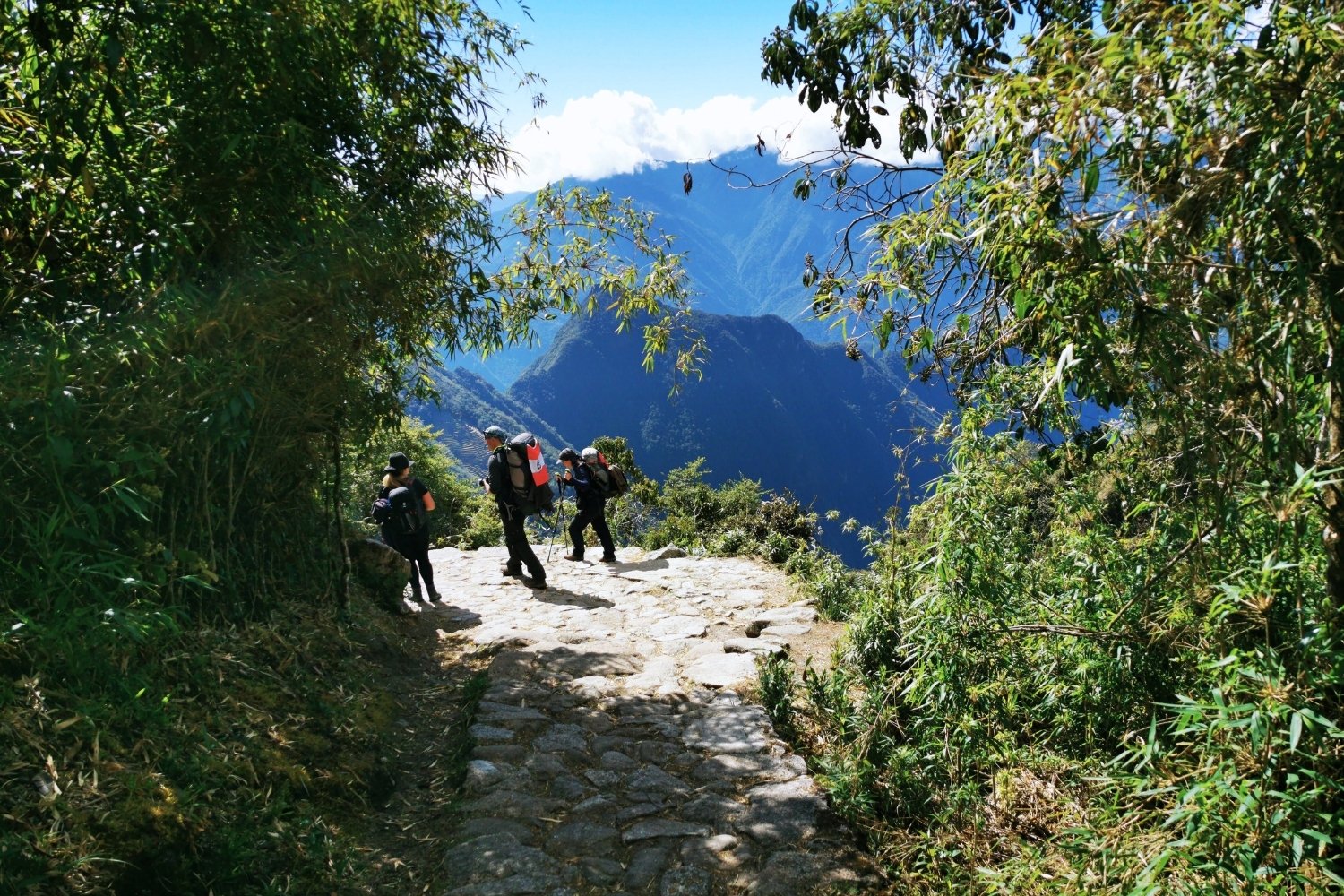
Authentic and Complete Experience:
Superior Archaeological Riches:
Magical Moment at Machu Picchu:
Camping and Camaraderie Experience:
Diversity of Landscapes and Ecosystems:
Greater Value for Money (Experiential):
Exclusivity and Capacity Control:
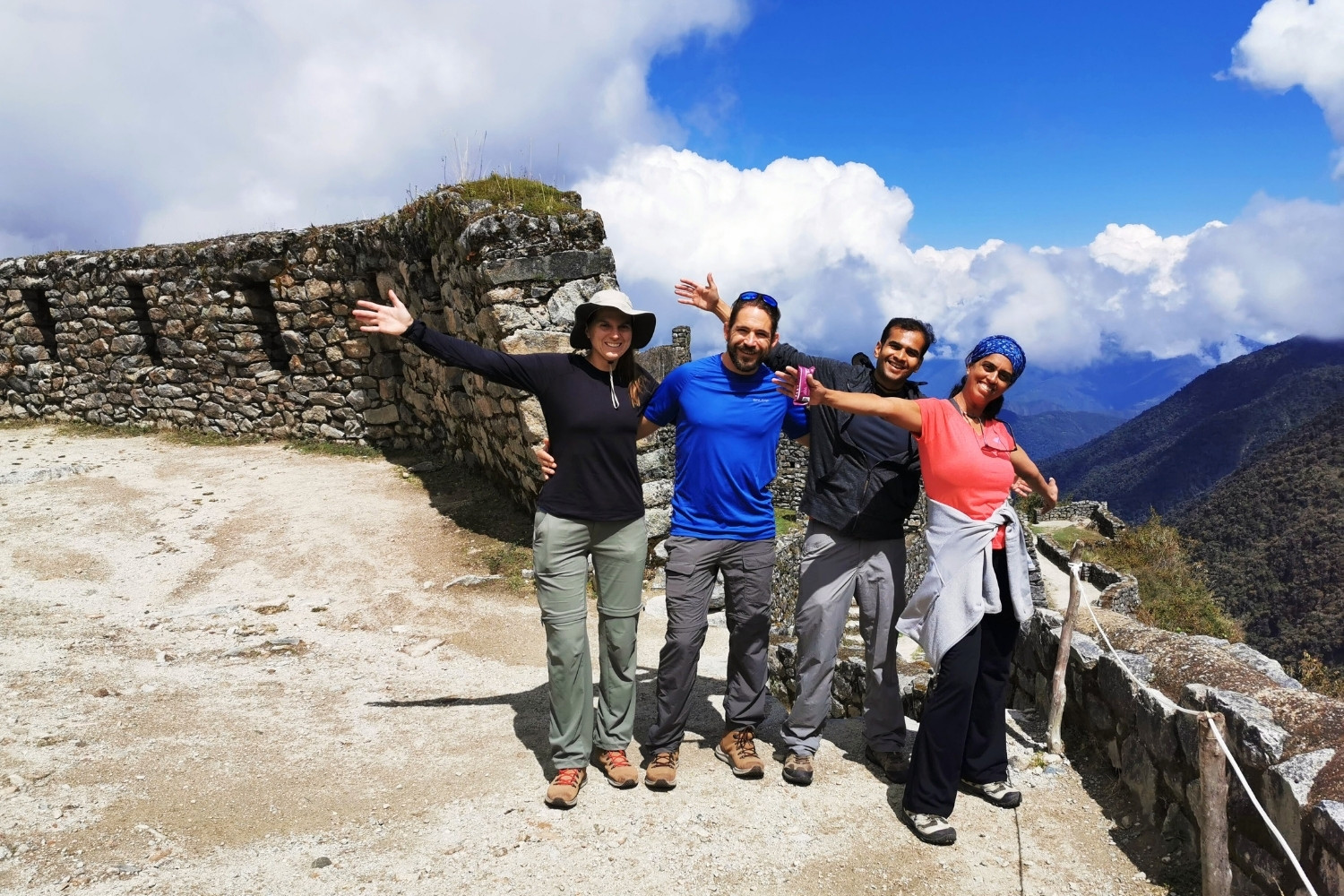
High Physical Demand and Preparation Requirements:
Higher Time and Cost Investment:
Basic Accommodation Conditions:
Complex Logistics and Strict Planning:
Less Accessibility for Some Travelers:
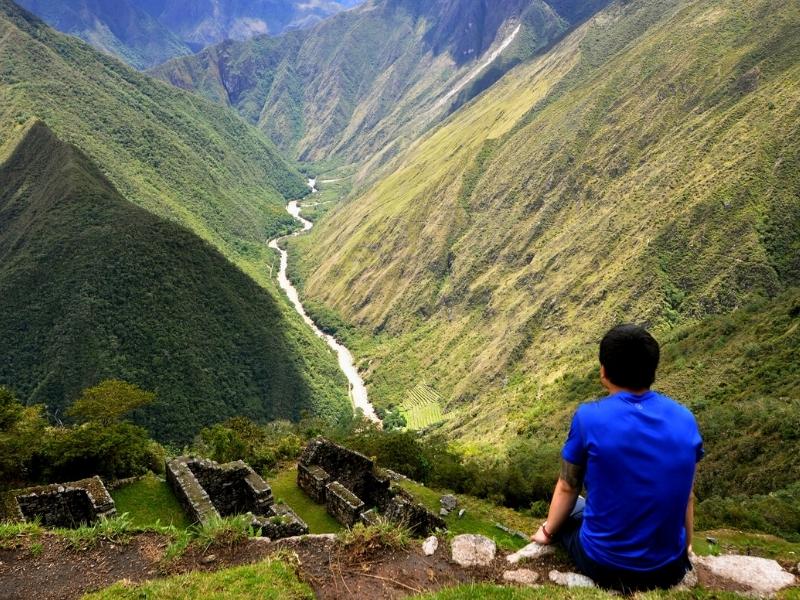
Explore the Manu Amazon Rainforest & Inca Trail hike to Machu Picchu, you will enjoy the best adventures in Peru, exploring amazing inca trail routes and the best amazon wildlife with our local tour guides, in small groups.

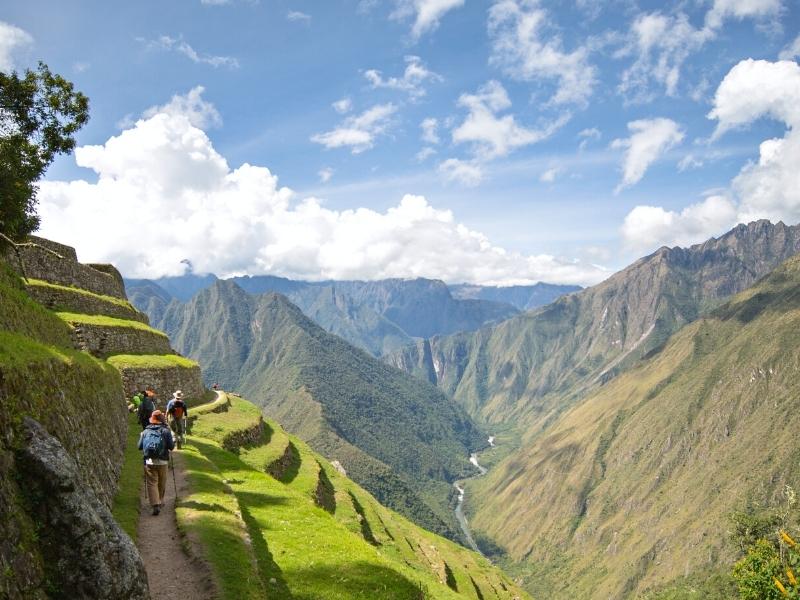
The classic Inca Trail hike to Machu Picchu is one of the world's greatest hikes. Along the 45 km you will explore unique andean valleys, lush mountain forest.An exquisite architecture of the Inca sanctuaries, which will dazzle you for its fineness and location within the Andes.
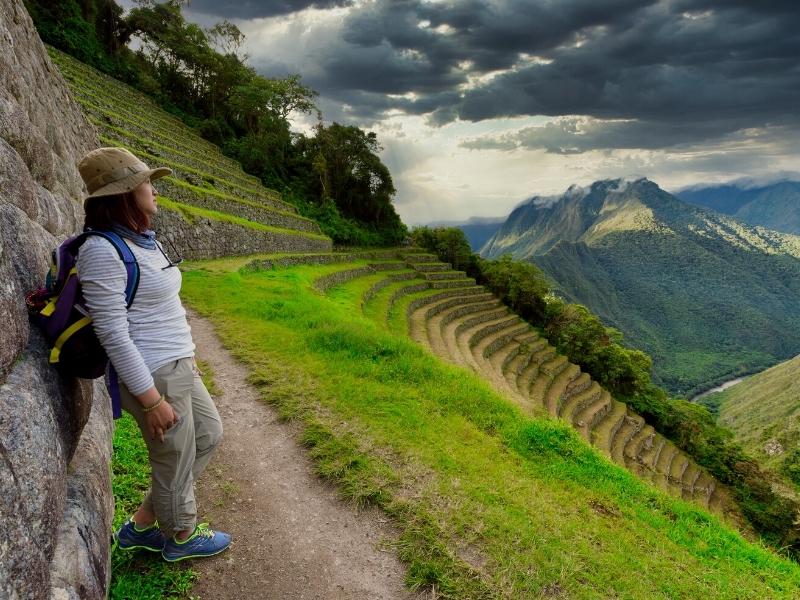
The 2-day Inca trail to Machu Picchu, is the shortest version of the Inca trail circuits to the sacred citadel of Machu Picchu. Andean Great Treks organize this trek with the best local guides and hotels in Machu Picchu. We work only in small groups, the premium service for your delight in Cusco.